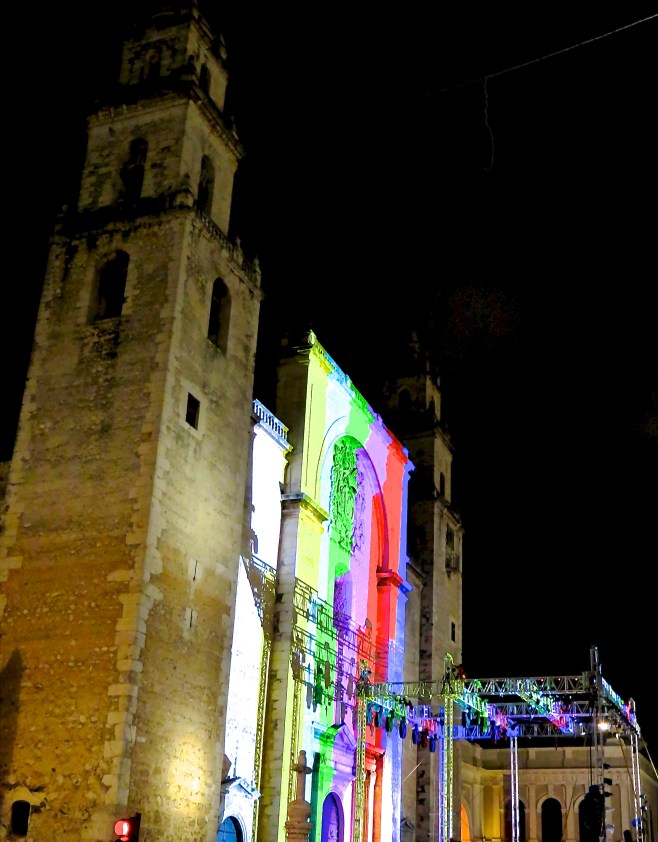
We flew to the Yucatan peninsula to explore some of the Mayan ruins in early January, staying in the city of Merida which was an excellent choice – very well maintained, with good restaurants, museums and public spaces, including the Plaza Santa Lucia, below. About a dozen women, beautifully dressed in traditional costumes of the area, and their families, appeared in the plaza. We thought they were going to perform on the nearby stage but, after conversing, they wandered off to parts unknown.A light and sound show at the main cathedral.A pyramid at Uxmal. Our Mayan guide, who speaks Mayan and Spanish as most of the population do.I can’t imagine what the Spanish invaders thought when they came upon such impressive constructions.Barbara appearing with a famous mariachi group.The light and sound show at Uxmal – all in Spanish, naturally.The beautiful main house at Hacienda Sotute de Peon. Sisal (hemp) was made from agave leaves on this and on many other Yucatan haciendas, and exported to commercial shipping lines and navies around the world for use as lines and hawsers on their ships, making Merida the richest city in Central & South America until nylon was invented. This hacienda was abandoned when hemp was no longer commercially viable and the family retreated to their mansion in Merida. It was bought and restored, over a 10 year period, including the hemp producing machinery, below, at great cost. Sisal is still exported but not in a volume that could sustain the hacienda which now hosts tourists and weddings, quinceaneras and other events.The locals still produce many kinds of products from sisal for tourists and household and decorative use. Many parts of the hacienda, once many thousands of hectares, are connected by a narrow gauge rail system using donkeys instead of engines. We are on are way to a cenote, an underground water supply that abound on the Yucatan peninsula.We descended into the very warm and humid cenote which was also very dark. Fortunately my camera has a sensor that works very well in low light and can be augmented by computer.Several people brought bathing suits and plunged right in.Barbara and a Mayan who worked on the hacienda, planting agave plants, when it was still producing sisal. He is well into his 80s.A typical worker’s house on the hacienda consisting of a kitchen and separate sleeping room. The well and bathroom were outside.
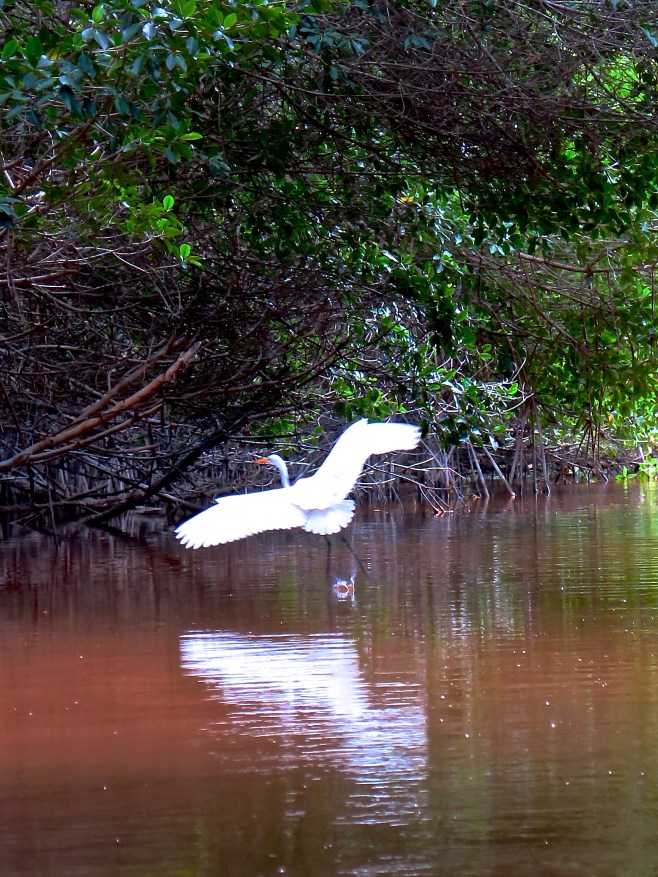
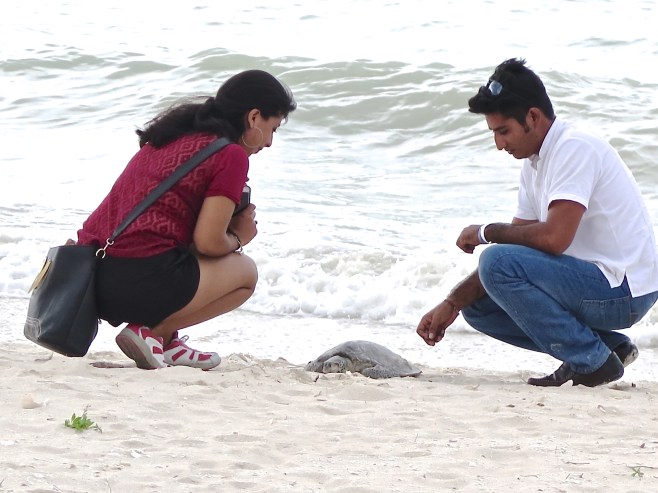
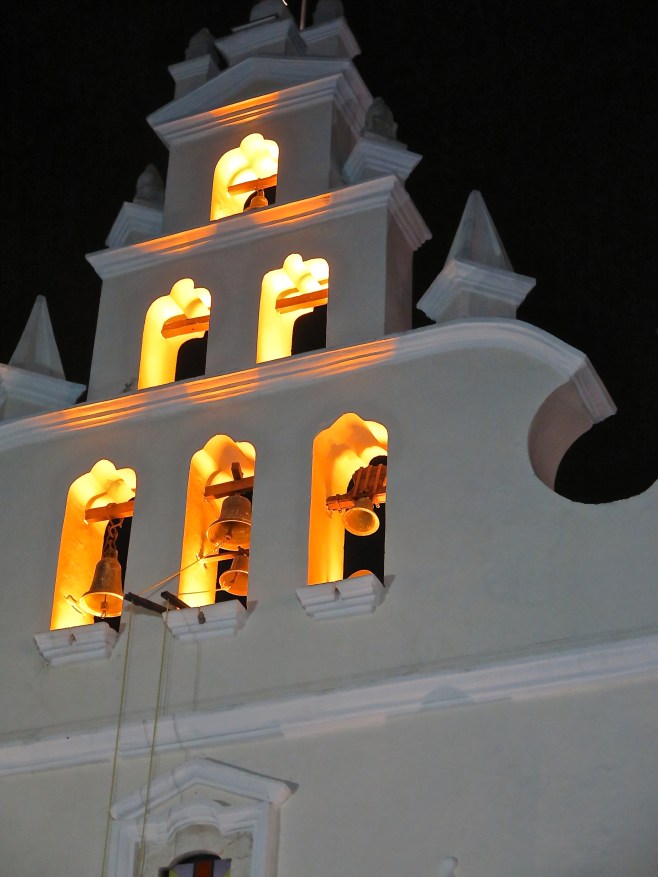
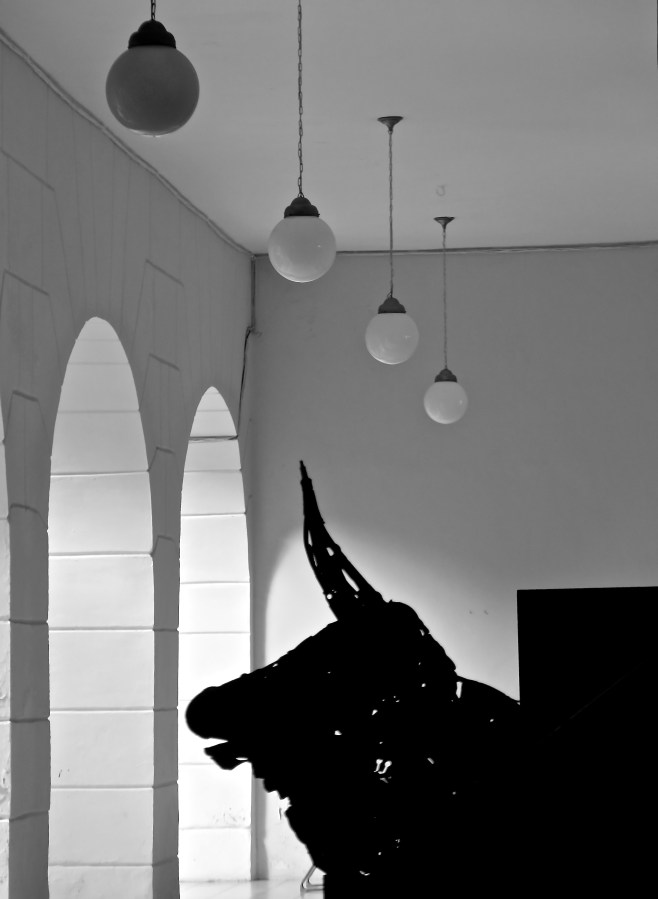
Contemporary guest quarters on the restored hacienda. This agave is different from the kind used to make tequila, but can produce a very fine tequila-like beverage called Sisal. The 60s style hippy bus that took us on a night tour of Merida.The famous Chichen Itza site which, though impressive, we found crowded with tourists and vendors, unlike Uxmal (which we highly recommend).The remains of the Temple of a Thousand Columns.Halfway through the tour the sky opened with torrential rain from which vendors’ shelters had to be relieved lest they cave in.The Mayan observatory viewed from the impressive hotel on property.Flamingoes, pelicans and an egret at the bioreserve in the town of Celestun on the west coast of the peninsula.Our driver/guide and the only other person on the tour to Celestun examining a dead sea turtle.Walking back to our hotel in Merida in the evening we passed this beautifully lit church.A metal bull at the Museum of Contemporary Art.Beautiful mansions, paid for by sisal, abound on the Avenida de la Reforma, many now owned by banks and other commercial organizations.A few are still owned by families.All in all this was a very satisfying trip! Merida has many attractive qualities – excellent streets & sidewalks, NO stray animals (it’s against the law!!!), lots of cops, but they don’t carry guns!!! and good accommodations. We just scratched the surface of the many possibilities in the Yucatan peninsula.
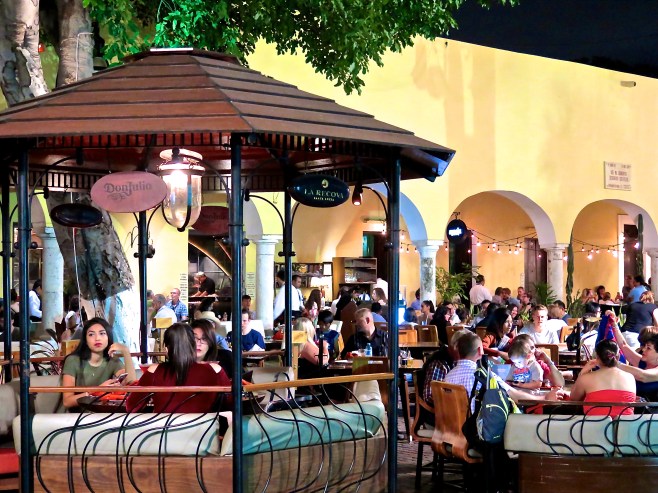 About a dozen women, beautifully dressed in traditional costumes of the area, and their families, appeared in the plaza. We thought they were going to perform on the nearby stage but, after conversing, they wandered off to parts unknown.
 A light and sound show at the main cathedral.
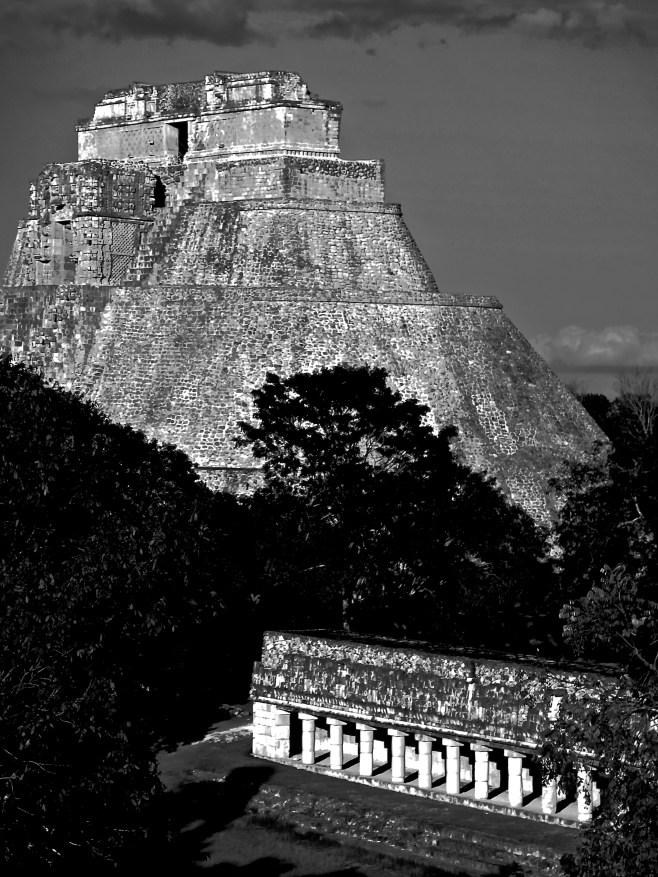
 A pyramid at Uxmal.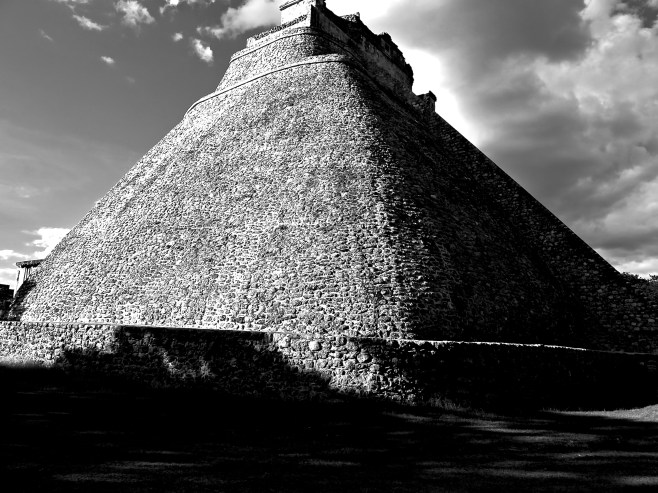
 Our Mayan guide, who speaks Mayan and Spanish as most of the population do.
 I can’t imagine what the Spanish invaders thought when they came upon such impressive constructions.
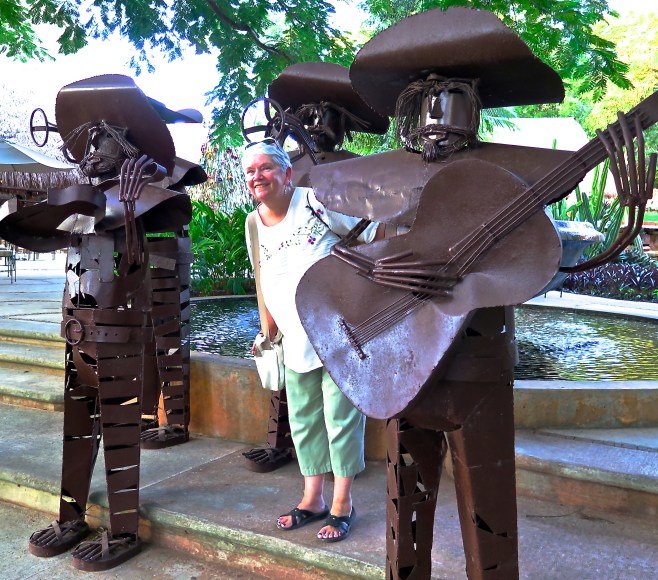
 Barbara appearing with a famous mariachi group.
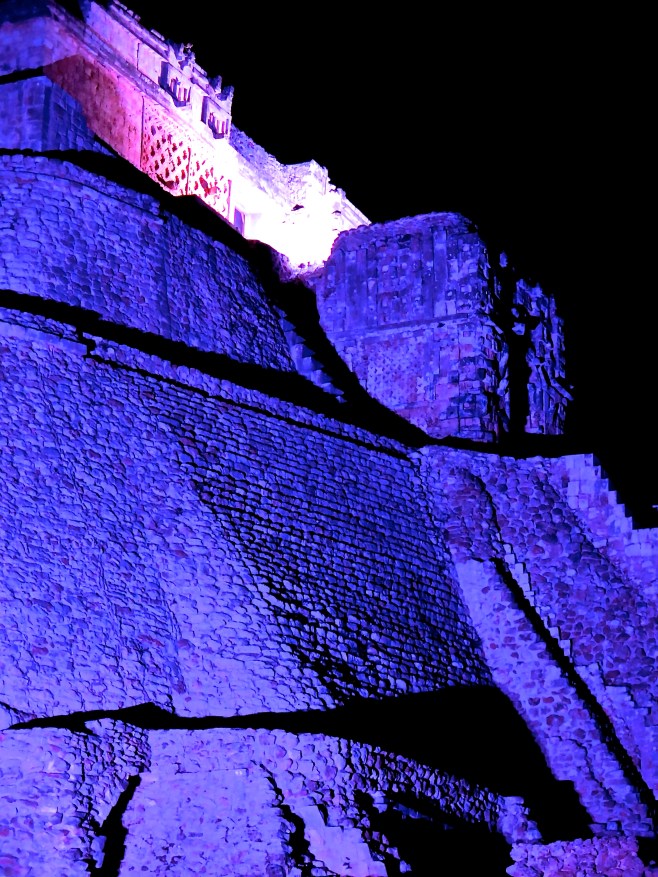
 The light and sound show at Uxmal – all in Spanish, naturally.
 The beautiful main house at Hacienda Sotute de Peon.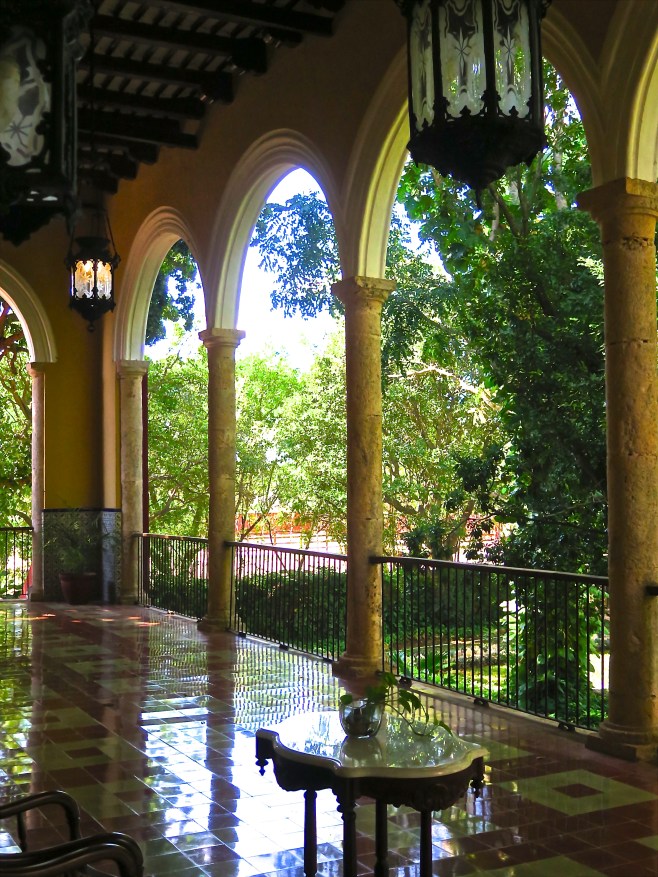
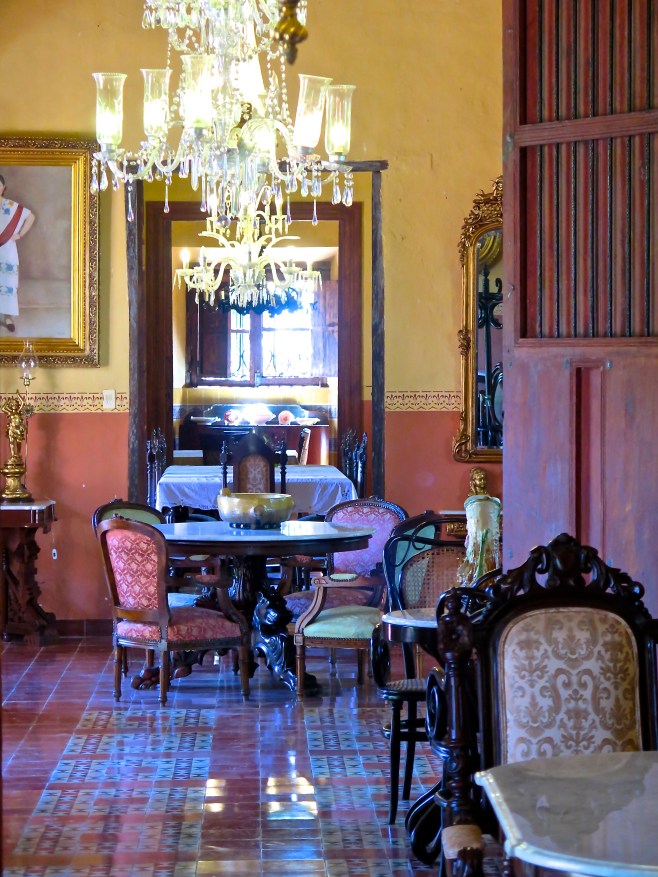 Sisal (hemp) was made from agave leaves on this and on many other Yucatan haciendas, and exported to commercial shipping lines and navies around the world for use as lines and hawsers on their ships, making Merida the richest city in Central & South America until nylon was invented. This hacienda was abandoned when hemp was no longer commercially viable and the family retreated to their mansion in Merida. It was bought and restored, over a 10 year period, including the hemp producing machinery, below, at great cost. Sisal is still exported but not in a volume that could sustain the hacienda which now hosts tourists and weddings, quinceaneras and other events.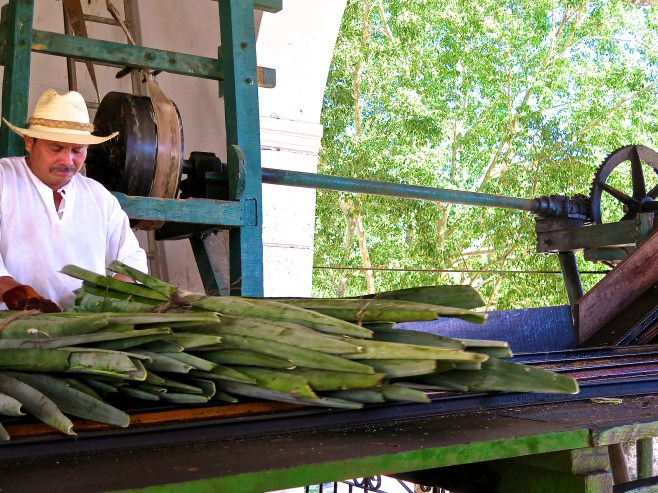
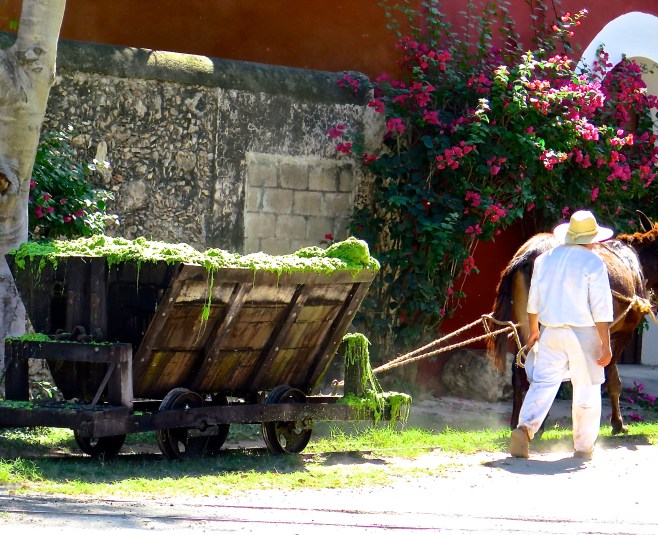
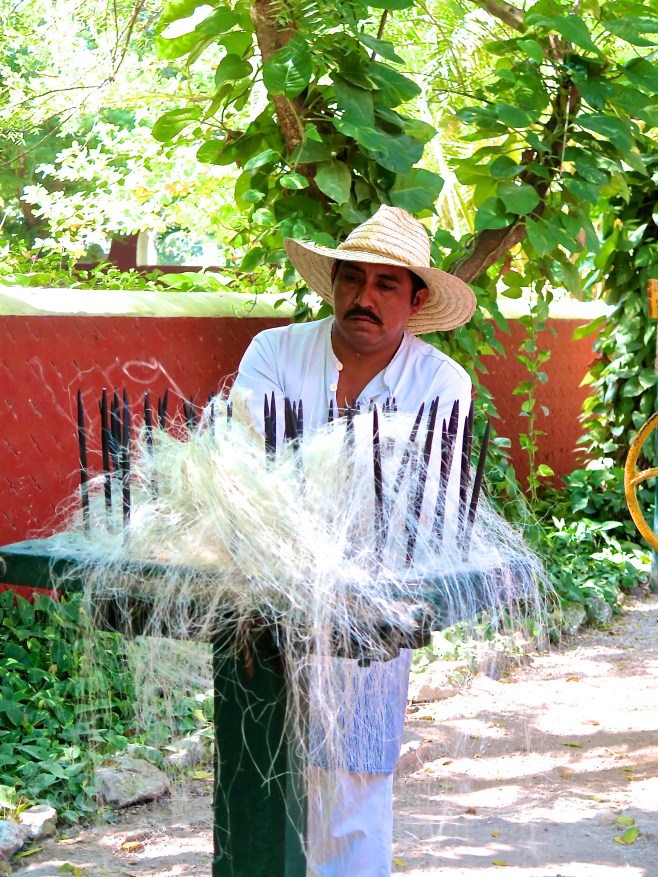
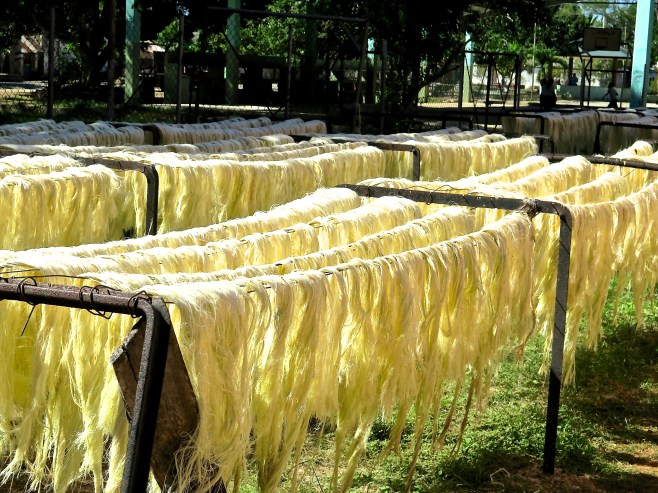
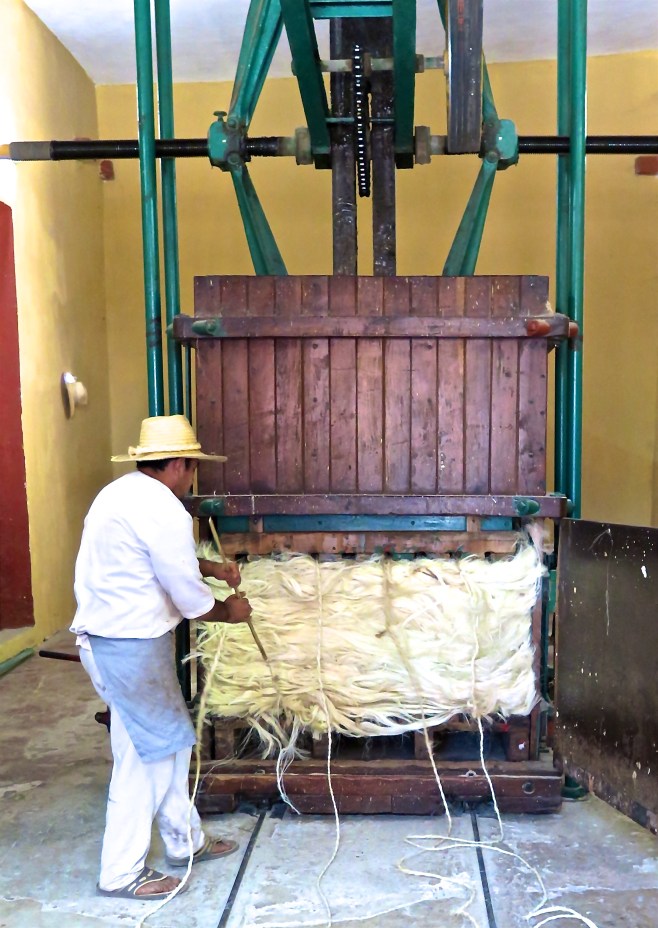
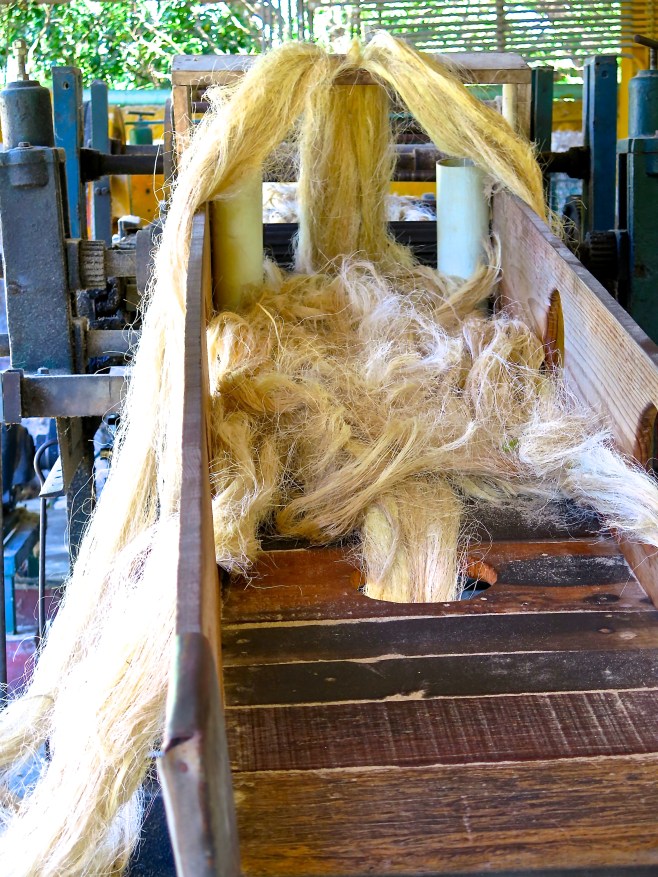
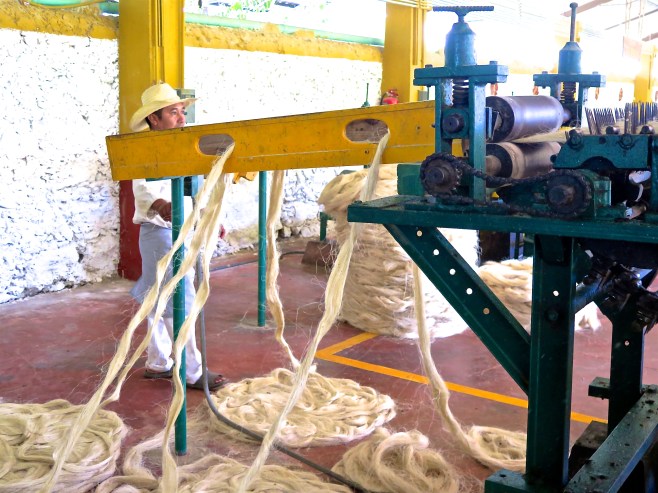
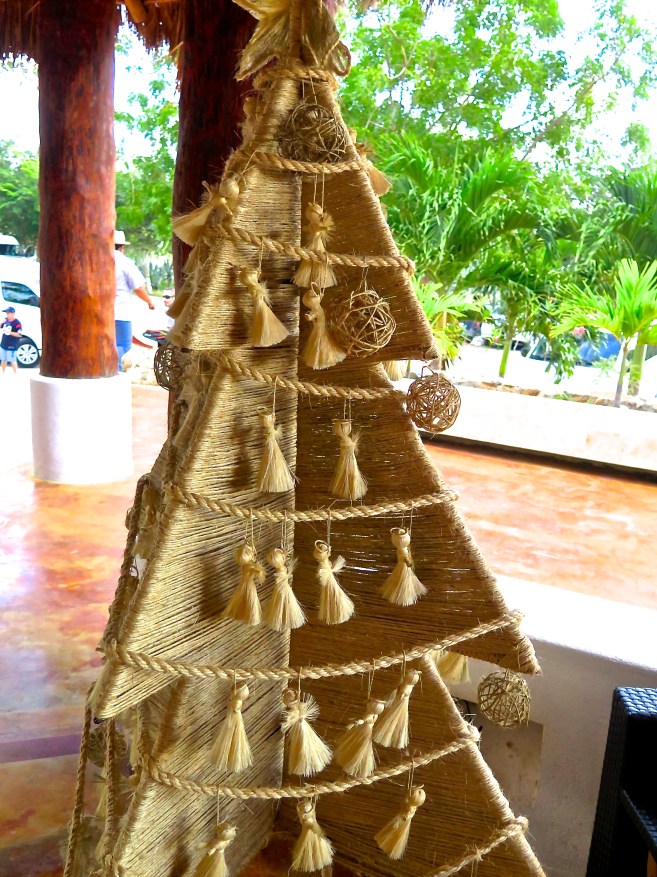
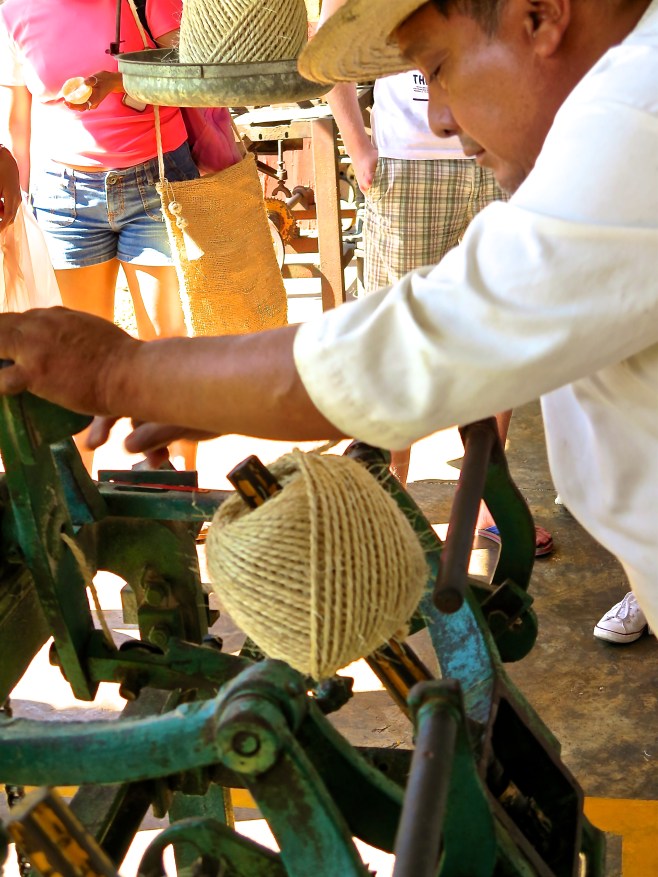 The locals still produce many kinds of products from sisal for tourists and household and decorative use.
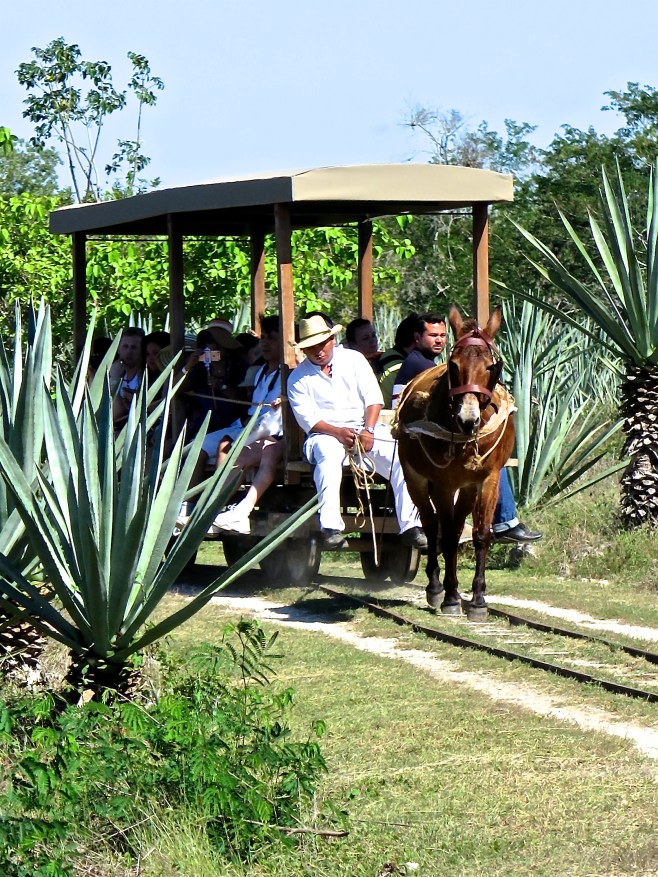
 Many parts of the hacienda, once many thousands of hectares, are connected by a narrow gauge rail system using donkeys instead of engines. We are on are way to a cenote, an underground water supply that abound on the Yucatan peninsula.
 We descended into the very warm and humid cenote which was also very dark. Fortunately my camera has a sensor that works very well in low light and can be augmented by computer.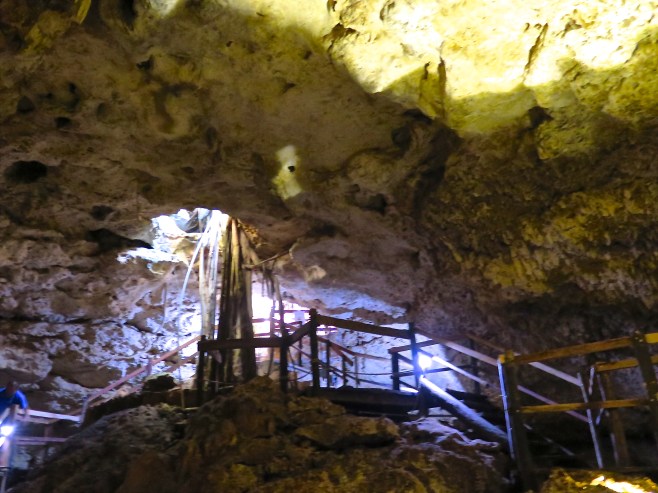
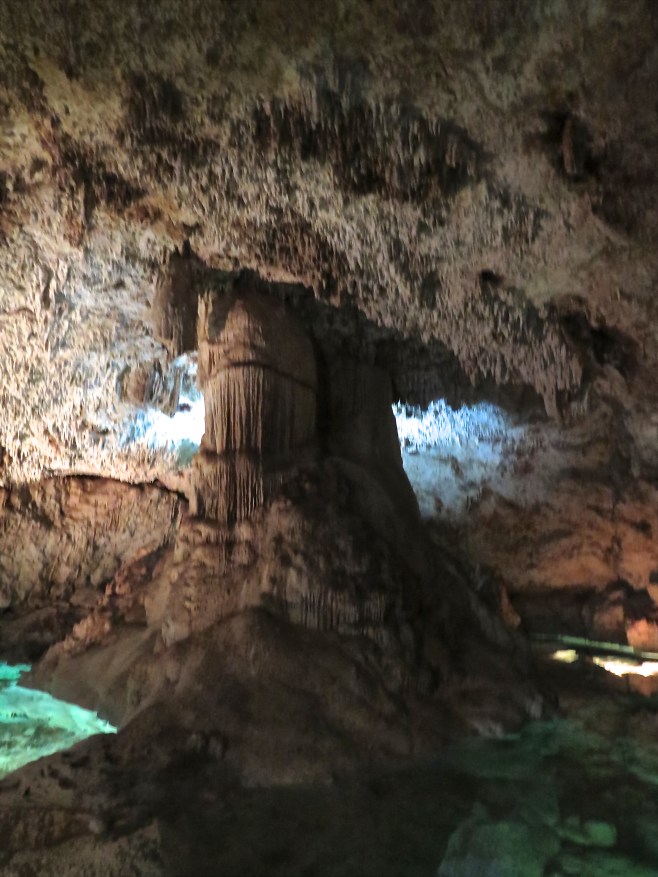
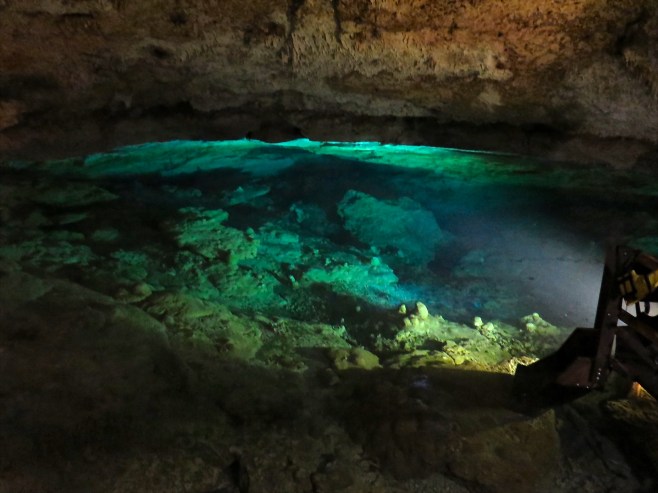 Several people brought bathing suits and plunged right in.
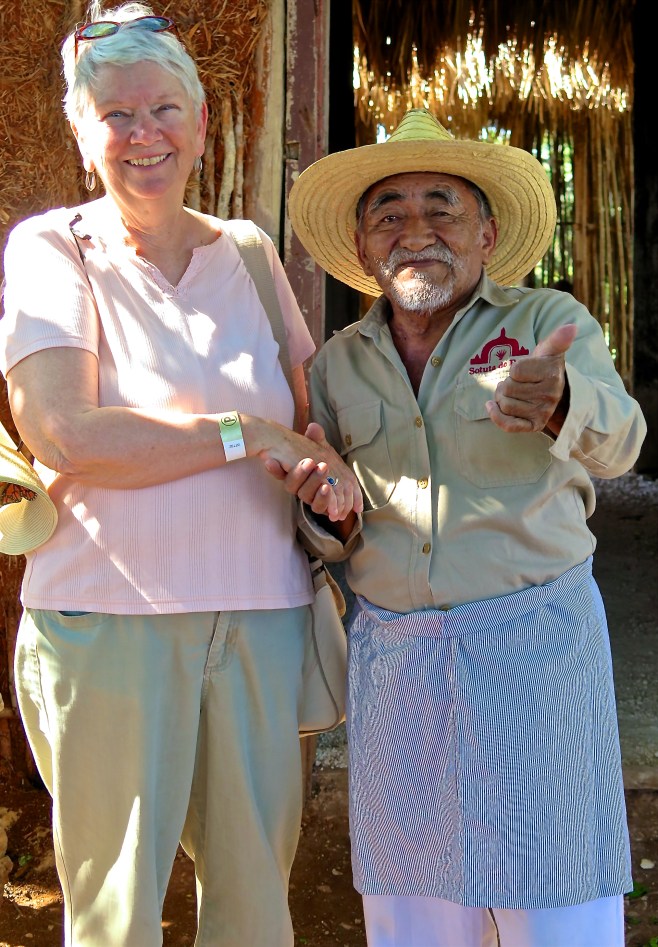
 Barbara and a Mayan who worked on the hacienda, planting agave plants, when it was still producing sisal. He is well into his 80s.
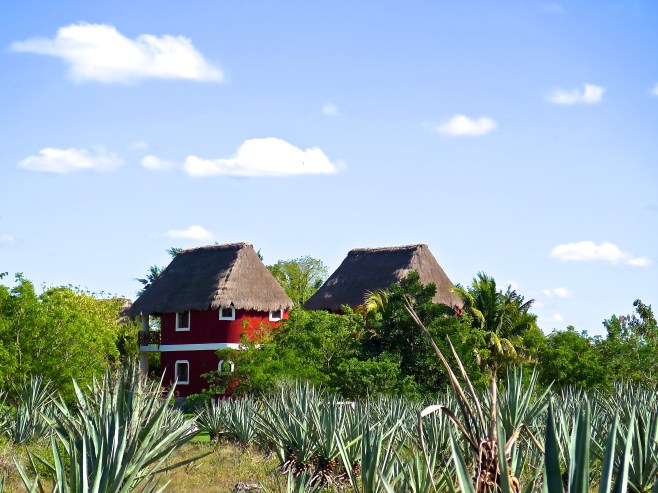
 A typical worker’s house on the hacienda consisting of a kitchen and separate sleeping room. The well and bathroom were outside.
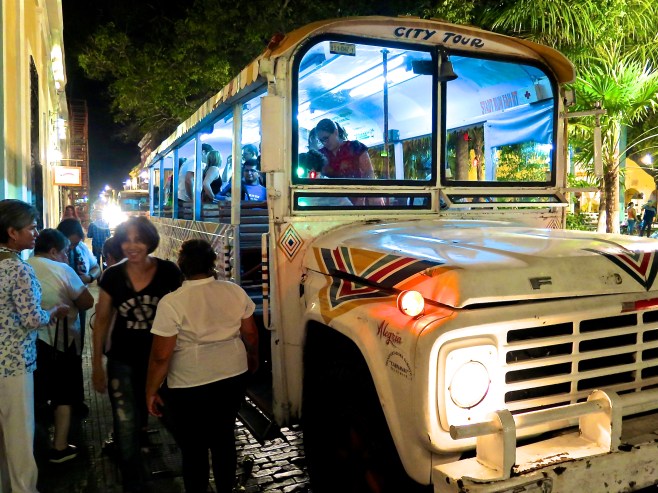
 The 60s style hippy bus that took us on a night tour of Merida.
 The famous Chichen Itza site which, though impressive, we found crowded with tourists and vendors, unlike Uxmal (which we highly recommend).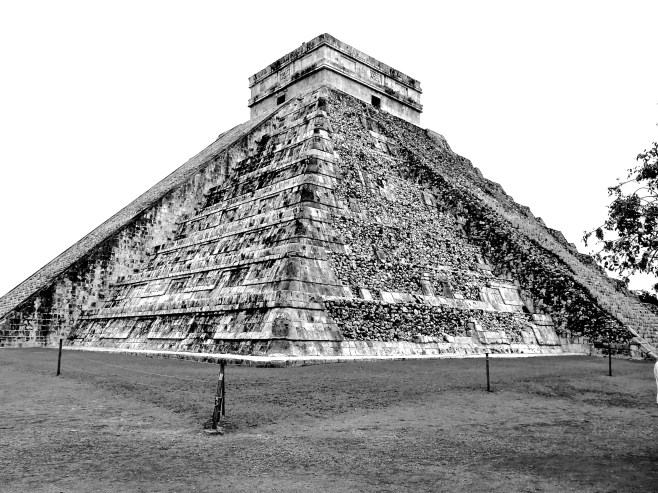
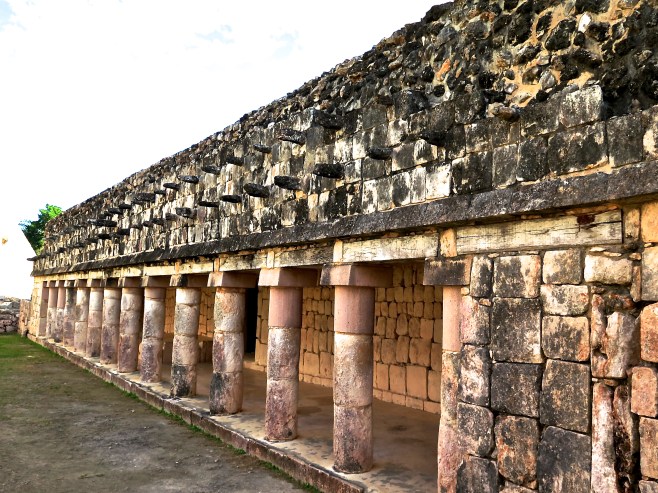
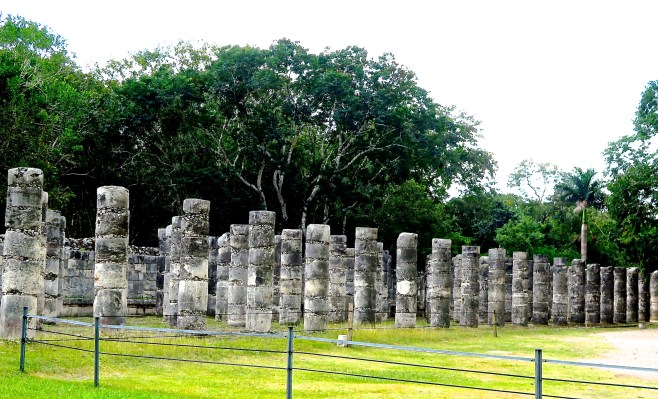
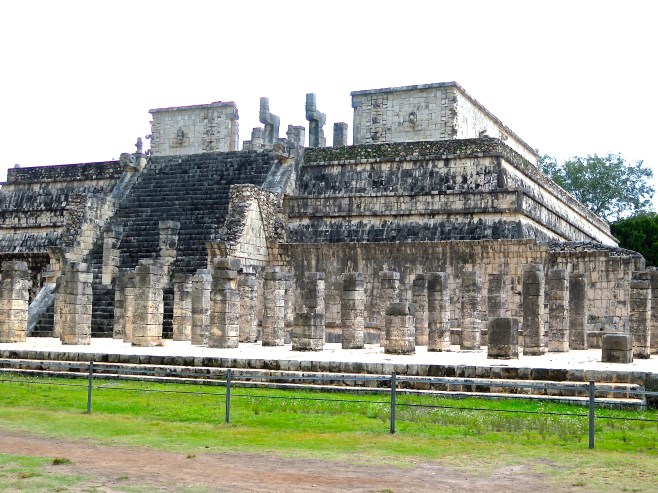 The remains of the Temple of a Thousand Columns.
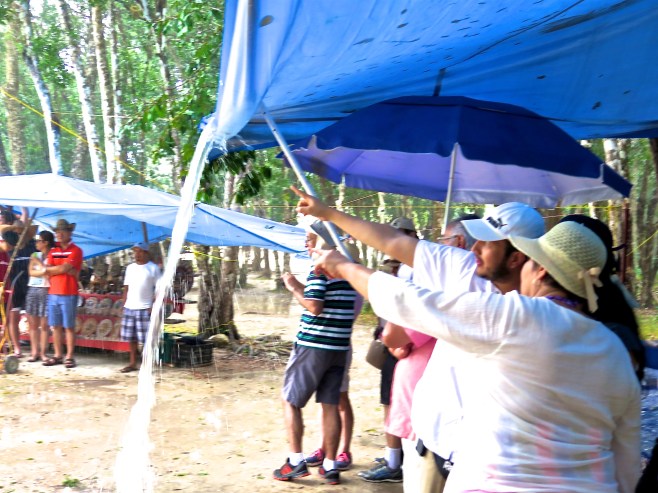
 Halfway through the tour the sky opened with torrential rain from which vendors’ shelters had to be relieved lest they cave in.
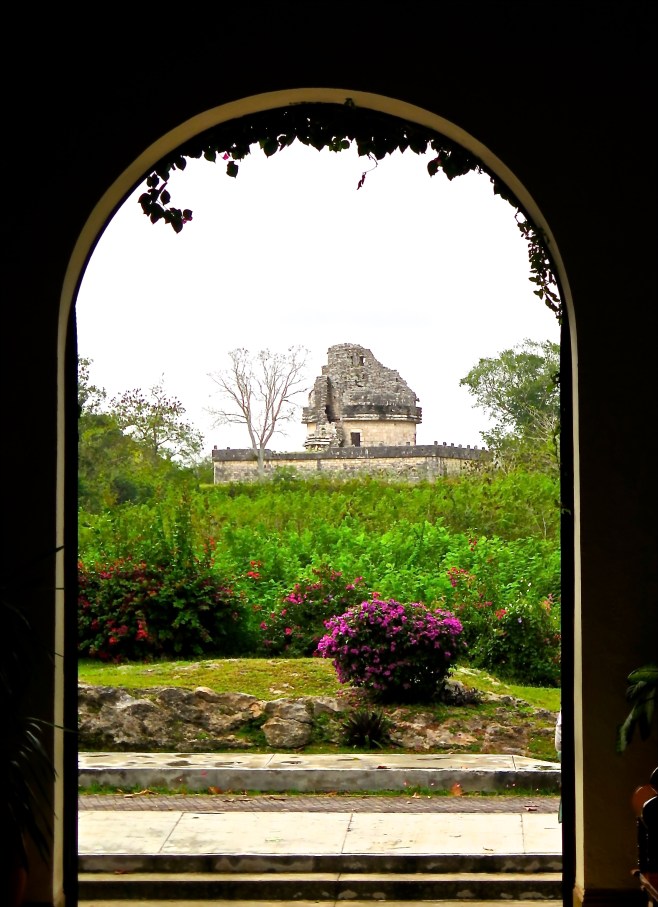
 The Mayan observatory viewed from the impressive hotel on property.
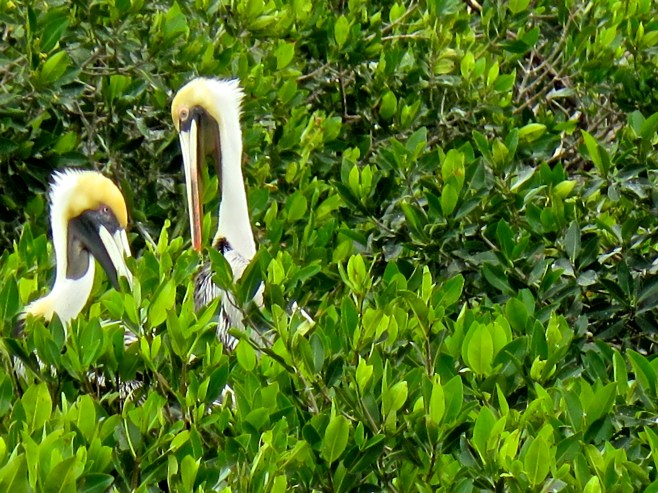
 Flamingoes, pelicans and an egret at the bioreserve in the town of Celestun on the west coast of the peninsula.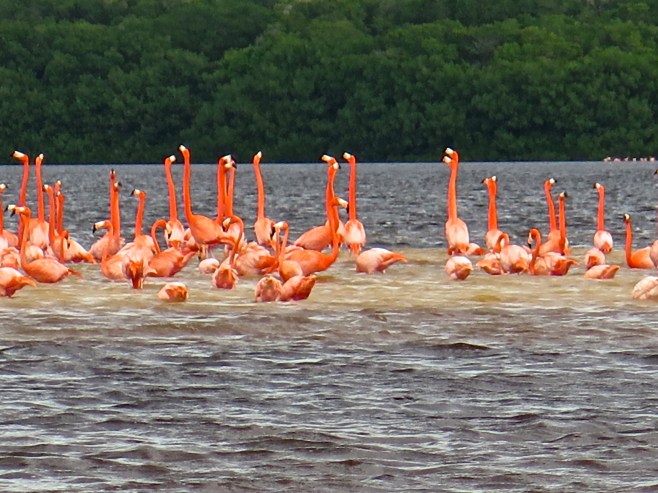

 Our driver/guide and the only other person on the tour to Celestun examining a dead sea turtle.
 Walking back to our hotel in Merida in the evening we passed this beautifully lit church.
 A metal bull at the Museum of Contemporary Art.
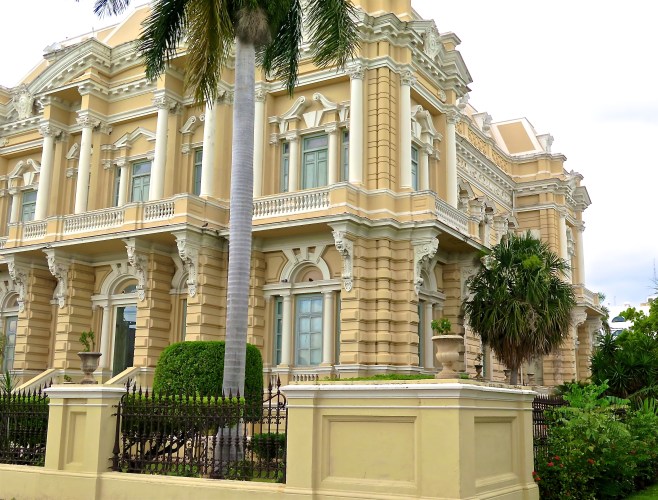
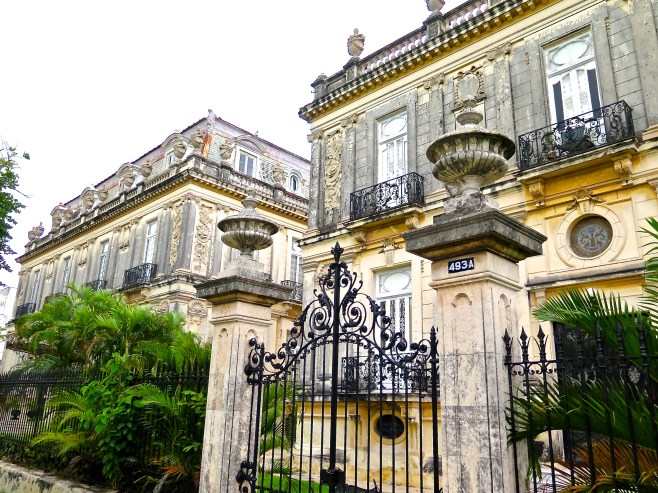
 Beautiful mansions, paid for by sisal, abound on the Avenida de la Reforma, many now owned by banks and other commercial organizations.
 A few are still owned by families.
 All in all this was a very satisfying trip! Merida has many attractive qualities – excellent streets & sidewalks, NO stray animals (it’s against the law!!!), lots of cops, but they don’t carry guns!!! and good accommodations. We just scratched the surface of the many possibilities in the Yucatan peninsula.
 Mexico & Beyond
Leave a comment