Oaxaca 2018
Friends have been telling us for years that we must visit the states of Oaxaca & Chiapas in southern Mexico, especially to see the world famous artisans working in fabric and ceramics. The photos below show just a few of the highlights we enjoyed during our week in Oaxaca City with Barbara’s sister, Mannie and her husband, Kim, November 4-11.
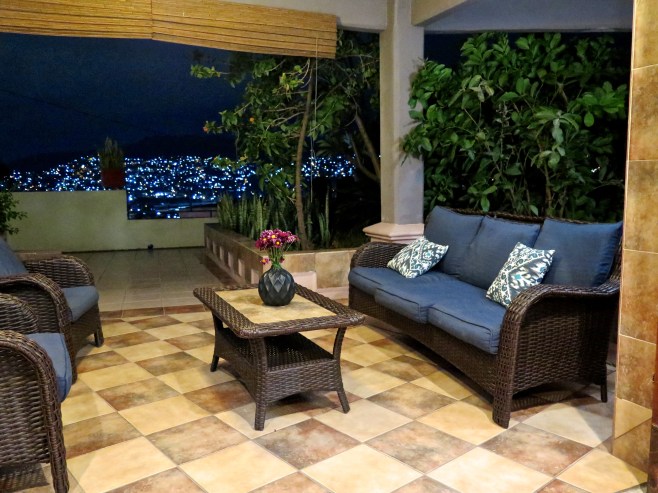
We rented this wonderful apartment overlooking Oaxaca City.

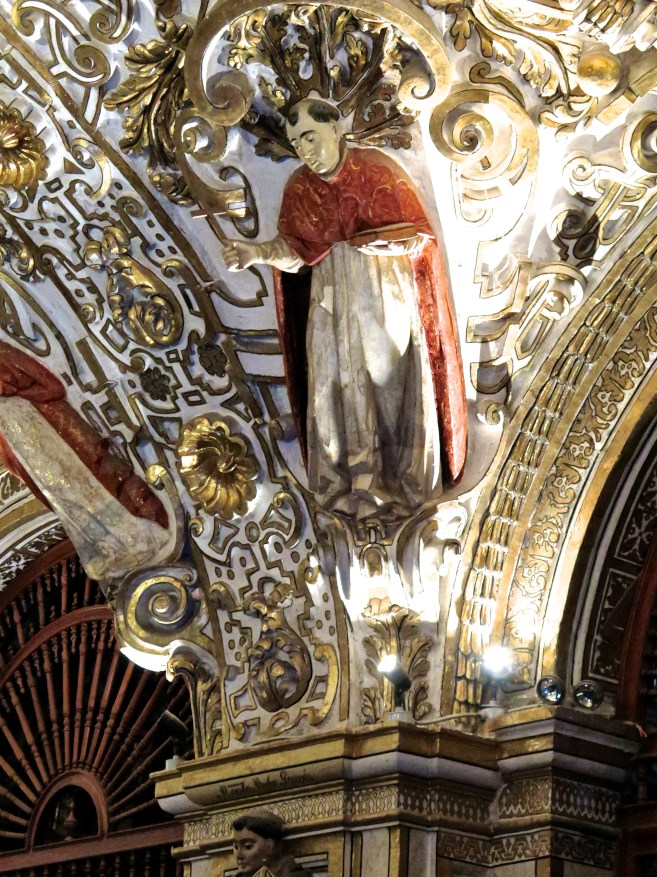
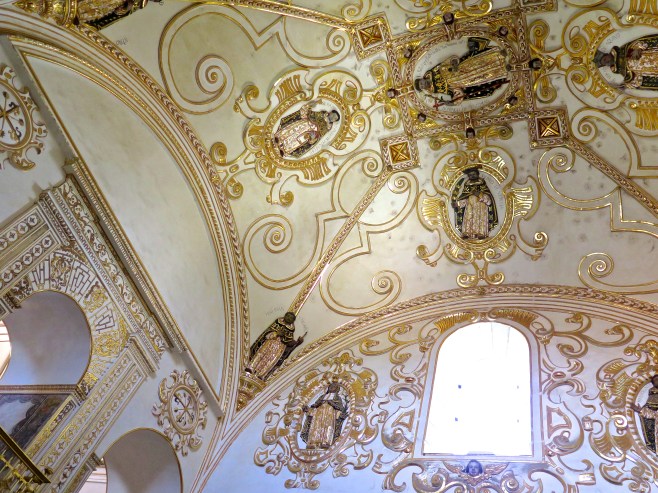
Santo Domingo is one of the most beautiful churches we have visited anywhere, including Europe.

Just outside the sanctuary the vibrant energy of the city of Oaxaca sweeps you along.
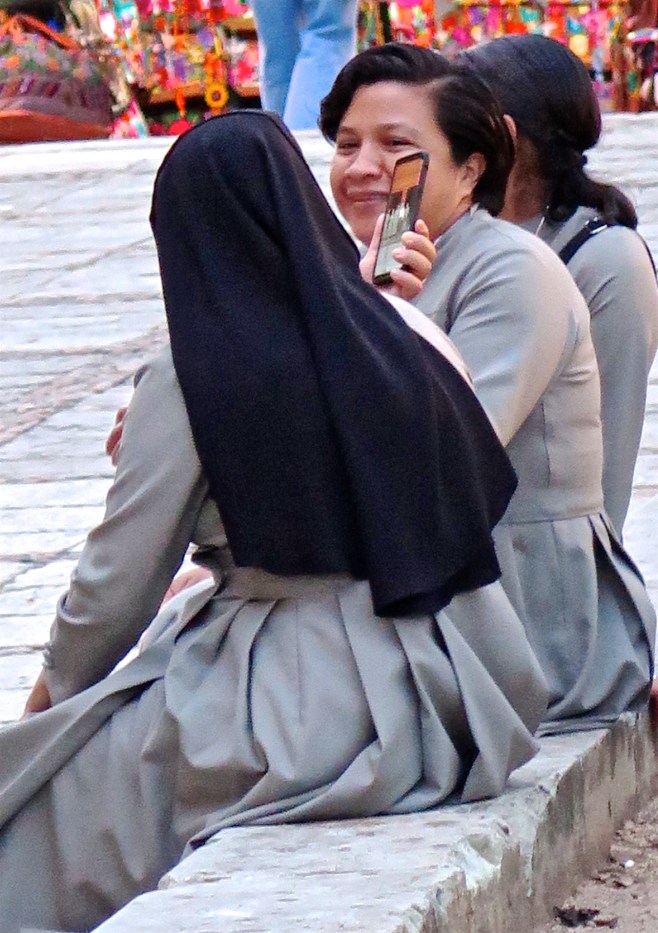
Mexicans easily blend ancient traditions with contemporary realities.
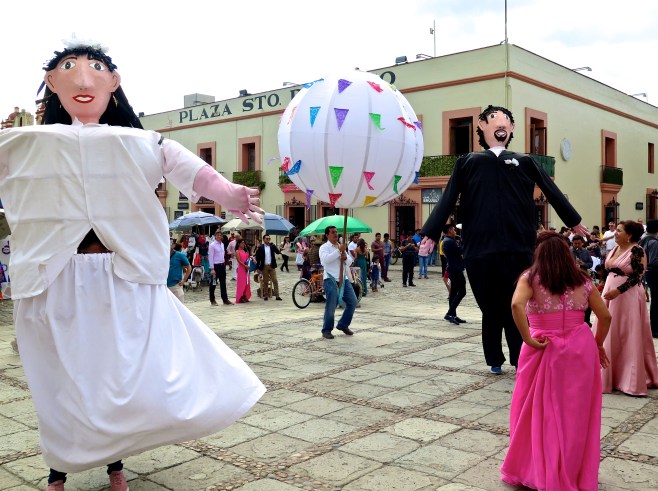
Suddenly we found ourselves in the midst of a posh wedding celebration.

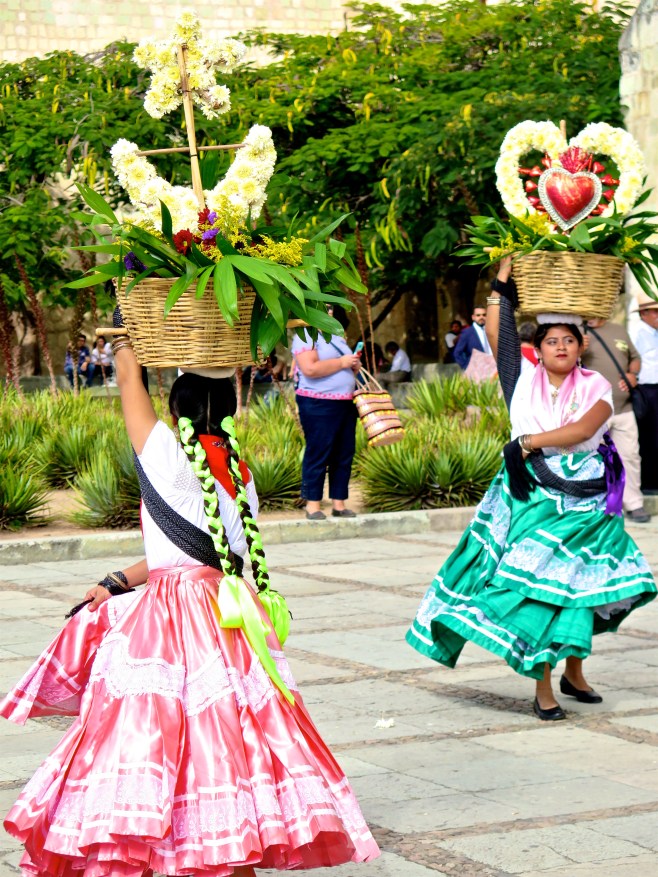
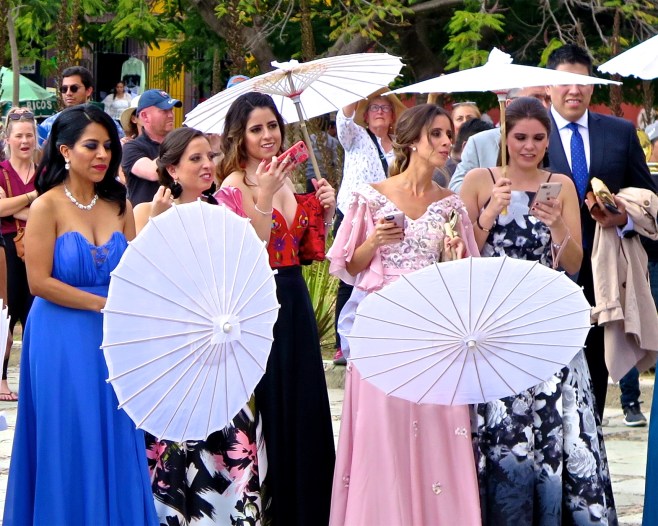
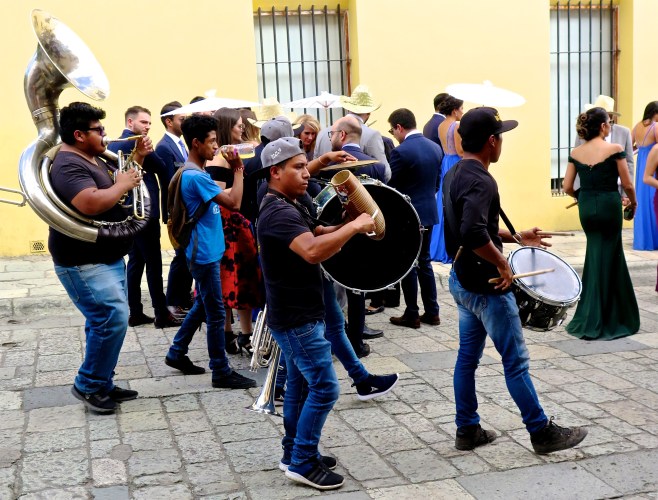
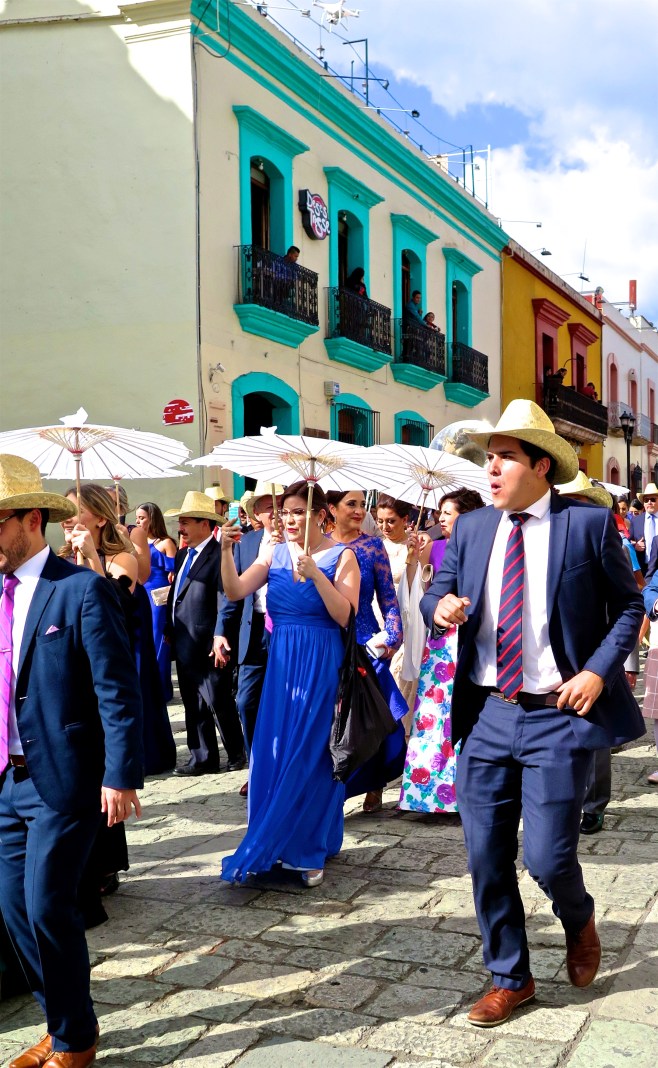
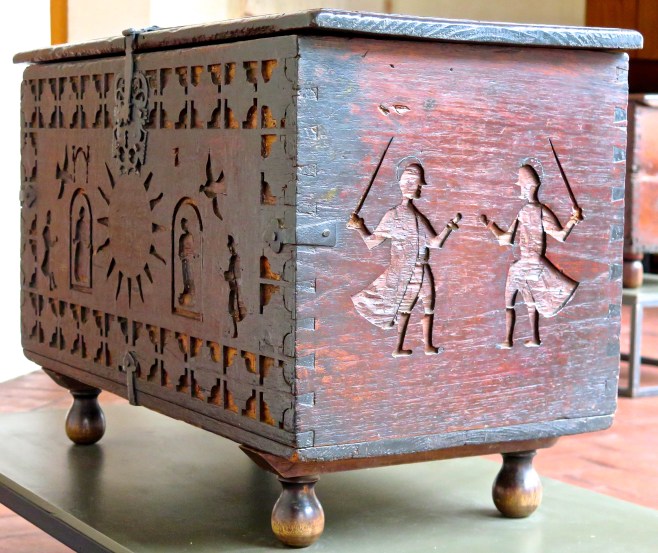
Attached to the church of Santo Domingo is a former convent converted into a cultural center with artifacts rivaling those of the famed Archeological Museum in Mexico City.
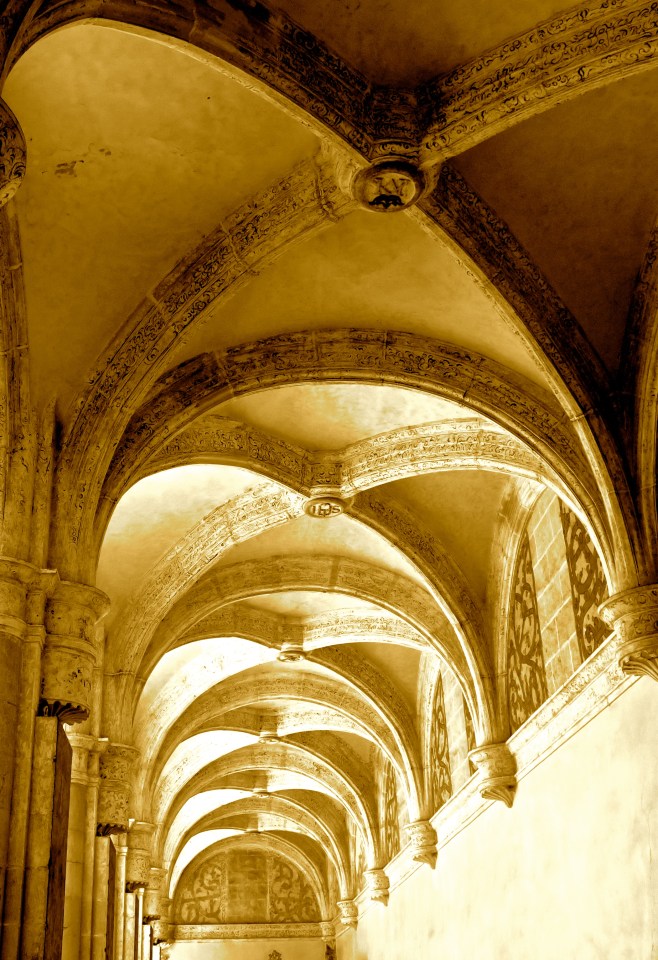
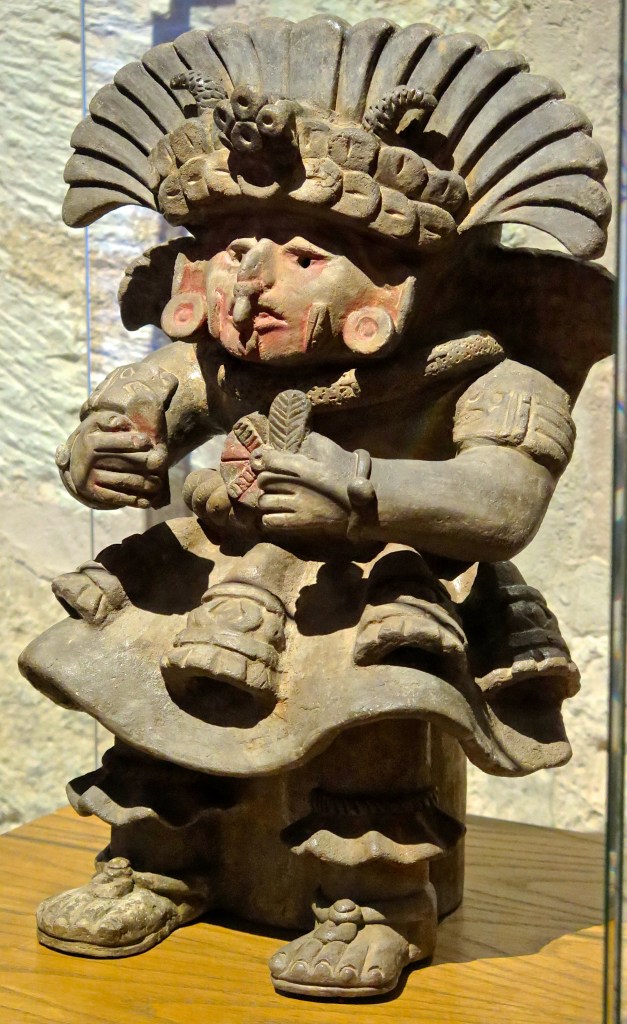
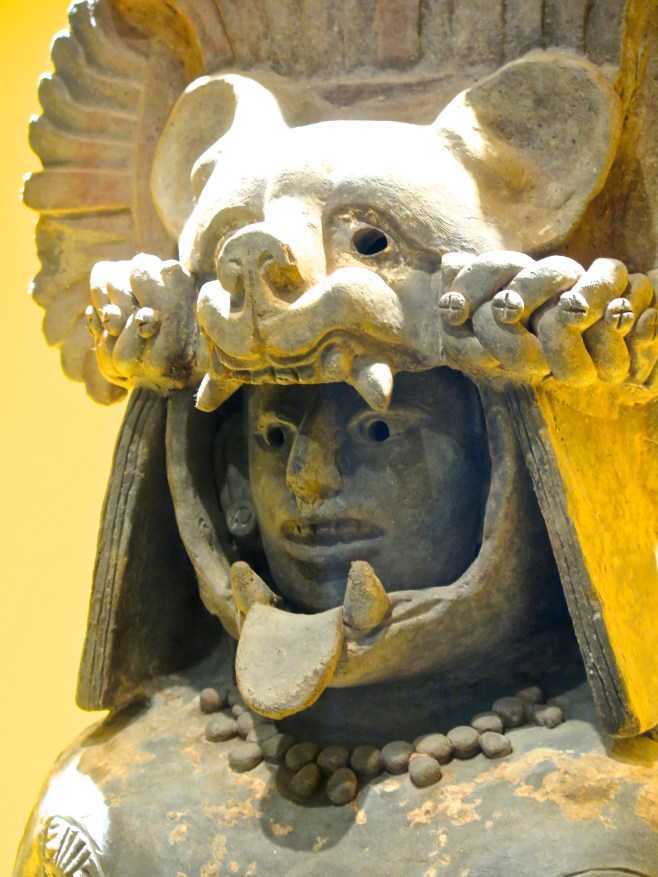
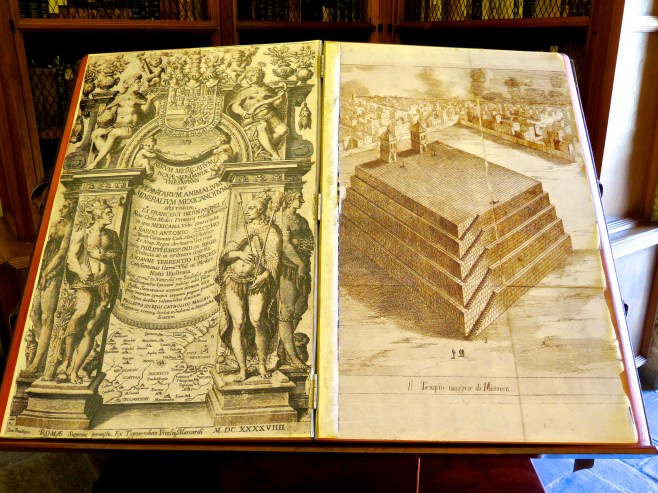
The cultural center contains a large library of books, both written and illustrated by hand and/or printed, by monks after the conquest.
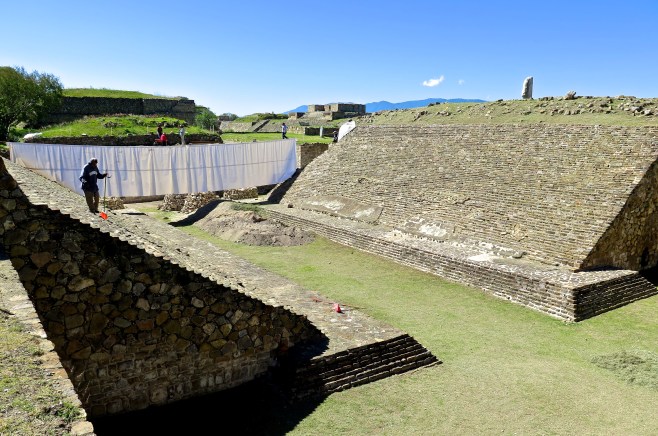
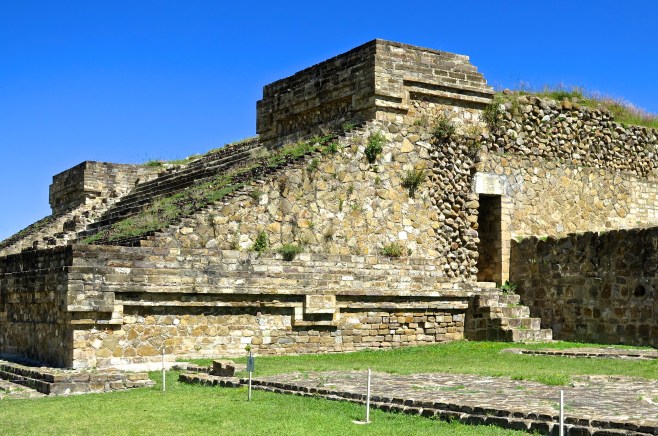
The ritual ball court at Monte Alban, the enormous Zapotec archeological site high above the city.
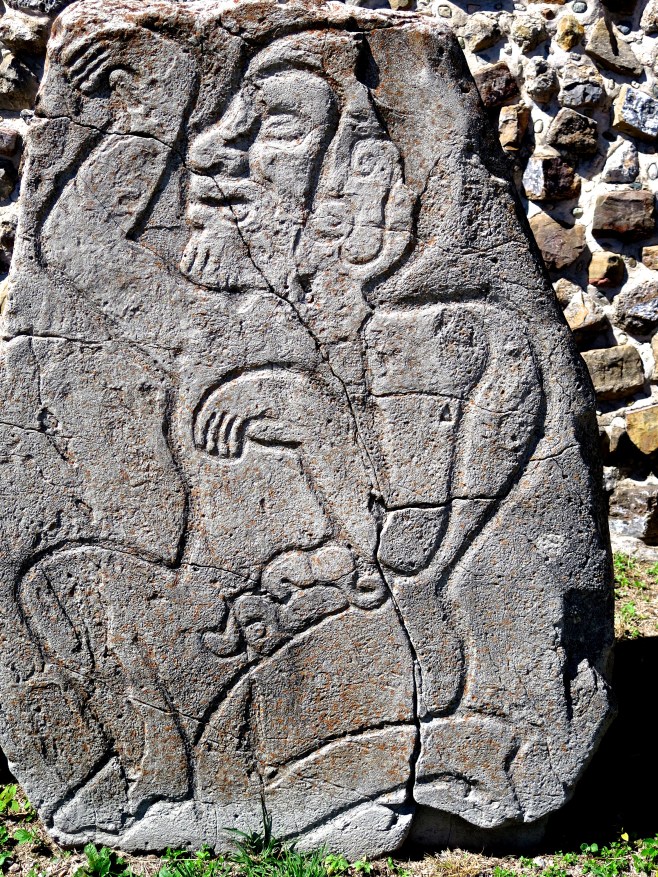
Many of the carvings include representations of human internal organs that seem to indicate a sophisticated knowledge of human anatomy.
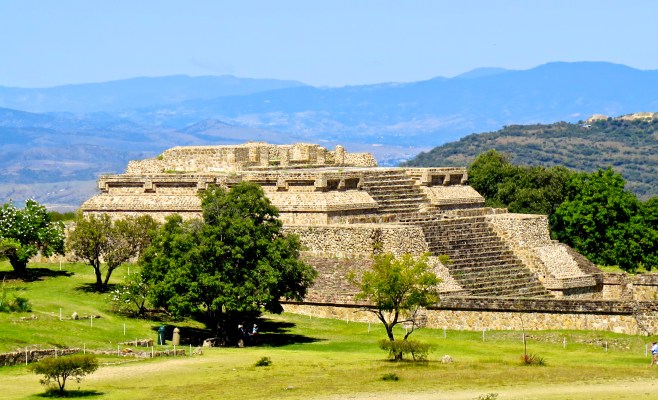
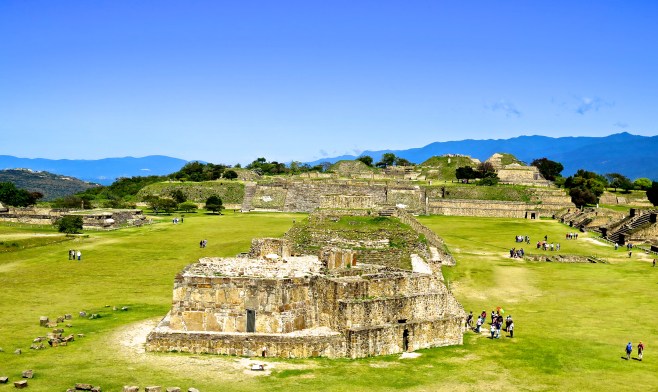
Several football fields would fit in to this sacred site.
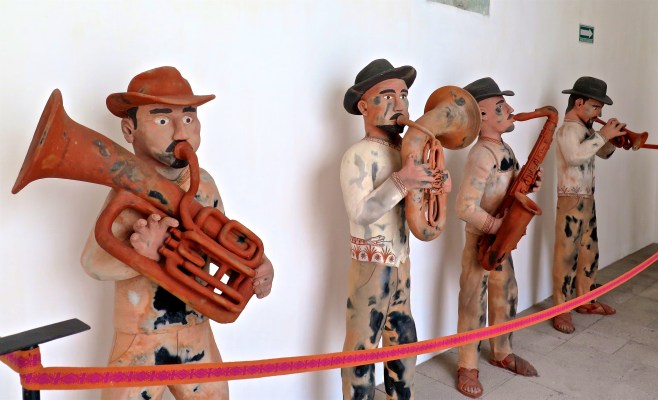
Back in the city we meandered through a varied collection of modern and historical crafts. Seems that two of the musicians failed to show up for this gig.
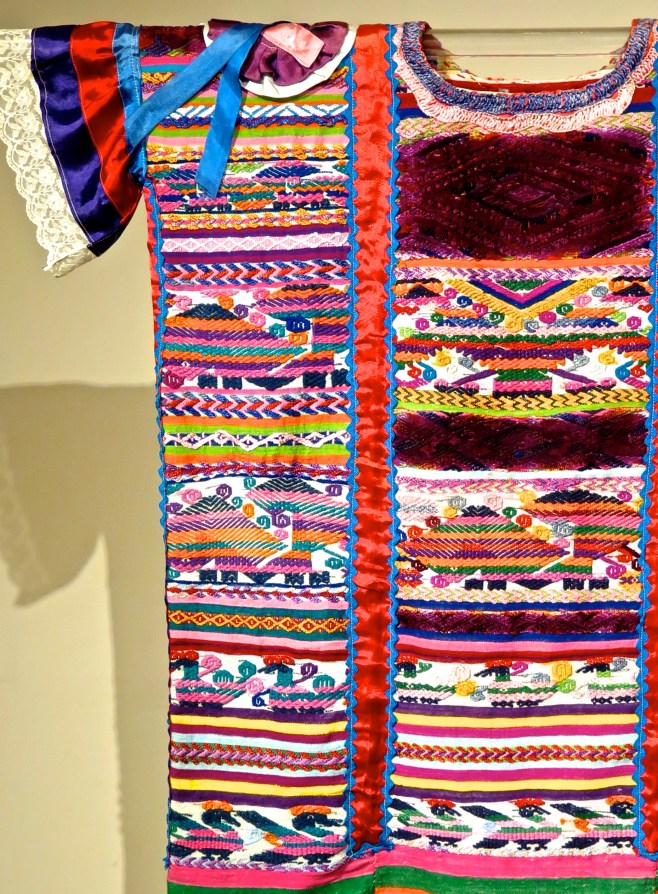
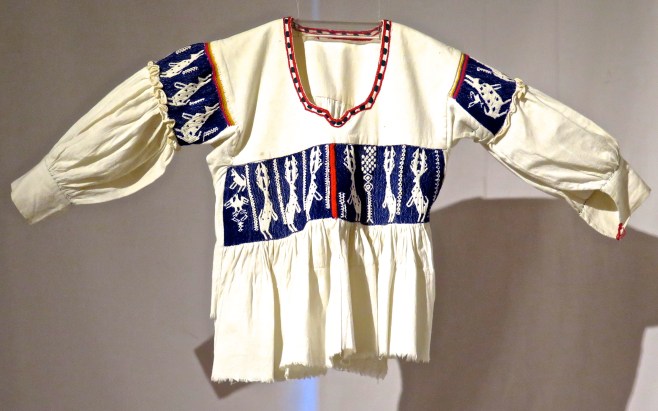
Traditional fabric arts are vibrantly alive in Oaxaca, as they are in many parts of Mexico, including our area.
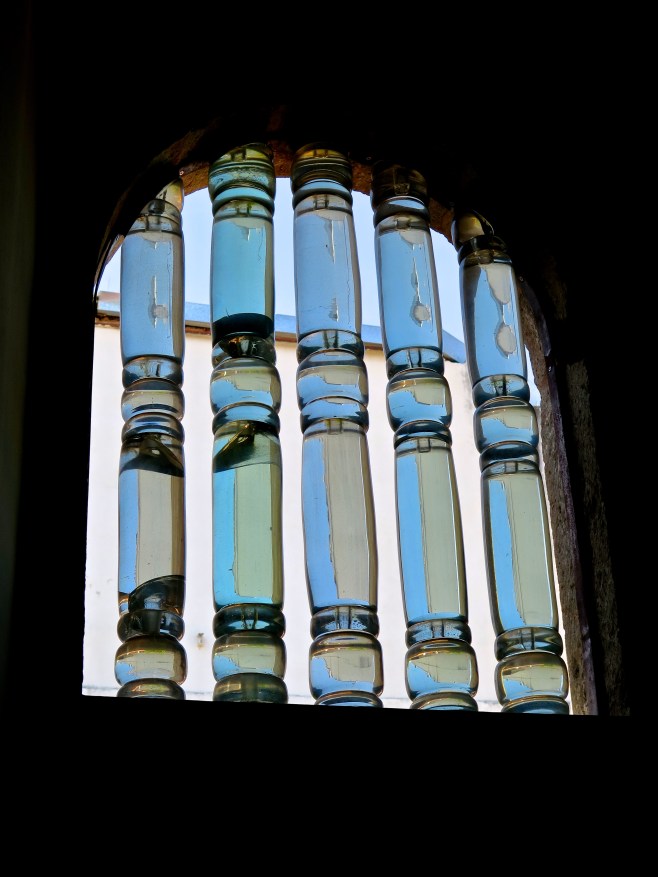
The bars in this window are made of glass the color of which changes throughout the day. Beautiful works in glass and clay are seen throughout Mexico.

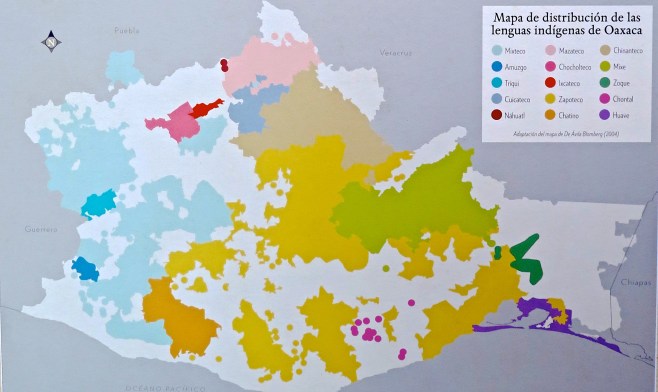
This map shows where 15 different indigenous languages are still spoken in the state of Oaxaca.
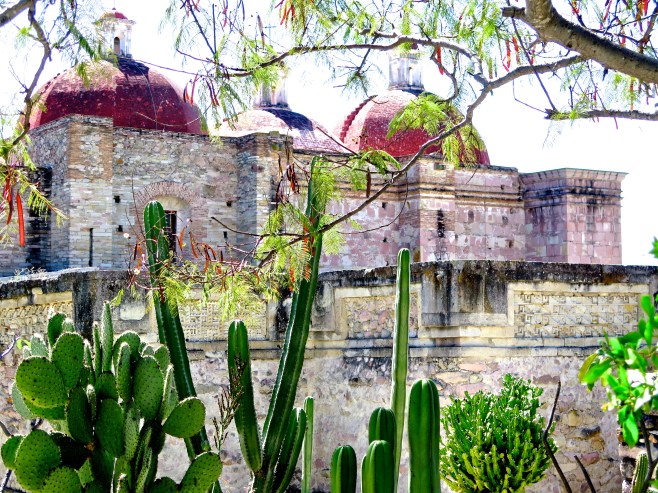
Mitla is an unusual example of the Spanish building a church next to ancient indigenous structures without destroying them.

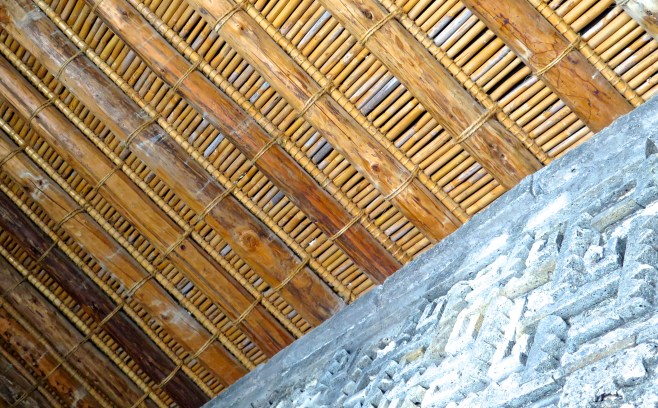
A local craftsman with knowledge of the ancient structure was able to re-create the roof of this sanctuary.
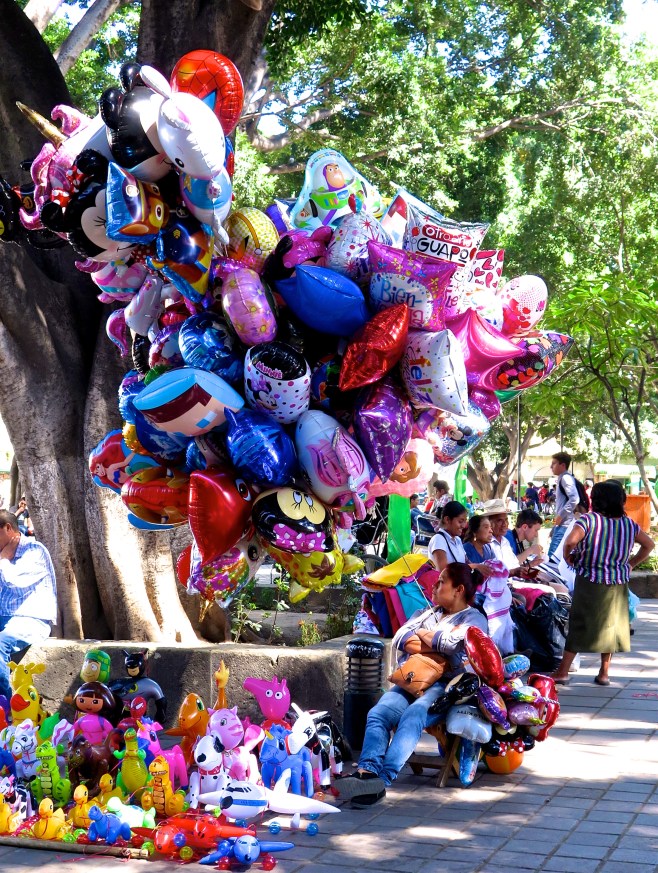
The huge plaza outside the main cathedral is bustling day and night.
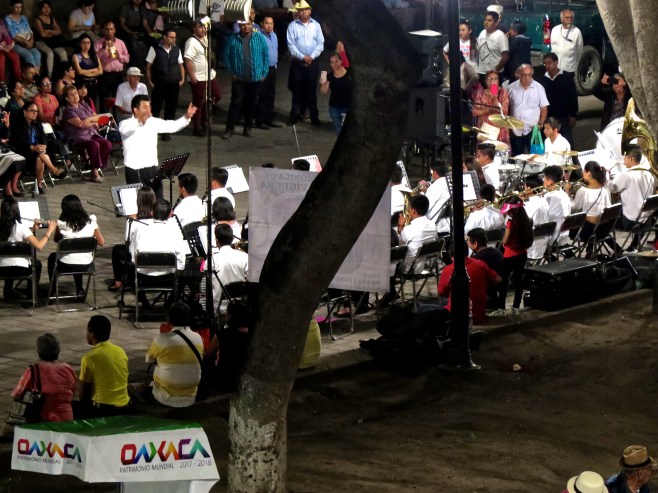
A view of the excellent youth orchestra that entertained us while we ate dinner in a restaurant above the plaza. Mexico abounds with all kinds of artistic talent.
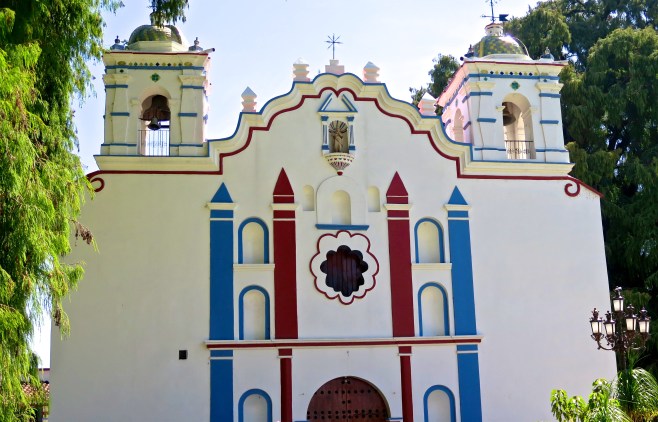
A church in the town of Tule that is famous for a 2,000 year old tree that is claimed to have the largest trunk in the world.

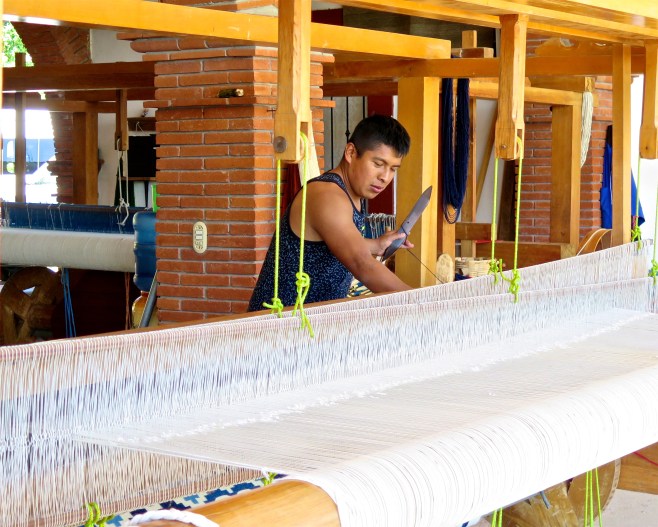
A weaver beginning a commissioned rug that will take 4.5 months to complete.
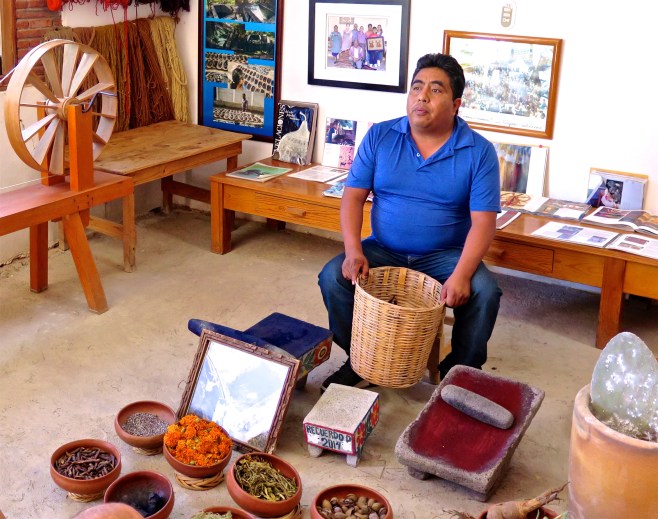
Another member of the weaving family demonstrated the natural ingredients used to create dyes with vibrant colors.
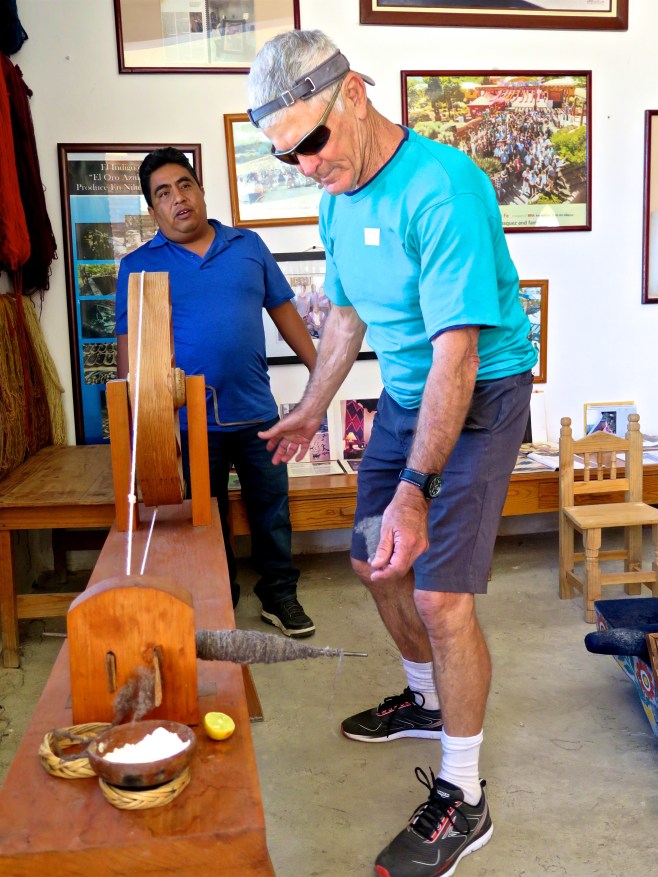
Kim learning to spin the thread that will be dyed and then woven into the gorgeous patterns below.
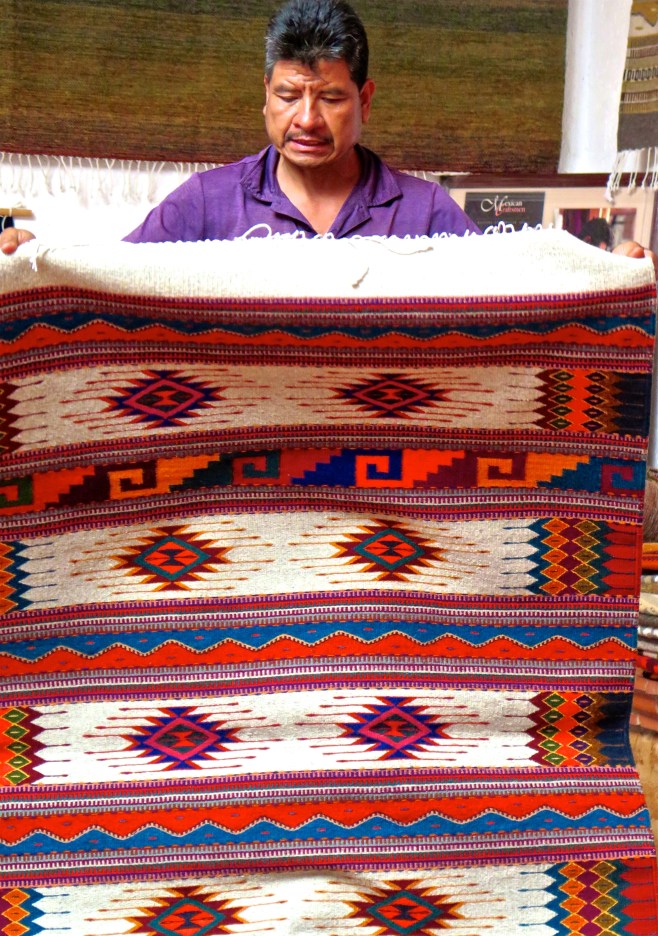
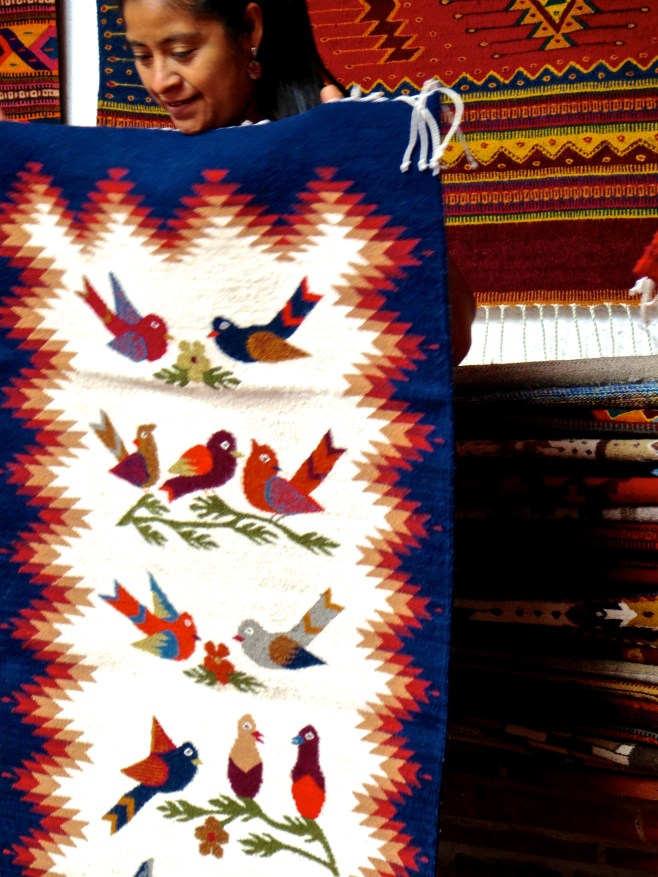
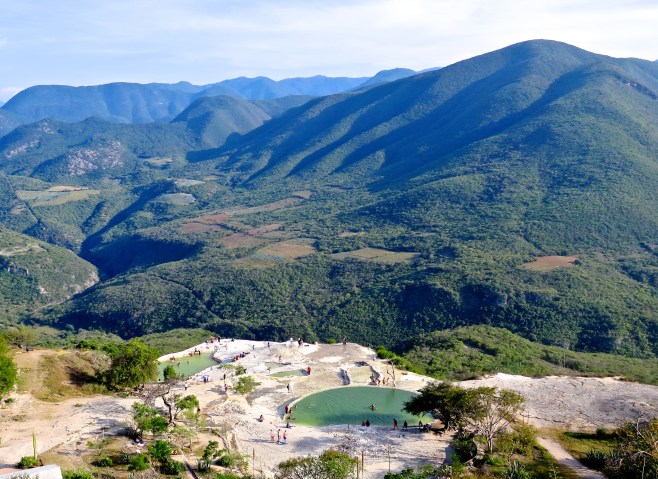
Hot spring-fed pools outside of Oaxaca City.
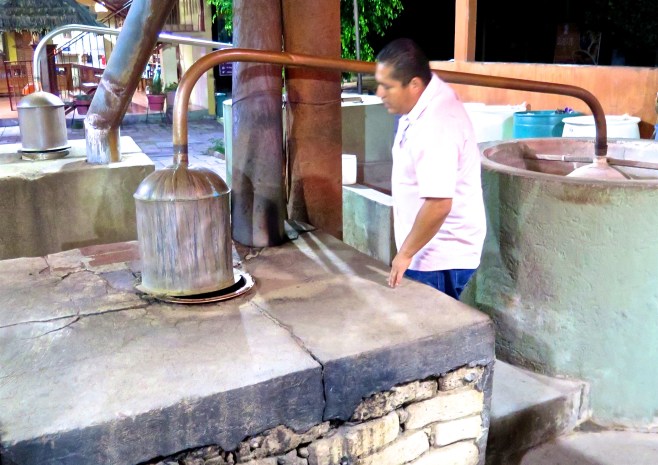
A small family distillery that turns agave plants into mezcal, a local version of tequila. As with the wines of France, the name tequila can be legally used only for the liquor that is distilled in certain parts of the state of Jalisco.

An exterior wall mural with signs of an unfinished revolution.
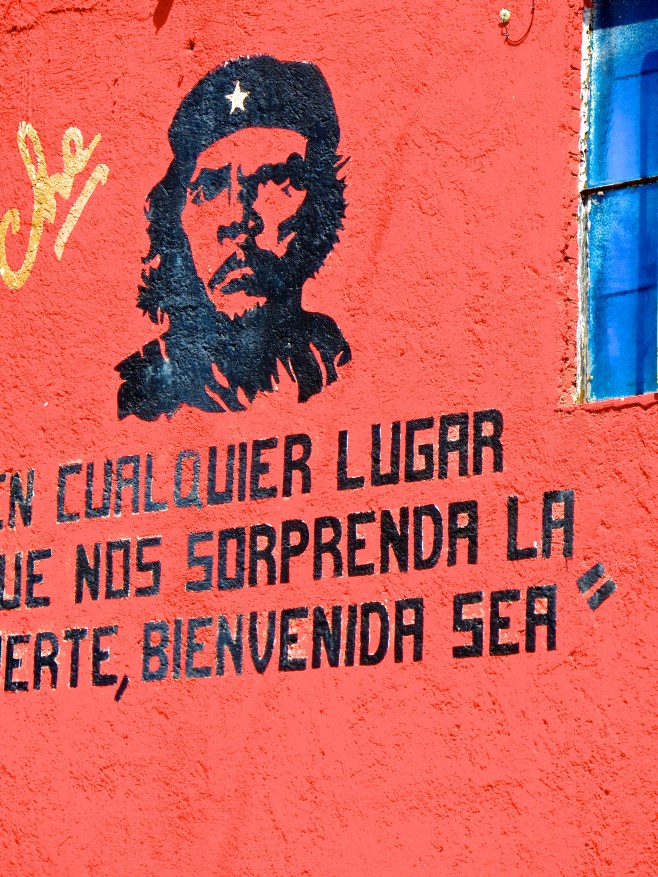
This image of Che was painted on the wall of the house next to our apartment.
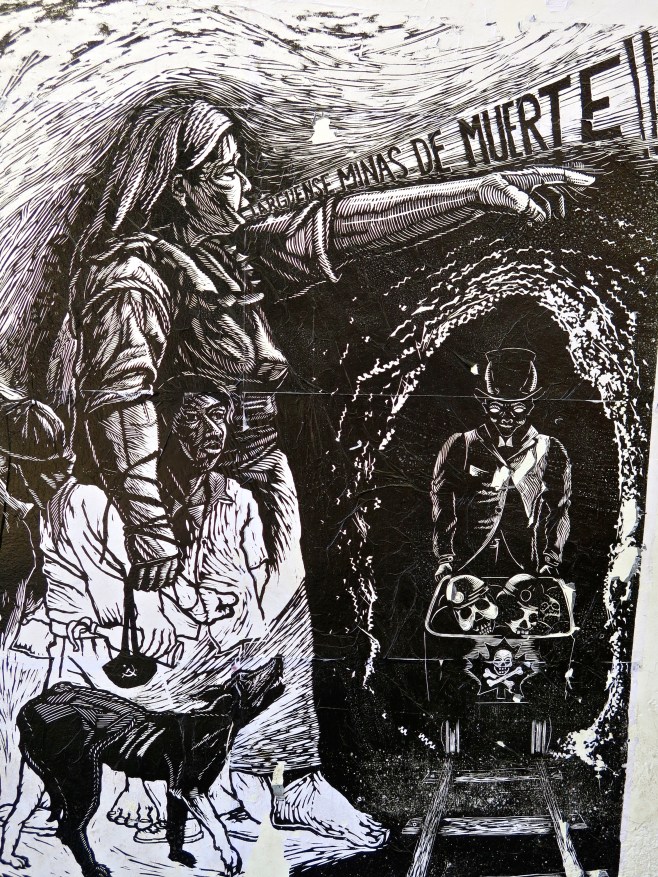 This mural speaks of death in the mines.
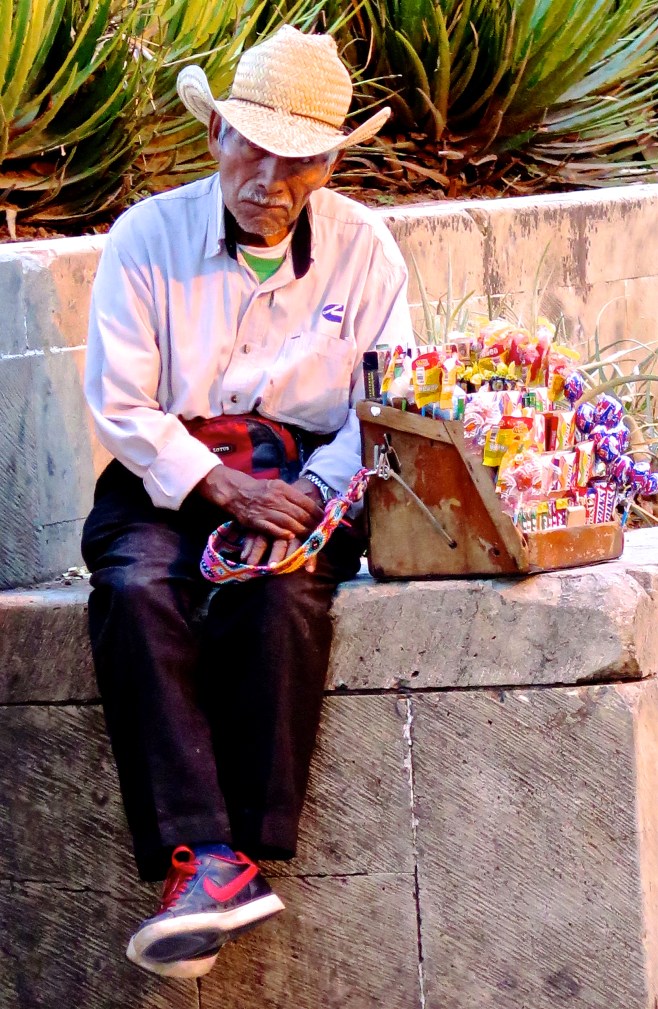
An elderly vendor patiently waits for customers in the plaza.
 Mexico & Beyond