Puebla, April, 2019
Puebla, founded in 1531 and known as the City of Angels, is Mexico’s fifth largest city. The extensive and beautiful historic Centro is home to many of the more than 60 churches in Puebla and more than 1000 buildings from the colonial era, many decorated with the beautiful ceramic tiles the city is famous for. The term Baroque doesn’t really prepare the mind for what happened to that artistic style in Mexico, especially in Puebla and surrounding towns, as you will see in the photos of churches below.
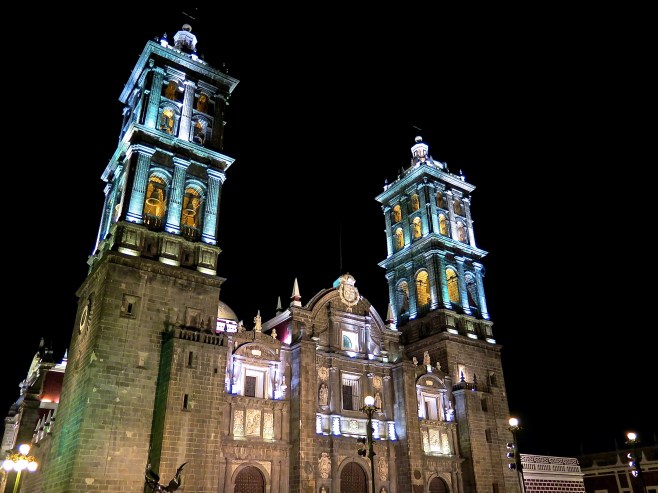
At 226 feet the cathedral towers are the tallest in Mexico.
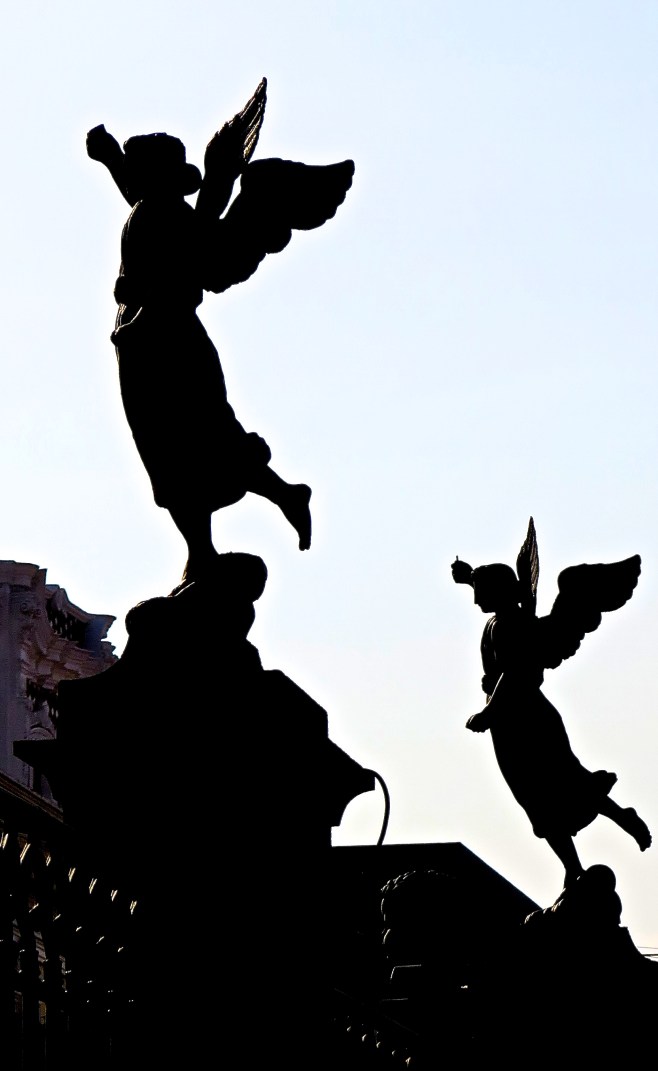
There is a myriad of angels on the fence that surrounds the cathedral which occupies a full city block.
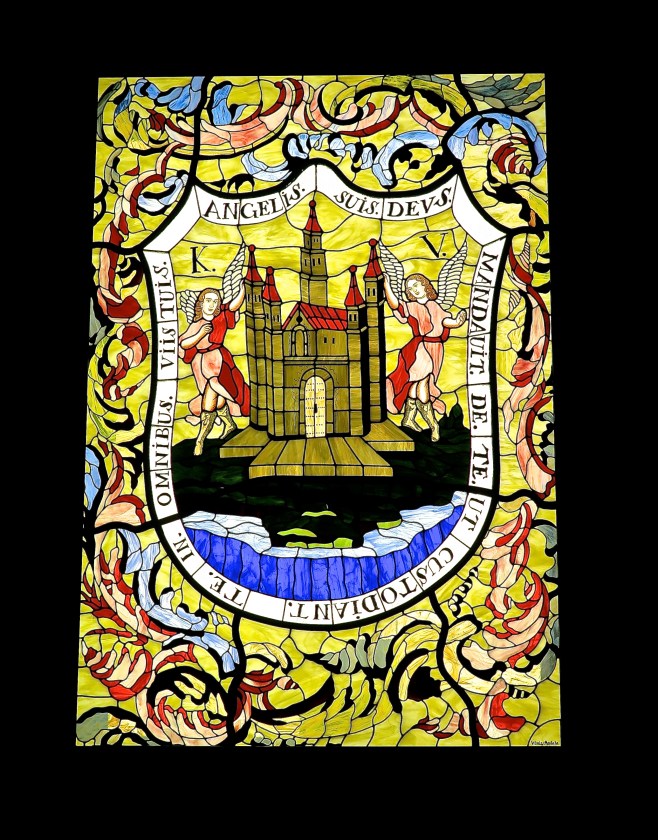
The coat of arms of the City of Angels, an example of the fine glass work that Puebla is noted for.
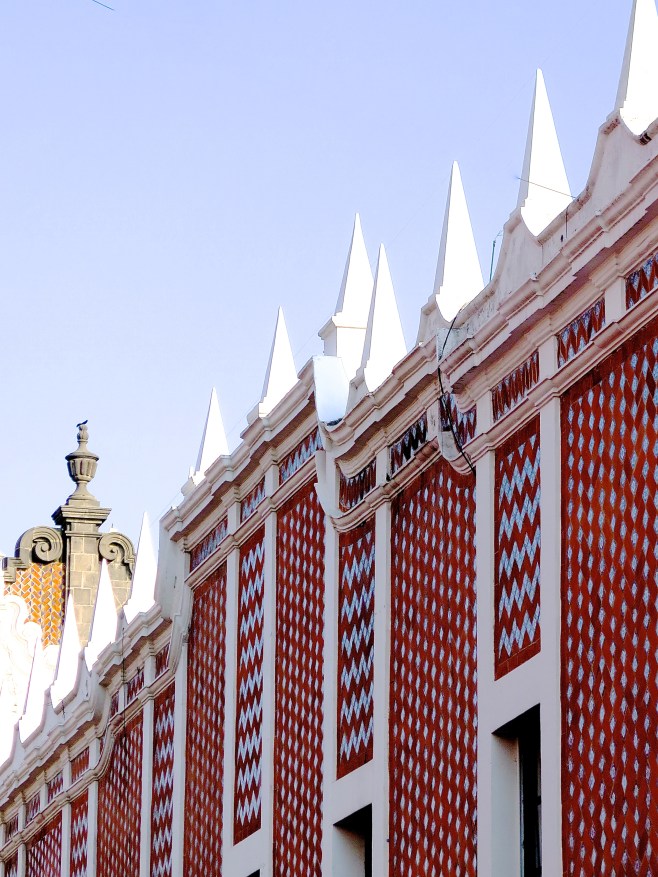
Two examples of the gorgeous tile work that adorns countless buildings in Centro.


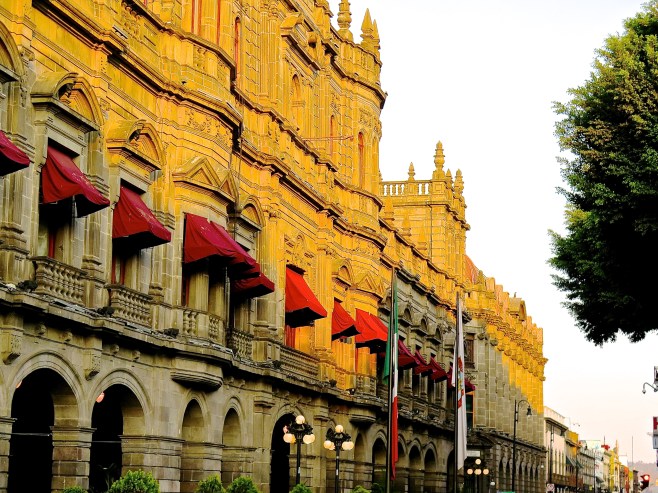
Puebla City Hall
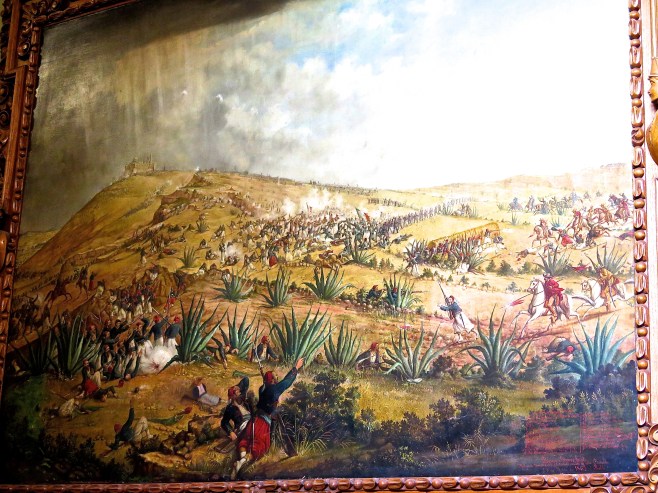
A painting of the repulsion of French Invaders on May 5 (Cinco de Mayo) 1862.
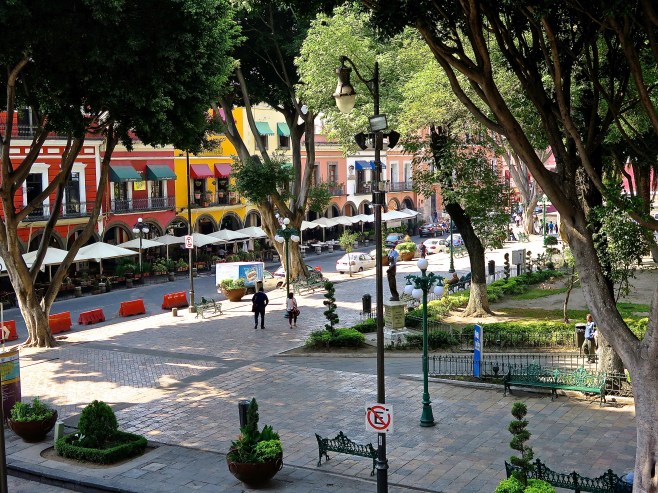
A view of the main plaza from the City Hall.

Band playing the Mexican National Anthem in the plaza.
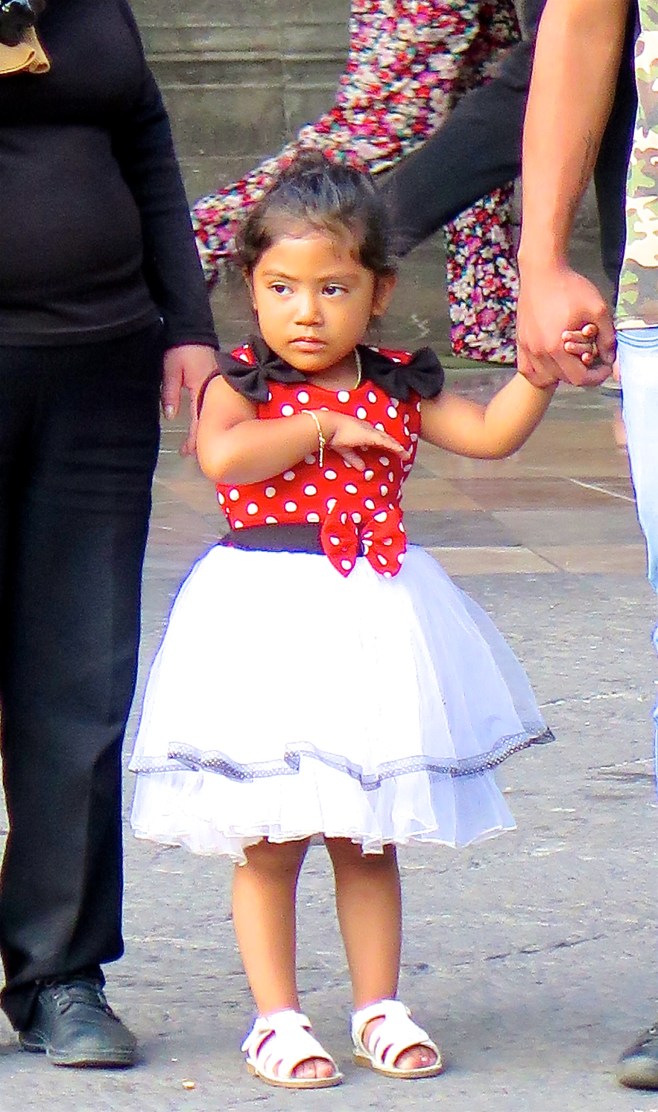
A tiny patriot saluting during the National Anthem.
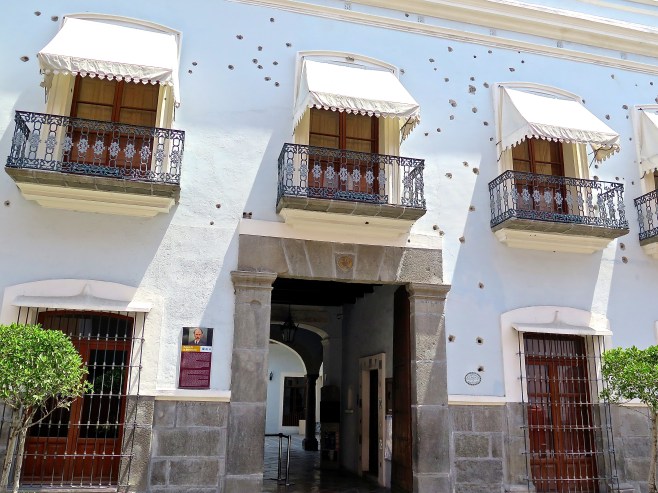
Bullet hoes in the home of the Serdan family where the Mexican Revolution to overthrow dictator Porfirio Diaz began in 1910.
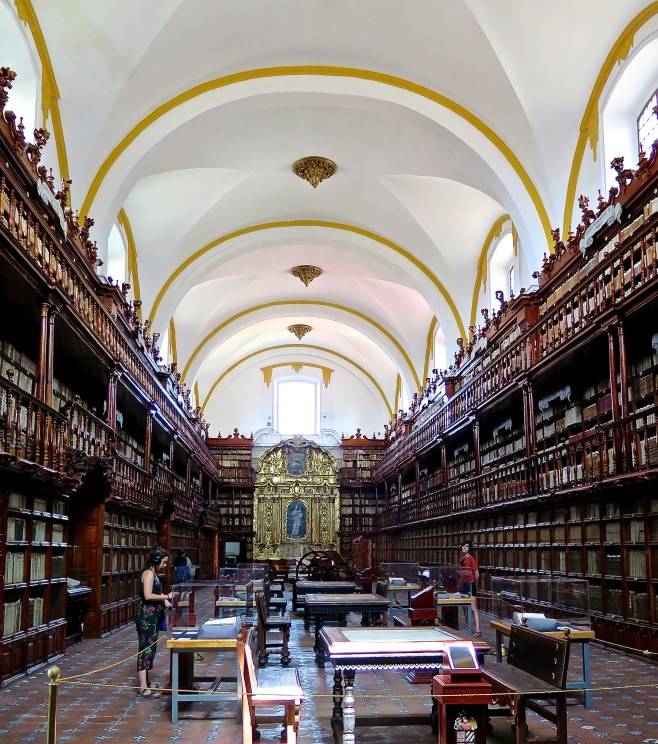
The gorgeous Biblioteca Palafoxiana, the oldest library in the Americas, houses thousands of rare books including the 1493 Nuremburg Chronicle, an early dictionary.
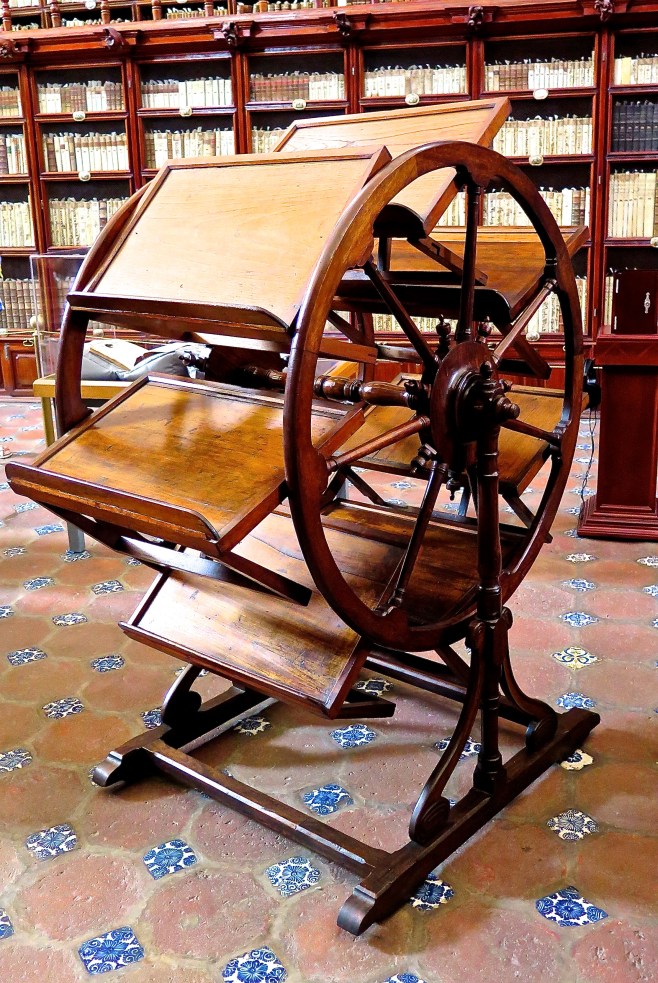
Ancestor of the Internet: This amazing “reading wheel” allows researchers to conveniently access the contents of seven books.
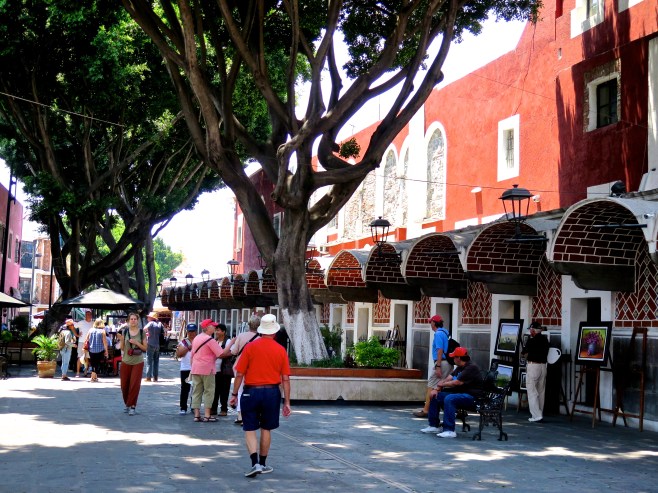
The Barrio de los Artistas provides studio space for 45 artists.
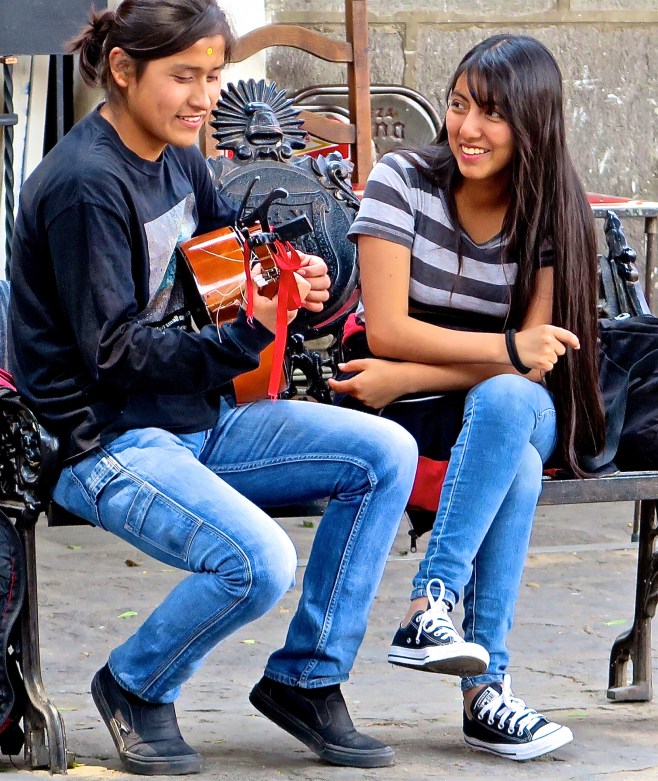
Seranade
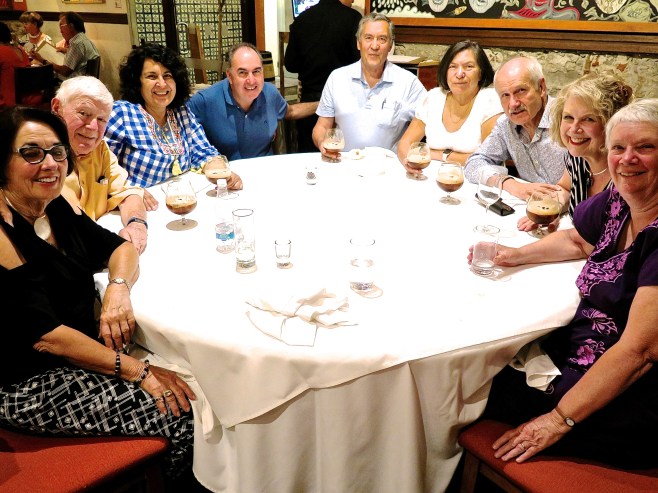
Enjoying a delicious meal with fellow travellers and our tourguides Rossy and Carlos of Charter Club Tours who took wonderful care of us all.
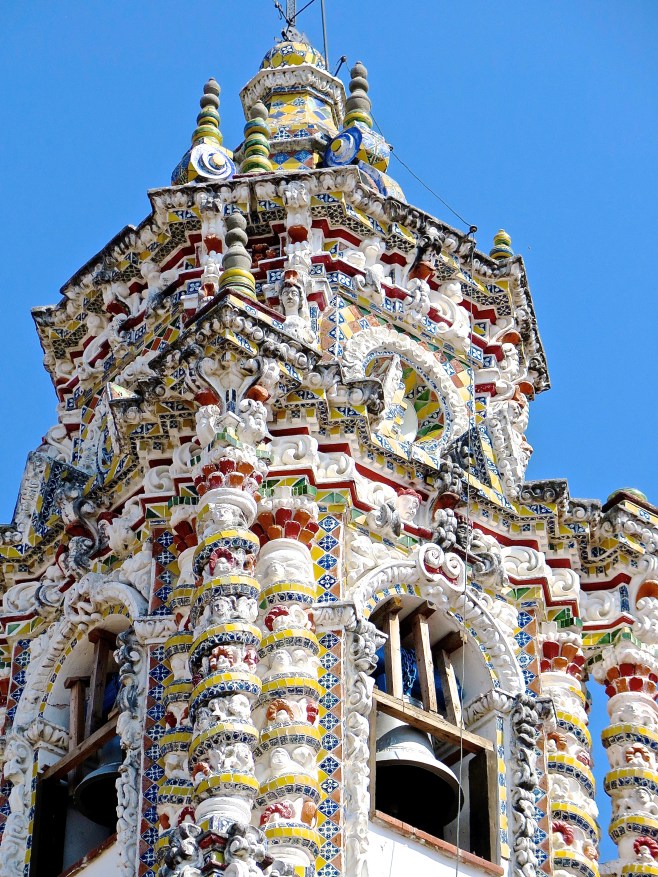
Indigenous Baroque: the Church of Santa Maria in Tonantzintla, near Puebla…
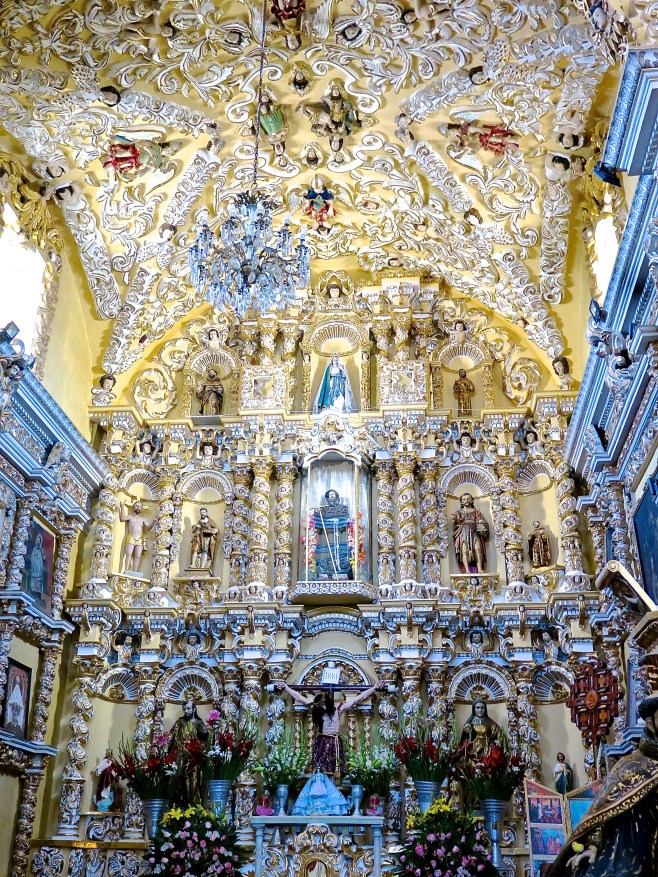
combining European and native design…
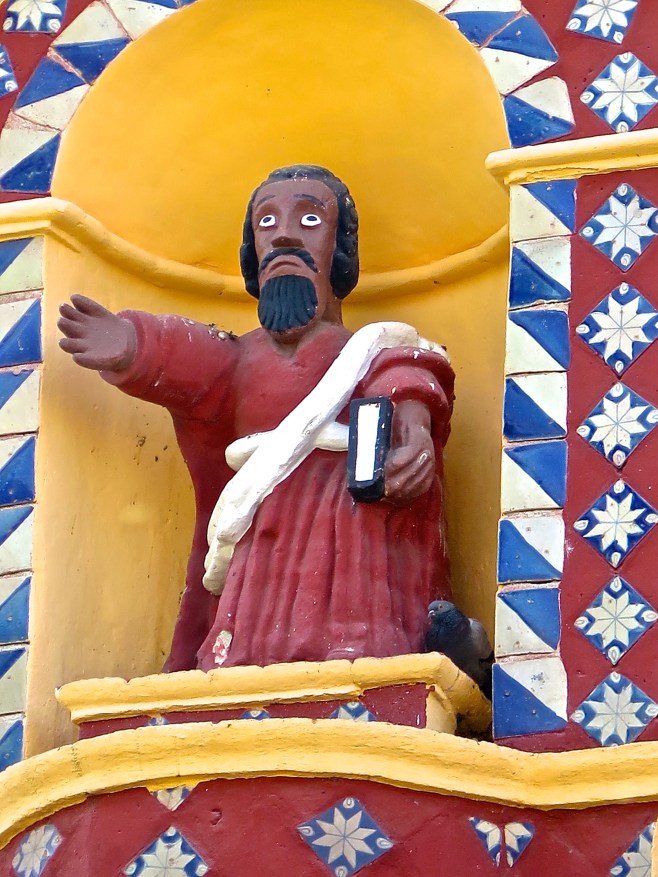
and depicting disciples as indigenous Mexicans.
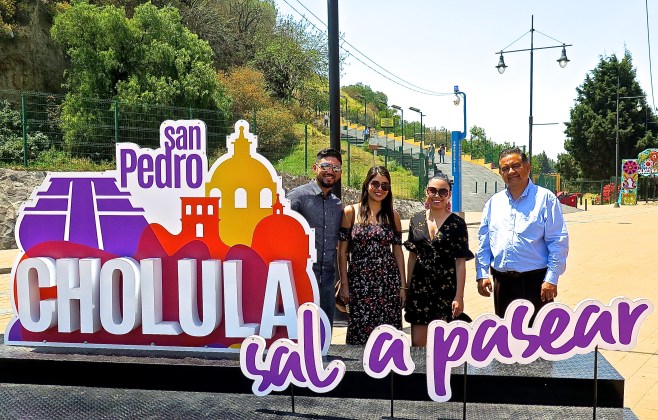
The Spaniards built a church on what they thought was a high hill in the sacred Aztec city of Cholula which Cortes called the most beautiful city outside of Spain, and then massaced the inhabitants.
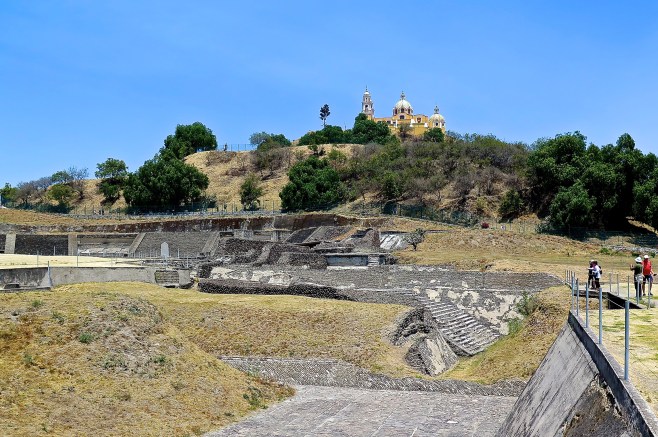
Excavations begun in the 1930s exposed a succession of pyramids built one on top of another.
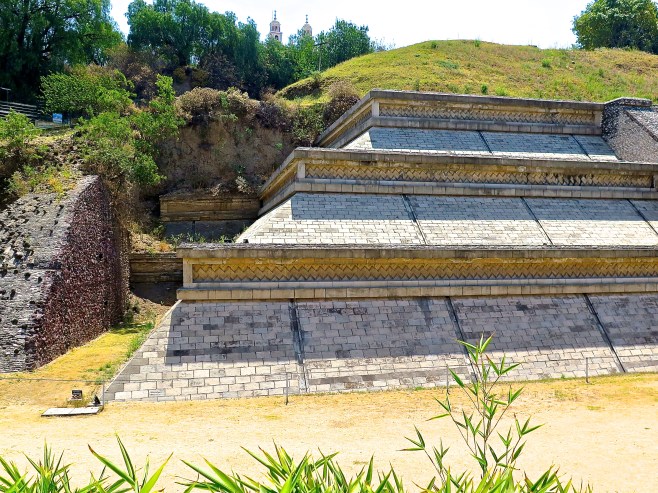
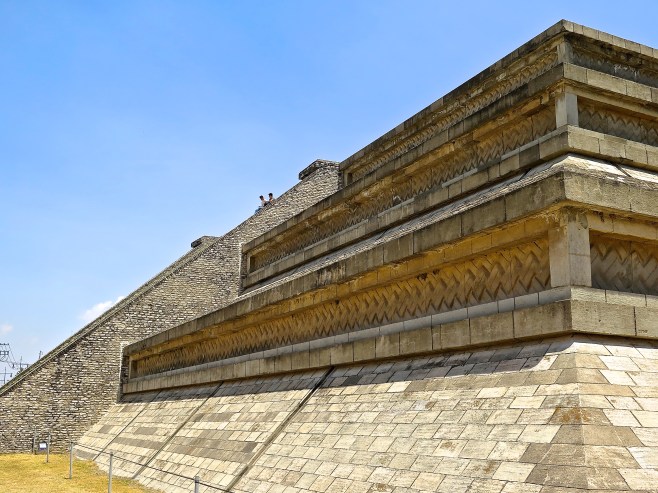
Archeologists have dug extensive tunnels under the pyamids some of which can be walked through. Not recommended for clautrophobes!
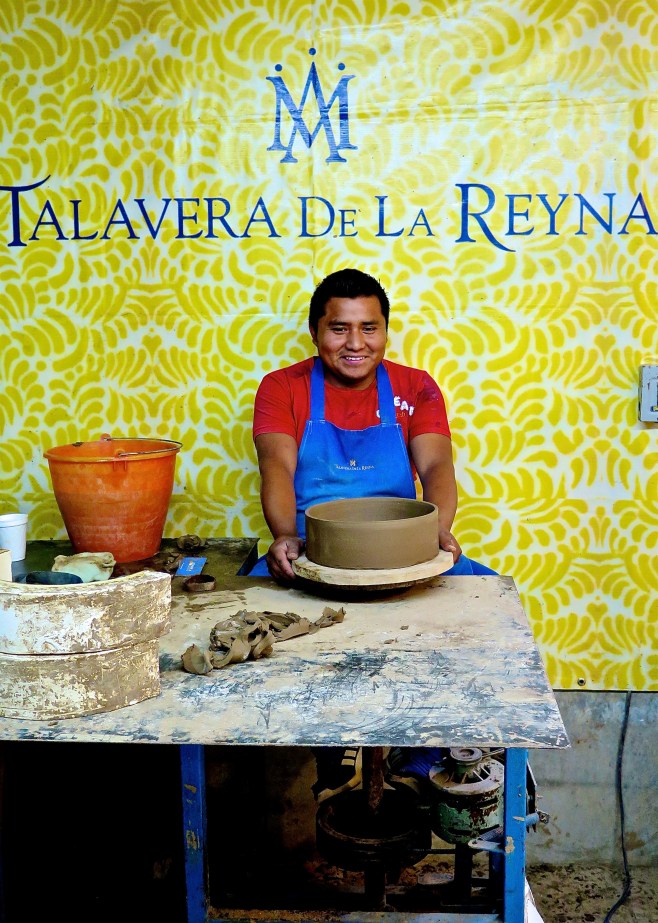
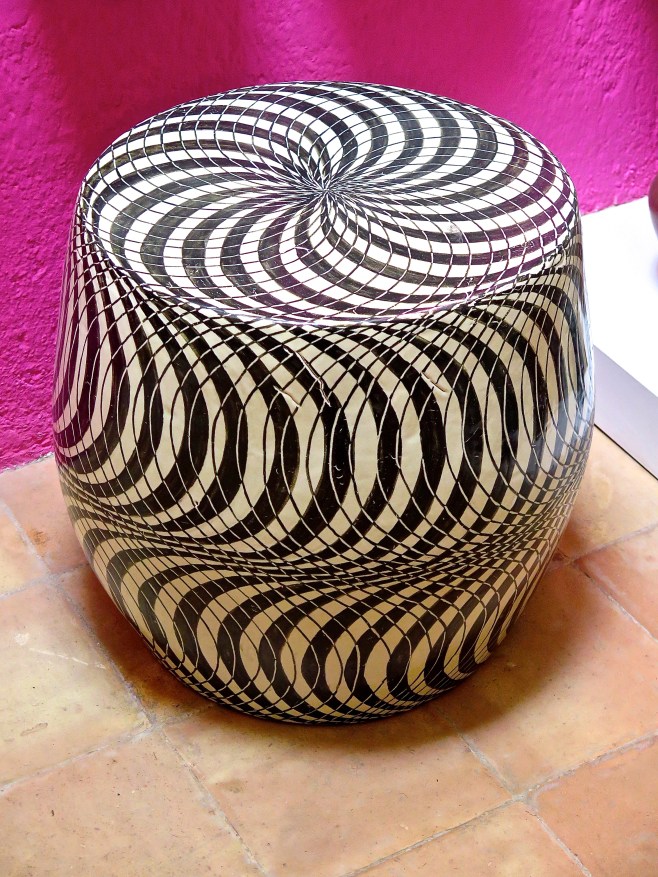
Talavera is a form of majolica earthenware that originated in Talavera de la Reina, Spain
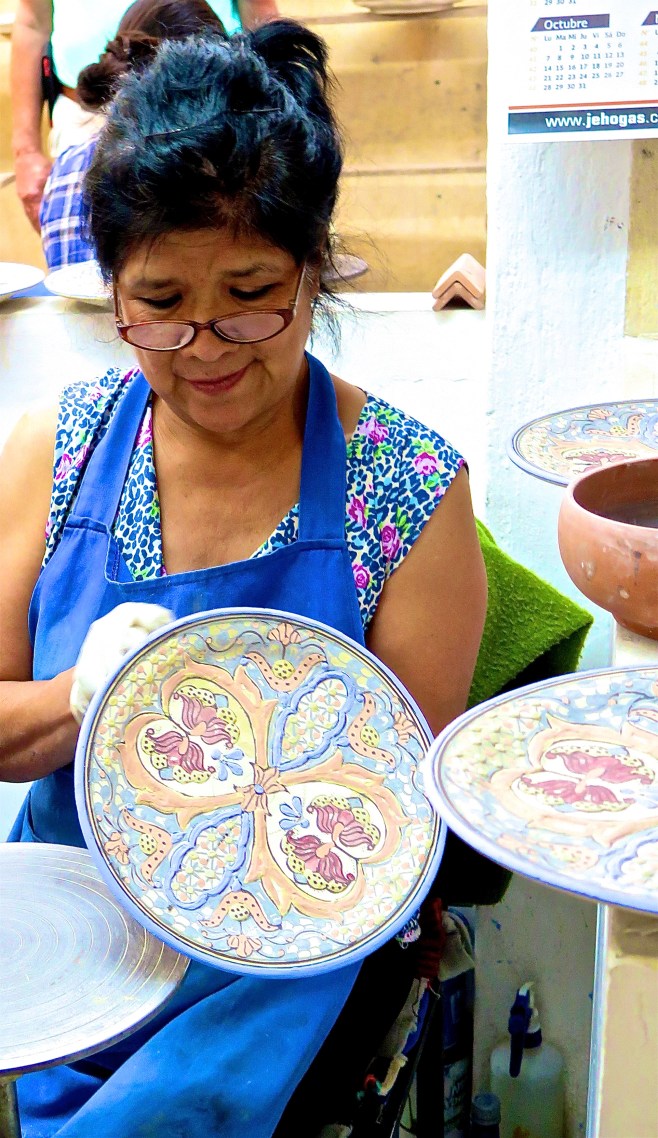
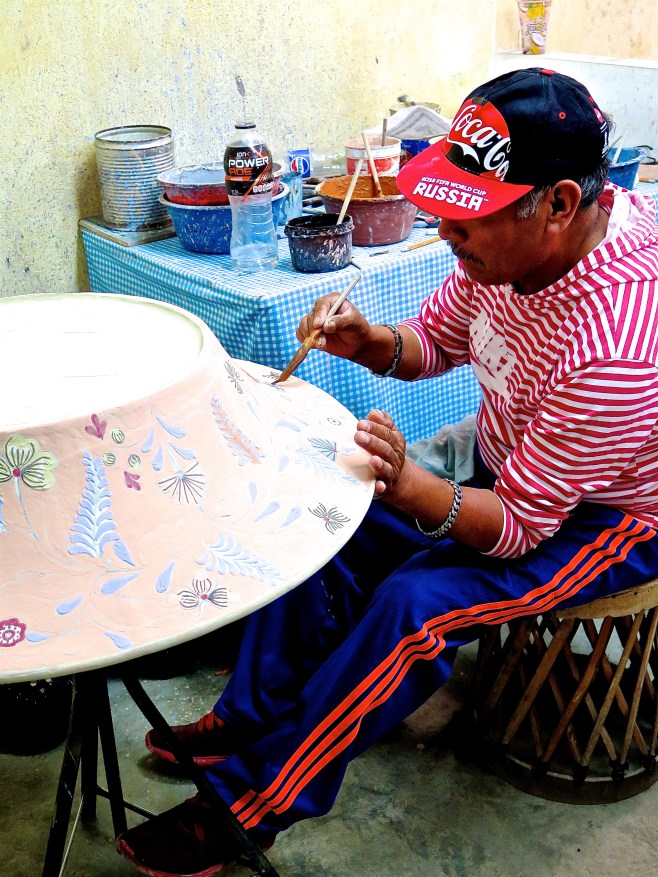
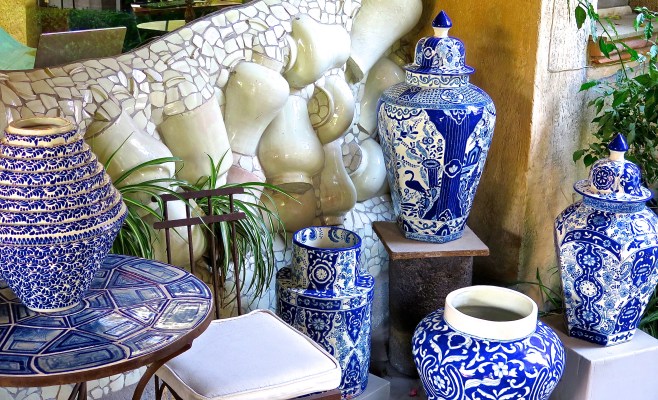
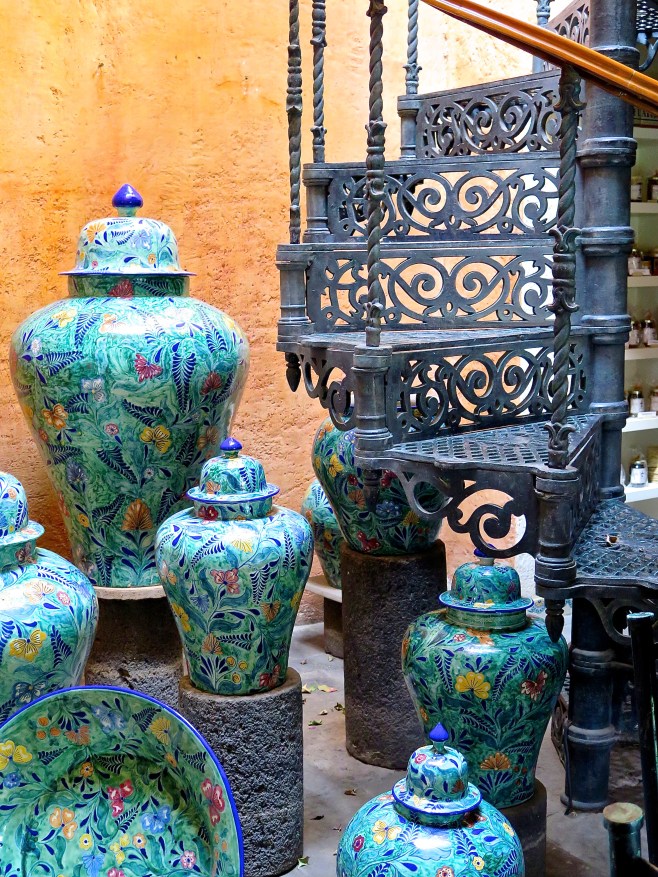
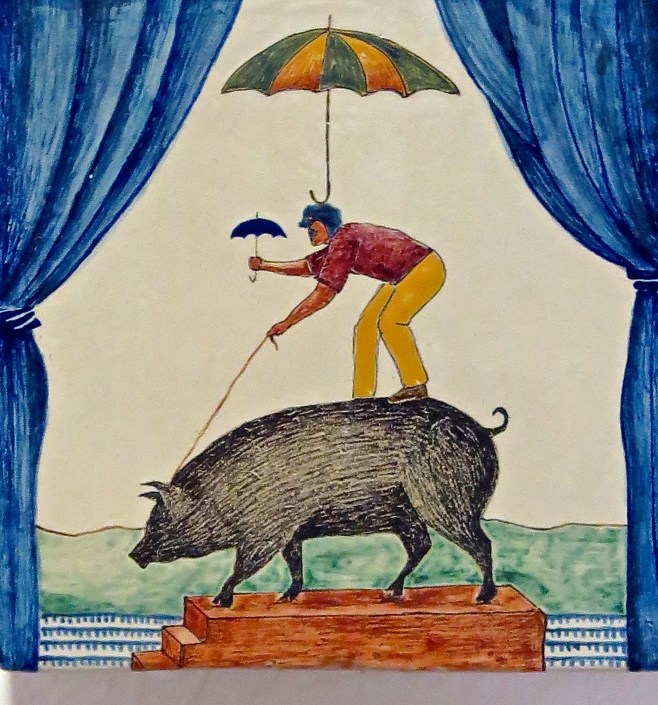
The precarious position of the man sadly reminded me of the current situation in the U.S.A.

Birthday celebration at the excellent restaurant at the Talavera de la Reyna workshop.
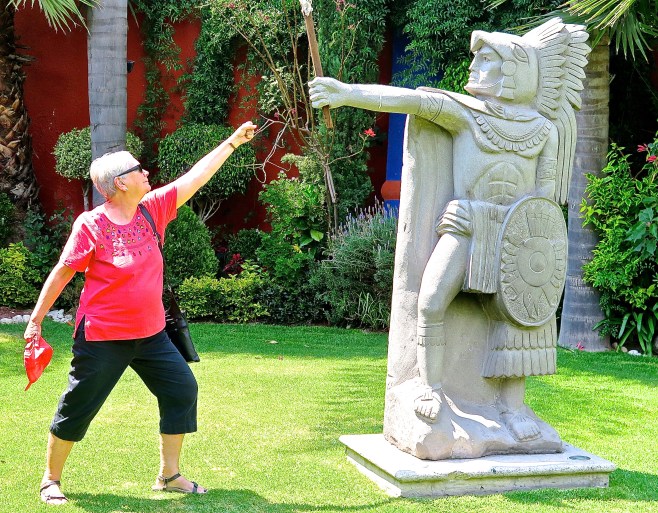
Barbara challenging a warrior.
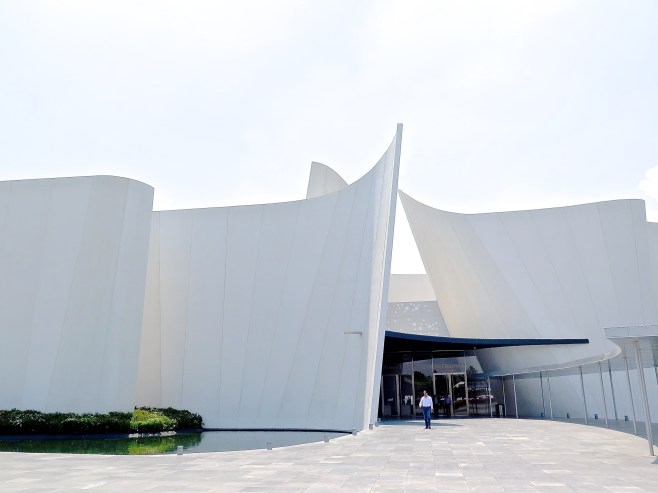
The entrance to the Museum of the International Baroque designed by the Pritzker Architecture Prize laureate Toyo Ito and opened in 2016. The Independent (UK) called it “a mind-bending tribute to the Baroque.”

Many cogent descriptions of the Baroque help to make sense of the pastiche of styles and tastes that collided to create that tumultuous artistic era.
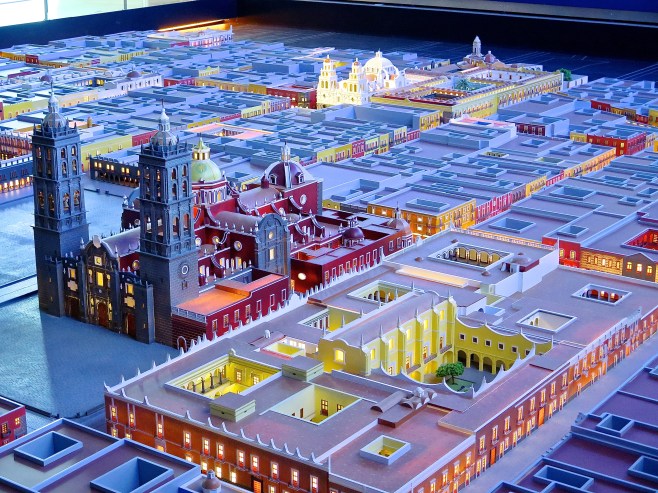
This superb interactive model shows how Puebla was laid out in a grid and was intended to be more grand than preconquest city of Cholula.
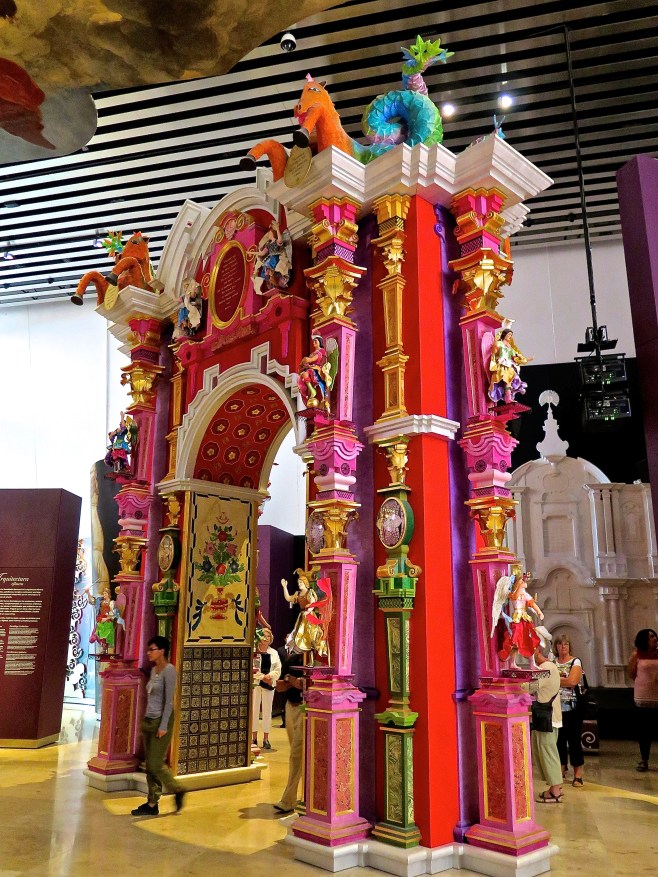
This piece of modern Baroque humorously conveys that era’s fear of empty spaces.
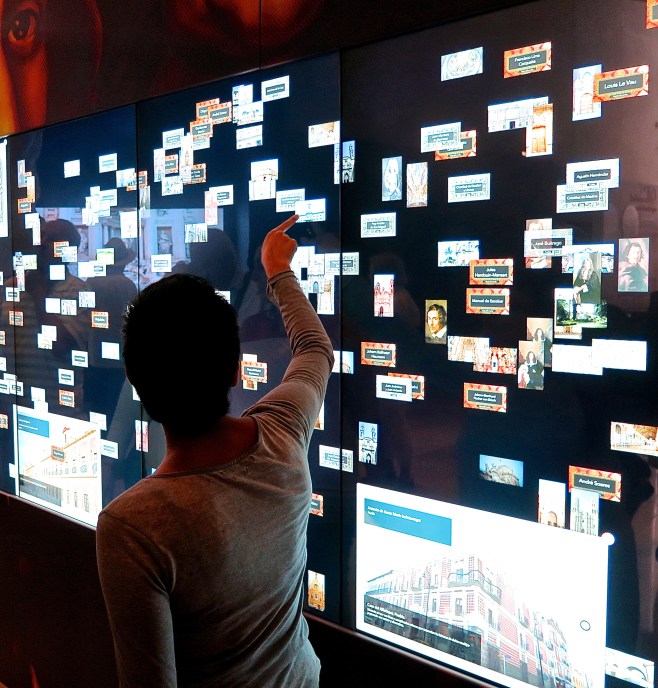
A huge interactive screen allows visitors to examine and link various elements to gain a better understanding of the era.
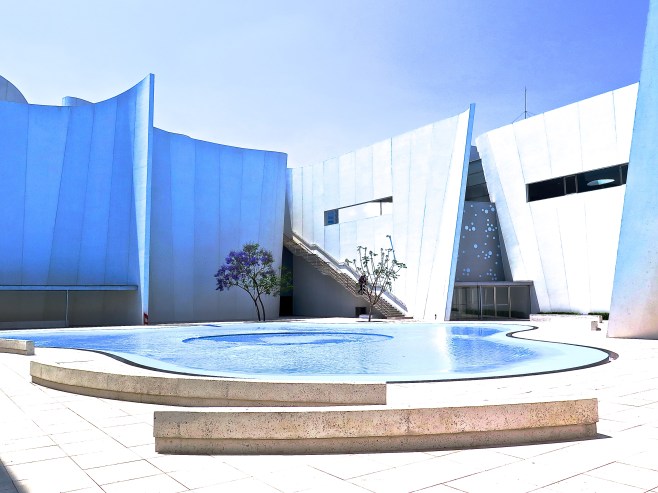
The central courtyard featuring a whirling pool that randomly changes speed.
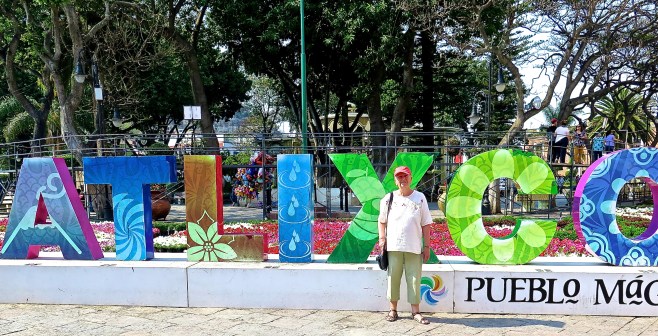
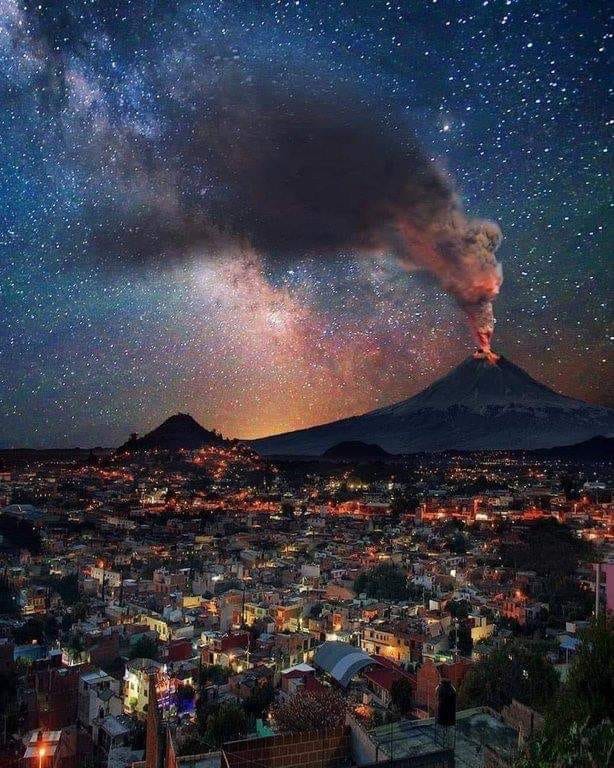
Atlixco is pretty town rather unnervingly near the active volcano Popocatepetl which was belching forth lava and ash before our trip but not during our stay in Puebla.
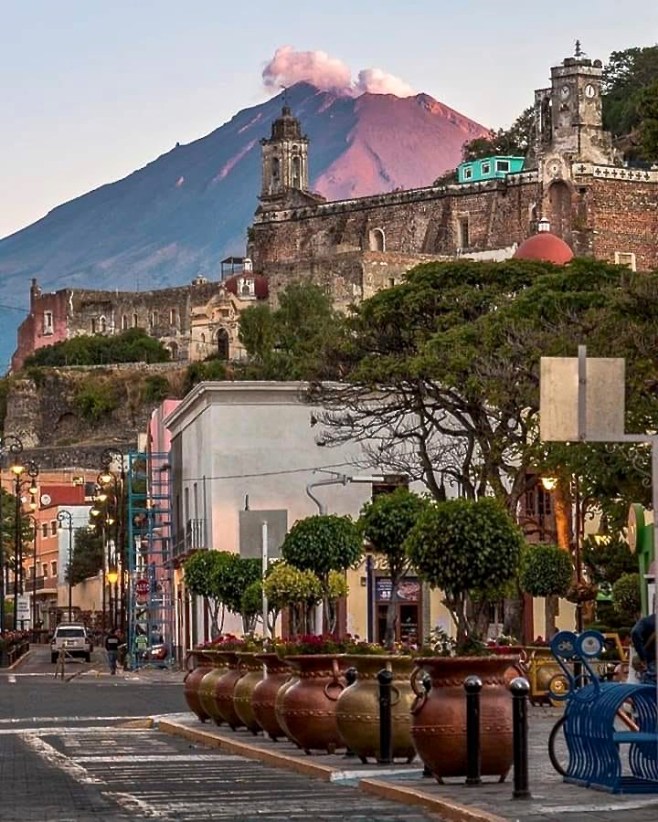
Since hazy weather prevented any good photos of El Popo, I borrowed these 2 recent photos from Dean Miller’s superb Facebook page, Arts & Artisans of Mexico.
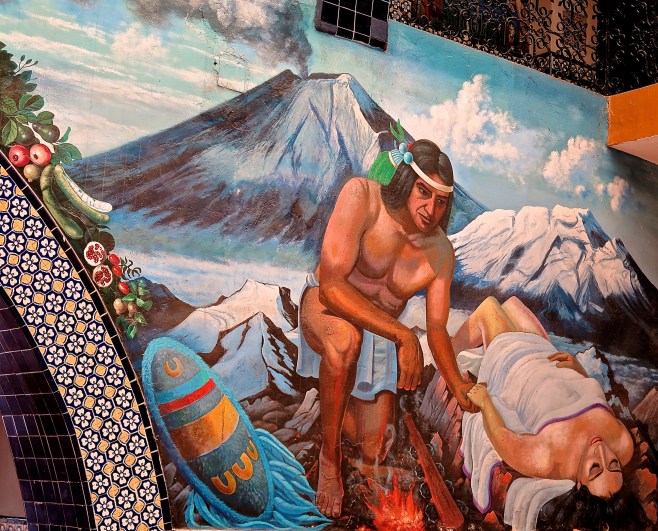
A mural depticting the legend, similar to that of Romeo & Juliet, of Popocatepetl & his beloved, Iztaccíhuatl, who died of a broken heart when told he was killed in battle.
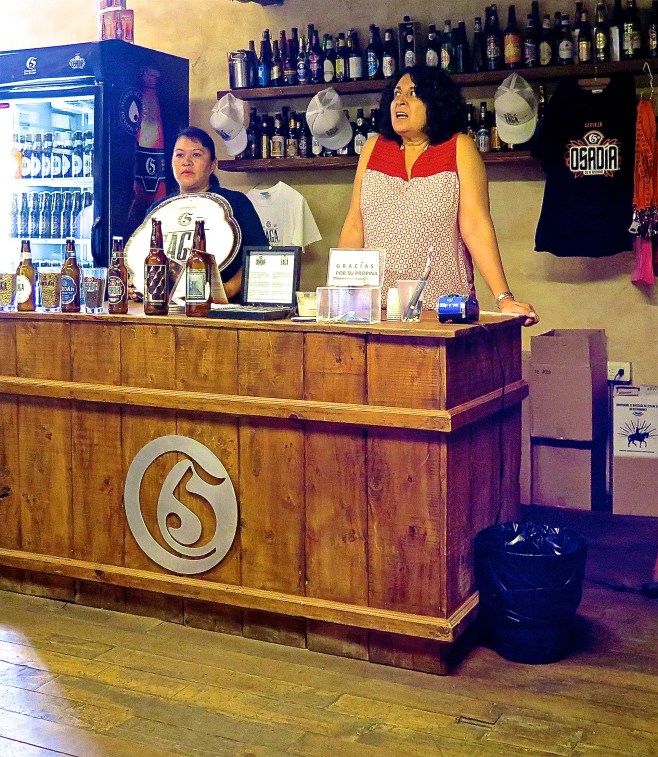
We sampled some excellent ale, Saga and Osadia, at St. Michael’s Brewery…
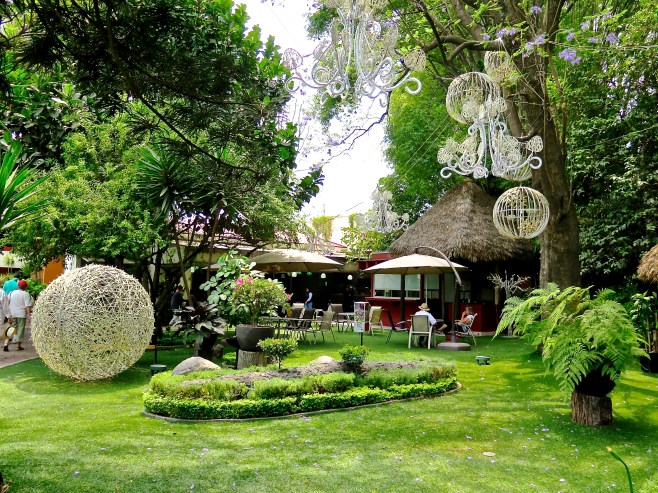
and then had a delicious lunch at the restaurant on the brewery grounds.
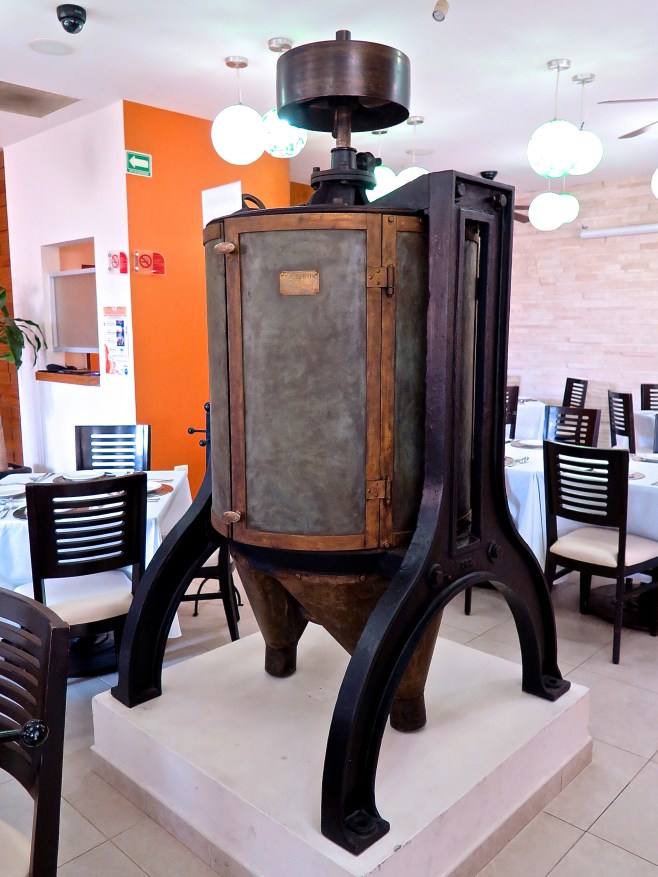
A grain washing machine from the brewery.
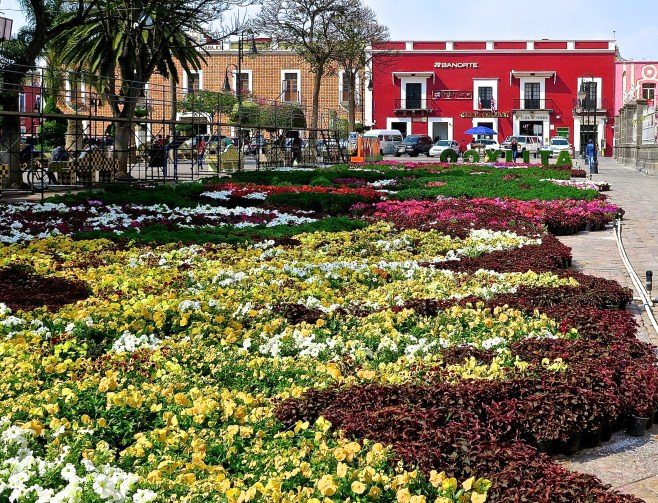
Flowers are everywhere in Atlixco Centro.

Worker breaking the chains of oppression, a recurring theme in the troubled history of Mexico.
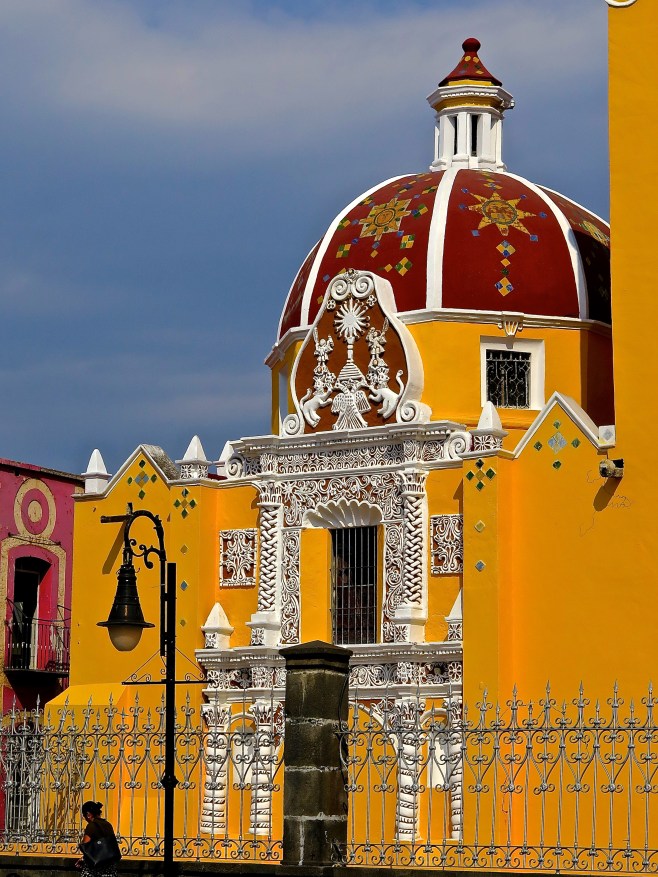
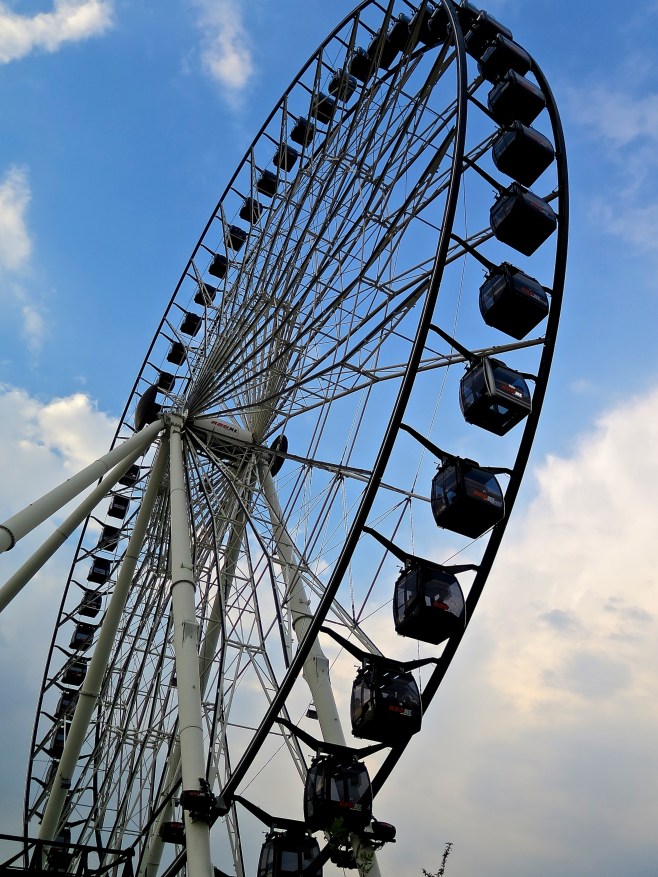
Somehow we understood that this Swiss made ferris wheel in Puebla is currently the largest in the world, which turned out not to be true. The tallest is High Roller in Las Vegas at 550 feet.
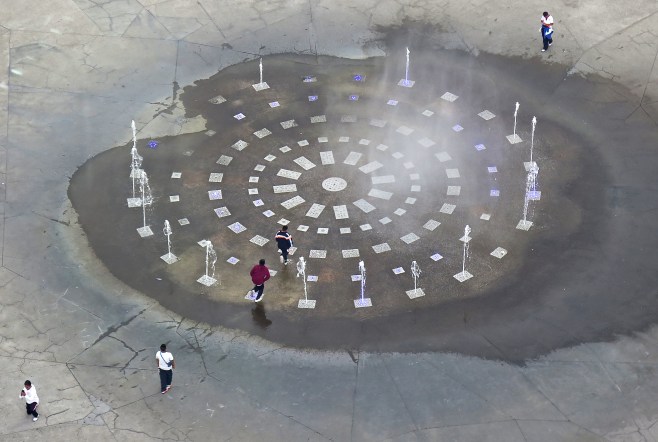
Young people trying to cross the intermittent spray of the fountain without getting wet.
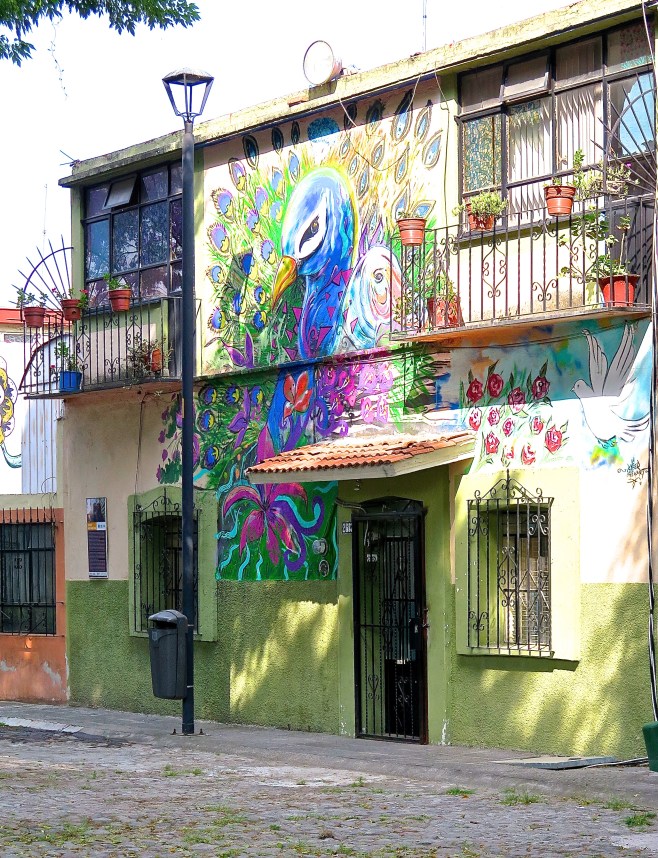
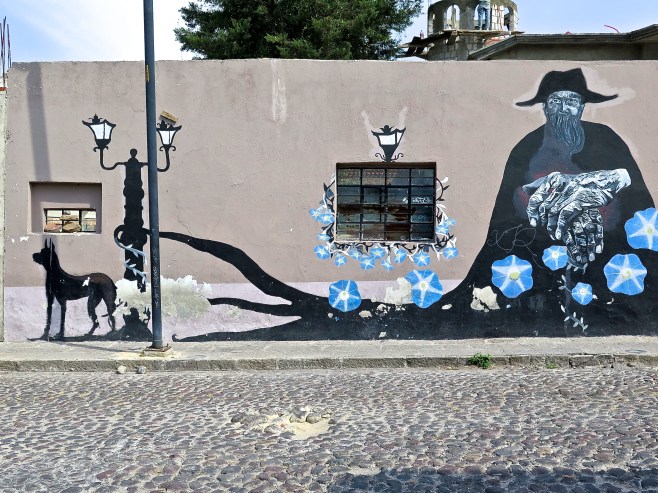
At one time a very poor and dangerous neighborhood, this barrio was transformed by artists who volunteered to paint murals of subjects that meant a great deal to the families within these houses, at no cost.
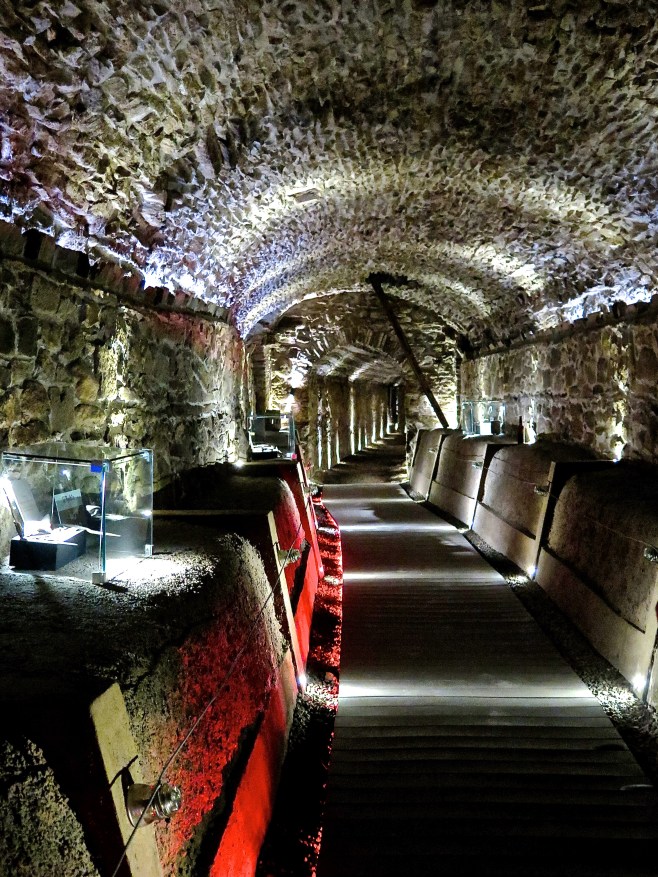
One of many tunnels that have recently been discovered under Puebla and rehabilitated. Artifacts, from weapons and tools to children’s toys, are displayed. Some of the tunnels are high enough to accommodate horses and riders.
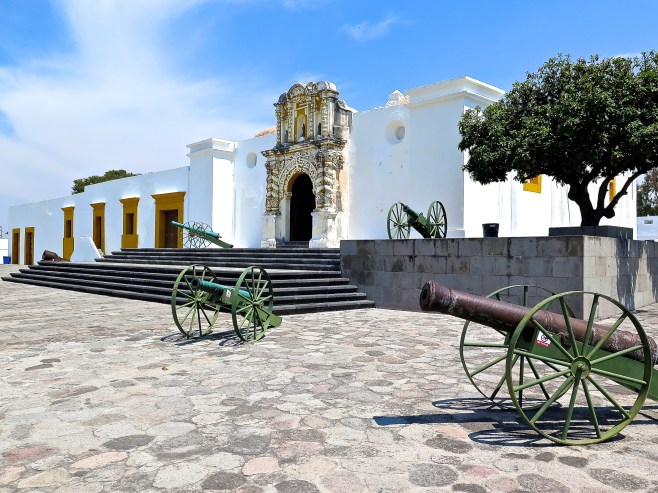
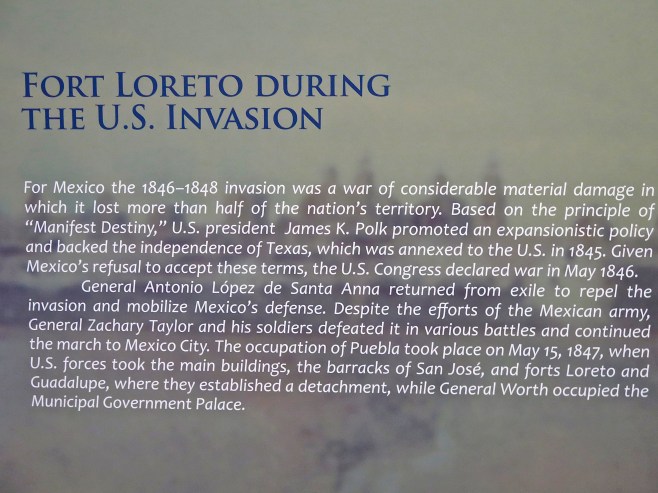
Fort Loreto, high above the city.
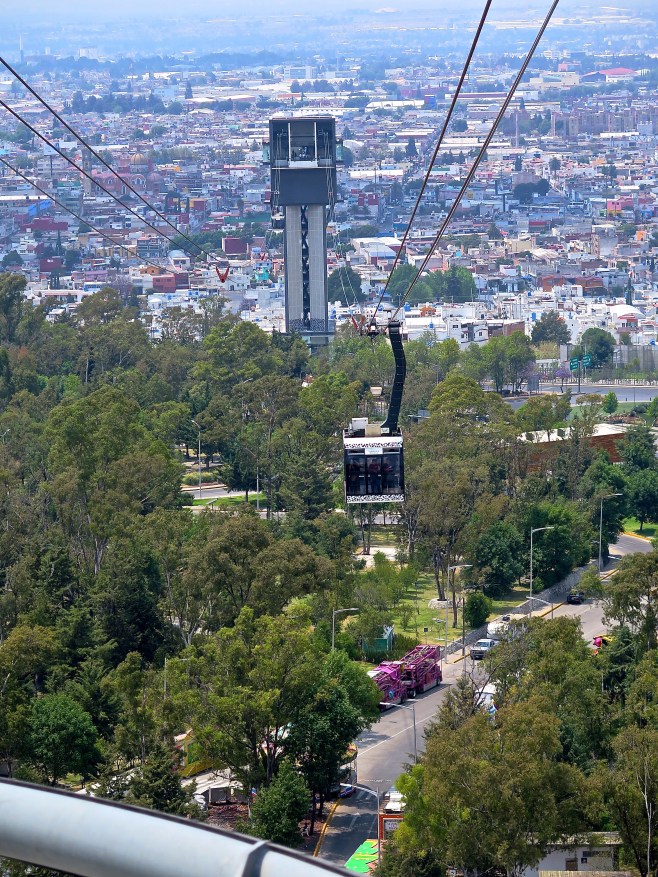
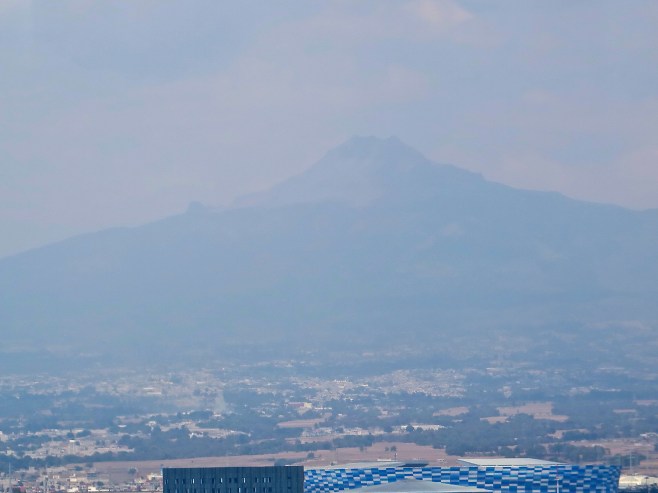
A hazy view of the inactive Melinche volcano from the funicular.

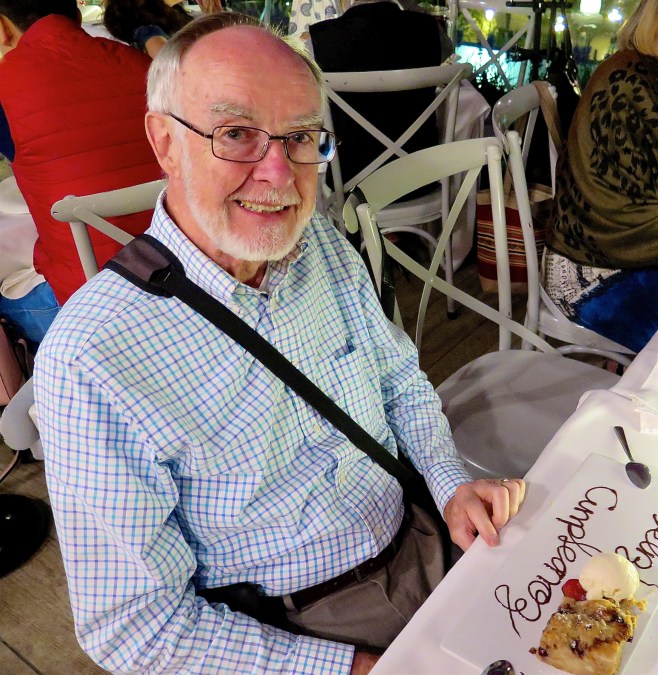
We watched a vivid light show on the front of the cathedral from an excellent restaurant where we celebrated Allan’s 80th.
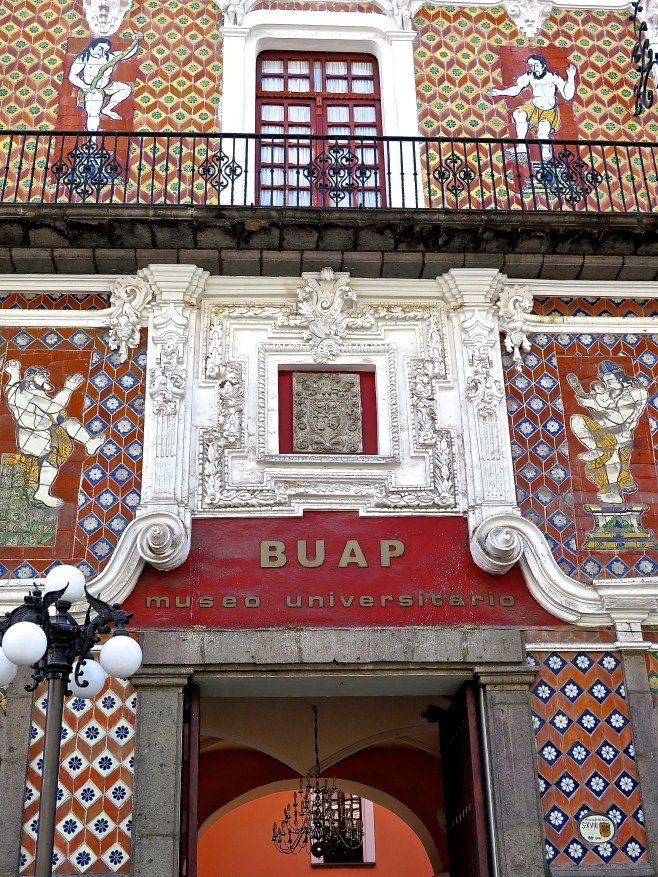
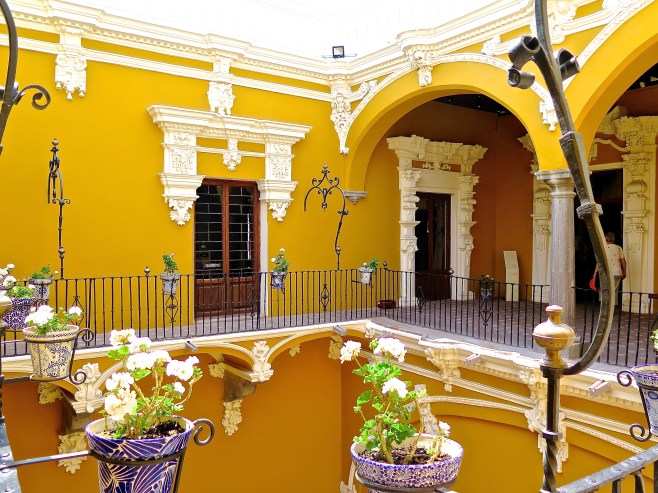
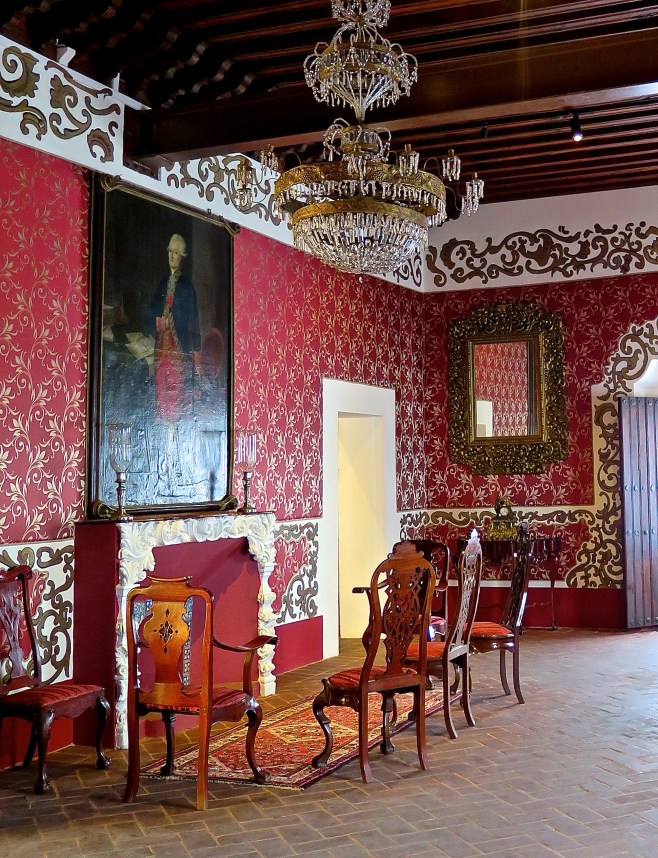
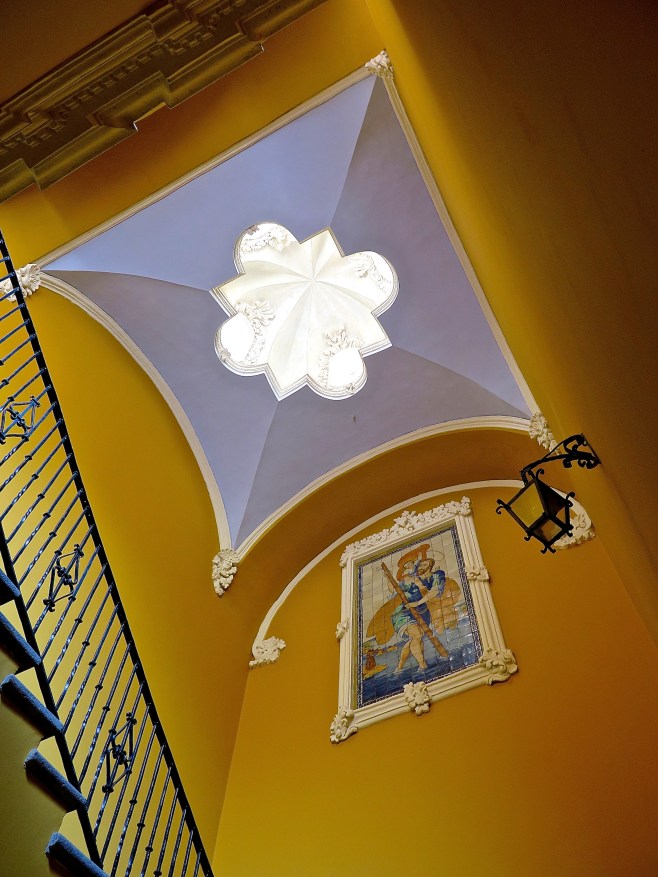
The magnificent House of Puppets, built by a wealthy man in the 18th century. After the city fathers refused him a building permit for the location he wanted he built it there anyway. The dancing puppets on the facade bear the faces of those city fathers.
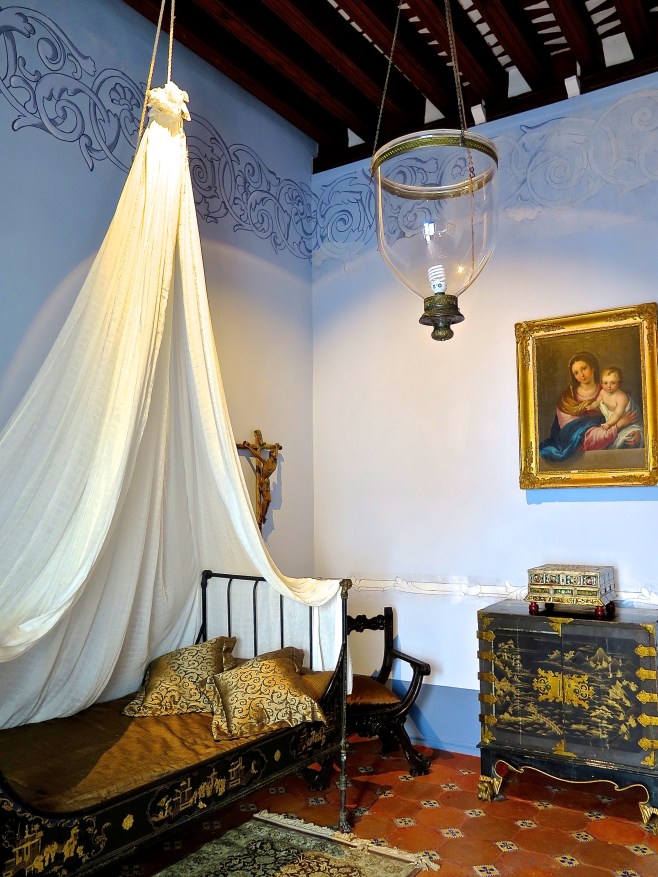
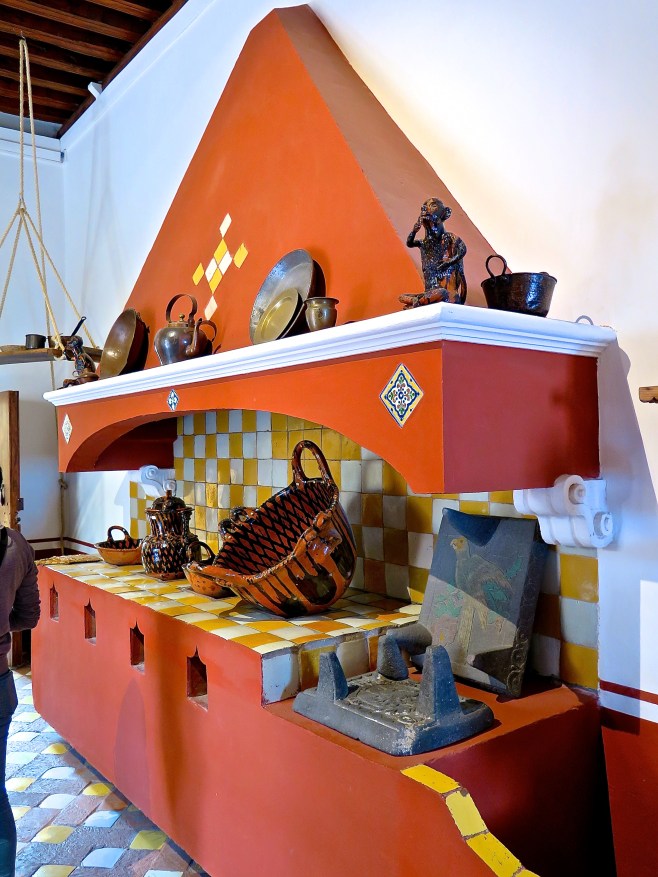
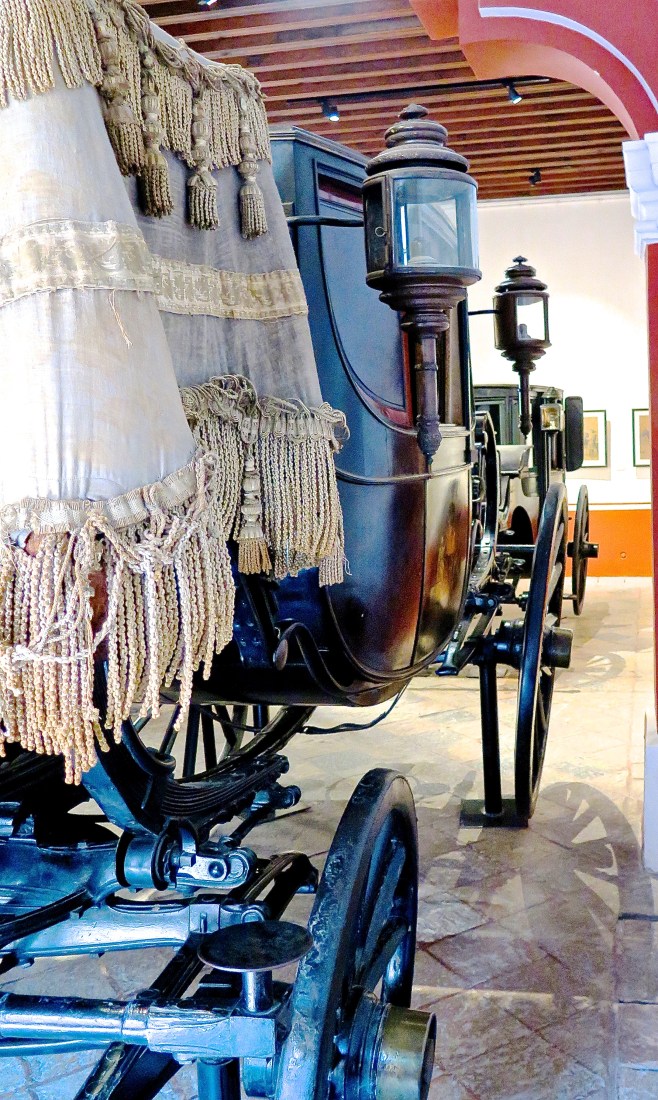
The most comfortable suspension money could buy.
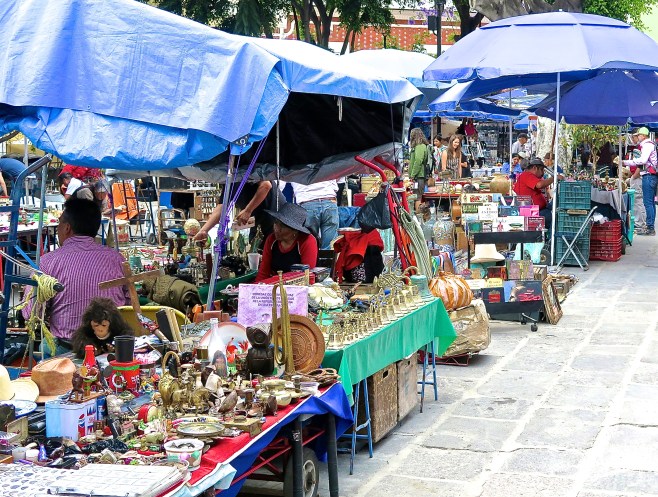
Strolling through a flea market.
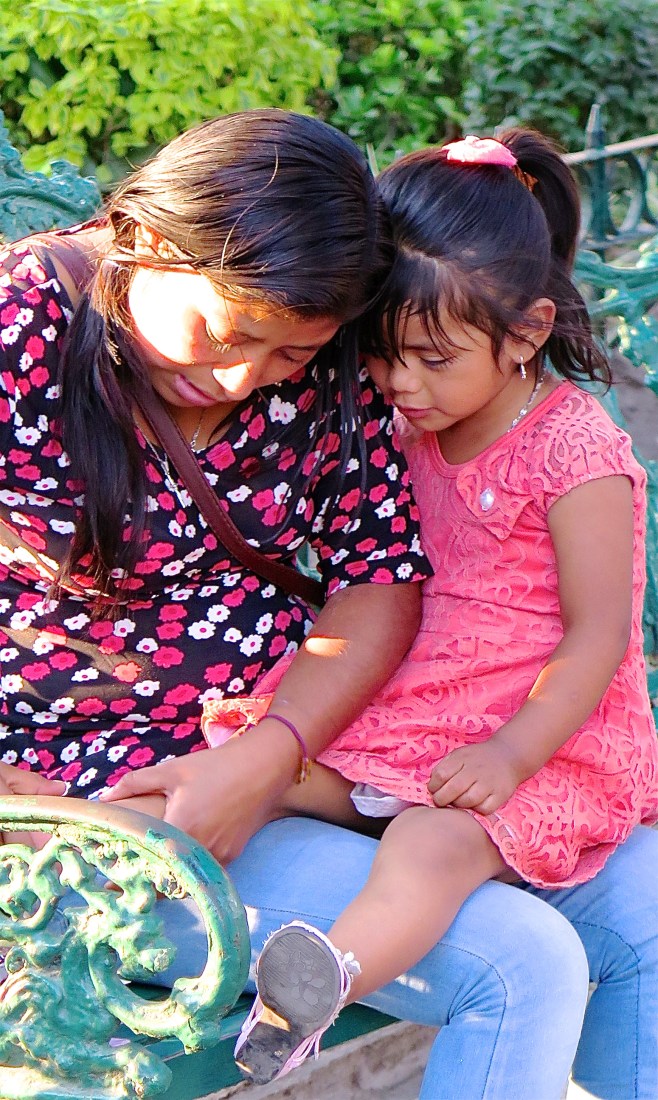
Tying a tiny shoe
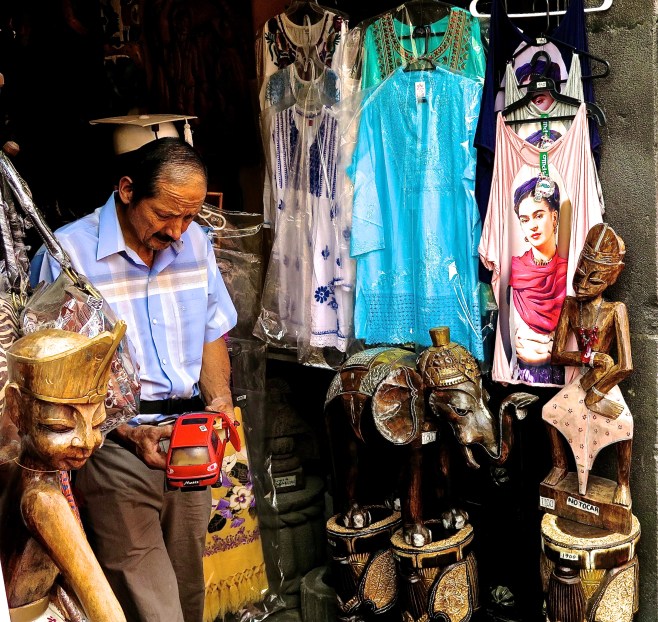
Anything & everything!
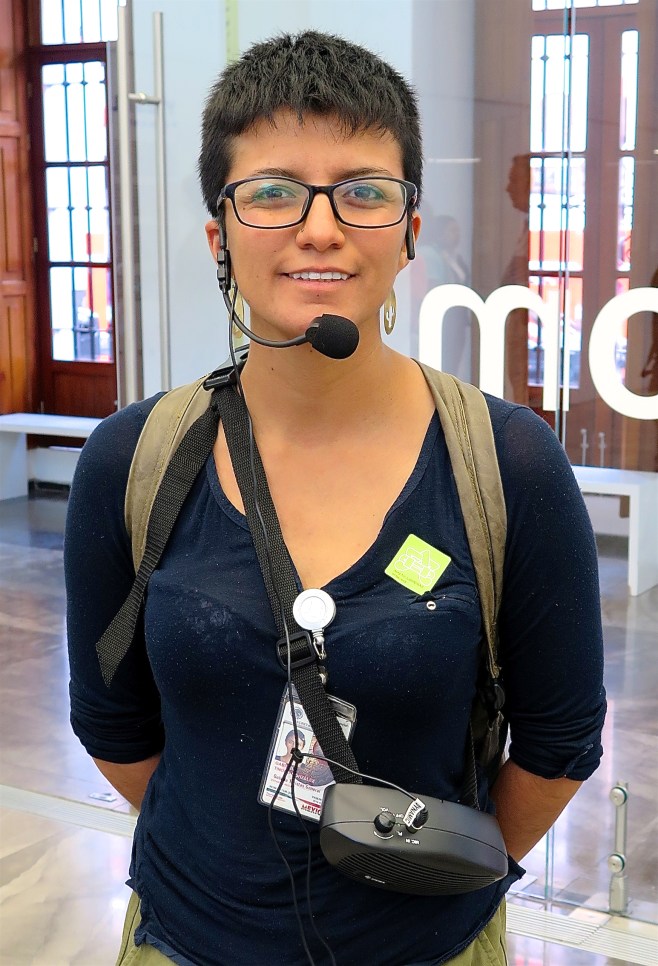
Our excellent guide, Gabriela: smart and well-informed, with great taste in restaurants.
 Mexico & Beyond
Leave a comment