Posts from the ‘Uncategorized’ category

San Miguel de Allende (SMA)

April 2024

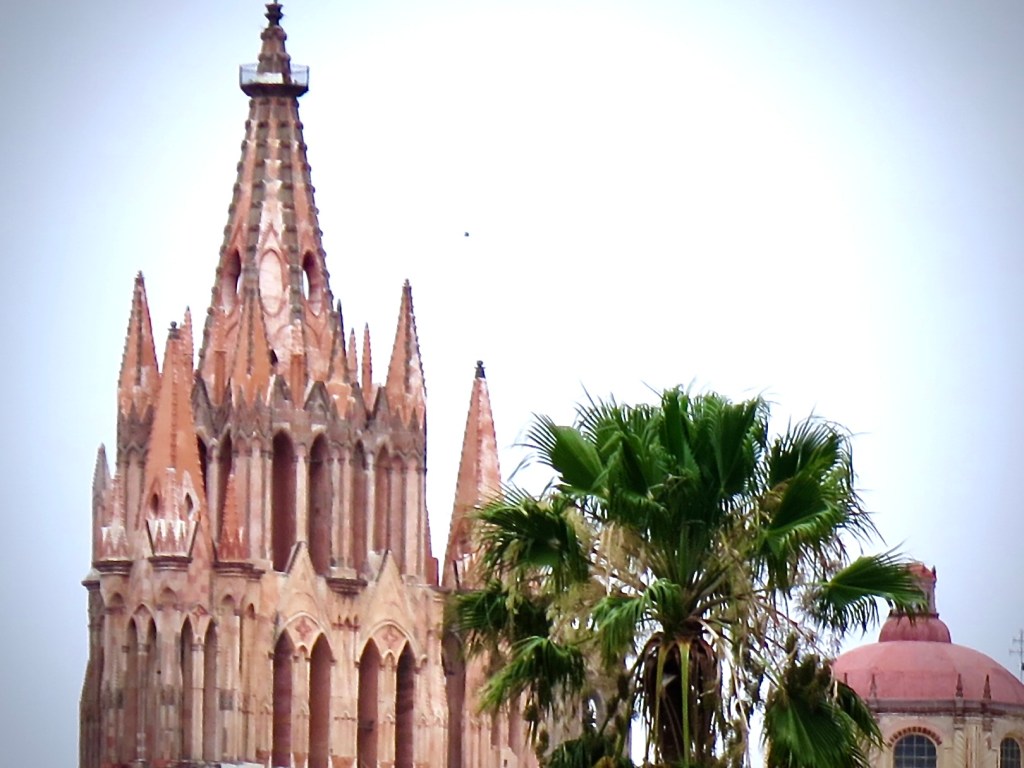
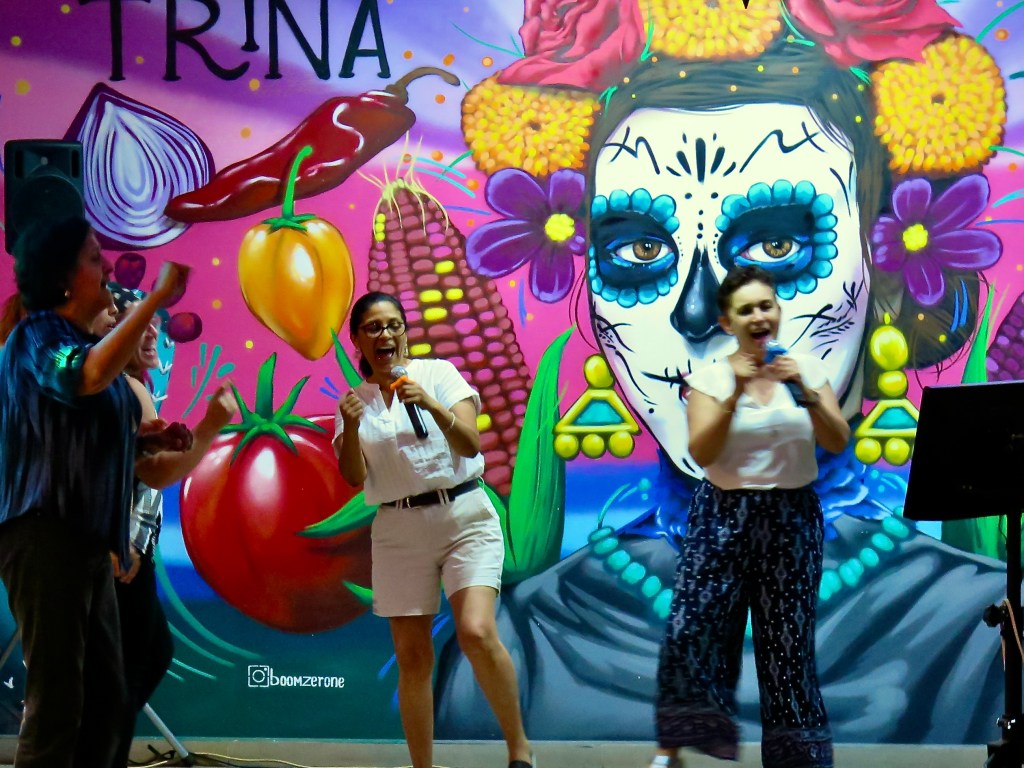
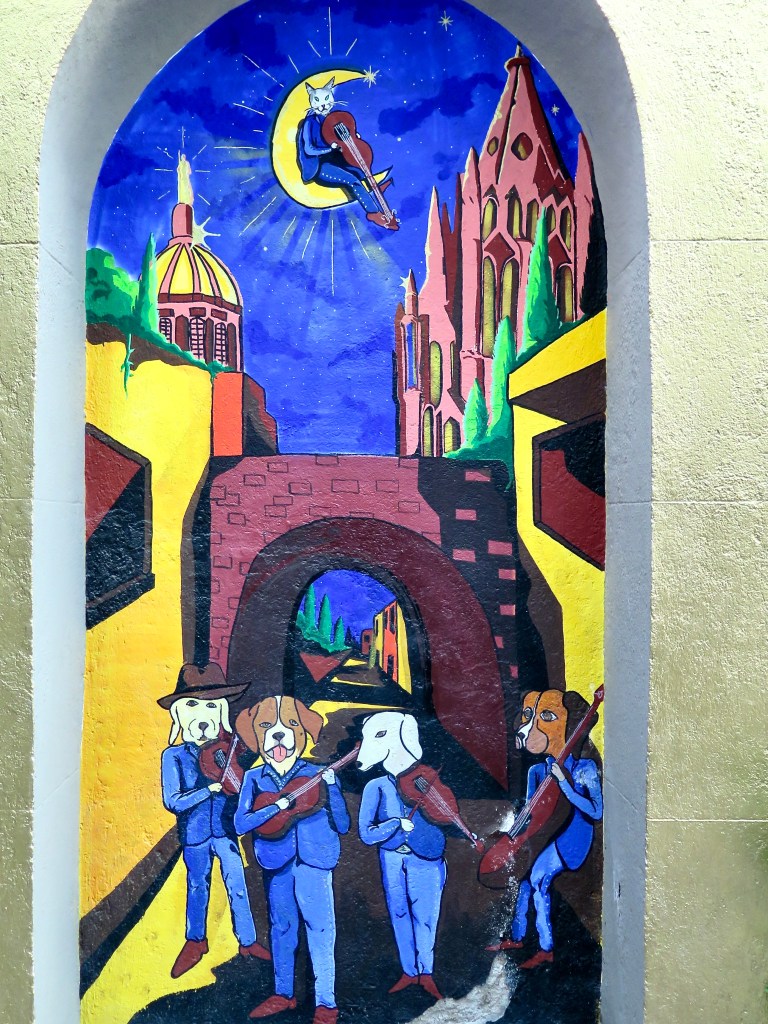
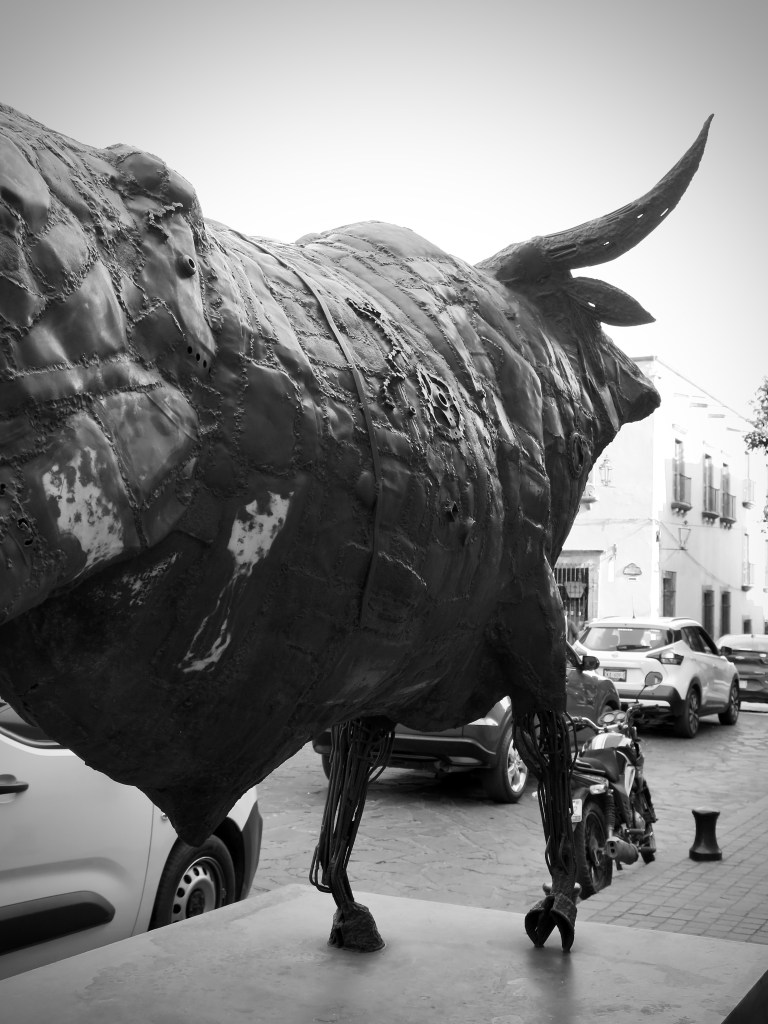
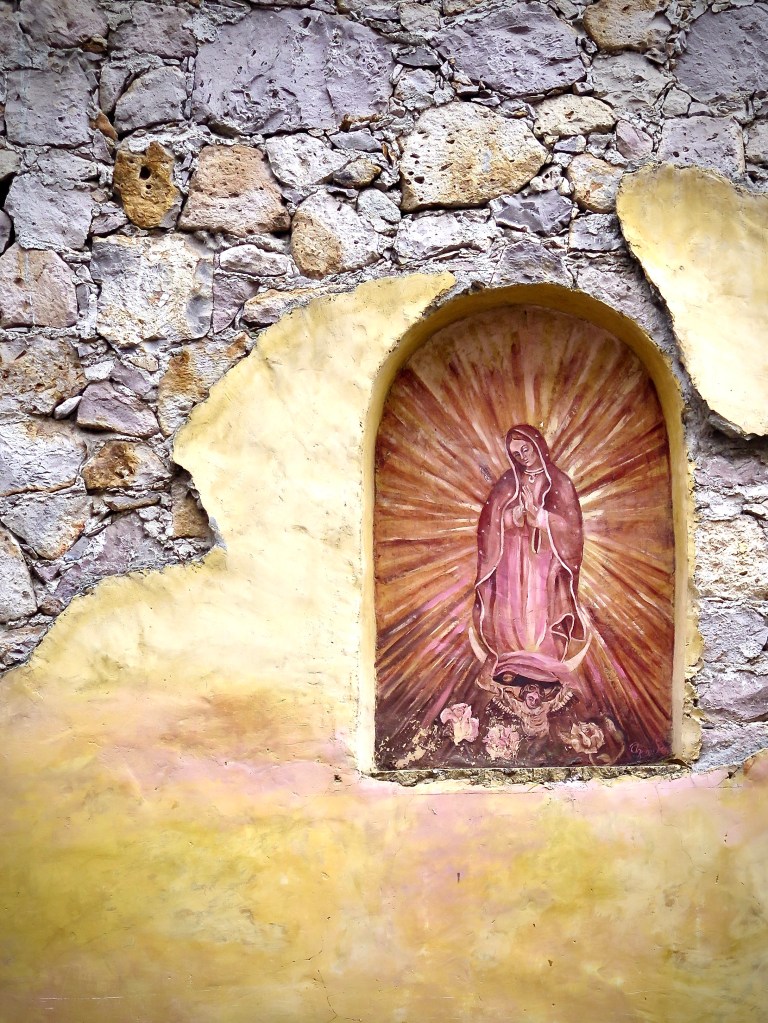
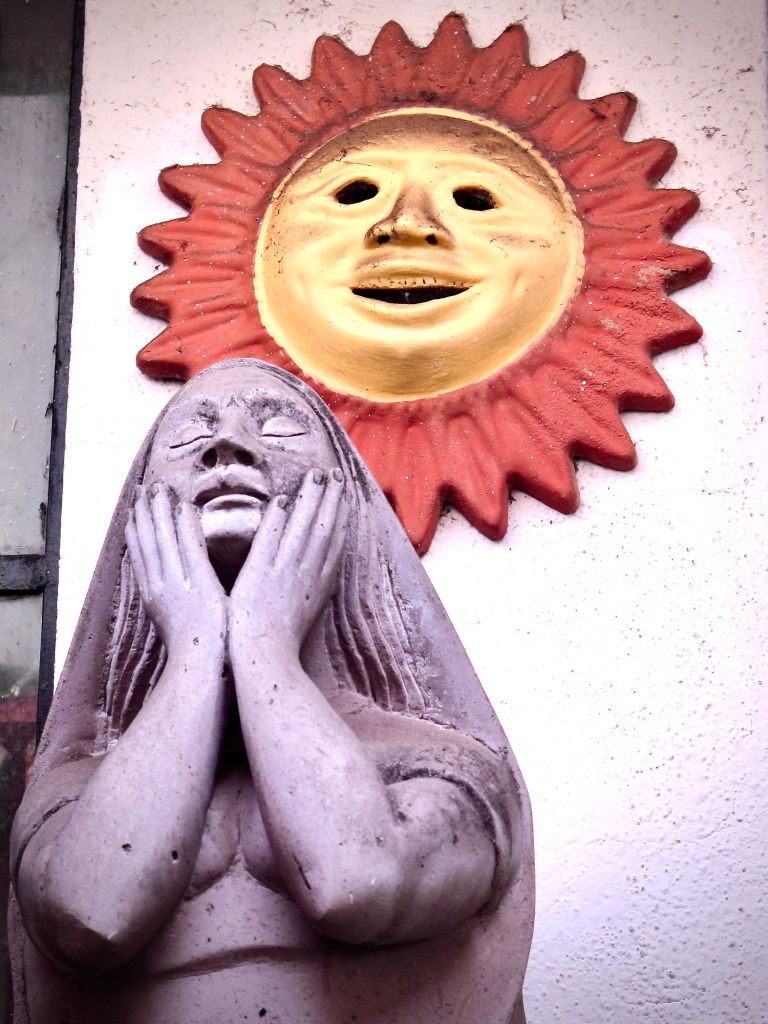
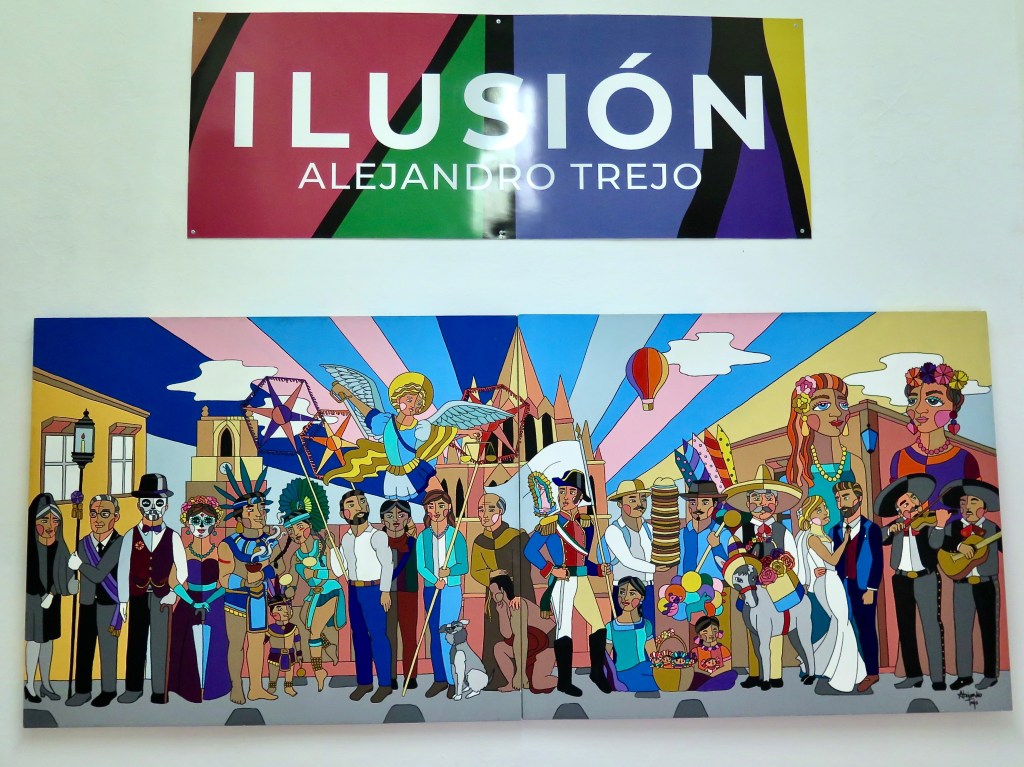
SMA was the first town Barbara & I looked at when we were thinking of moving to Mexico in 1997. Recently we visited the same friends who introduced us to that town. Full of color, natural and man made, SMA is still very attractive and hasn’t changed much – but there were definitely more people and heavier traffic. Below are a few scenes that caught my eye.

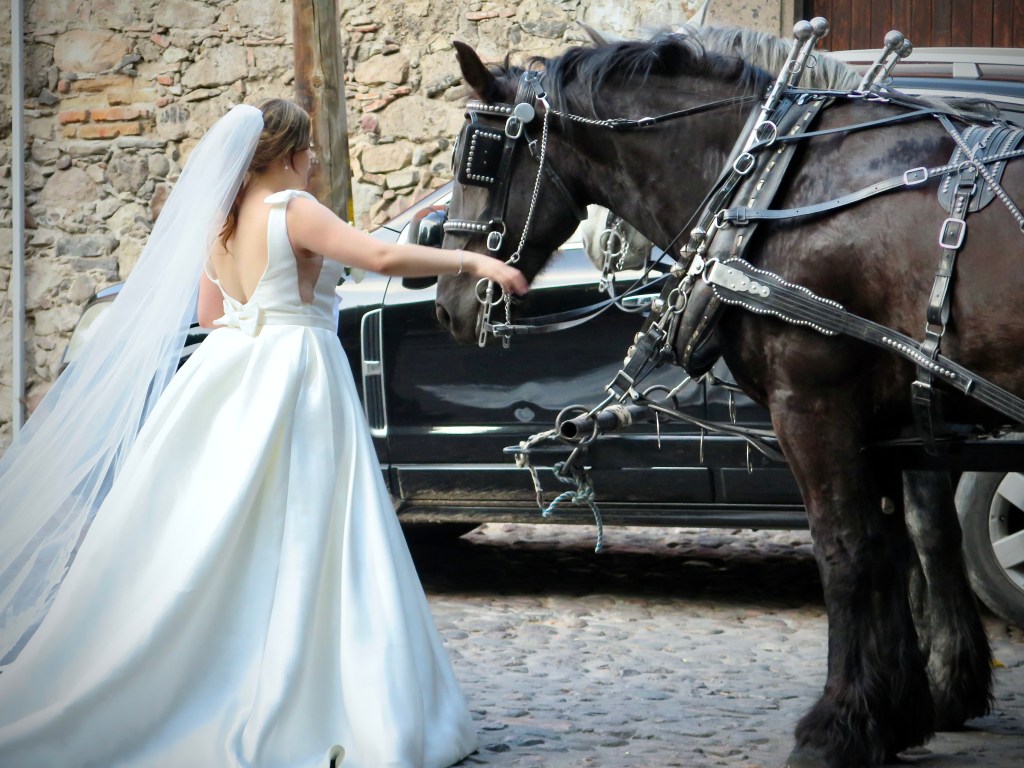
A bride graciously thanks the horses that led her carriage around town after the ceremony

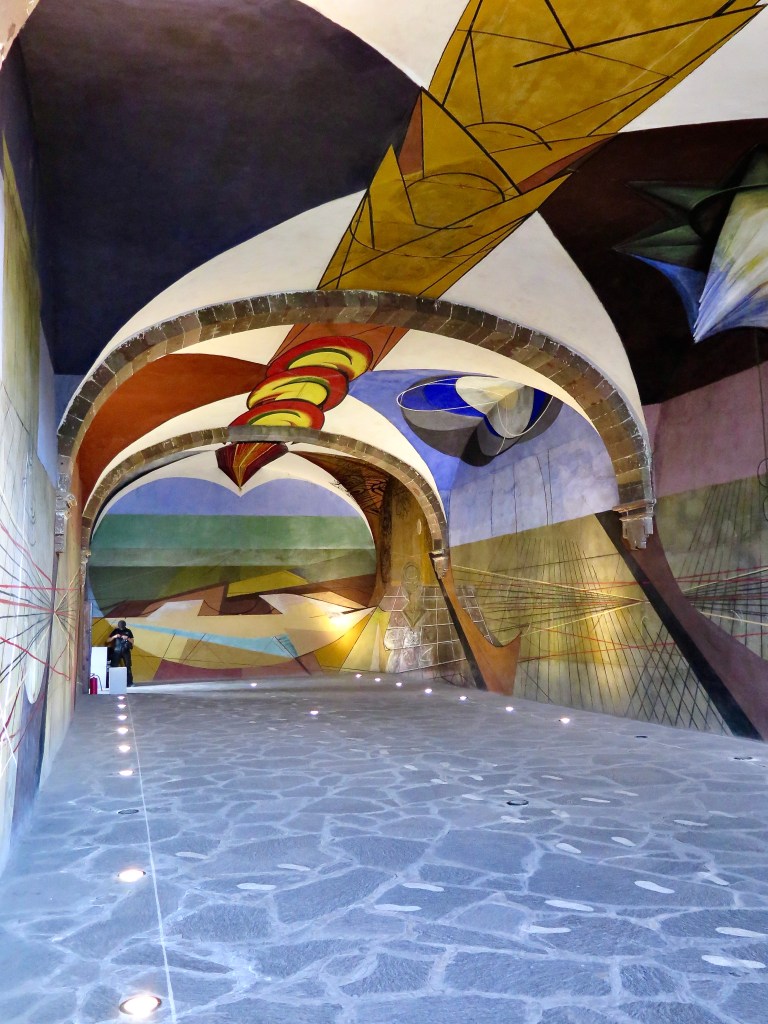
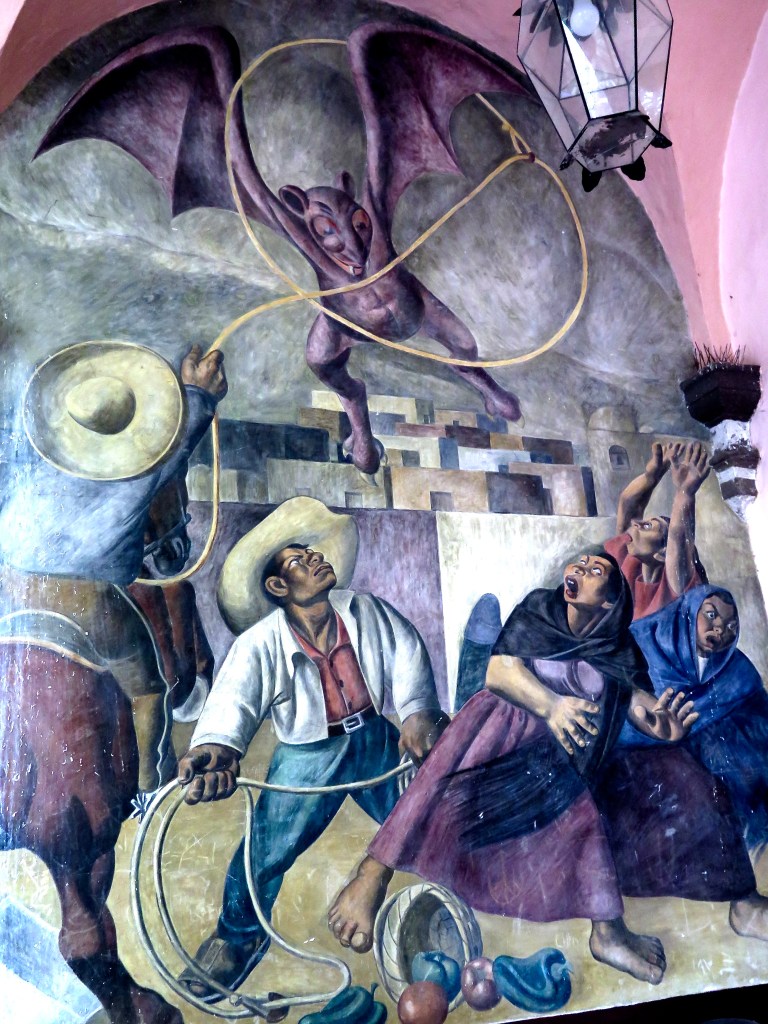
Unfinished mural by David Alraro Siqueiros

Inside La Parroquia the parish church of San Miguel

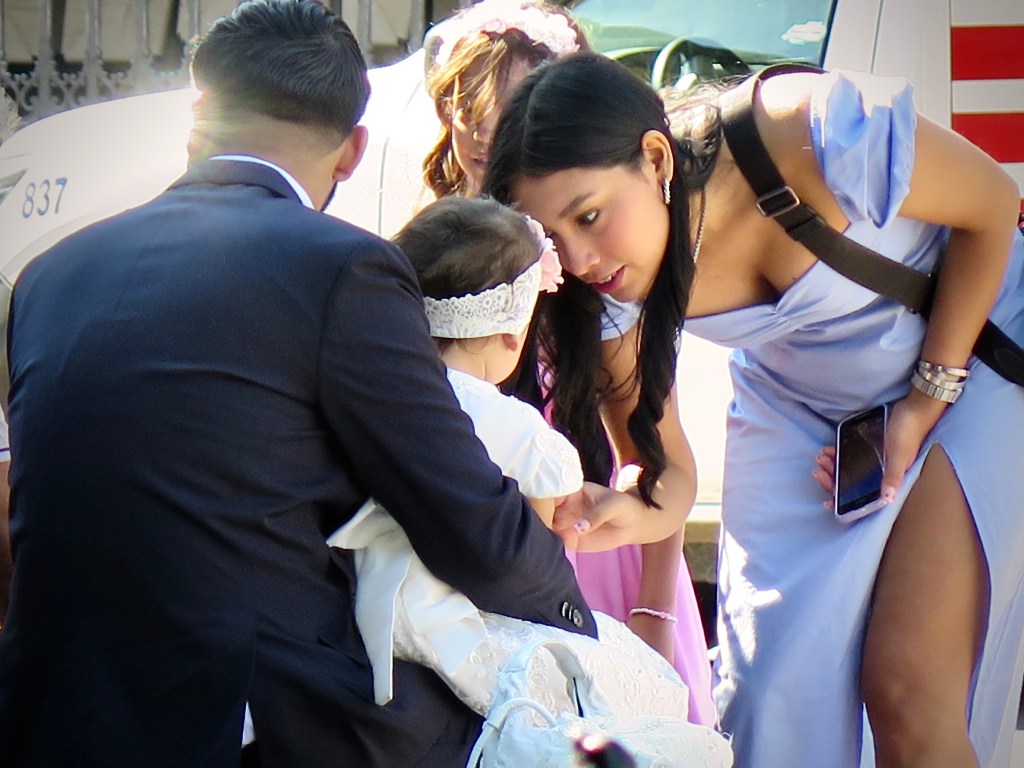
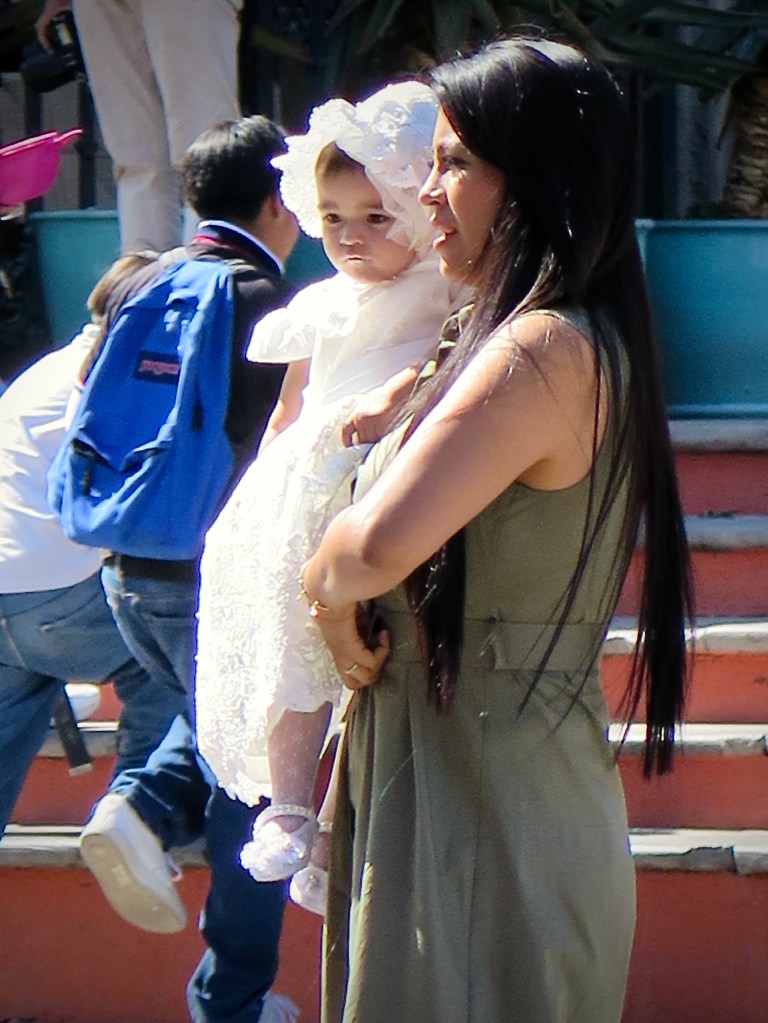
Several beautifully dressed babies were awaiting baptism in front of the church

La Parroquia

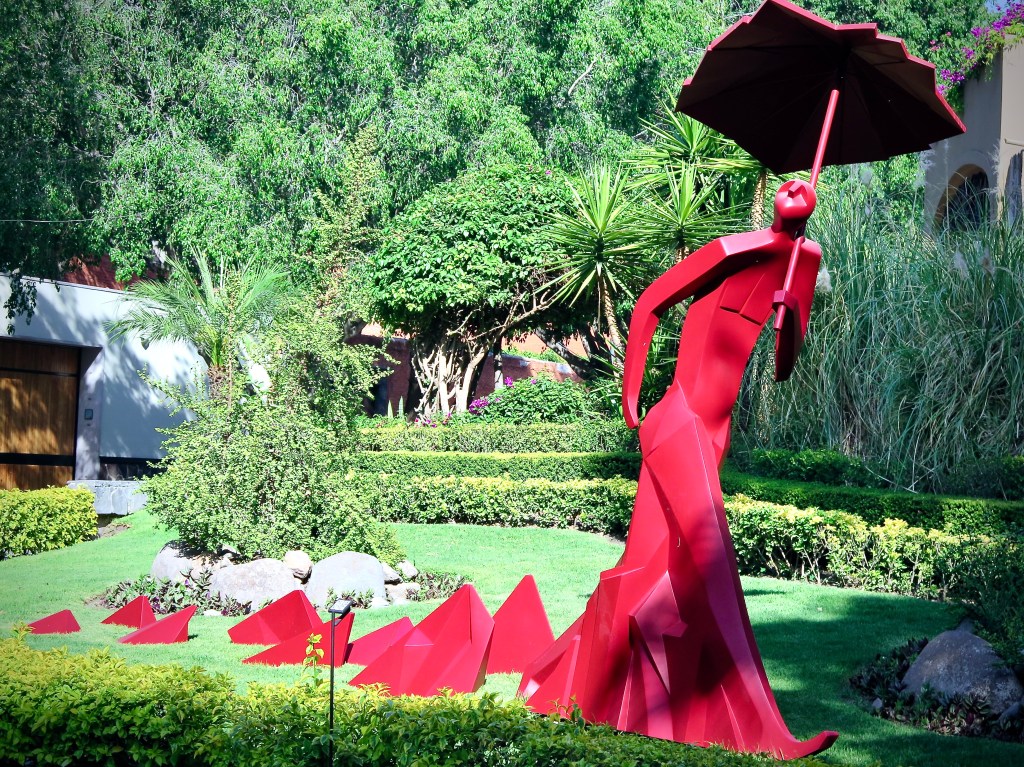
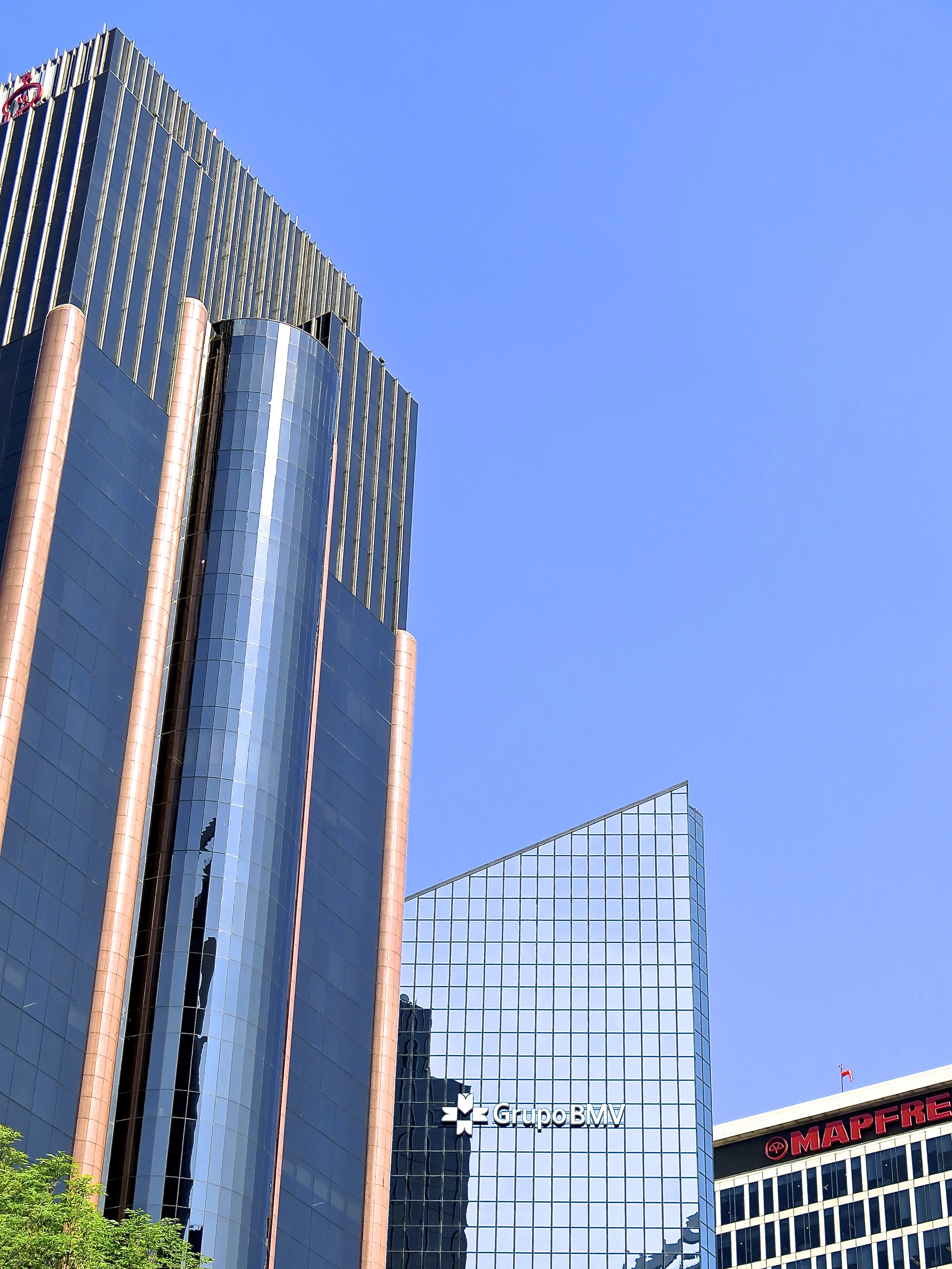
Not a symbol of the Mexican stock market

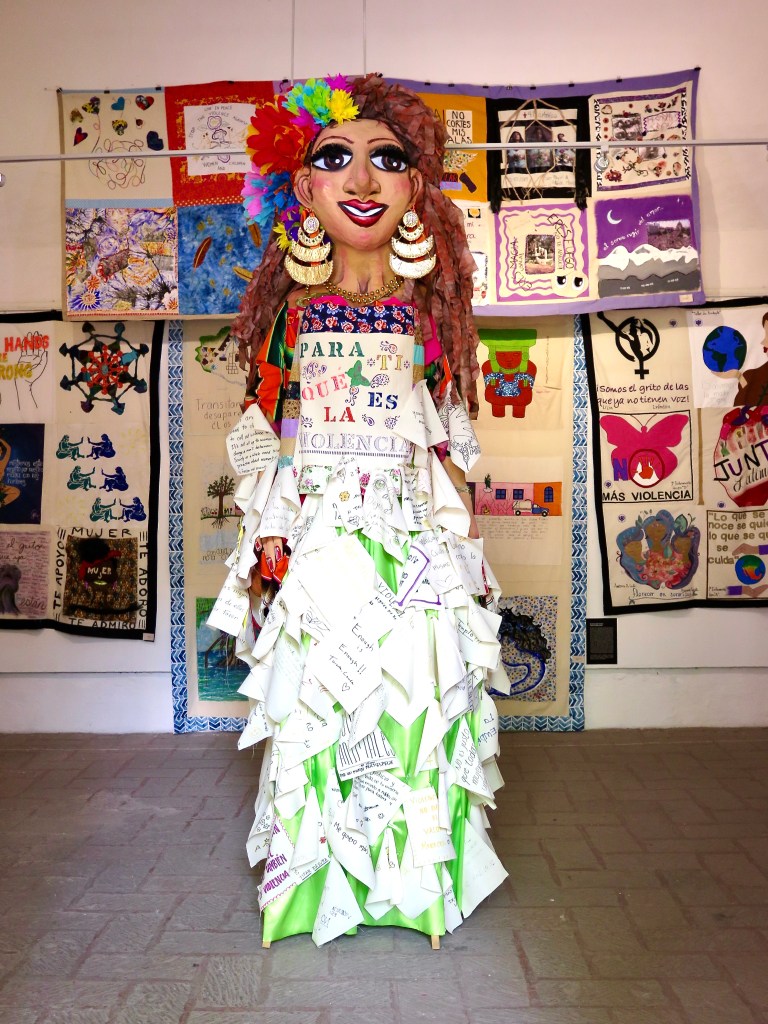
Part of an impressive exhibit of protest about violence against women

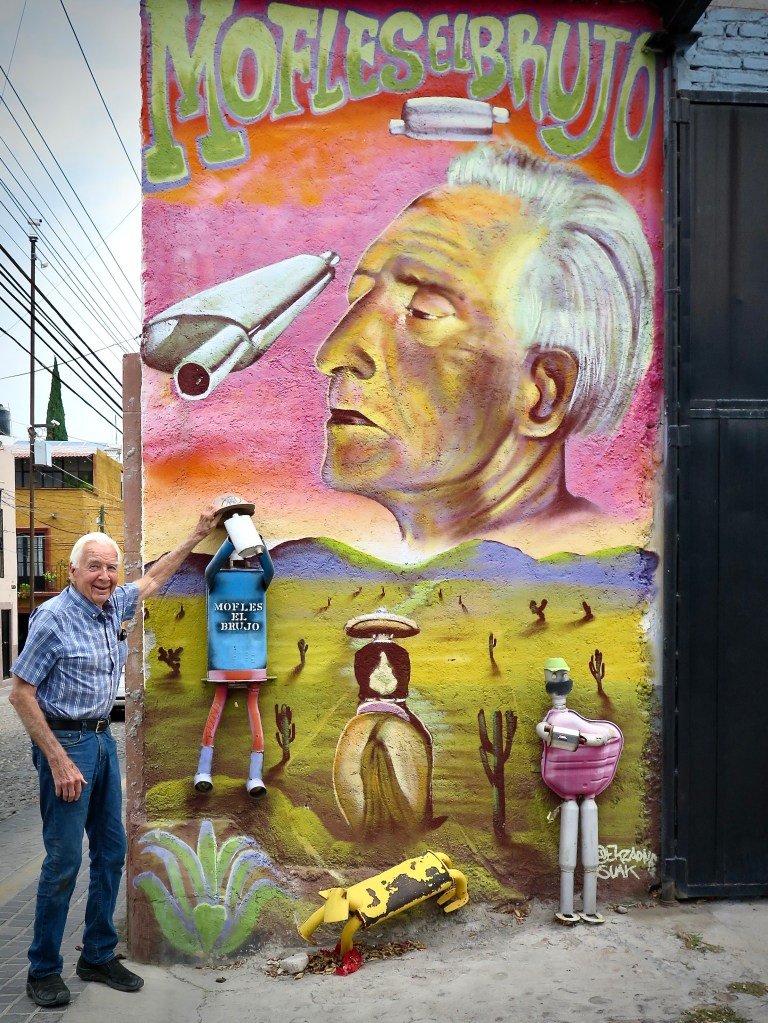
Rich Beatty, who introduced us to SMA in 2007, in front of a 3 dimensional ad for a muffler shop

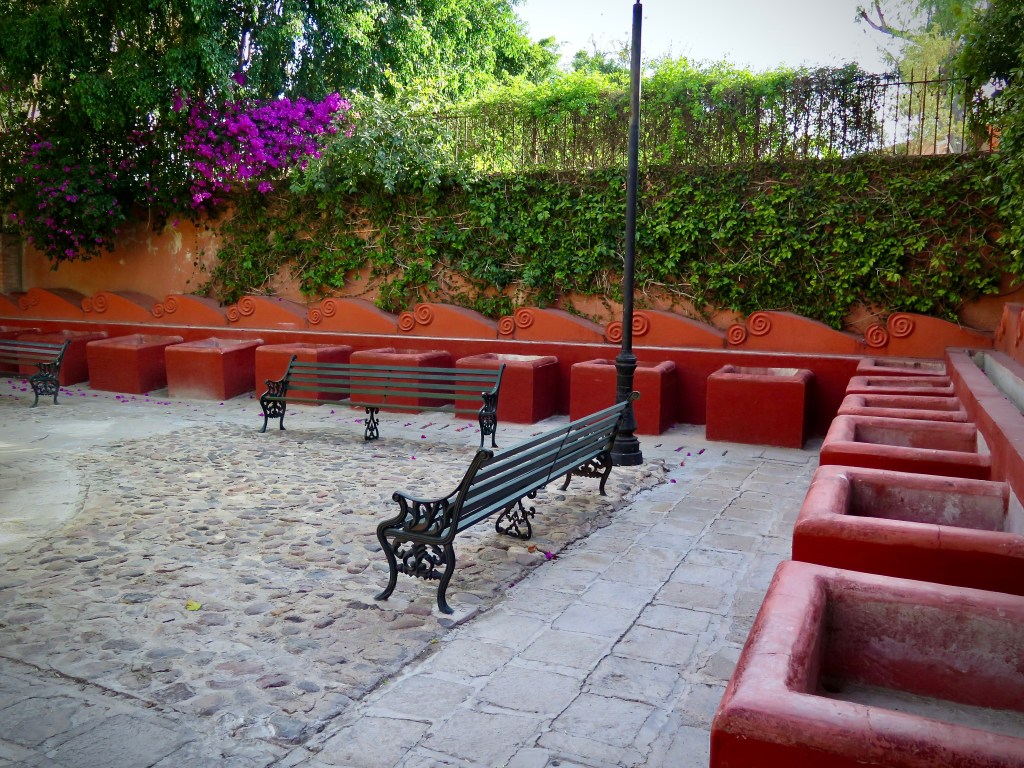
Public clothes washing tubs preserved but no longer in use

Beautiful parks & gardens abound in color

Day of the Dead, San Juan Cosalá, 2020

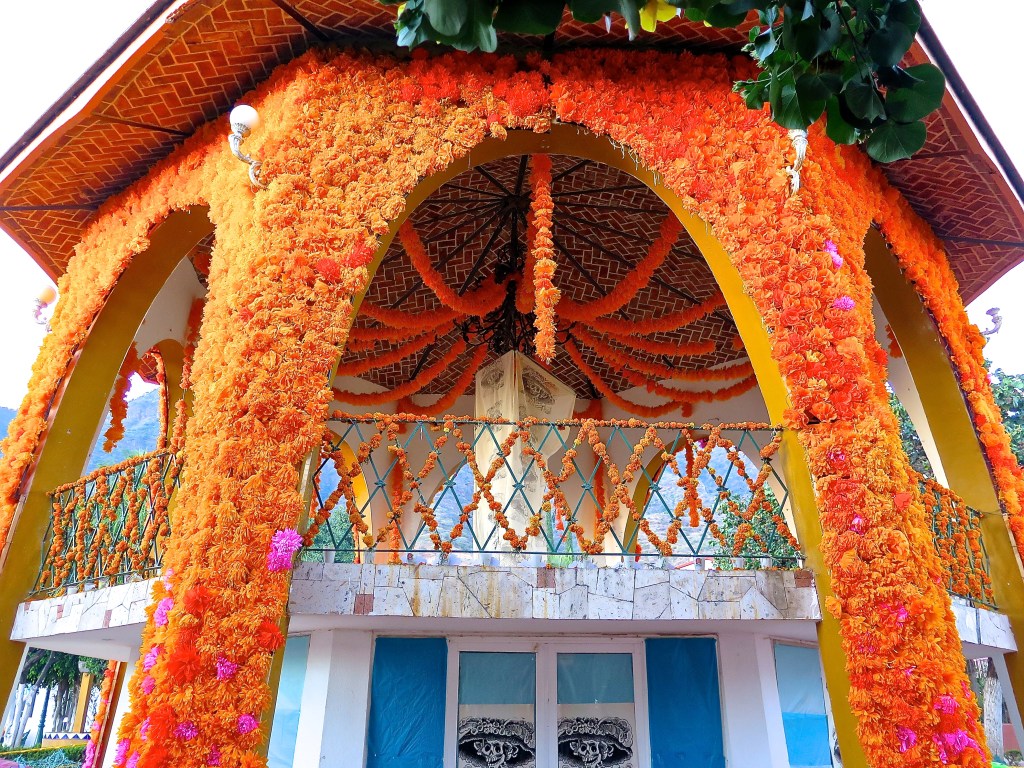
On the north shore of Lake Chapala, just a few kilometers west of Ajijic lies San Juan Cosalá. A fishing village since before the Spanish invaded, San Juan now welcomes tourists from Guadalajara and beyond. Covid-19 has greatly reduced that source of income, leaving many of SJC’s citizens struggling to make ends meet. Yet, wandering through the village one does not sense despair but rather is greeted by scenes of men, women and children going about daily routines as if all is well. They are Mexicans, and Mexicans are incredibly resilient in the face of adversity of many kinds. They know how to pull together to accomplish what has to be done. Their sense of community is truly inspiring, especially as they approach one of their most important and unusual celebrations, on November 1 & 2, Day of the Dead.

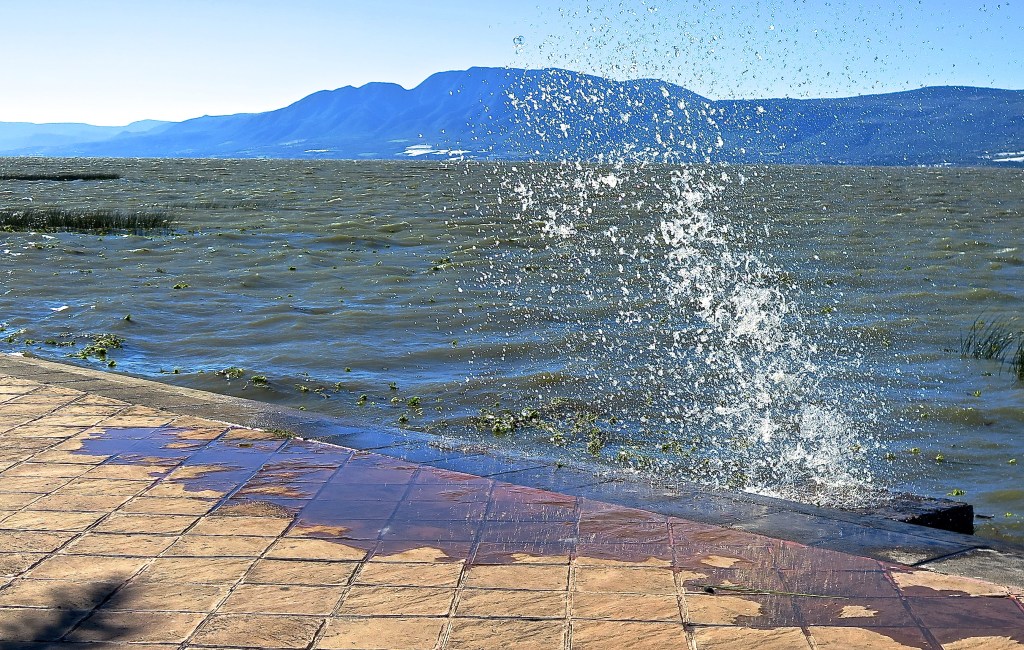
A stiff morning breeze sends water onto the lakeside walkway
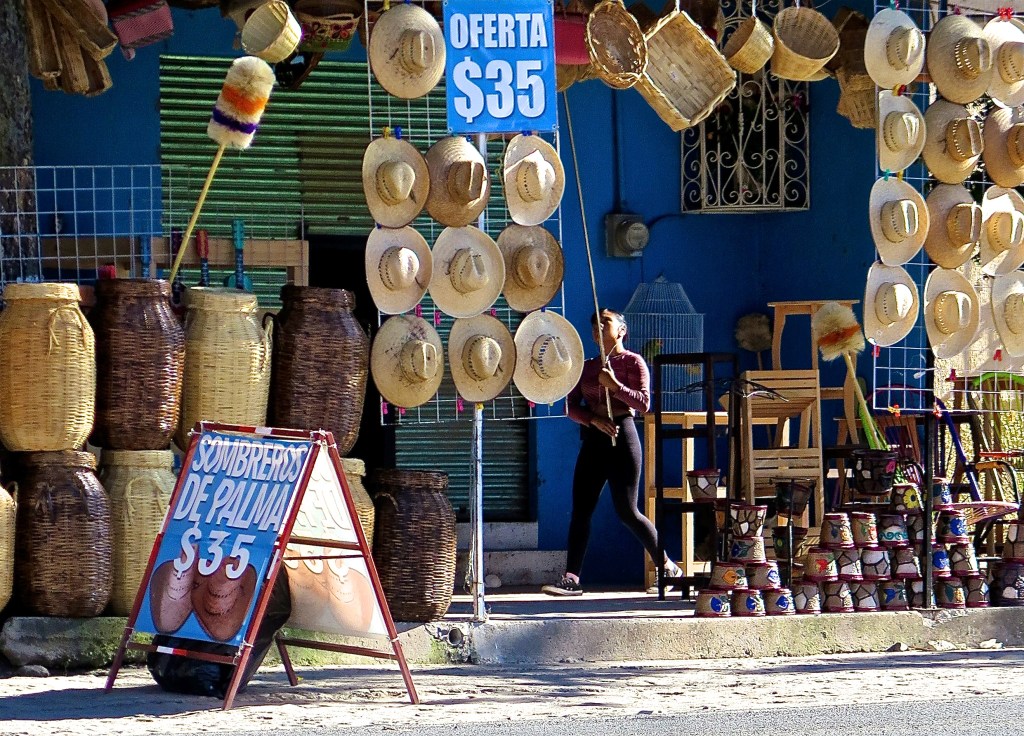
Opening for business
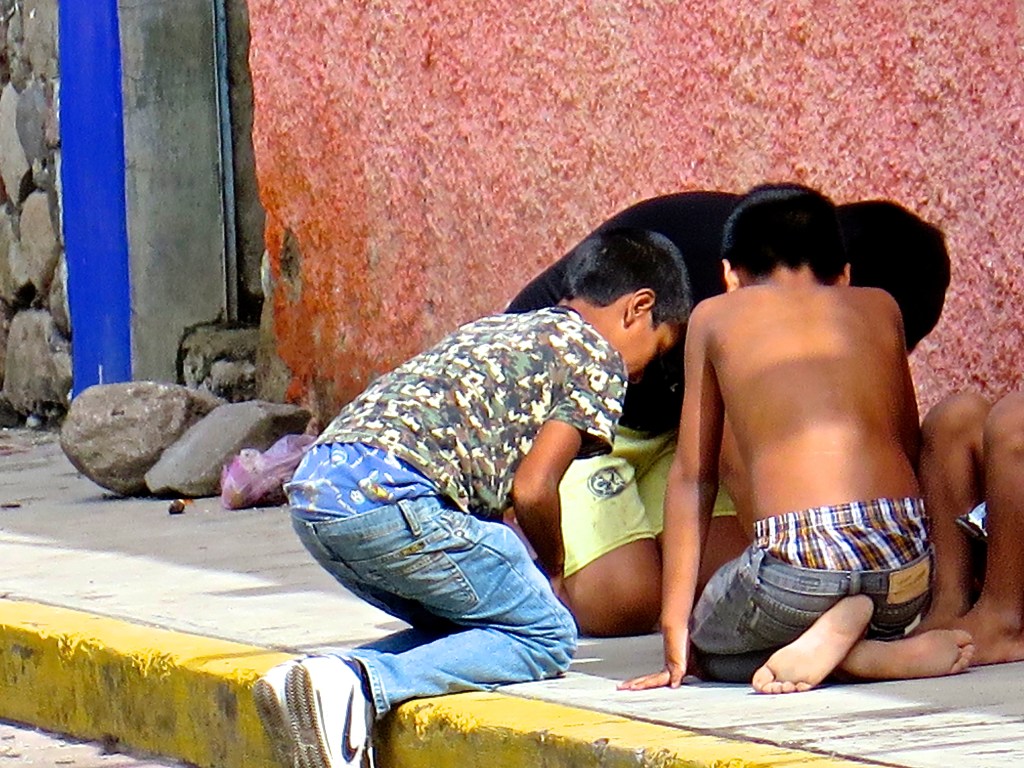
No school, let’s play
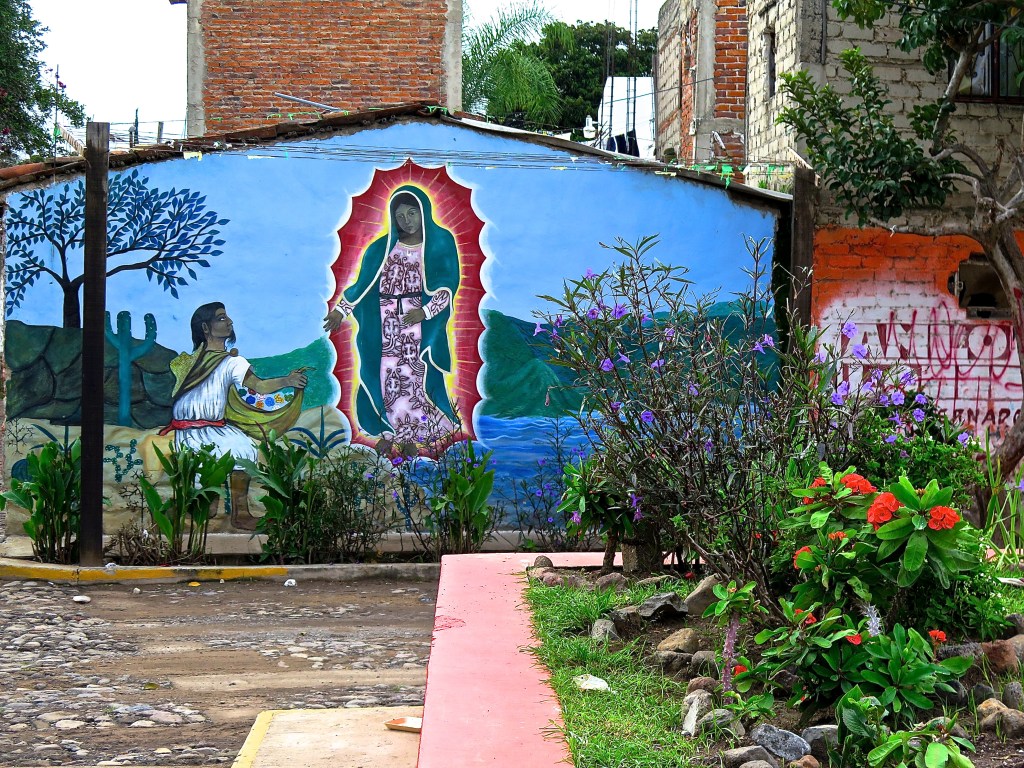
The famous Mexican art of the mural is definitely alive in this portrayal of the revered Virgin of Guadalupe
Inviting aromas from a curbside kitchen
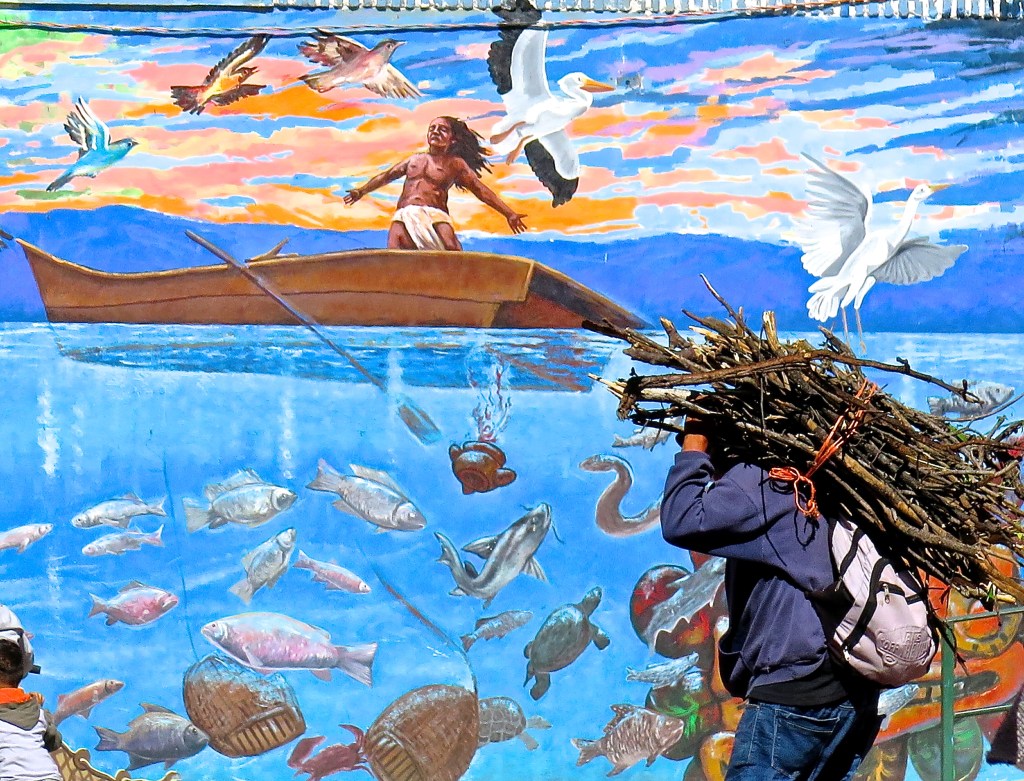
Carrying sticks in front of the mural in the plaza
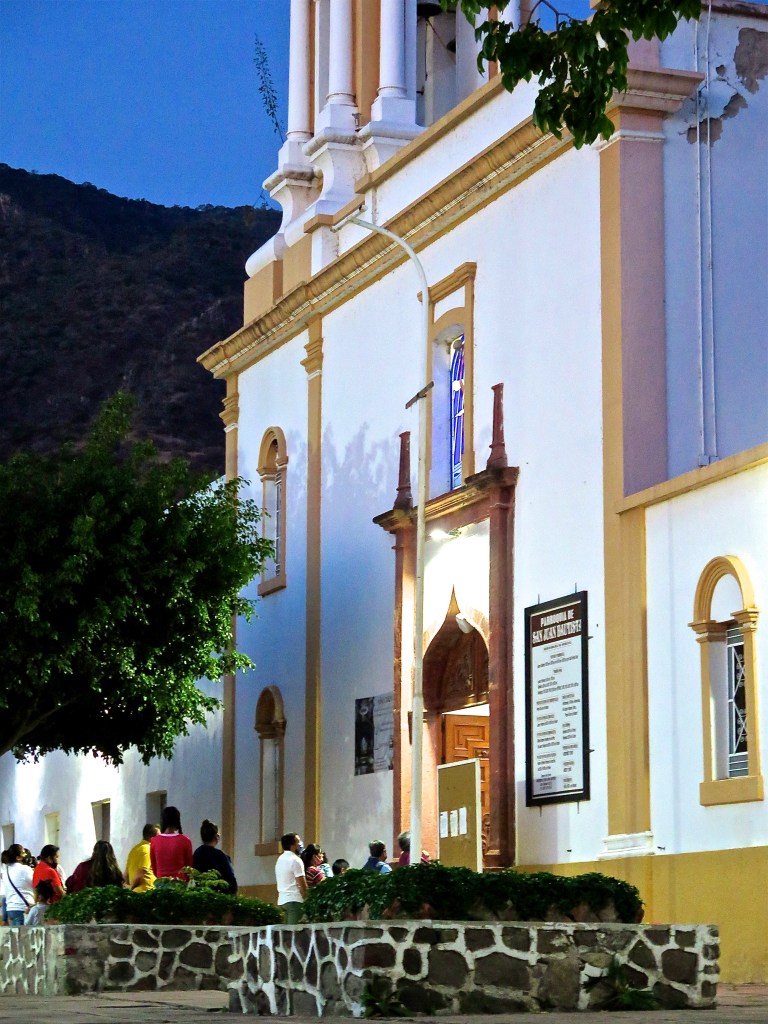
Mass is broadcast to parishioners who stand outside for social distancing
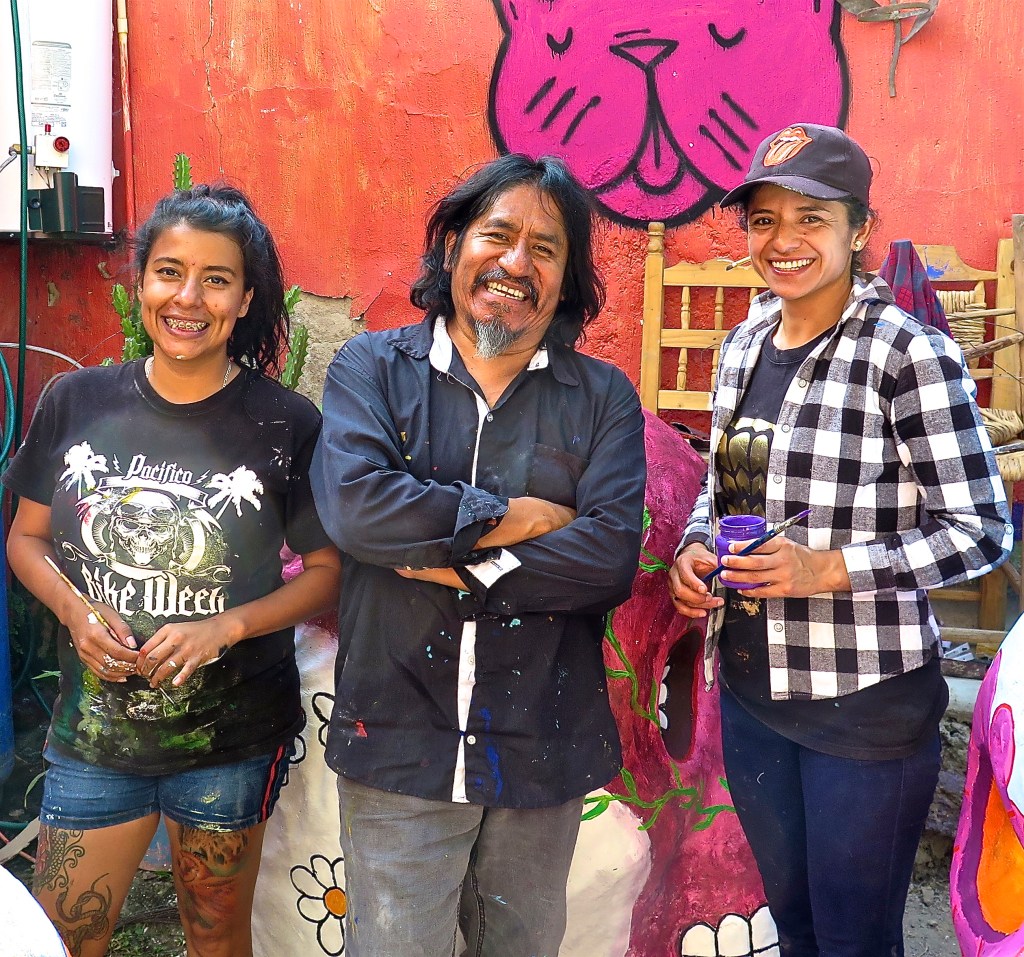
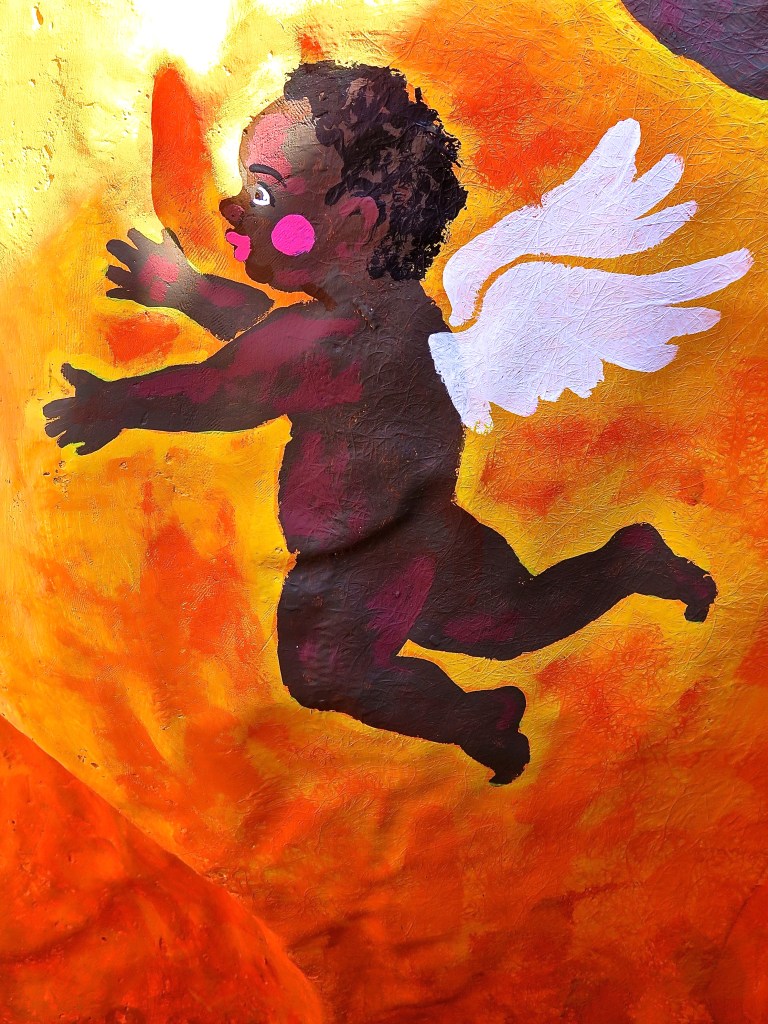
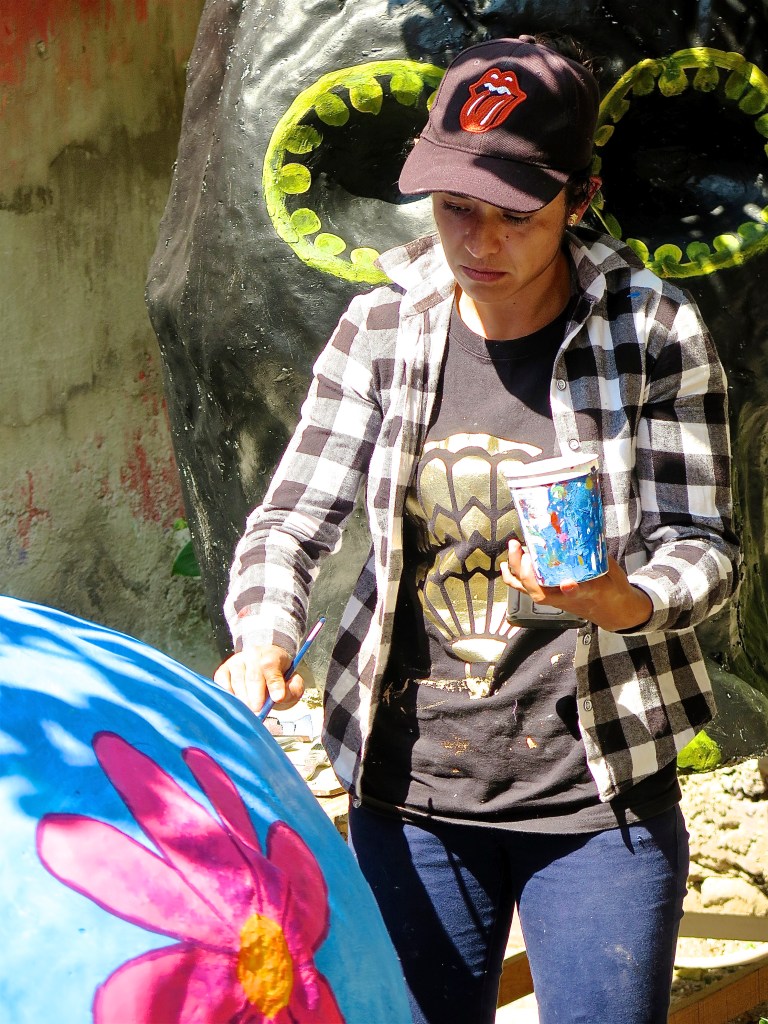
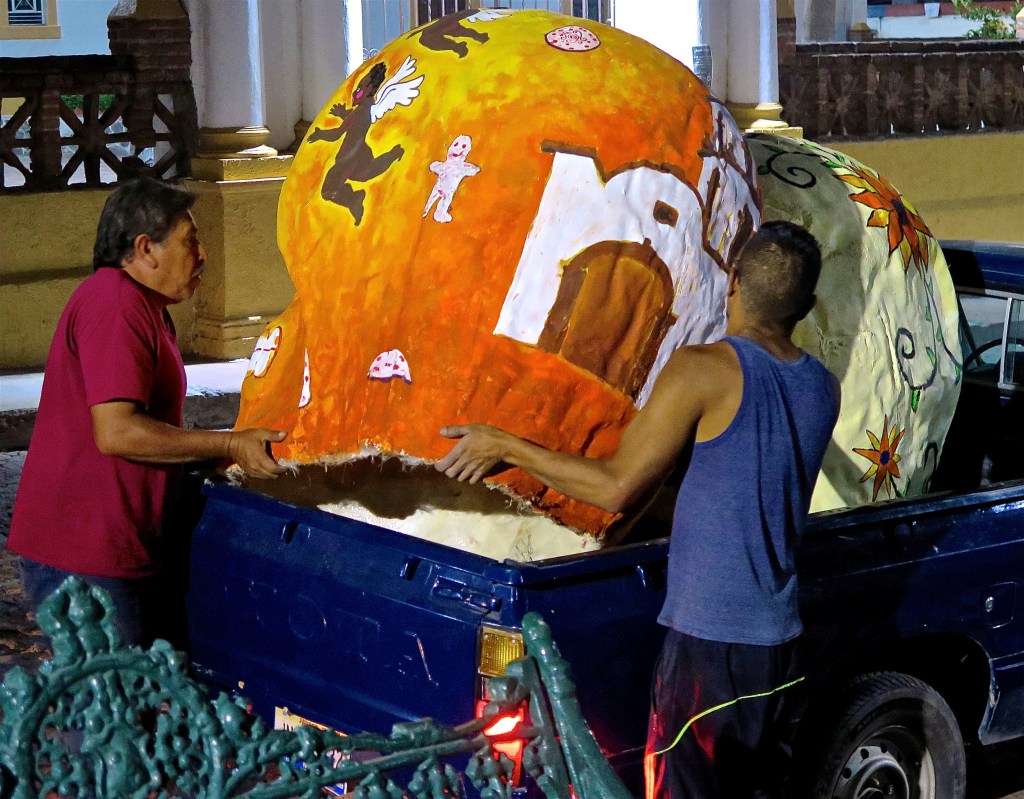
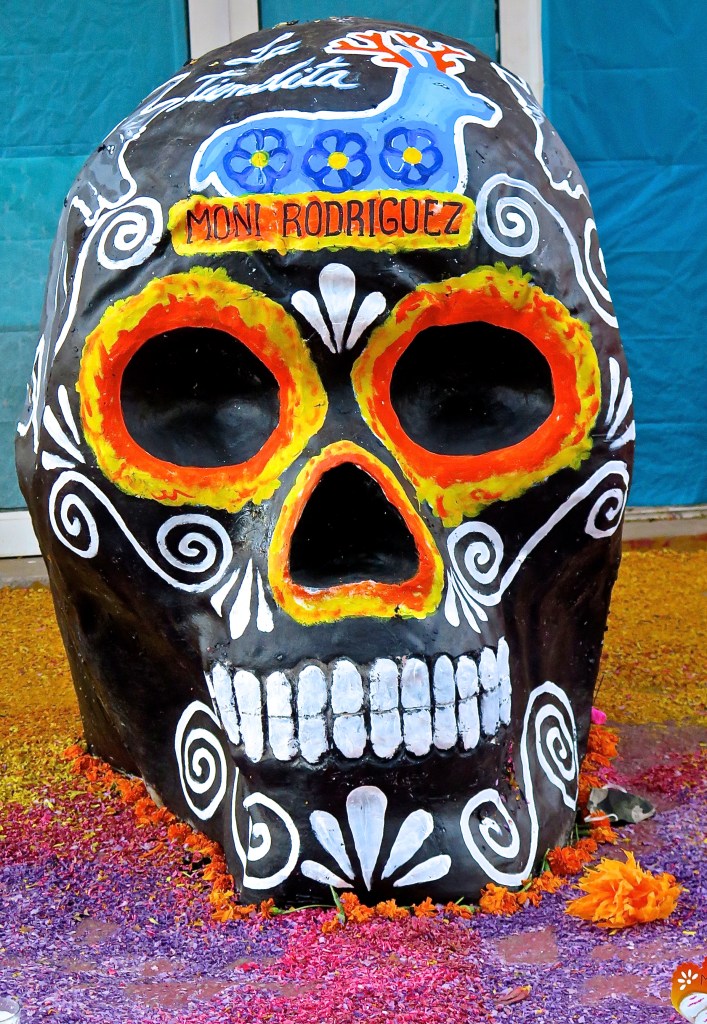
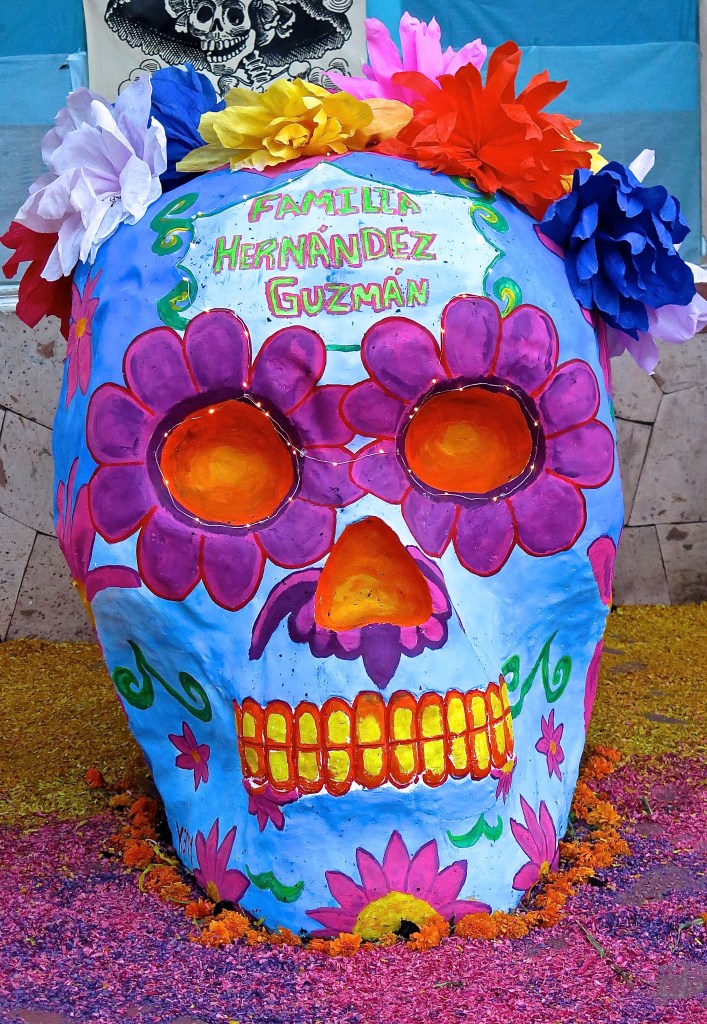
Master artist Xilotl, and Maria and Kali are creating large skulls for the Day of the Dead altar in the plaza
The prototype
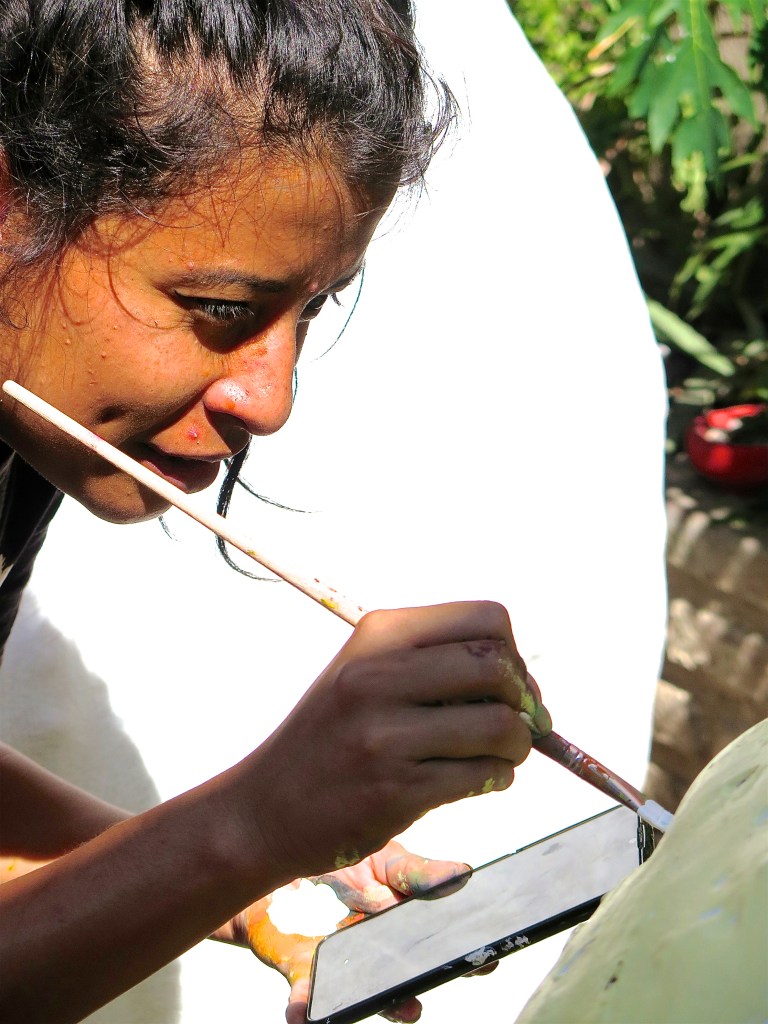
Maria painting from a design on her cellphone
November 1 is dedicated to the memory of deceased children
Kali, an artist who recently had a show hanging at the Cultural Center in Ajijic
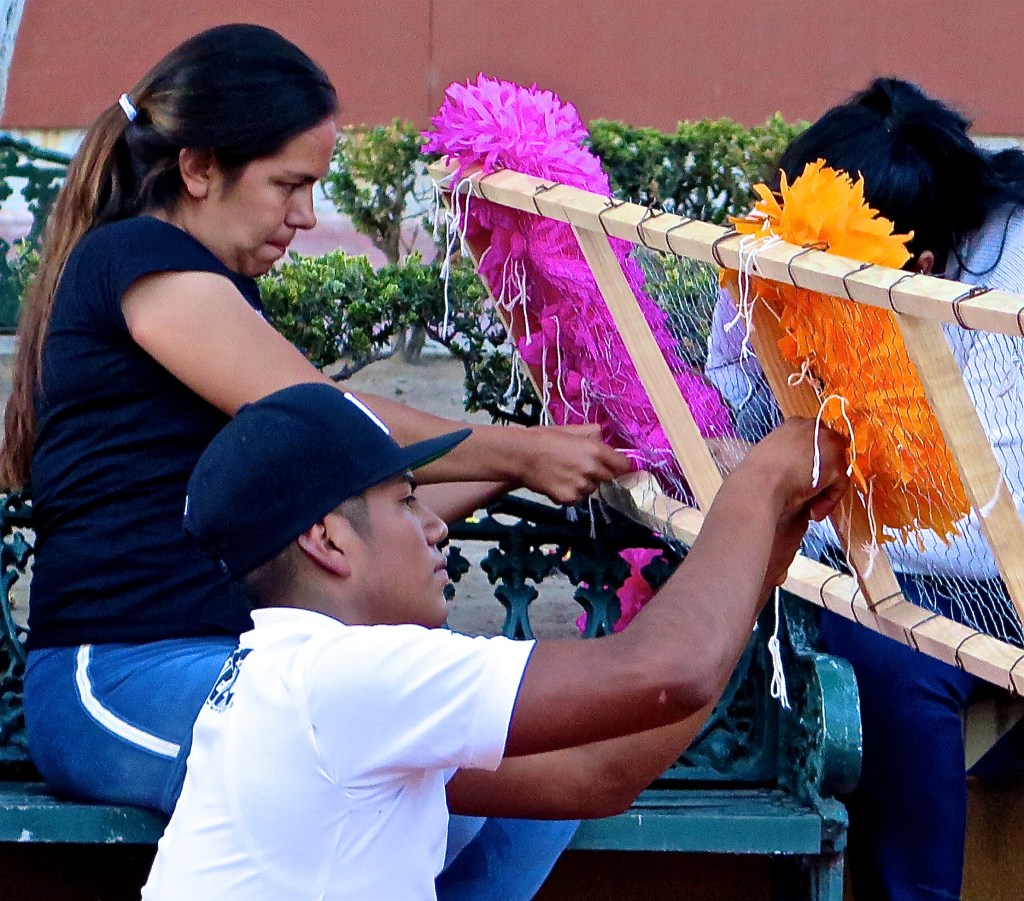
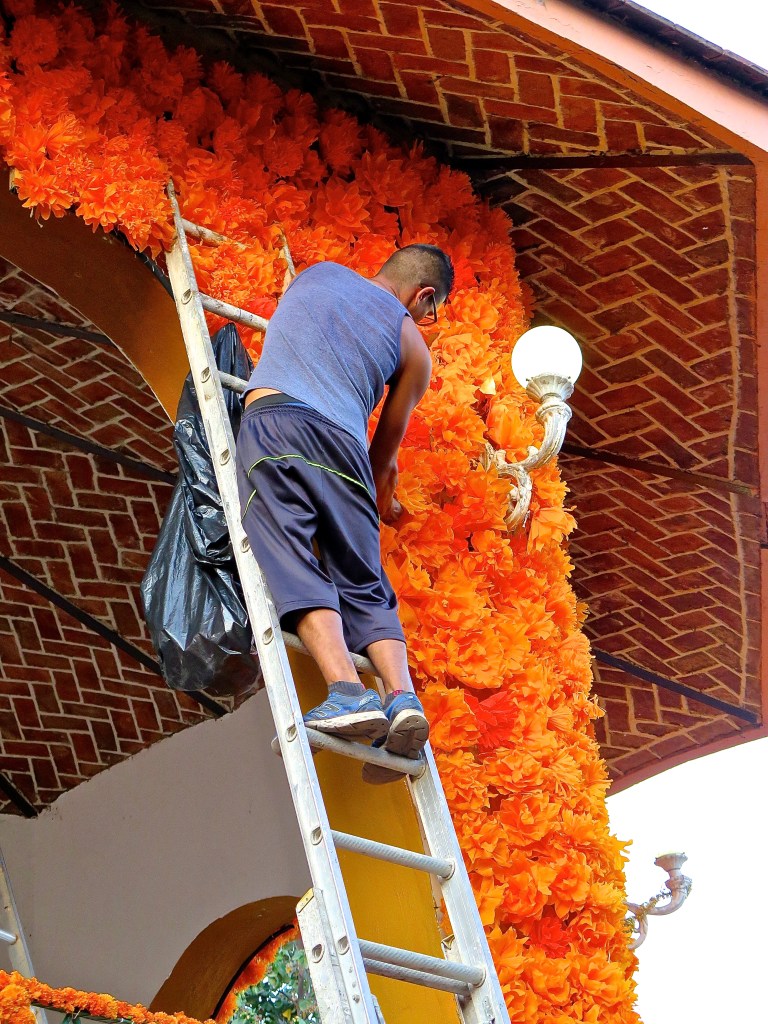
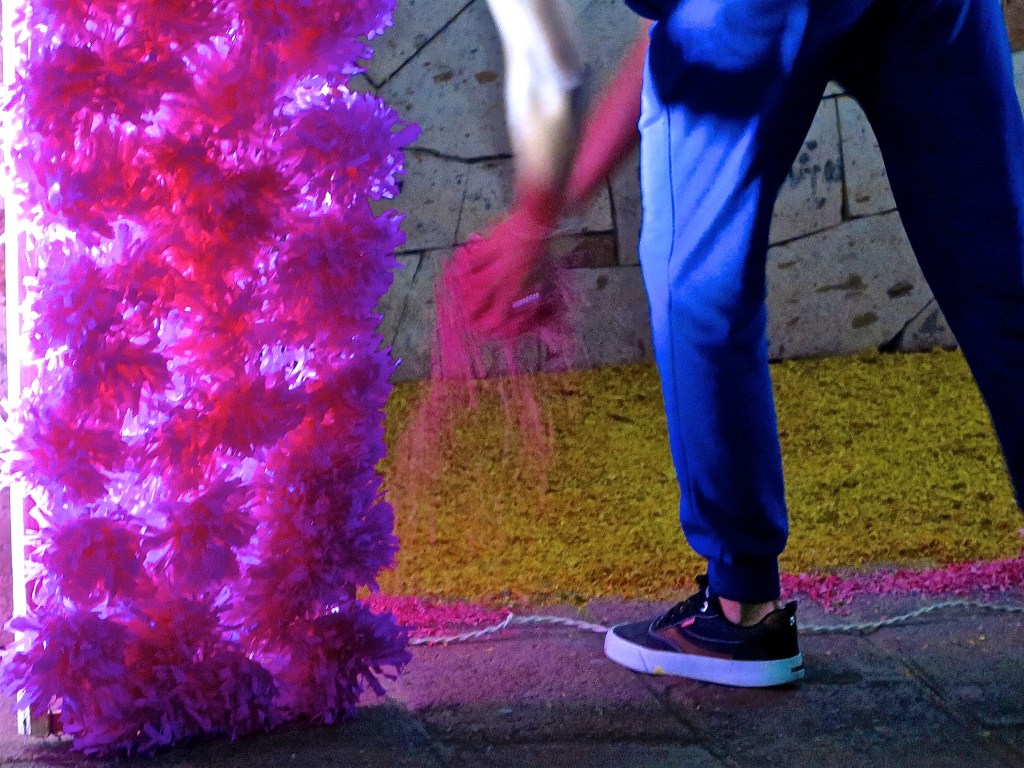
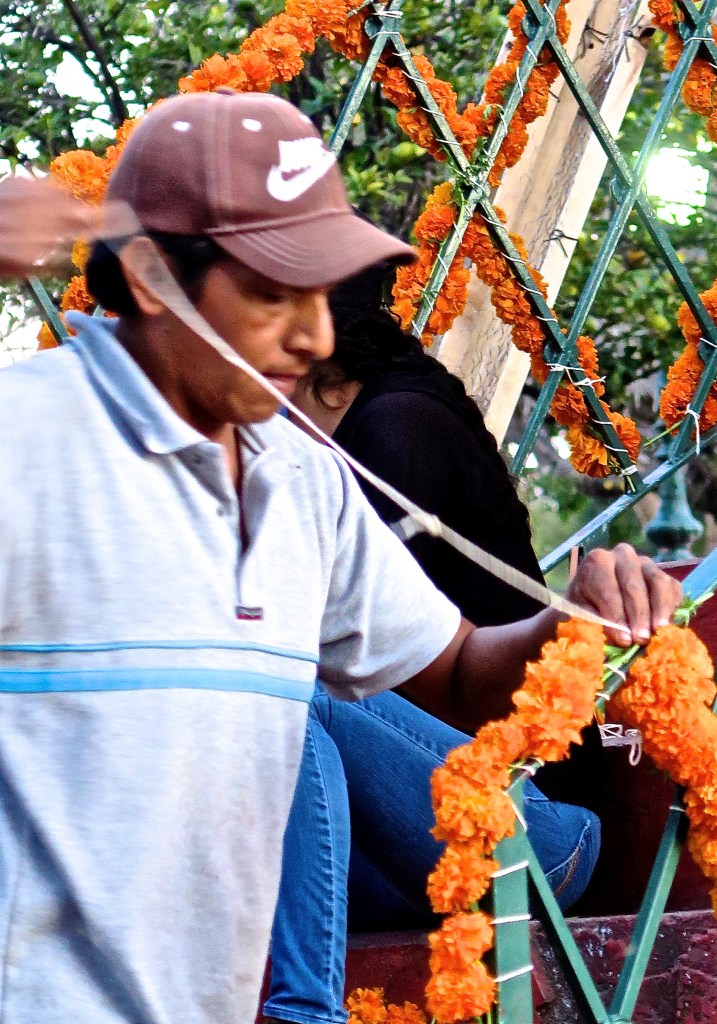
More than 10,000 crepe paper flowers were crafted by hand and attached to the altar
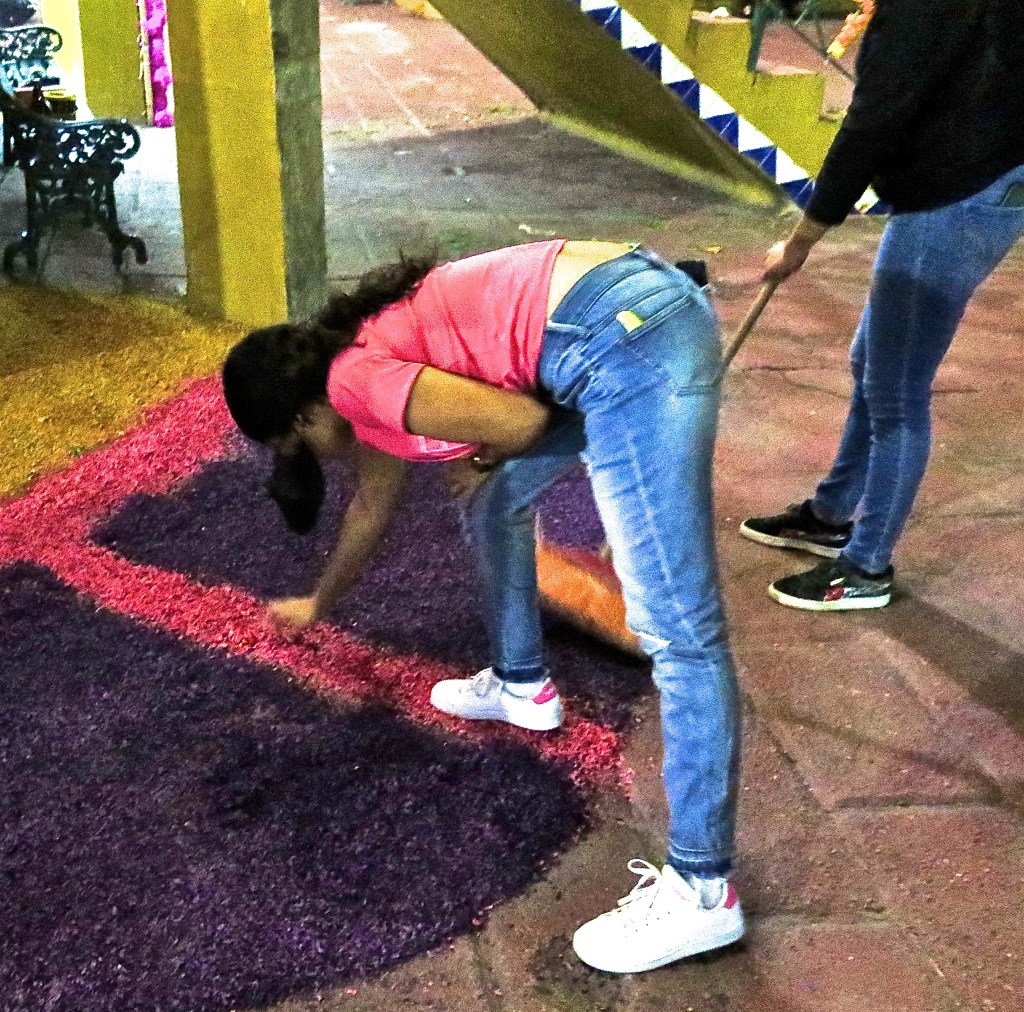
Colored sawdust carefully laid and awaiting the arrival of the first skull
Applying finishing touches
Skulls begin to arrive two at a time during the evening of October 31
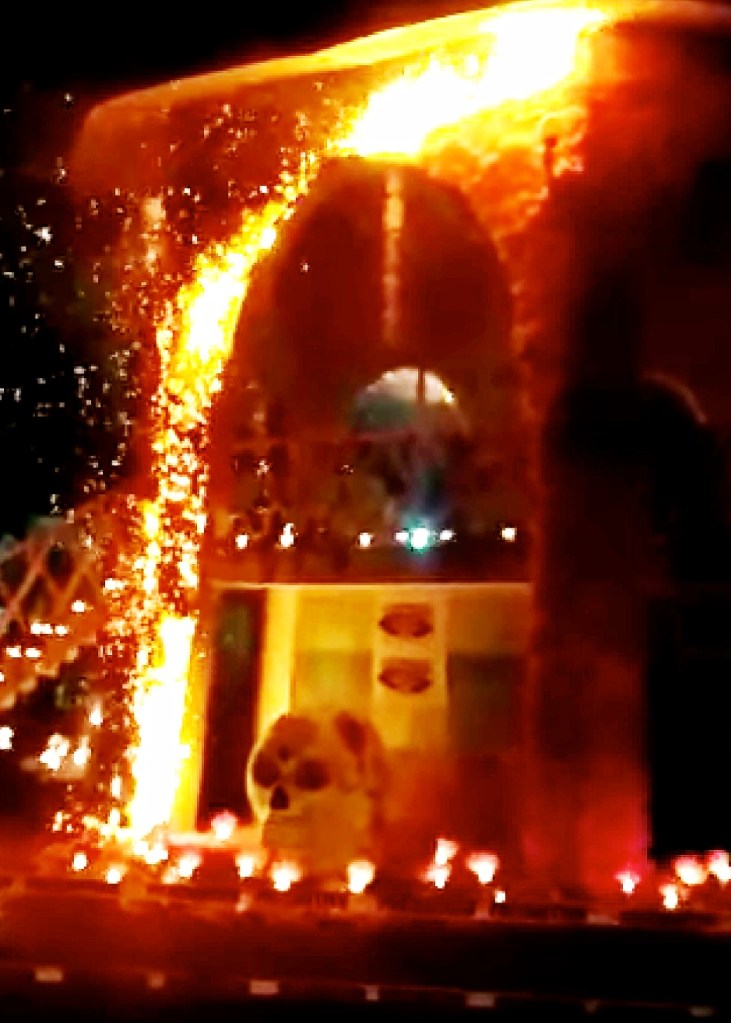
The altar was completed on November 1 but caught fire that evening from one of the candles surrounding the base. More than half the flowers burned but volunteers quickly extinguished the blaze and created and affixed new flowers in time for the festival honoring Teomichinsihutsin, the legendary Spirit of Lake Chapala on November 2 and beloved family members who have passed on. (foto courtesy of The Guadalajara Reporter)
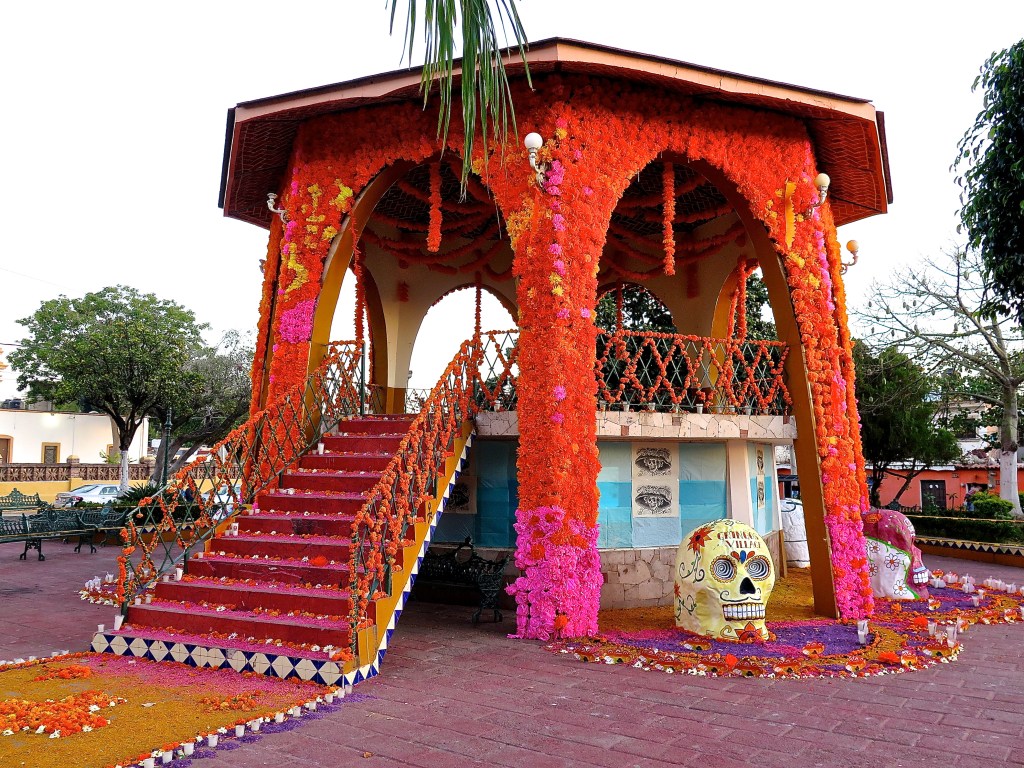
The refurbished altar, a beautiful testament to the resilience of the citizens of San Juan Cosalá!

Rodeo: Charros, Horses & Bulls, 2020

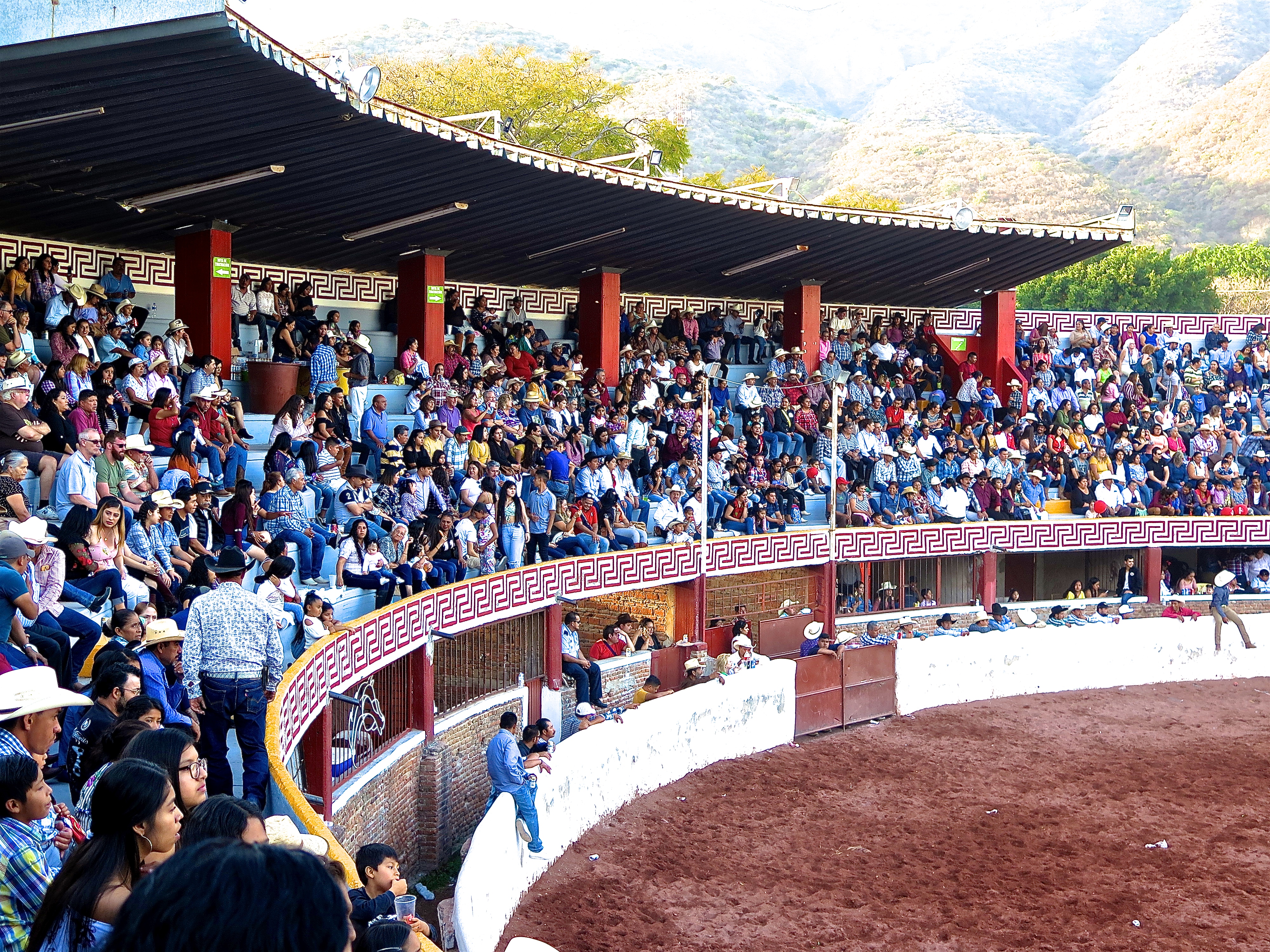
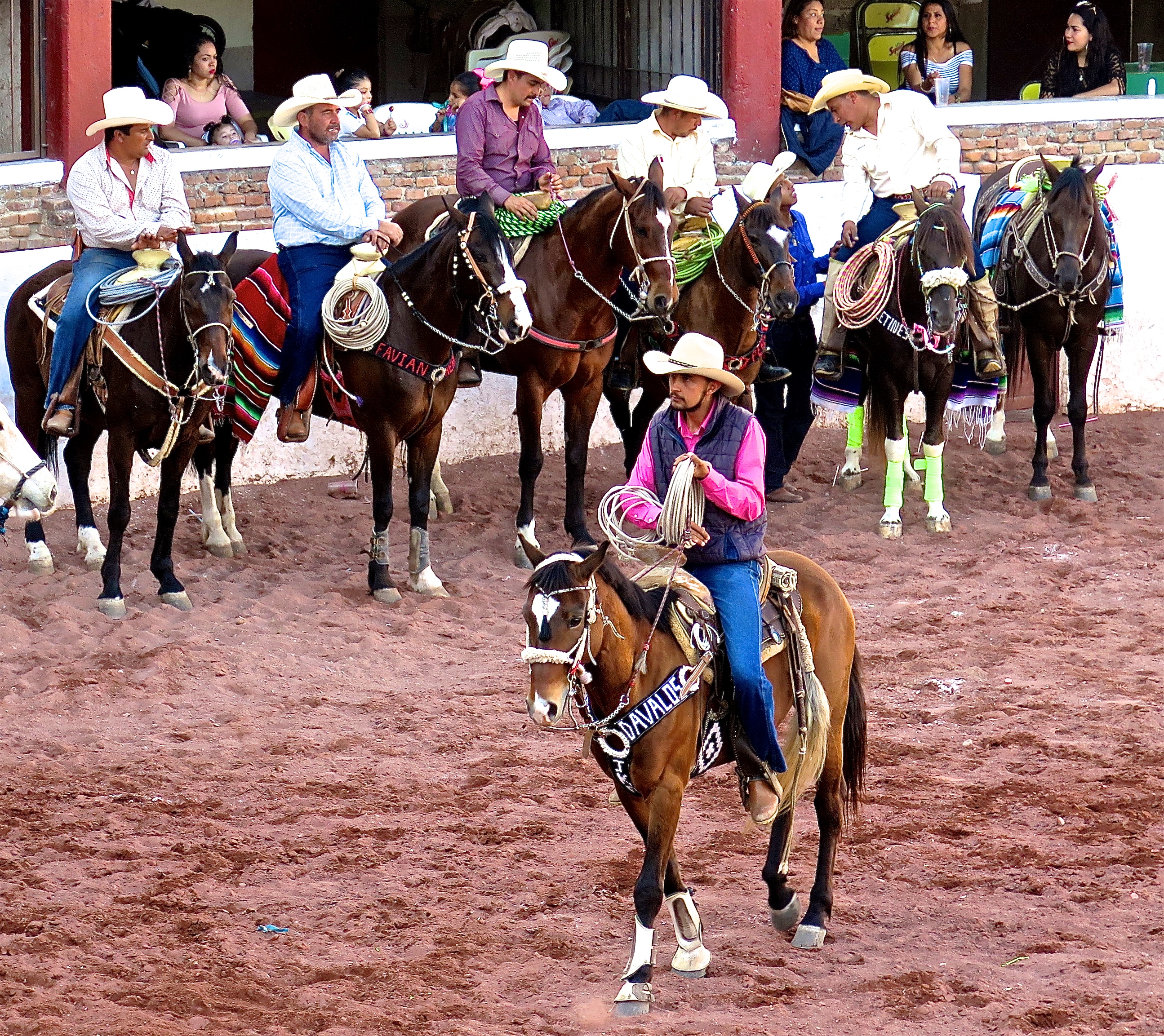
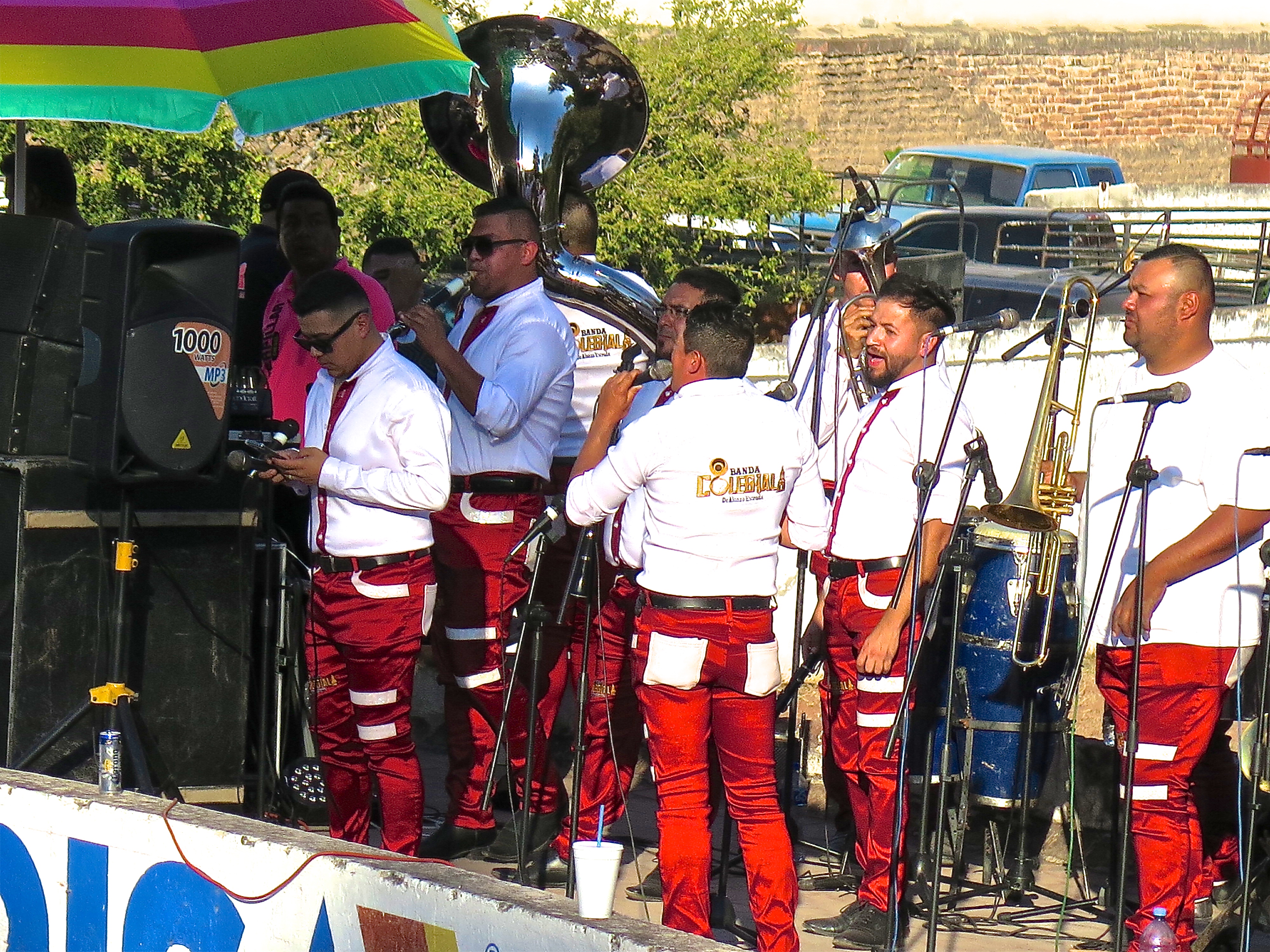
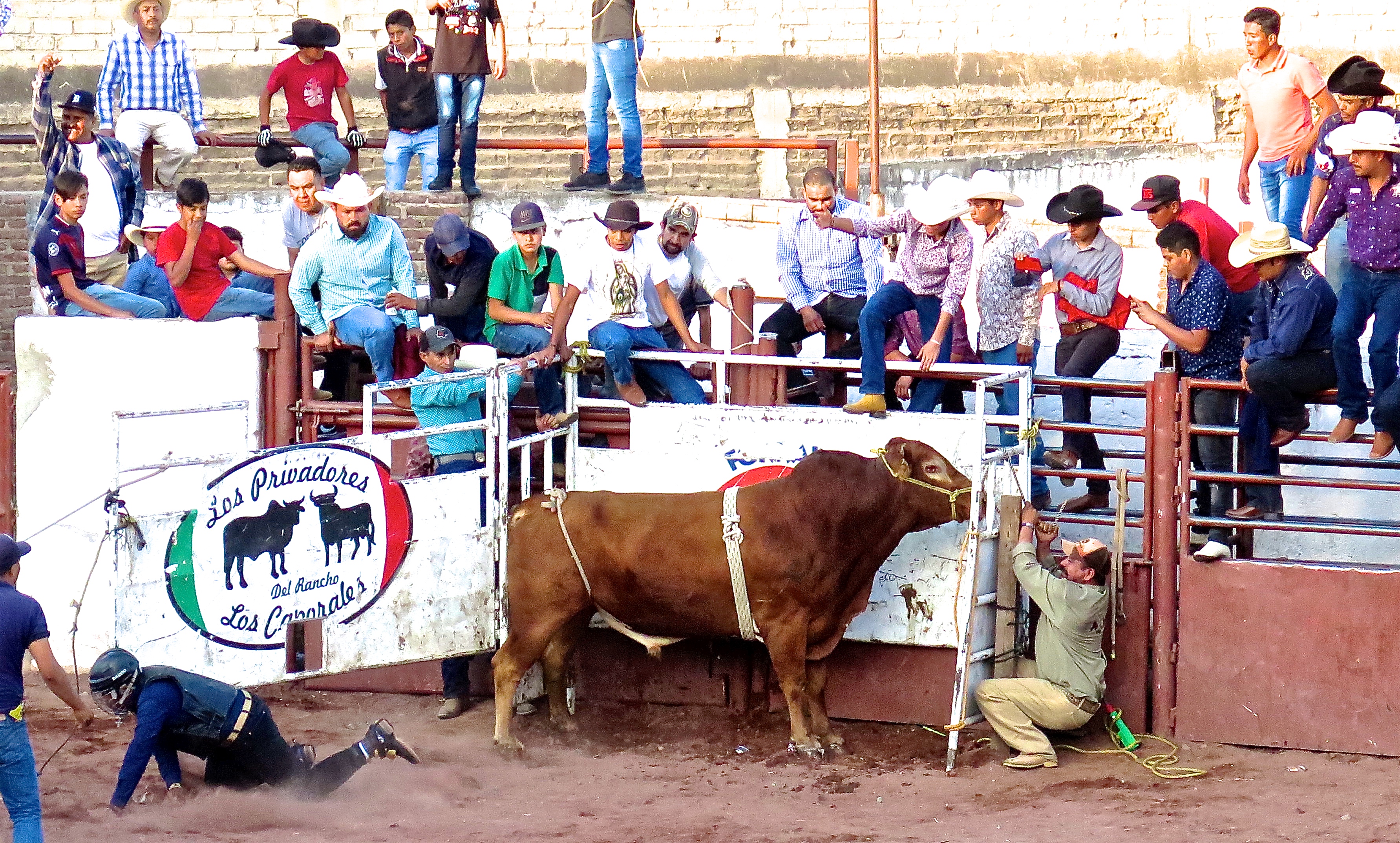
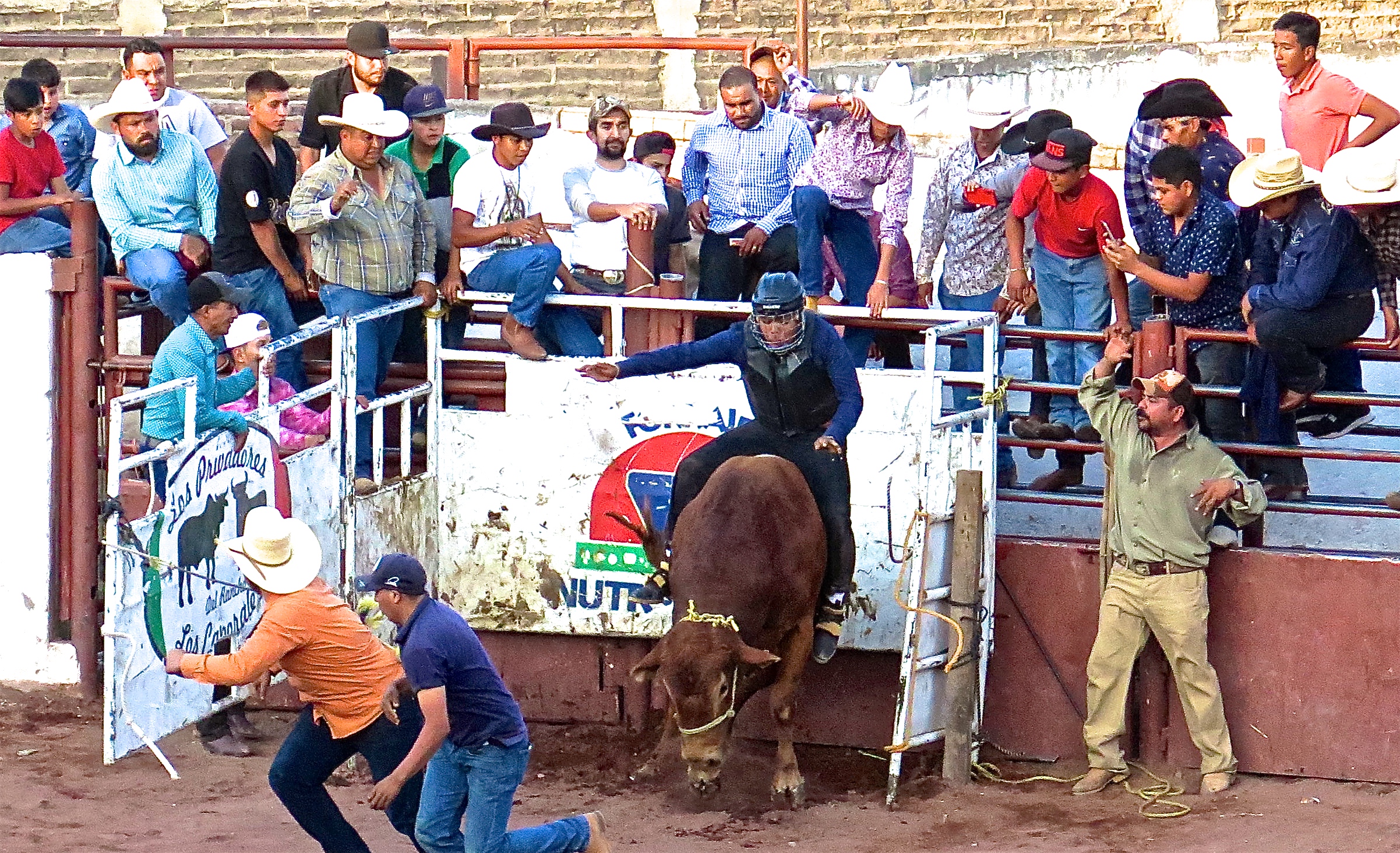
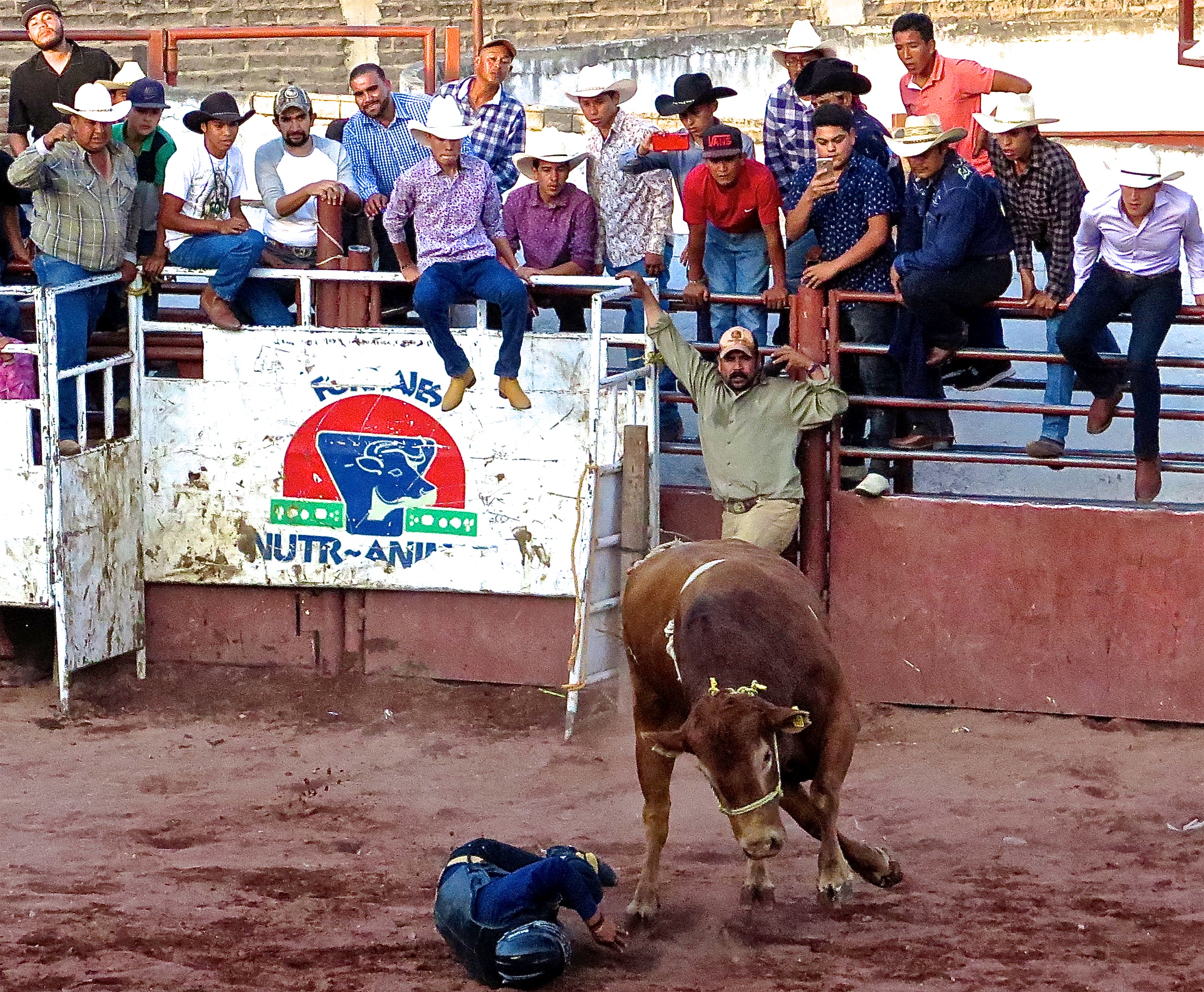
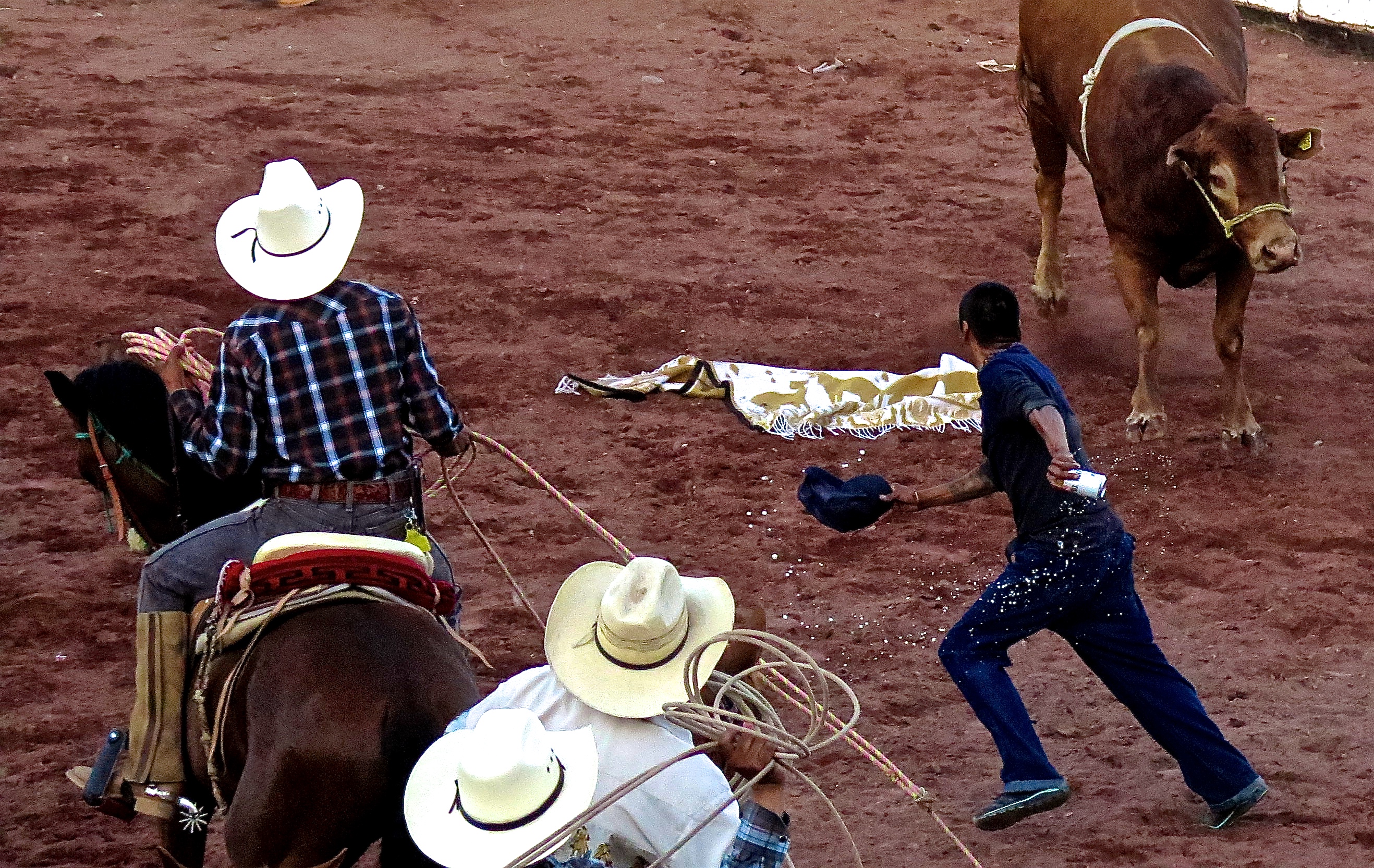
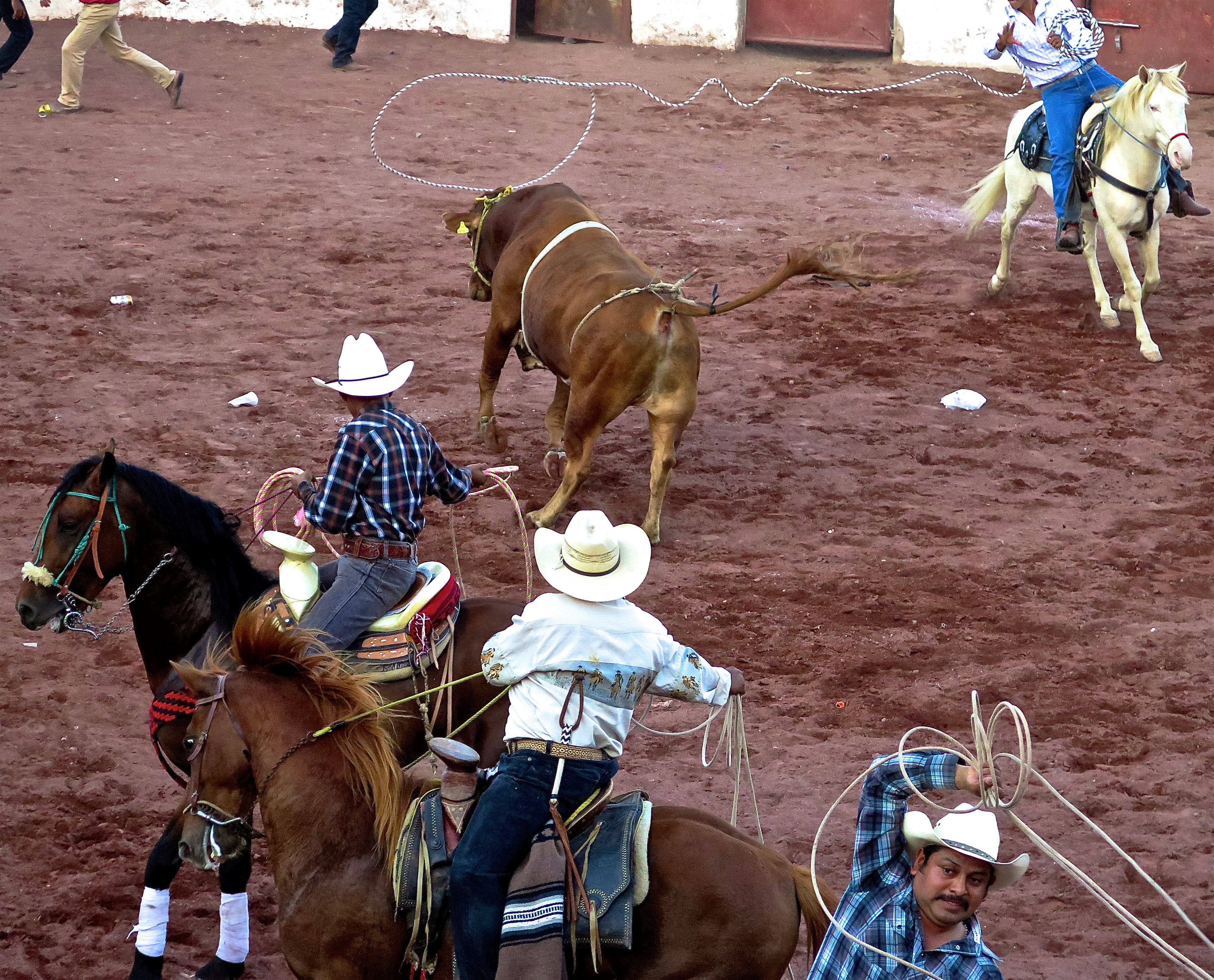
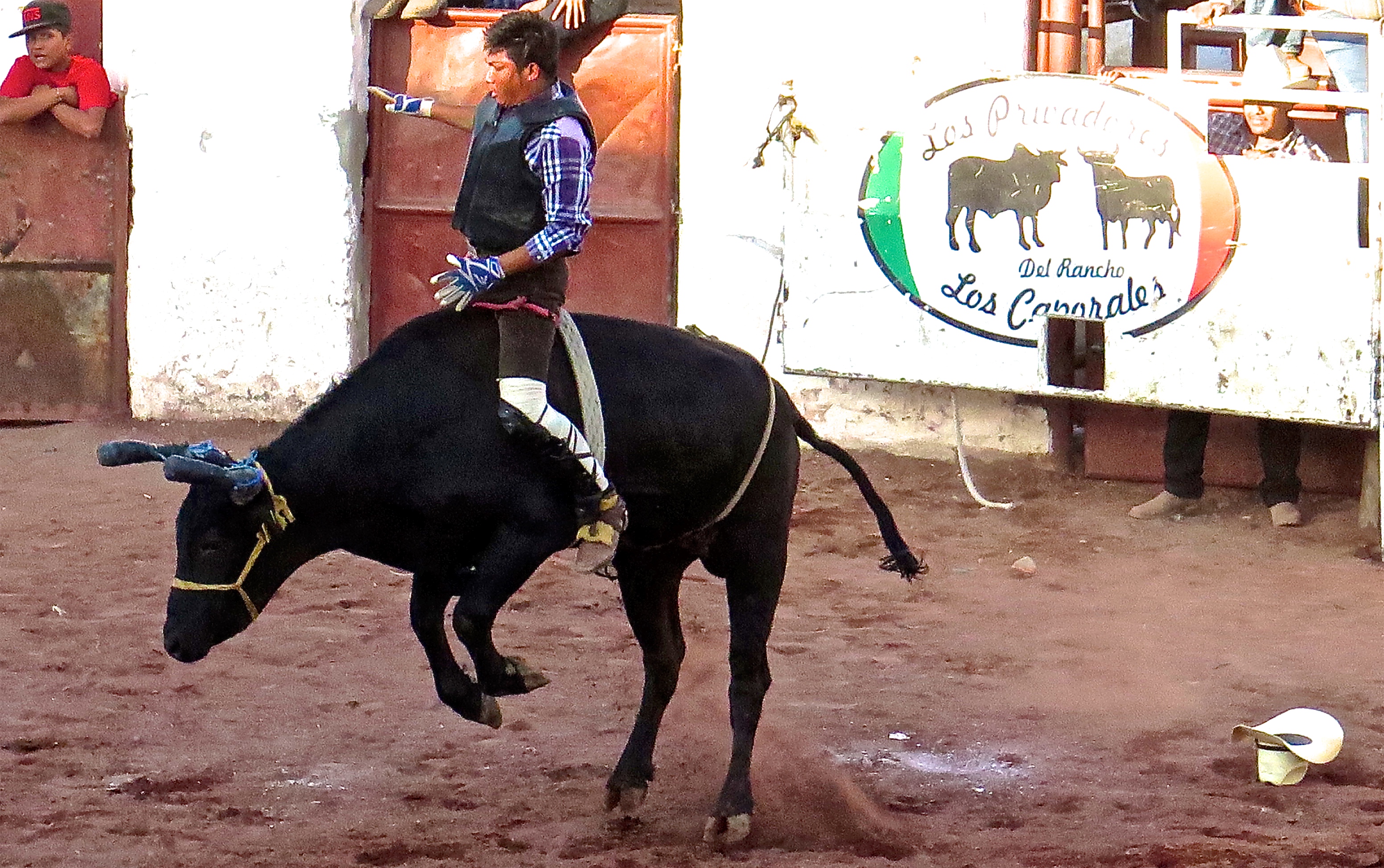
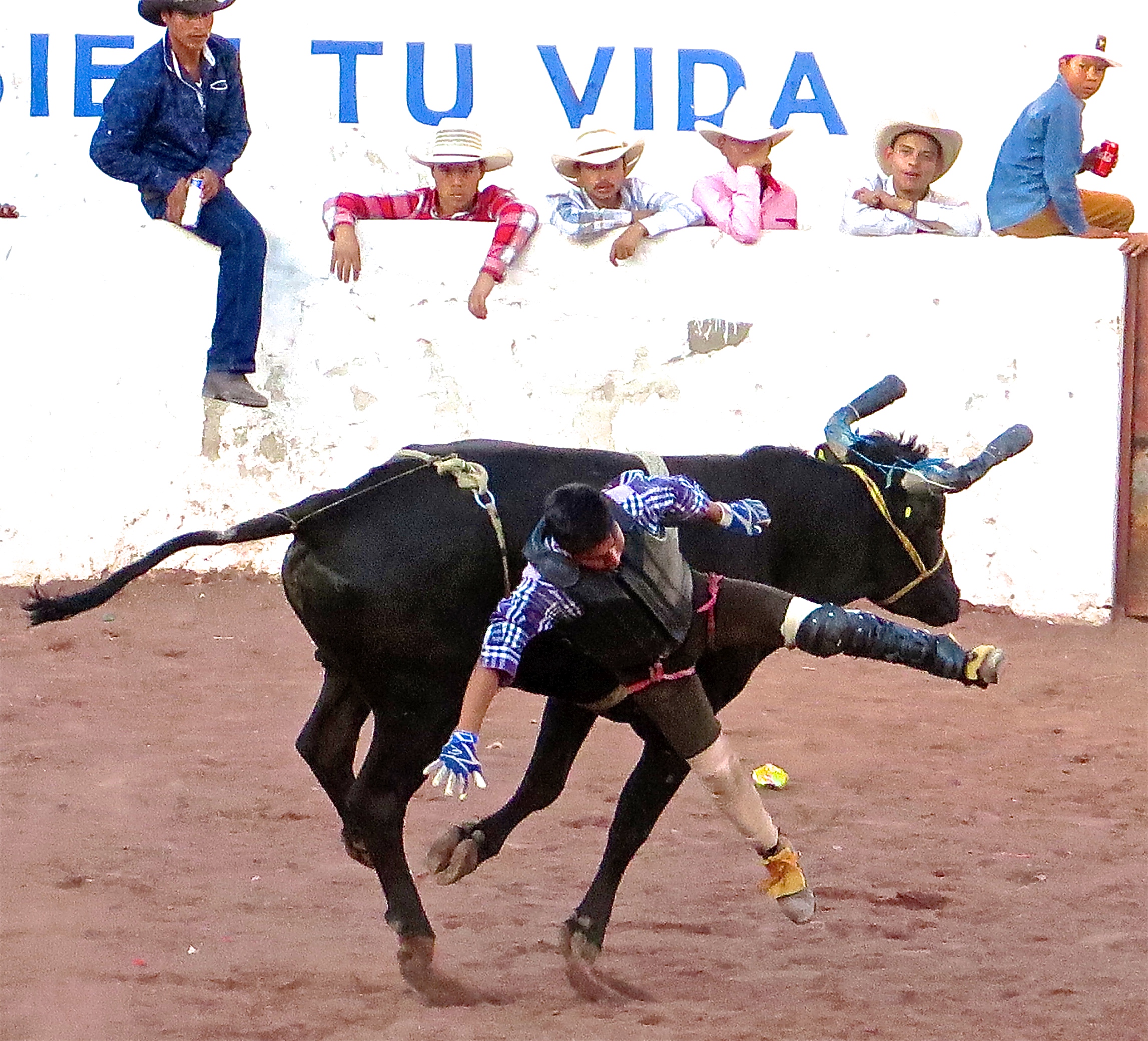
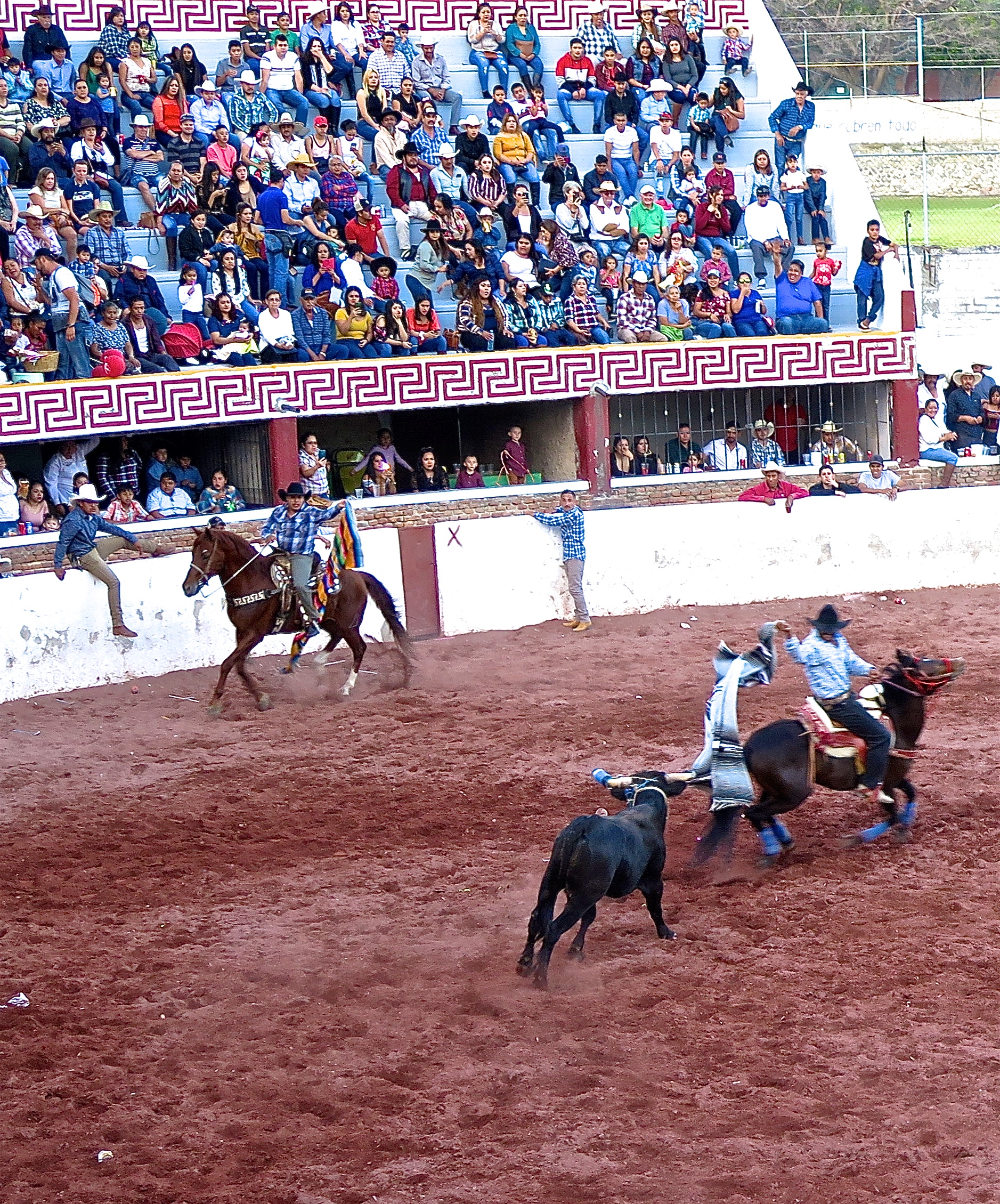
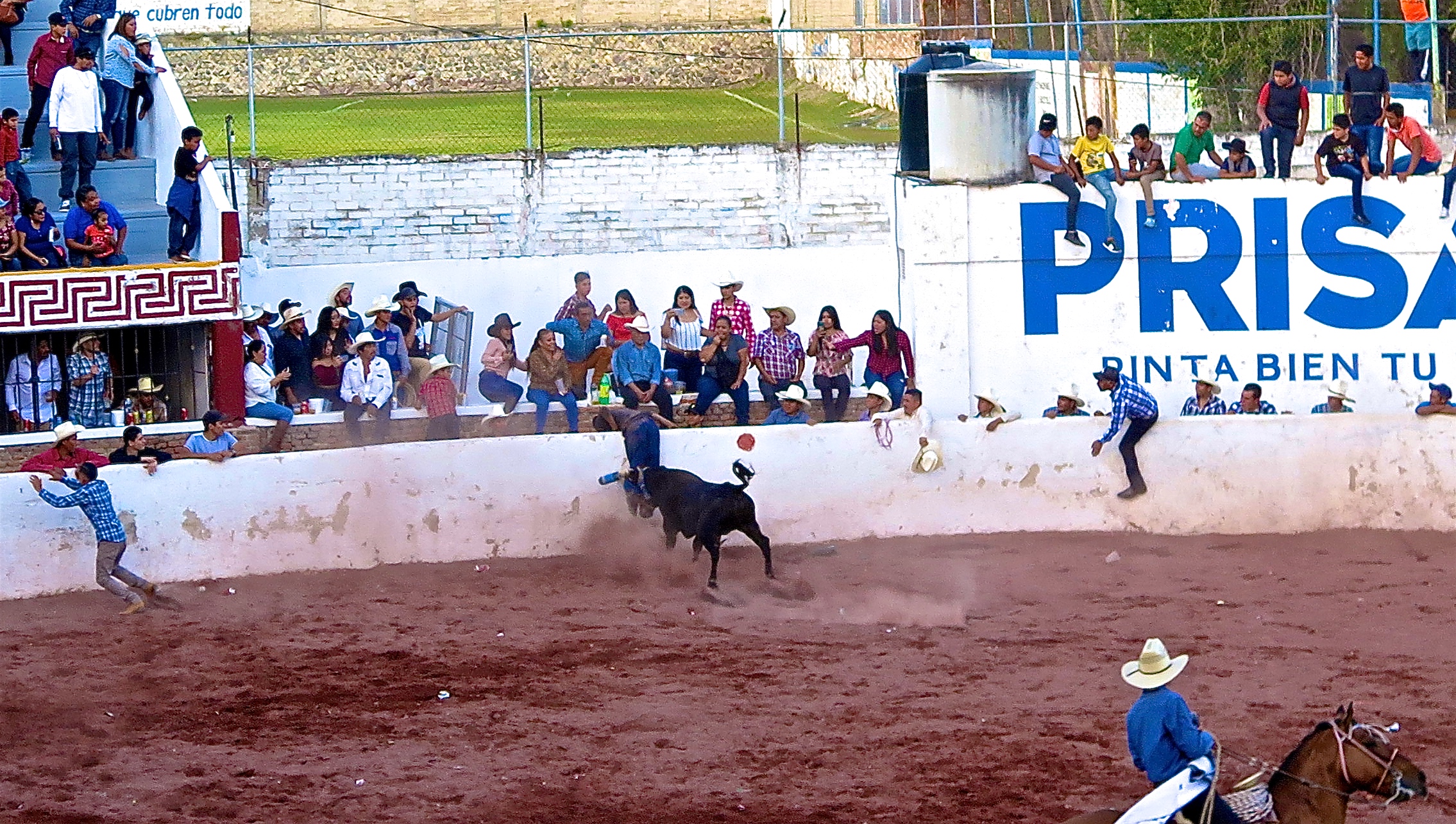
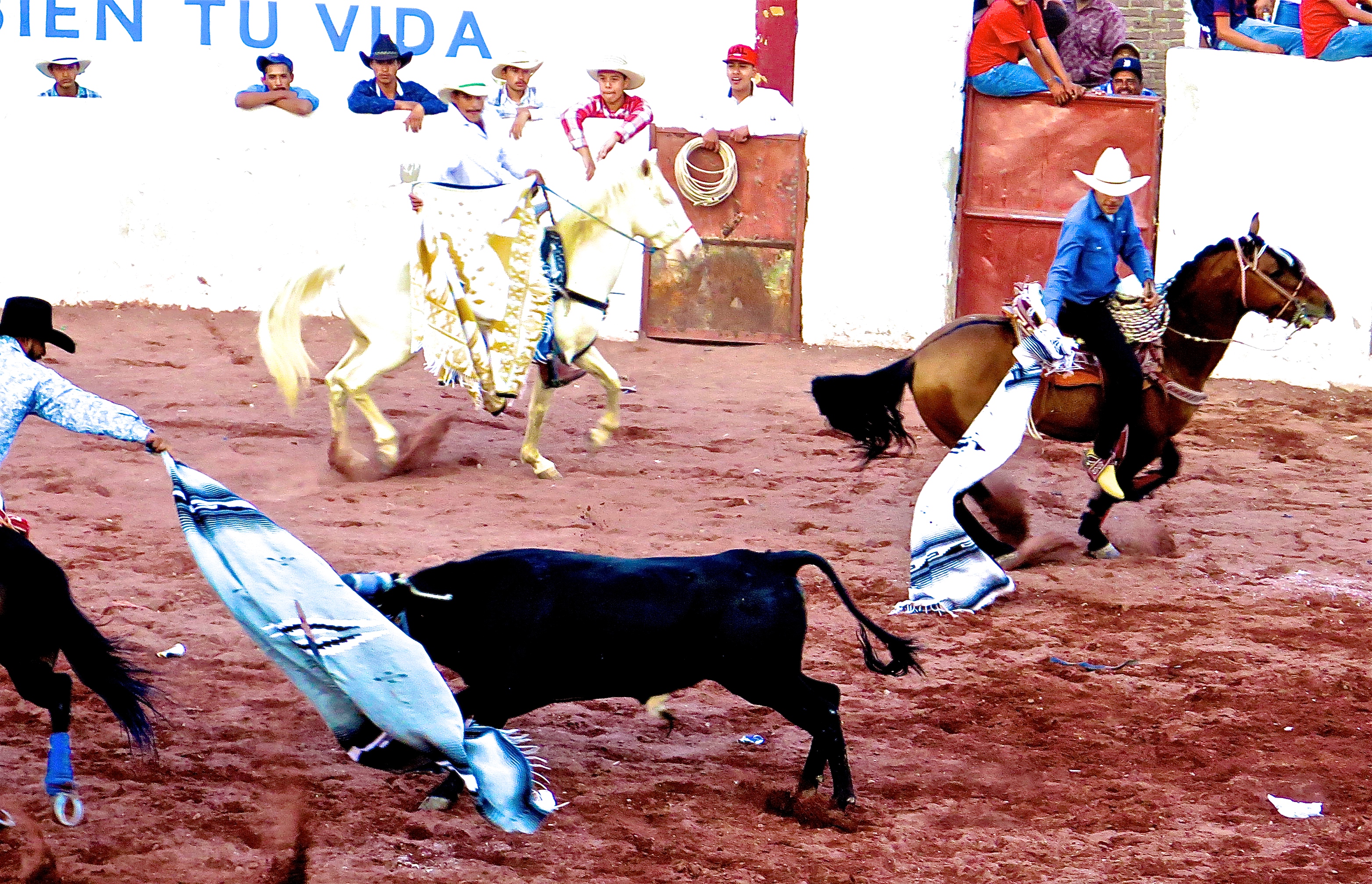
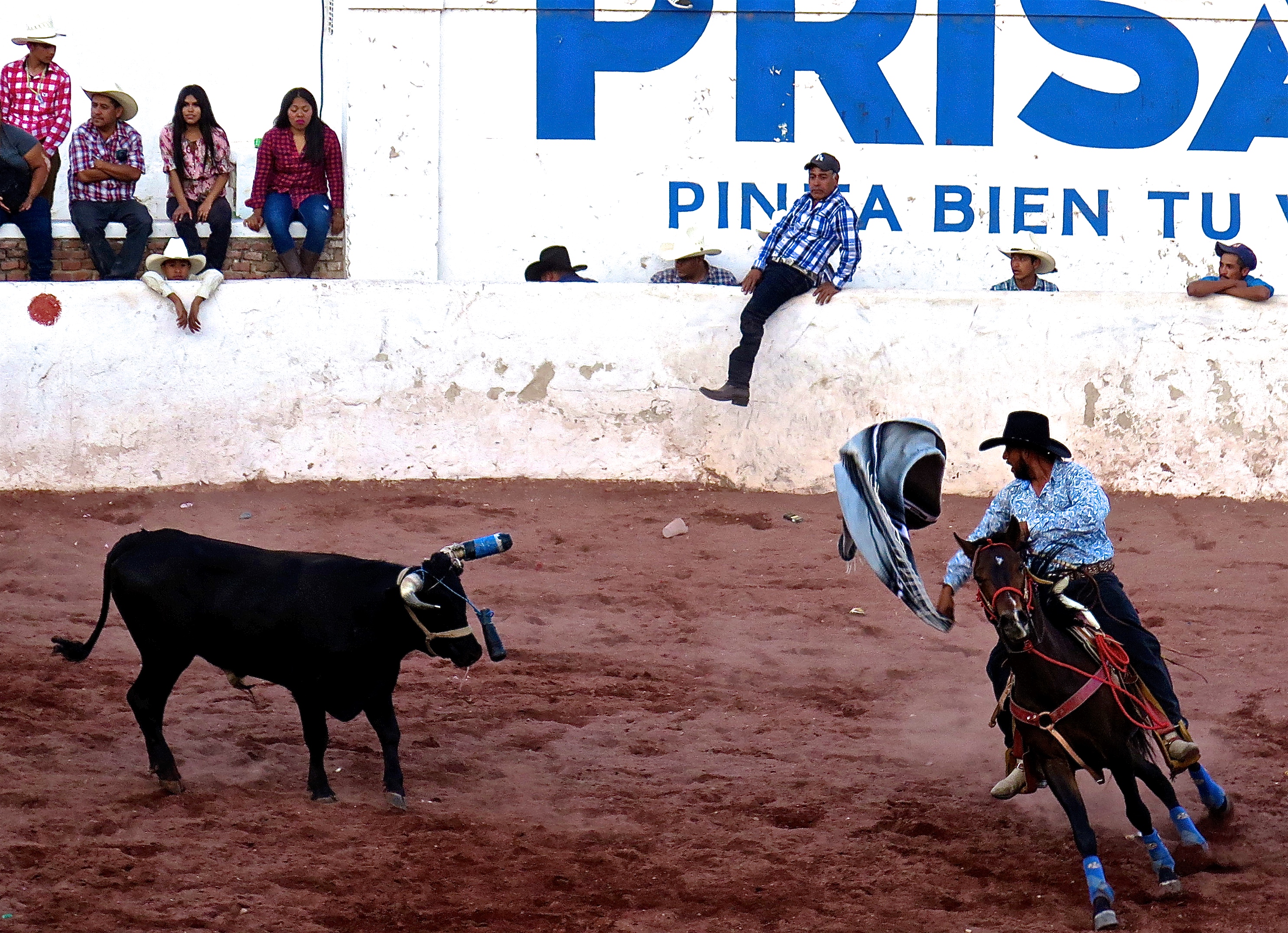
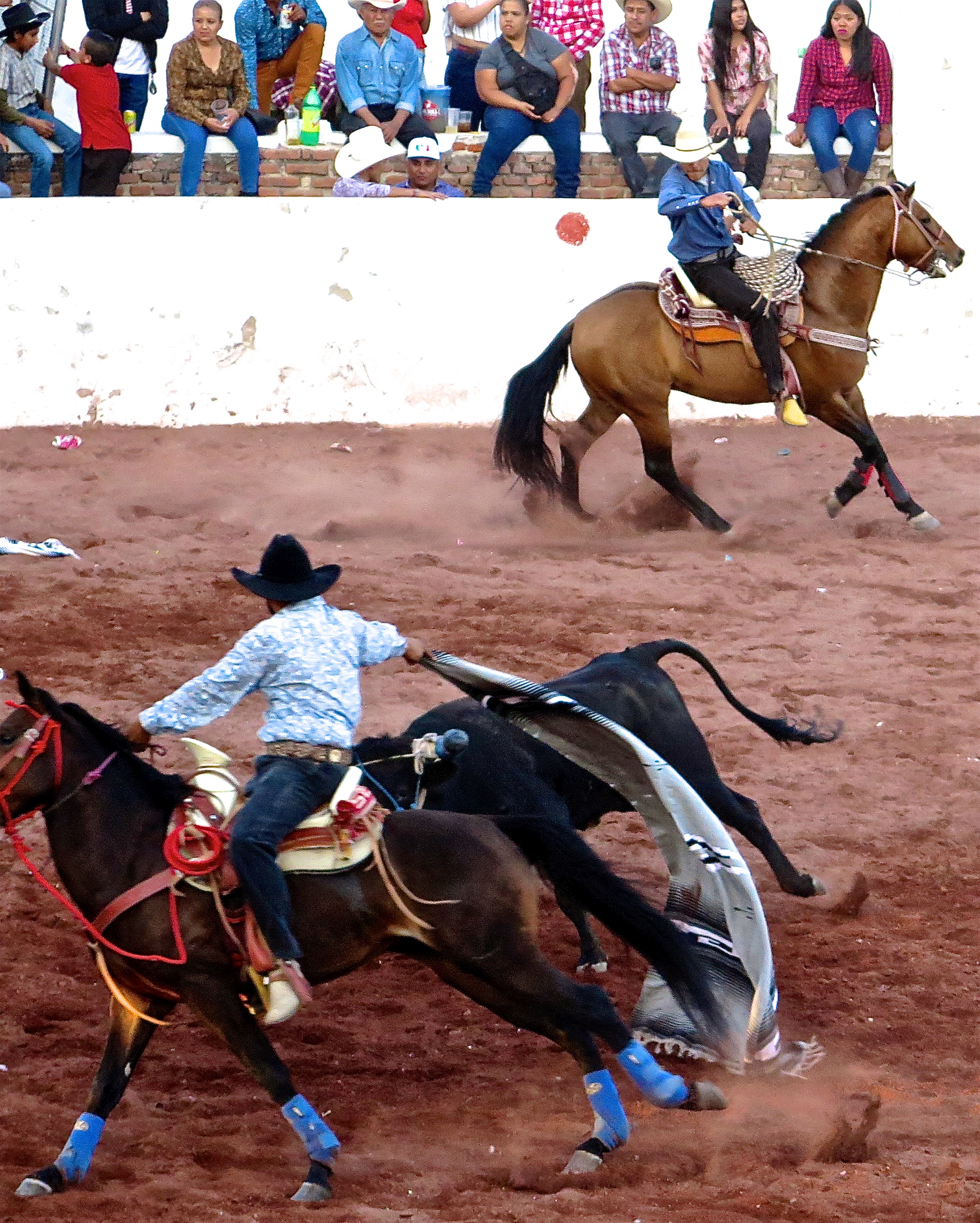
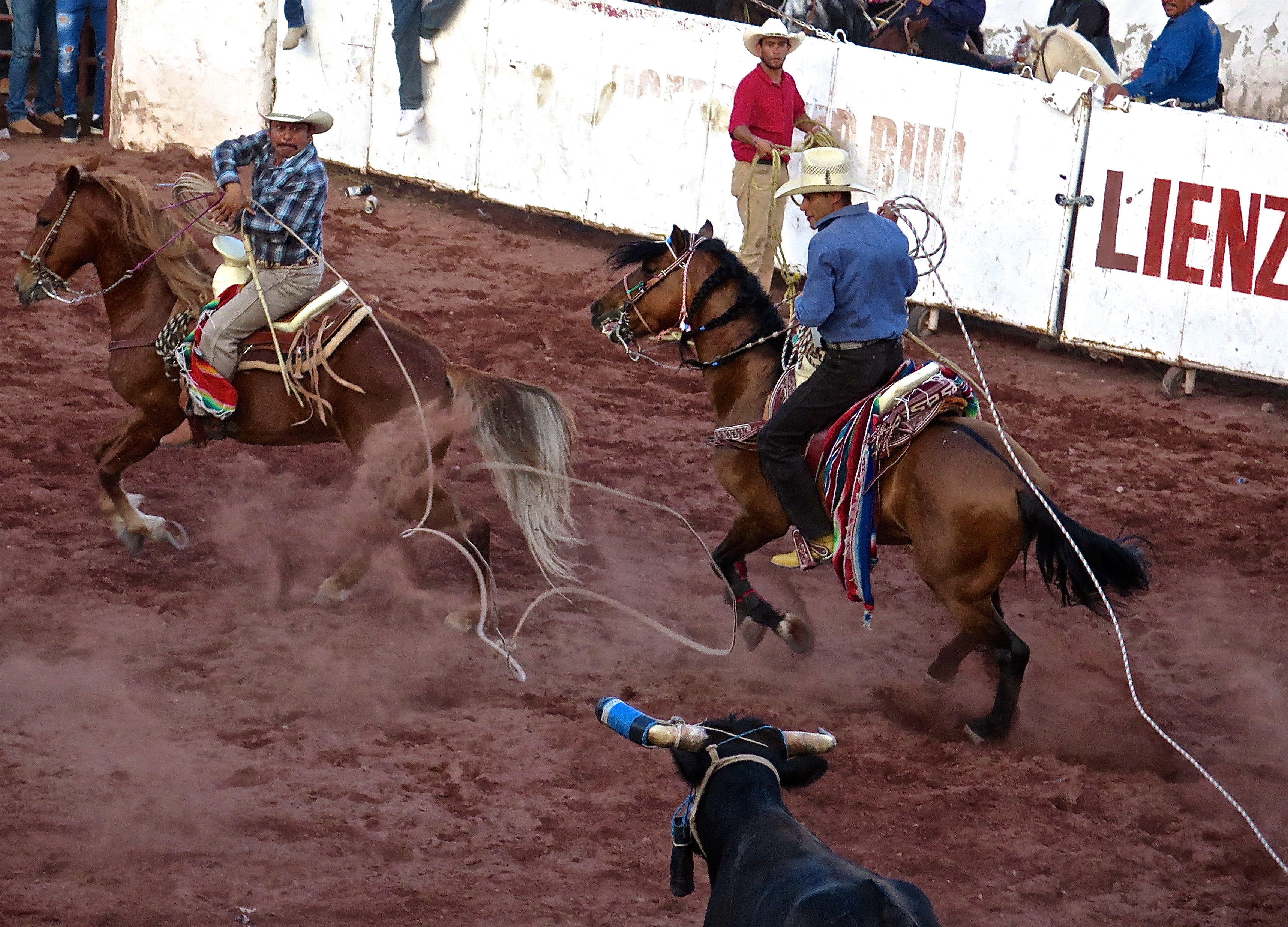
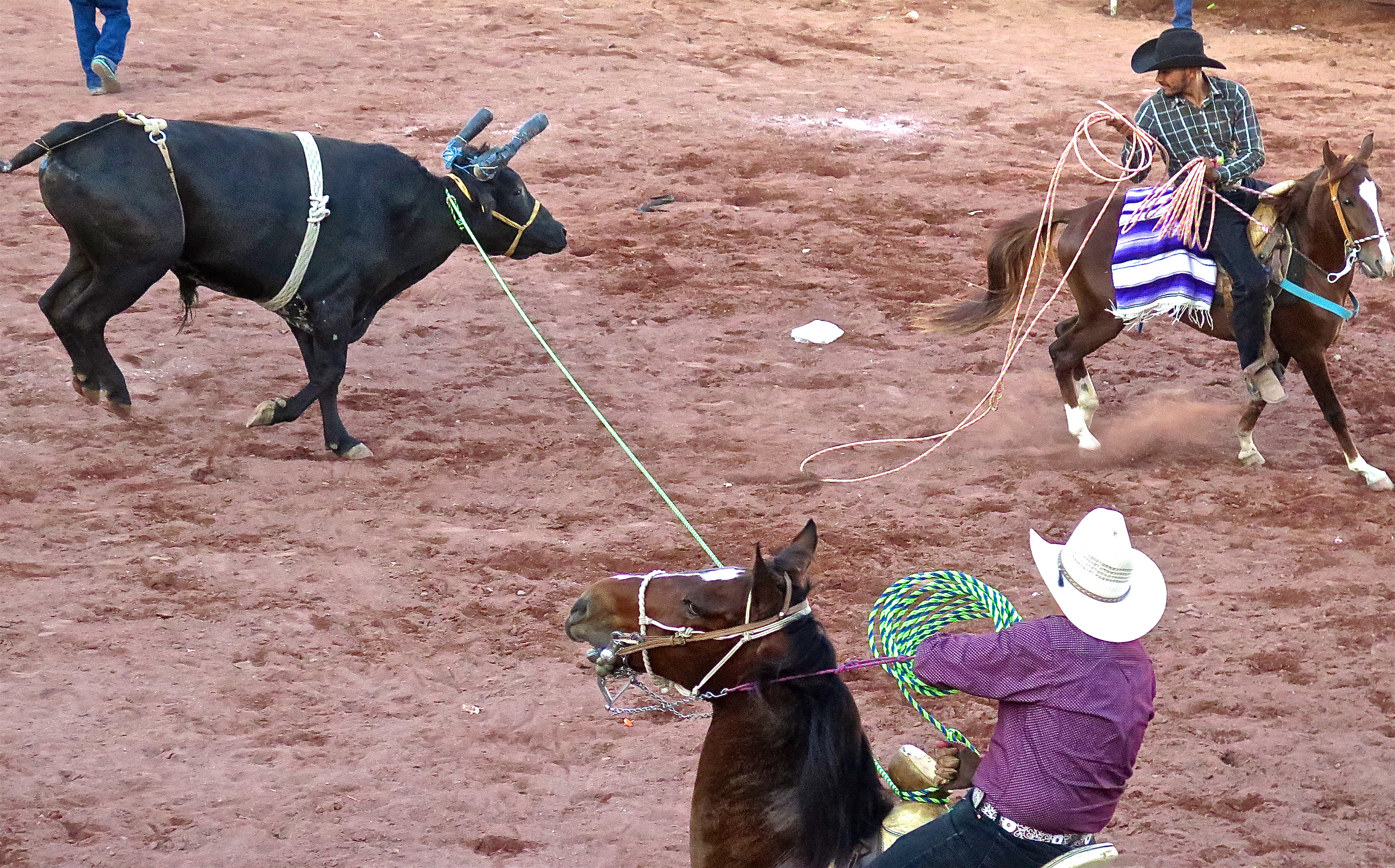
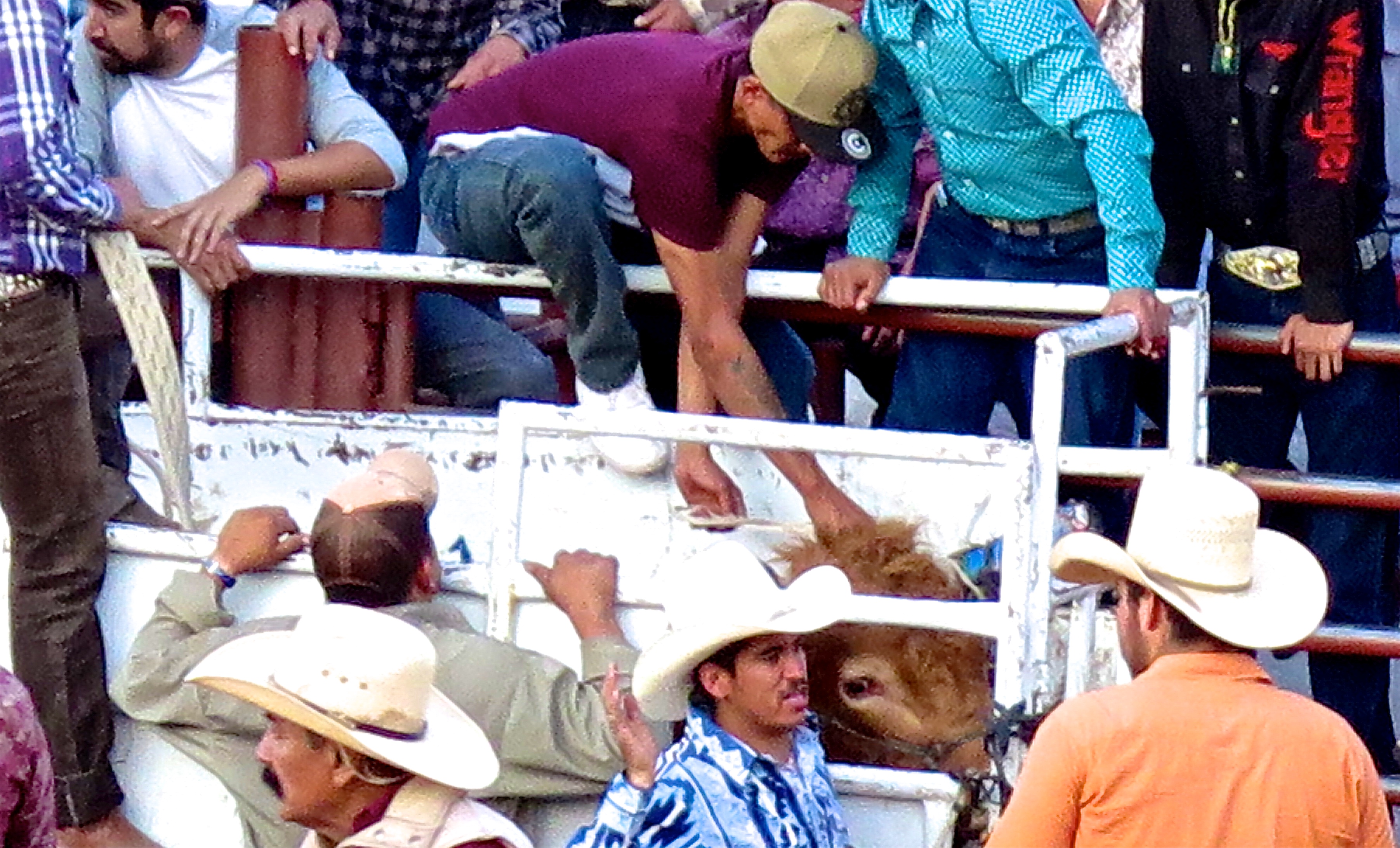
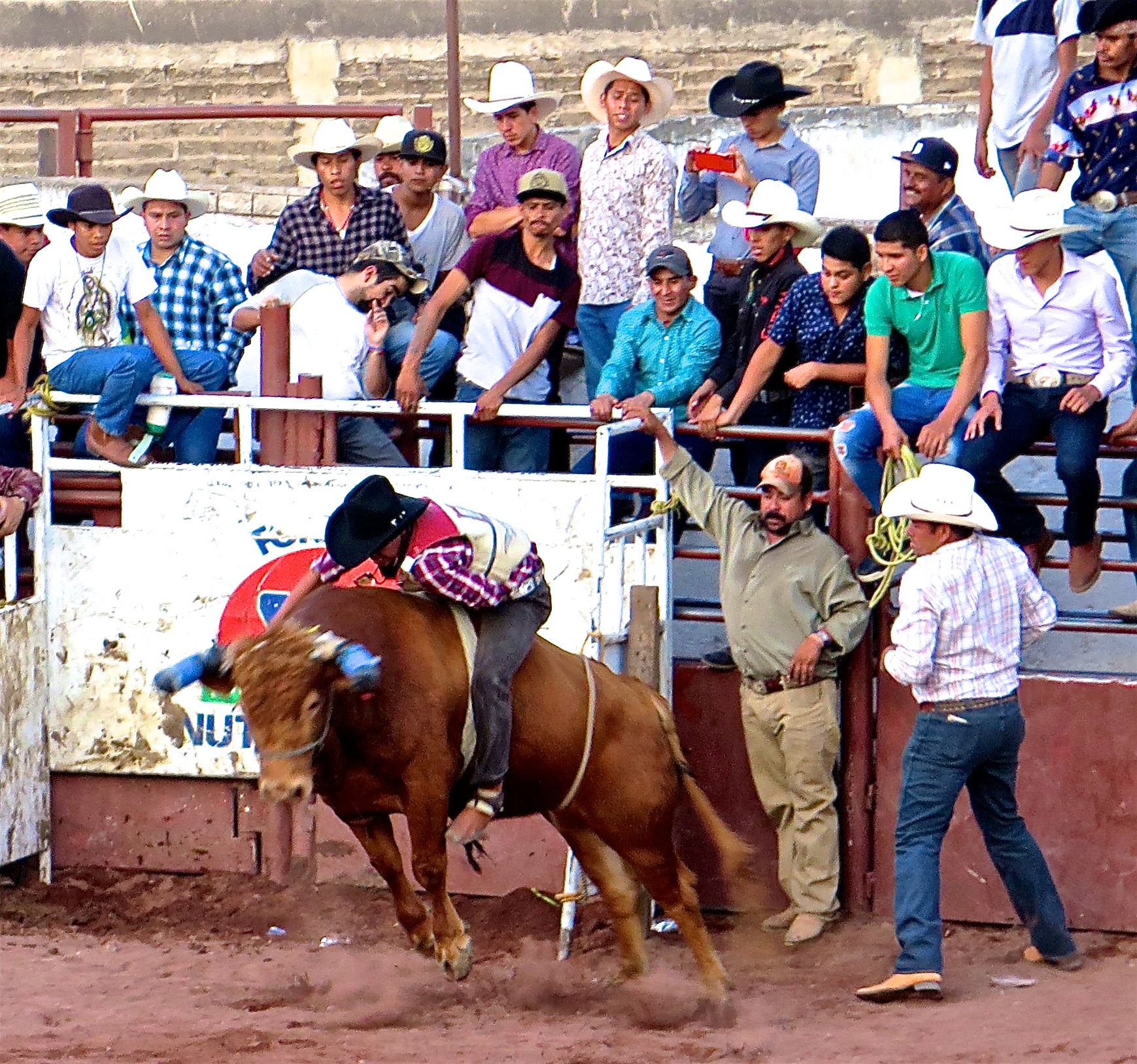
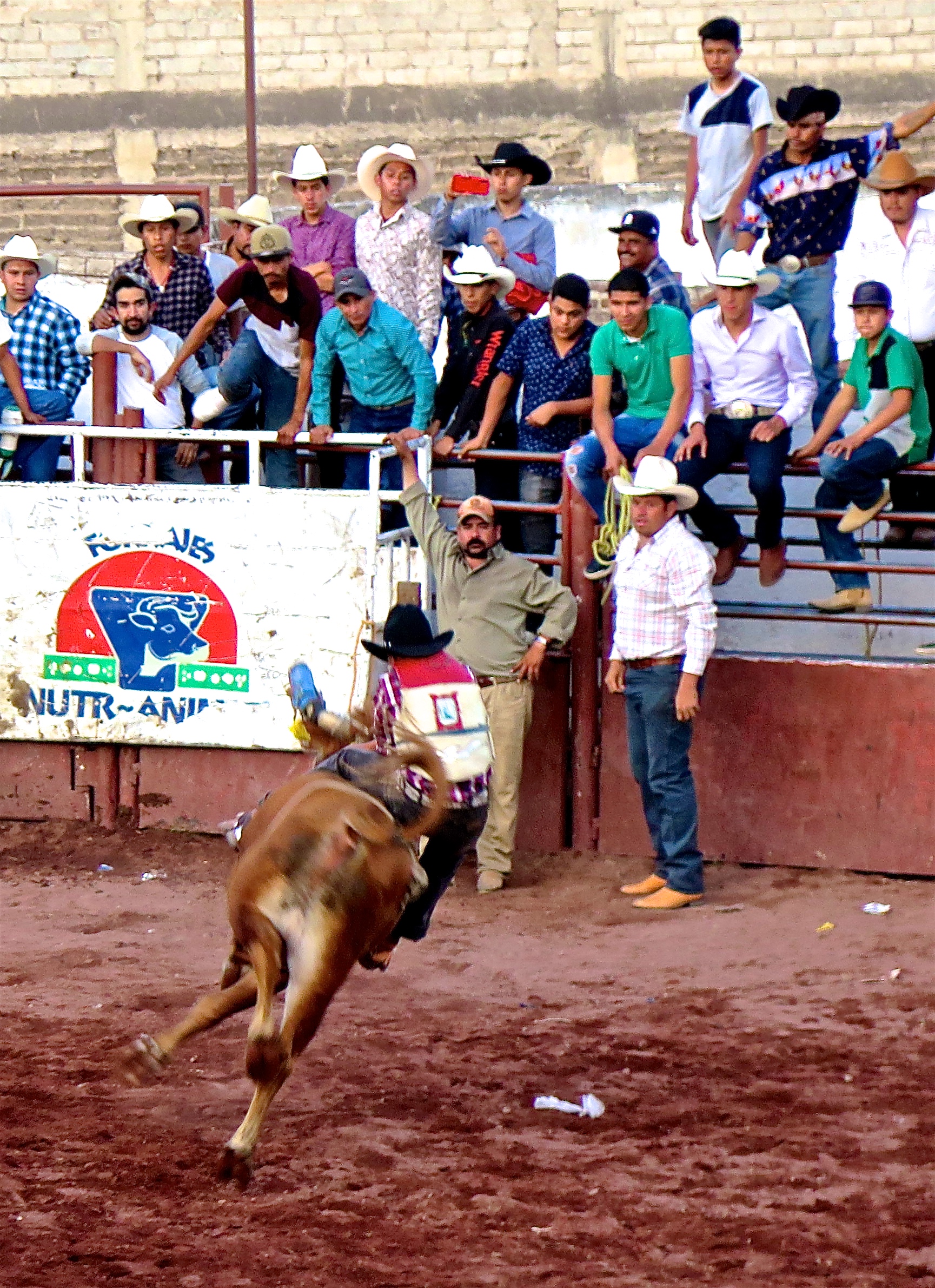
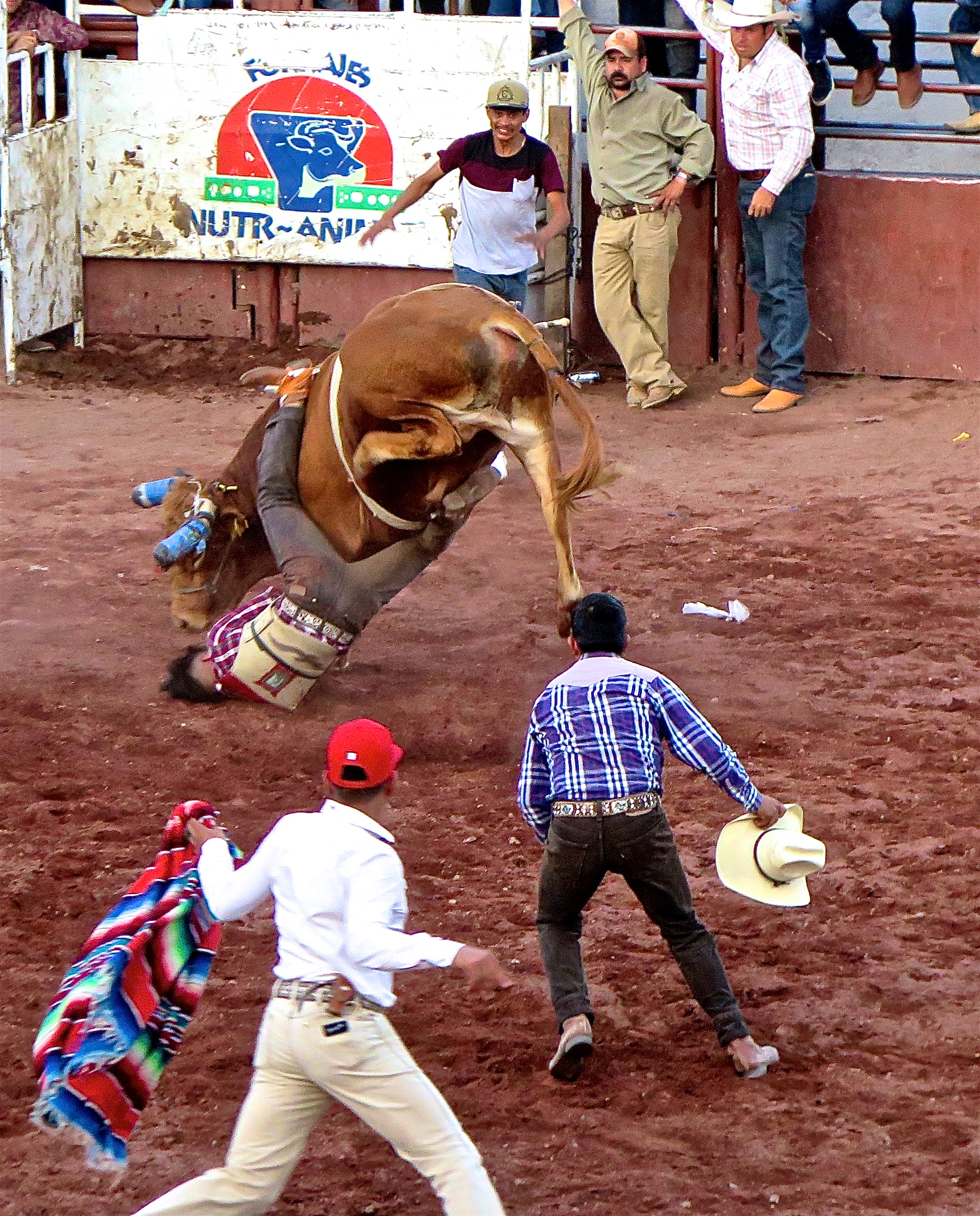
Here are photos from a rodeo I recently attended with two of our grandchildren and their dad. Charro/a is the Spanish term for horseman/woman, and there are many of both where we live, with amazing levels of skill. Those skills are ably demonstrated at the many parades and other celebrations that occur throughout the year, especially at rodeos, including dancing horses, lariat demonstrations and bull riding. The treatment of animals in Mexico is slowly improving, at least in our area, but in general is not a high social priority. So the treatment of the bulls at this rodeo was hard to watch and photograph but, as you will see, some of the bulls gave as good as they got. The bullring was full with men and women, many with kids of all ages including babies and toddlers. Vendors worked their ways along the rows of spectators as the band blared. Charros guided their mounts in various dance routines. The crowd continued to swell as the bull riders filed through an opening in the safety wall to await their turns.

IMG_9590

IMG_9553

Charros take turns demonstrating their dancing horses before the bull riding

IMG_9567

Loud “banda” music and continuous play-by-play commentary filled the air

IMG_9565

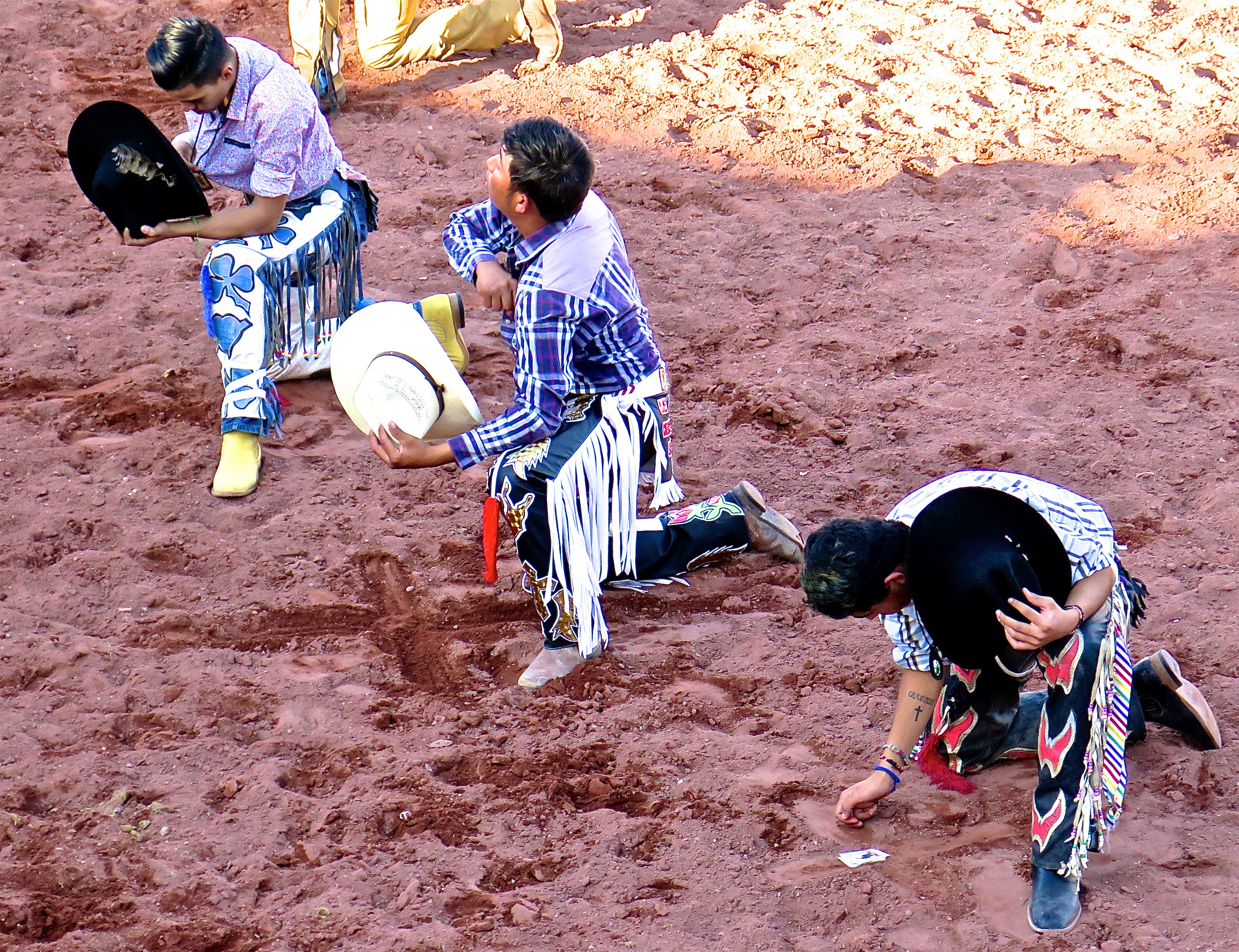
Bull riders kneel to ask Divine protection

IMG_9582

A rider mounts the bull

IMG_9583

The bull shakes him off and refuses to leave the cage (smart bull!)

IMG_9584

The rider remounts

IMG_9585

But only for a few seconds

IMG_9586

The rider runs from the bull holding his helmut

IMG_9587

Charros move in to capture the bull

IMG_9588

IMG_9578

New rider, new bull

IMG_9579

Whoops!!!

IMG_9592

Danger in action and men head for the wall

IMG_9595

OUCH!-this one only made it half way over before he was nailed

IMG_9601

This bull is going to be hard to catch

IMG_9605IMG_9606IMG_9608

IMG_9580

Caught!

IMG_9613

Preparing a bull for the next rider

IMG_9615

This one is already in trouble 

IMG_9616

The men in the background don’t seem to be concerned

IMG_9618

Believe it or not the rider got up and left the bullring!!!


Tour to Copper Canyon, 2019

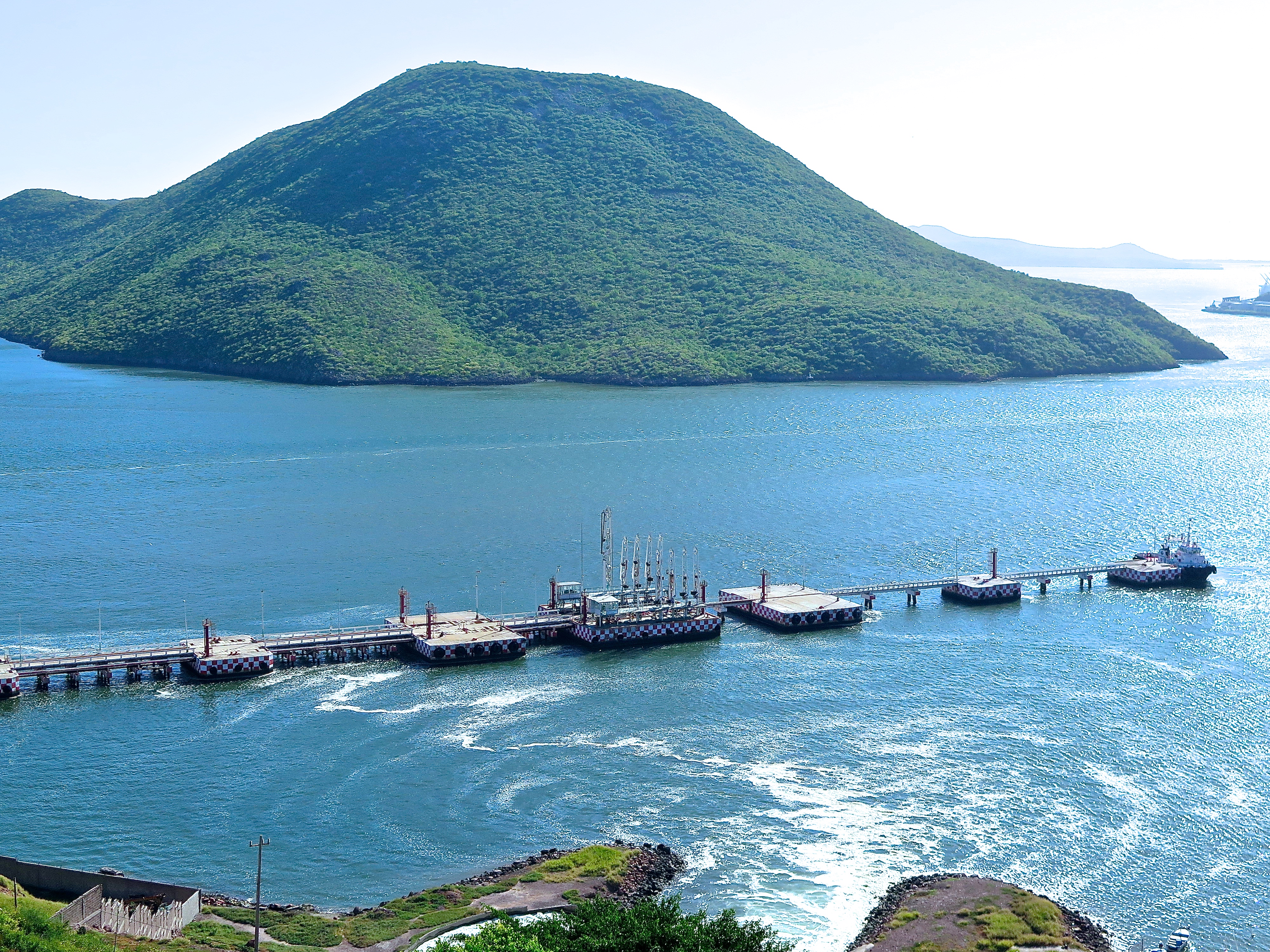
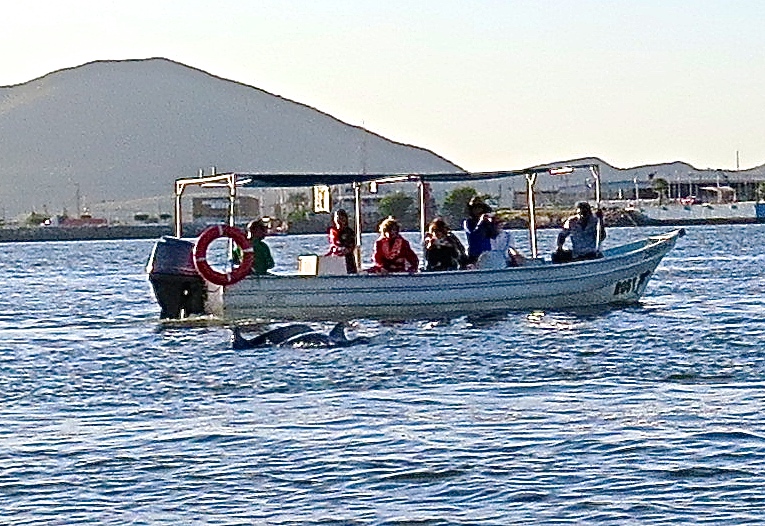
To begin our tour we flew to Los Mochis, on the Sea of Cortes, in the state of Sinaloa and were soon in boats on Topolobampo Bay looking for dolphins. The photos and captions chronicle the highlights of our trip, the the most memorable and humbling of which was a visit to a remote Taráhumára (who prefer to be known as Rarámuri)  village in Chihuahua. Known worldwide as amazing long distance runners, these people were never conquered by the Spanish invaders but kept moving father into the mountains of the Sierra Madre Occidental and the Copper Canyon area. They live by a core ethic, Korima – sharing for the benefit of all. As mining and agricultural companies continue to encroach on their lands small family groups  retreat into areas with less arable land for farming and are often near starvation, especially in the winter. You can find more about the Rarámuri online.

IMG_9253_2

IMG_9288

Two of the half dozen dolphins cavorting around our boats

IMG_9324

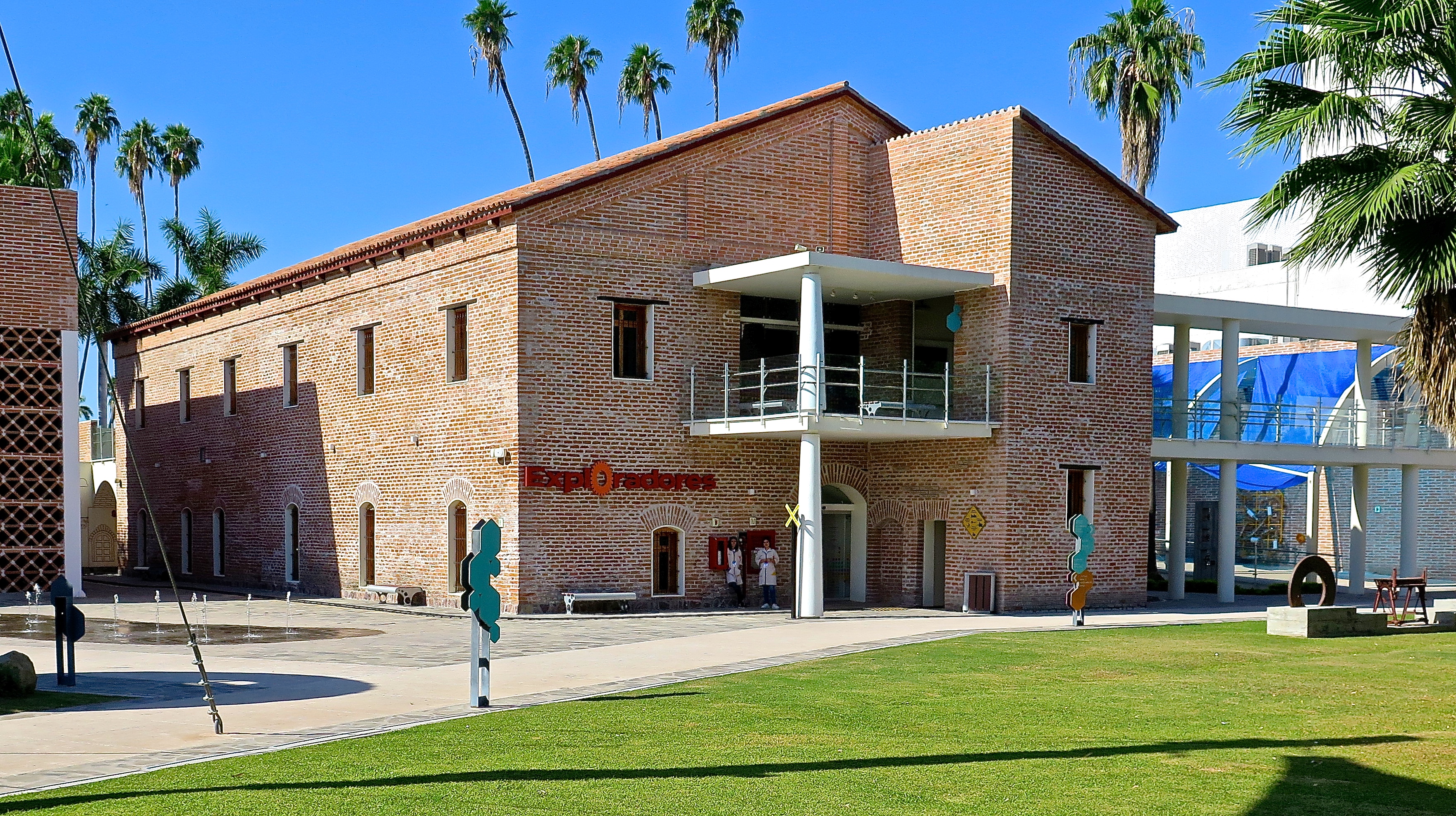
The marvelous Sugar Mill Interactive Museum…

IMG_9325

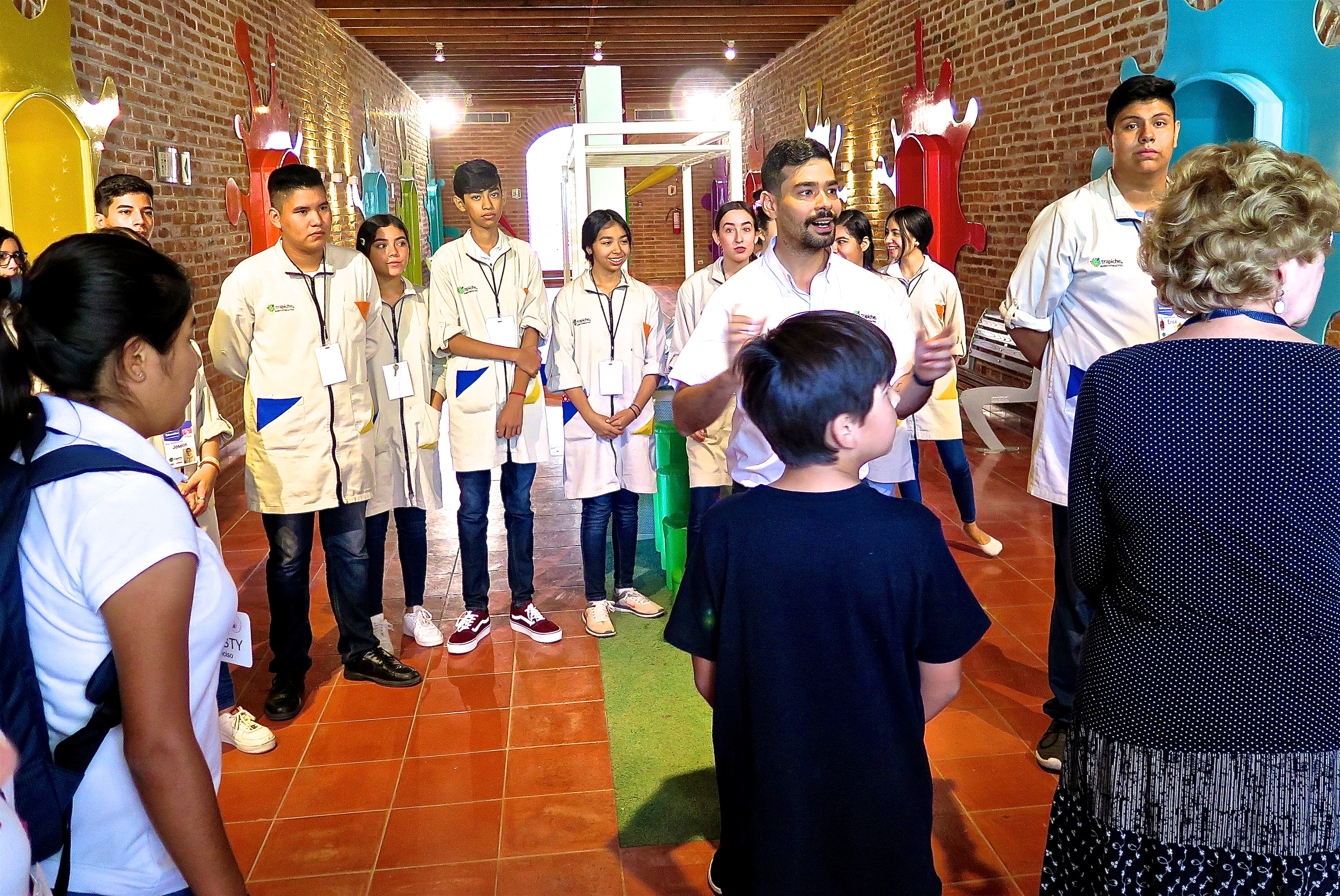
staffed by lively university and high school students studying tourism and demonstrating inventive examples of physics and practical mechanics

IMG_9314

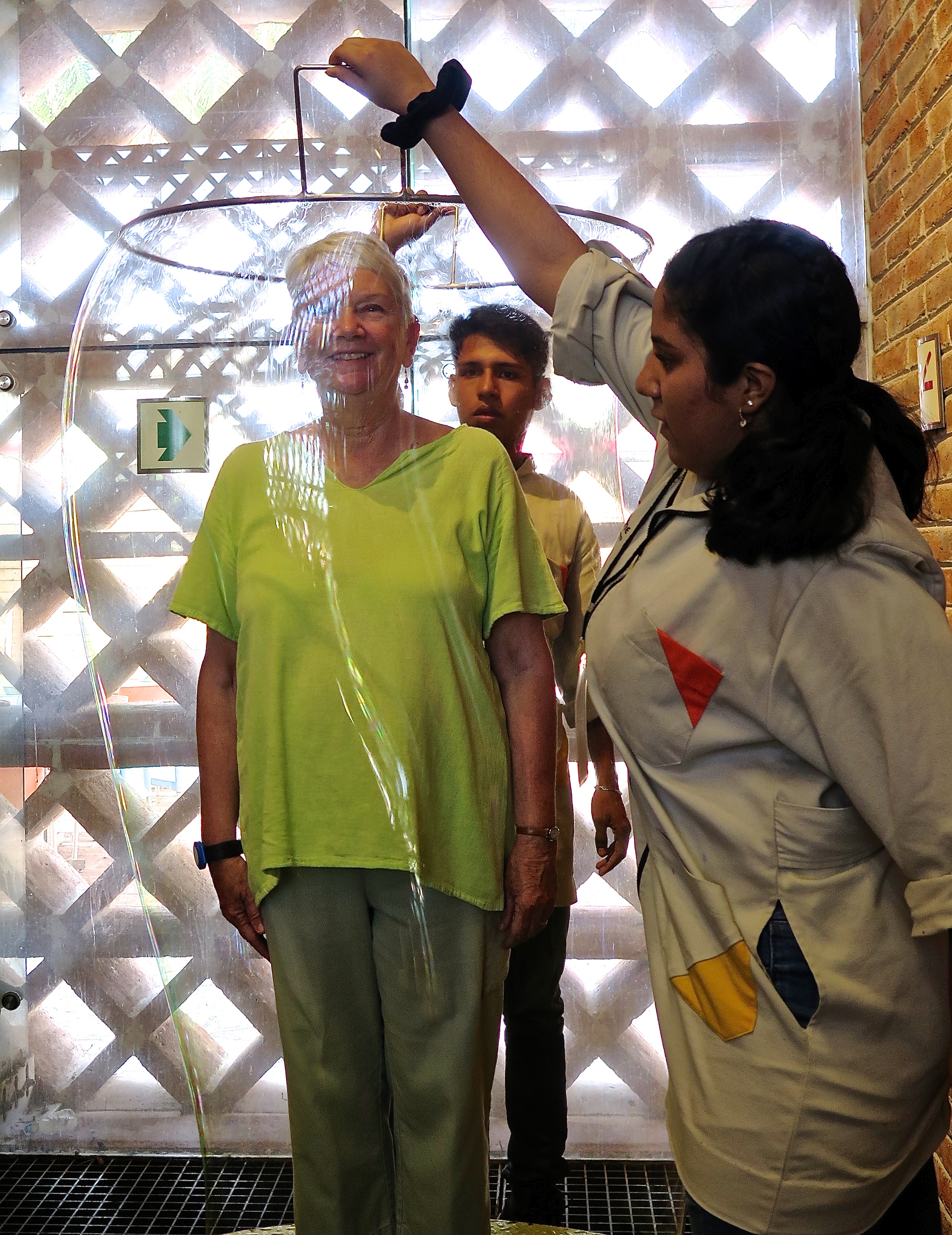
Barbara learning about surface tension as she is enveloped in a giant soap bubble

IMG_9337

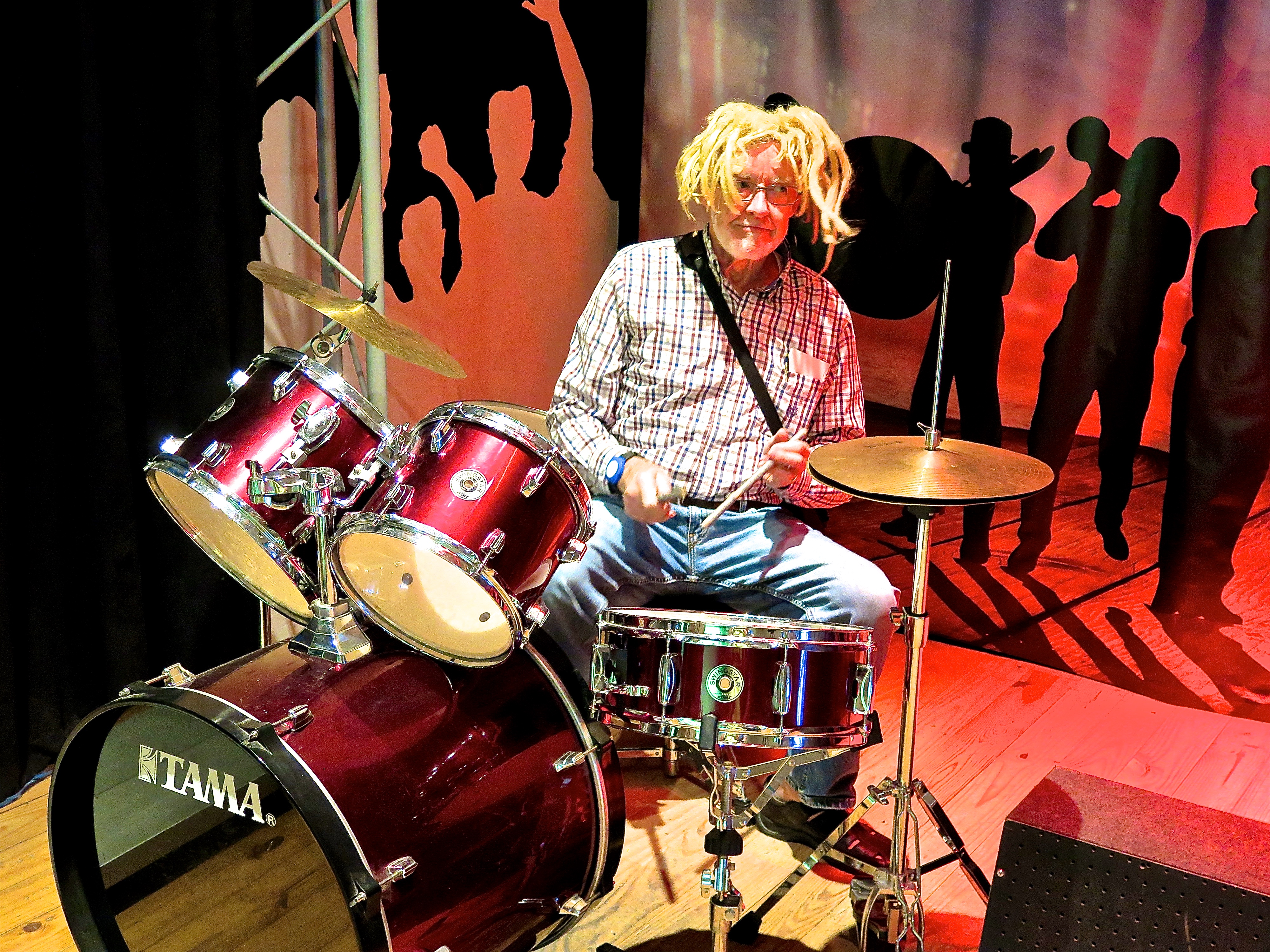
Allan returns to the 1960s in the music room

IMG_9346

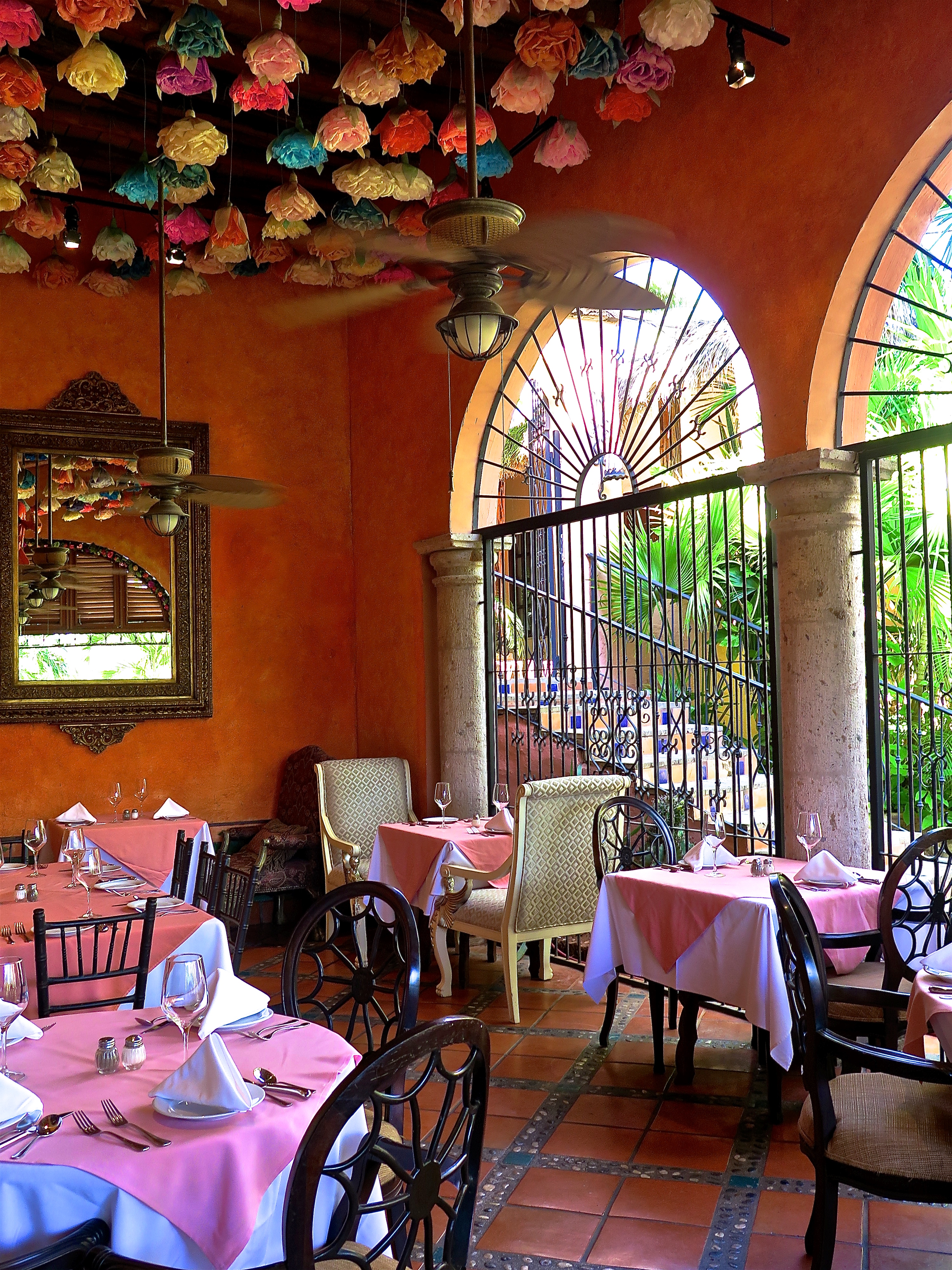
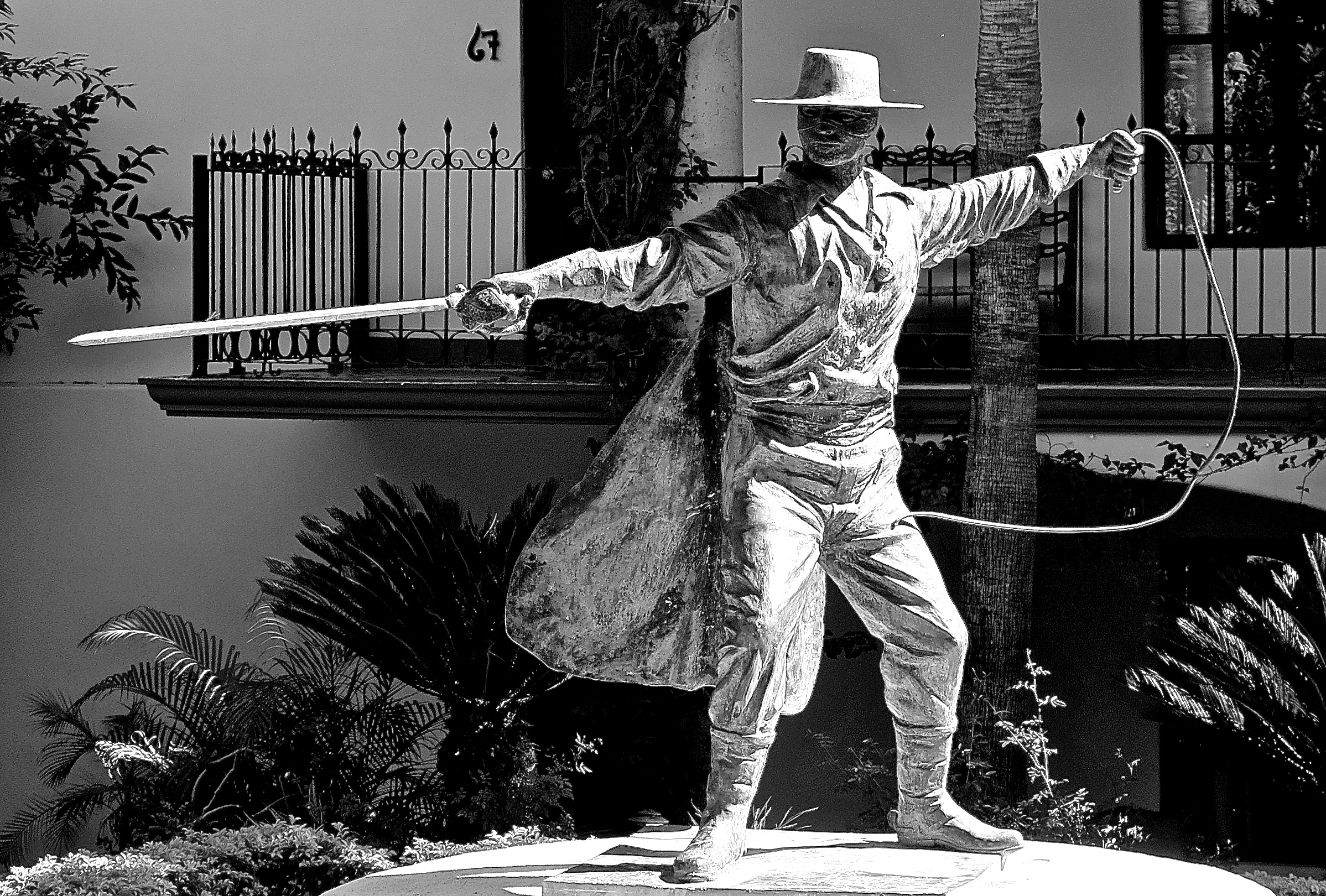
From Los Mochis we were bussed to the home of the actual El Zorro in El Fuerte which has been turned into a beautiful hotel

IMG_9349

IMG_9361

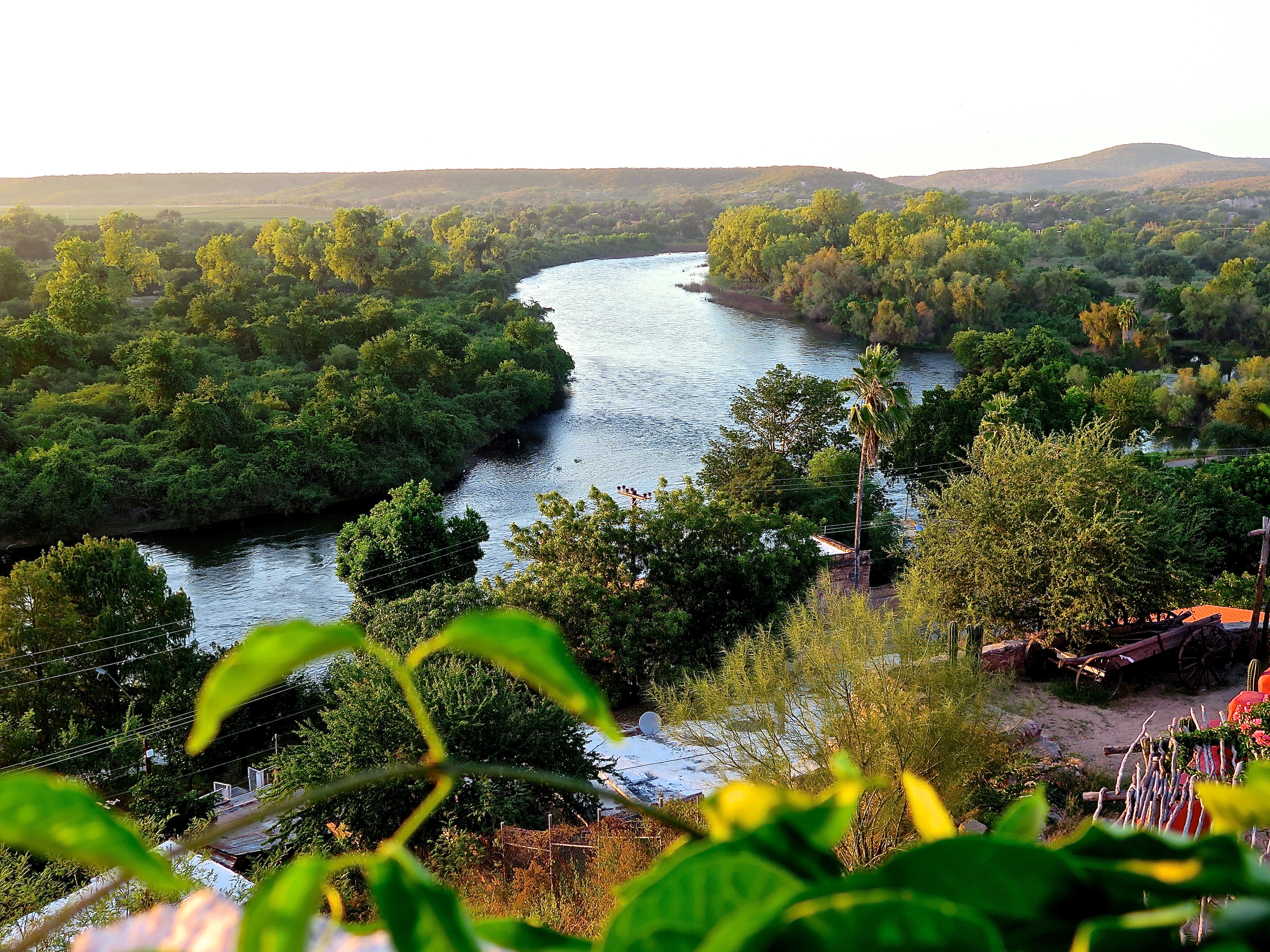
Late afternoon view of the Rio Fuerte from the fort

IMG_9383

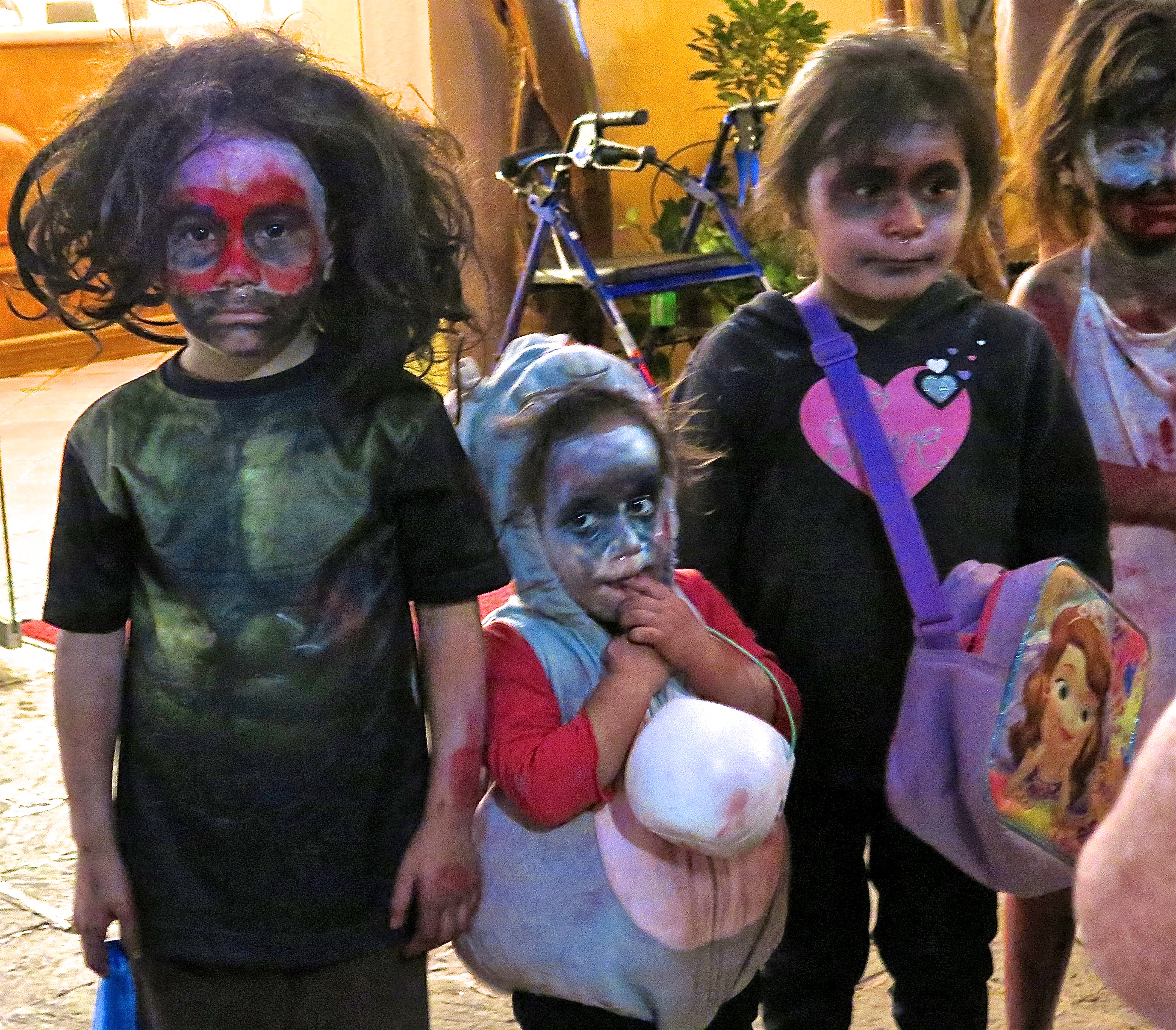
Strolling downtown and enjoying smoothies we encountered these adorable kids dressed for Day of the Dead celebrations…

IMG_9404

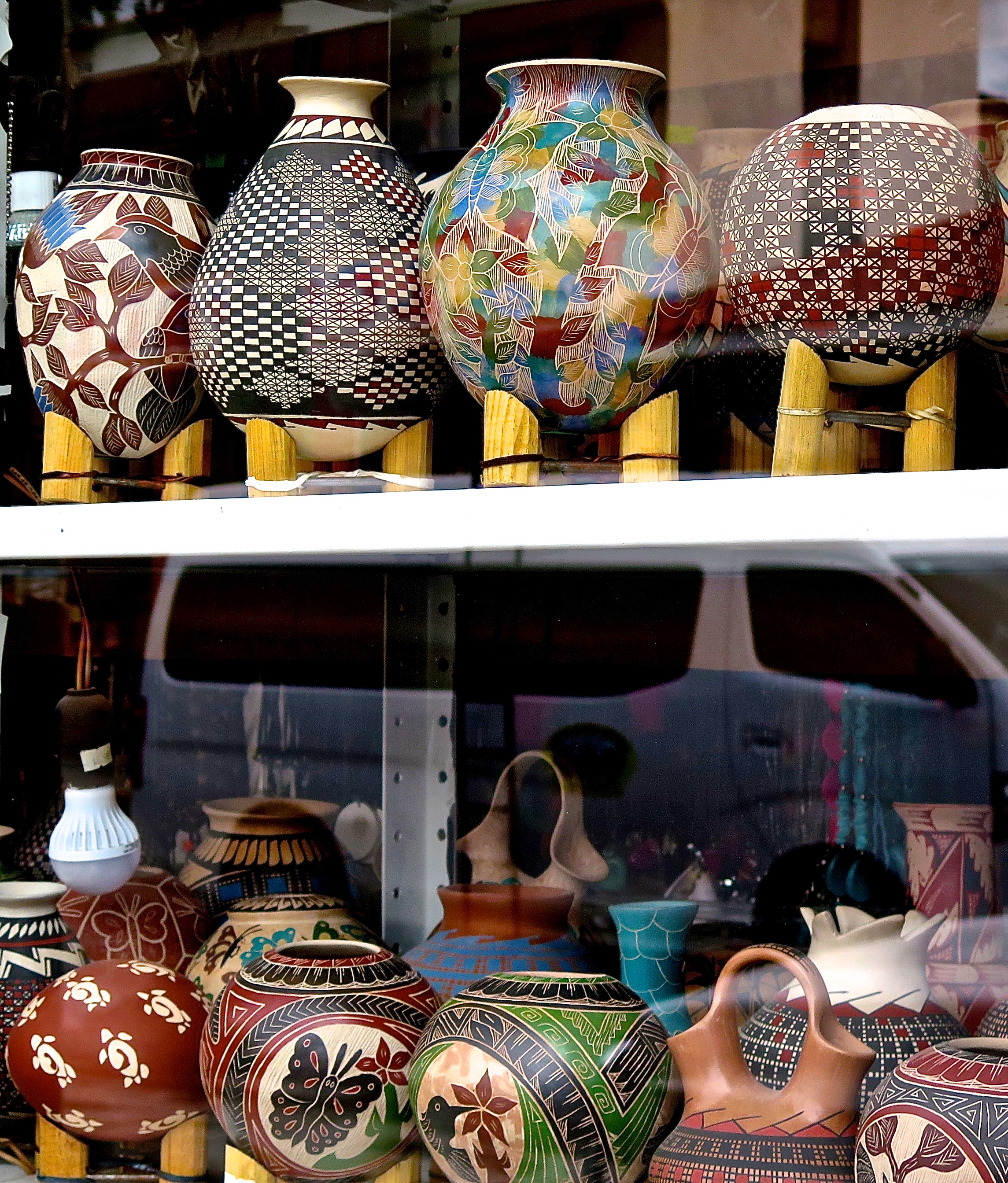
and pottery in the beautiful local style

IMG_9388

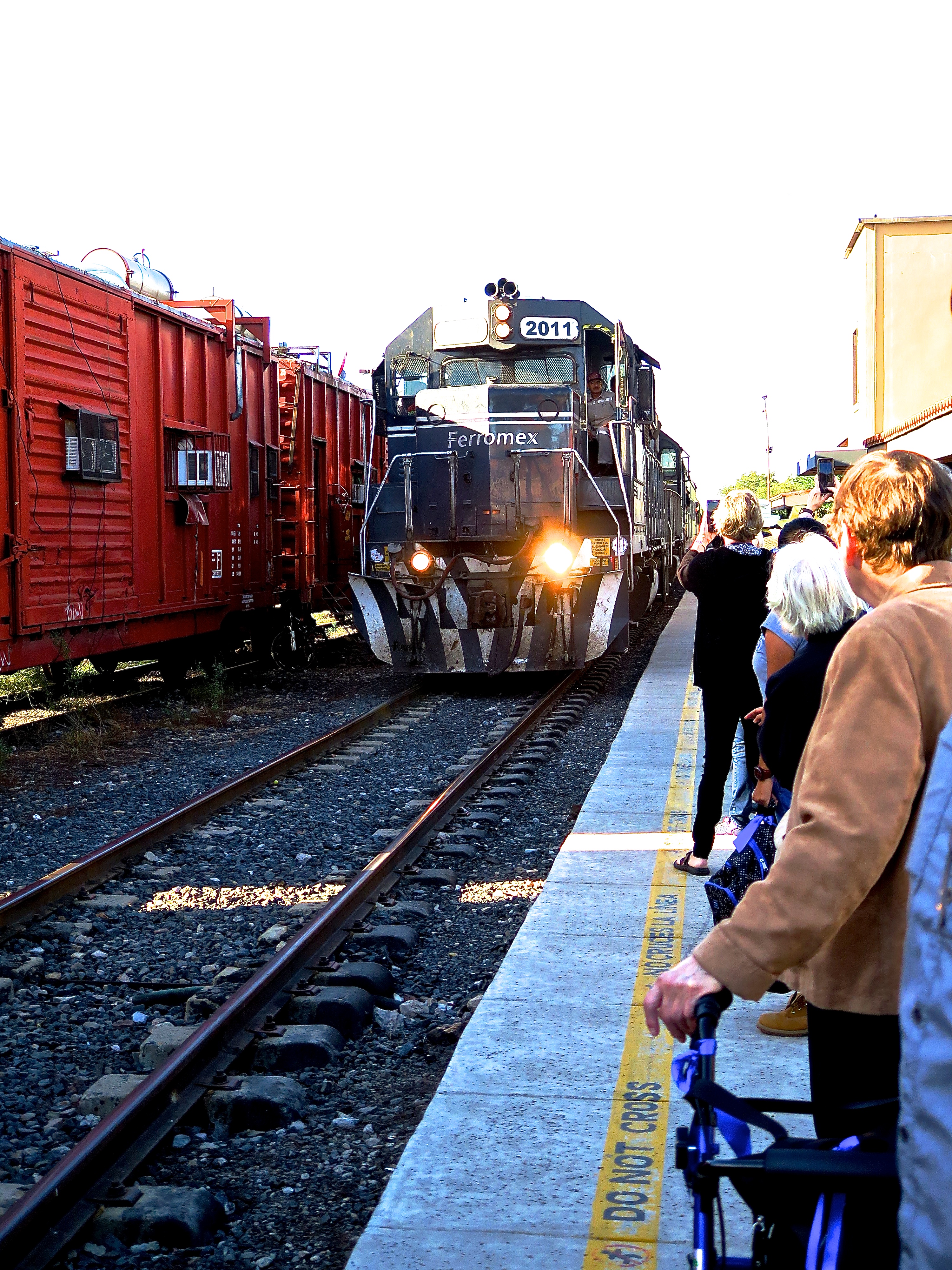
Next morning we boarded “El Chepe” for the 6-hour rail trip through spectacular mountain scenery to the Copper Canyon

IMG_9393

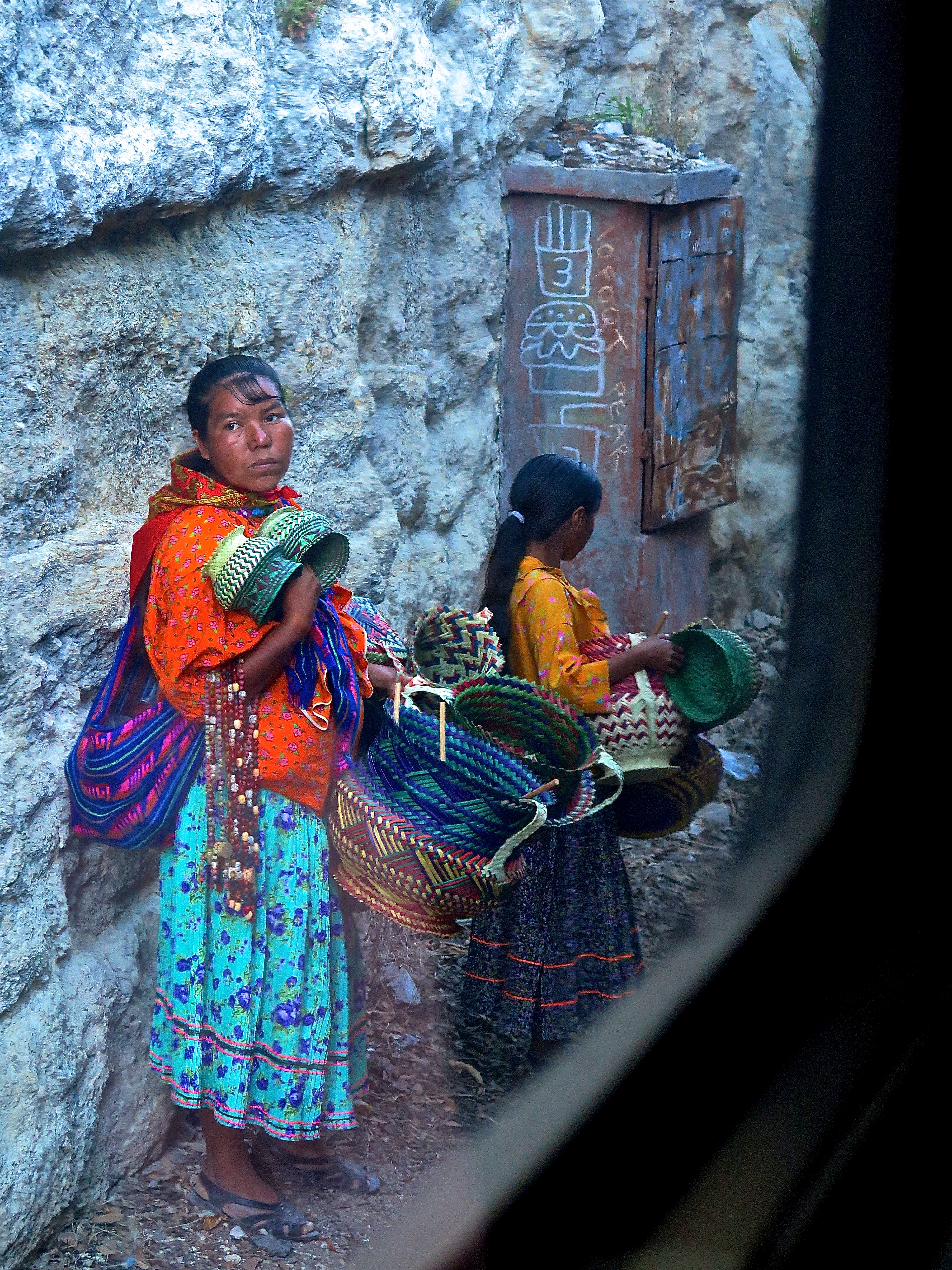
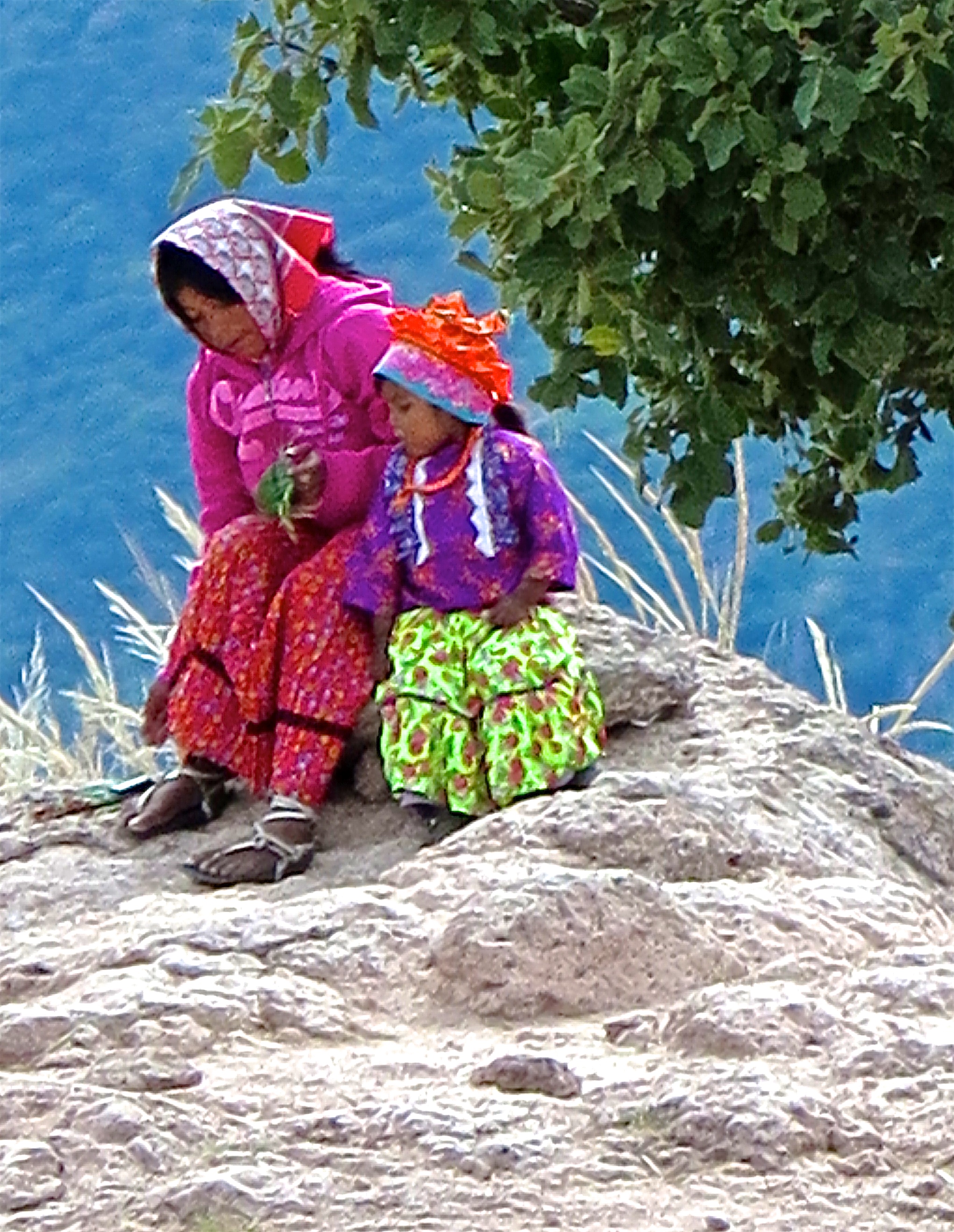
A Tarahumara mother and daughter selling intricately designed baskets as the train pulled into Barancas (canyons)

IMG_9473

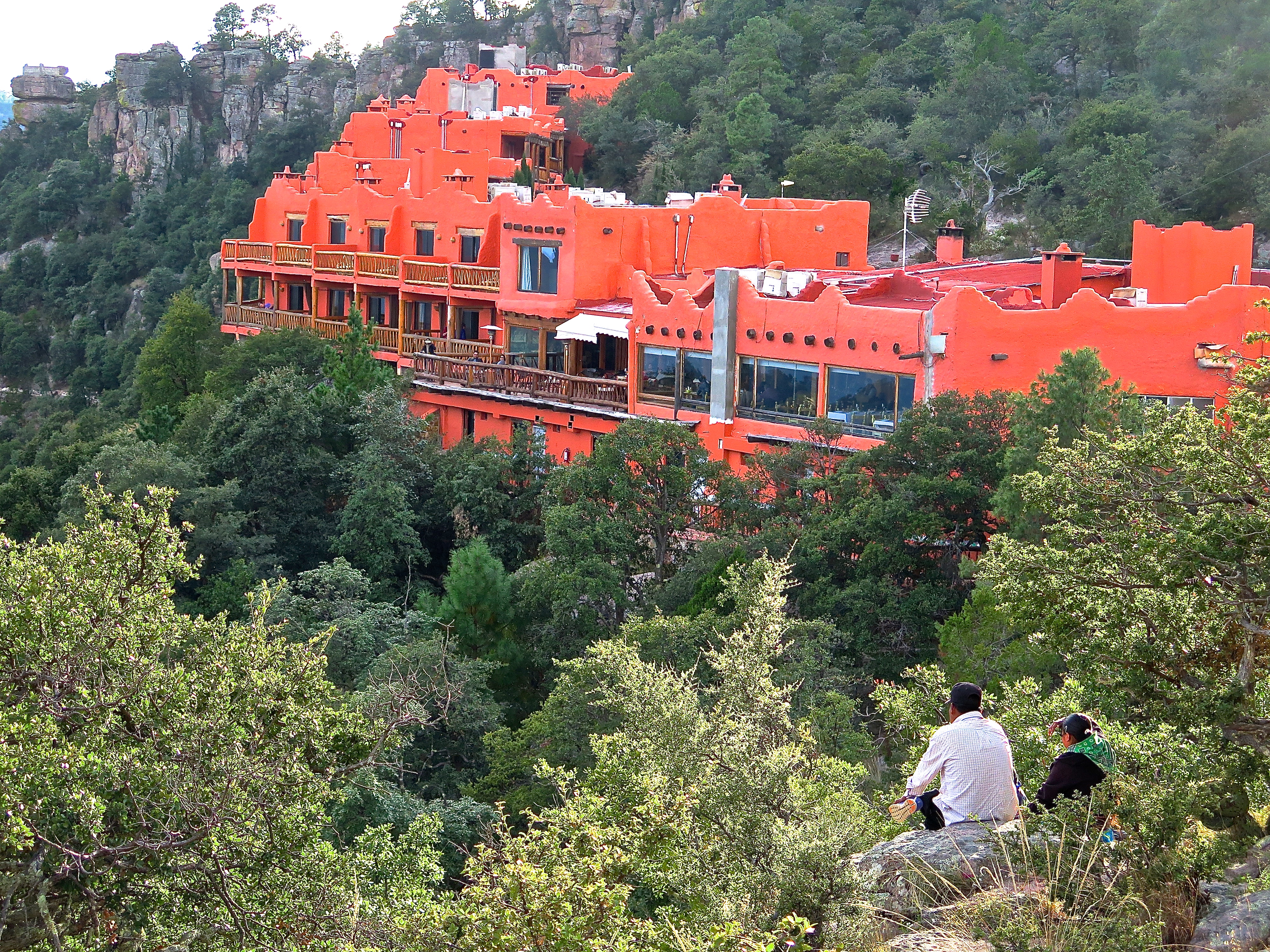
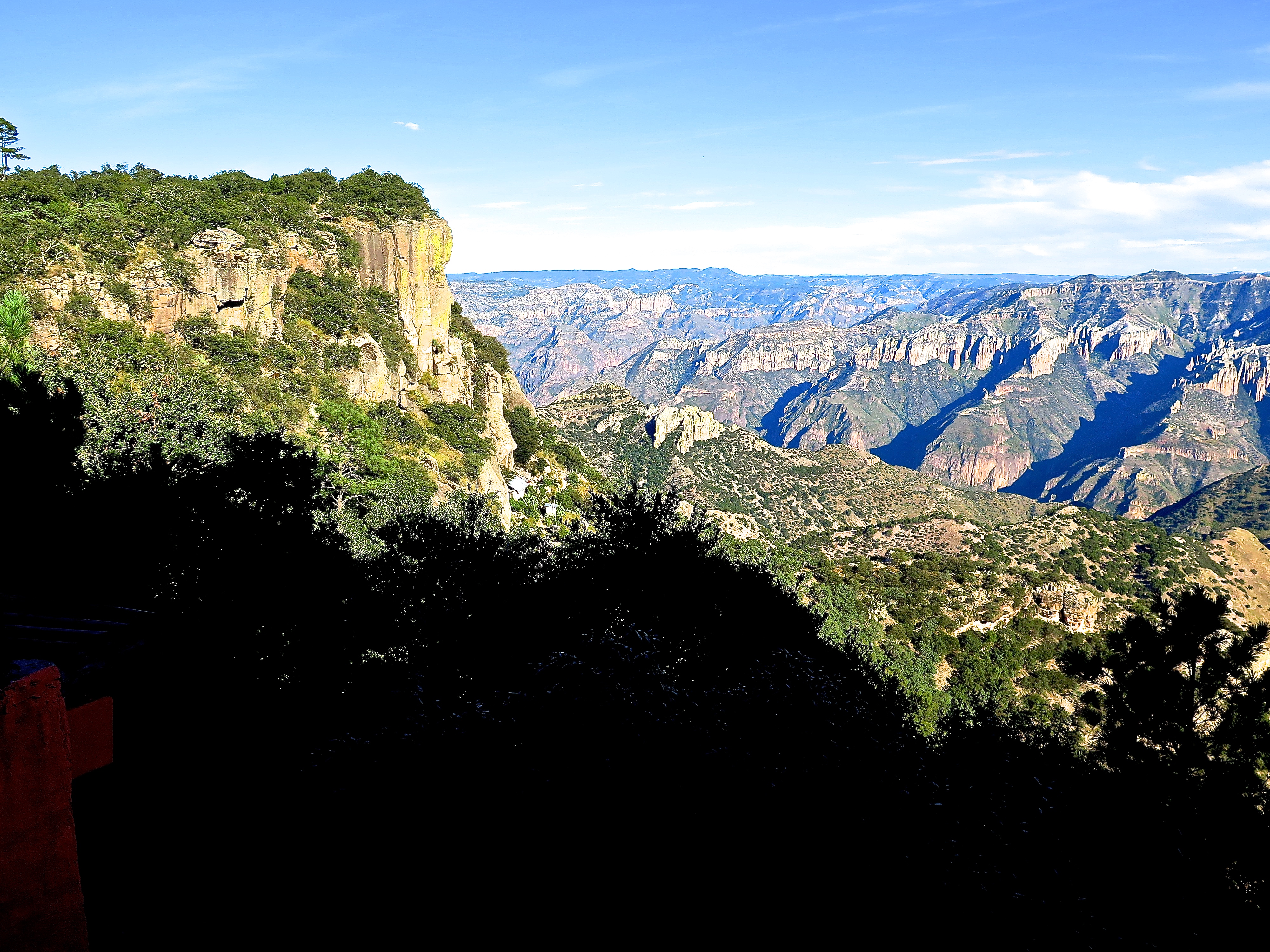
 At an elevation of 8000 feet the Mirador Posada Barrancas (Hotel Canyon View) … 

IMG_9394

at the very edge of the canyon

IMG_9479

IMG_9399

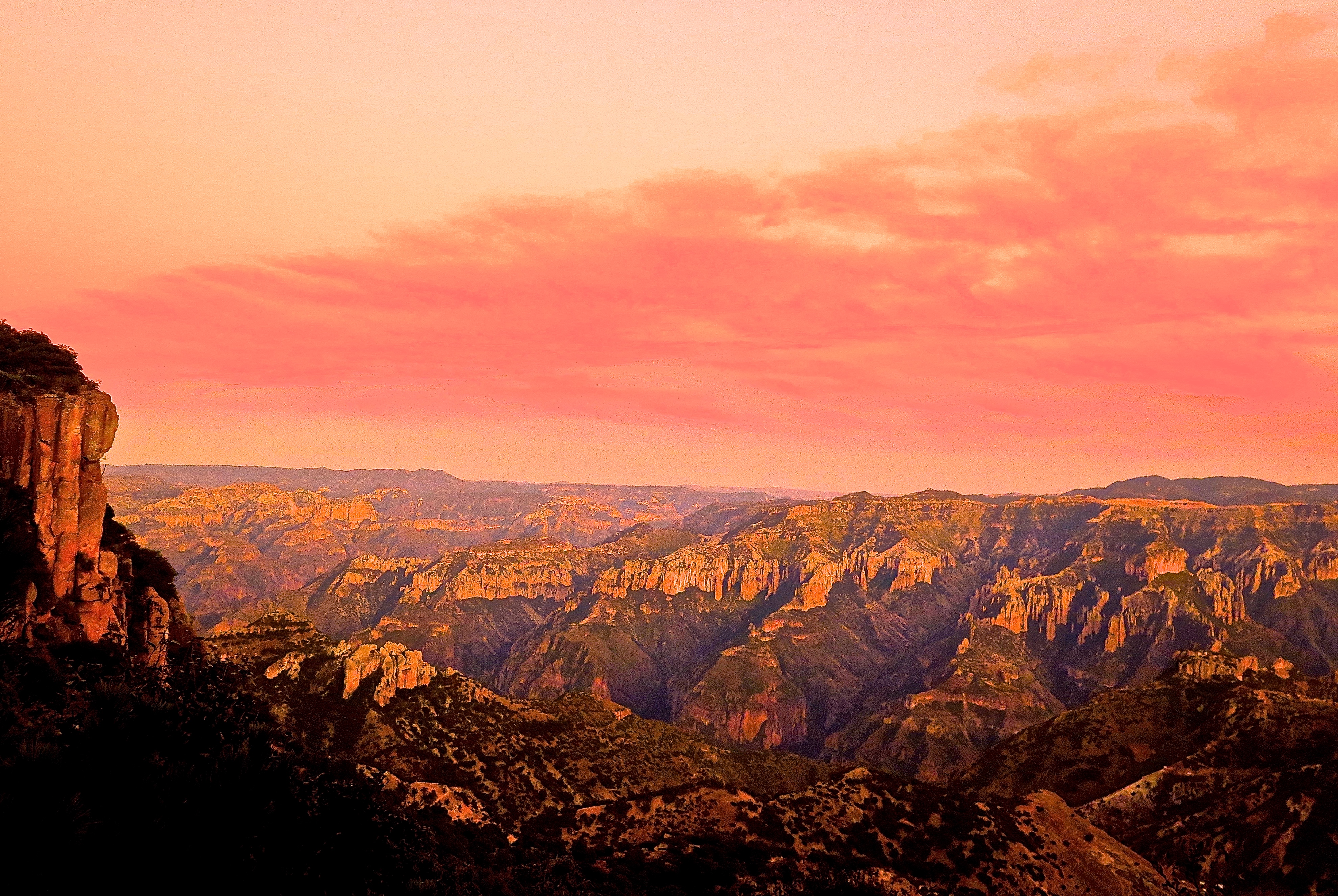
Our first morning – the spectacular view from our balcony changed almost by the hour with the movement of the sun. The Copper Canyon is actually made up of several spectacular canyons.

IMG_9461

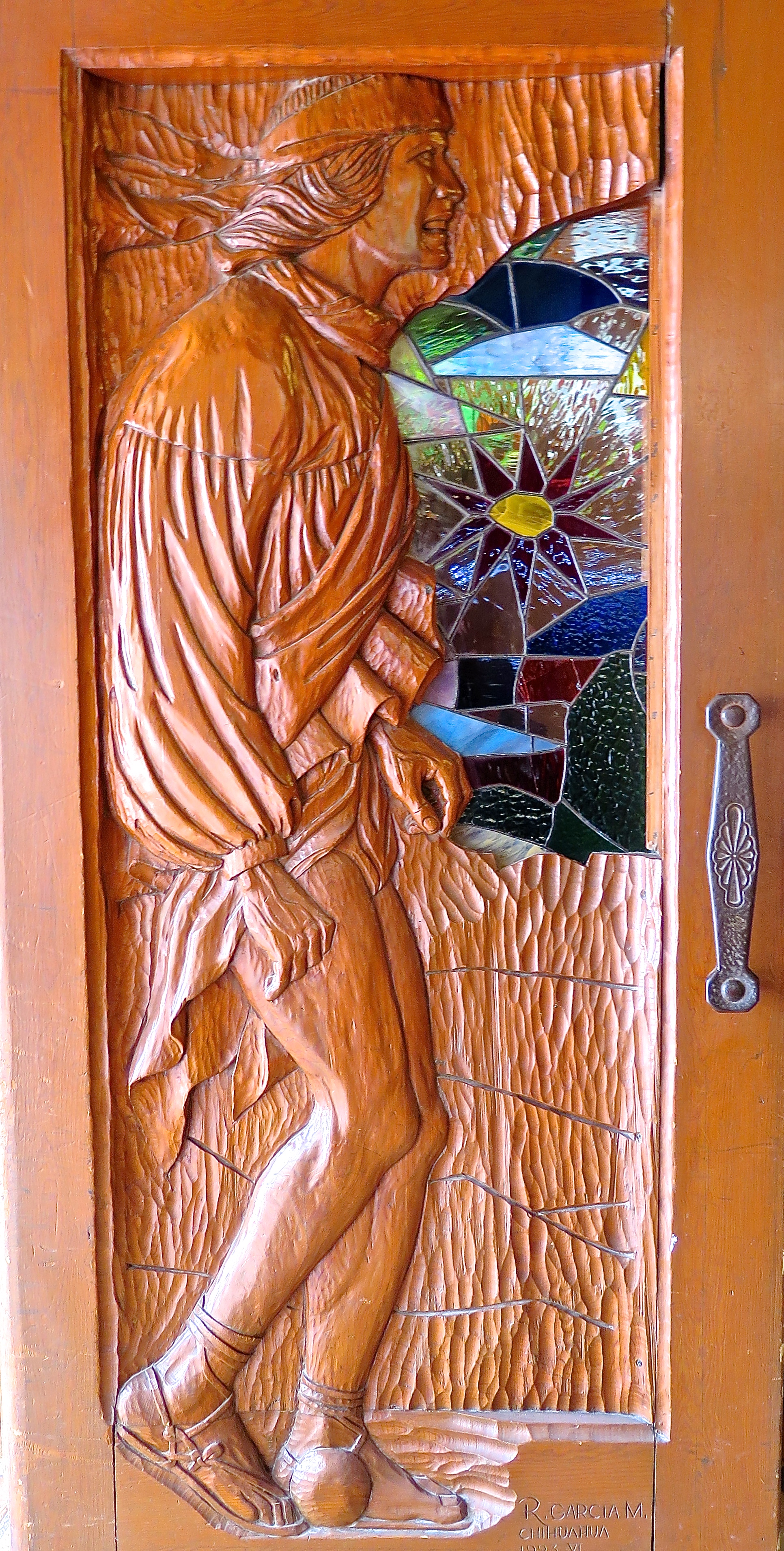
A beautifully carved door with stained glass accent

IMG_9469

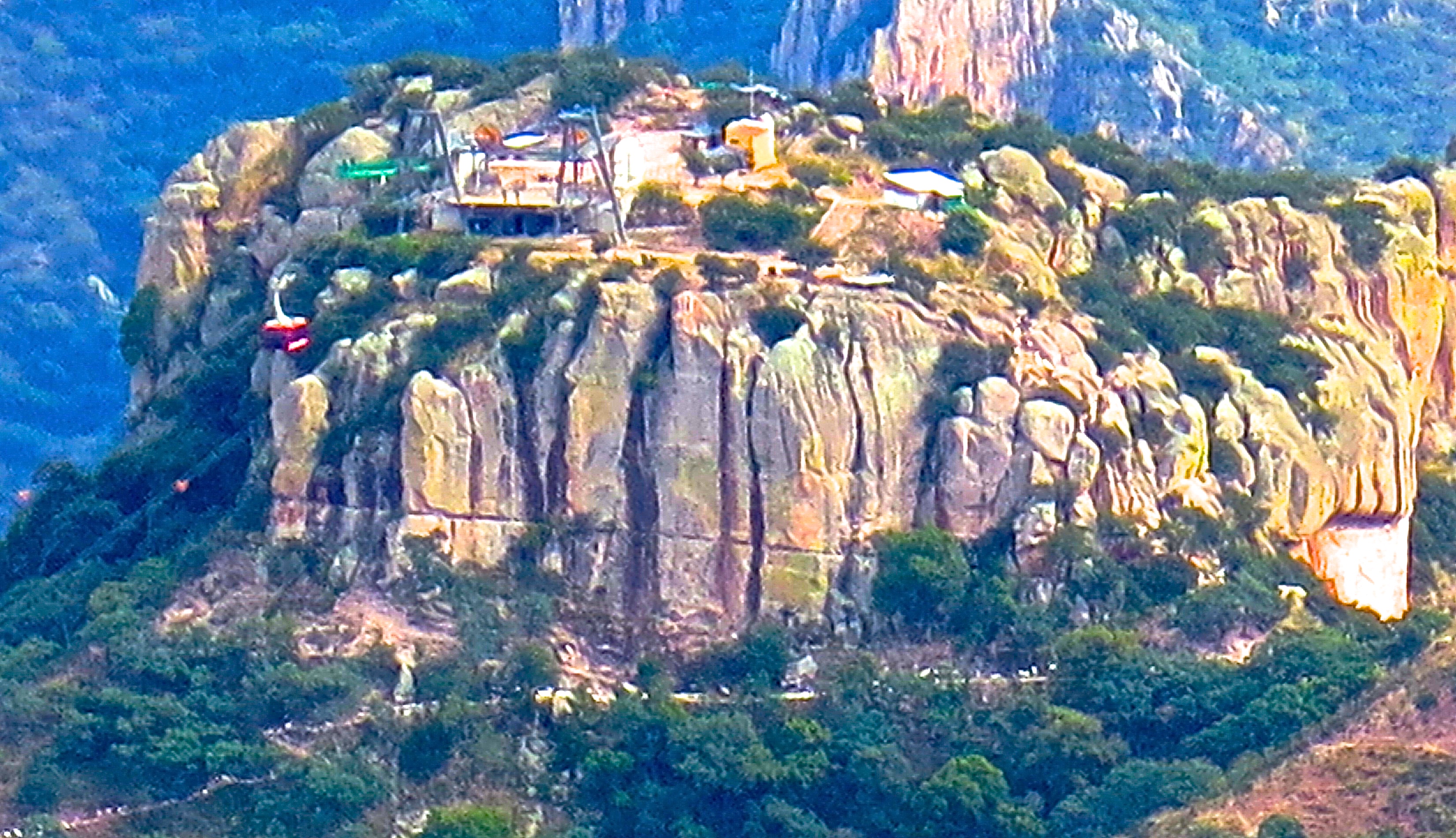
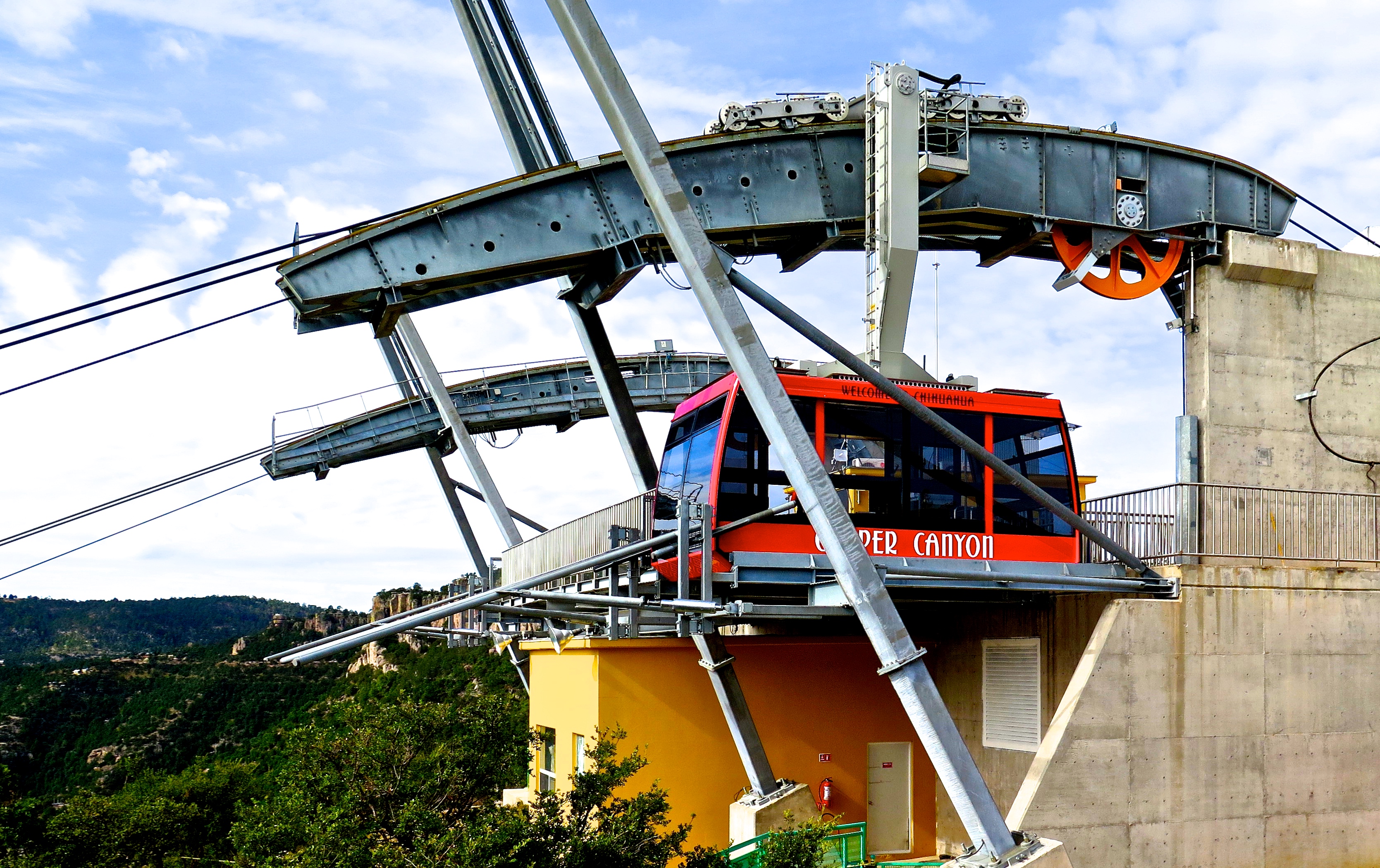
A cable car approaching the Adventure Park across from the hotel 

IMG_9425

IMG_9430

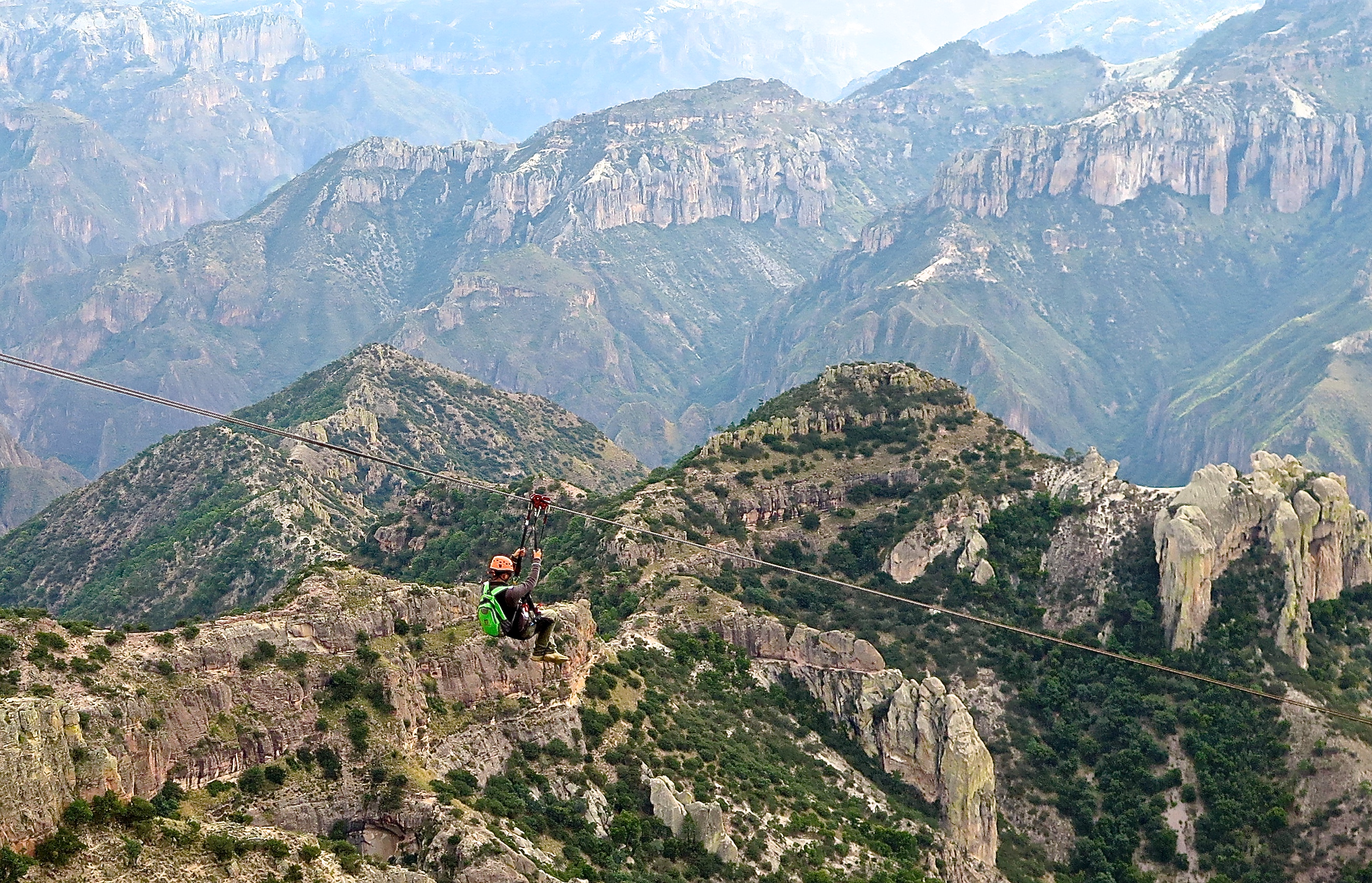
The zip line descending from the Adventure Park

IMG_9460

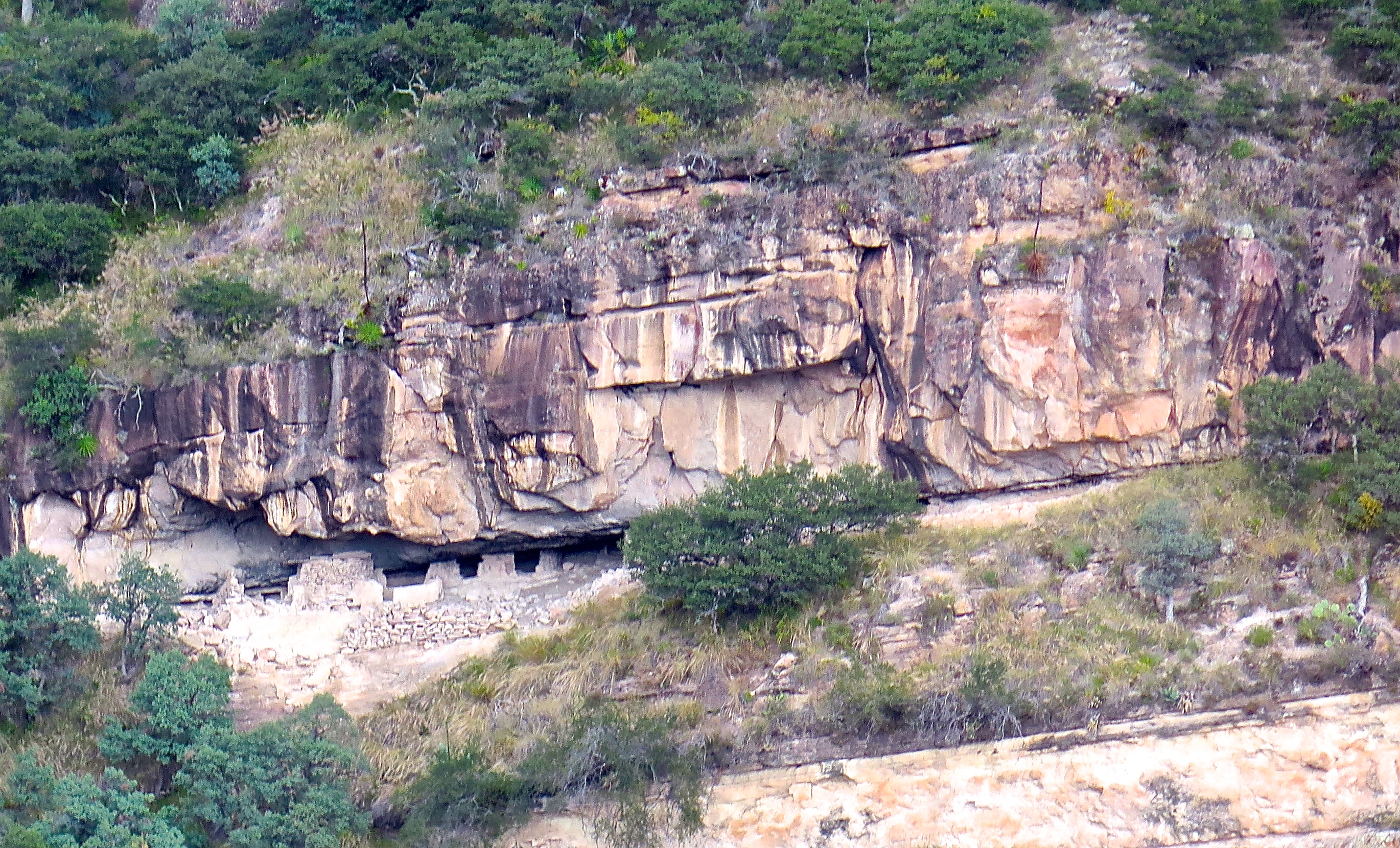
The black openings under the overhand are Tarahumara cave dwellings seen from the cable car

IMG_9451

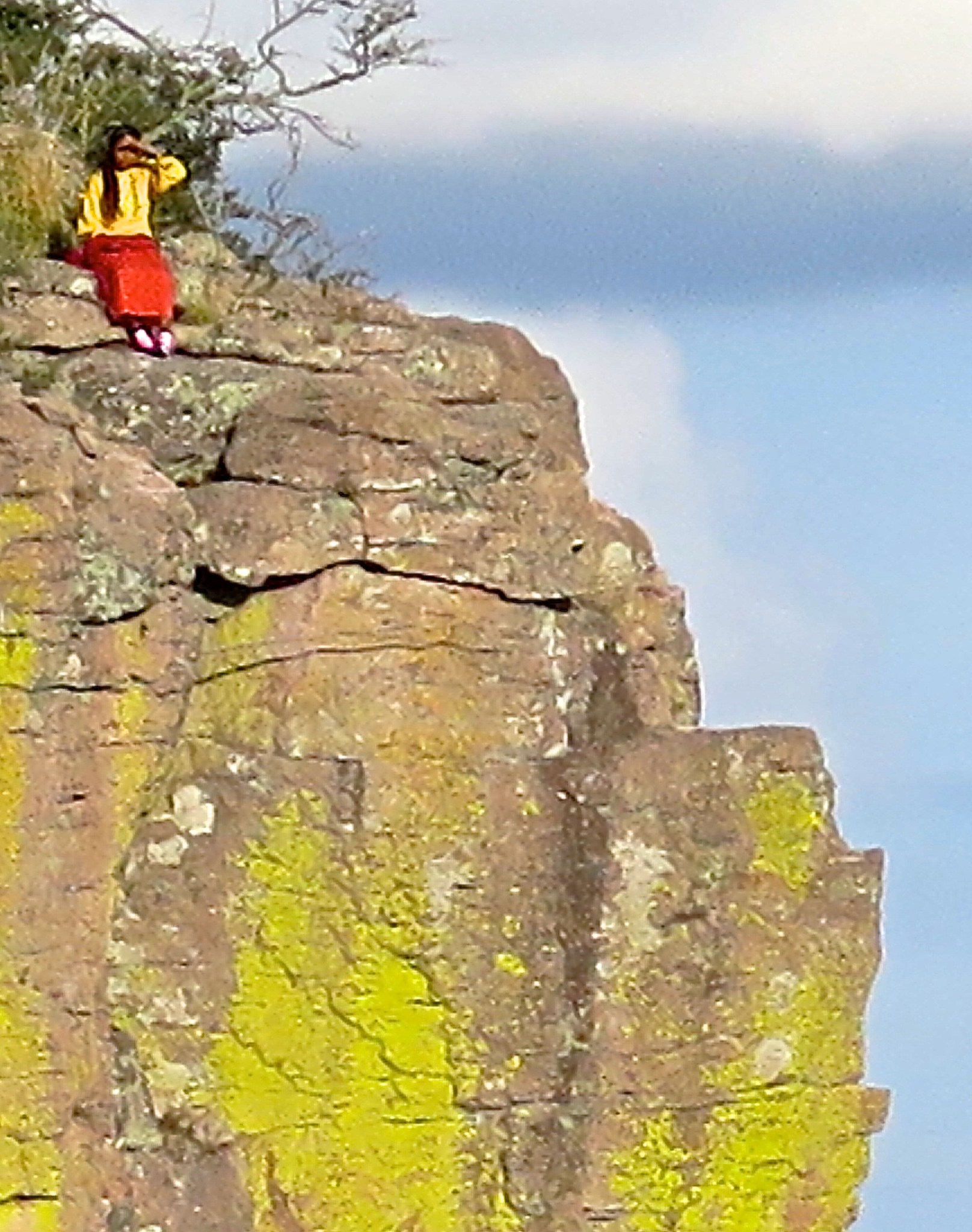
Fearless mother and daughter sitting at the very edge of the Adventure Park


IMG_9411

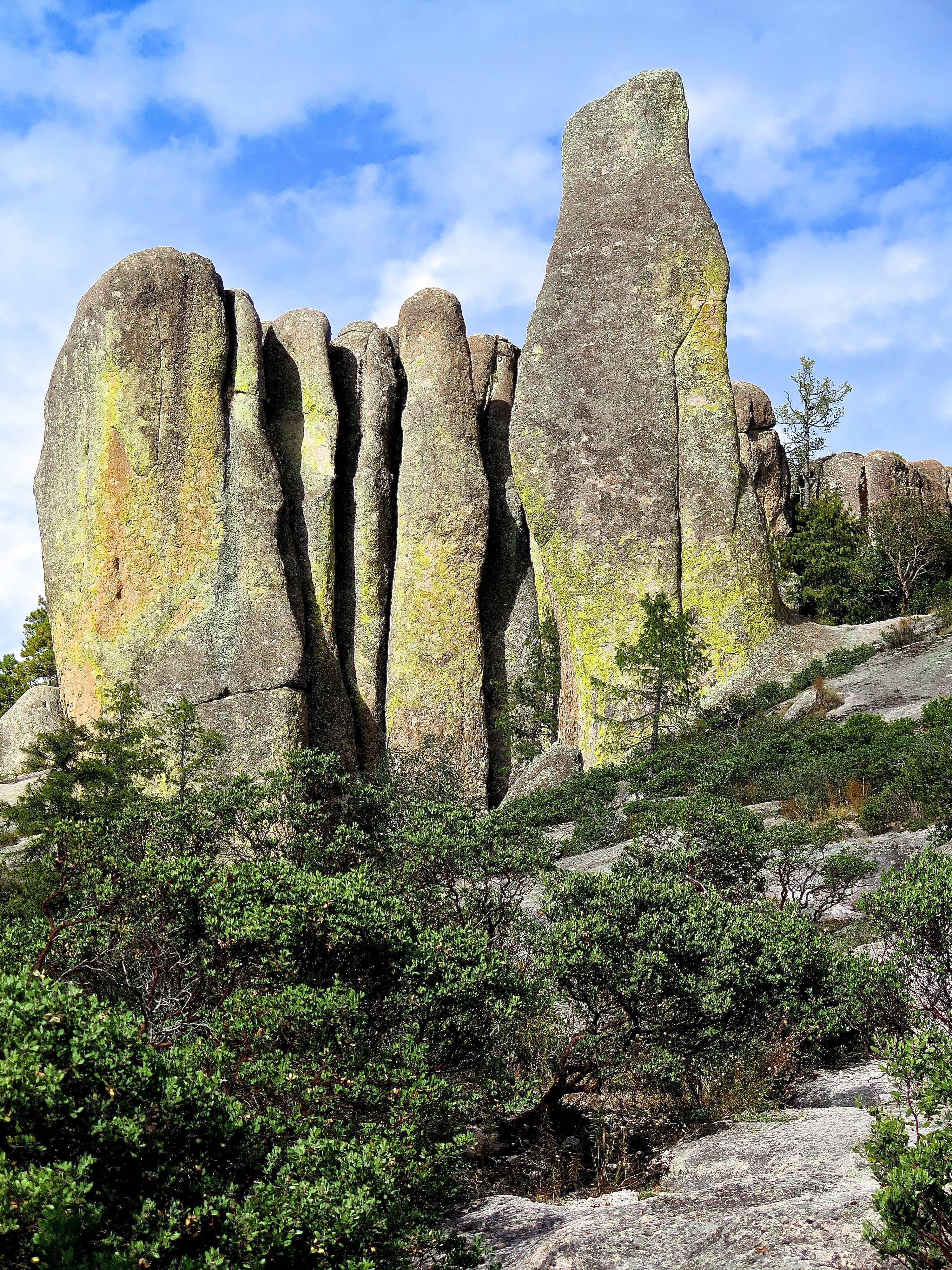
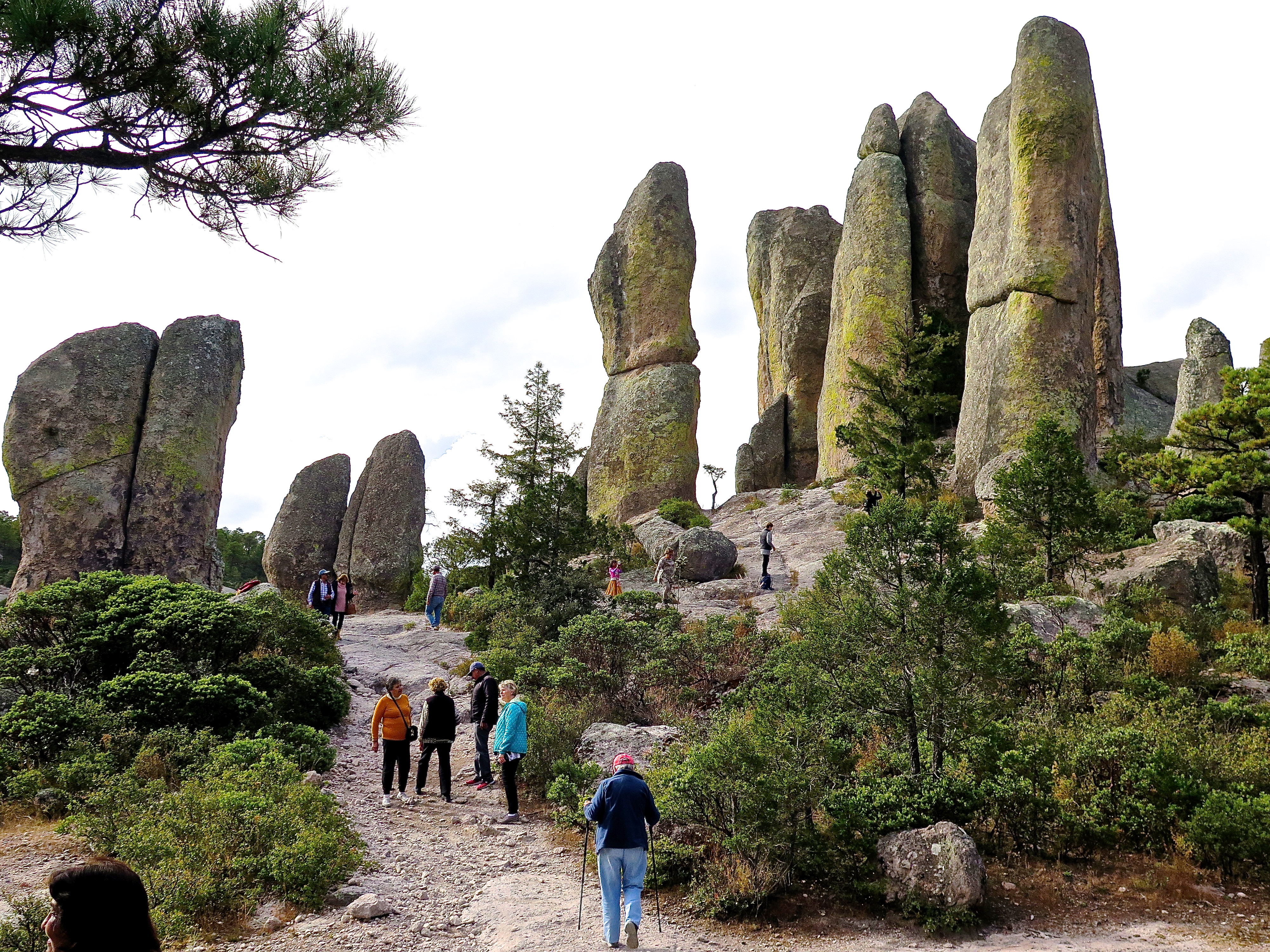
Some of the gigantic rock formations in the Valley of the Monks

IMG_9412

Barbara and the others give perspective on the scale of the “monks”

IMG_9484

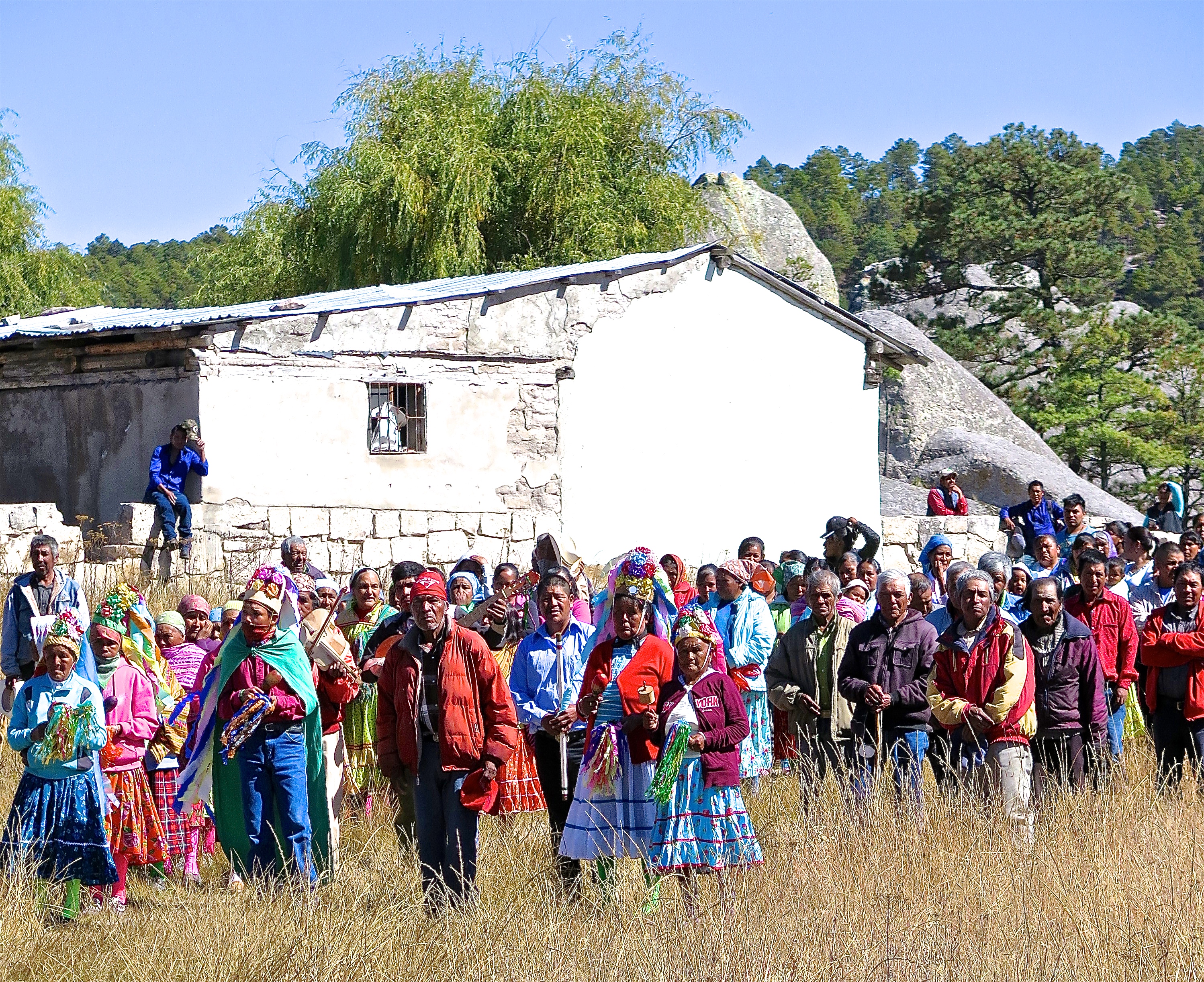
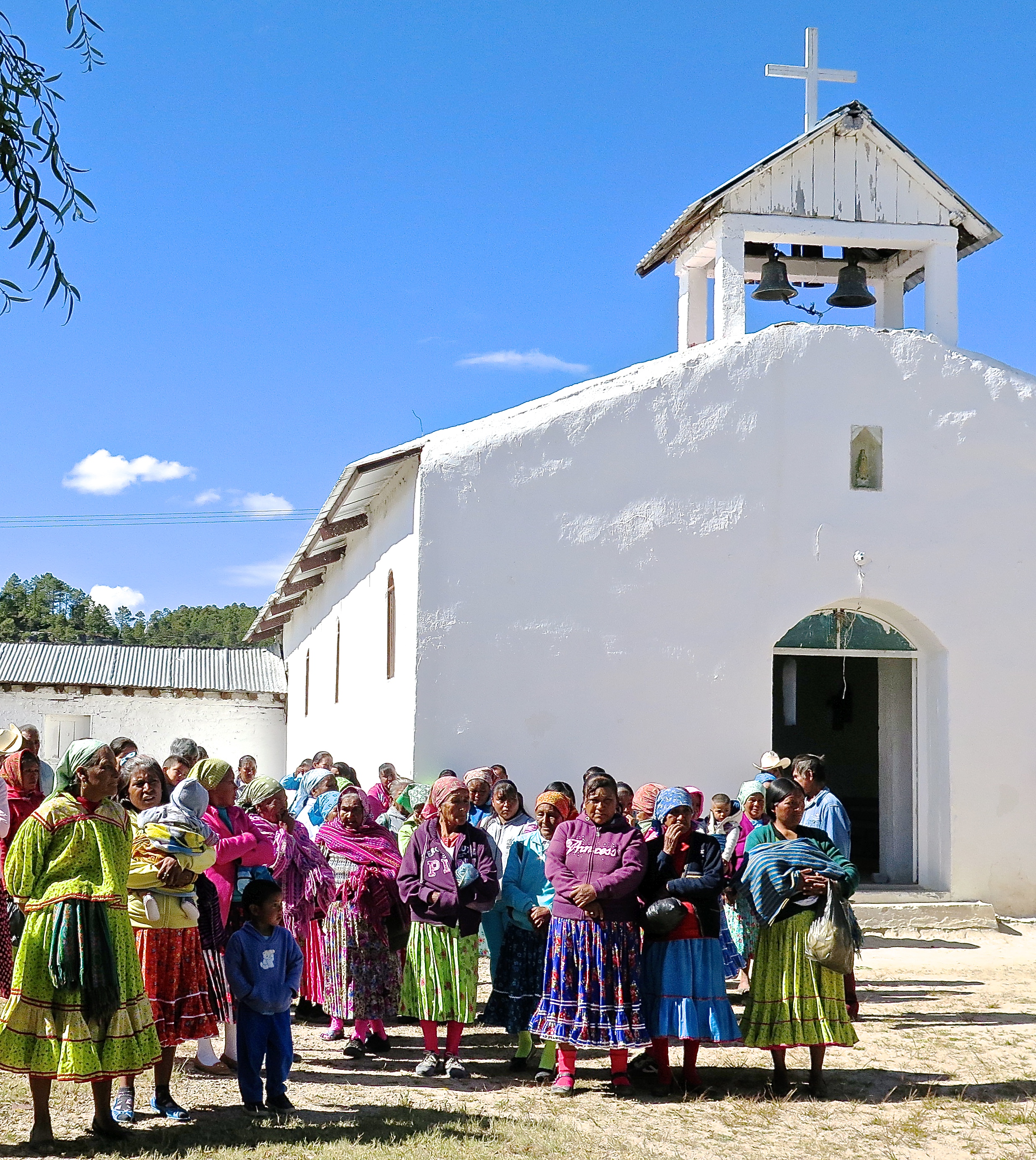
The entire population of this remote Tarahumara village including infants came out to meet us eye to eye which is unusual for these people

IMG_9492

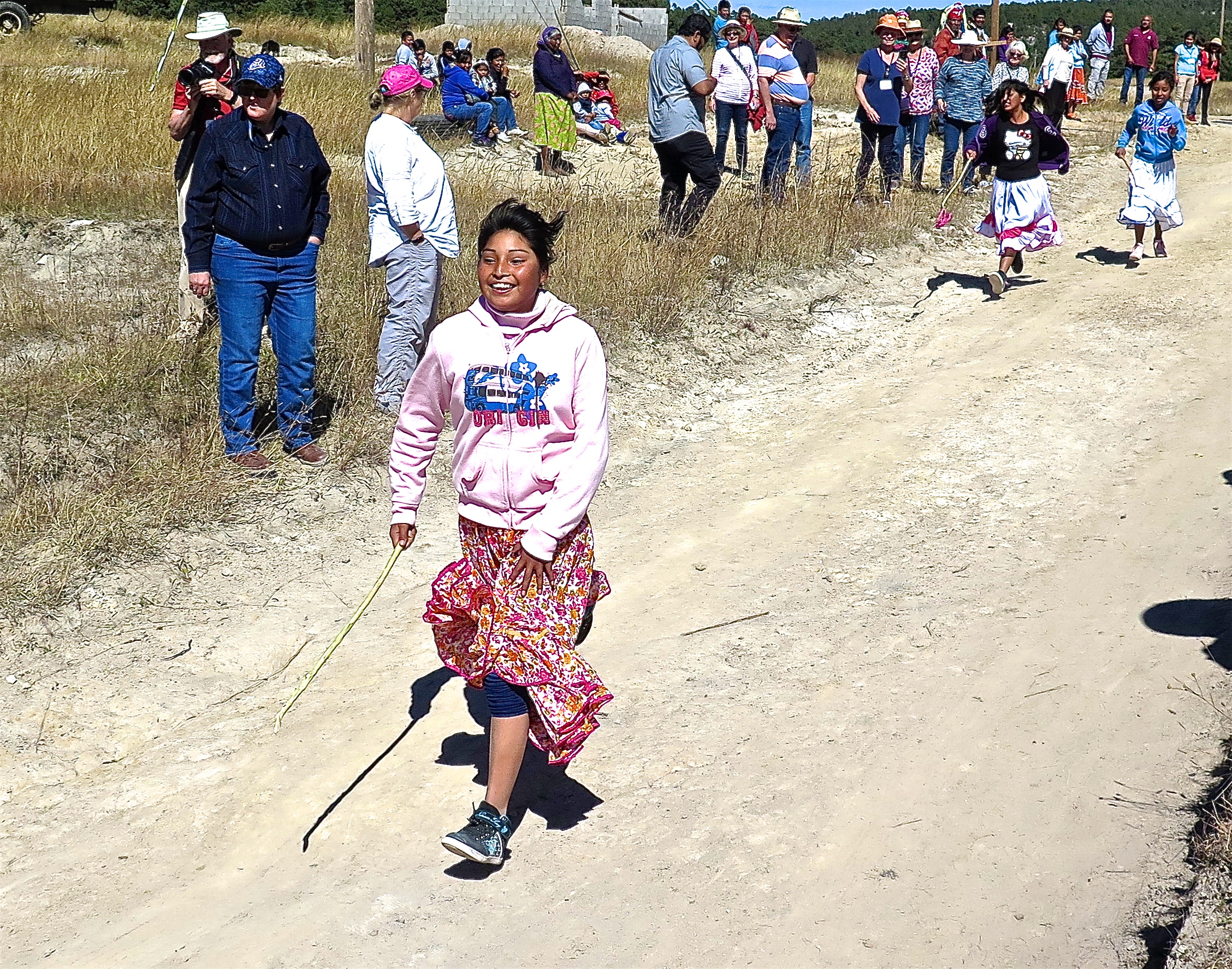
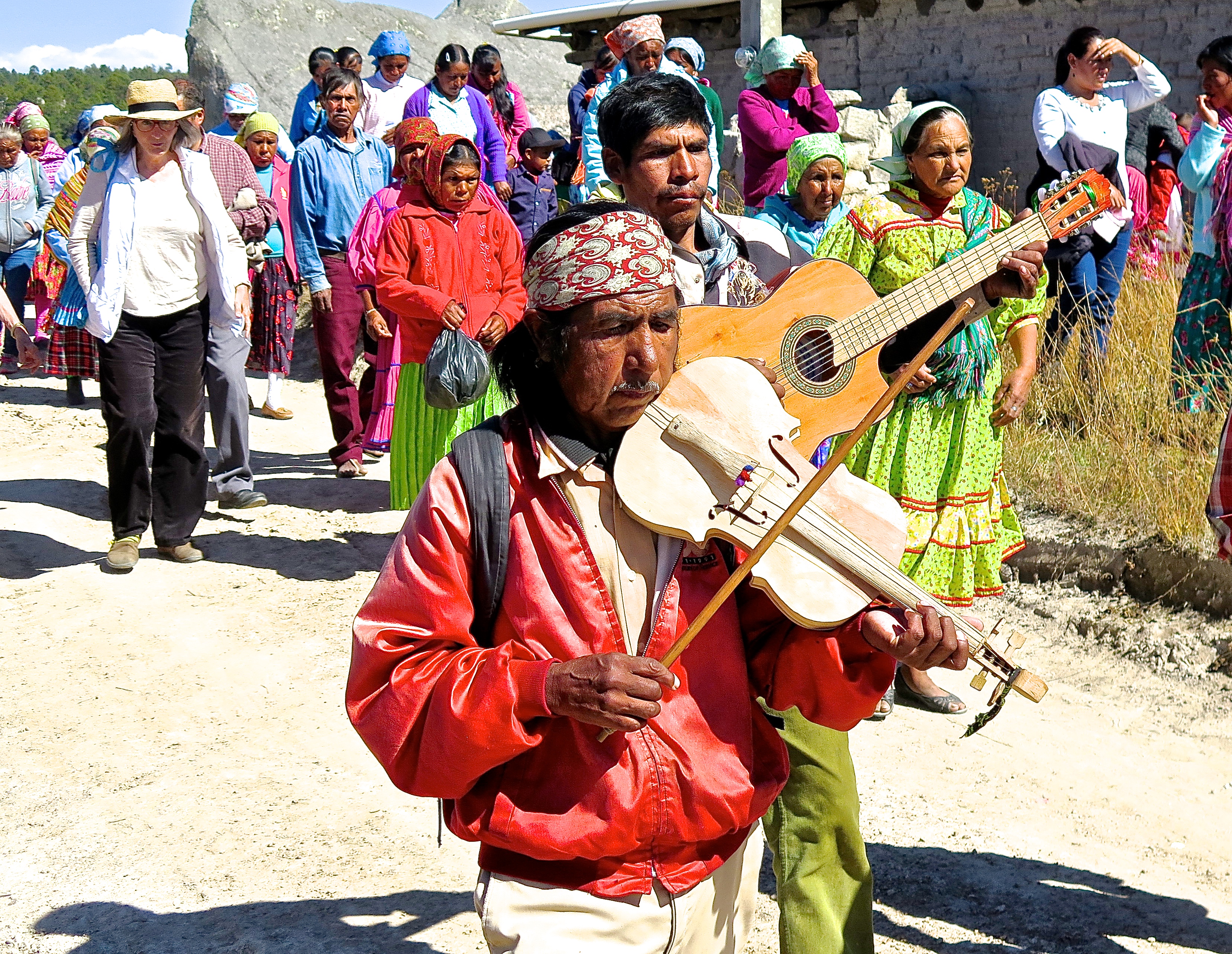
The Tarahumara are world famous long distance runners. This girl carries a stick to pick up a small cloth circle that she continually throws ahead of her as she runs. Boys kick a small wooden ball ahead of them.

IMG_9501

Many Tarahumara make the instruments they play

IMG_9503

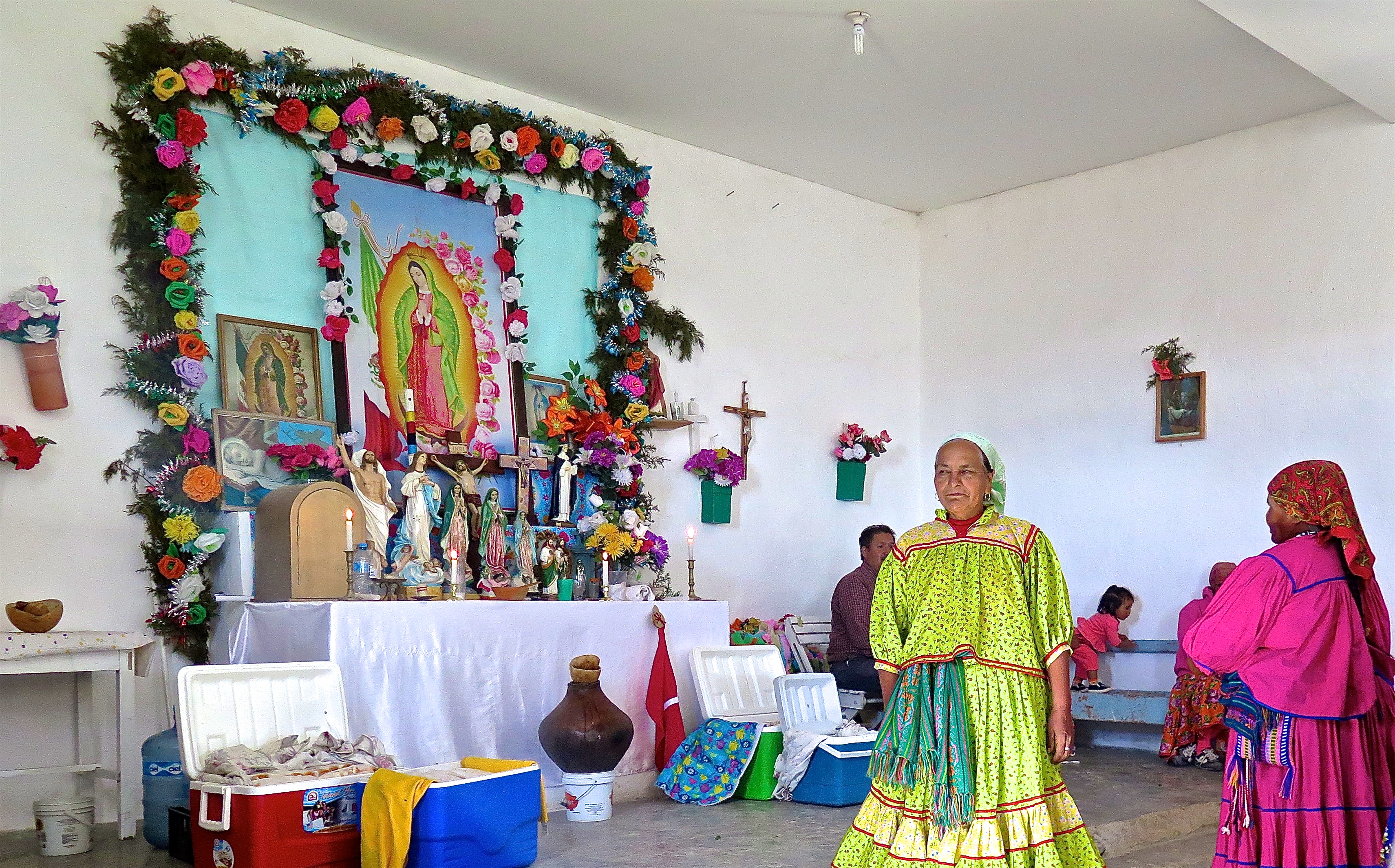
Inside the church in which women performed a traditional dance

IMG_9504

Women, elderly always first, line up to receive the food we brought

IMG_9524

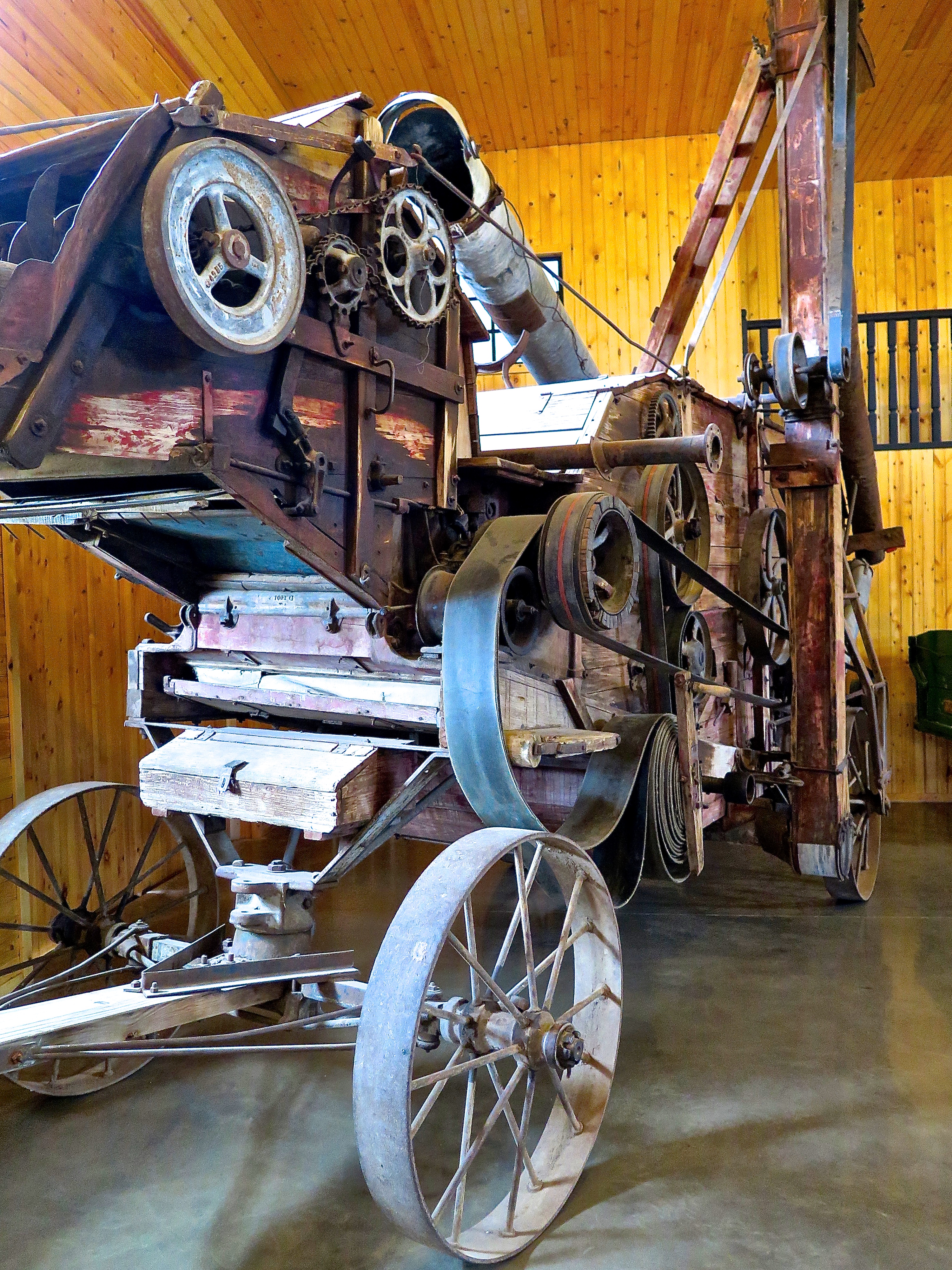
An amazingly complex harvesting rig at the Mennonite Museum, Cuauhtemoc City, Chihuahua

IMG_9526
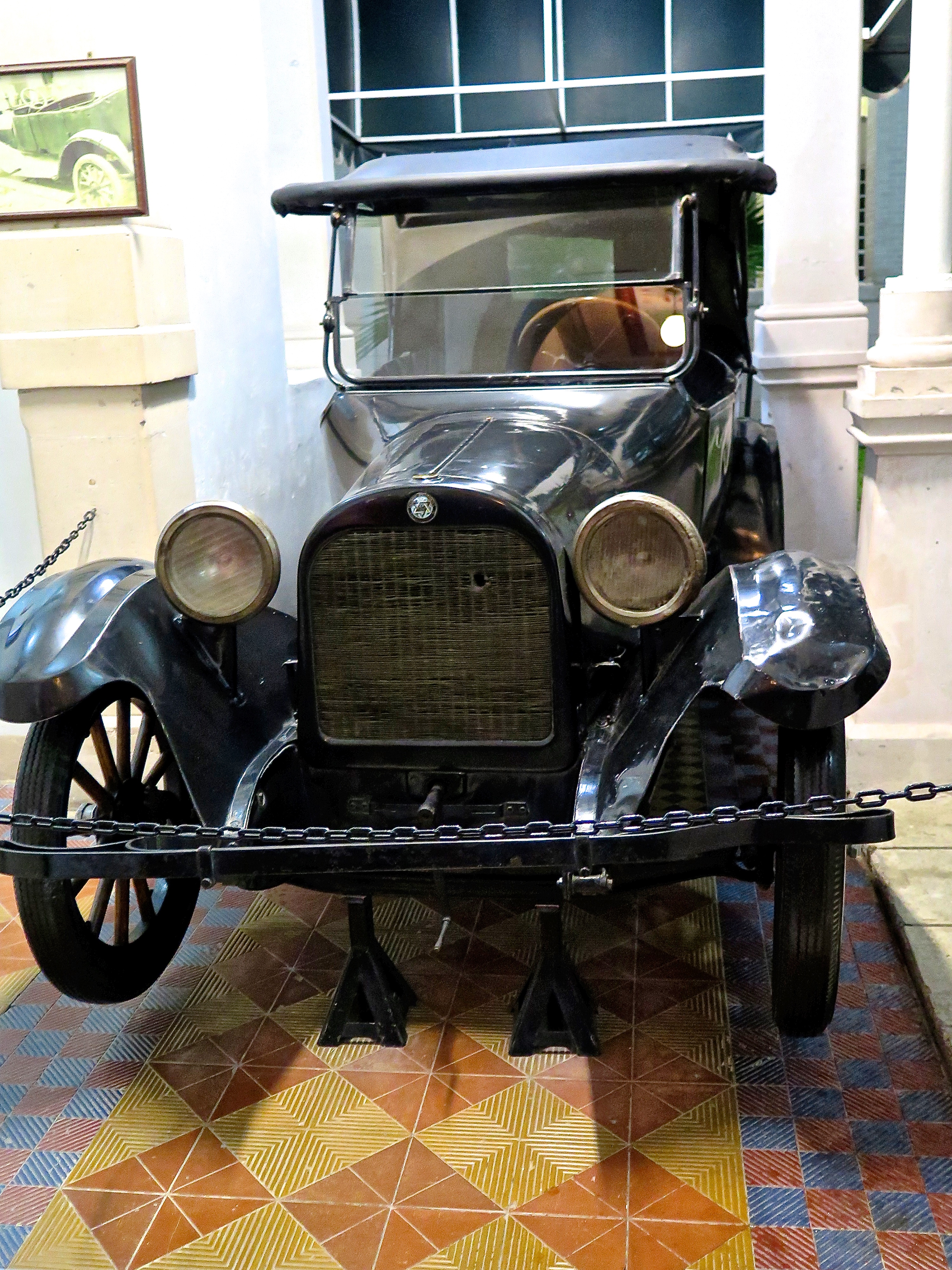
The Dodge automobile in which Mexican Revolutionary leader Pancho Villa was assassinated in a hale of bullets in 1923 now in his home in Chihuahua City.

Penthouse Gallery

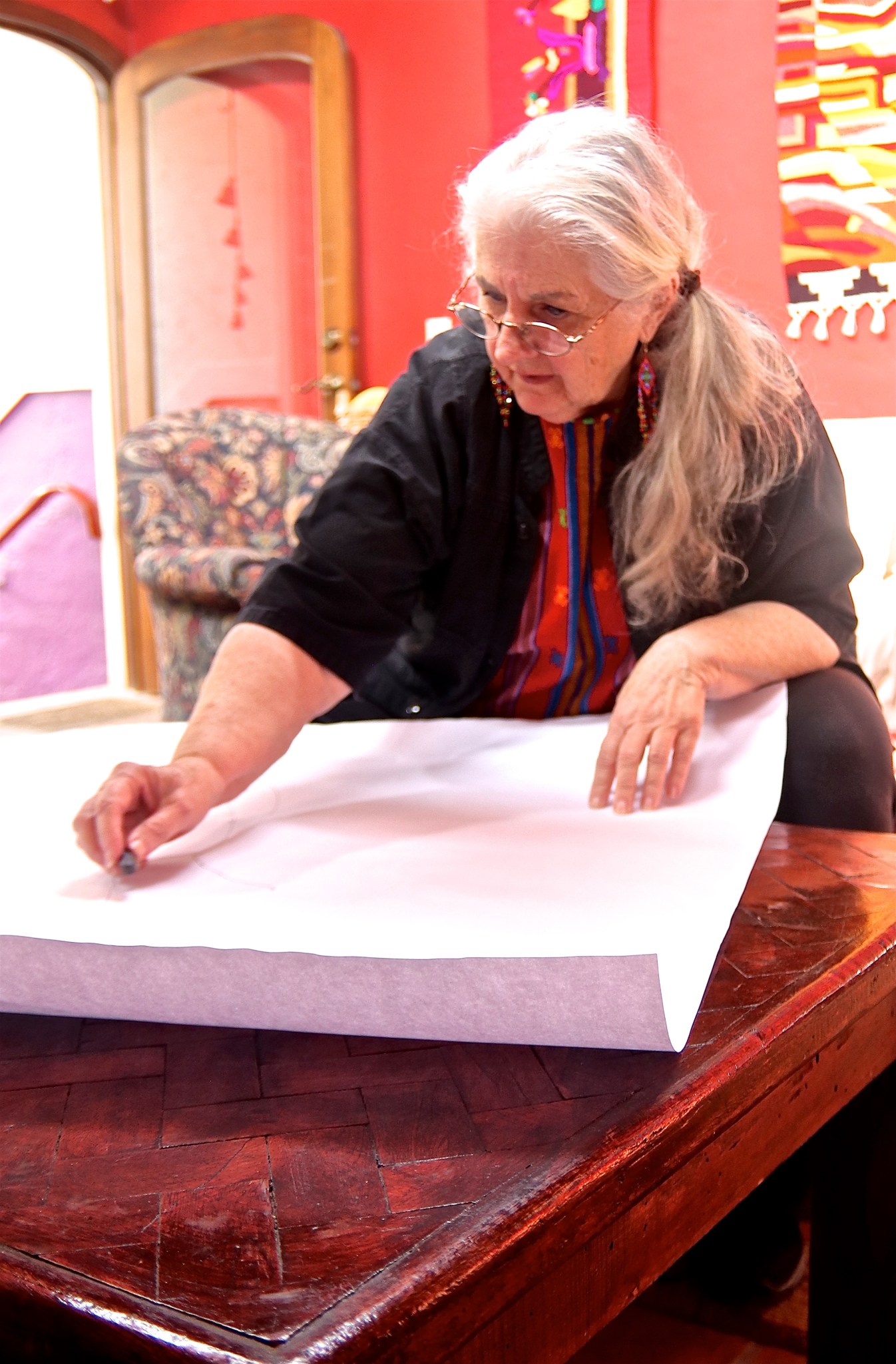
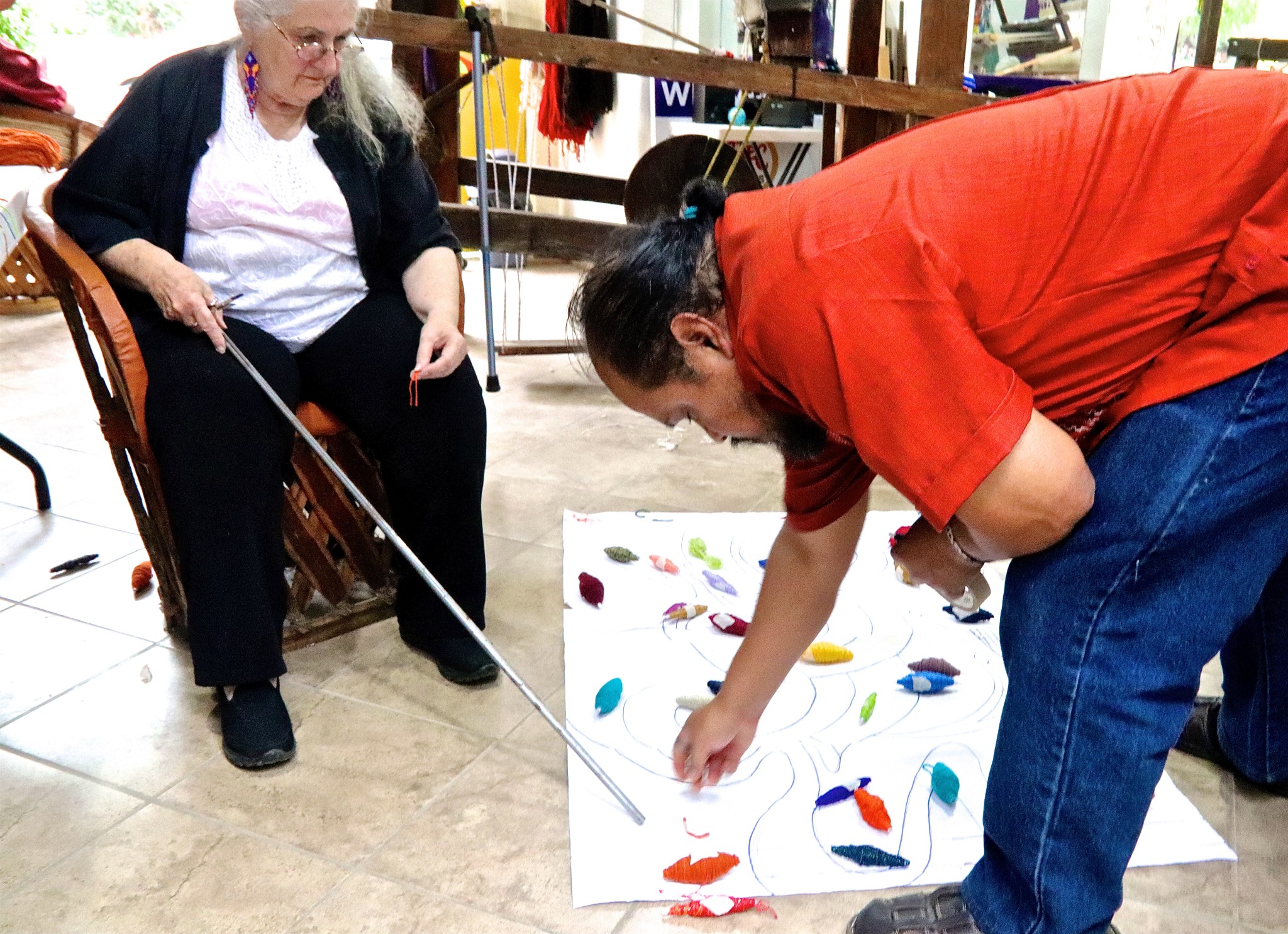
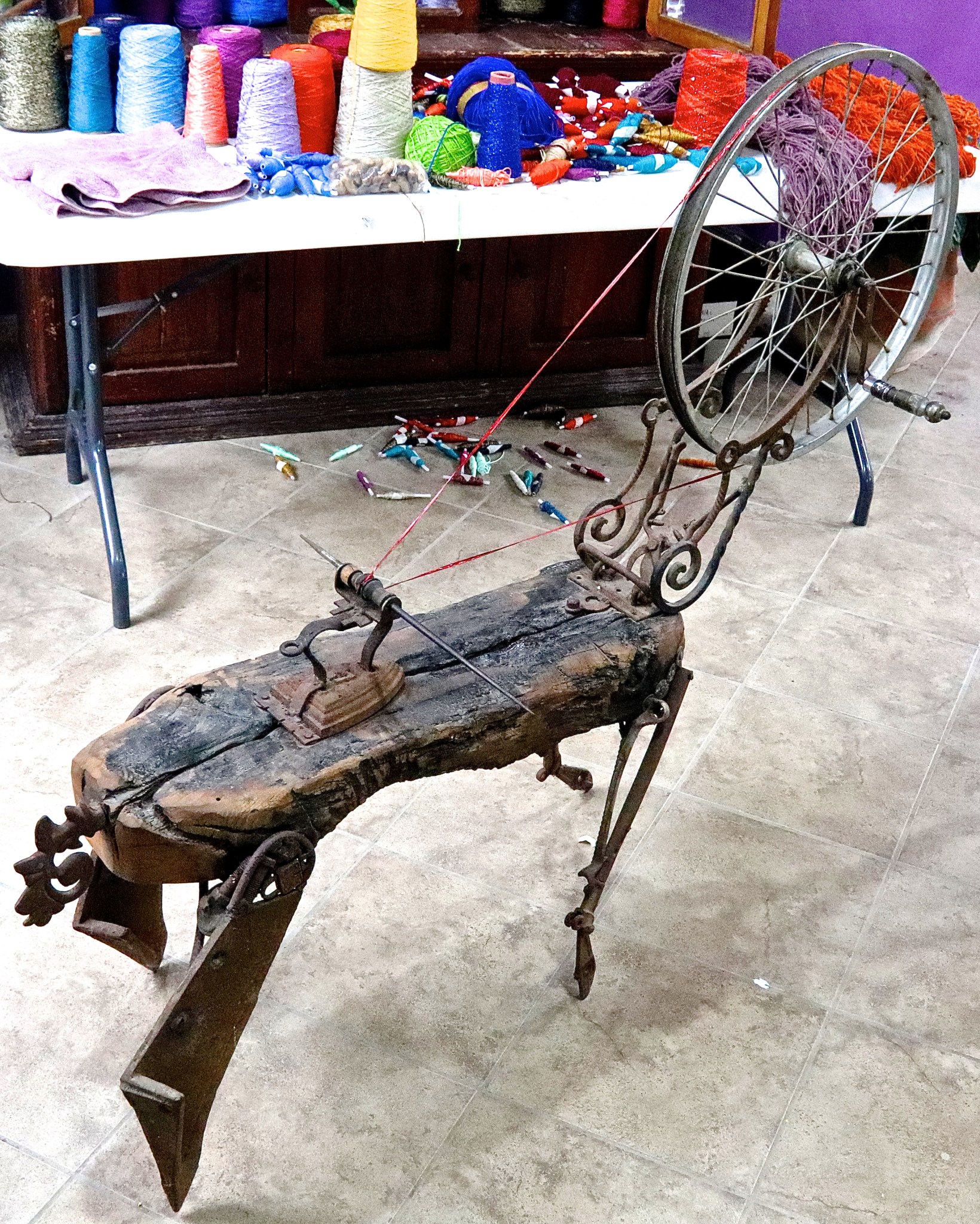
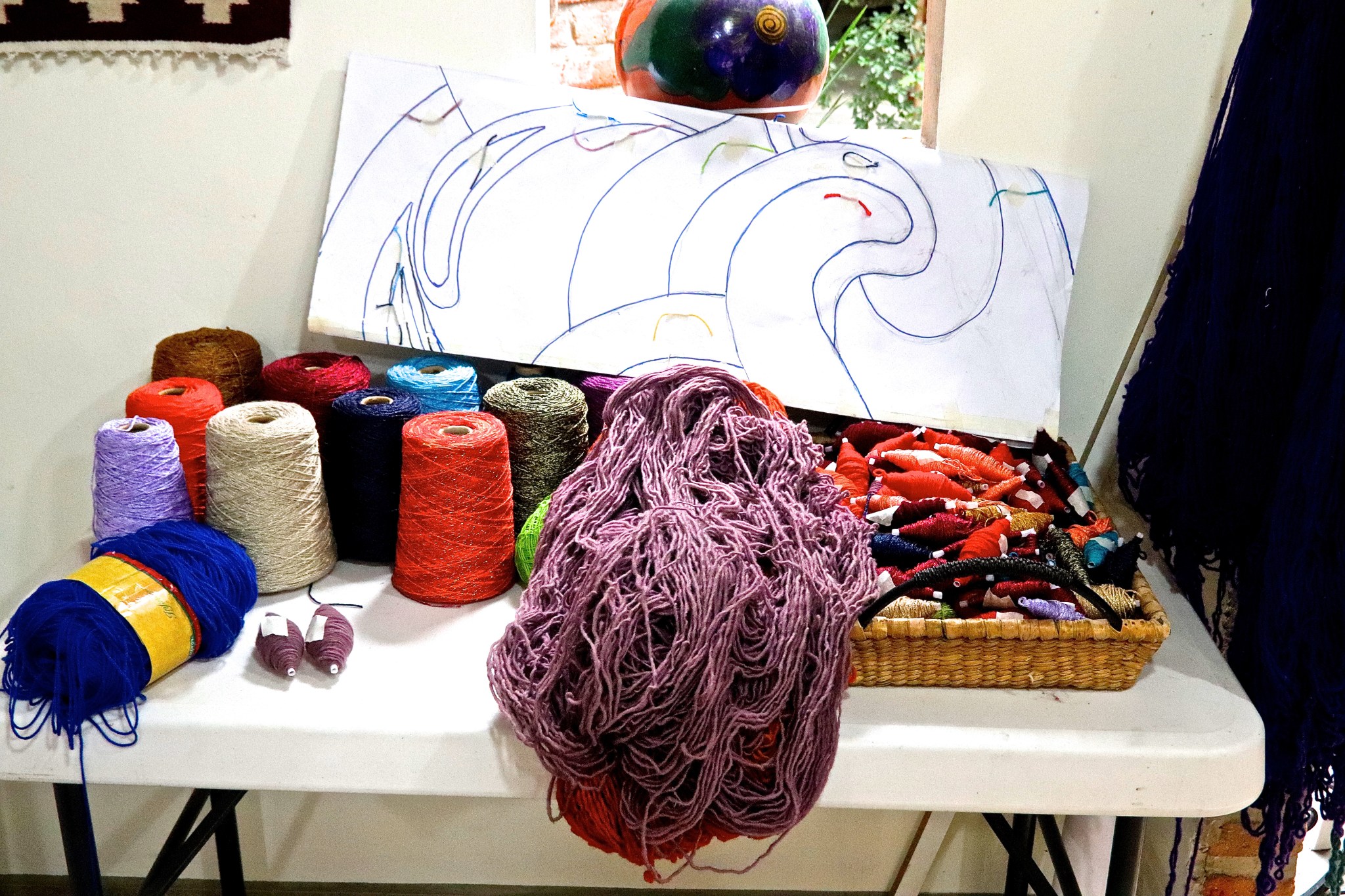
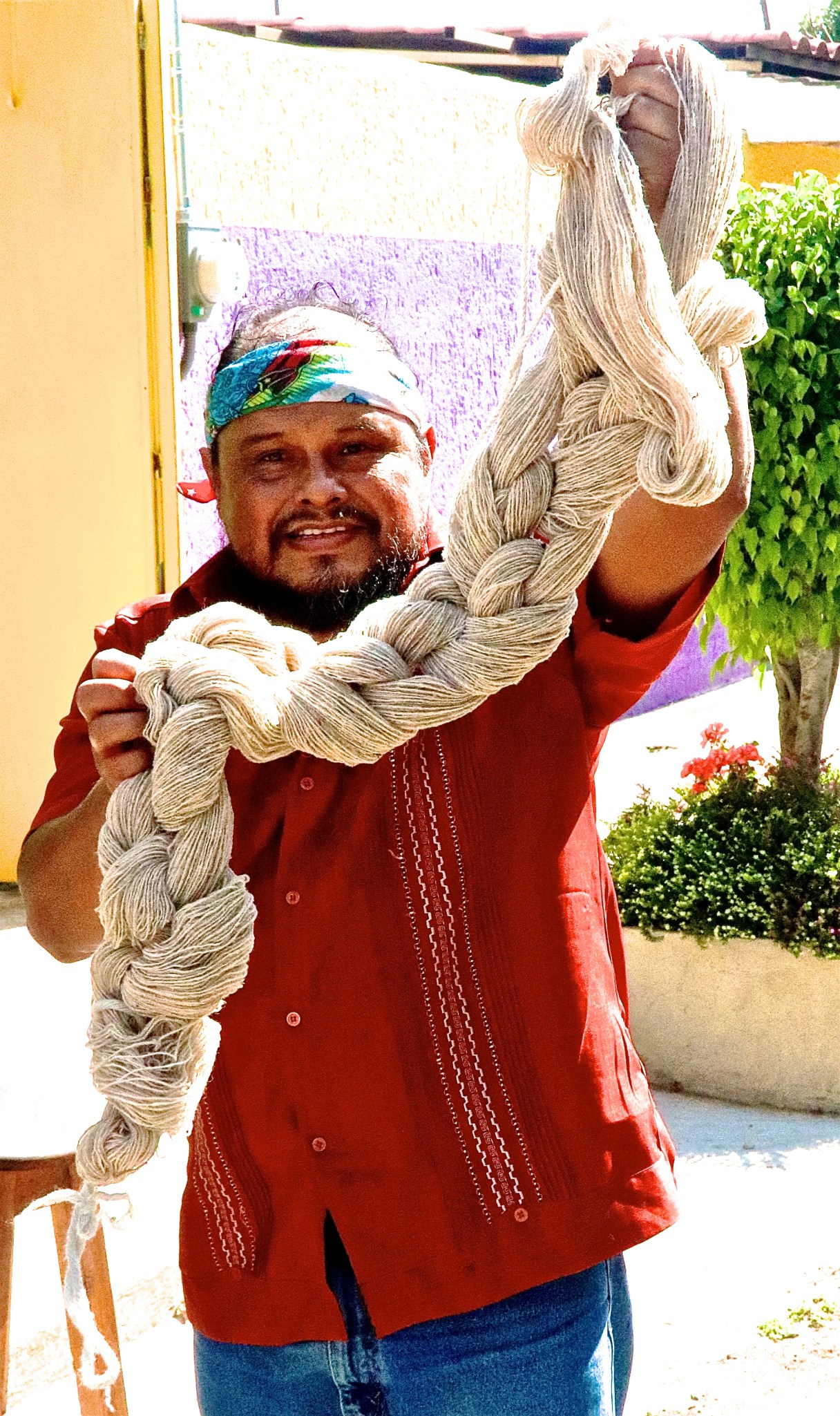
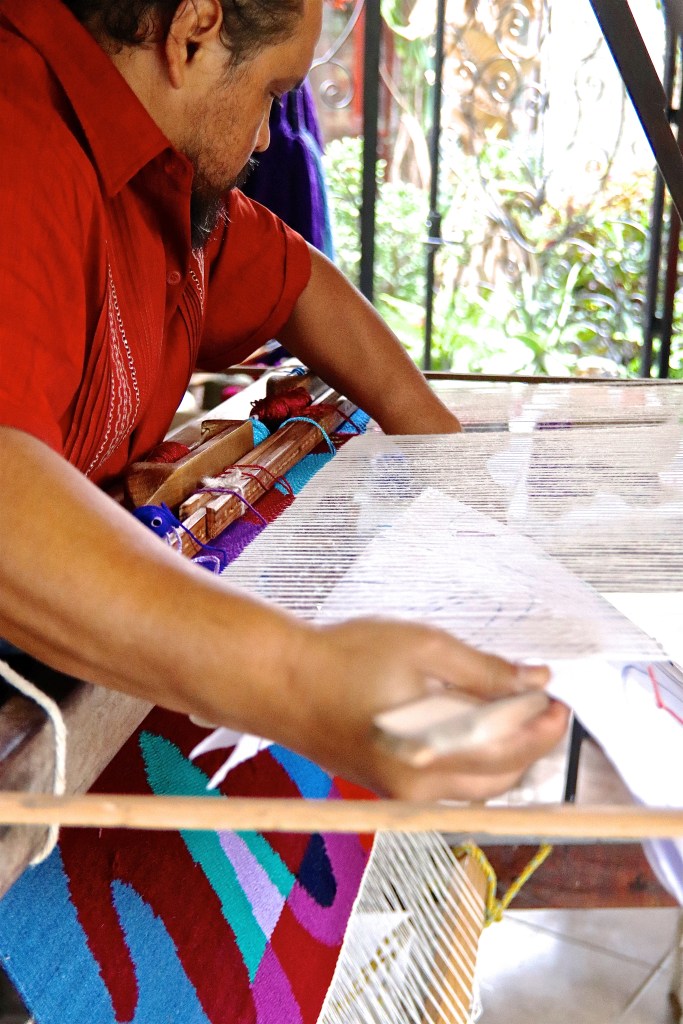
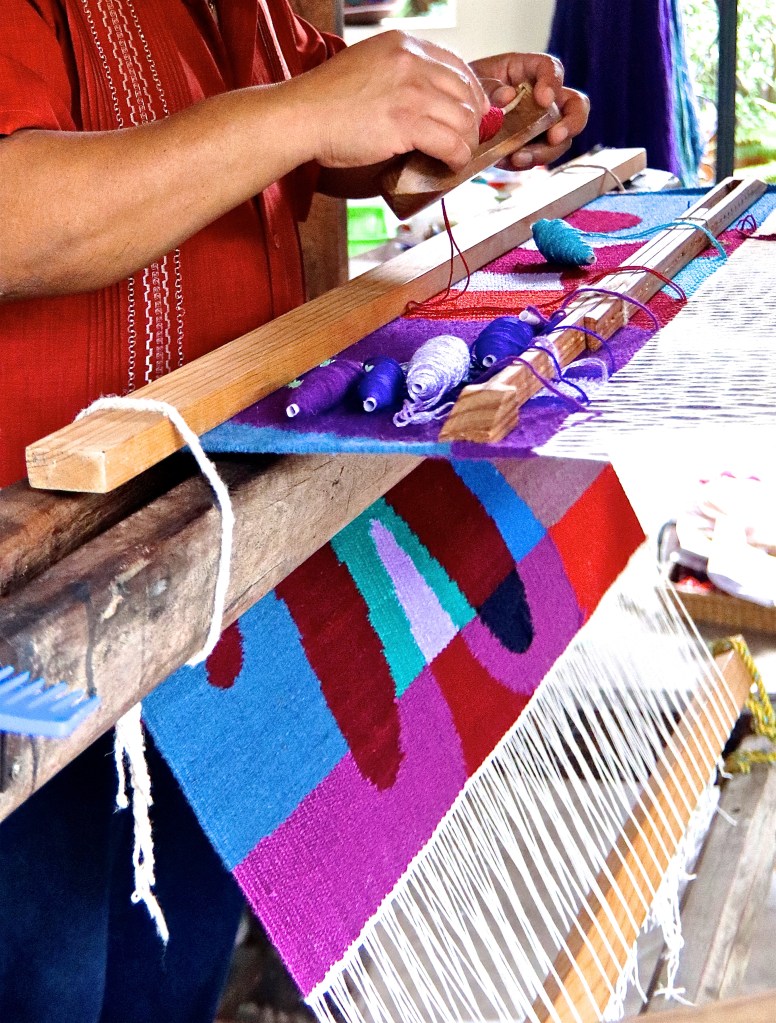
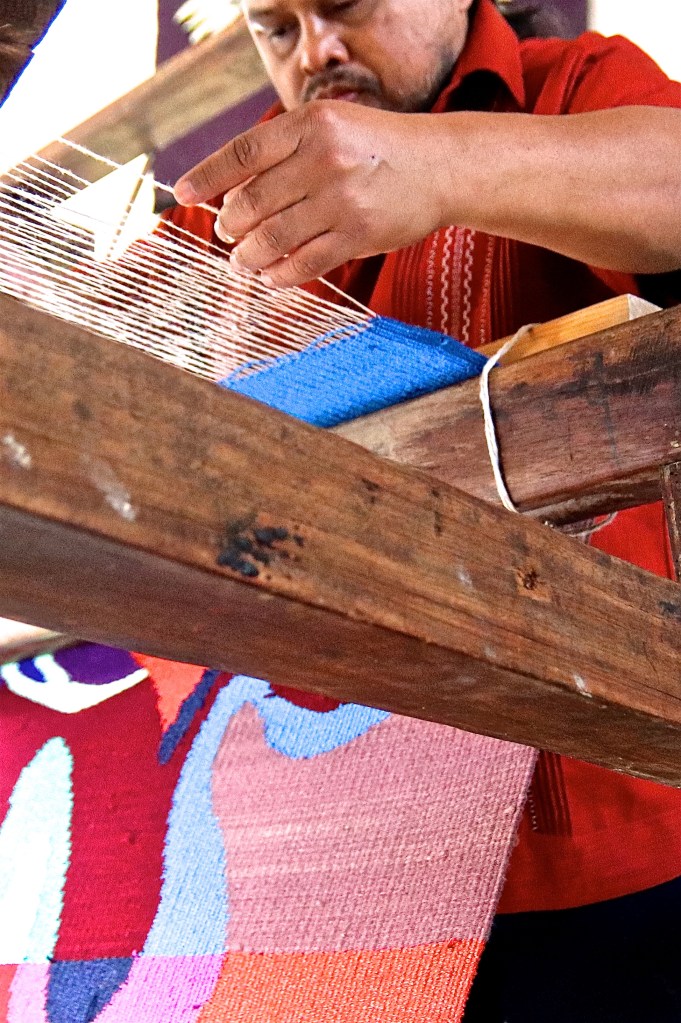
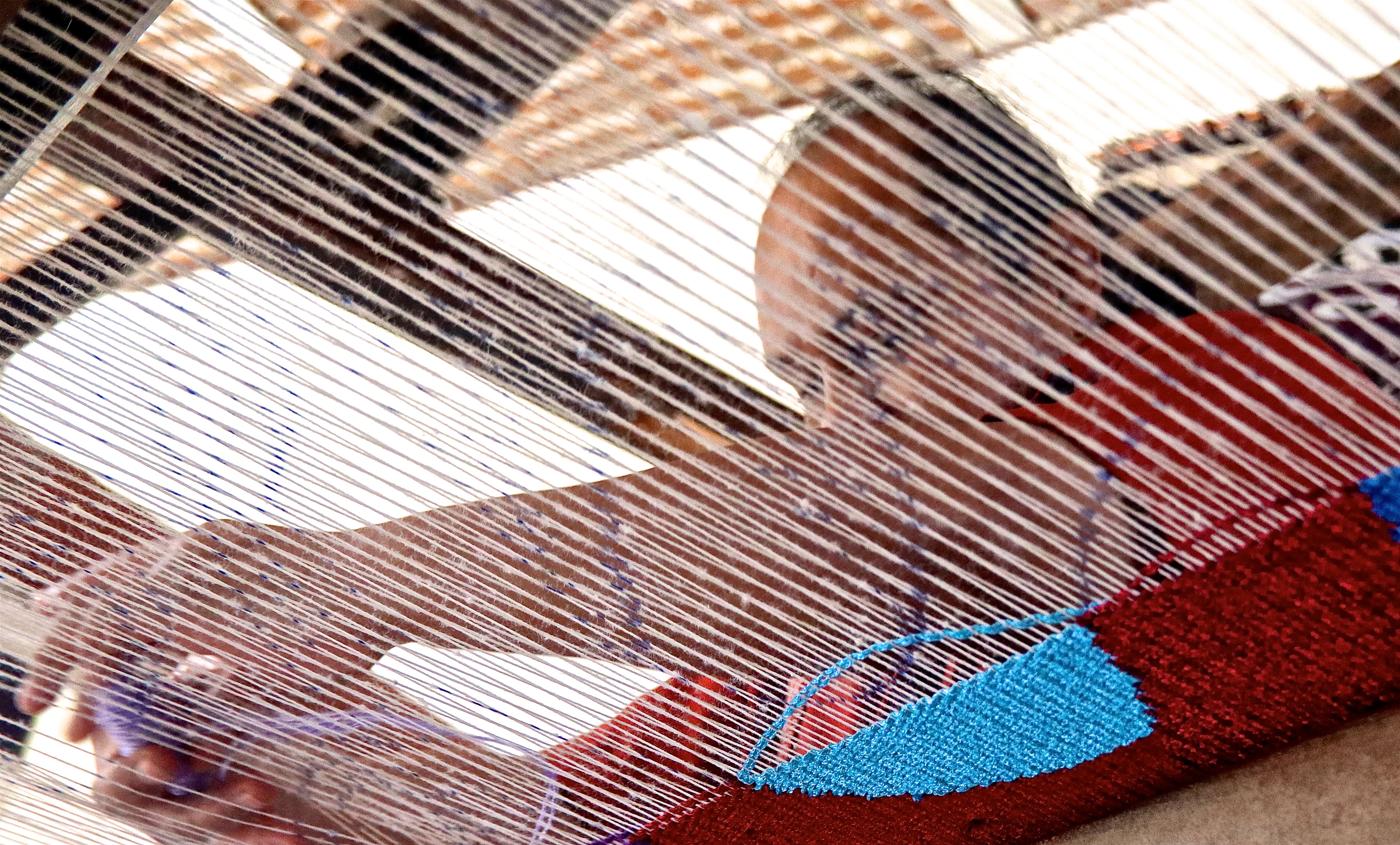
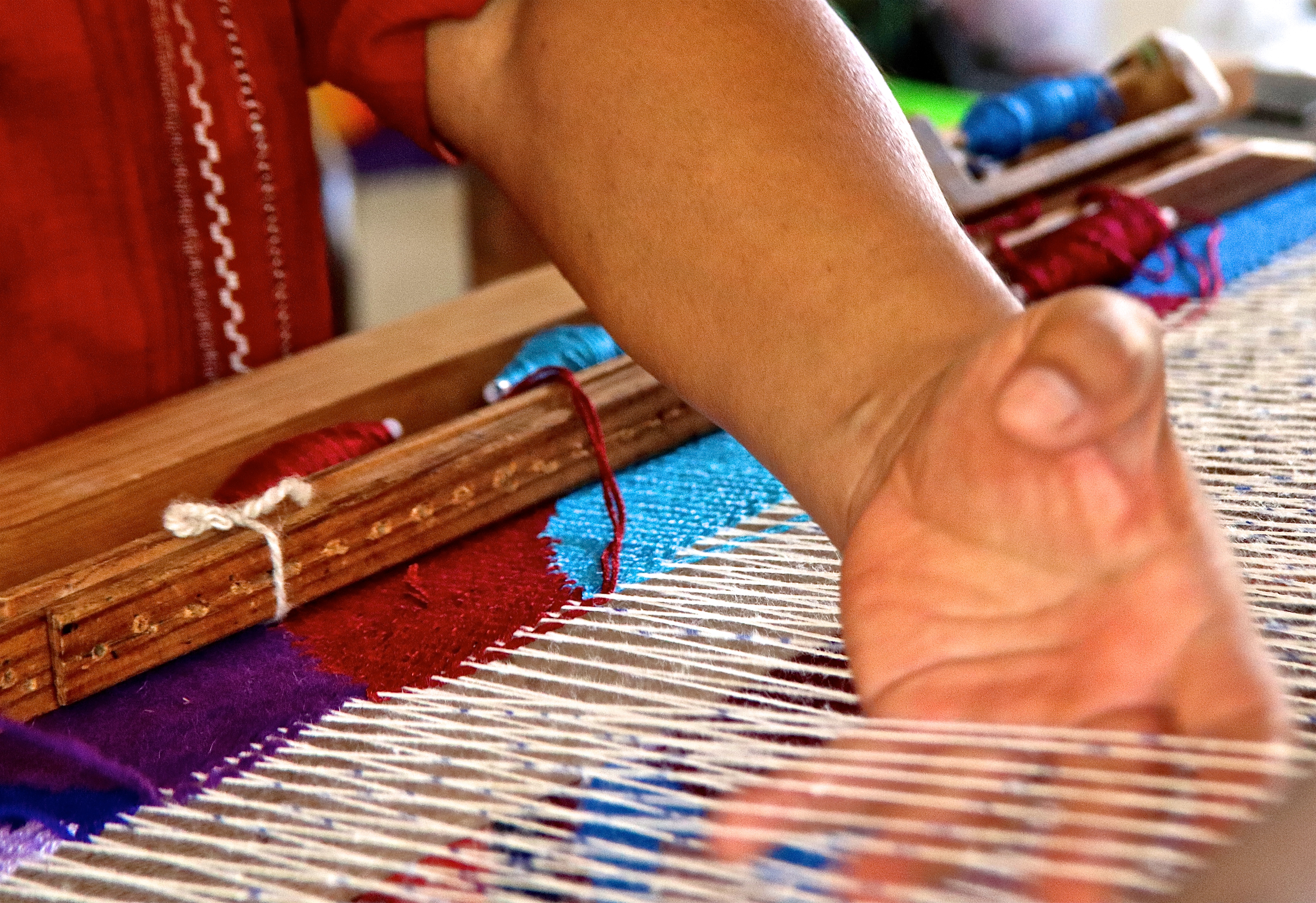
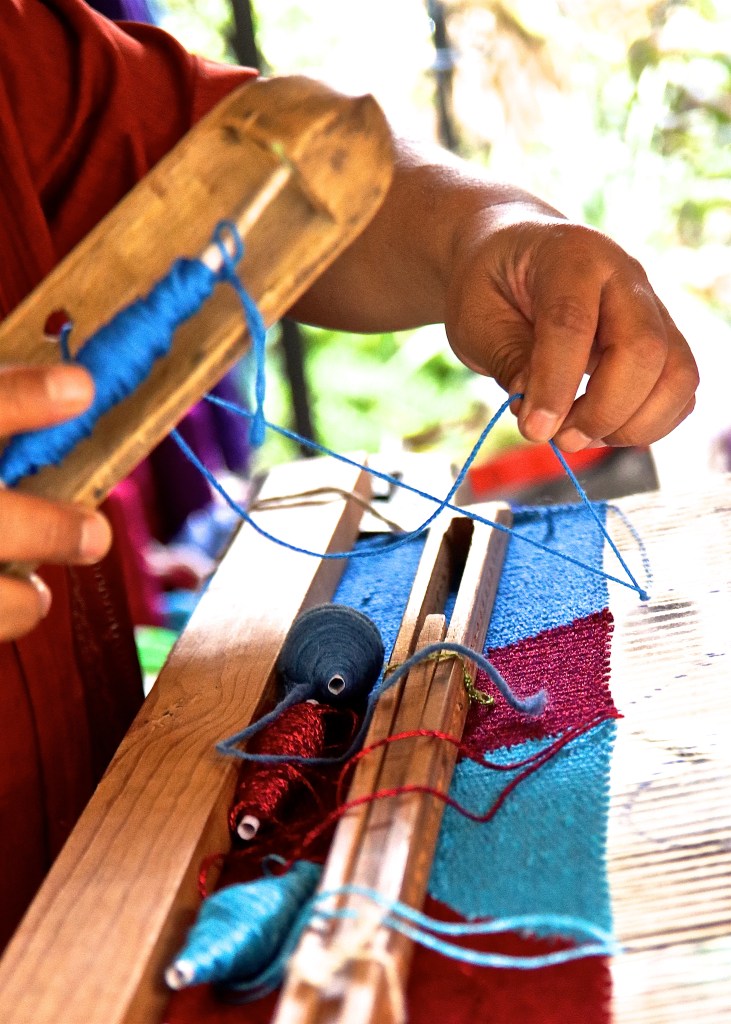
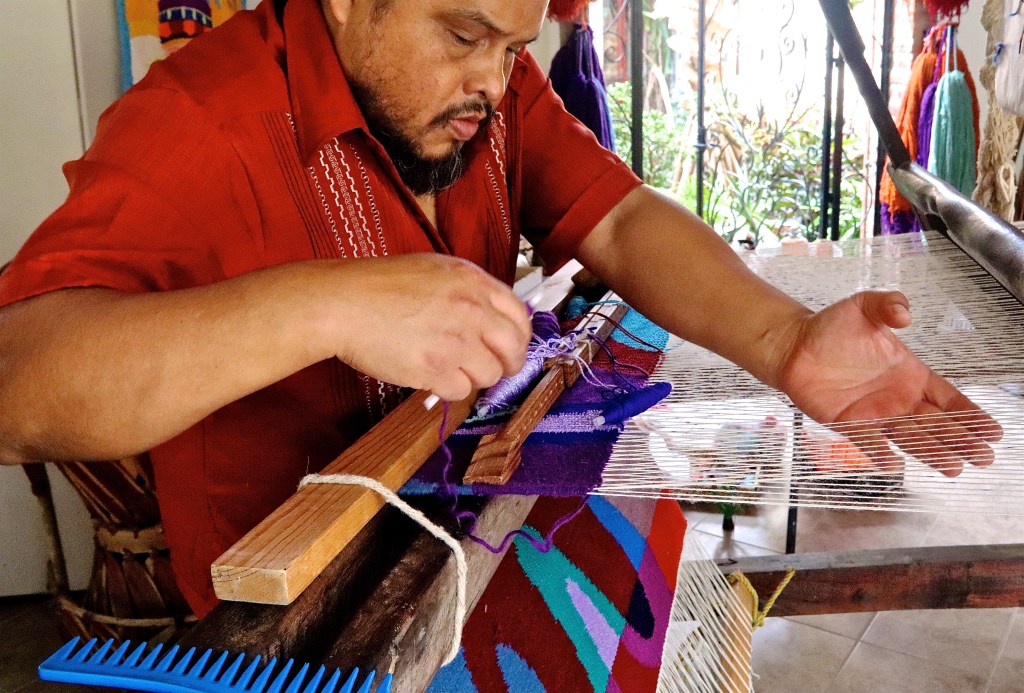
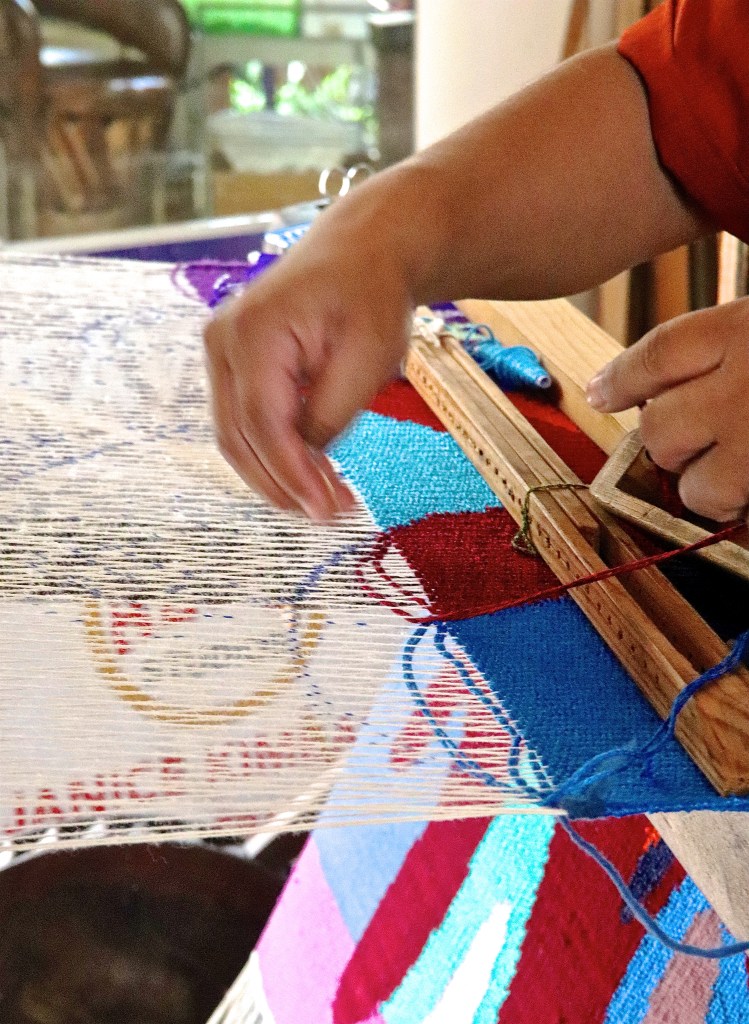
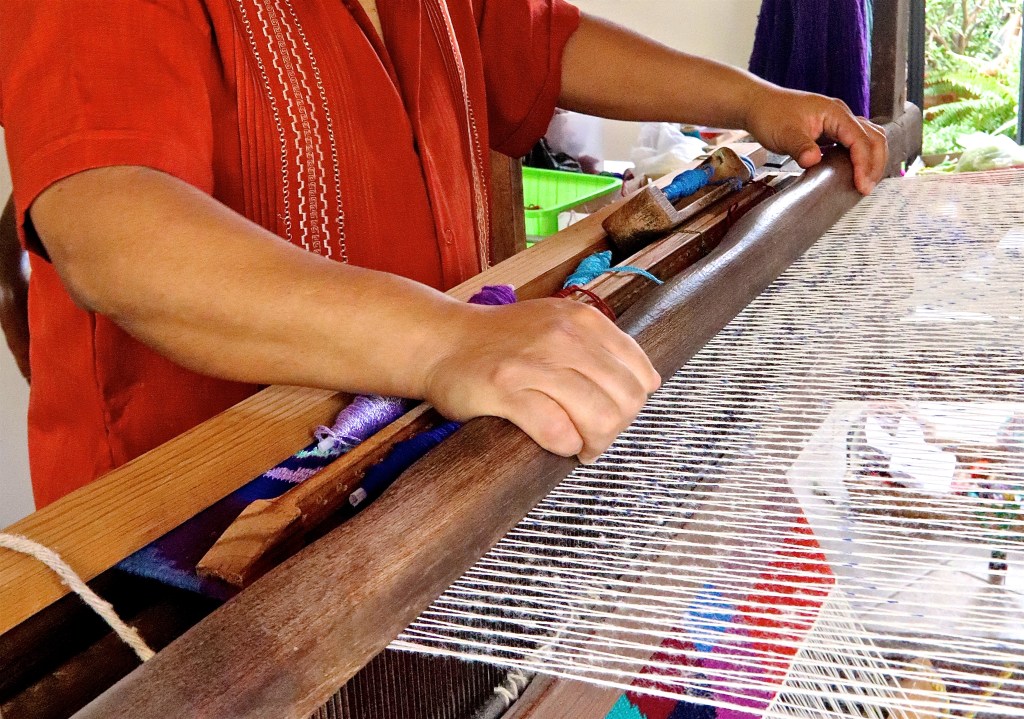
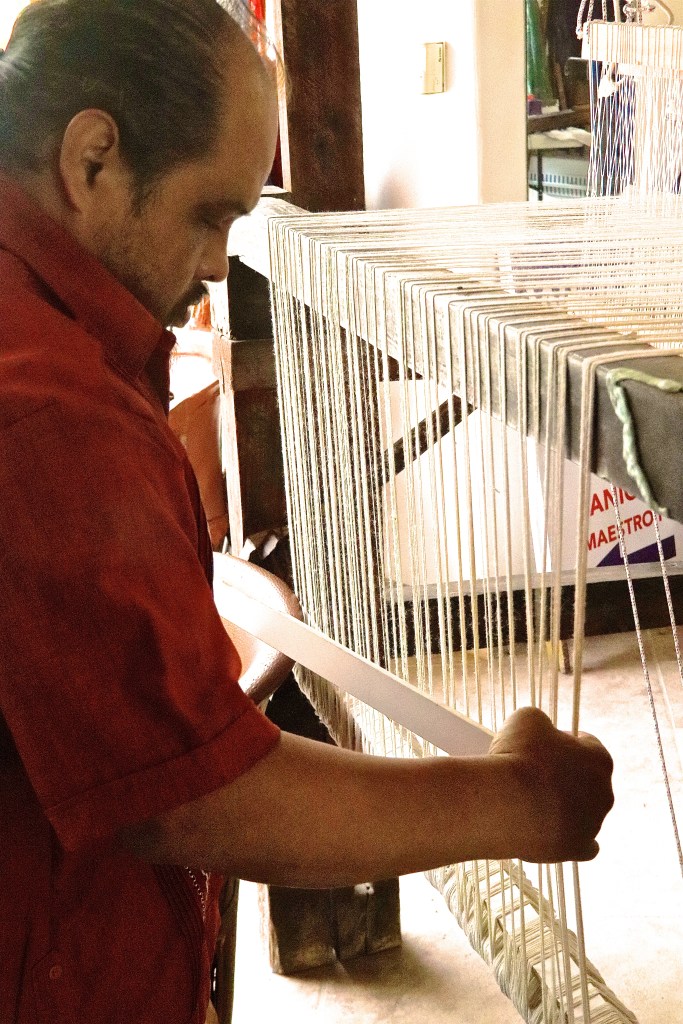
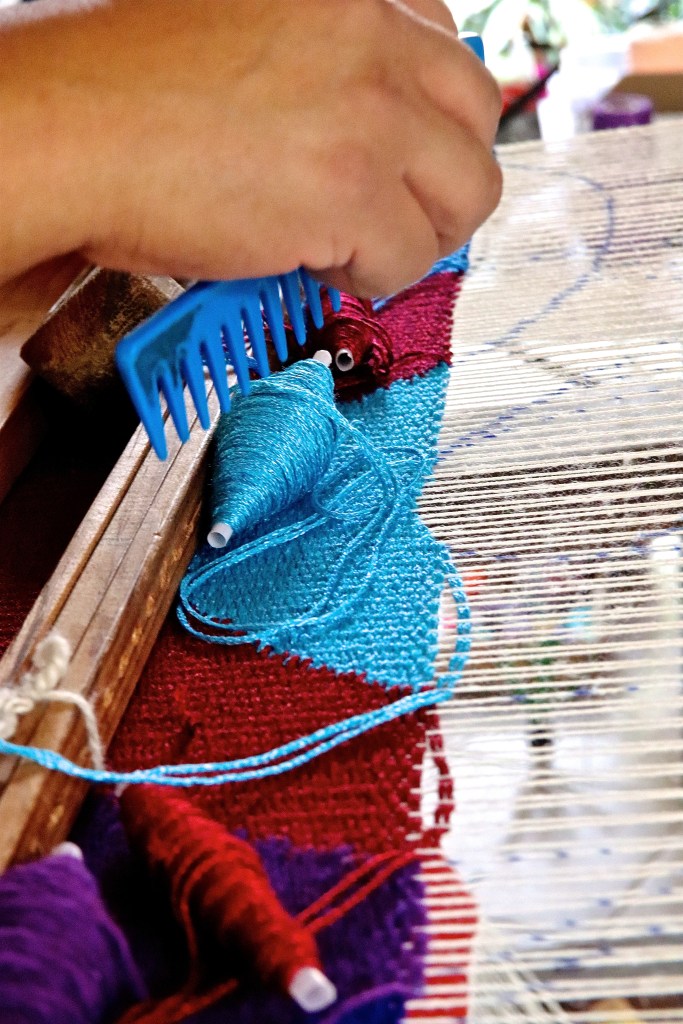
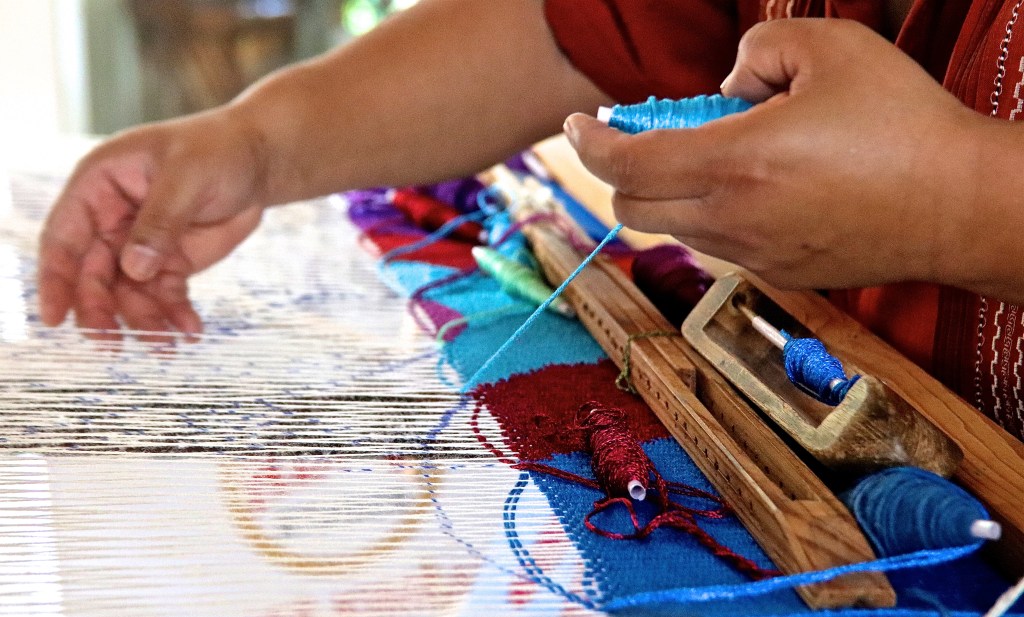
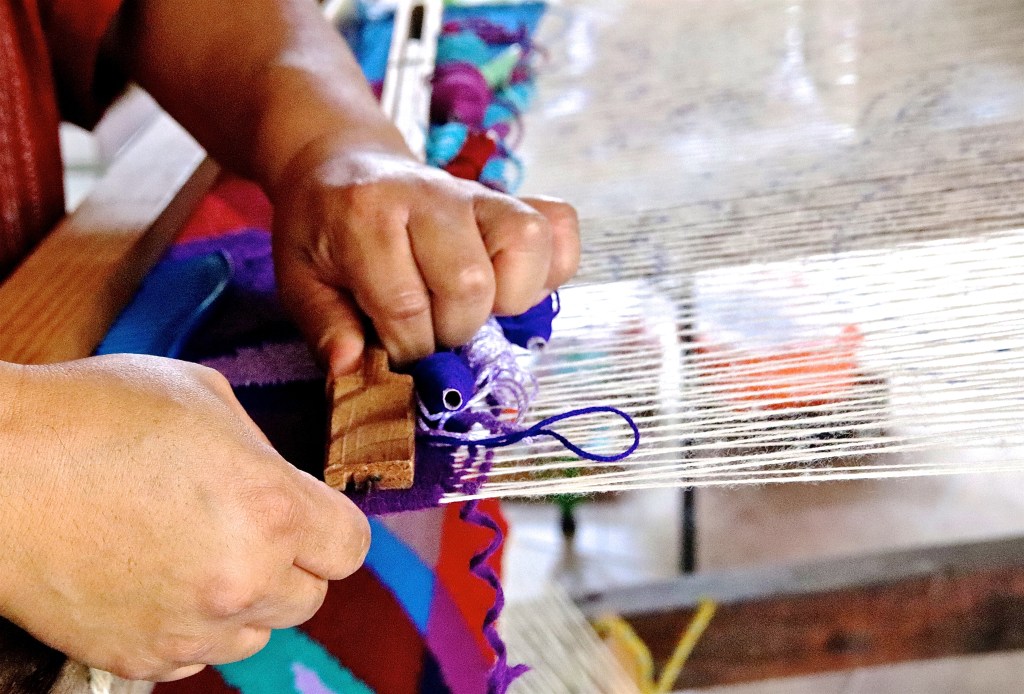
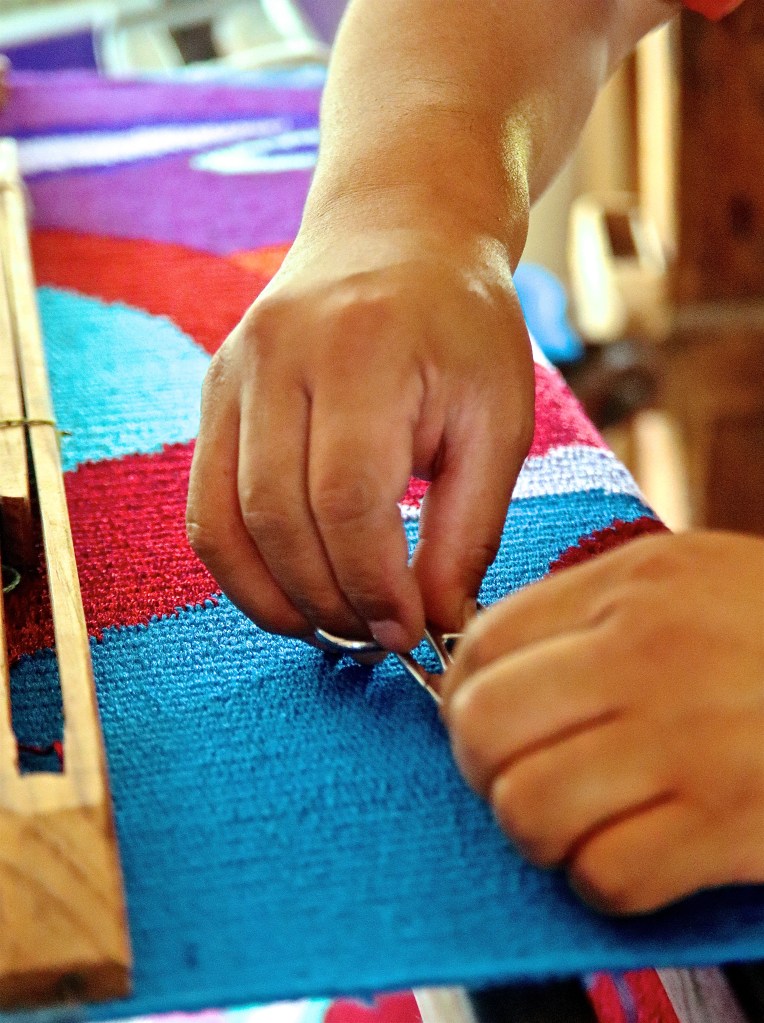
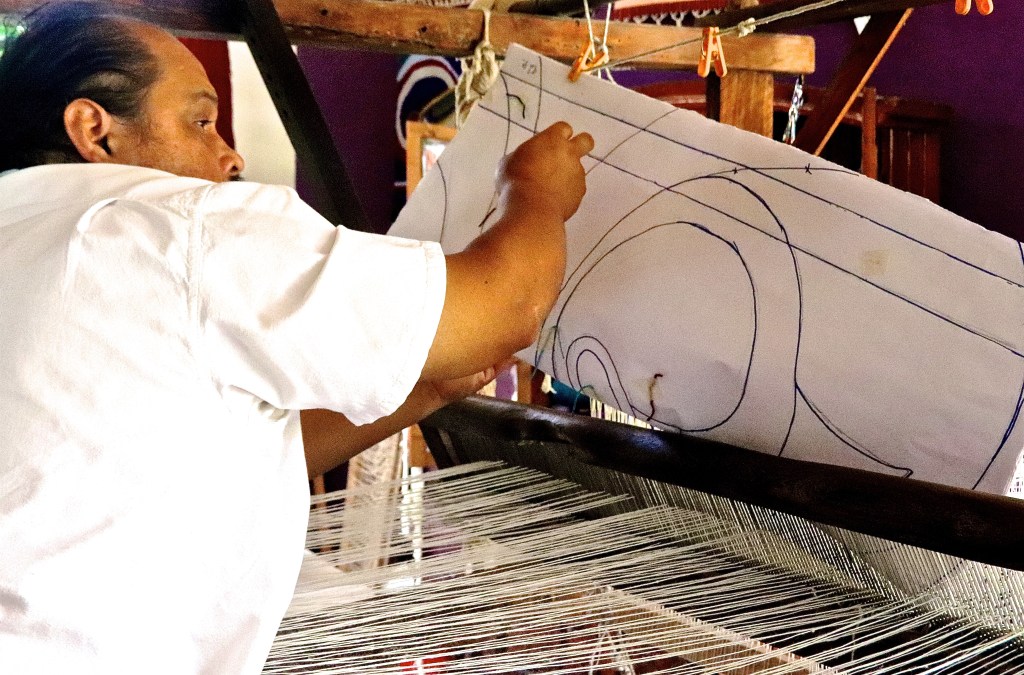
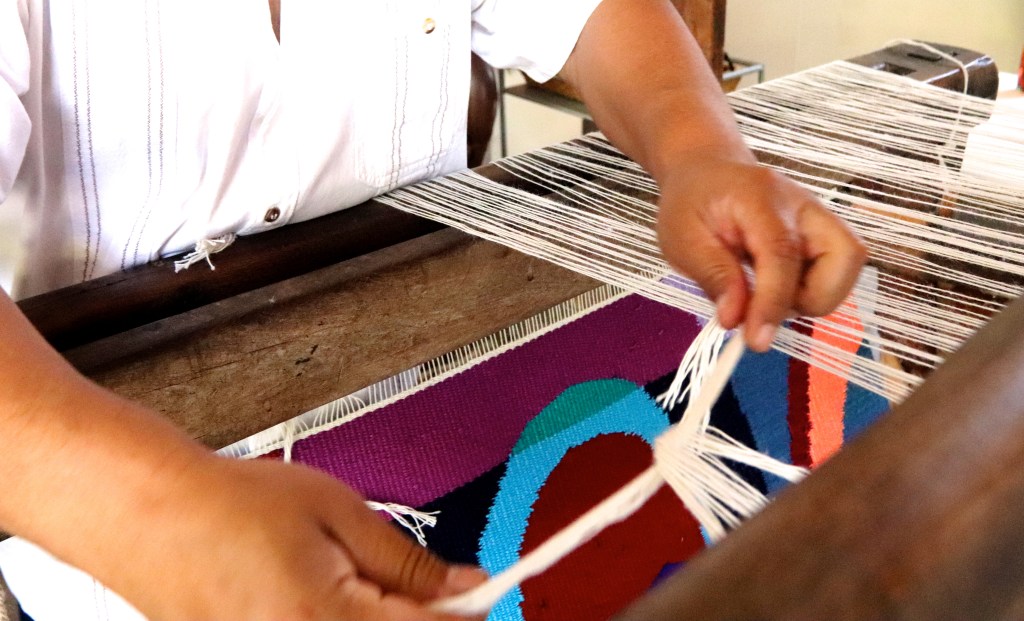
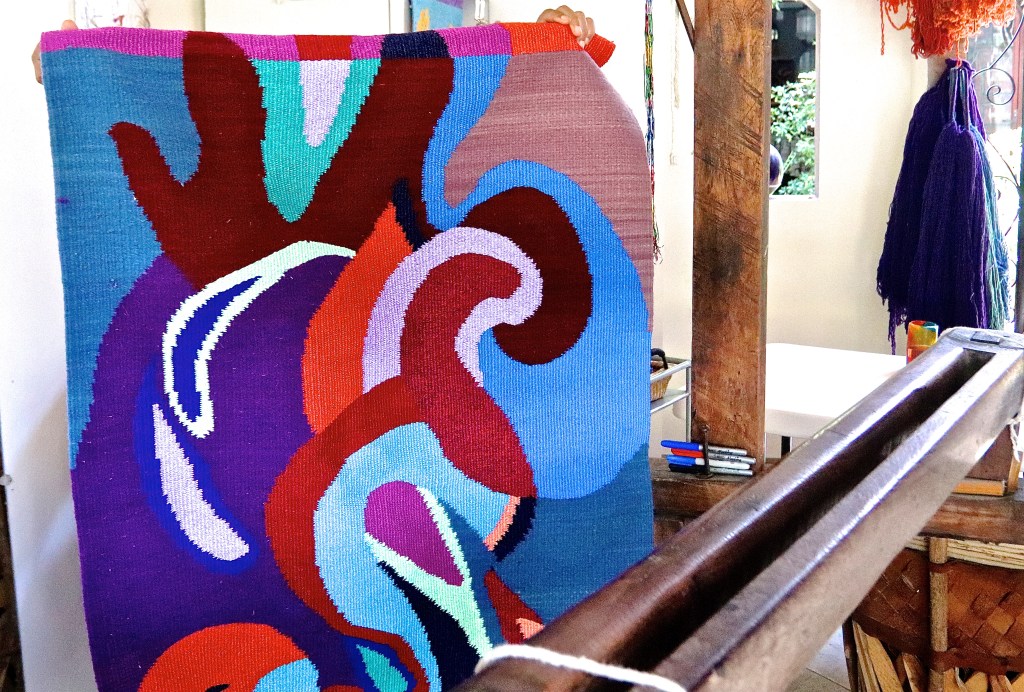
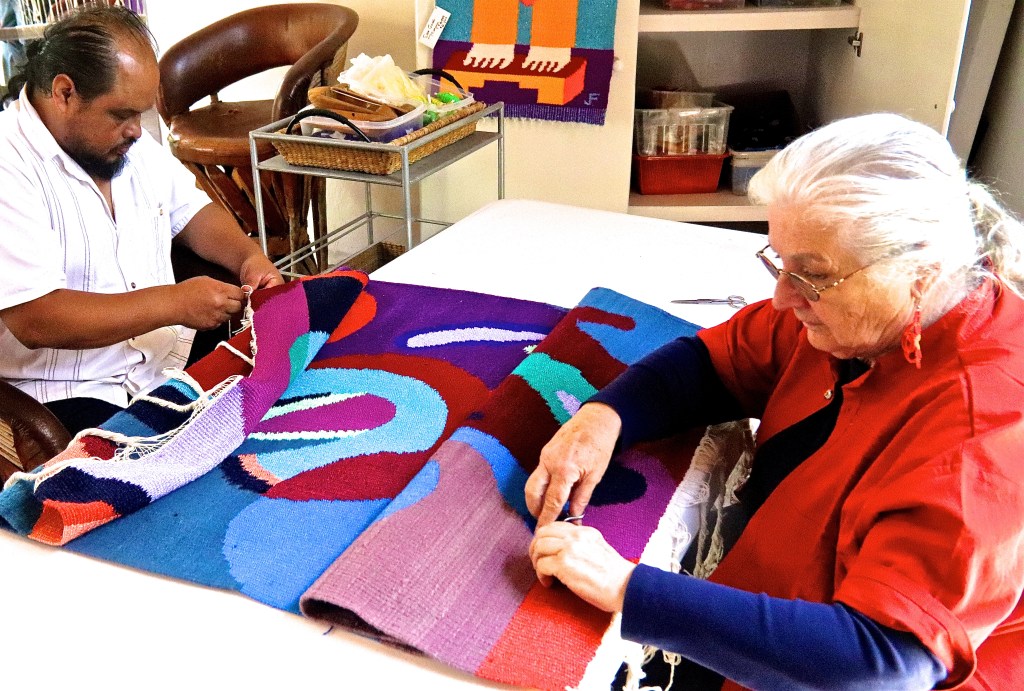
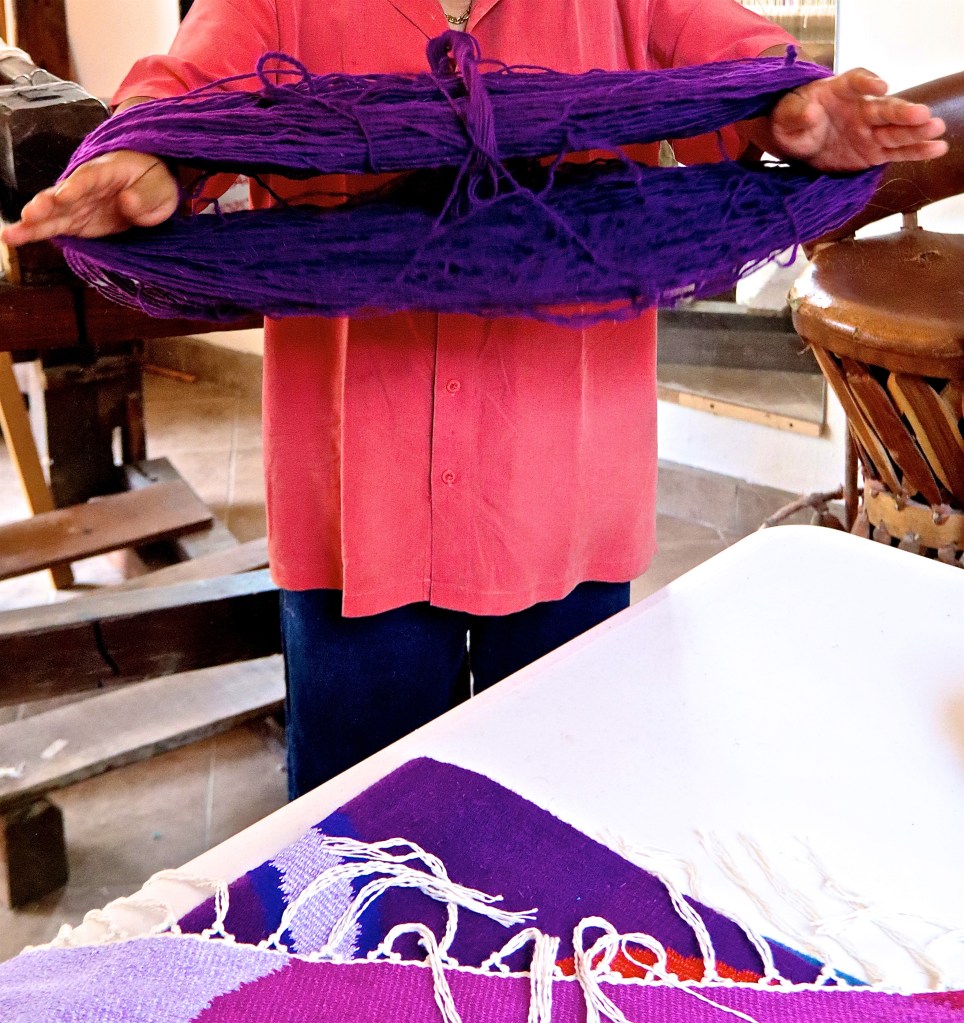
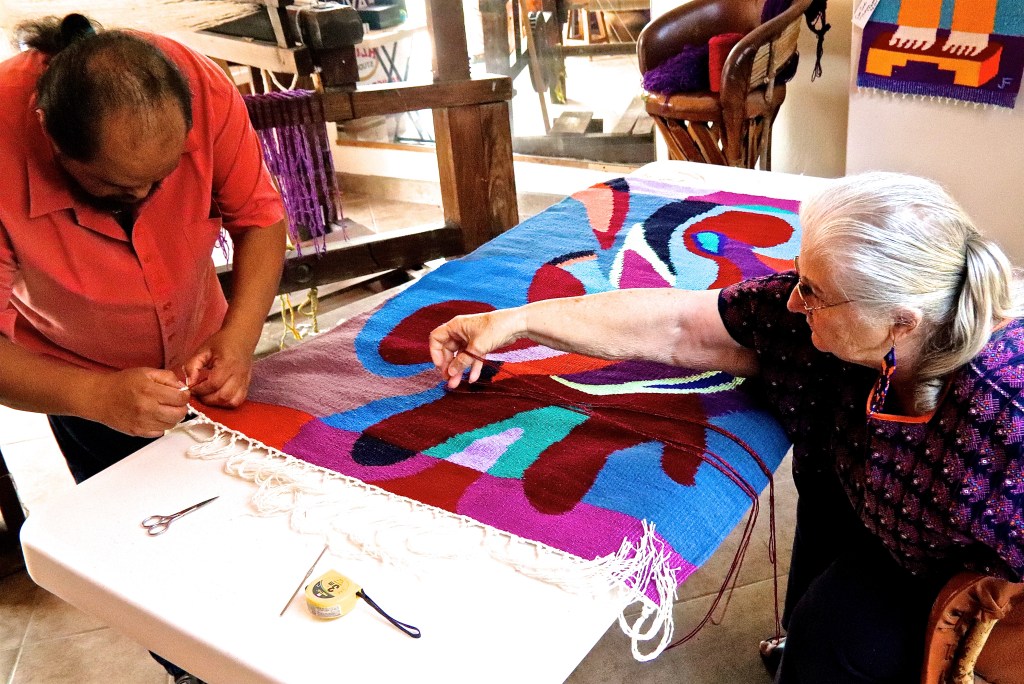
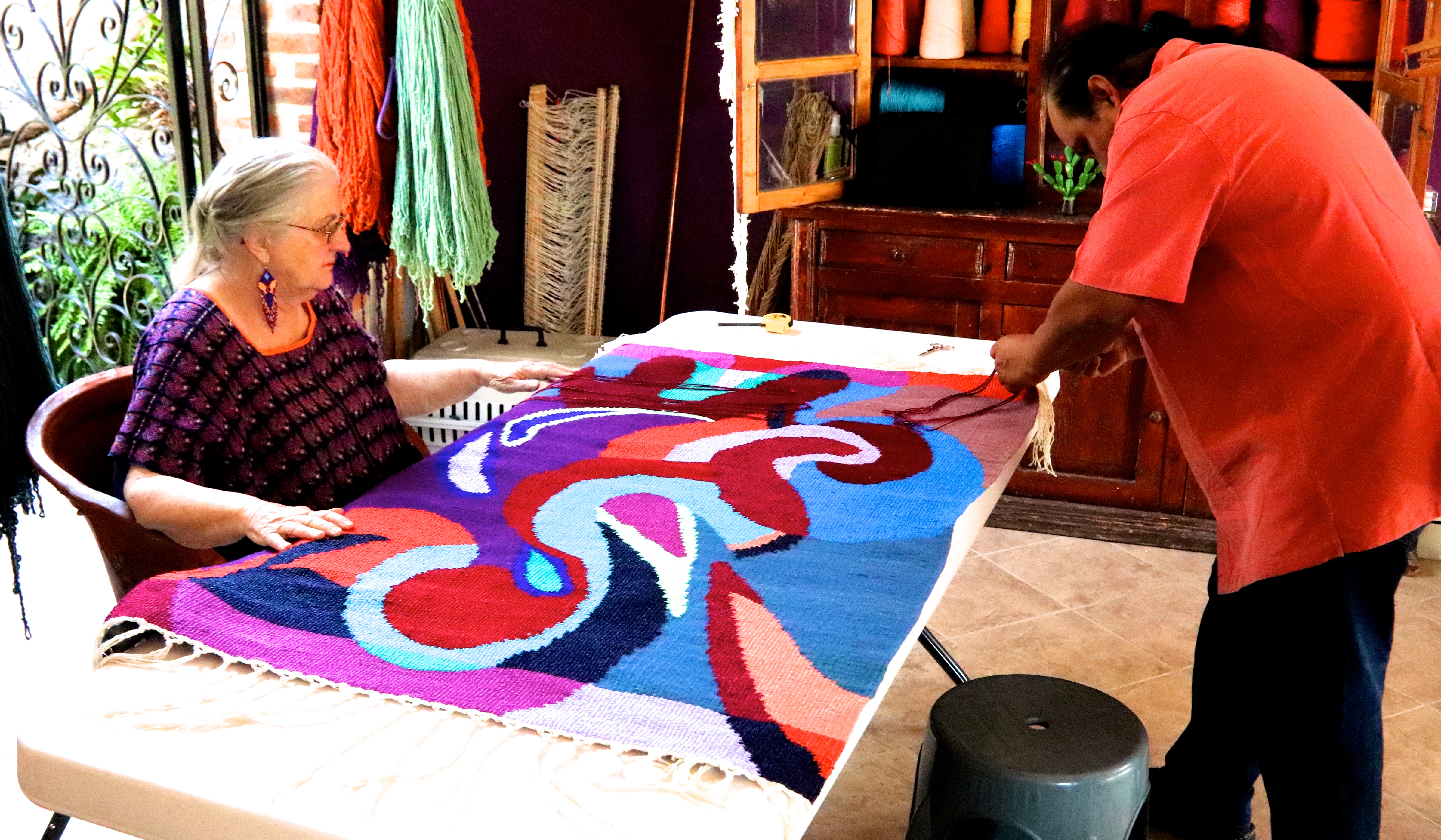
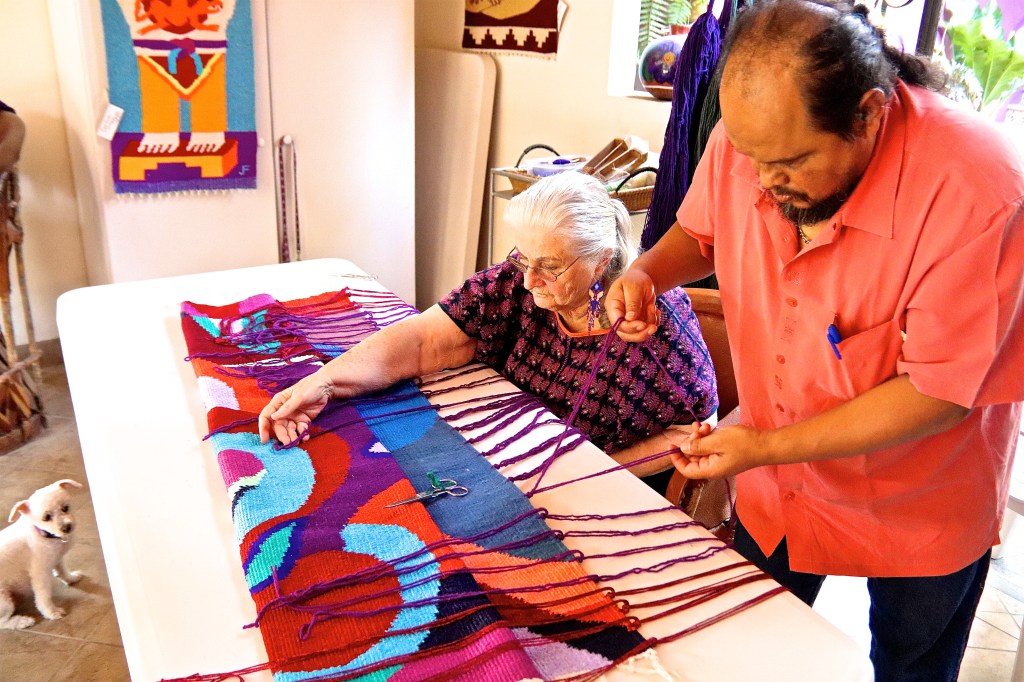
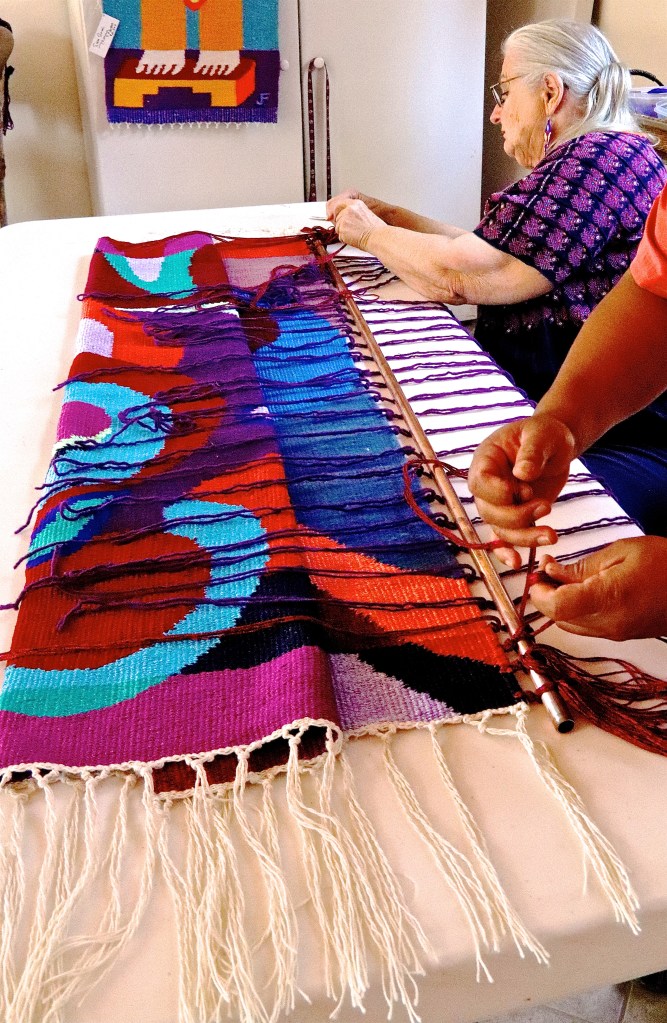
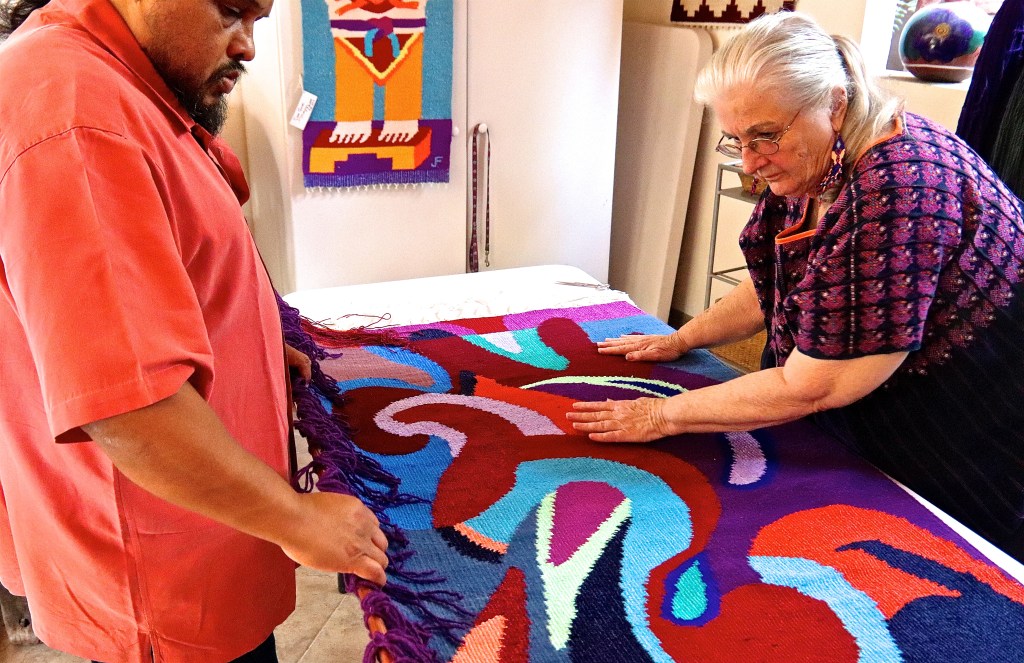
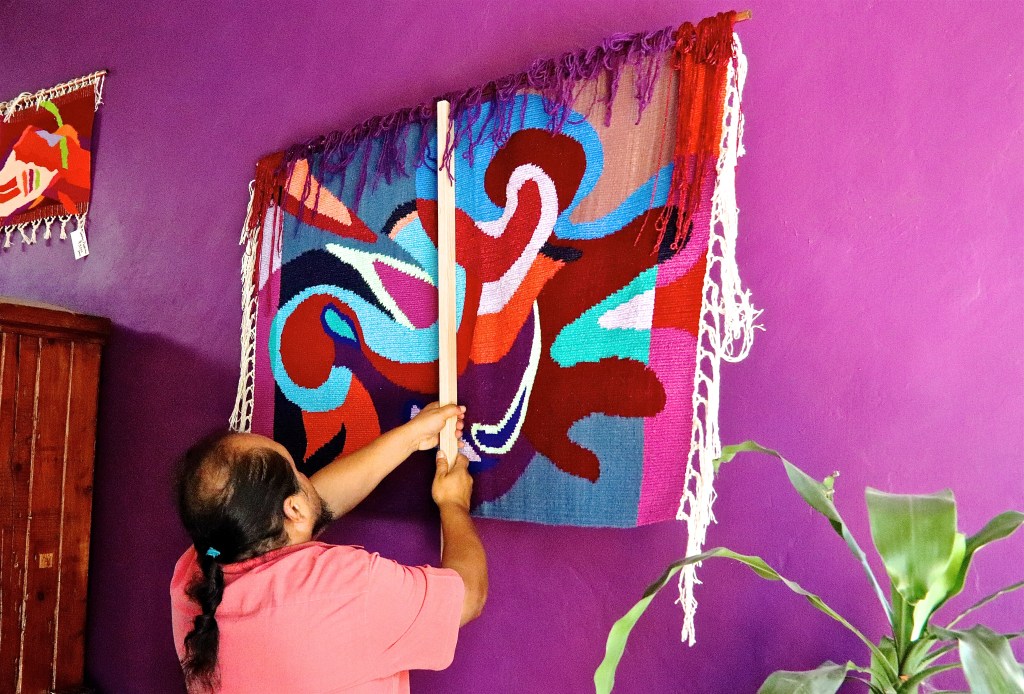
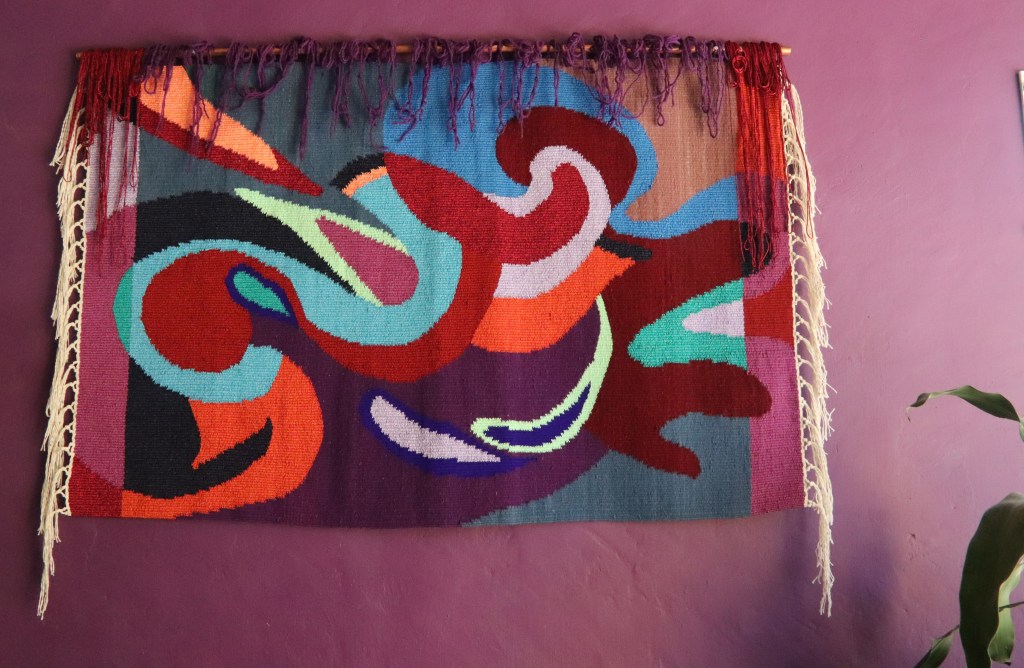
Janice Kimball, accomplished abstract artist, and Francisco Urzua, master Mexican weaver, are a very unusual team. I have felt privileged to be in their presence photographing while they co-create what could be the beginning of a New Wave in Mexican weaving. The fact that Francisco can turn Janice’s very non-traditional, free-form designs into stunning works of abstract fabric art on ancient looms confounds me. Watching him is akin to hearing a very talented jazz musician transform a traditional melody into something familiar and yet utterly new. They are masters of rhythm, in execution and visual results, collaborating at a level at which they become one creator. 

Video is not my accustomed medium, and the lighting was challenging, but it was necessary in order to capture the simultaneous use of both Francisco’s hands and feet as he transforms the design into a woven work of art. 

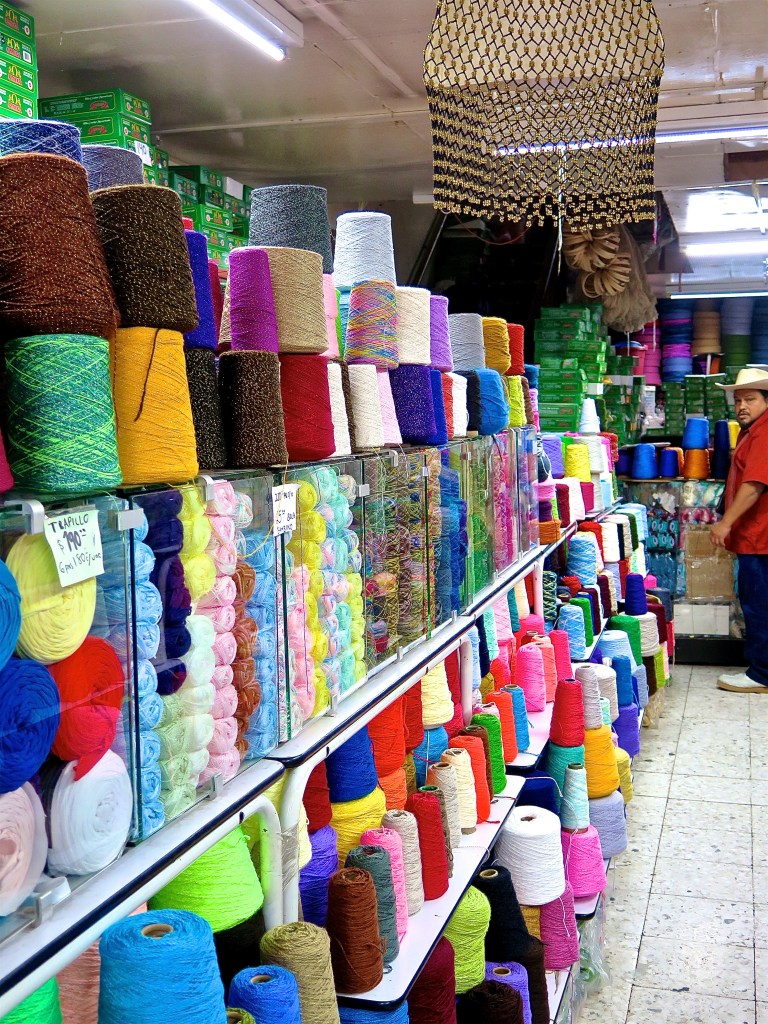
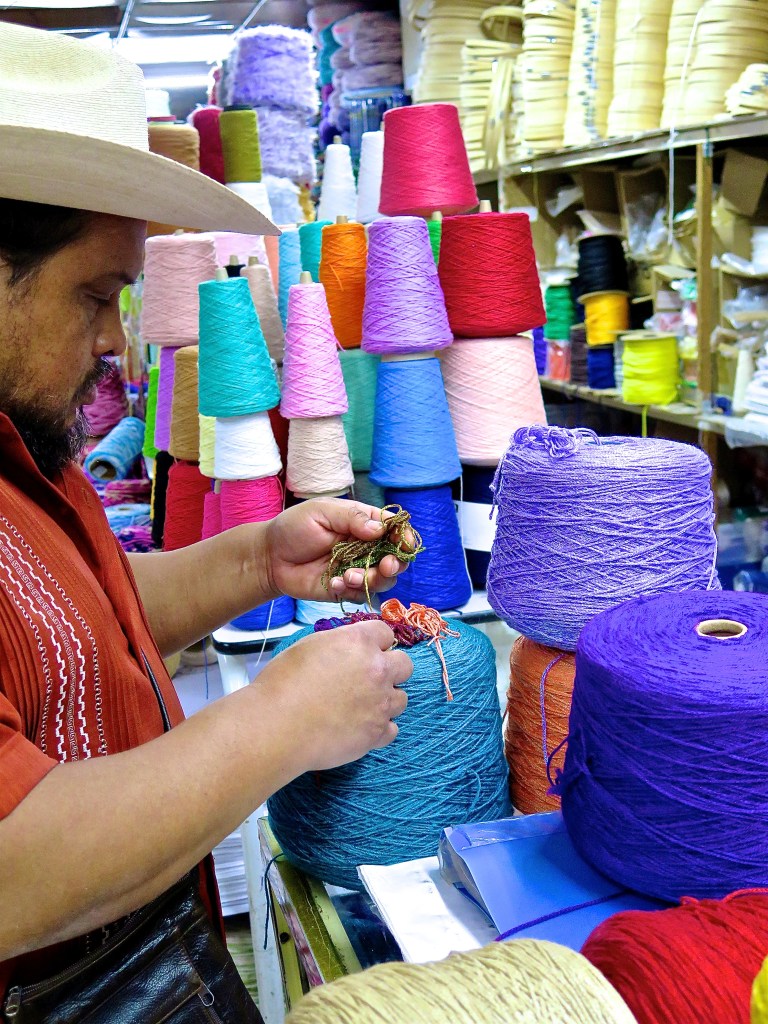
Francisco buying material in Guadalajara
IMG_9110
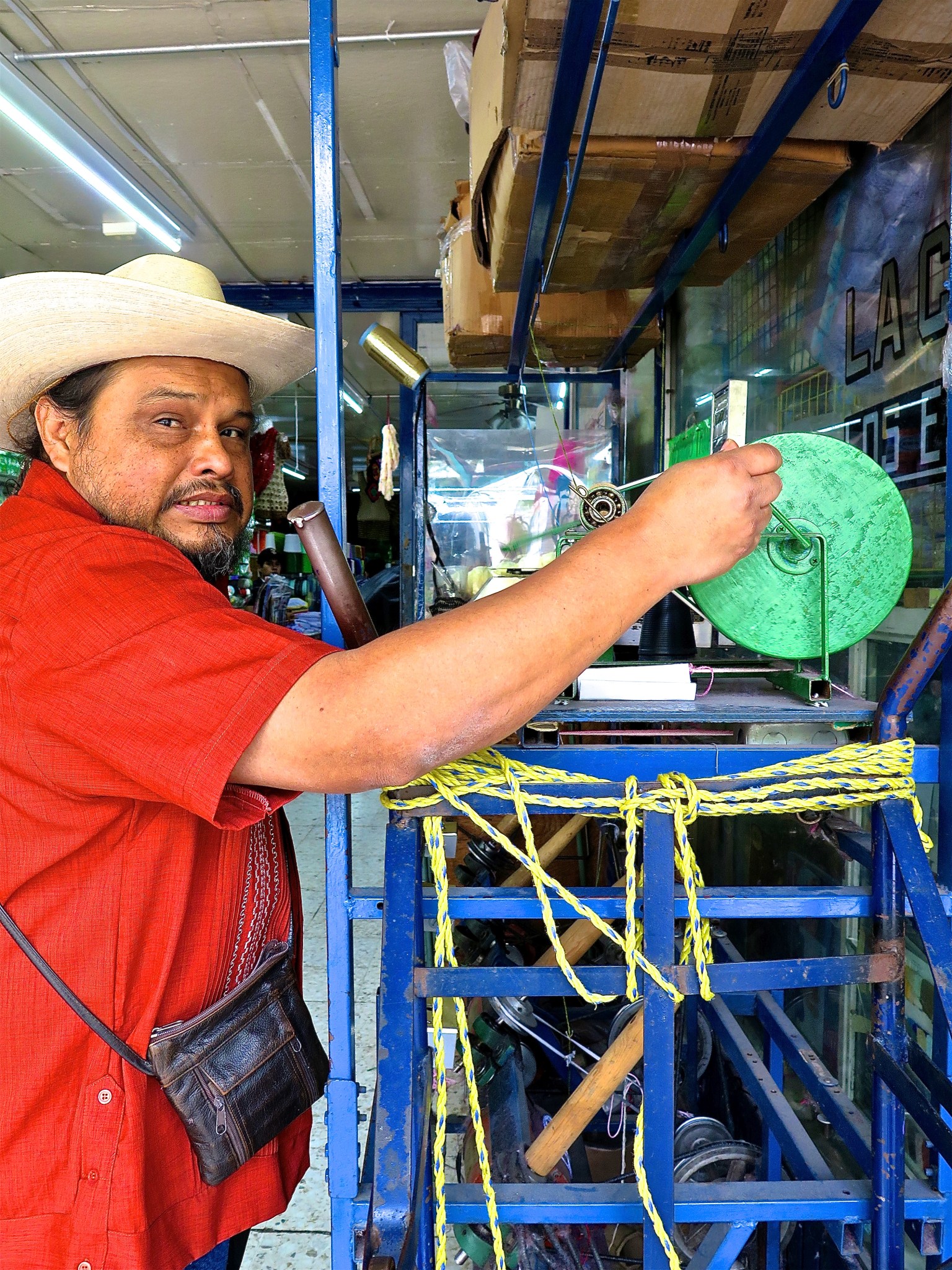
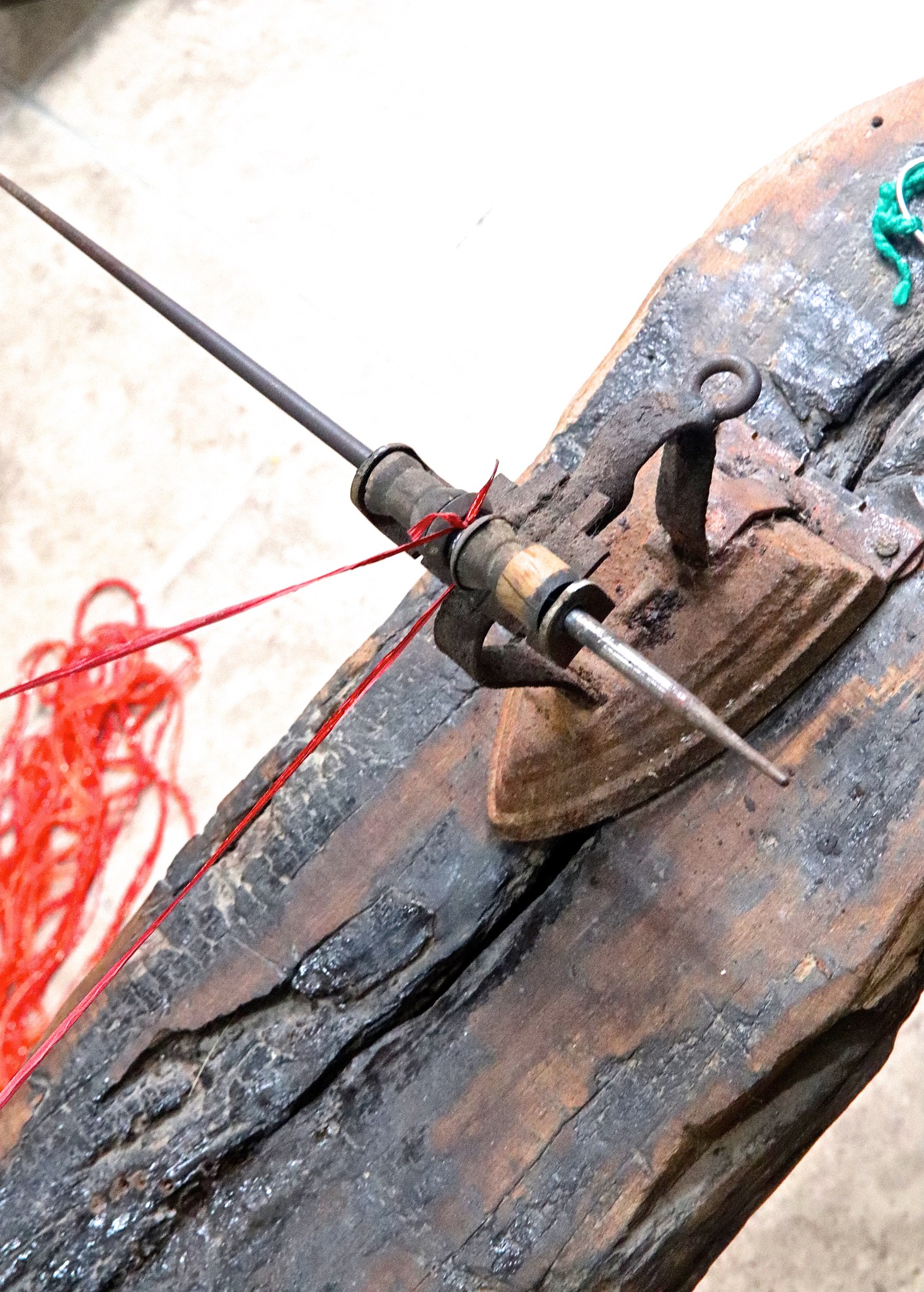
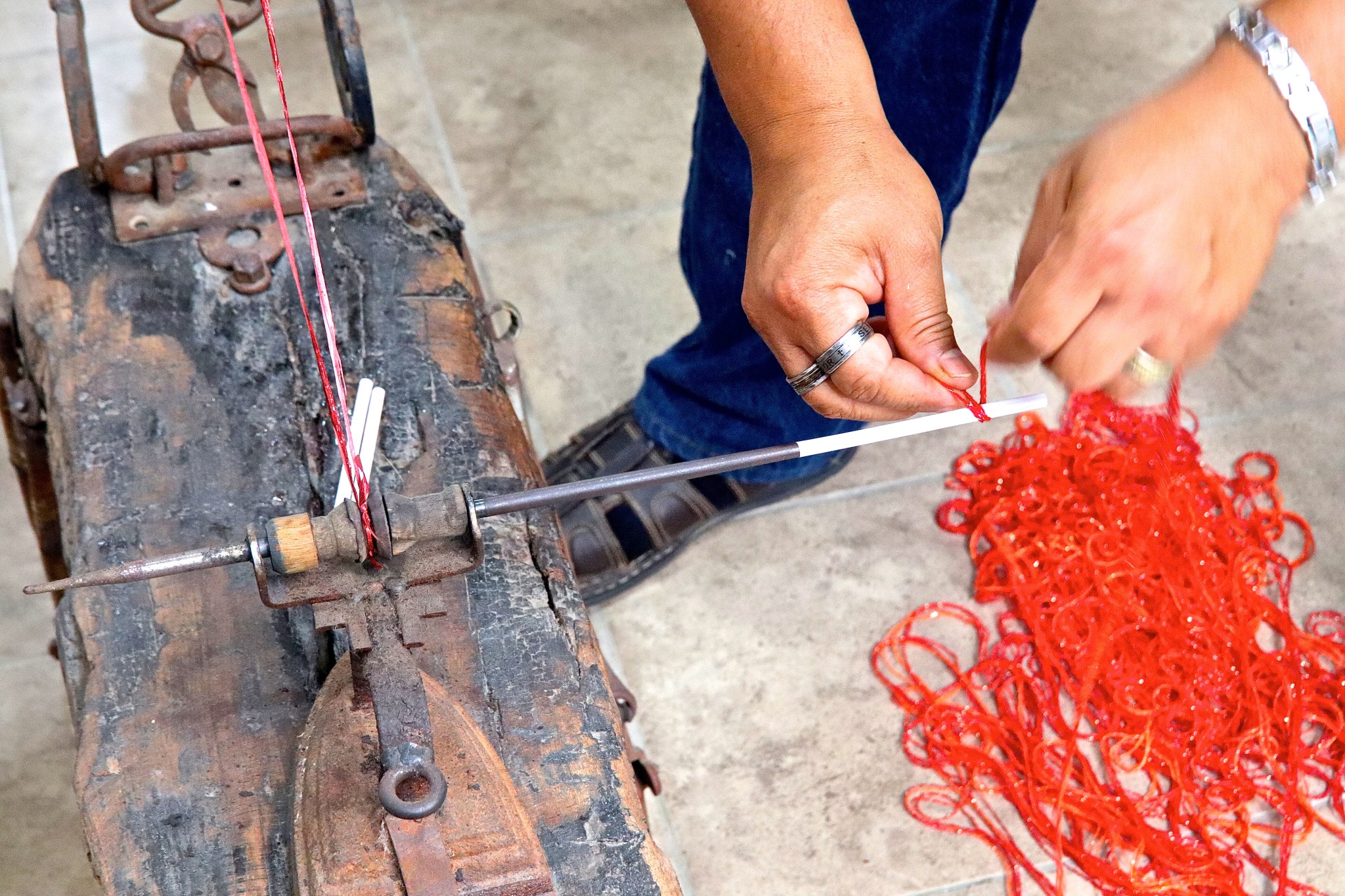
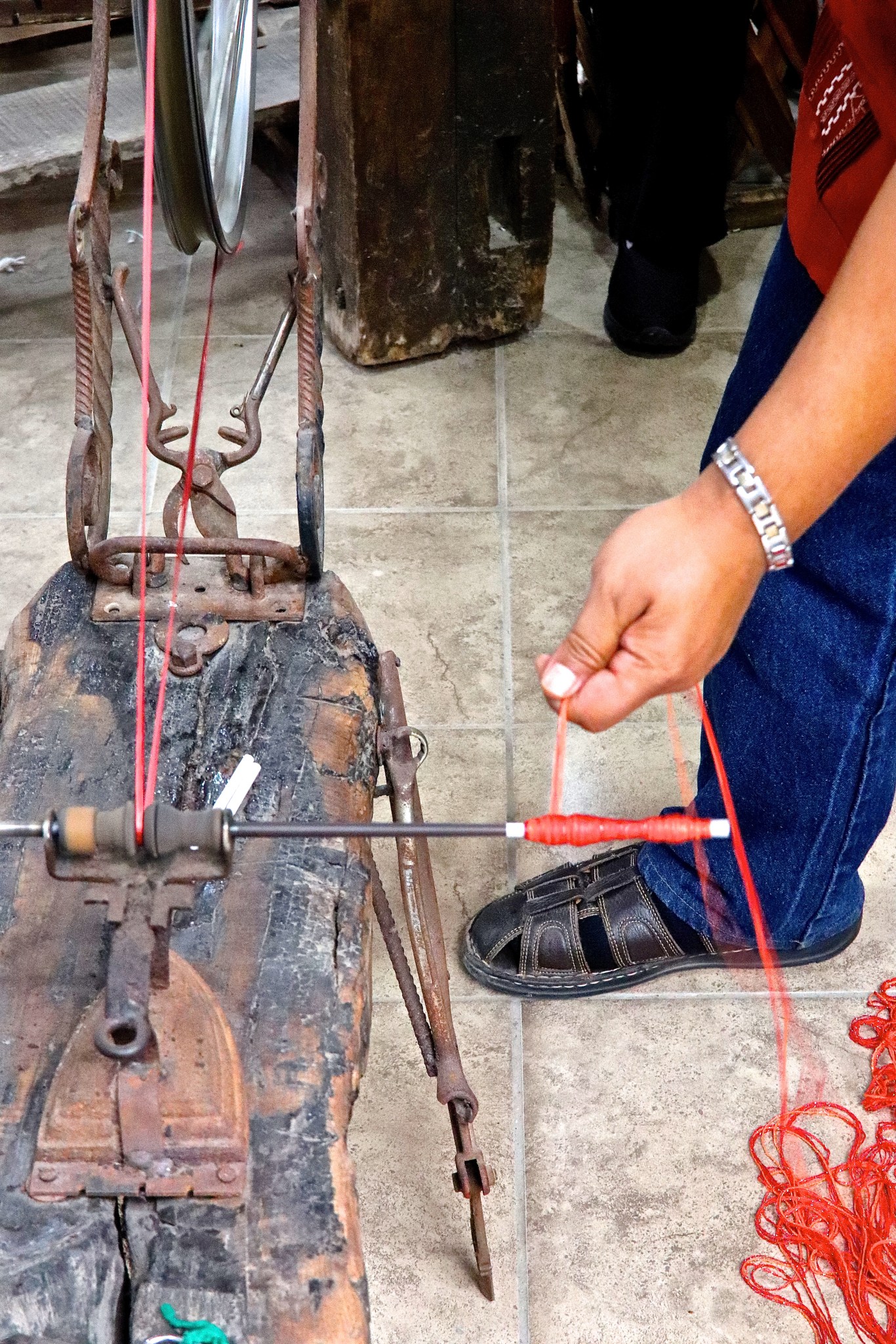
Machine for creating smaller spools
IMG_1880
Janice drawing initial design with charcoal
 
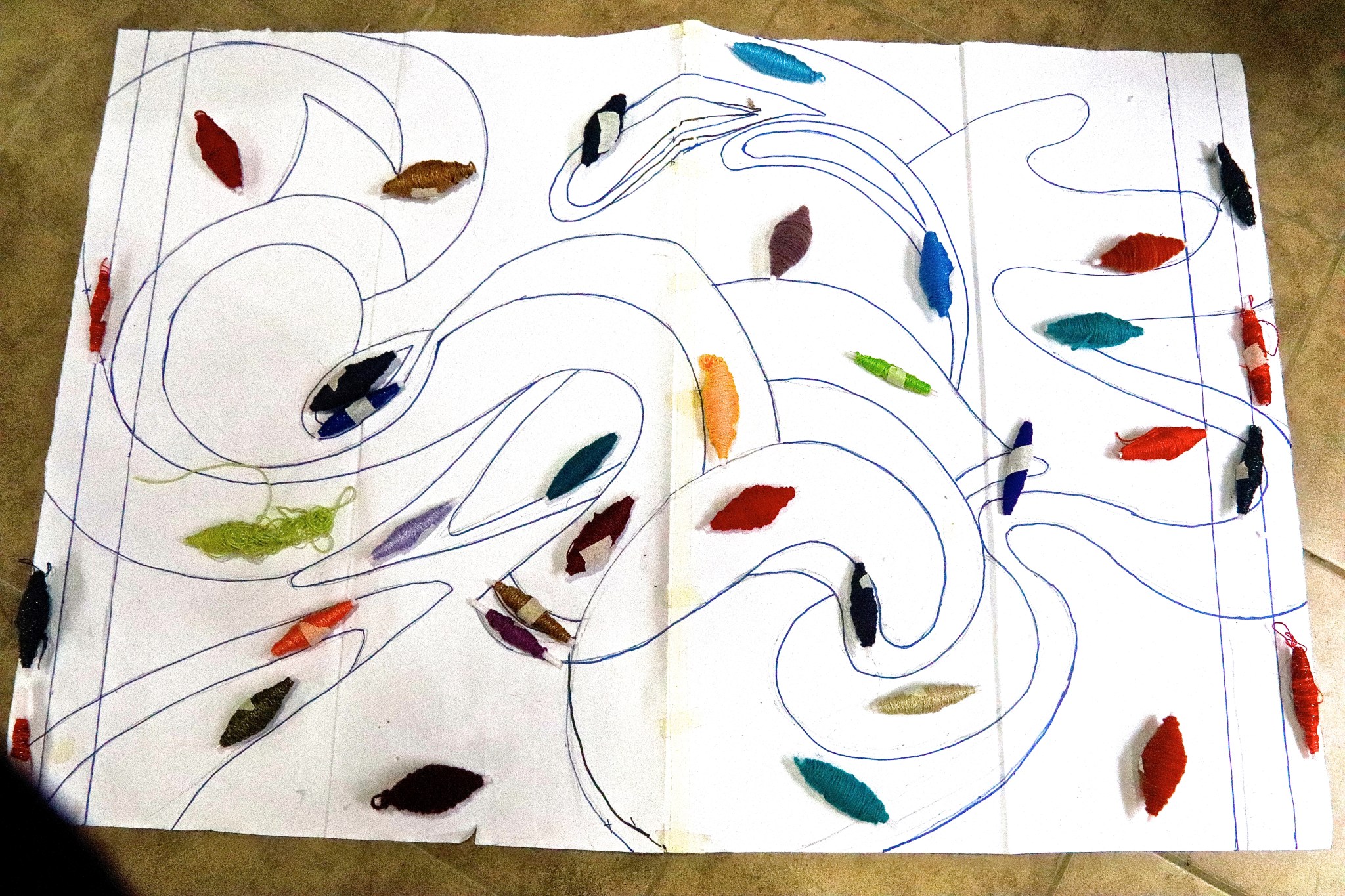
IMG_2147Creating weaving guide by placing colored yarn on final interpretation of design
IMG_2141
Final interpretation of charcoal drawing
IMG_1884
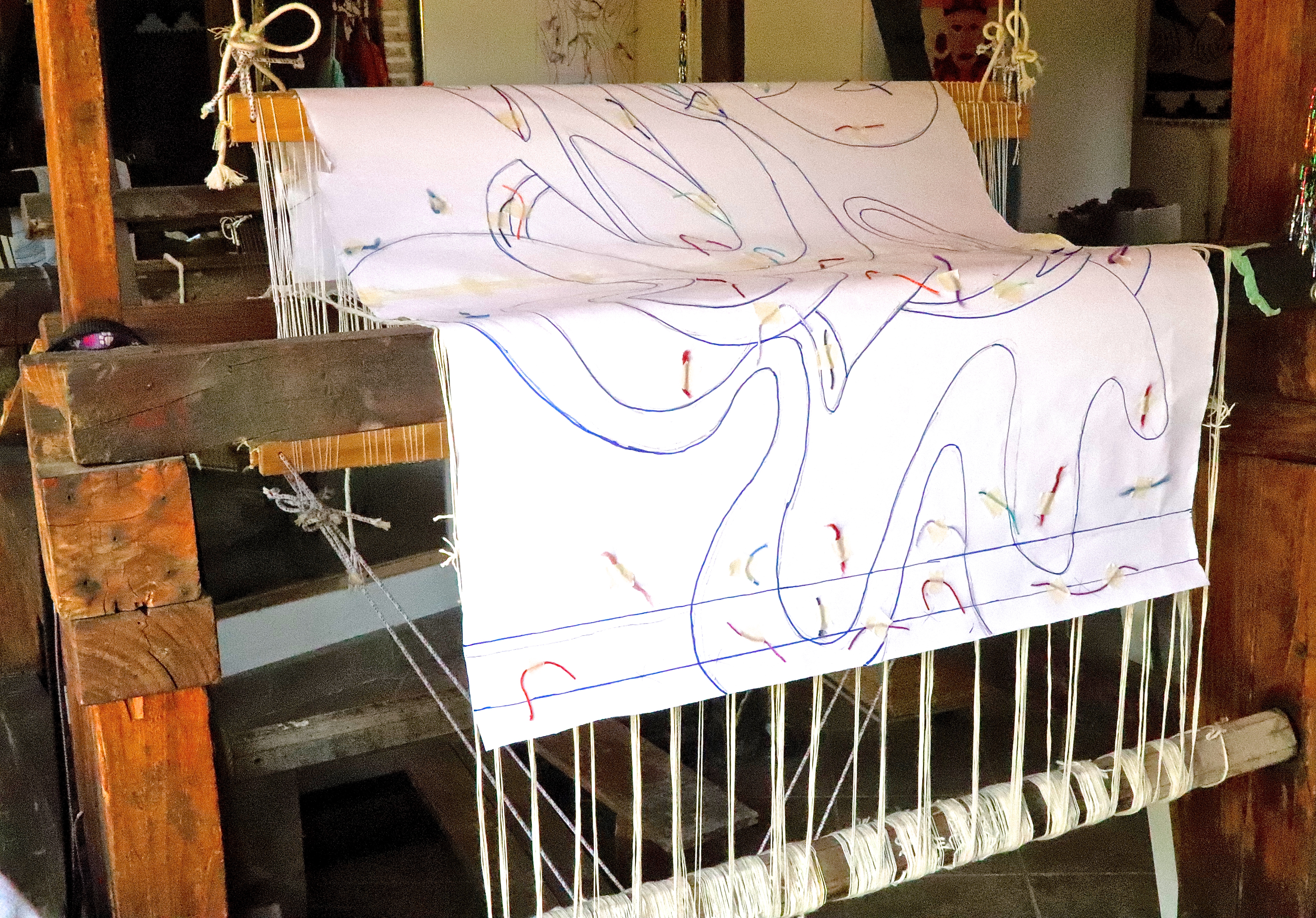
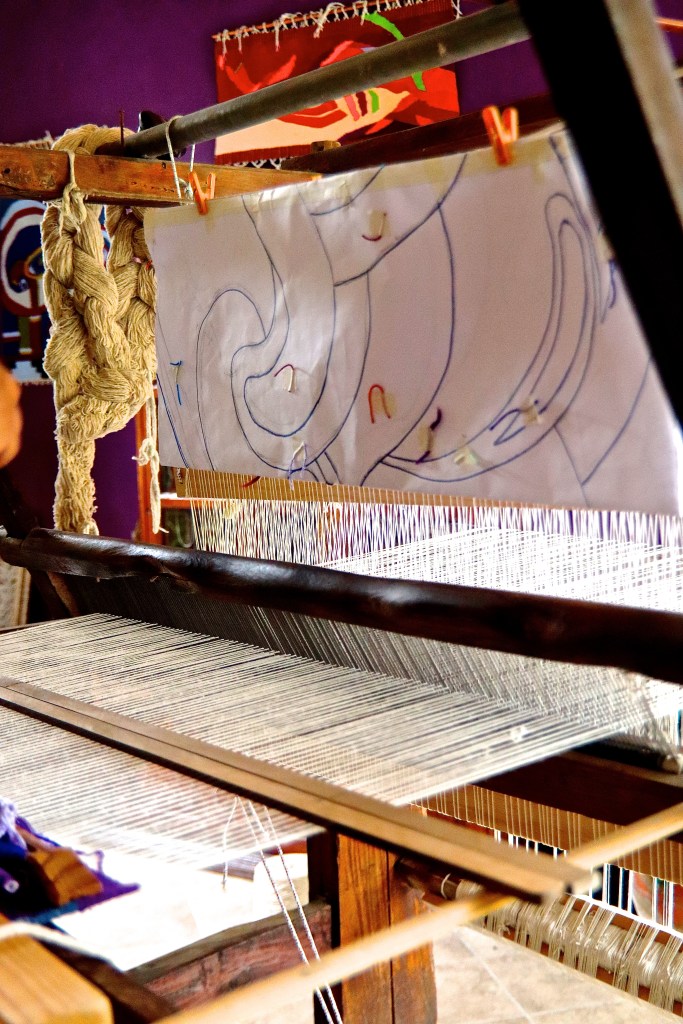
Design placed on loom
IMG_2157
Machine for making the small spools, created by sculptor Daniel Palma
IMG_2170
IMG_2173
IMG_2174
IMG_2184
Materials laid out
IMG_1901
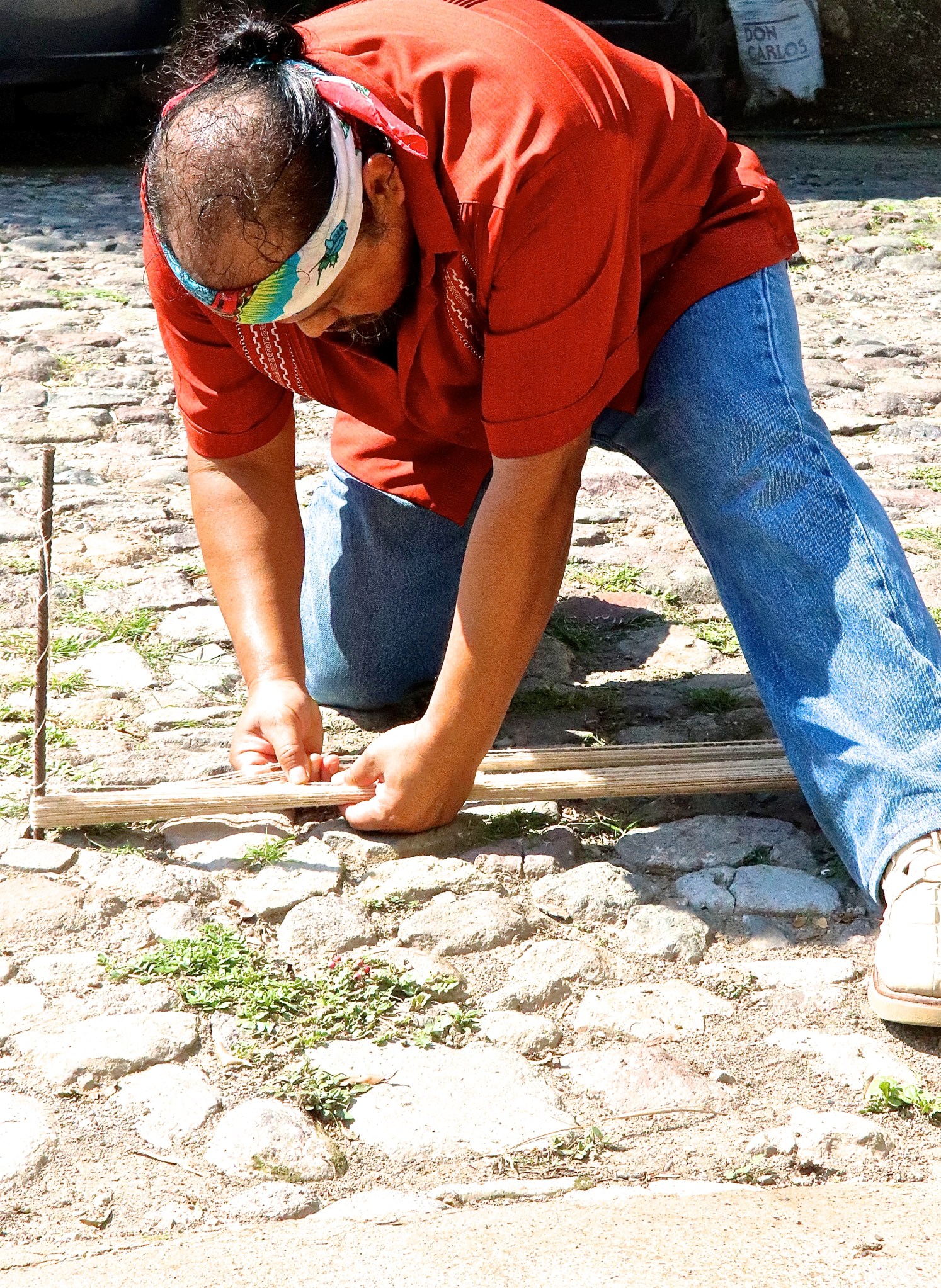
Counting threads on the stretched warp
IMG_1905
Removing warp from stretcher
IMG_1911
IMG_1914
IMG_1916
Ready to tie warp onto loom
Removing pattern from where it was held by lath strips
Pattern affixed to loom
Loading spools over bar stretcher
Lifting warp threads for interweaving
IMG_1950
IMG_1954
Throwing of the shuttle


Separating upper from lower warp

Exact aligning of fibers before packing with swing bar

Packing threads tightly with swing bar


Changing colors
Essential periodic leveling of threads by adjusting tension to prevent distortion in final image
Leveling threads with comb and fingers
Cleaning face of the warp
Removing pattern from the loom
Cutting warp from loom and bunching threads for tying off


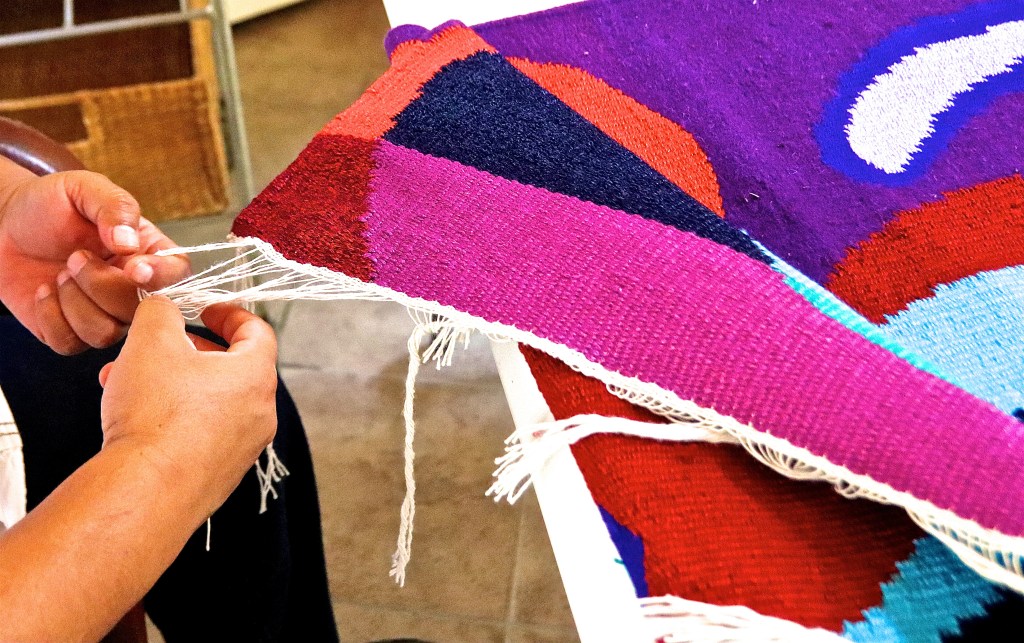
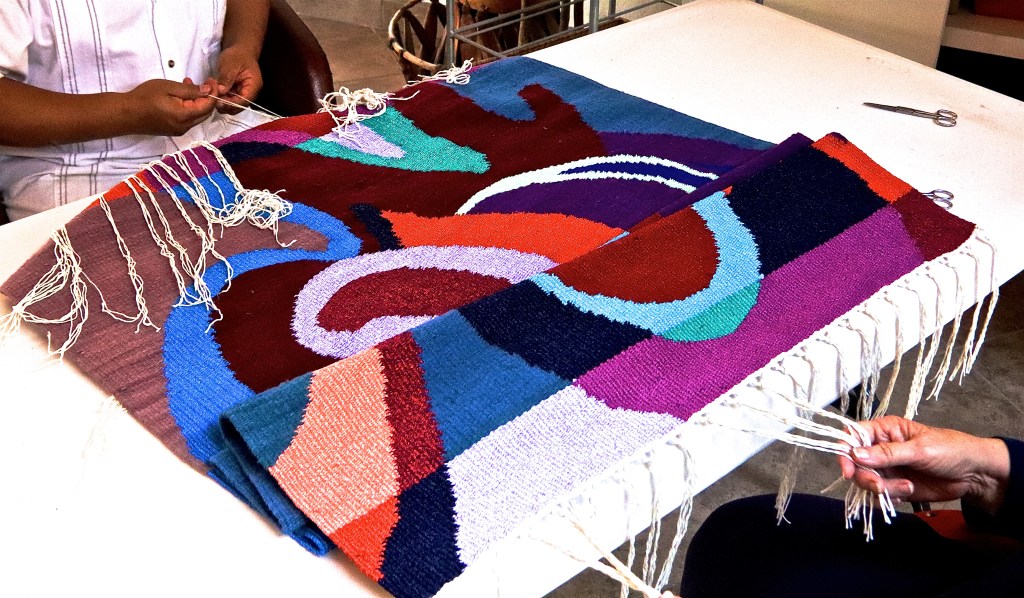
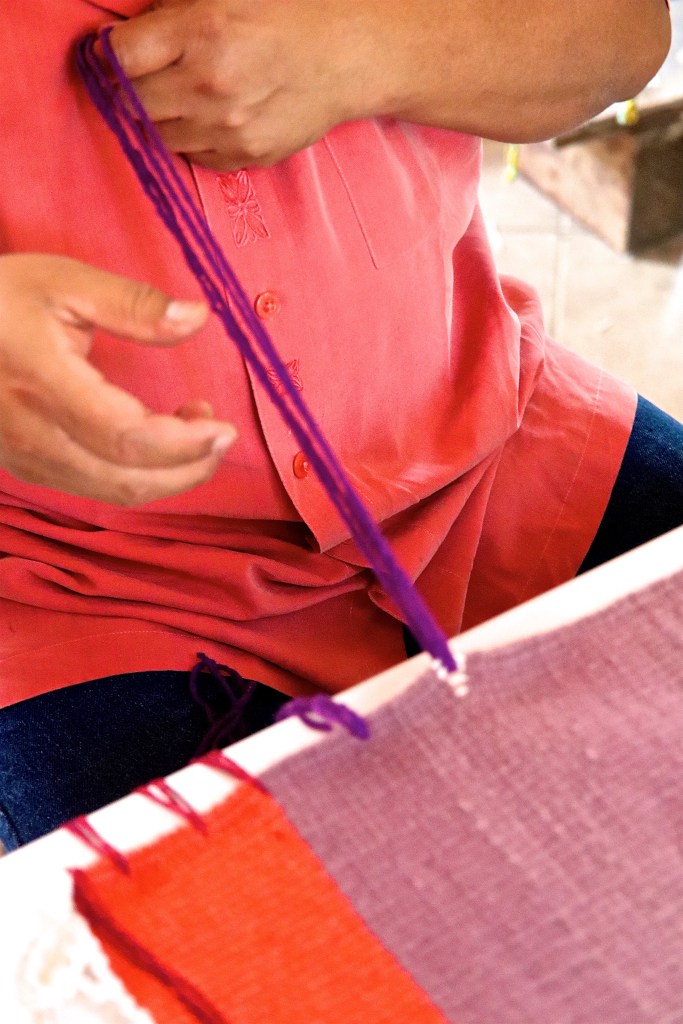
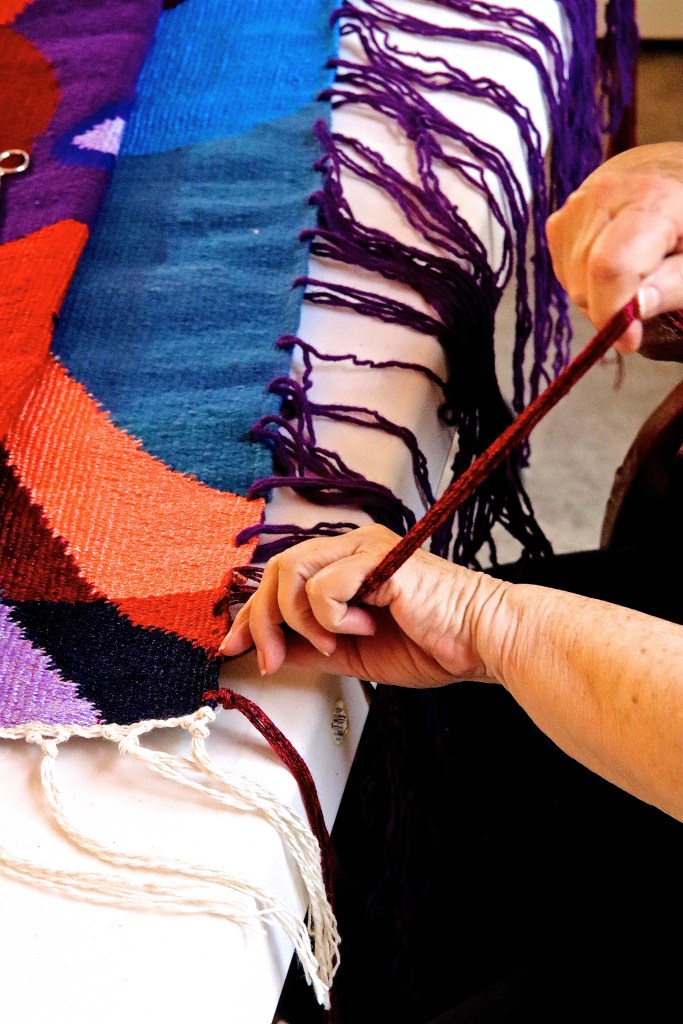
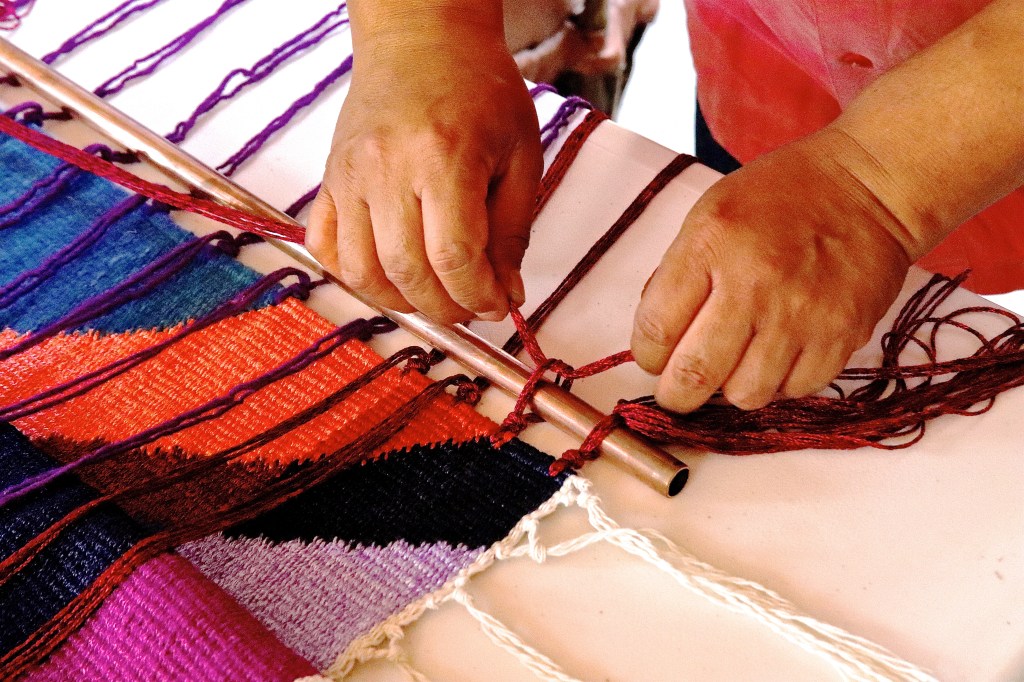
Tying off to finish the weaving
Pulling weaving from loom
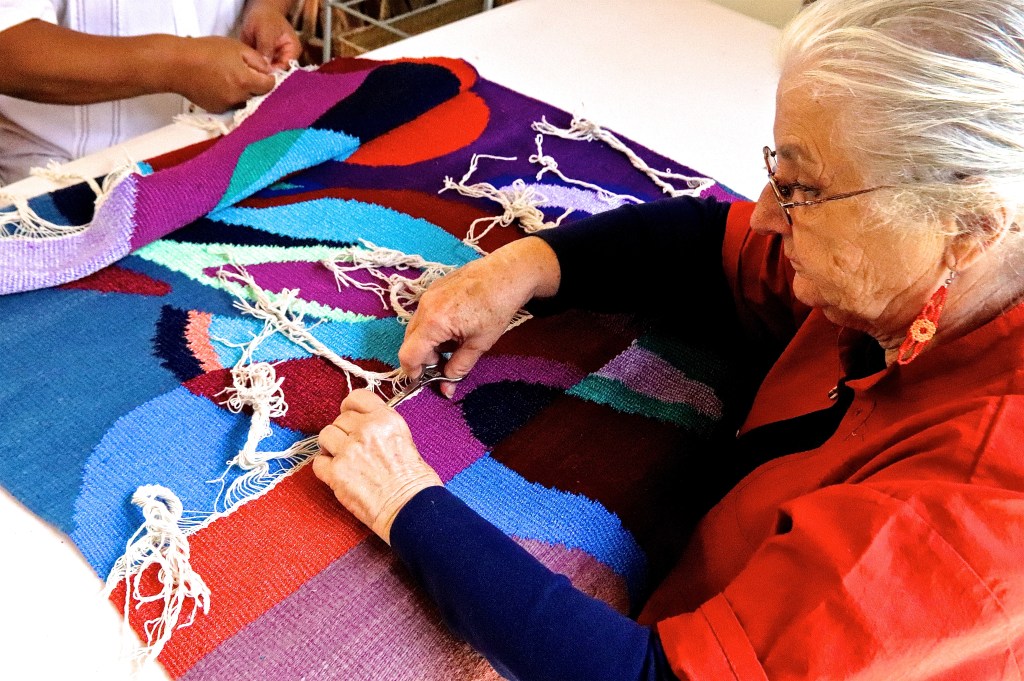
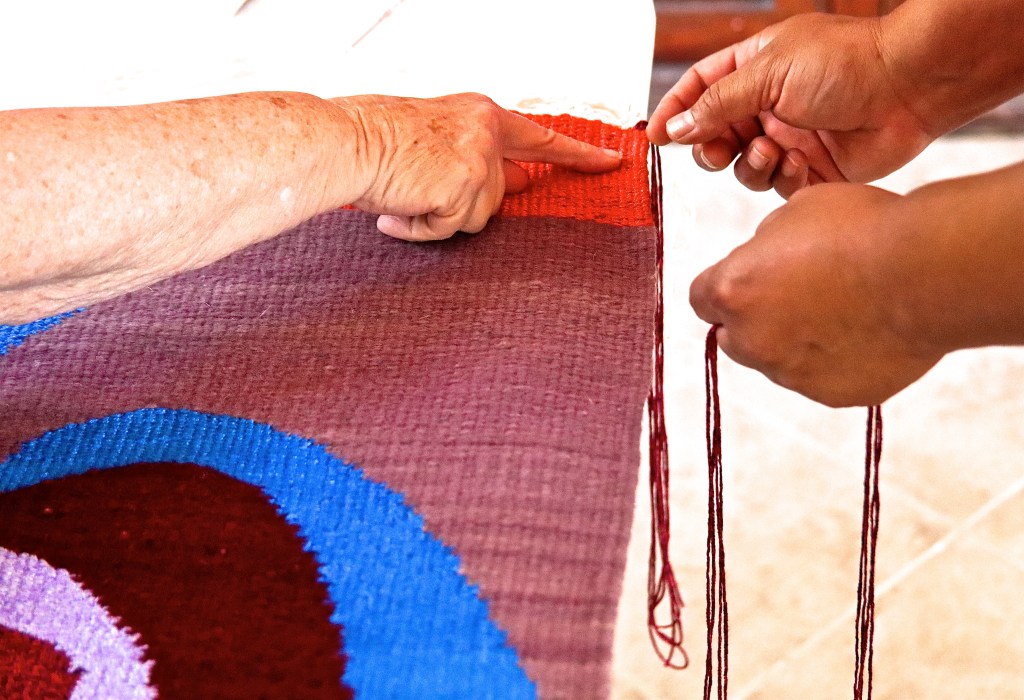
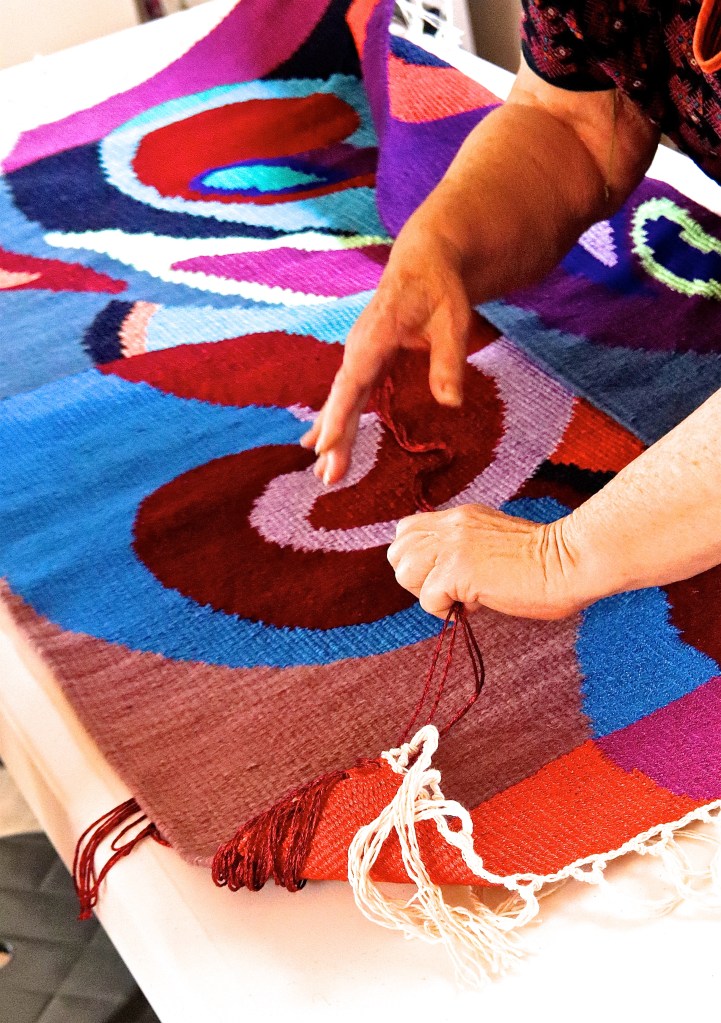
Final cleaning and tying of ends
Knotting each group of threads
Continuing tying off and knotting thread to make fringe
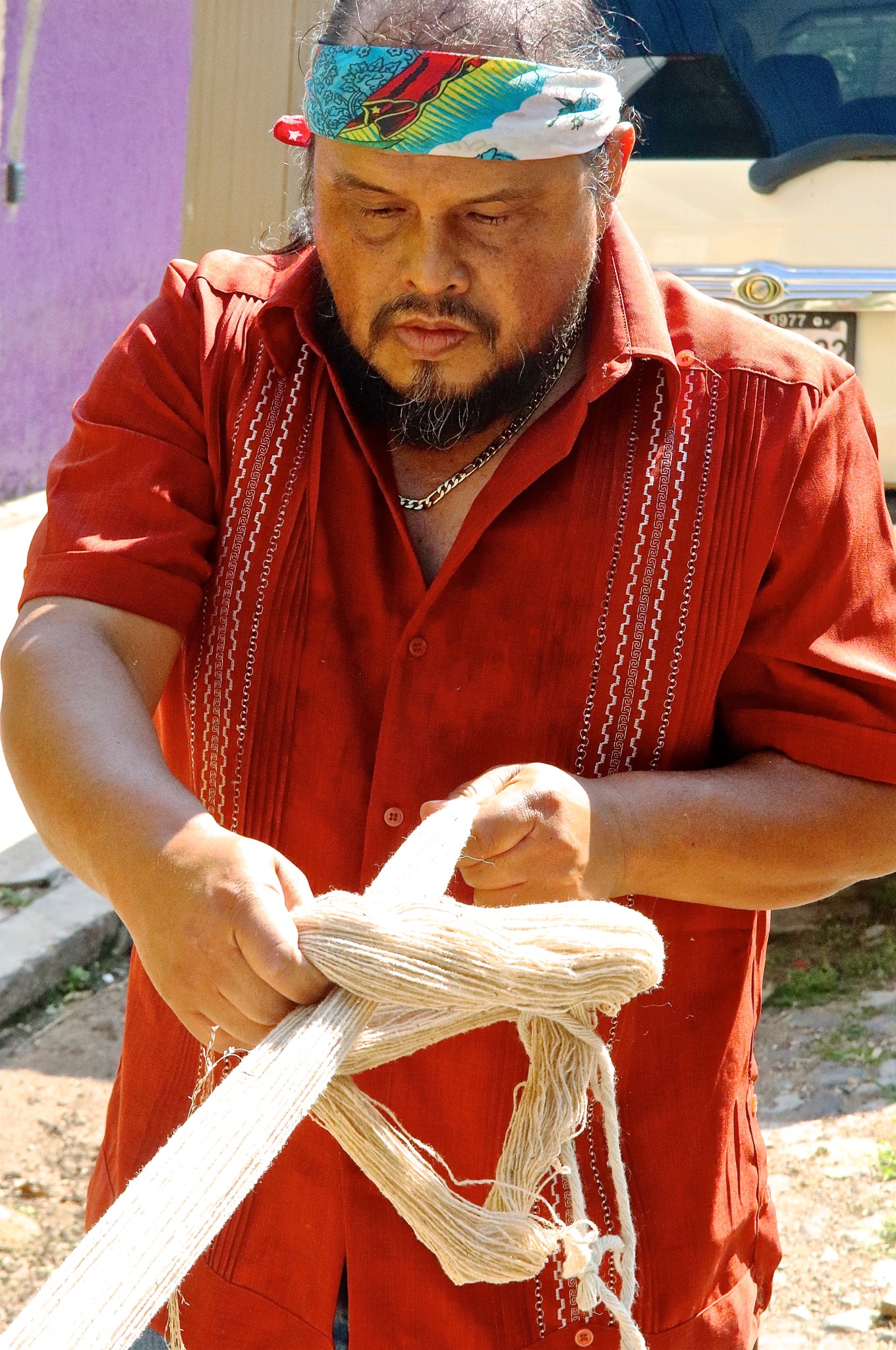
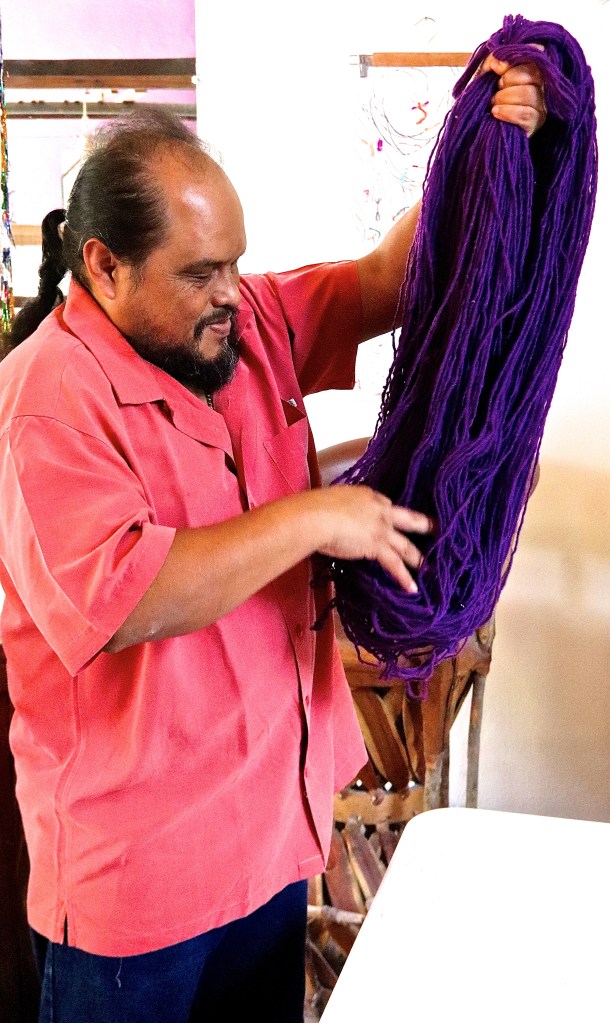
Francisco separating threads in skein of wool
Snapping action to untangle skein
Untangling bottom of skein with finger action
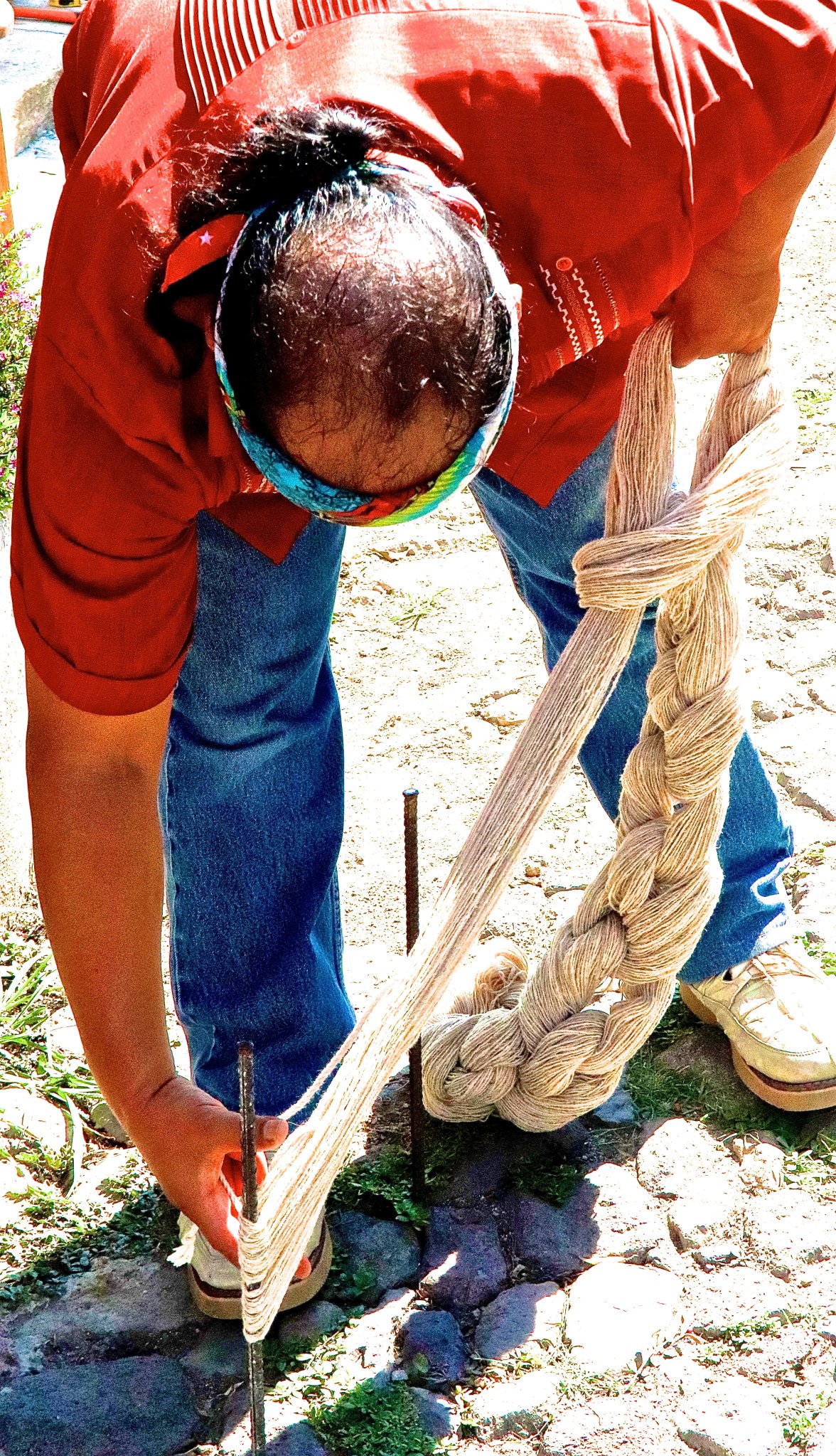
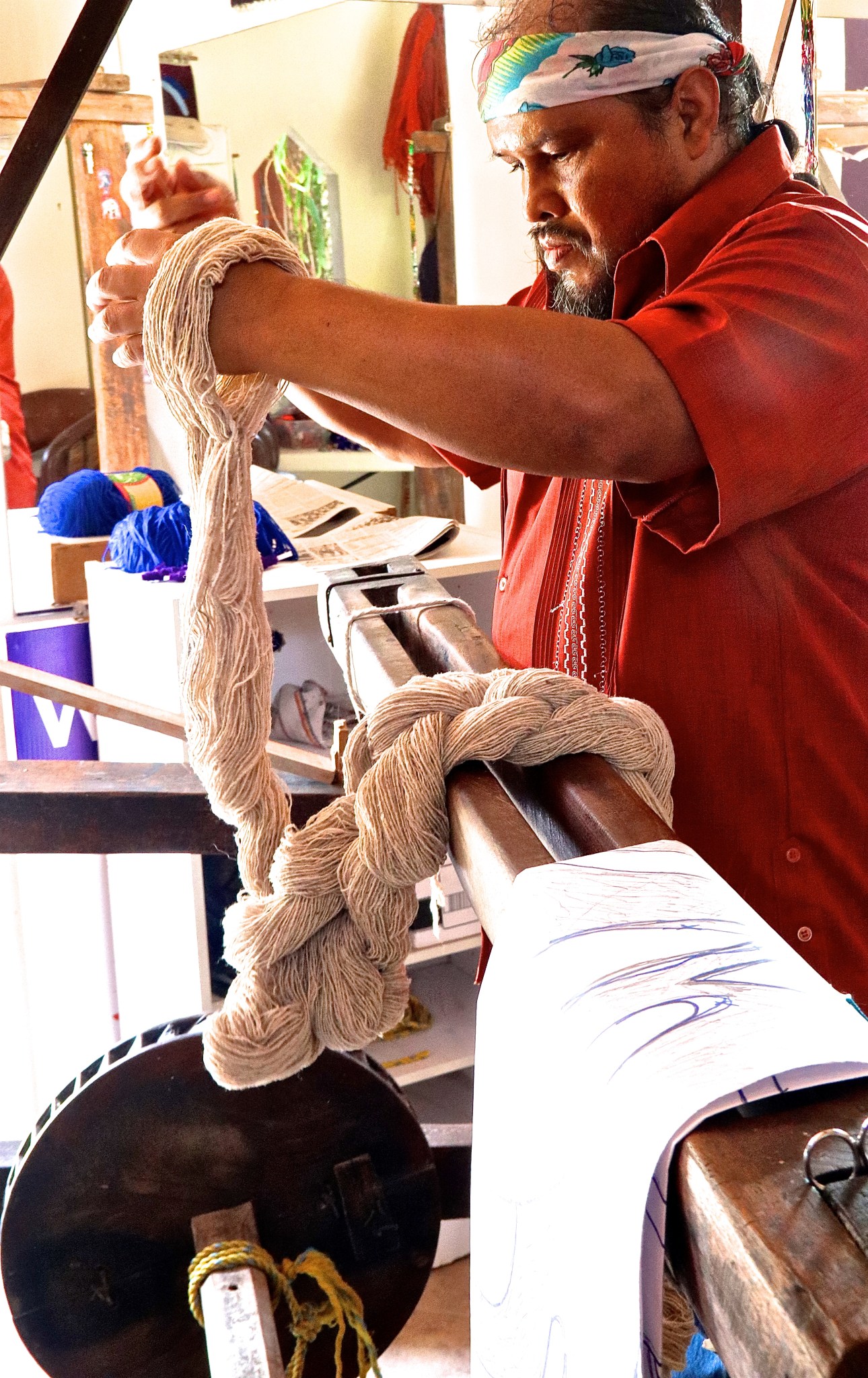
Mounting skein on warp spinner
Opening wood slats of spinner to pull off thread
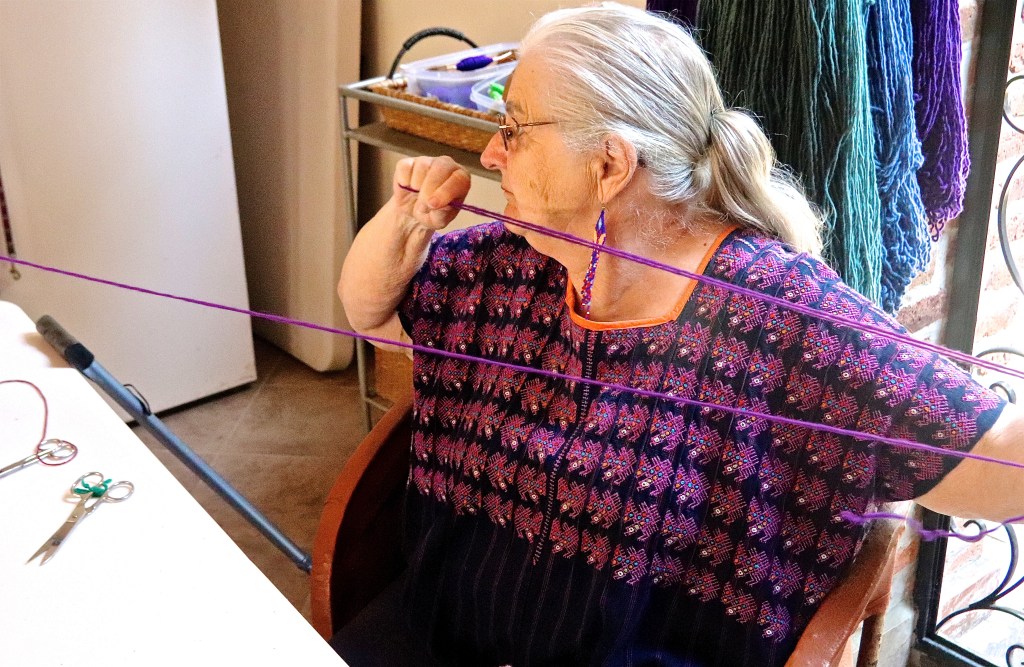
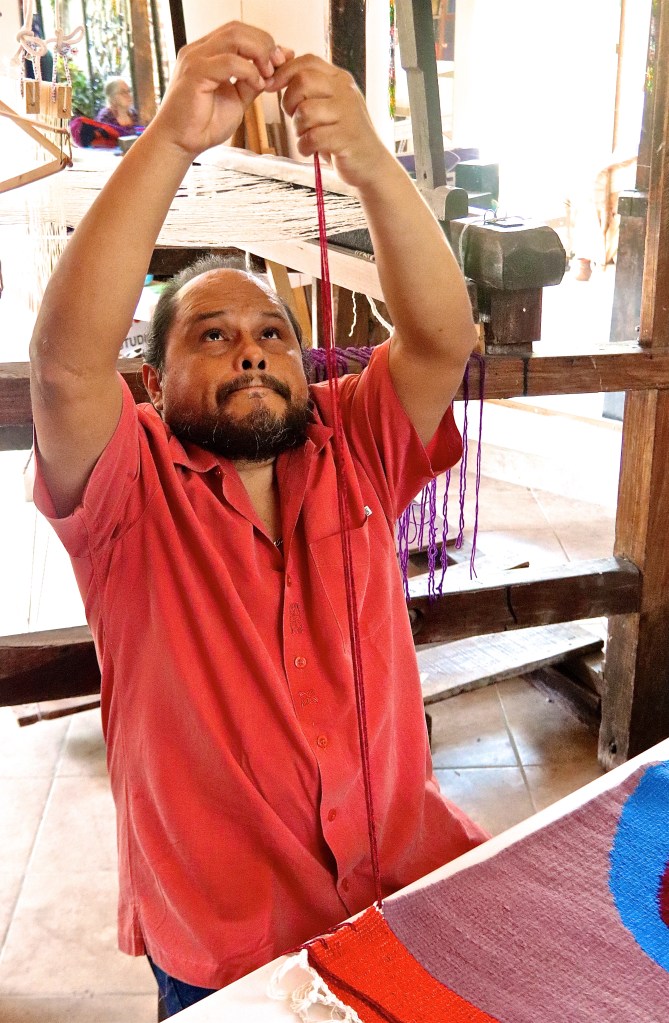
Preparing lengths of yarn for creating the vertical heading of the piece
Beginning heading – feeding Francisco hanks of yarn as he separates wool from warp

IMG_2096
Determining placement of heading material


Adjusting tension of hanks
Separating groups of heading threads

         Hand flattening the finished weaving

                We hope you enjoyed learning how we do what we love!! 
                                       Janice, Francisco & Precious

Folks who live at or visit Lake Chapala can visit Janice & Francisco’s Penthouse Gallery at 232 Carretera Pte. in West Ajijic near Dental Express. Finished weavings are available at Mexican prices, and commissions are welcome. The gallery is open on Thursdays & Fridays from 10:00 to 2:00 and by appointment – or when the door is open. Visit http://www.janicekimballmx to see photos of available weavings and for reviews of Janice’s books, and http://www.amazonbooks.com for her literary profile. Facebook: Janice Kimball mx or  janicekimballmx@gmail.com

Hacienda Ghosts

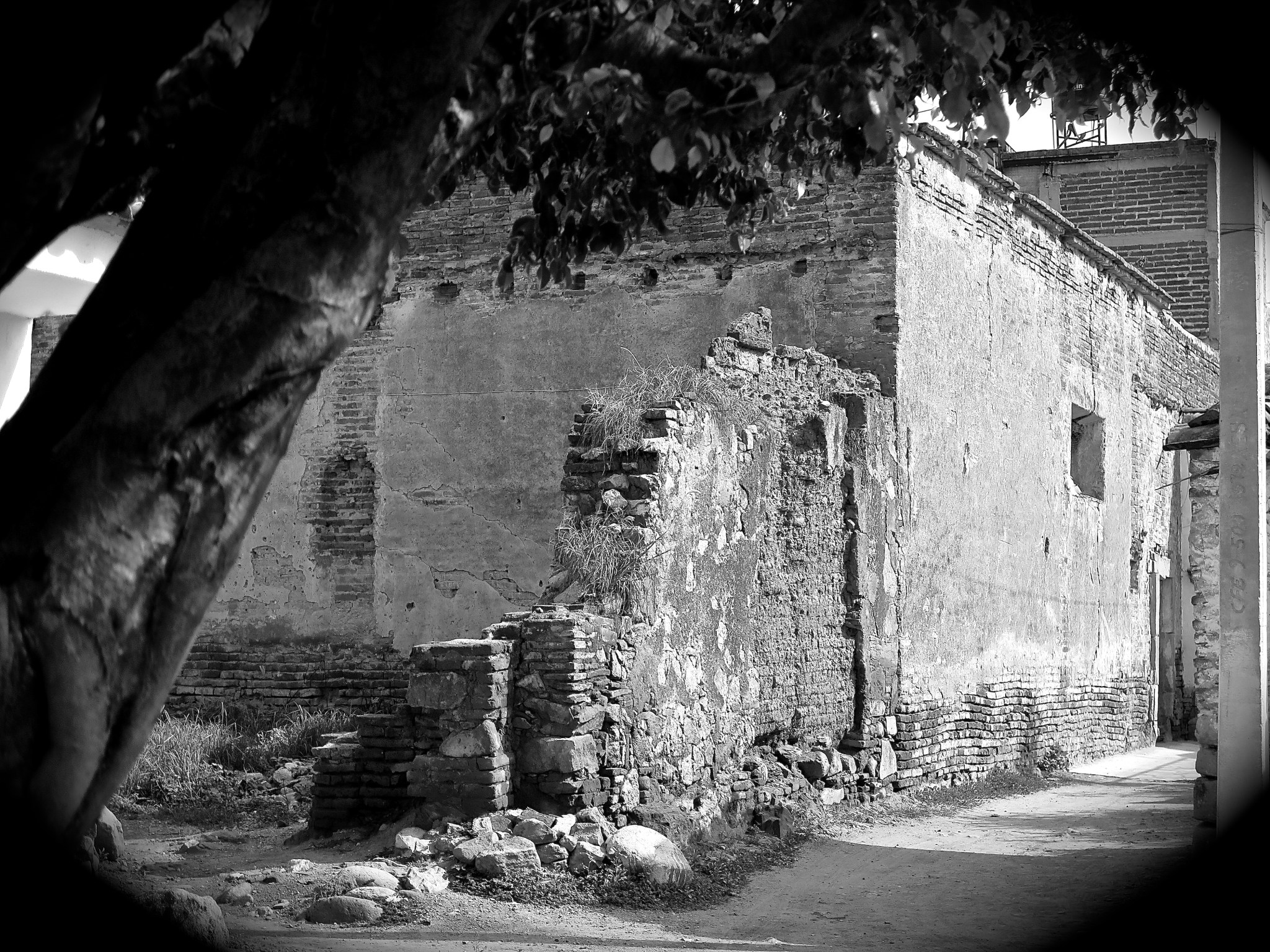
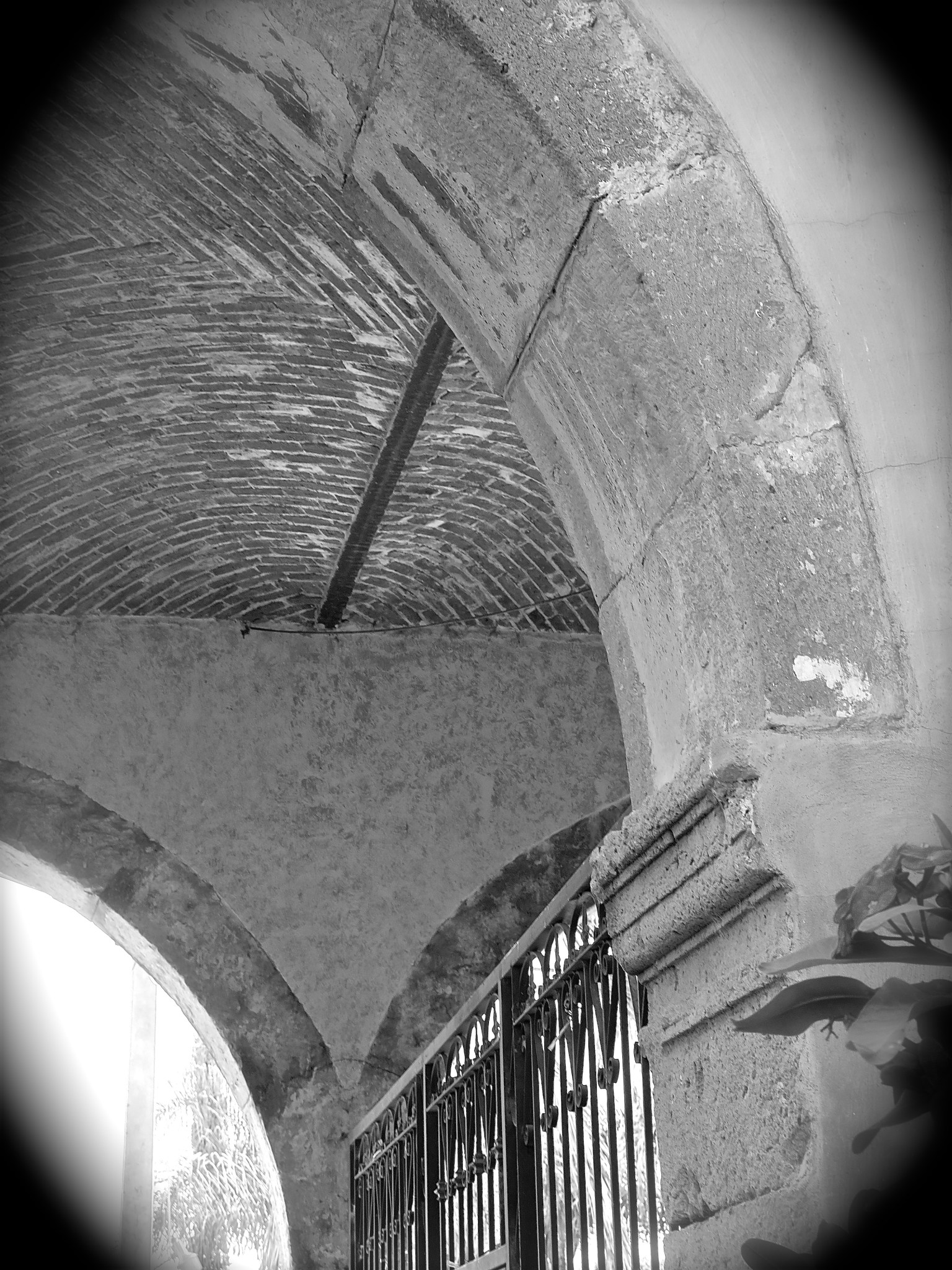
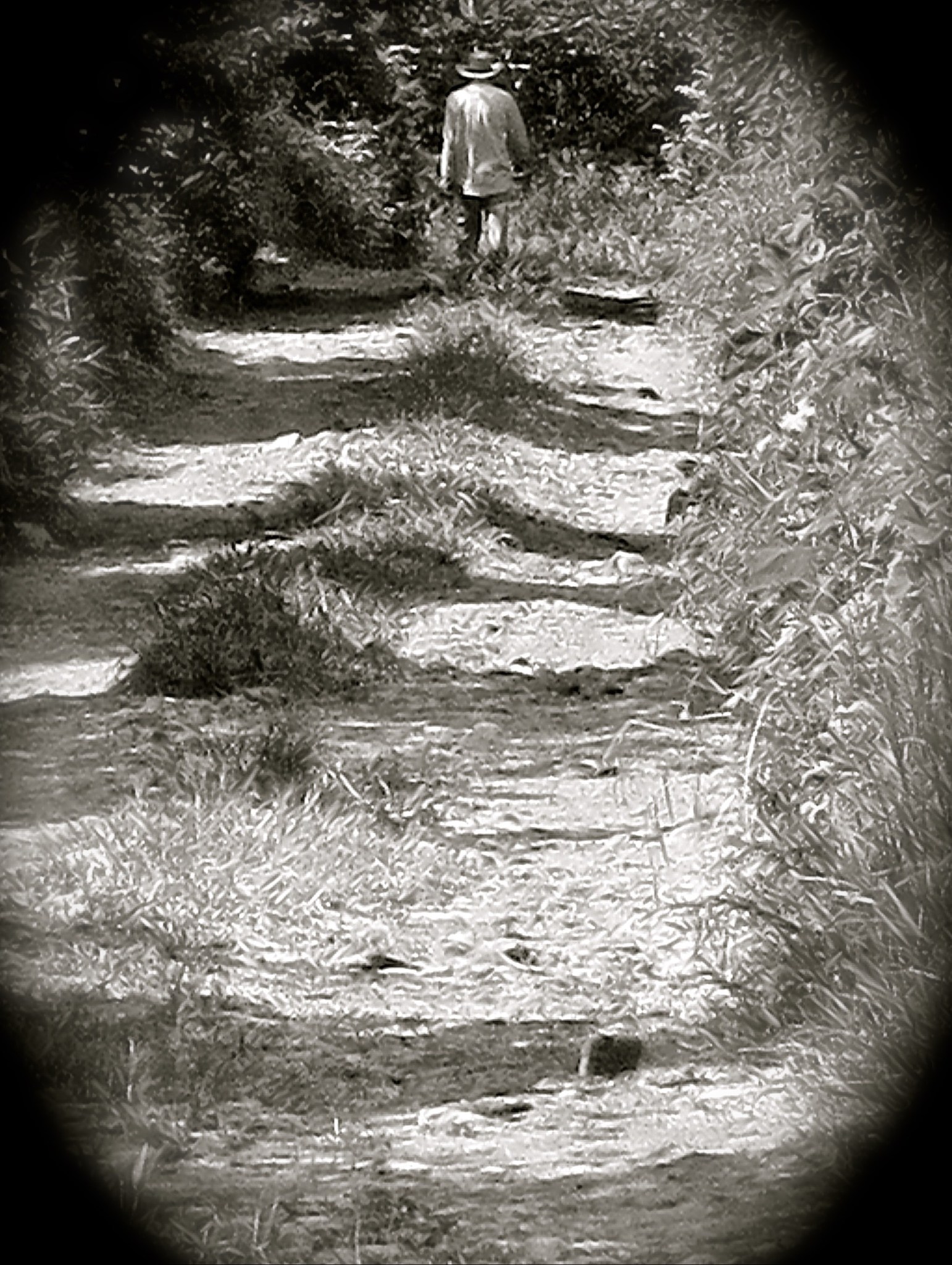
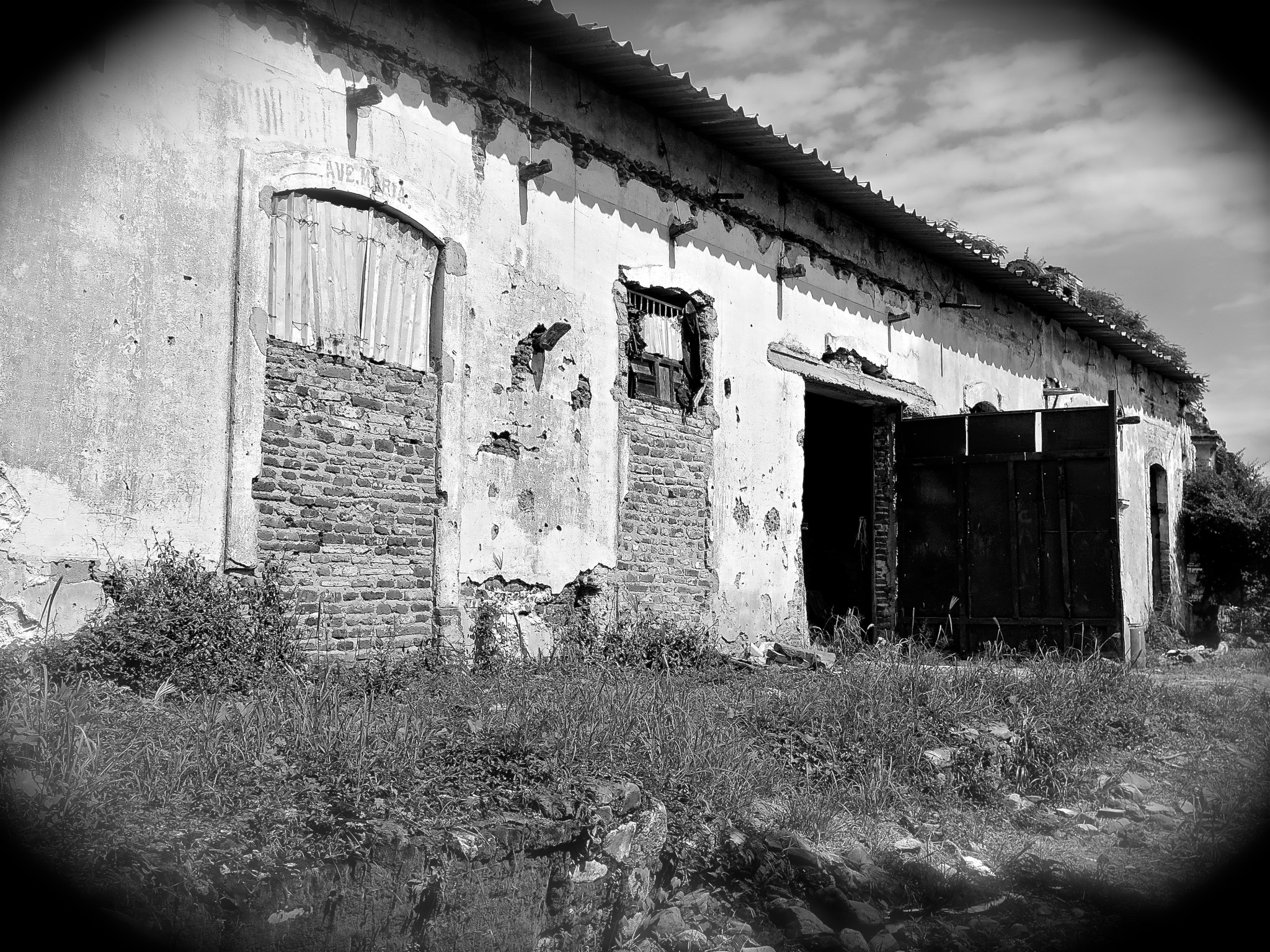
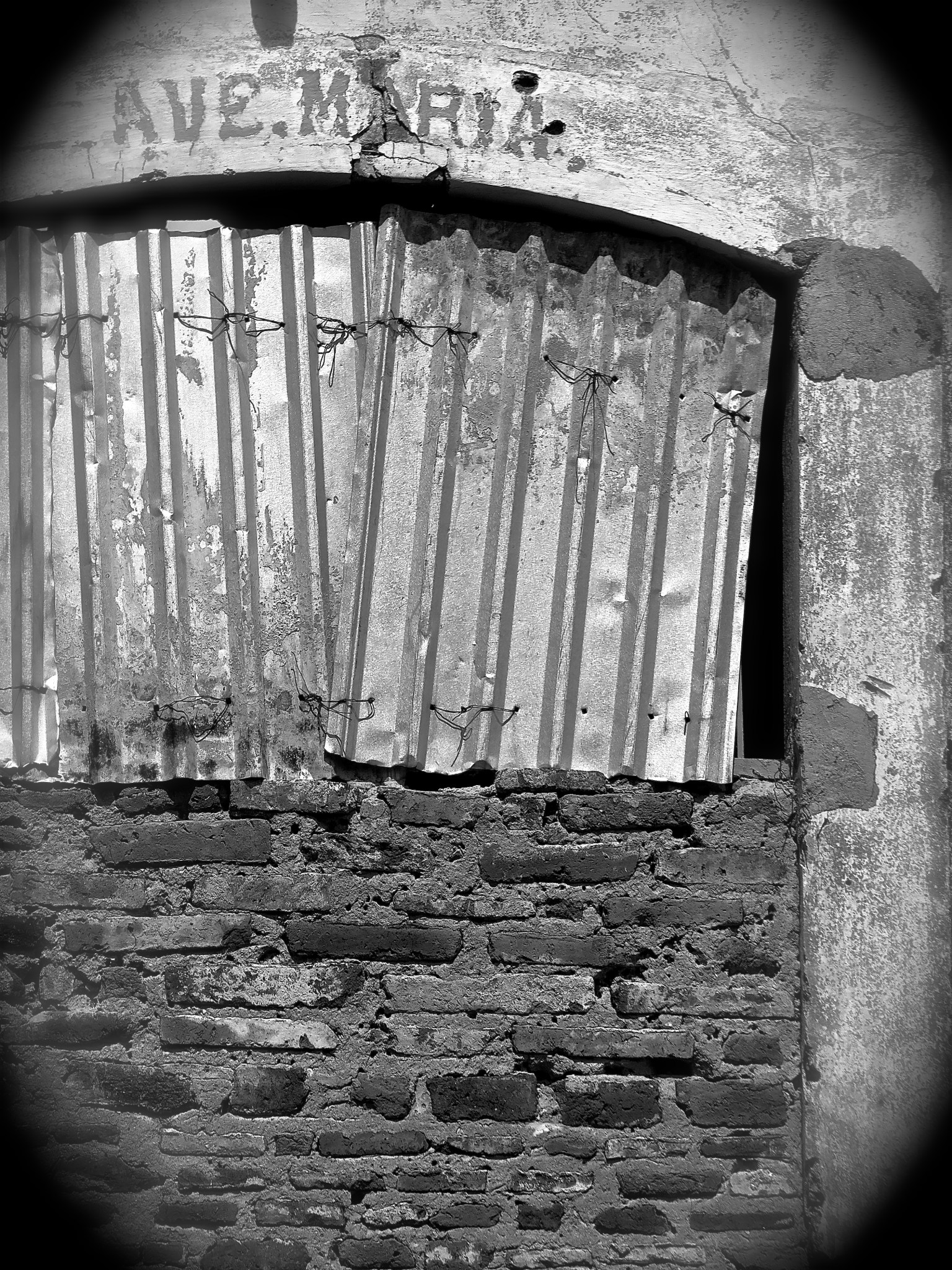
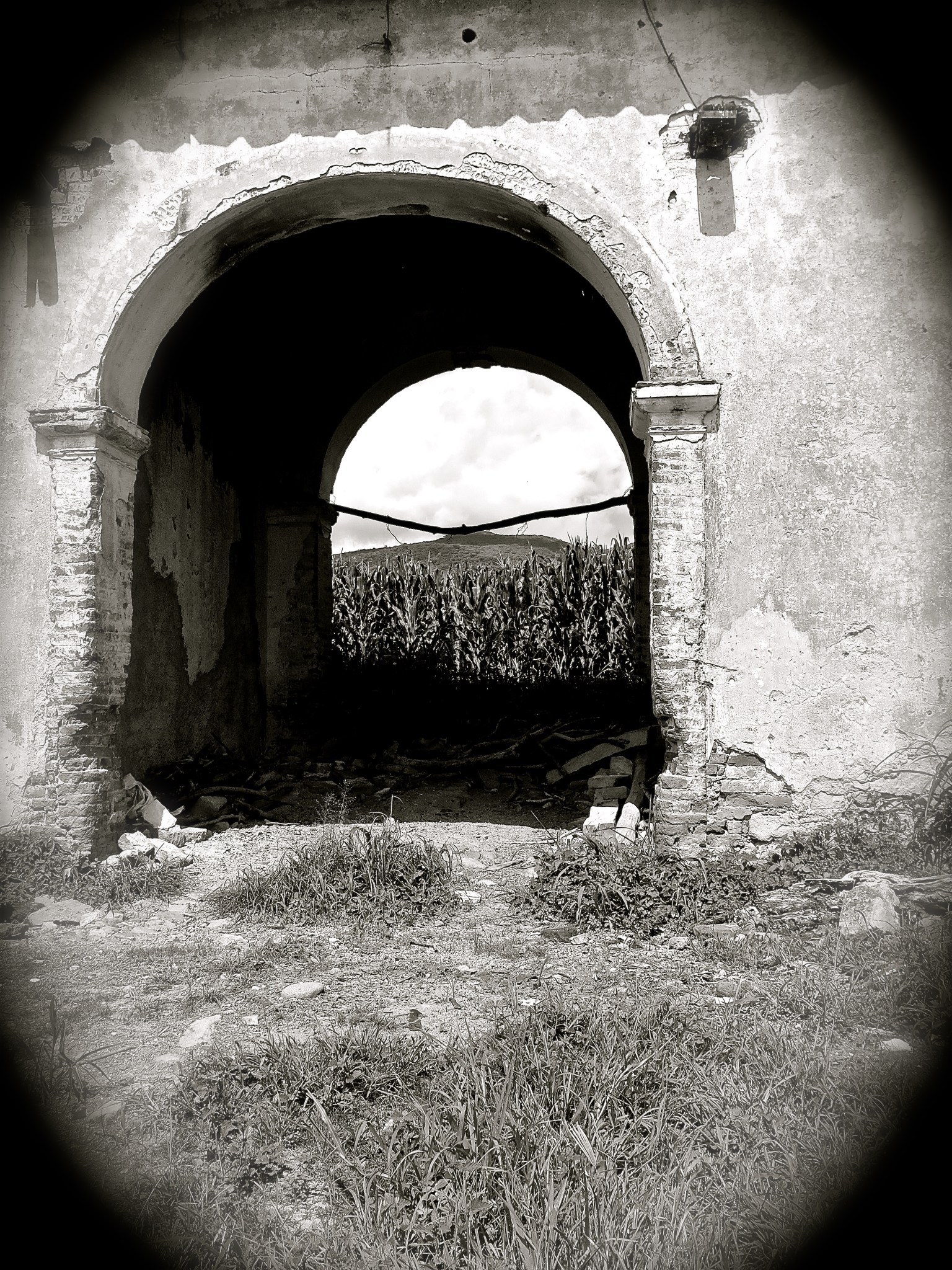
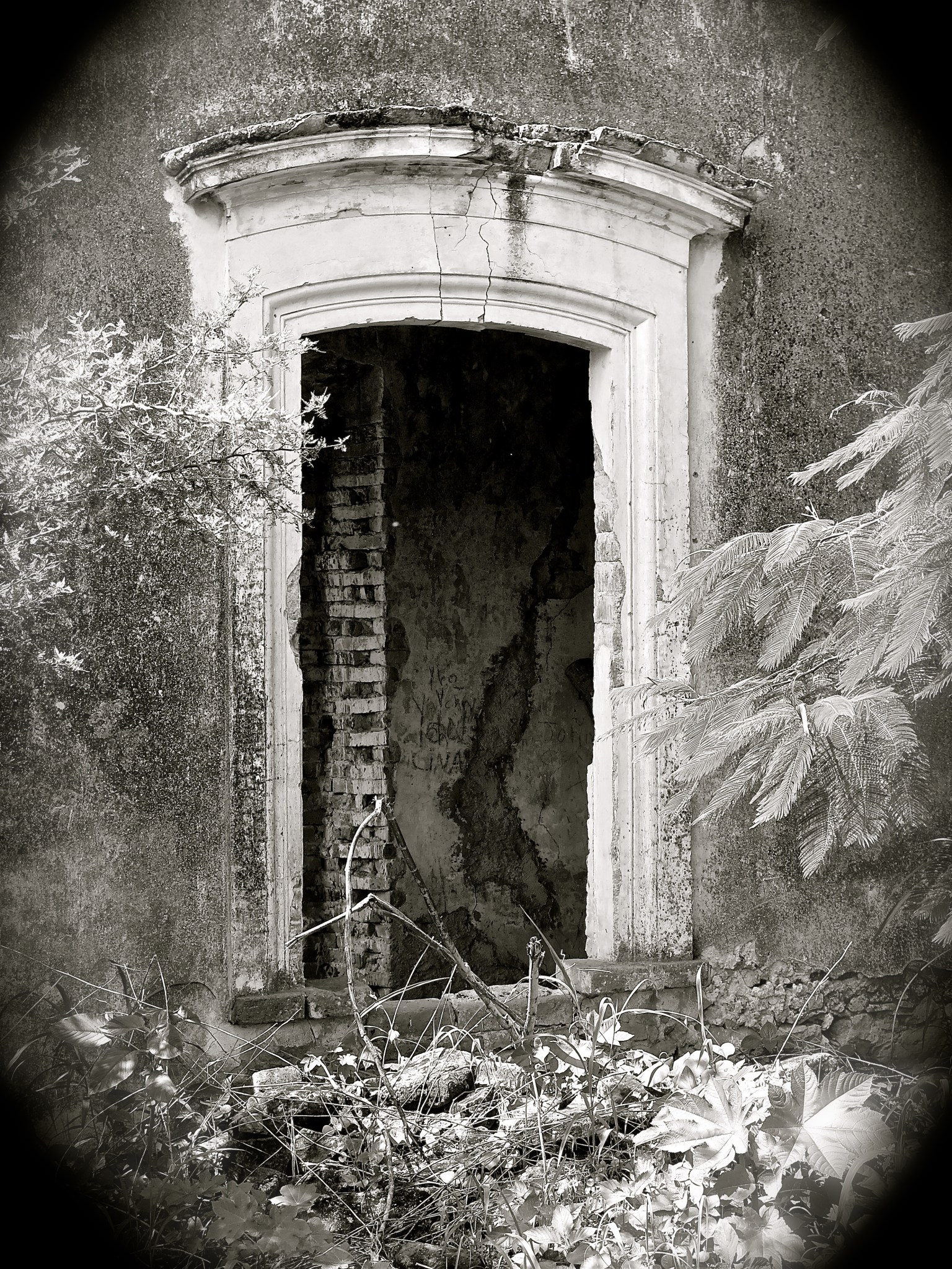
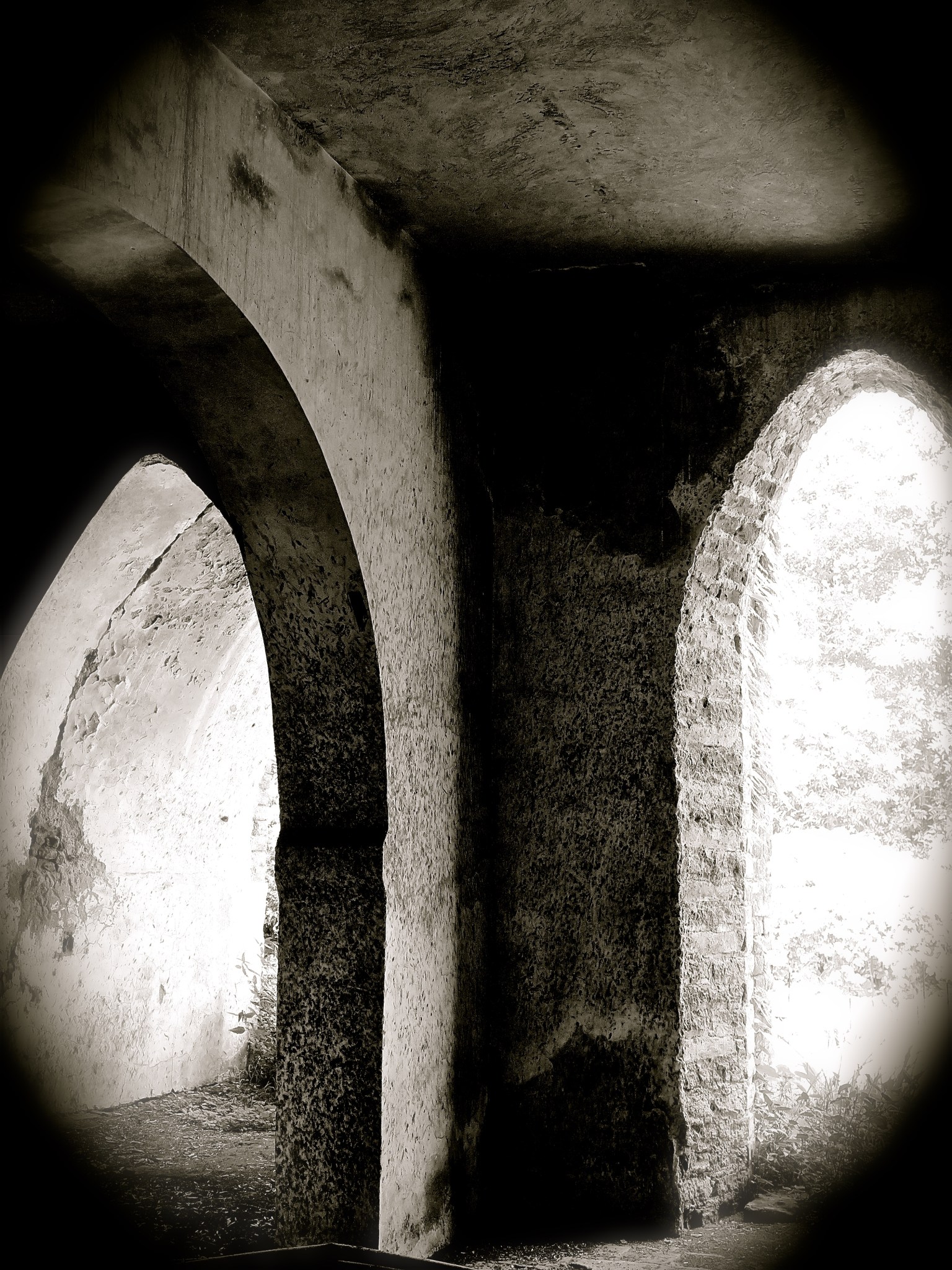
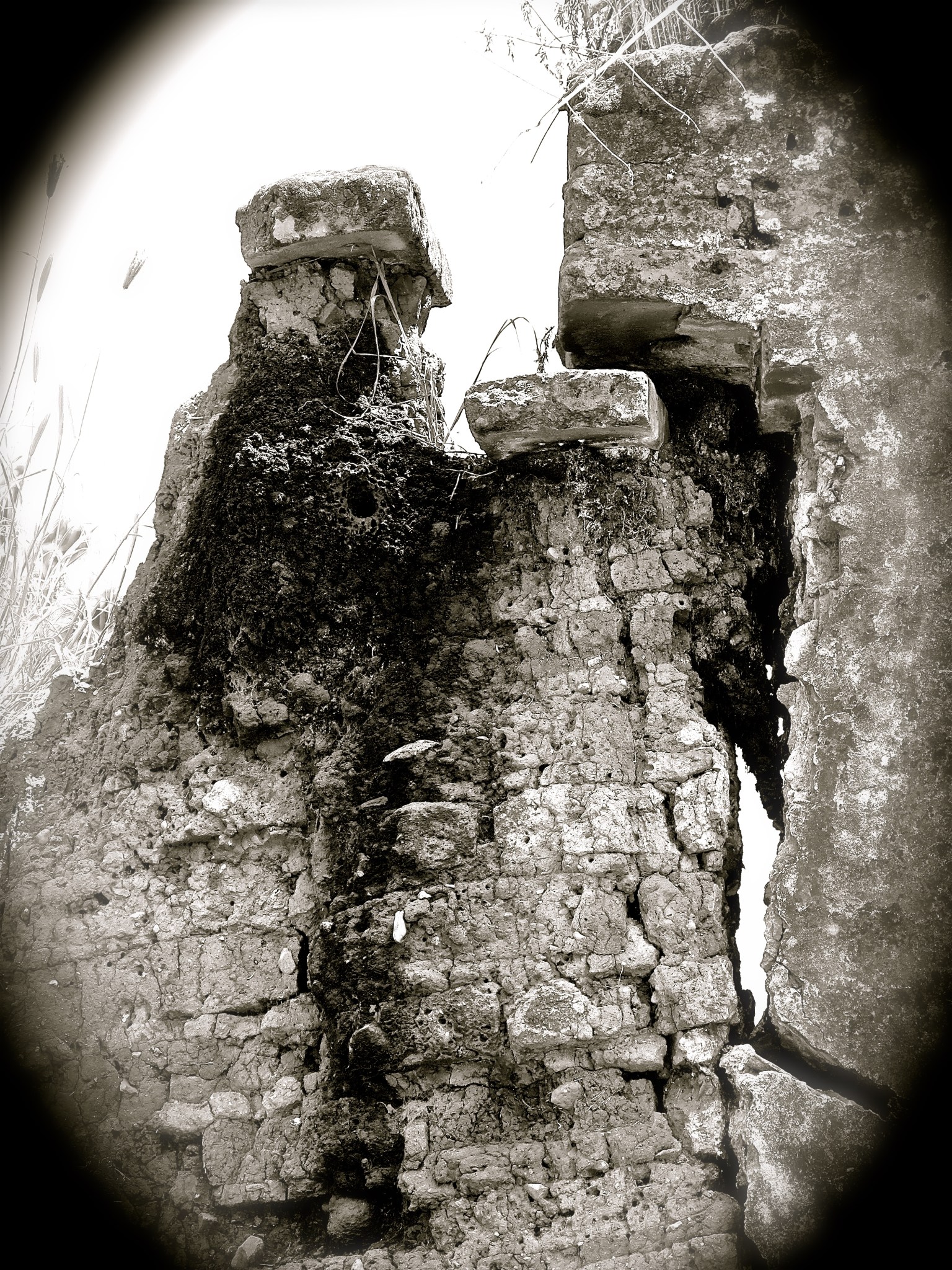
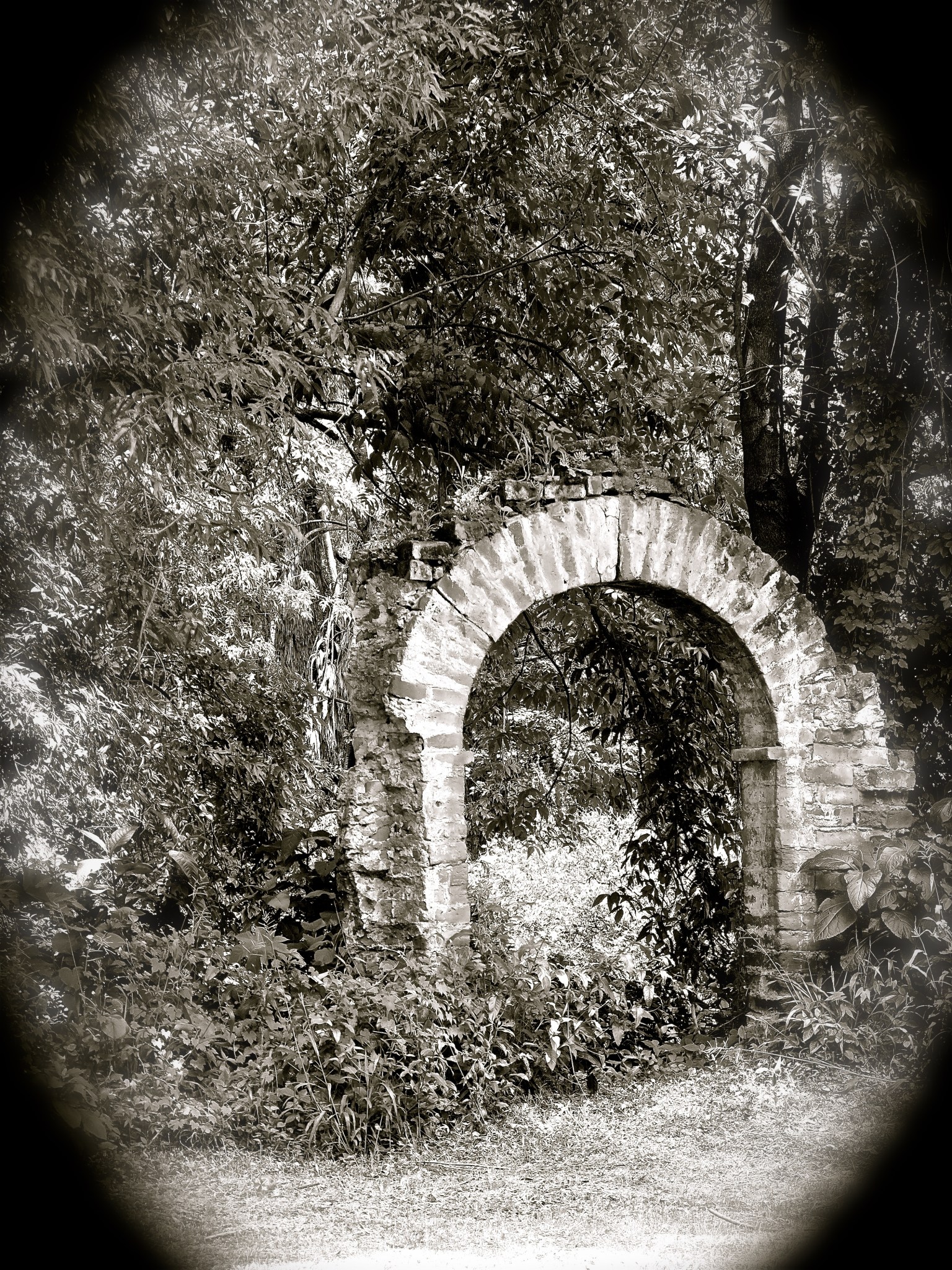
I recently took a tour of 18th century haciendas in the beautiful Ameca Valley west of Guadalajara with hacienda hunter and historian Jim Cook and other friends. Haciendas were the centers of rural Mexican life for hundreds of years and the peones were indentured much like the serfs in Russia and sharecroppers in the U.S. Some haciendas have been restored and turned into beautiful boutique hotels and spas, but many are in various states of decay, as are the 3 sites we visited. The chapels often became the churches in the towns where the haciendas are located as shown in the first site we visited, Hacienda Santa Maria, in the town of the same name. But in the more rural areas where haciendas are not in the center of towns, such as Hacienda San Jose Miravalle in the town of San Jeronimo, and the Hacienda Santa Maria de la Huerta, the chapels have succumbed to time and decay.

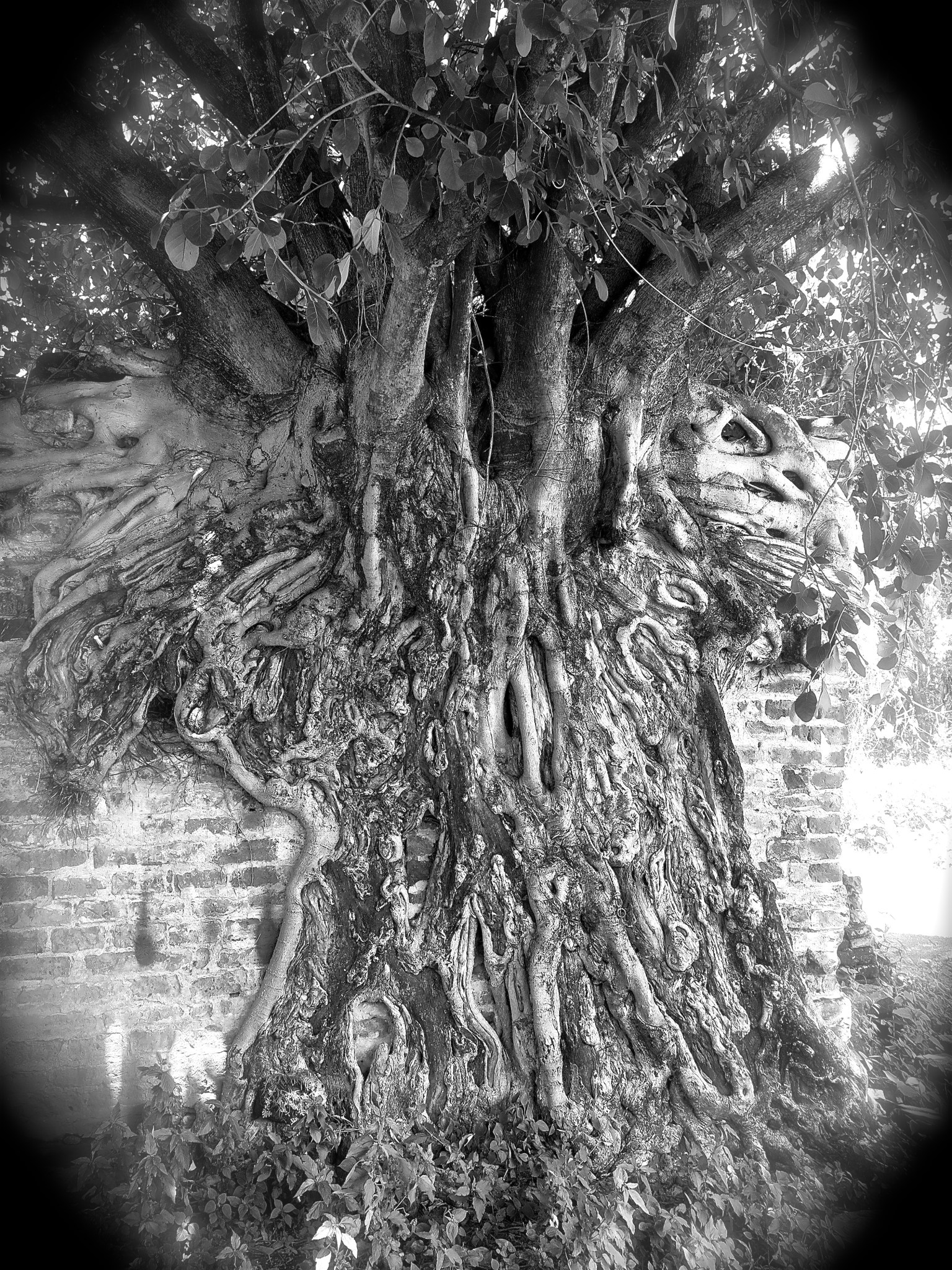
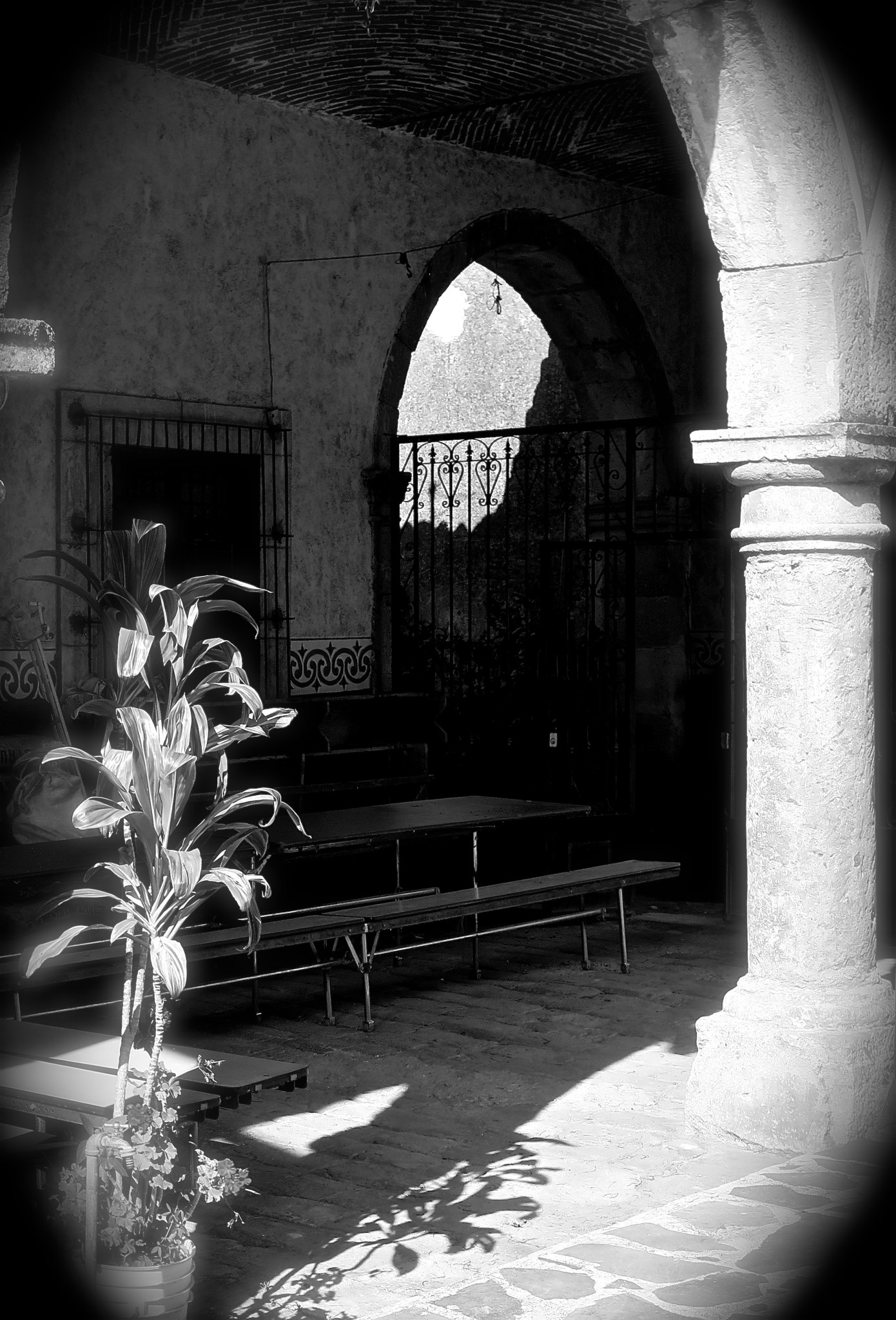
As we walked around these once vibrant sites I had the feeling of being in the ghost towns of the American West. And as I was editing the photos, I had a strong sense that they should be in black and white  rather than in color.

If you want to explore haciendas in various states of former glory as well as levels of decay I suggest going to Jim Cook’s amazing blog site:  cookjmex.blogspot.com

IMG_9055IMG_9059IMG_9051IMG_9052

IMG_9056

IMG_9061IMG_9062

IMG_9067

IMG_9068

IMG_9074

IMG_9069IMG_9070IMG_9071IMG_9084IMG_9087IMG_9089IMG_9081IMG_9082

IMG_9094IMG_9091

Puebla, April, 2019

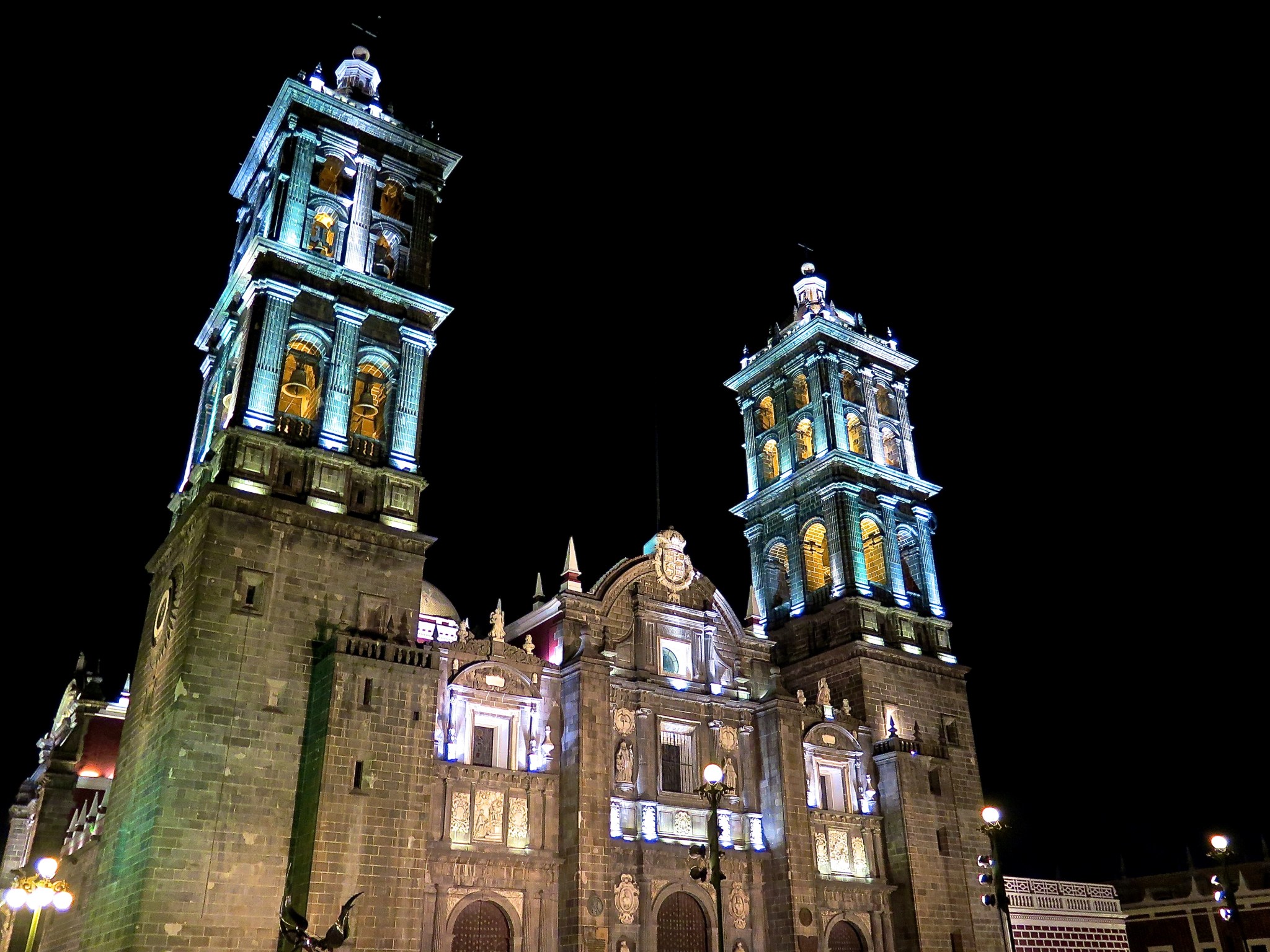
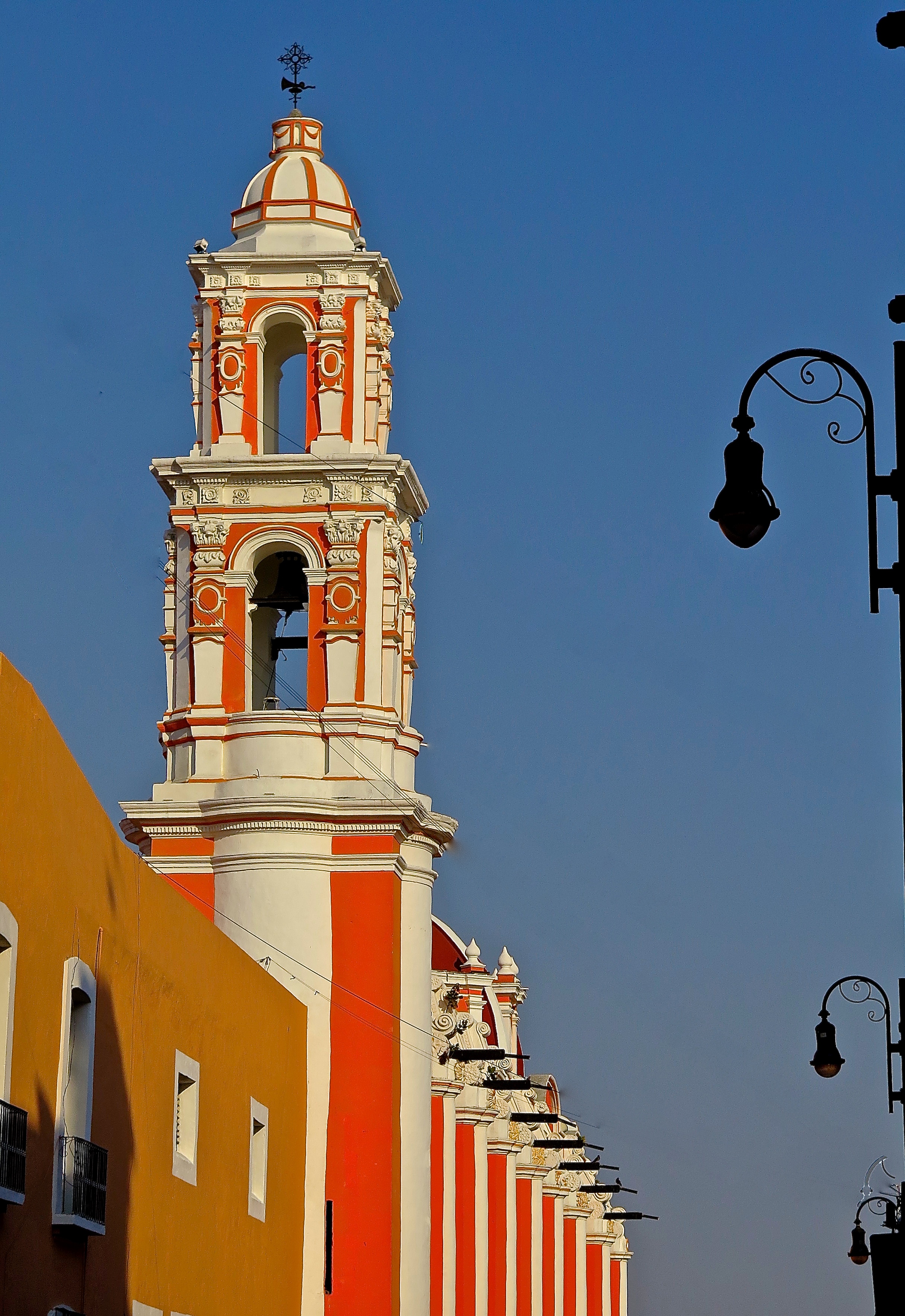
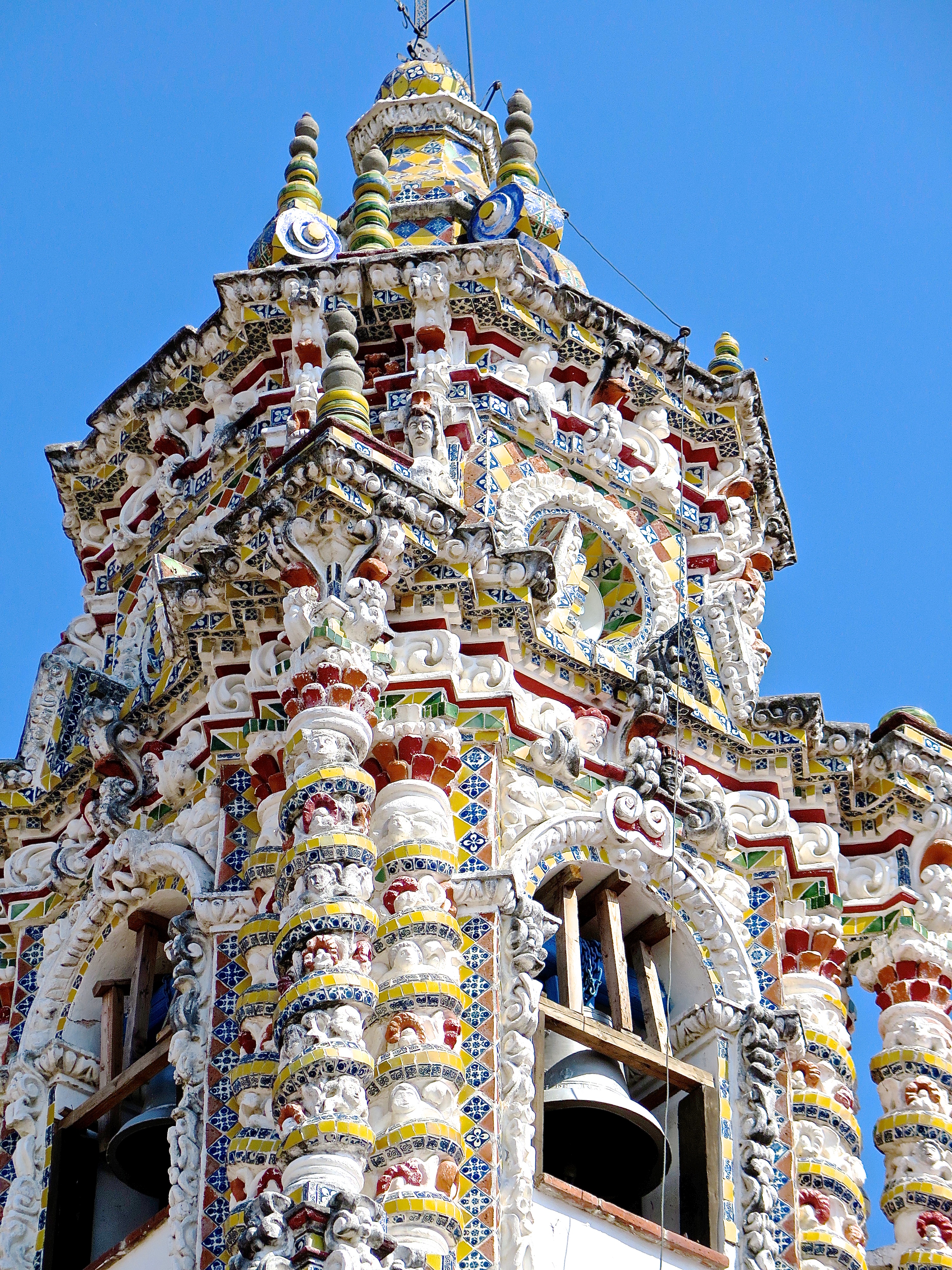
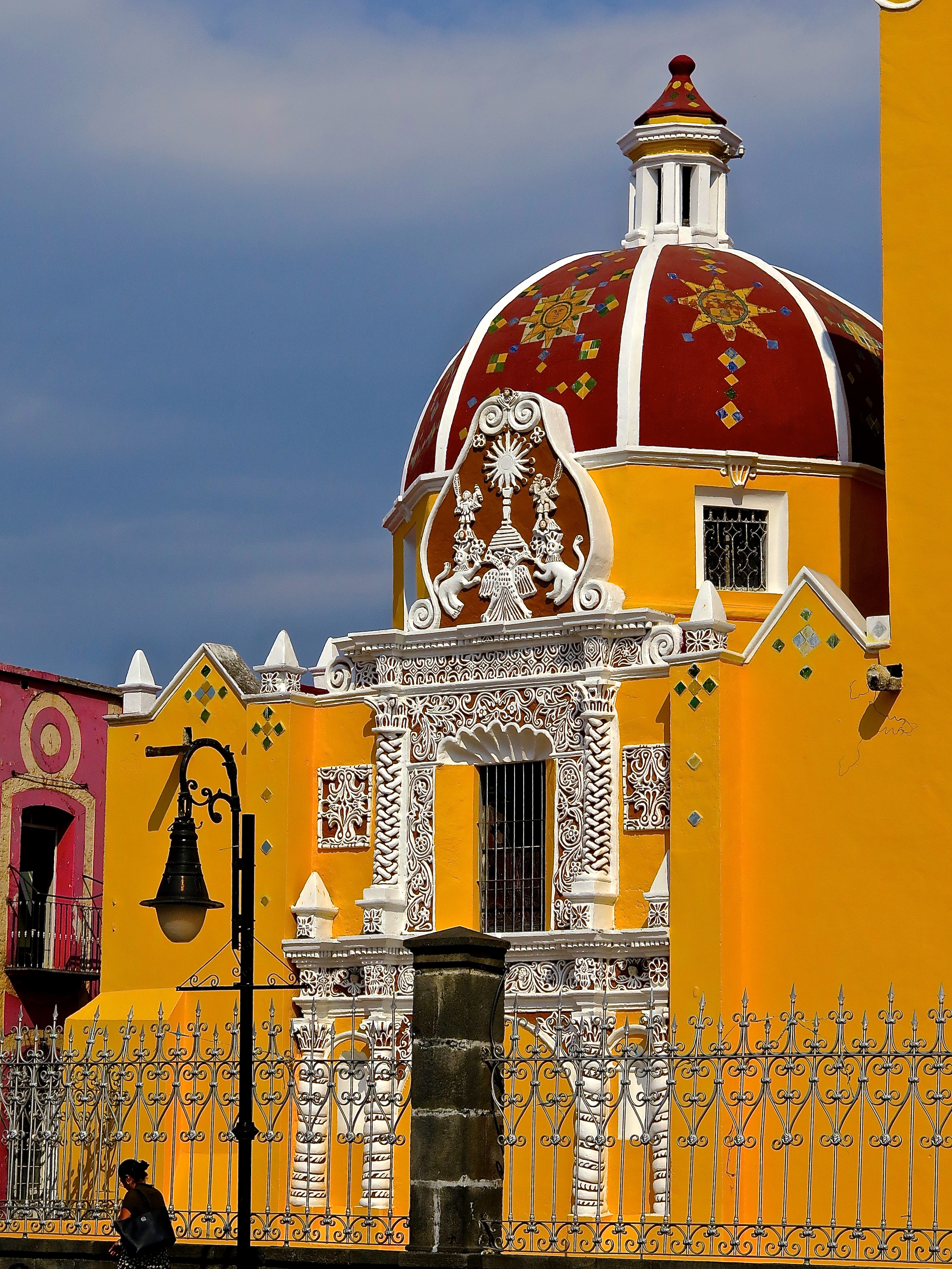
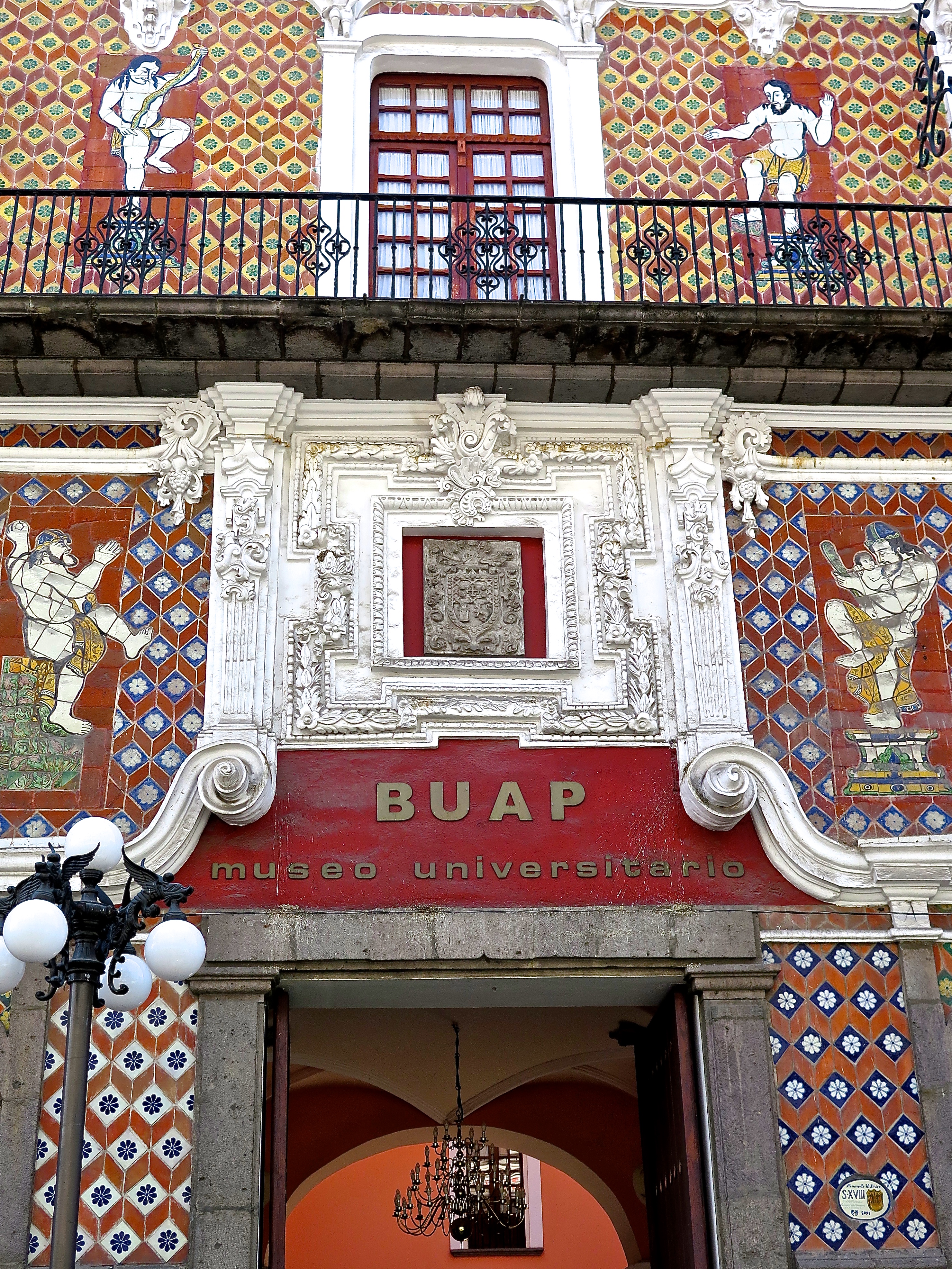
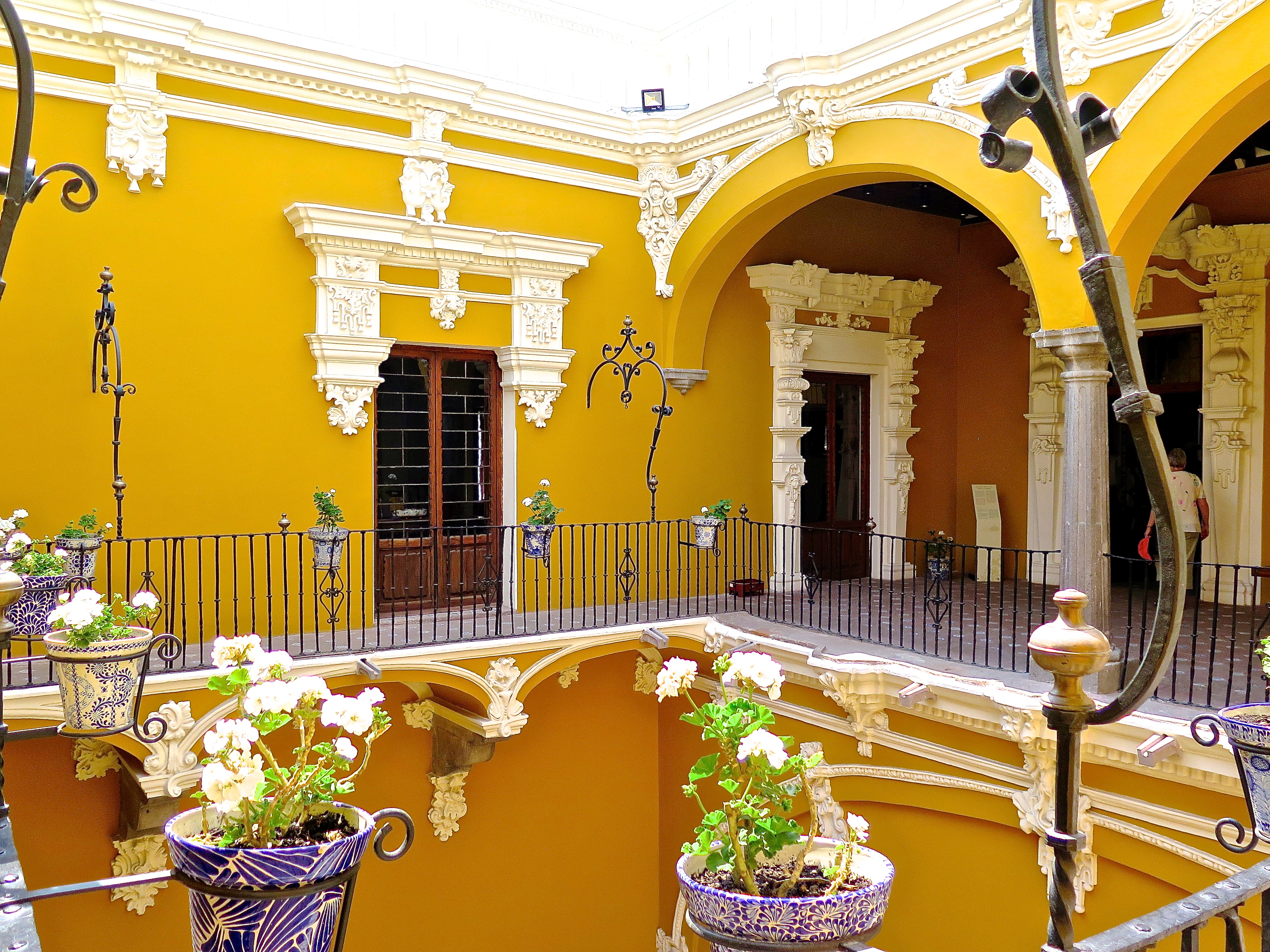
Puebla, founded in 1531 and known as the City of Angels, is Mexico’s fifth largest city. The extensive and beautiful historic Centro is home to many of the more than 60 churches in Puebla and more than 1000 buildings from the colonial era, many decorated with the beautiful ceramic tiles the city is famous for. The term Baroque doesn’t really prepare the mind for what happened to that artistic style in Mexico, especially in Puebla and surrounding towns, as you will see in the photos of churches below.

IMG_8617

At 226 feet the cathedral towers are the tallest in Mexico.

IMG_8508

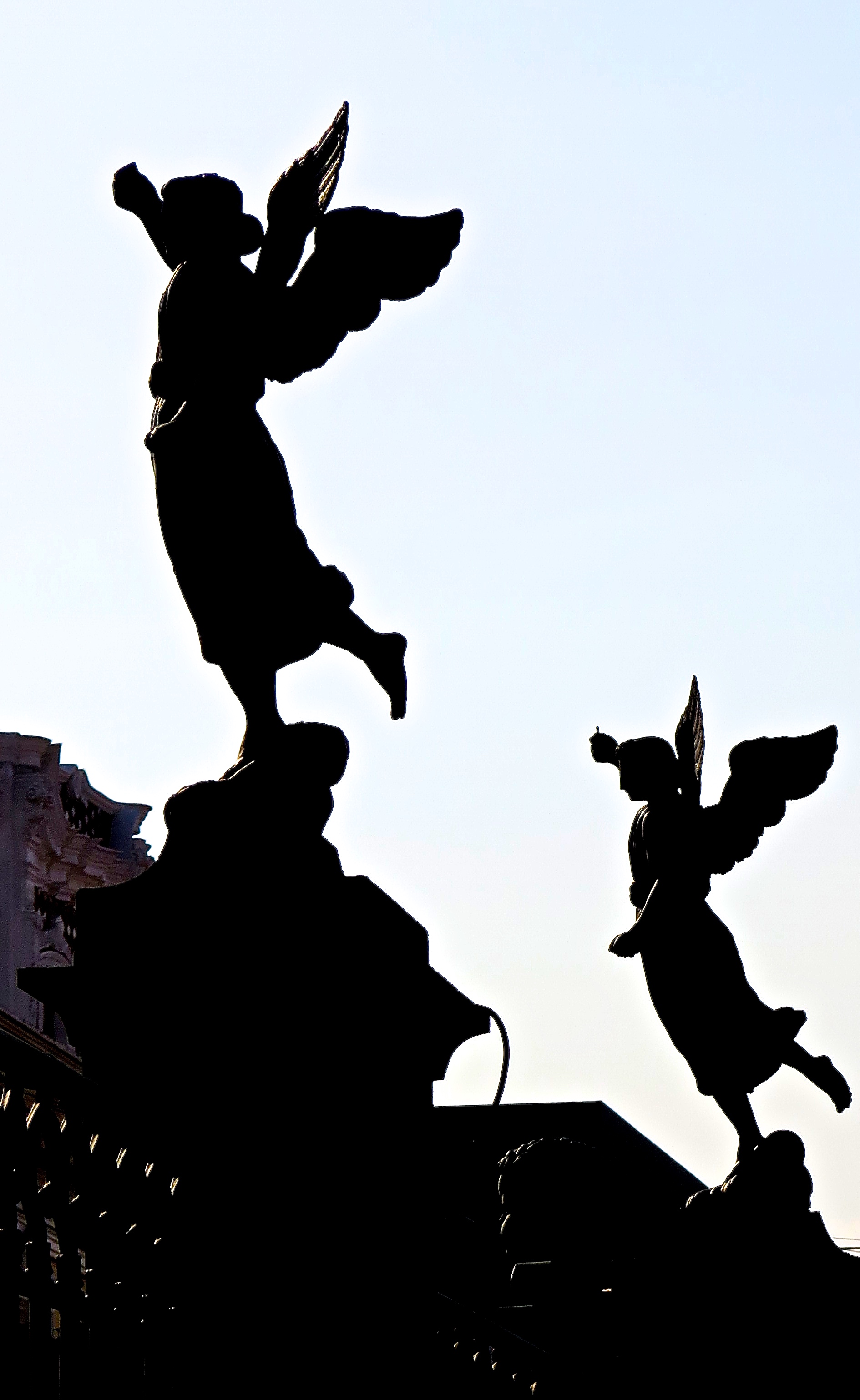
There is a myriad of angels on the fence that surrounds the cathedral which occupies a full city block.

IMG_8699

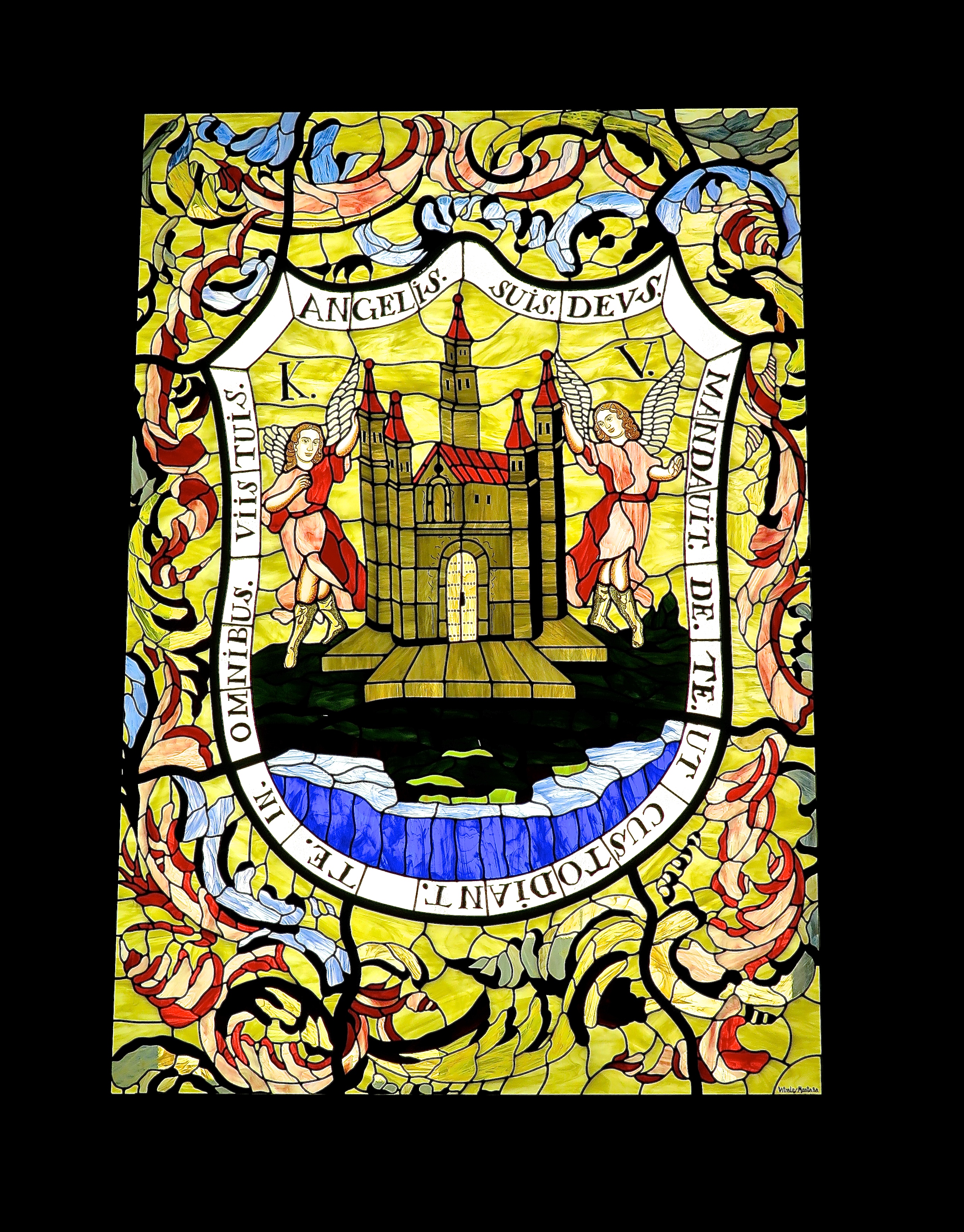
The coat of arms of the City of Angels, an example of the fine glass work that Puebla is noted for.

IMG_8509

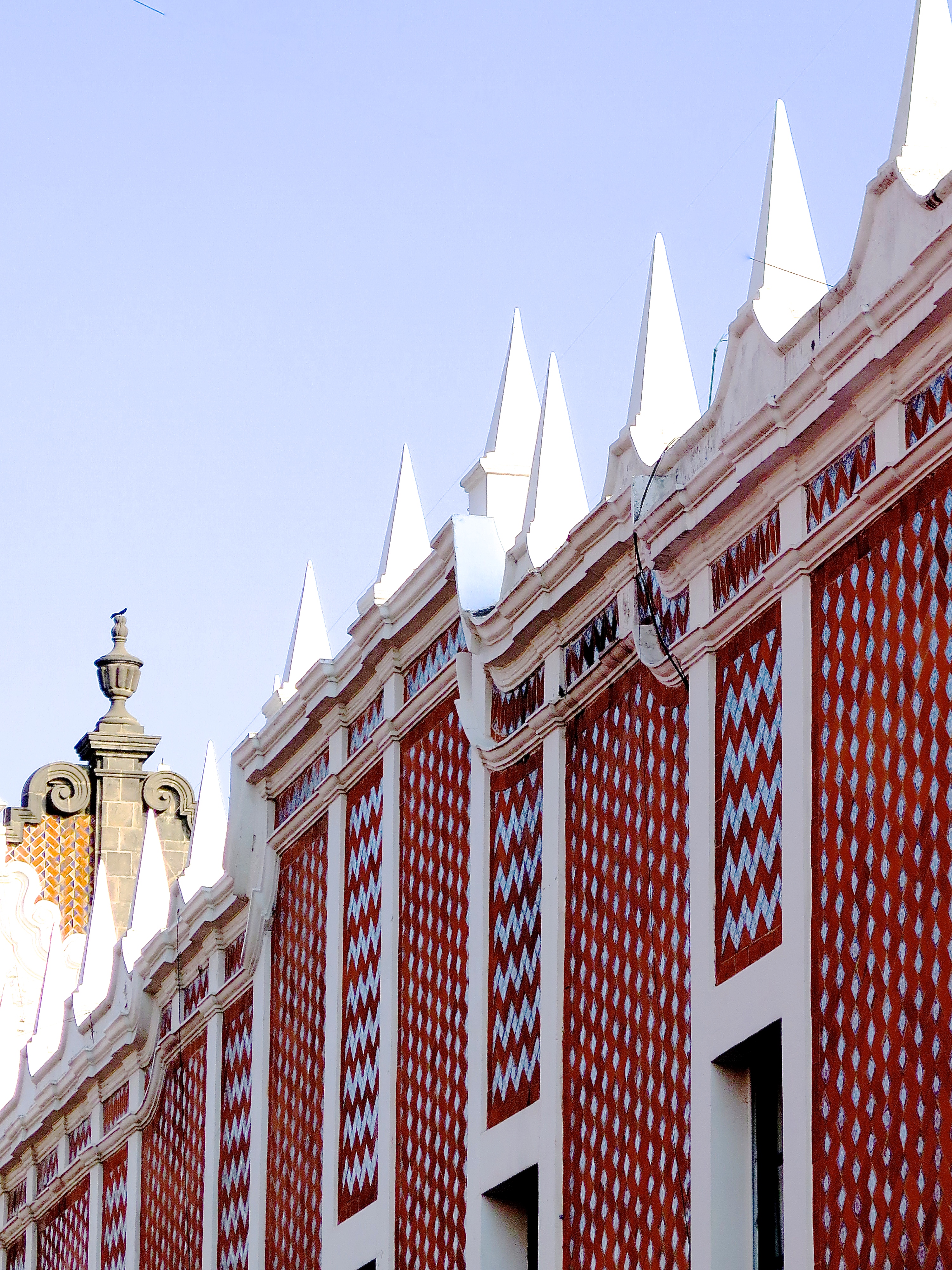
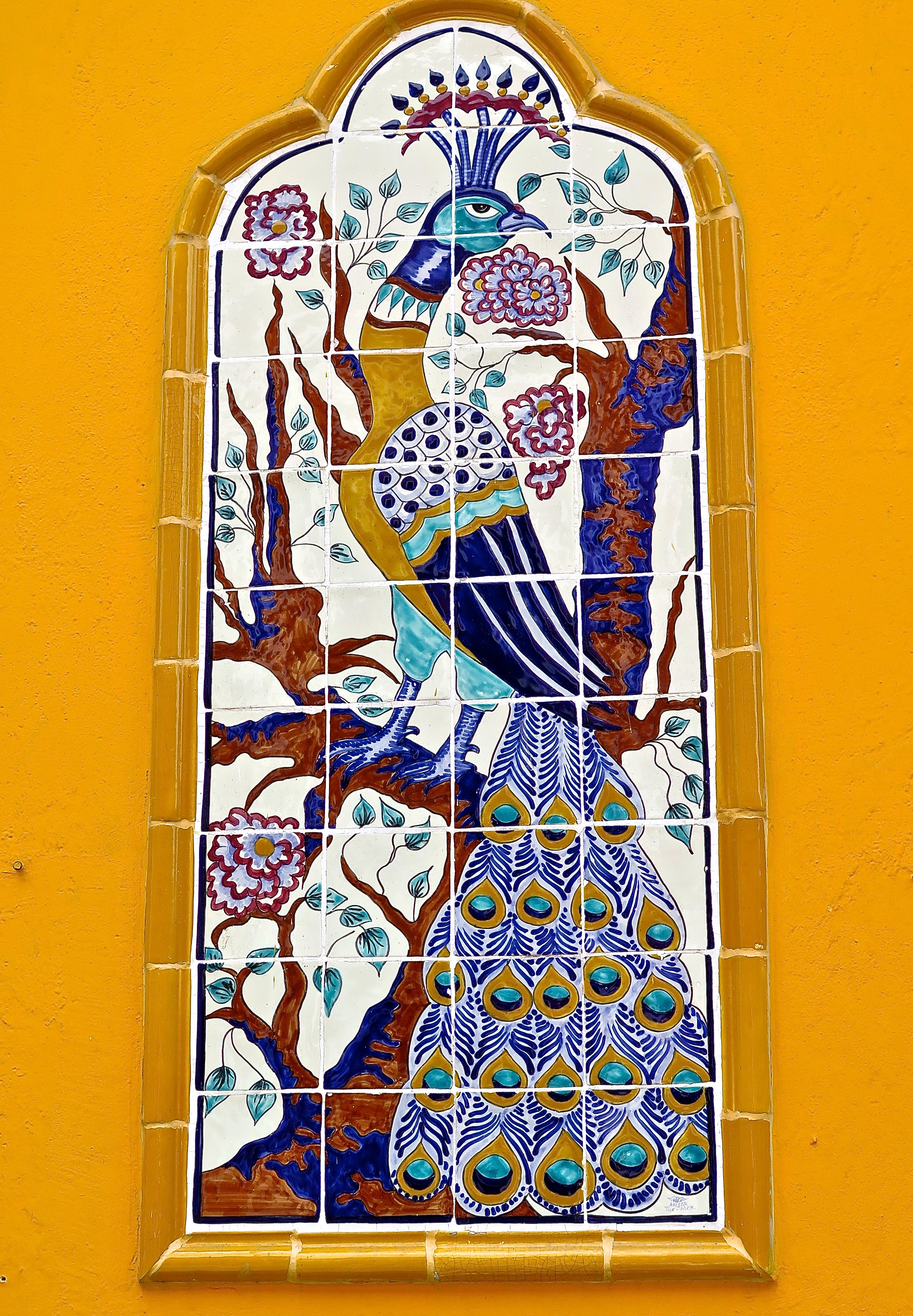
Two examples of the gorgeous tile work that adorns countless buildings in Centro.

IMG_8604

IMG_8511

IMG_8547

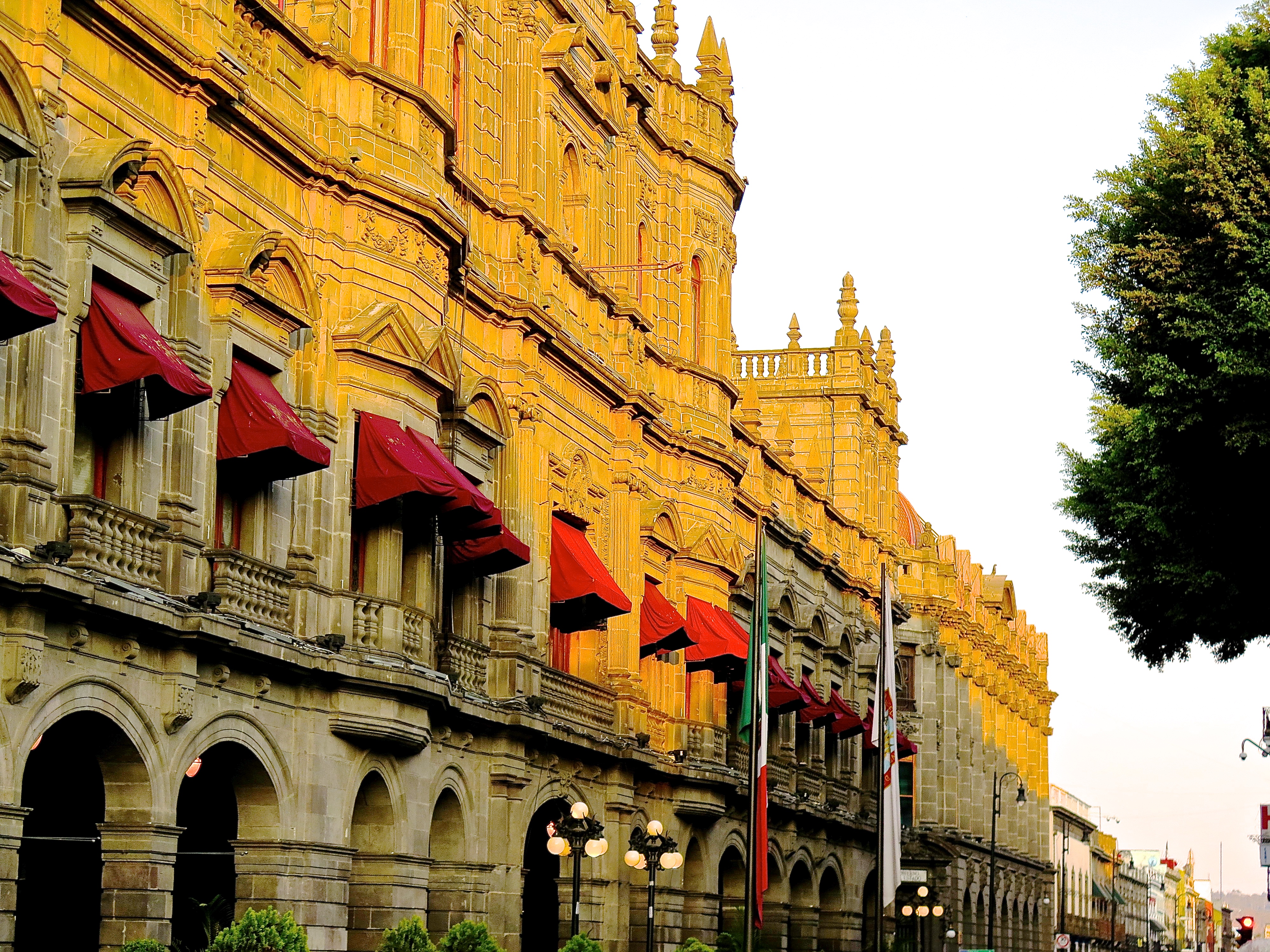
Puebla City Hall

IMG_8556

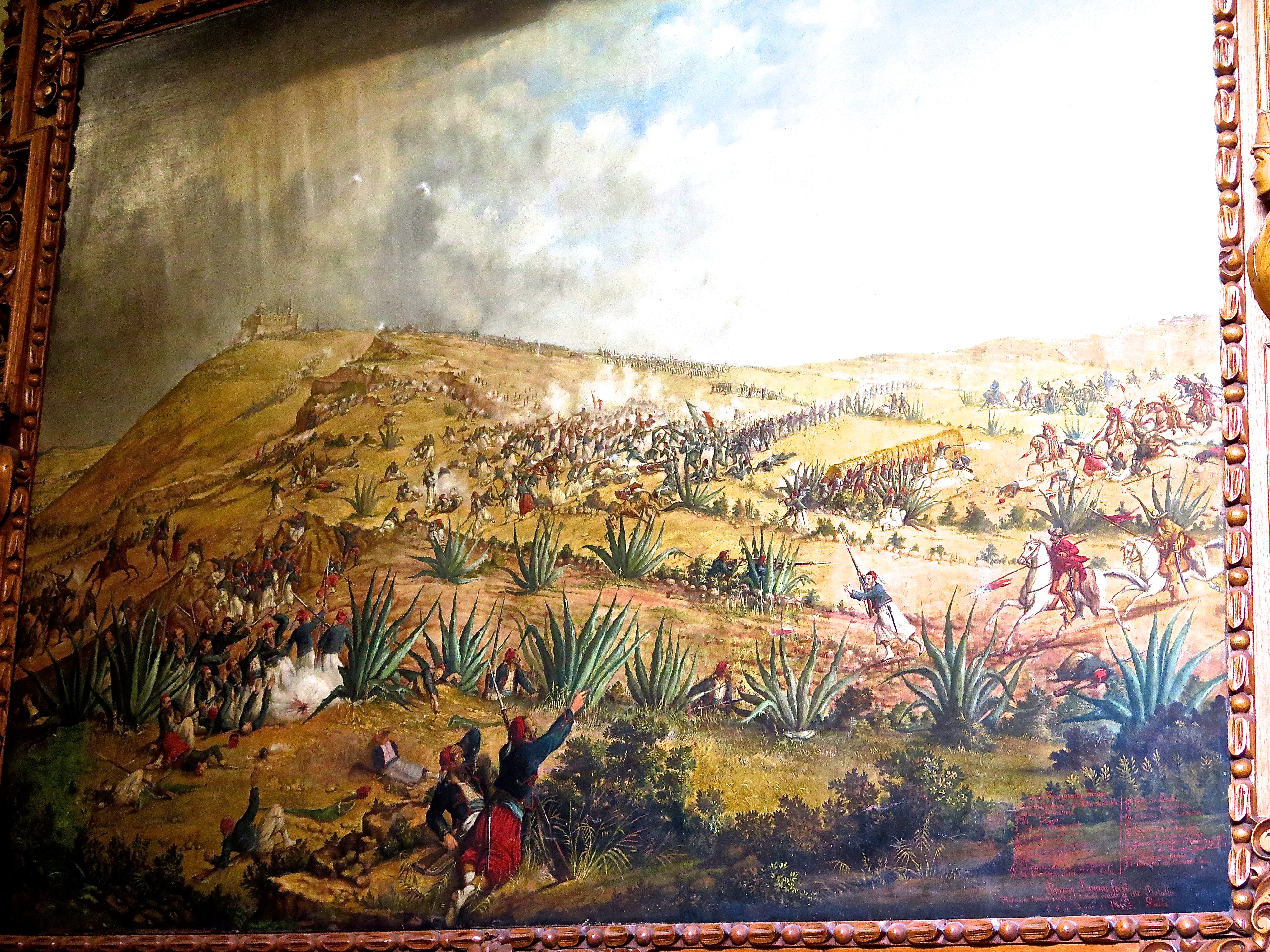
A painting of the repulsion of French Invaders on May 5 (Cinco de Mayo) 1862.

IMG_8551

A view of the main plaza from the City Hall.

IMG_8546

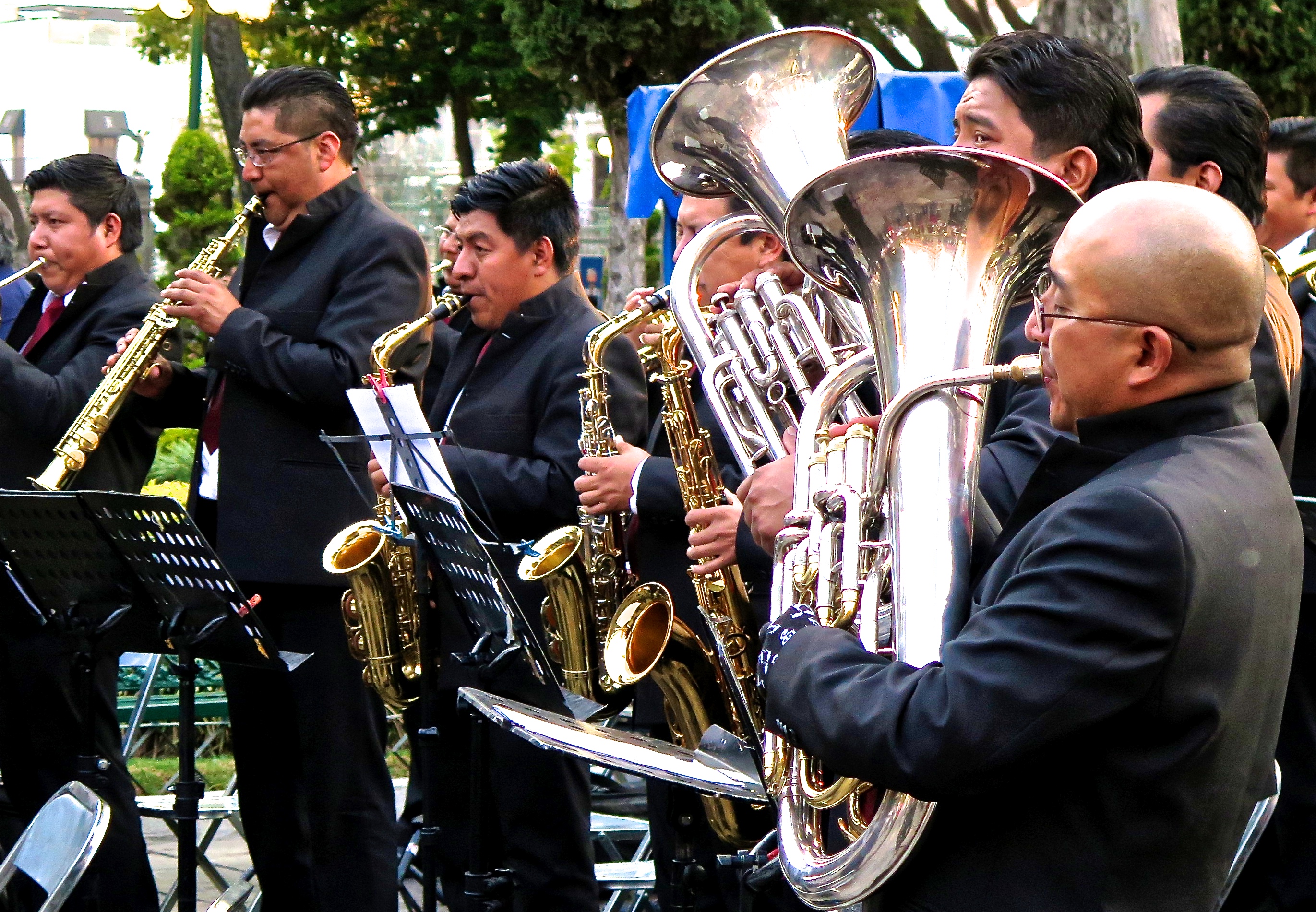
Band playing the Mexican National Anthem in the plaza.

IMG_7

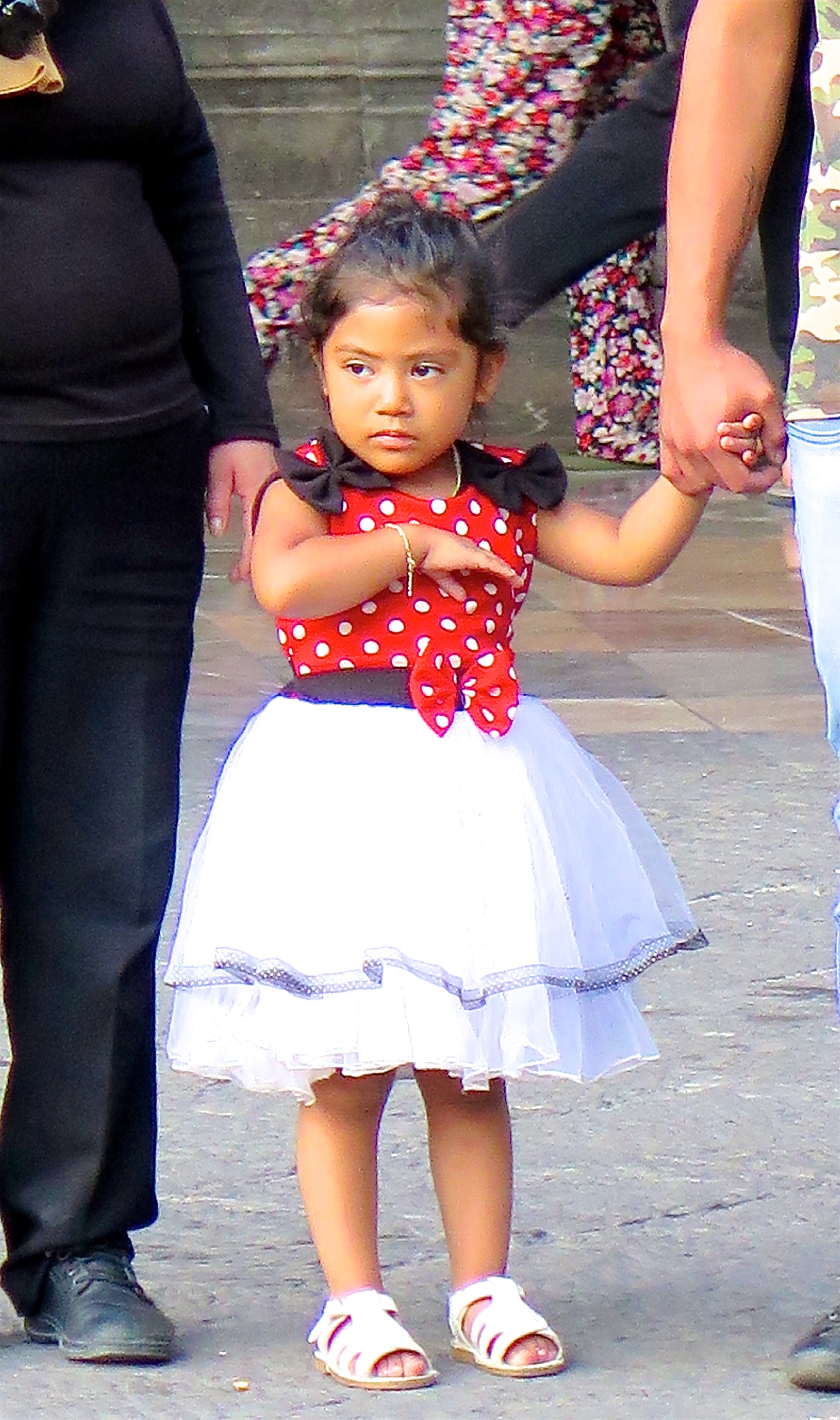
A tiny patriot saluting during the National Anthem.

IMG_8539

IMG_8579

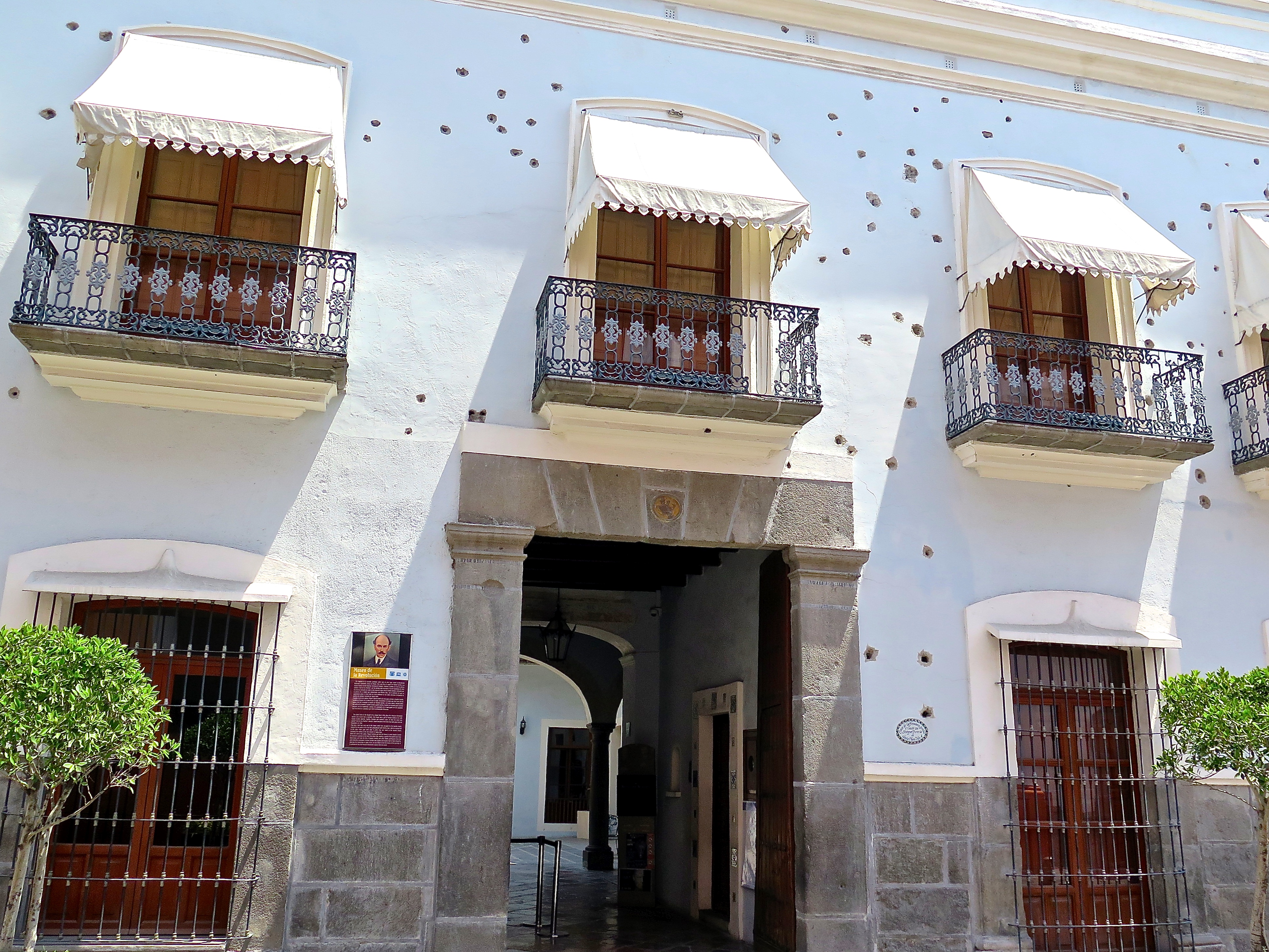
Bullet hoes in the home of the Serdan family where the Mexican Revolution to overthrow dictator Porfirio Diaz began in 1910.  

IMG_8572

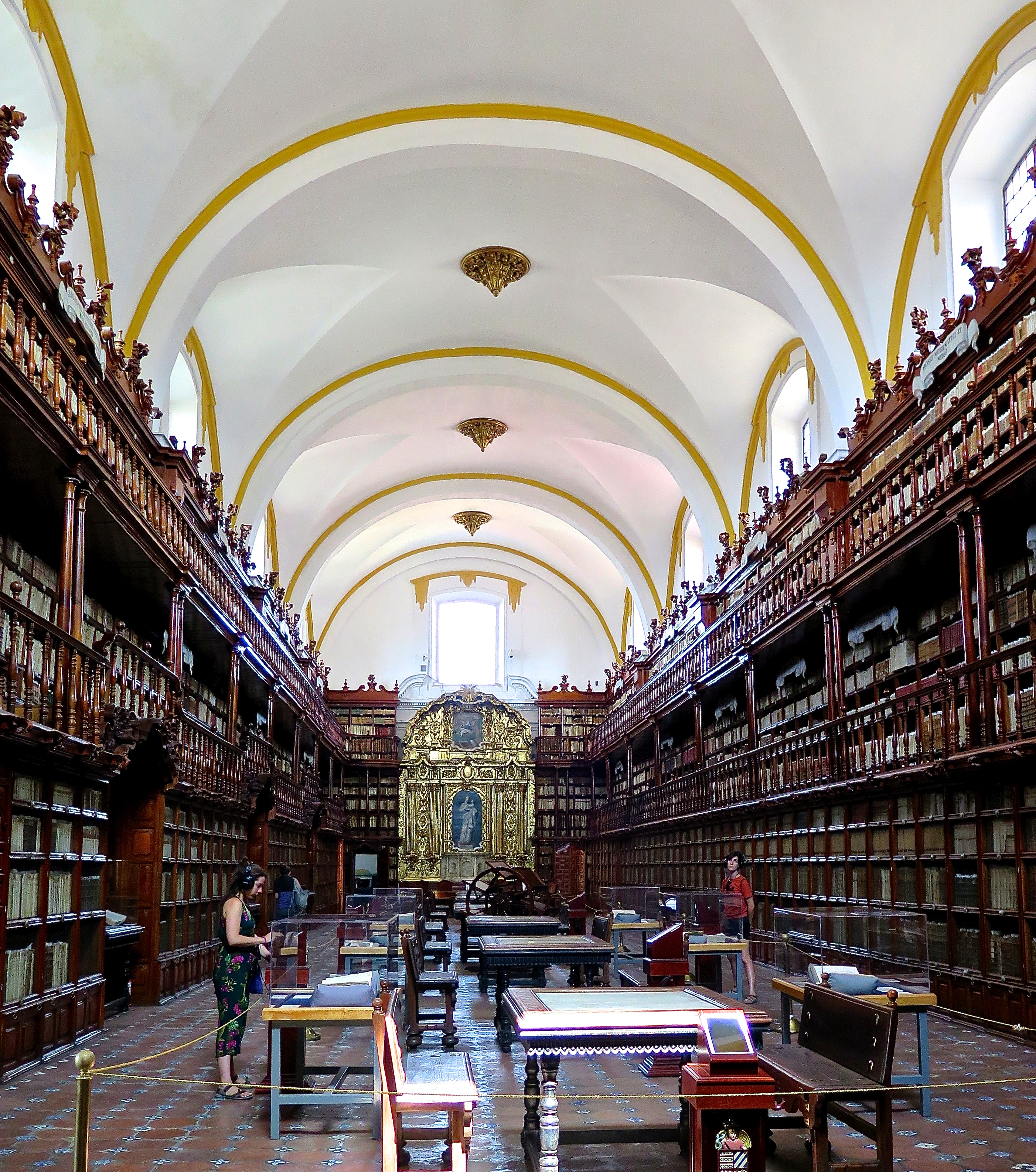
The gorgeous Biblioteca Palafoxiana, the oldest library in the Americas, houses thousands of rare books including the 1493 Nuremburg Chronicle, an early dictionary.

IMG_8565

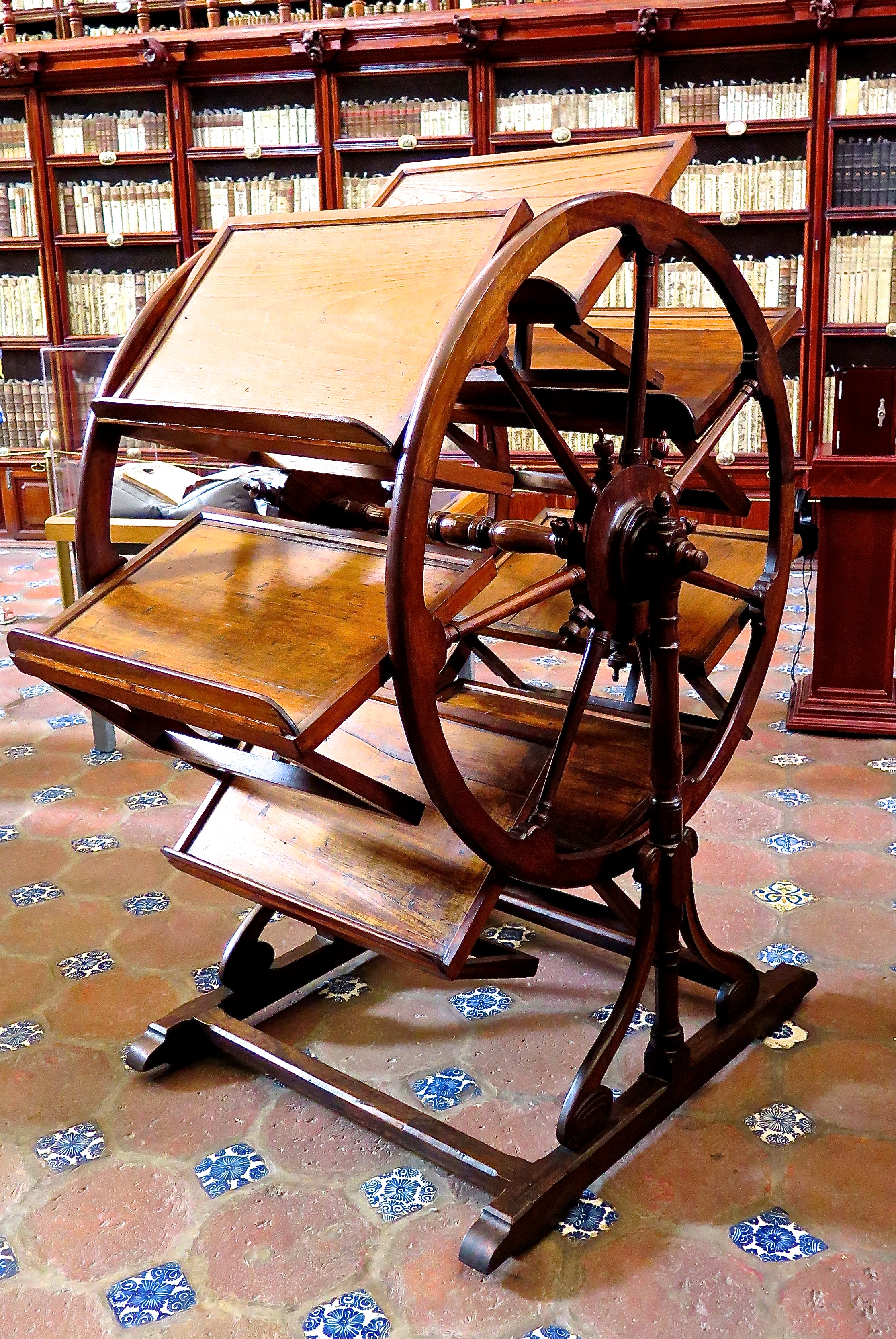
Ancestor of the Internet: This amazing “reading wheel” allows researchers to conveniently access the contents of seven books.

IMG_8582

The Barrio de los Artistas provides studio space for 45 artists.  

IMG_8584

Seranade 

IMG_8612

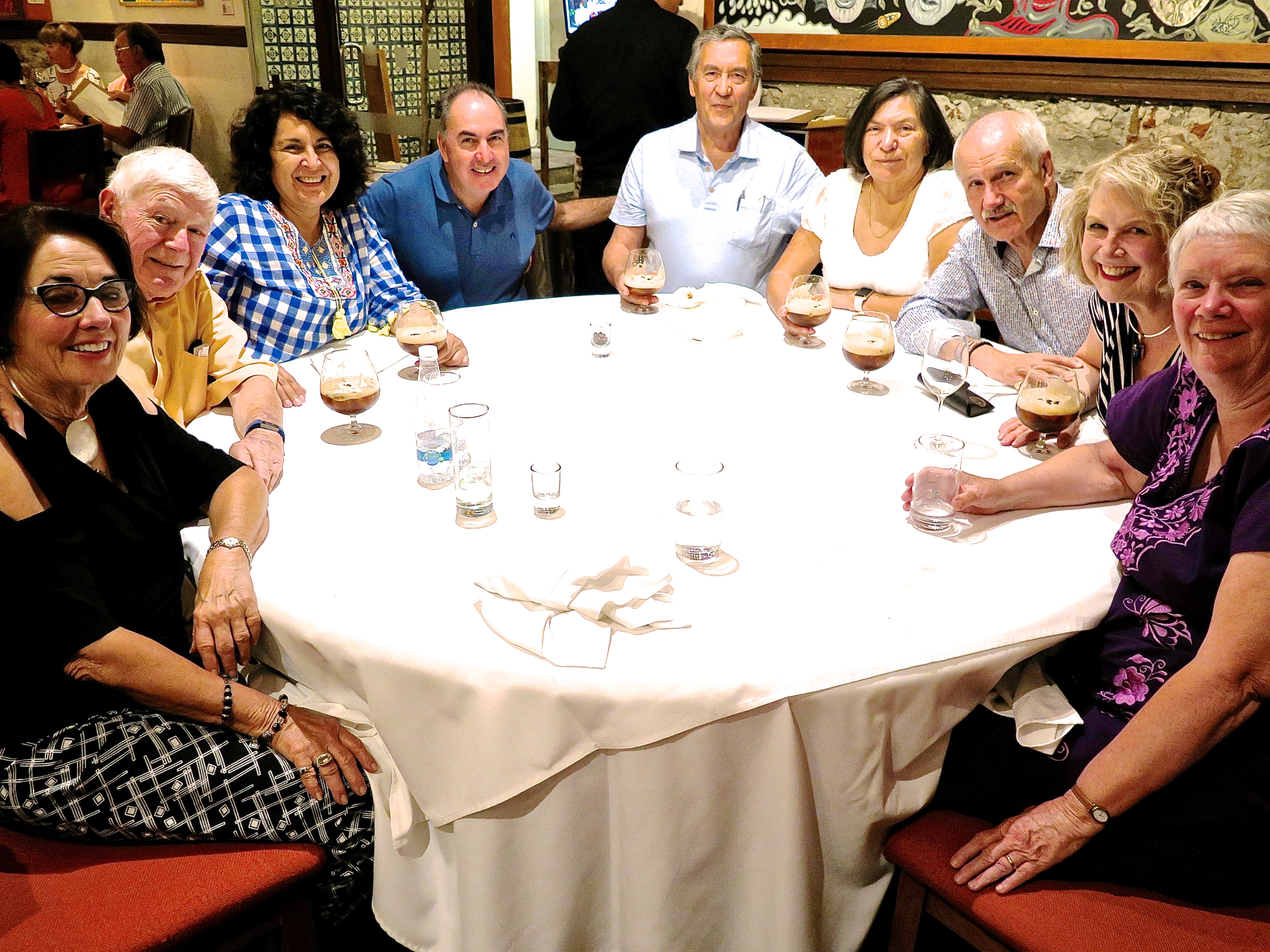
Enjoying a delicious meal with fellow travellers and our tourguides Rossy and Carlos of Charter Club Tours who took wonderful care of us all.

IMG_8622

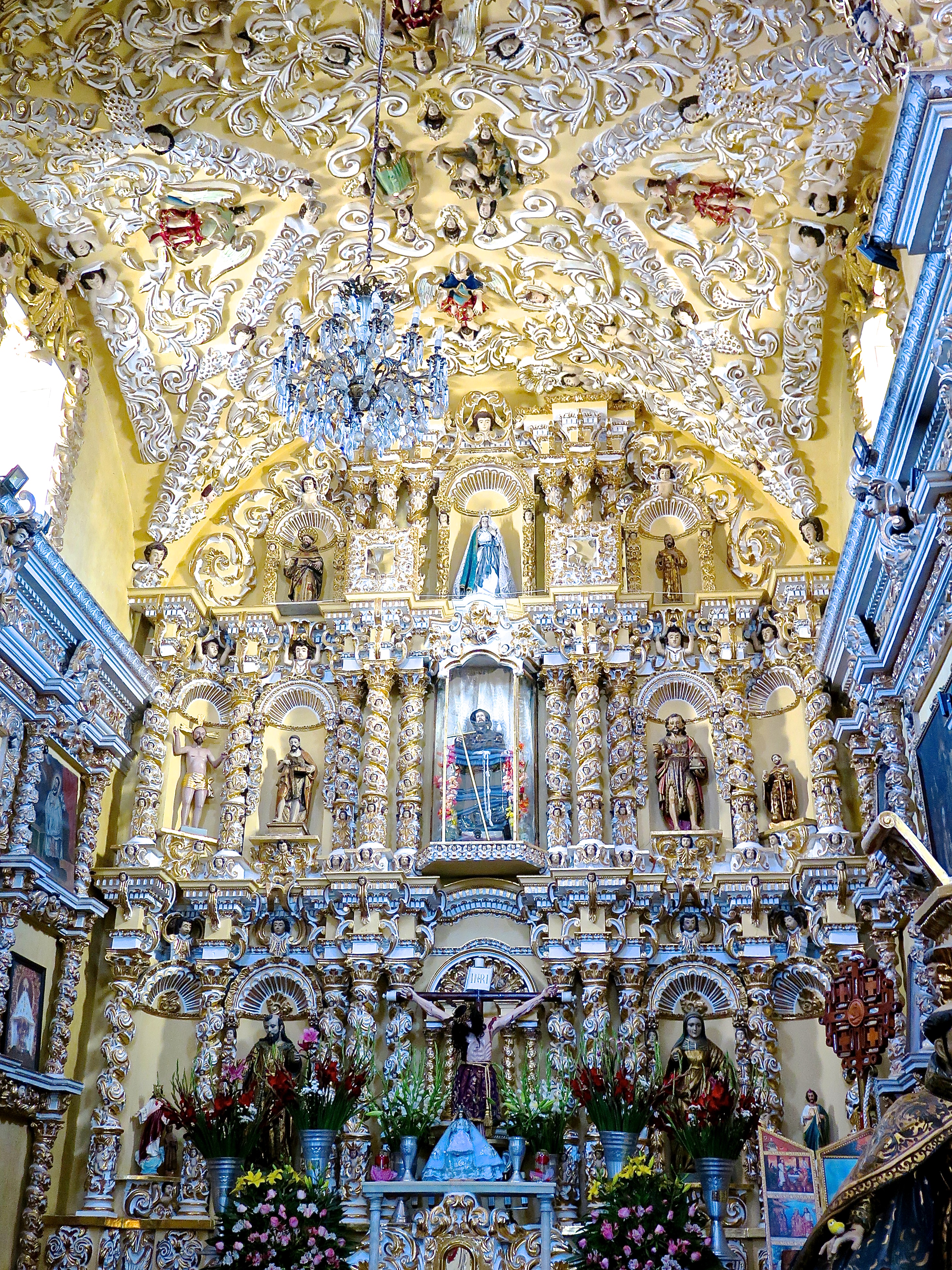
Indigenous Baroque: the Church of Santa Maria in Tonantzintla, near Puebla…

IMG_8627

combining European and native design…

IMG_8635

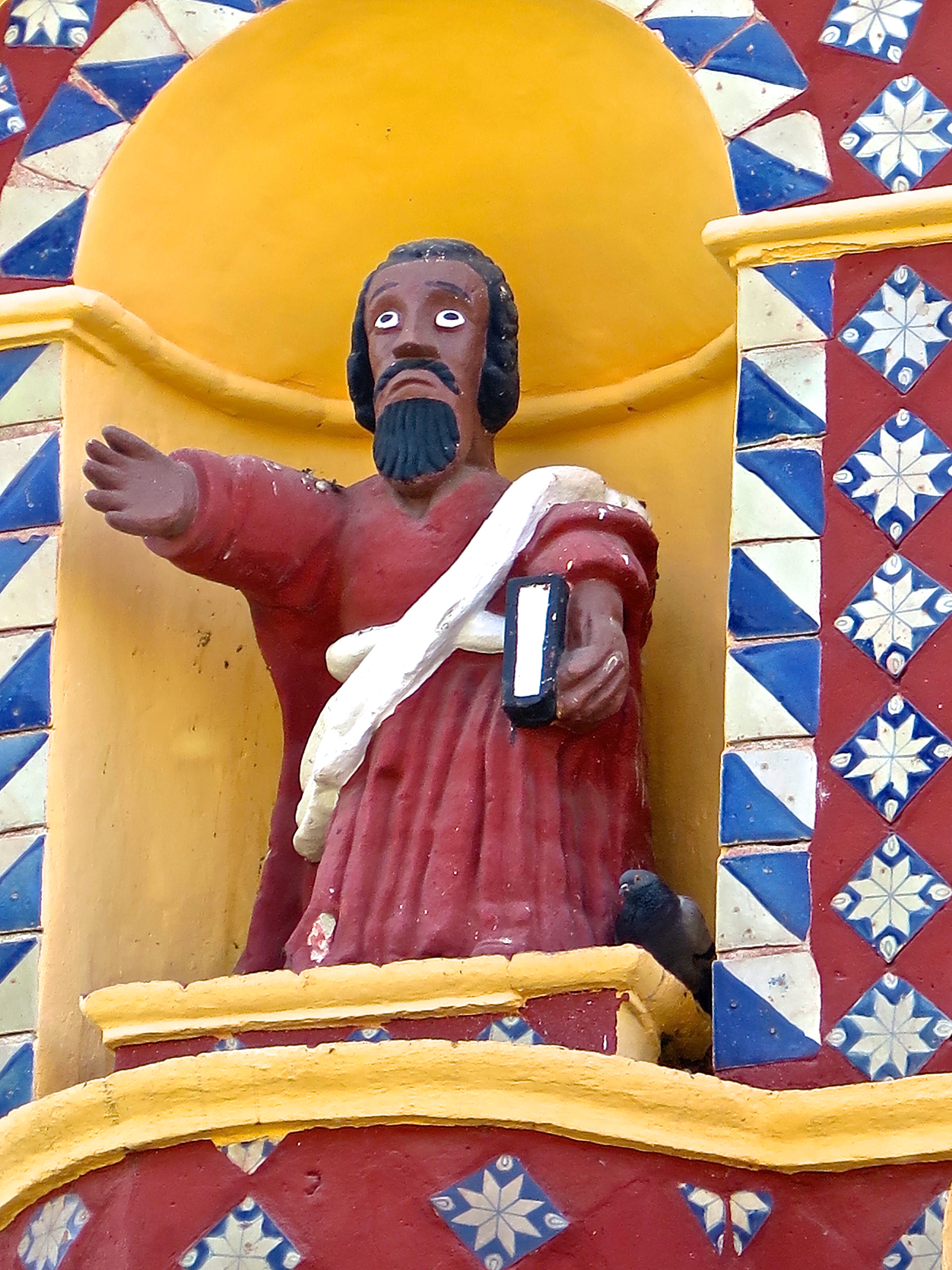
and depicting disciples as indigenous Mexicans.

IMG_8642

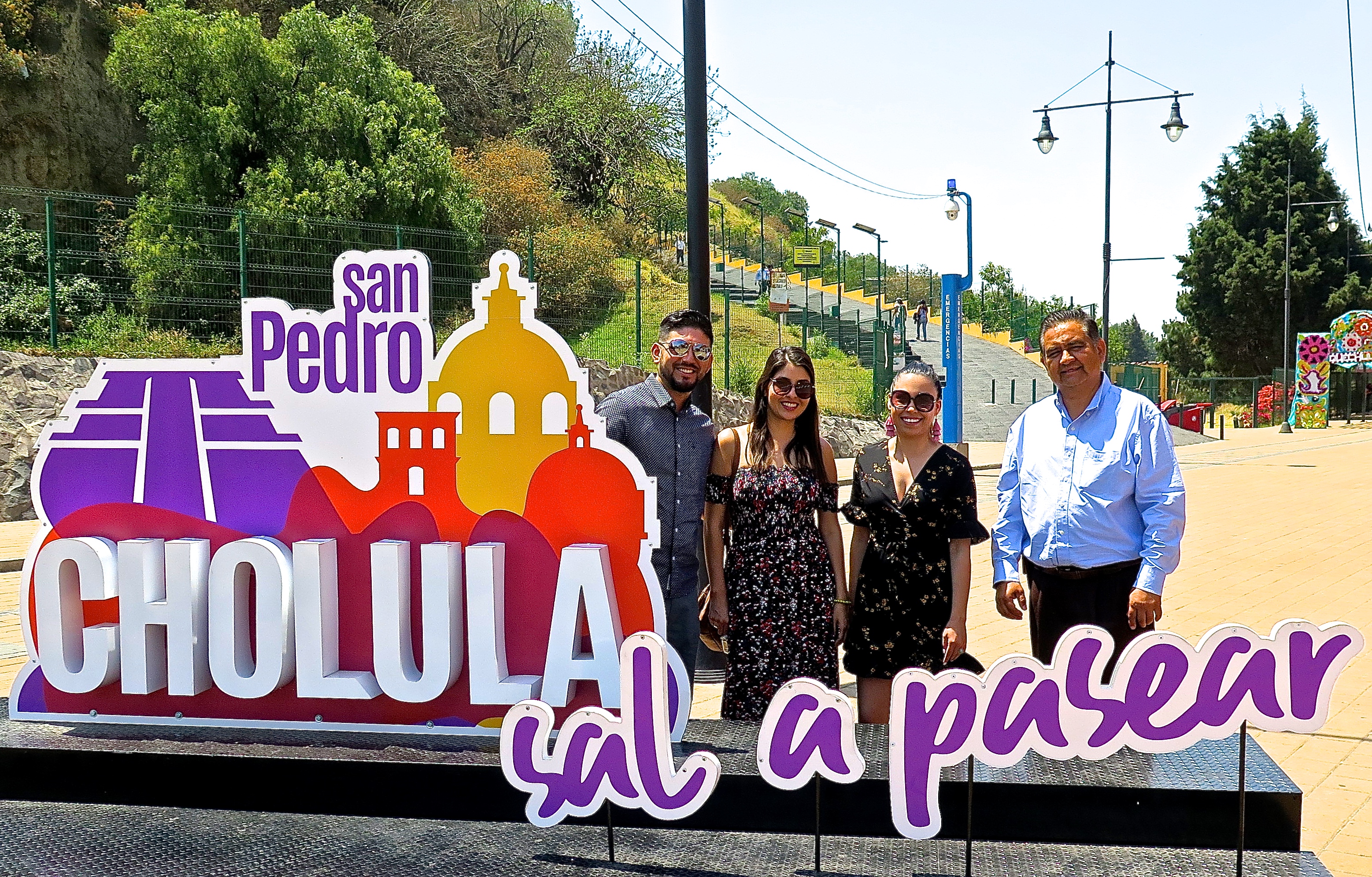
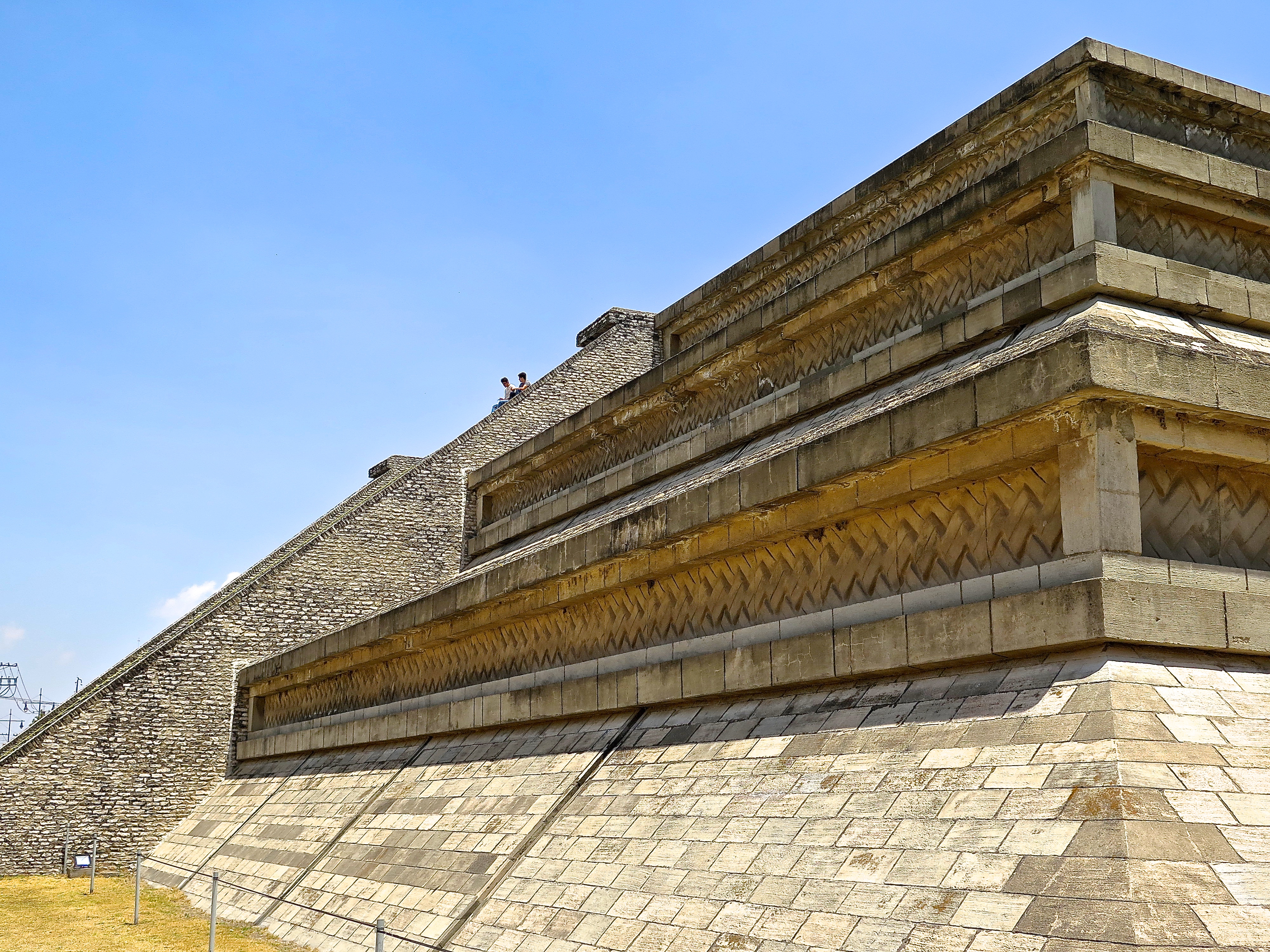
The Spaniards built a church on what they thought was a high hill in the sacred Aztec city of Cholula which Cortes called the most beautiful city outside of Spain, and then massaced the inhabitants.

IMG_8648

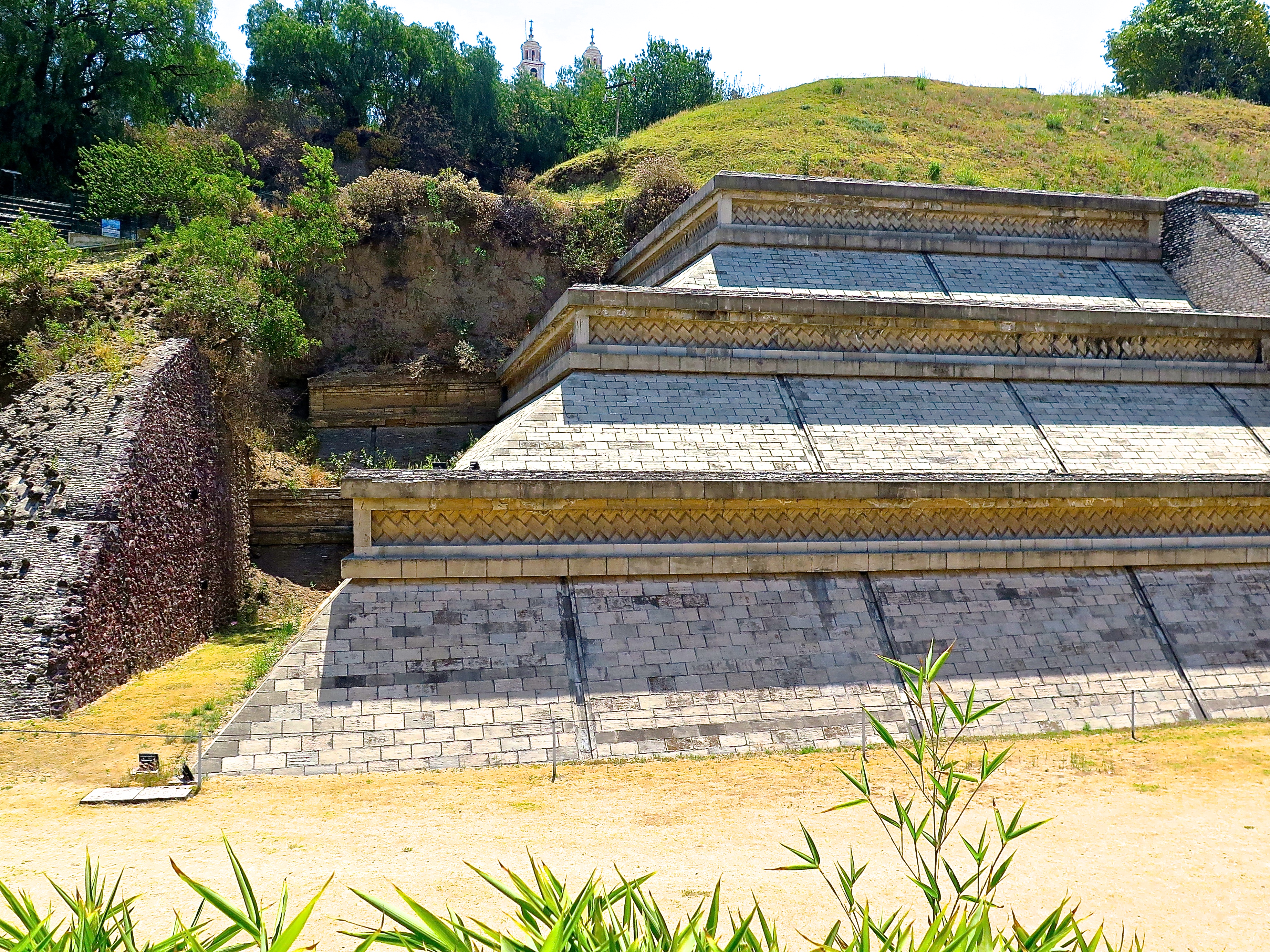
Excavations begun in the 1930s exposed a succession of pyramids built one on top of another.

IMG_8638

IMG_8651

Archeologists have dug extensive tunnels under the pyamids some of which can be walked through. Not recommended for clautrophobes!

IMG_8666

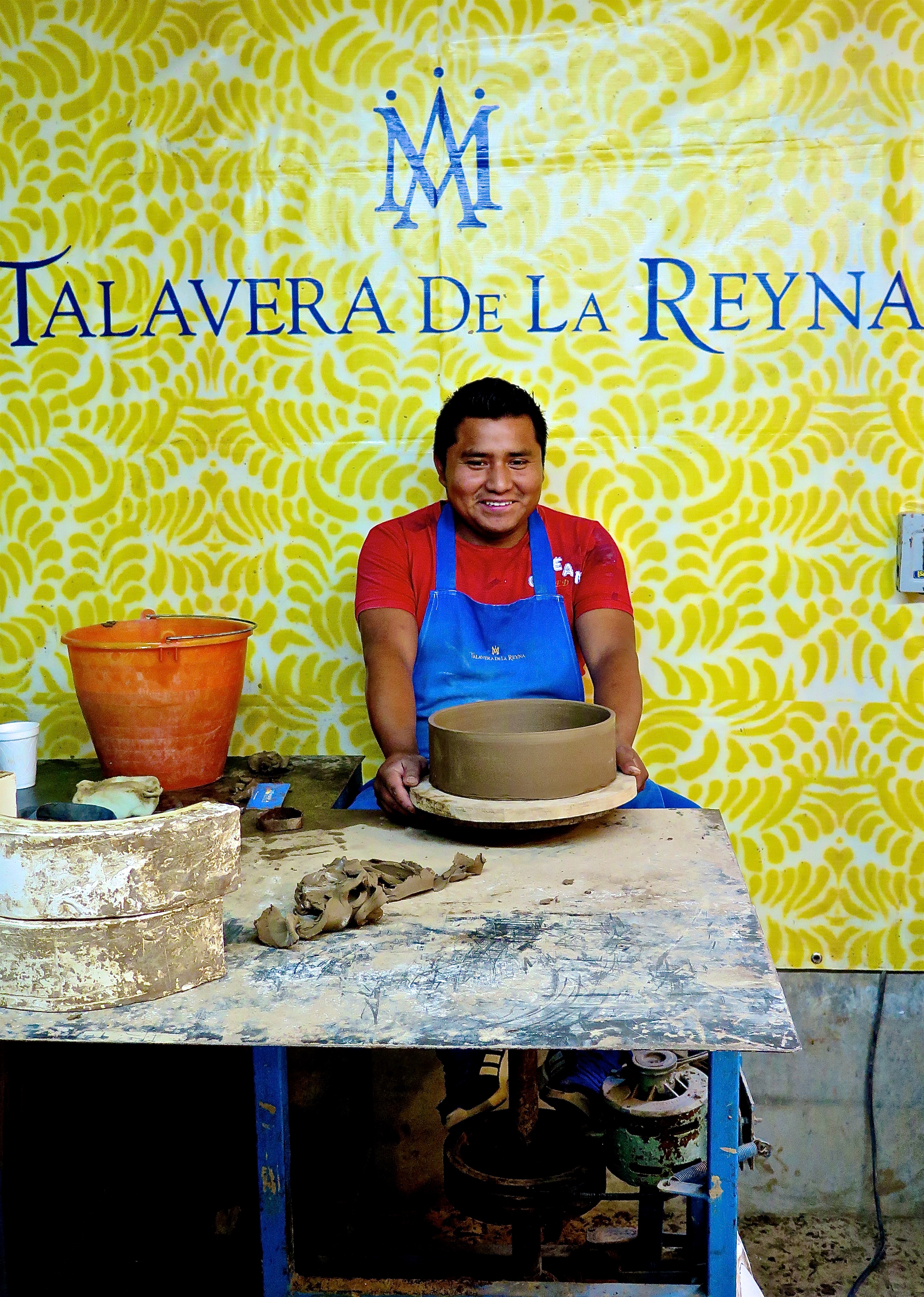
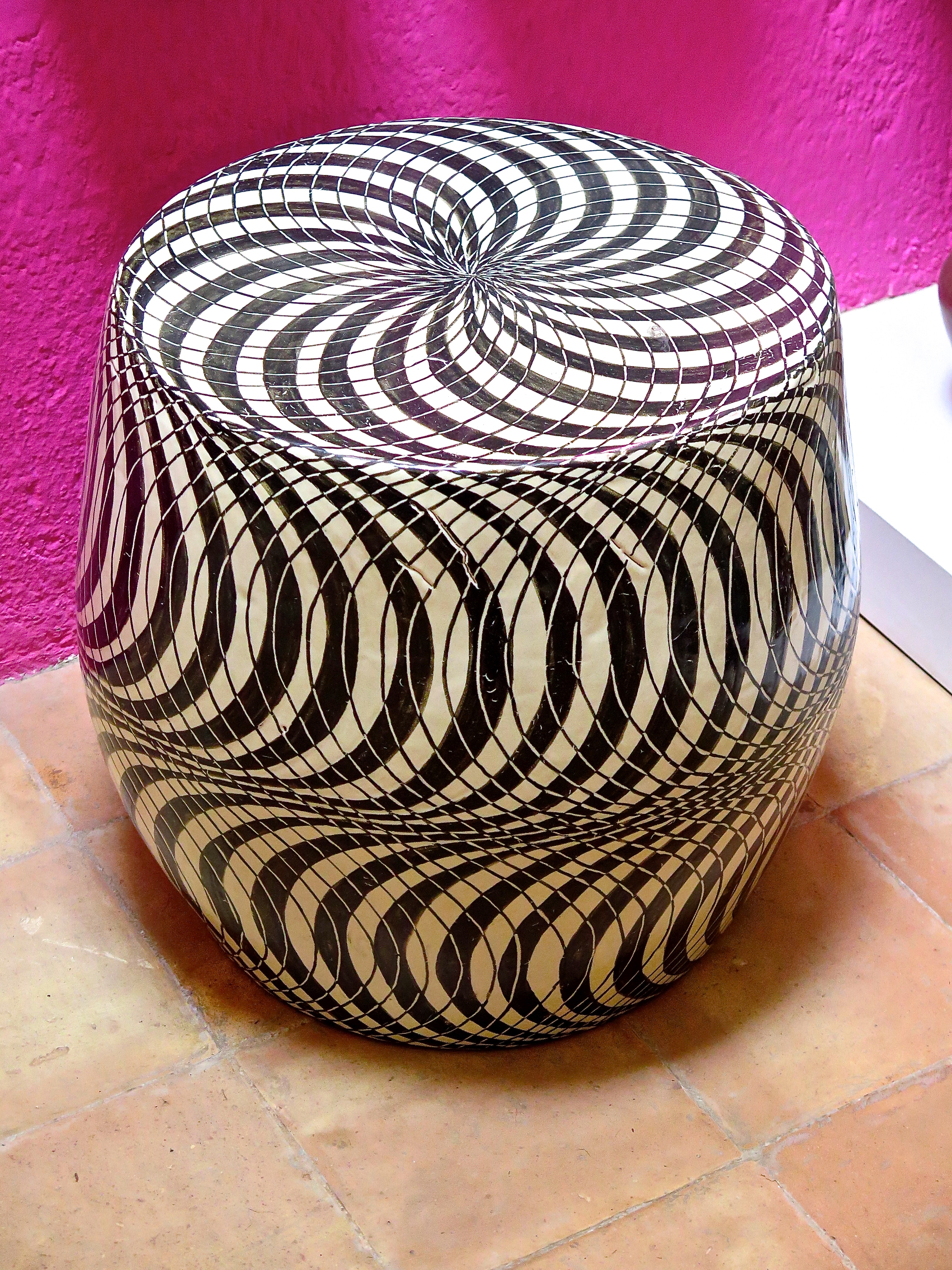
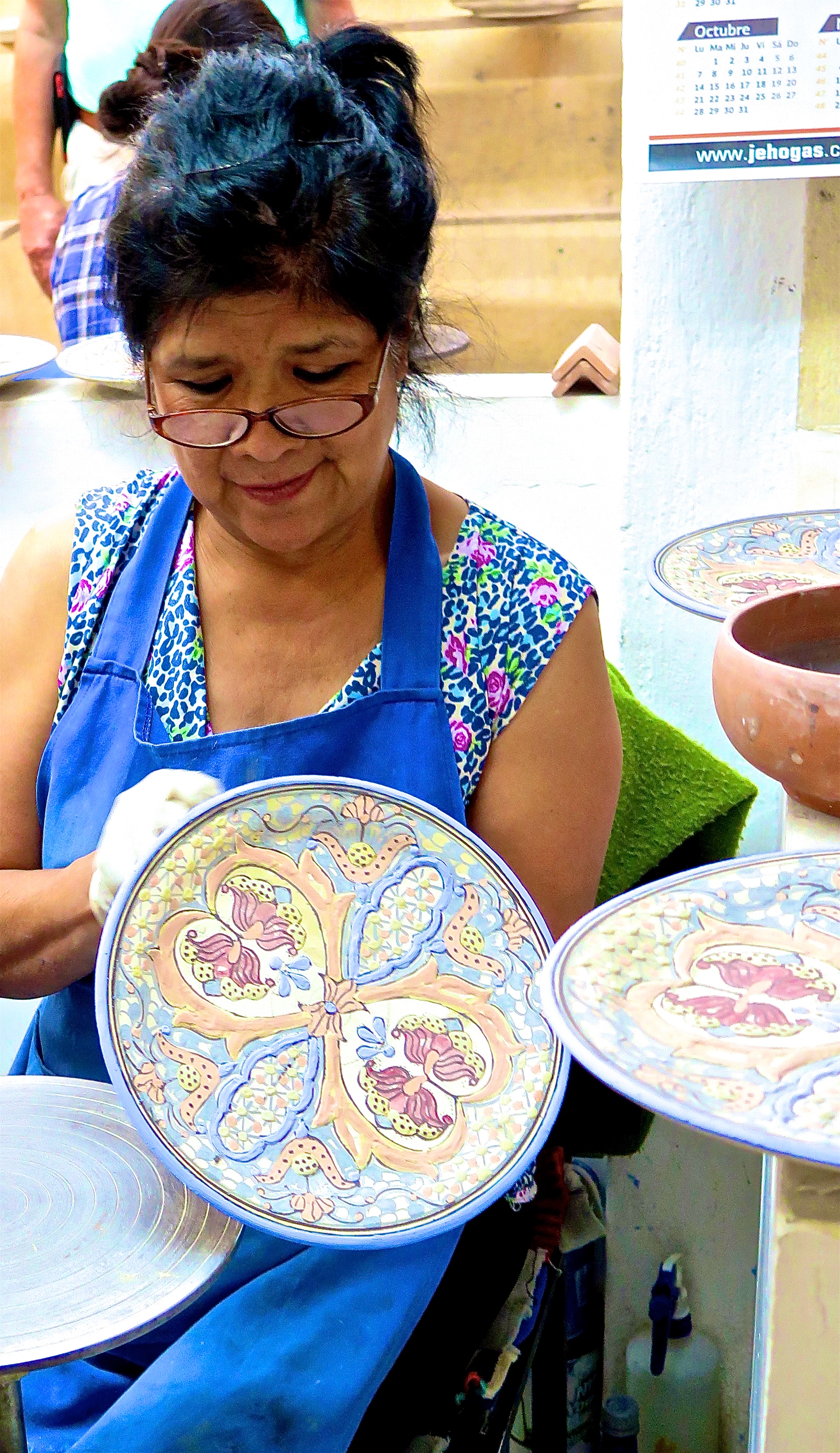
Talavera is a form of majolica earthenware that originated in Talavera de la Reina, Spain

IMG_8674

IMG_8687

IMG_8688

IMG_8695

IMG_8696

IMG_8698

The precarious position of the man sadly reminded me of the current situation in the U.S.A. 

IMG_8653

Birthday celebration at the excellent restaurant at the Talavera de la Reyna workshop.

IMG_8655

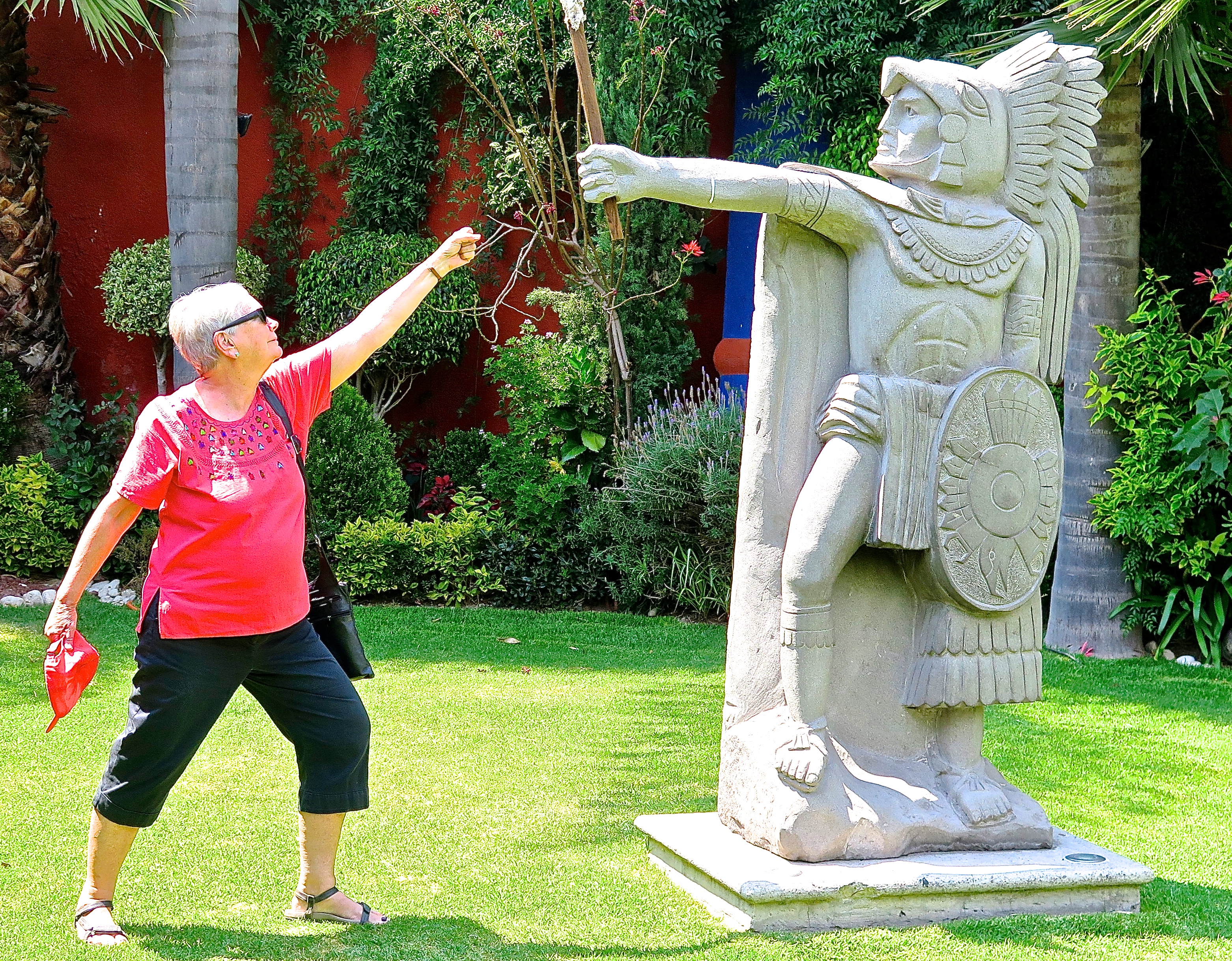
Barbara challenging a warrior.


IMG_8750

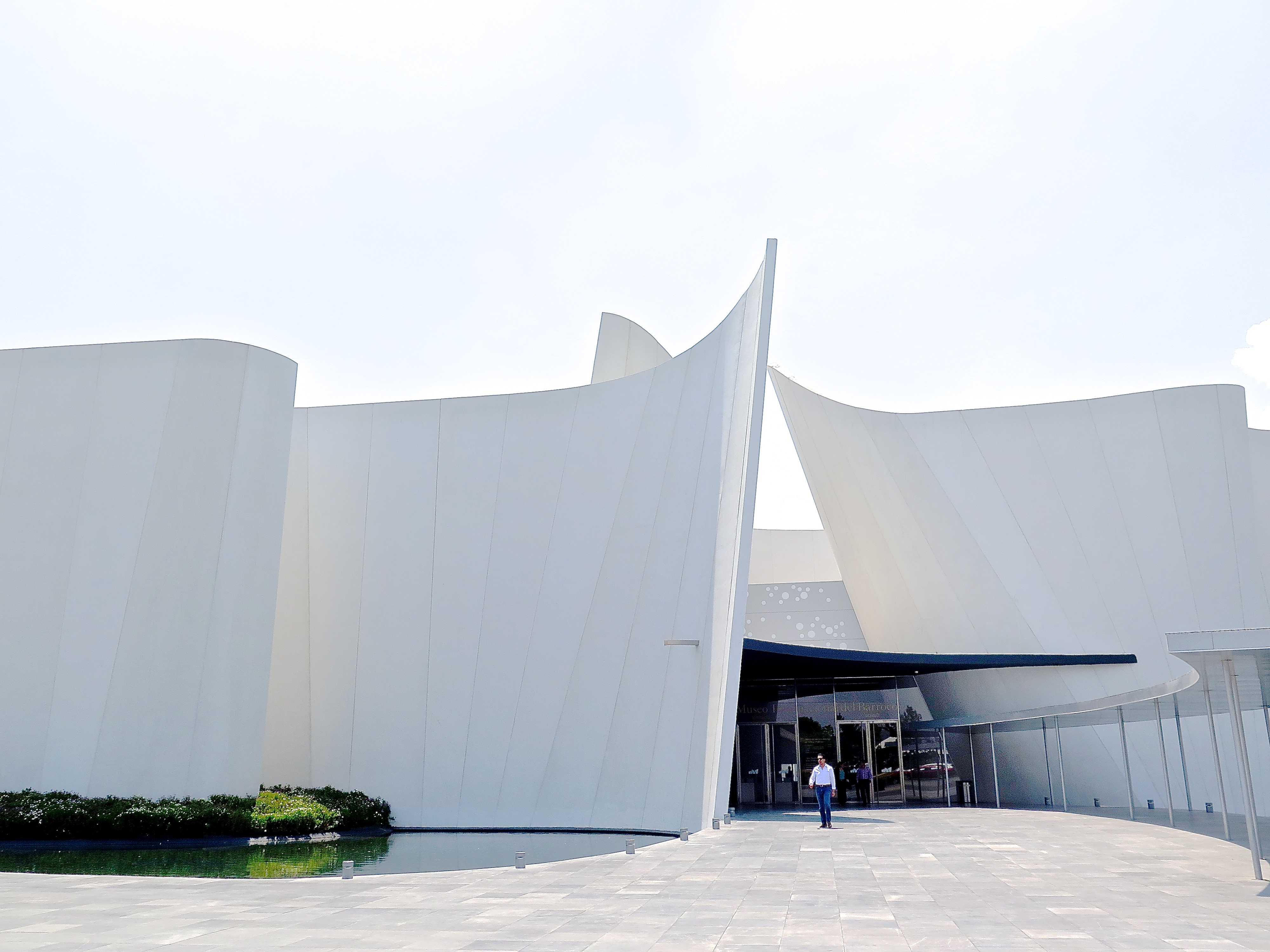
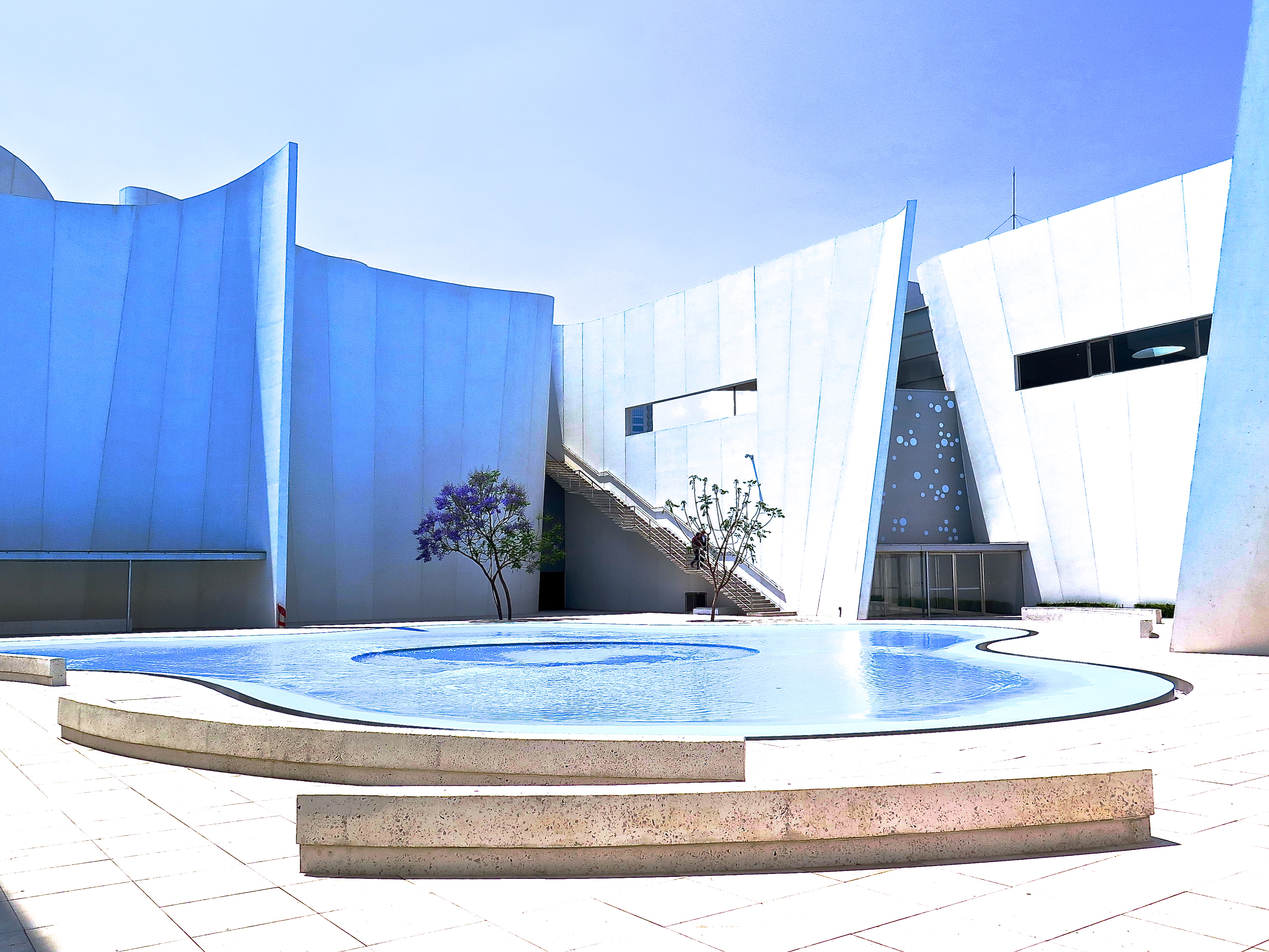
The entrance to the Museum of the International Baroque designed by the Pritzker Architecture Prize laureate Toyo Ito and opened in 2016. The Independent (UK) called it “a mind-bending tribute to the Baroque.”

IMG_8709

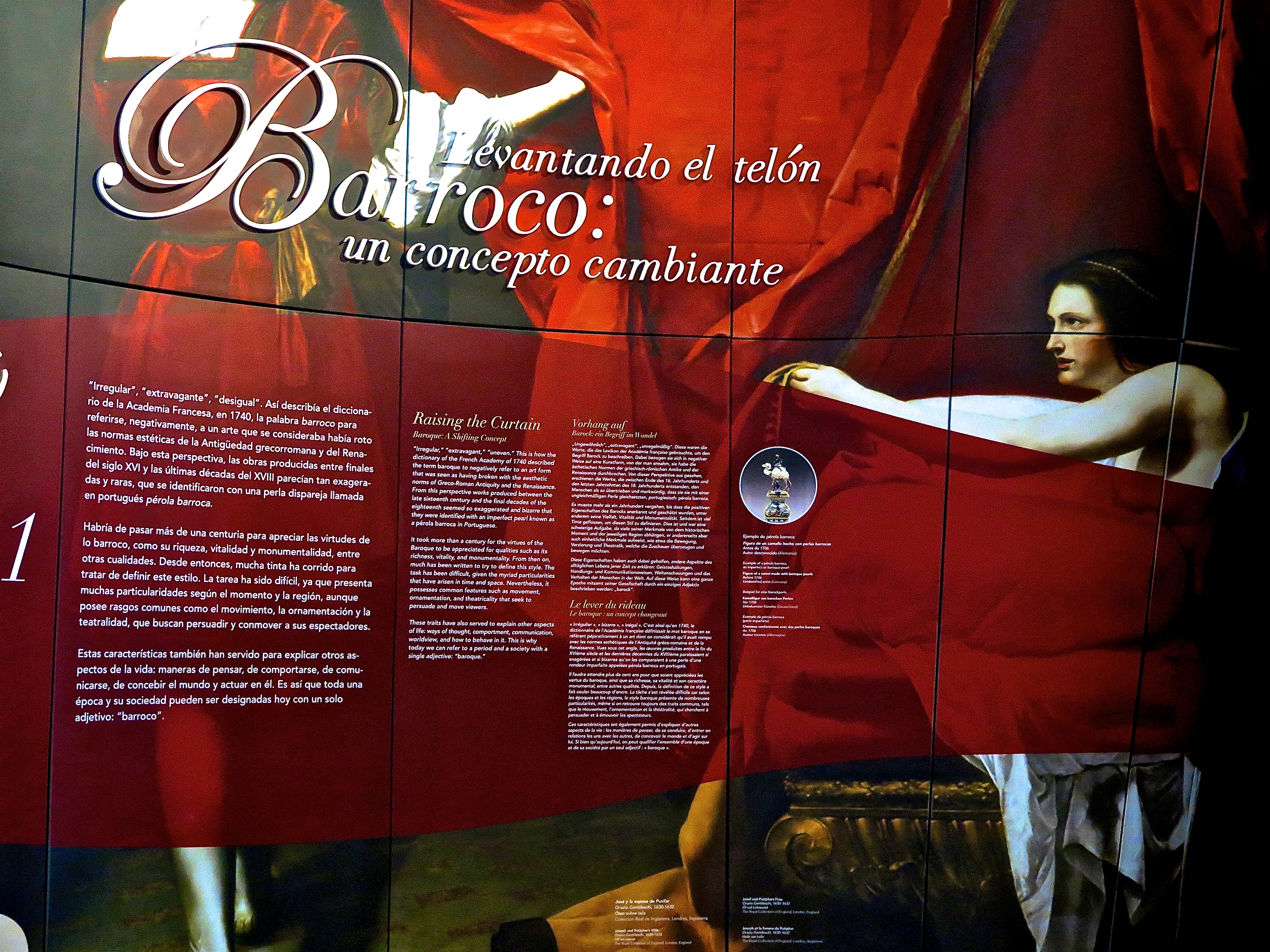
Many cogent descriptions of the Baroque help to make sense of the pastiche of styles and tastes that collided to create that tumultuous artistic era.

IMG_8712

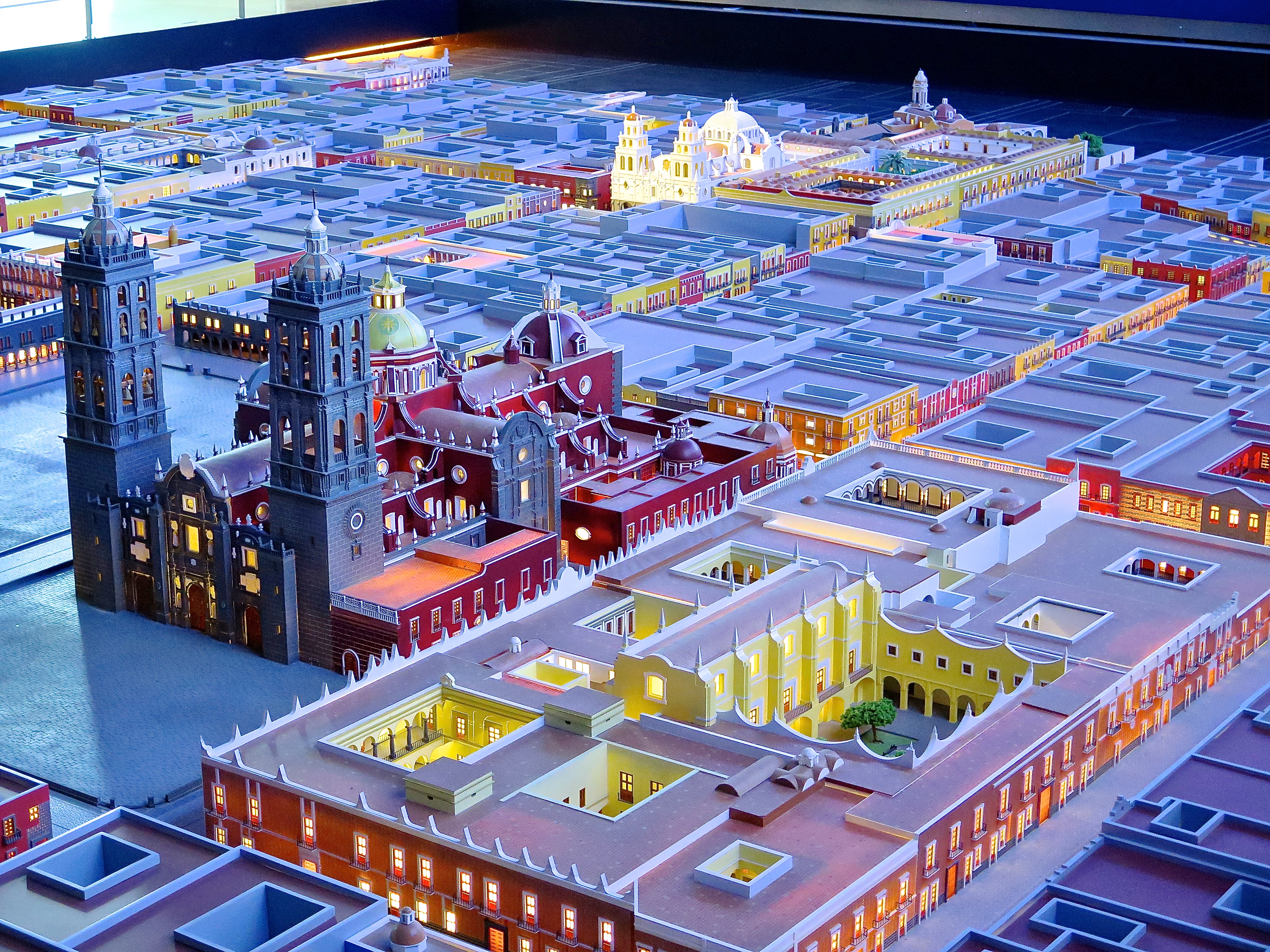
This superb interactive model shows how Puebla was laid out in a grid and was intended to be more grand than preconquest city of Cholula.

IMG_8715

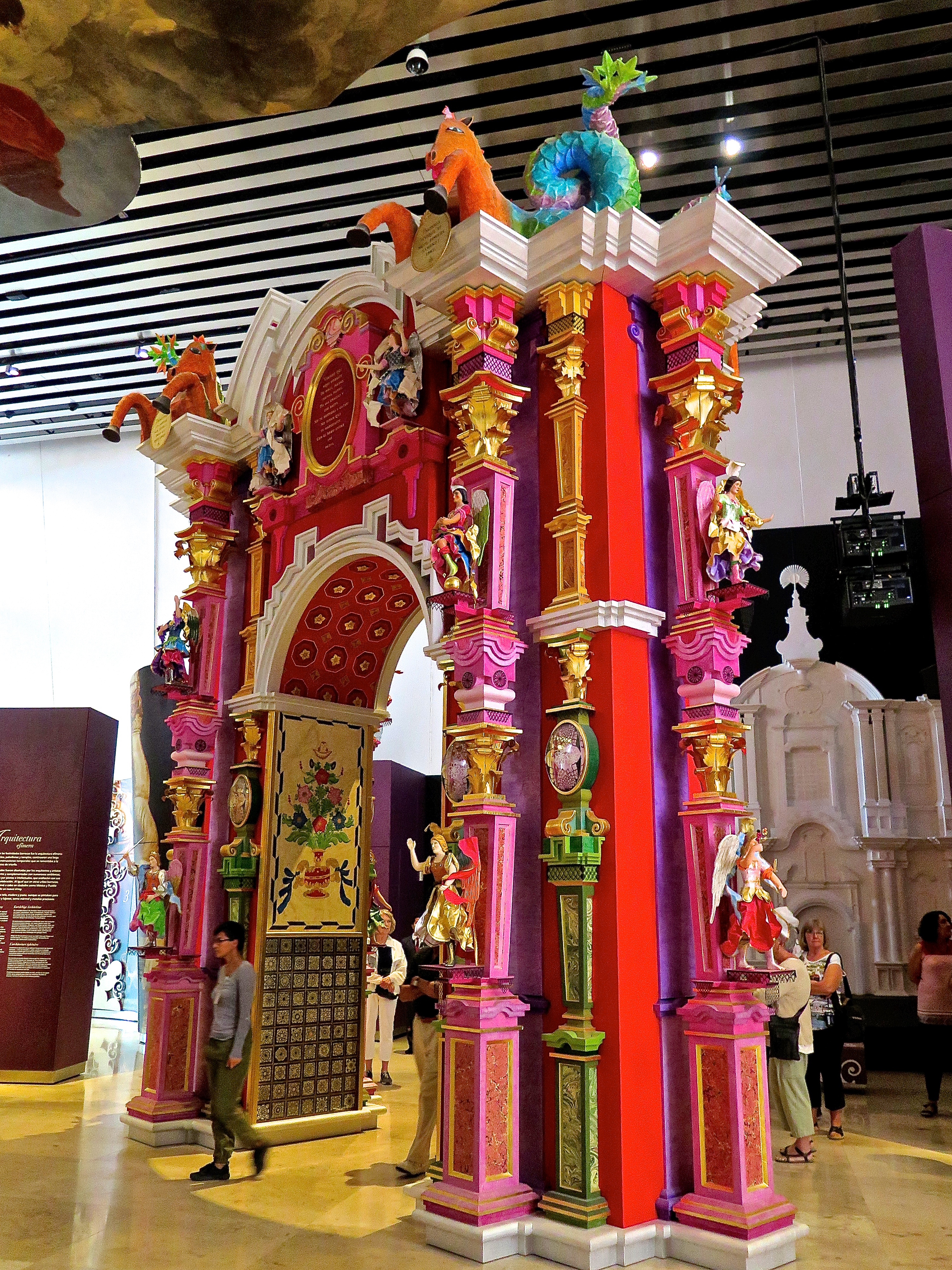
This piece of modern Baroque humorously conveys that era’s fear of empty spaces.

IMG_8719

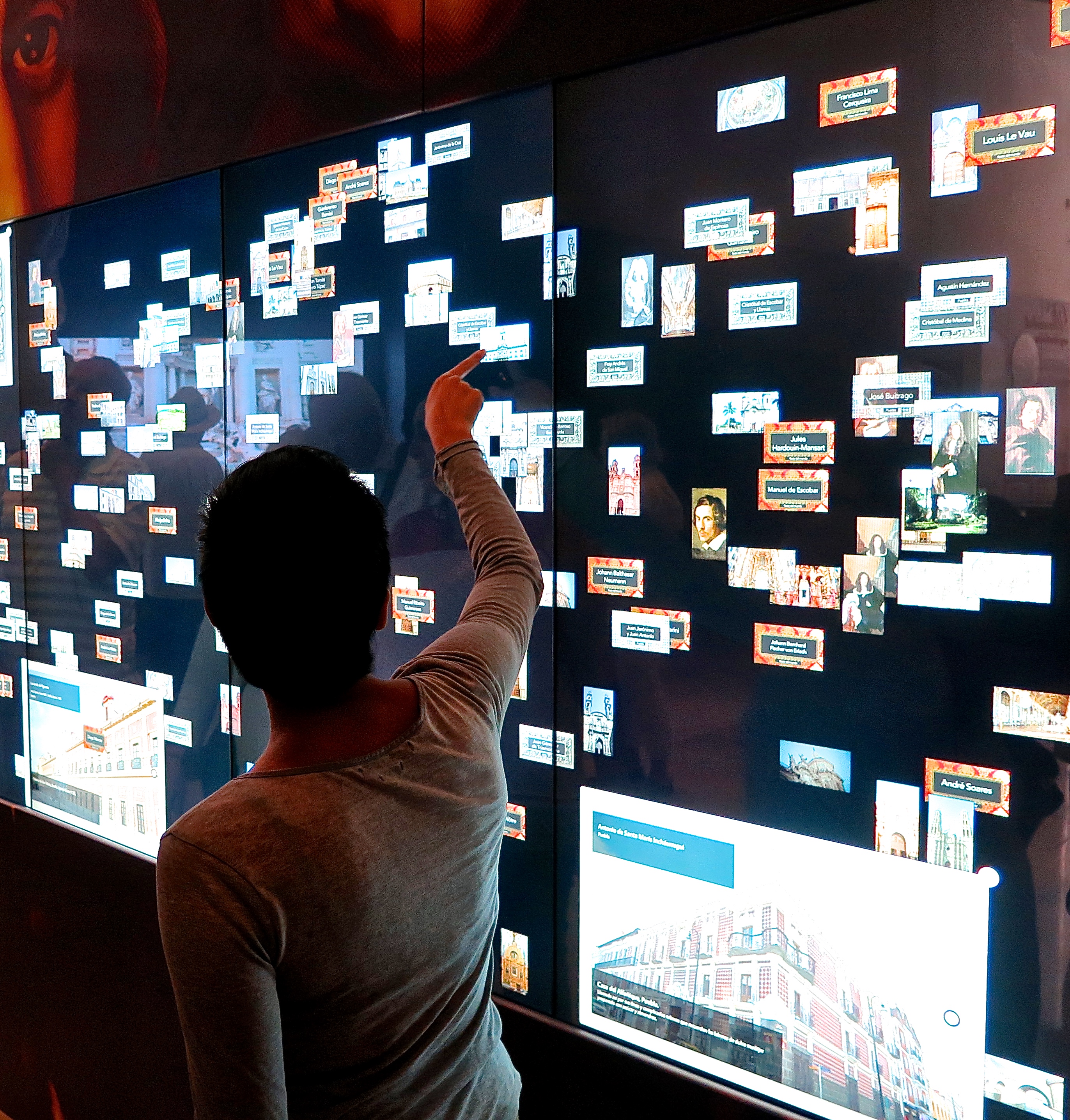
A huge interactive screen allows visitors to examine and link various elements to gain a better understanding of the era.

IMG_8739

The central courtyard featuring a whirling pool that randomly changes speed.

IMG_8762

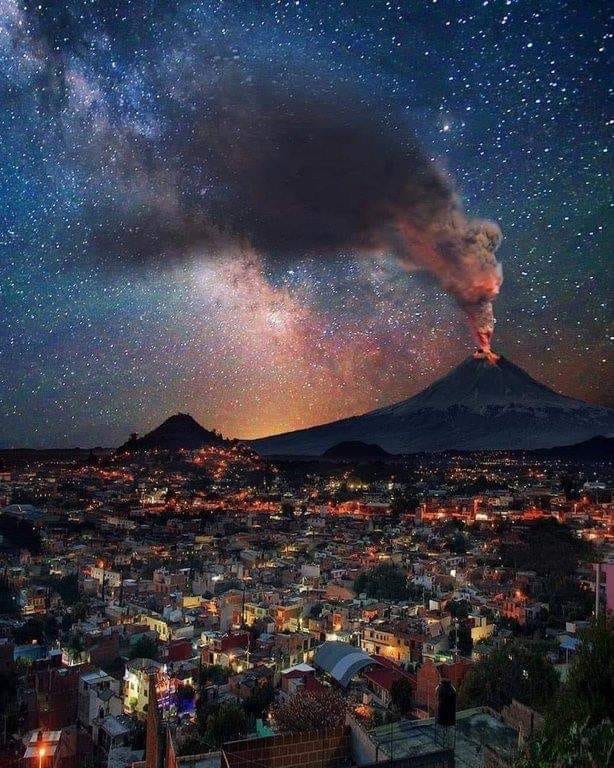
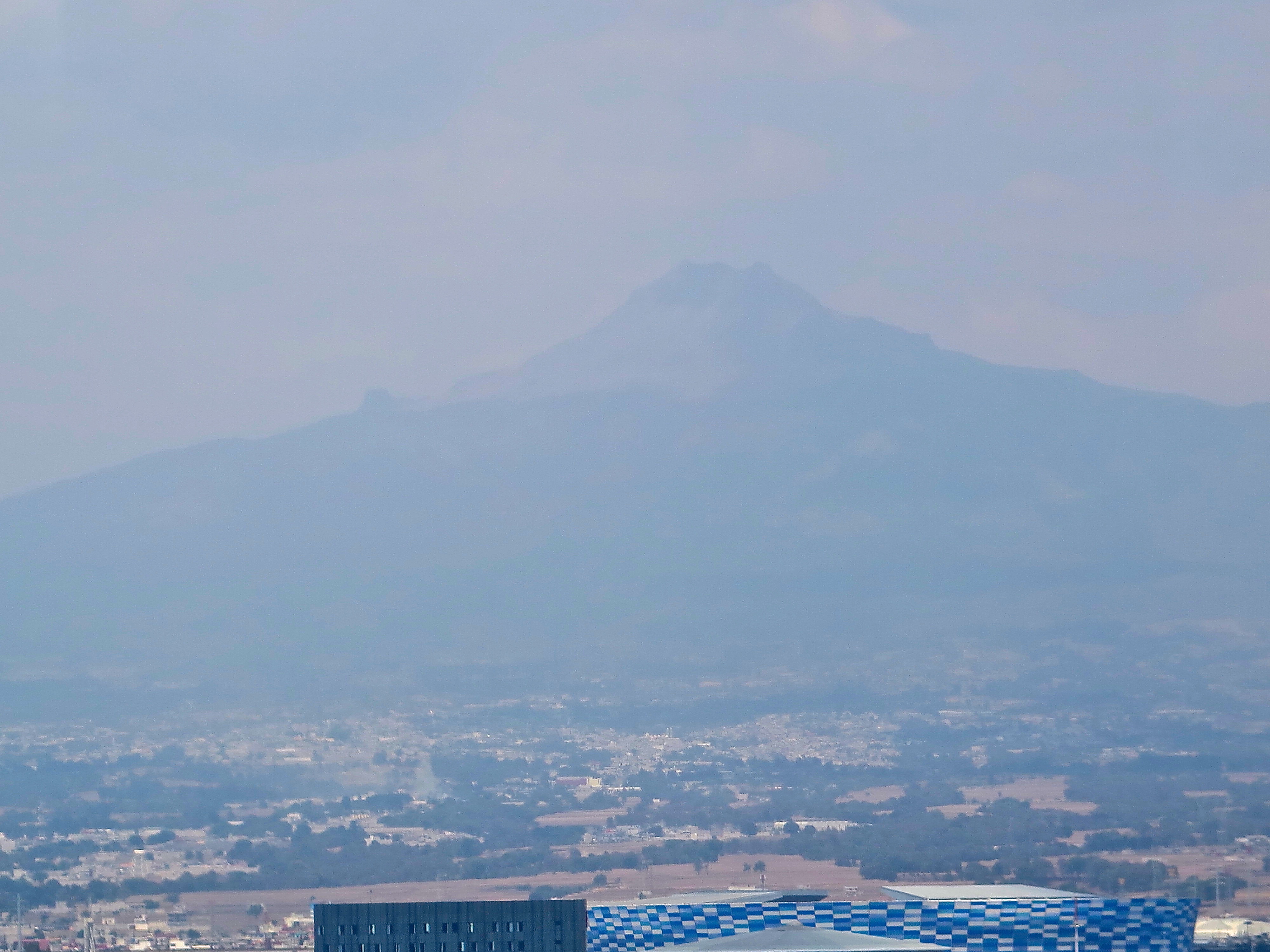
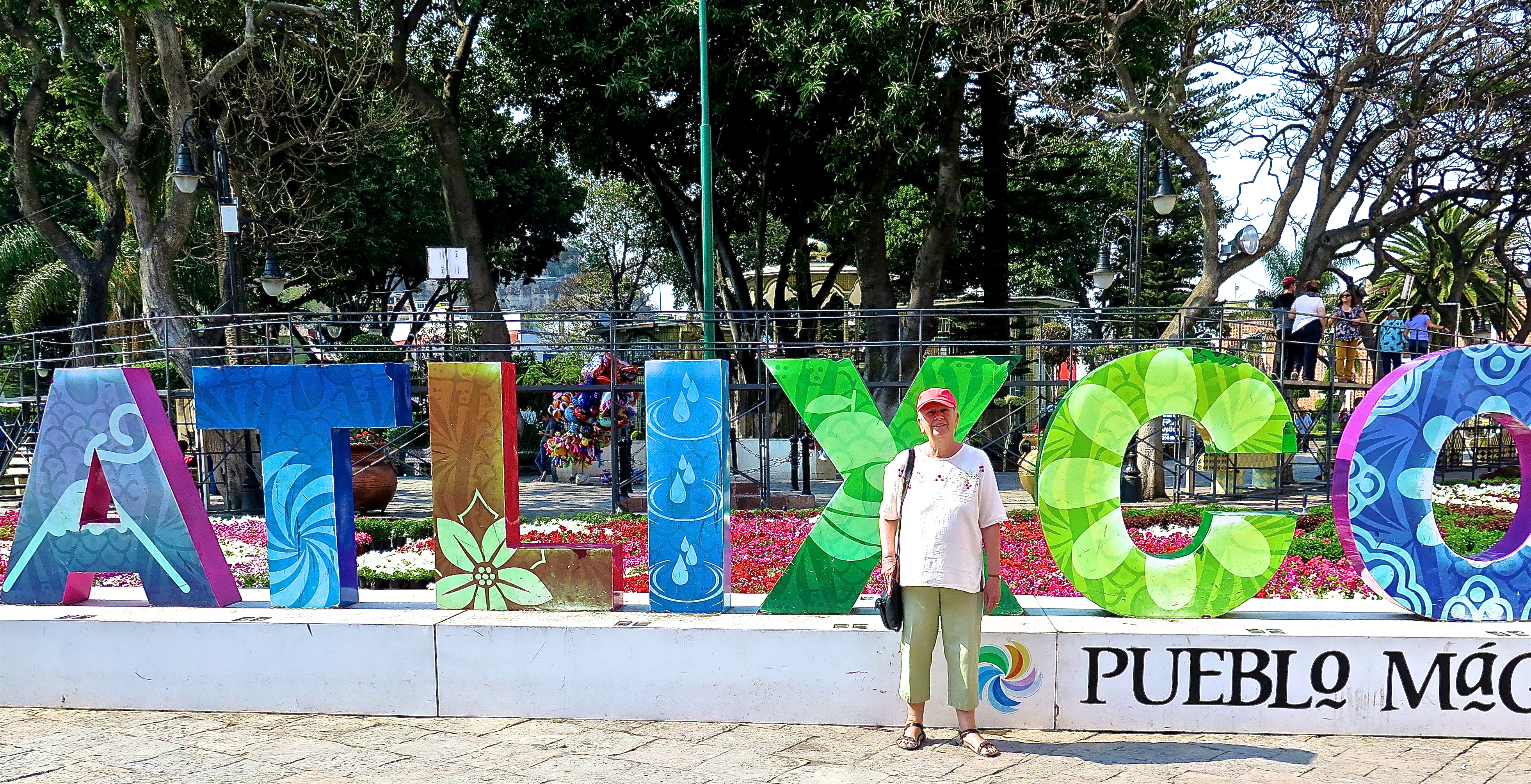
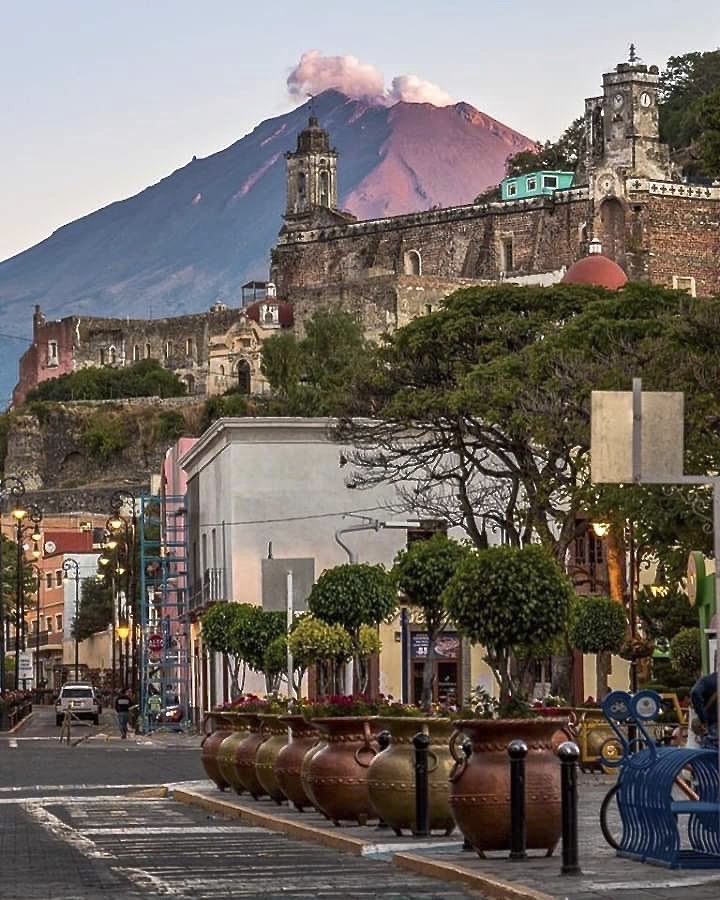
Atlixco is pretty town rather unnervingly near the active volcano Popocatepetl which was belching forth lava and ash before our trip but not during our stay in Puebla.

IMG_0817

Since hazy weather prevented any good photos of El Popo, I borrowed these 2 recent photos from Dean Miller’s superb Facebook page, Arts & Artisans of Mexico.

IMG_0813

IMG_8768

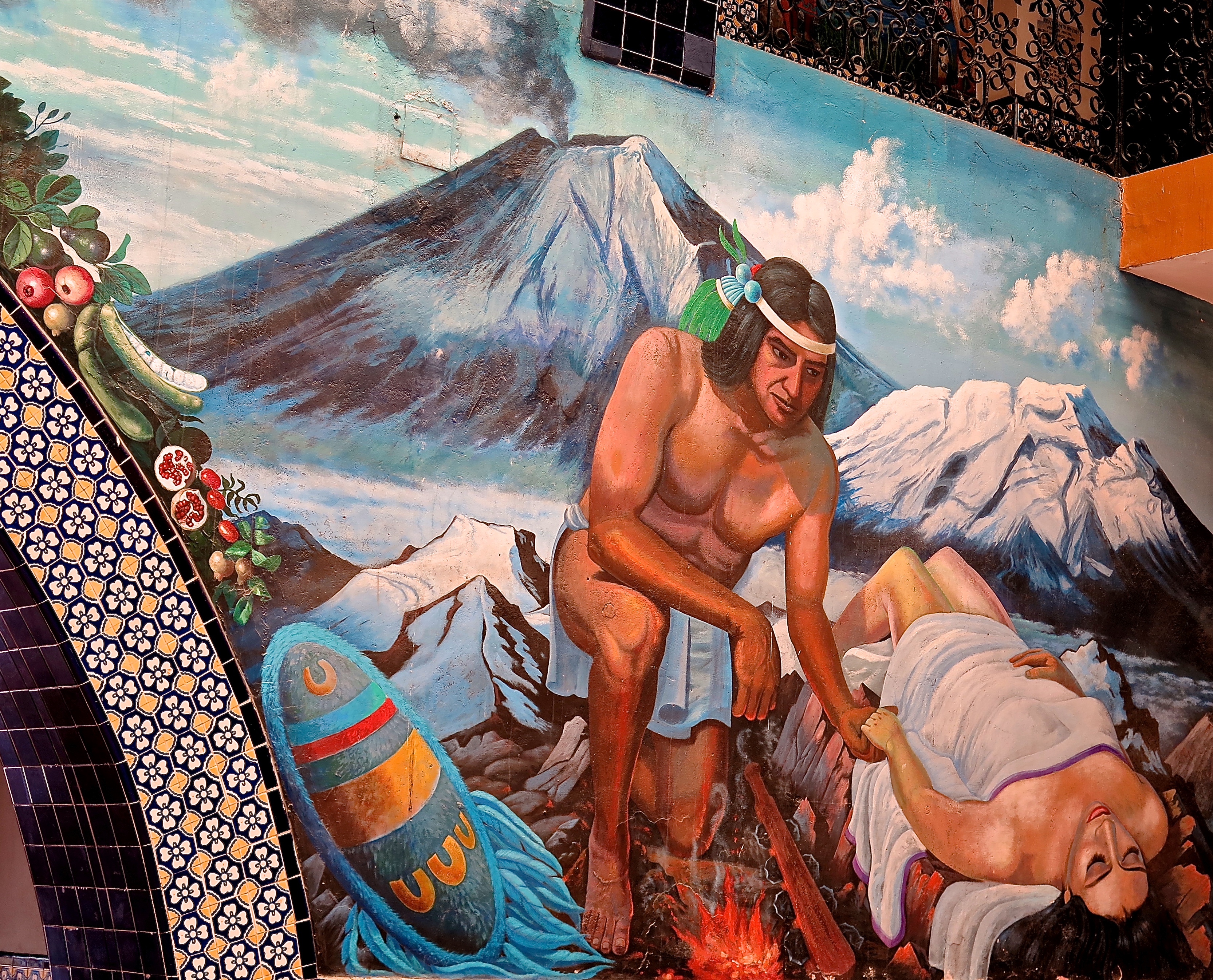
A mural depticting the legend, similar to that of Romeo & Juliet, of Popocatepetl & his beloved, Iztaccíhuatl, who died of a broken heart when told he was killed in battle.

IMG_8753

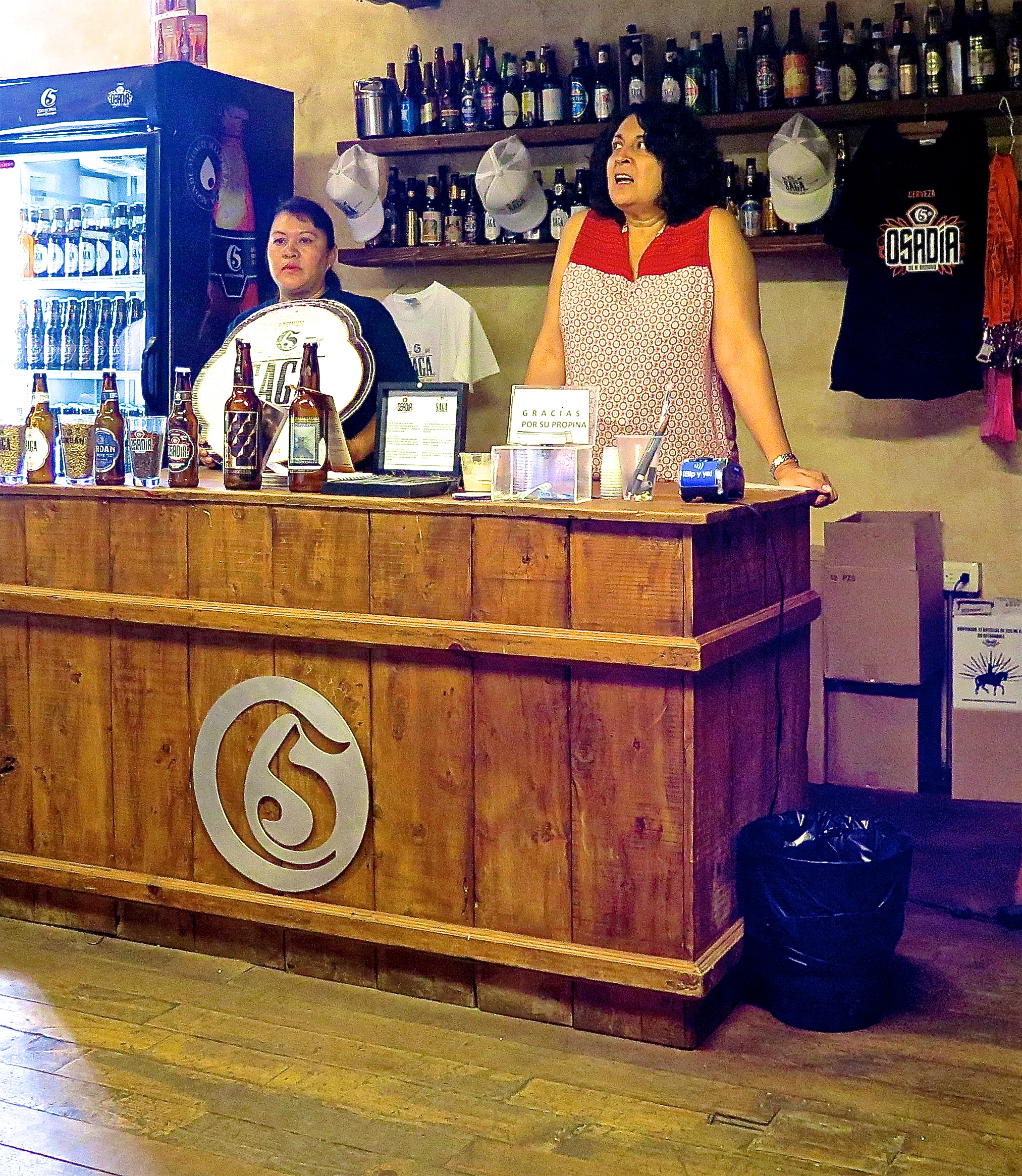
We sampled some excellent ale, Saga and Osadia, at St. Michael’s Brewery… 

IMG_8758

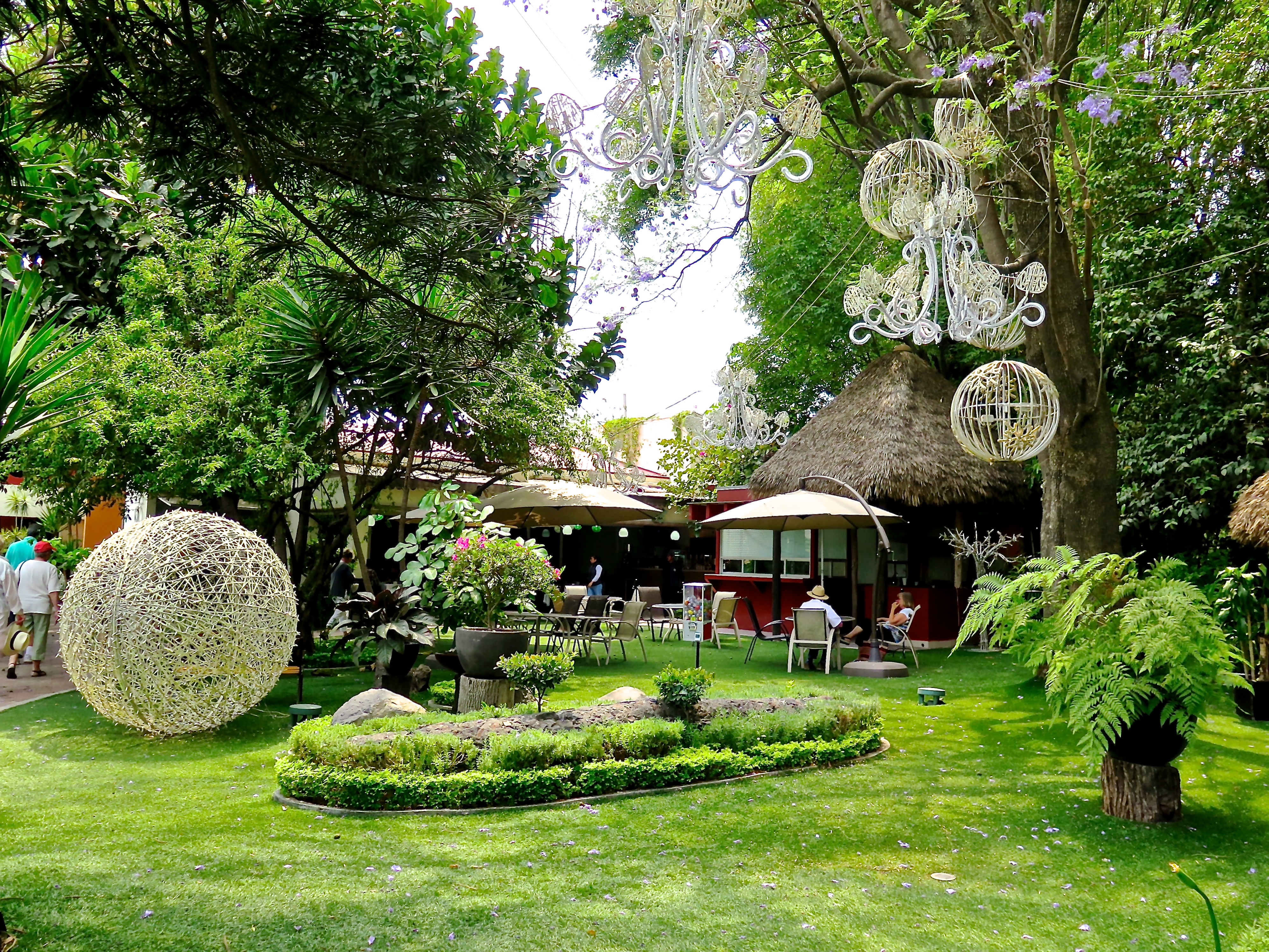
and then  had a delicious lunch at the restaurant on the brewery grounds.

IMG_8761

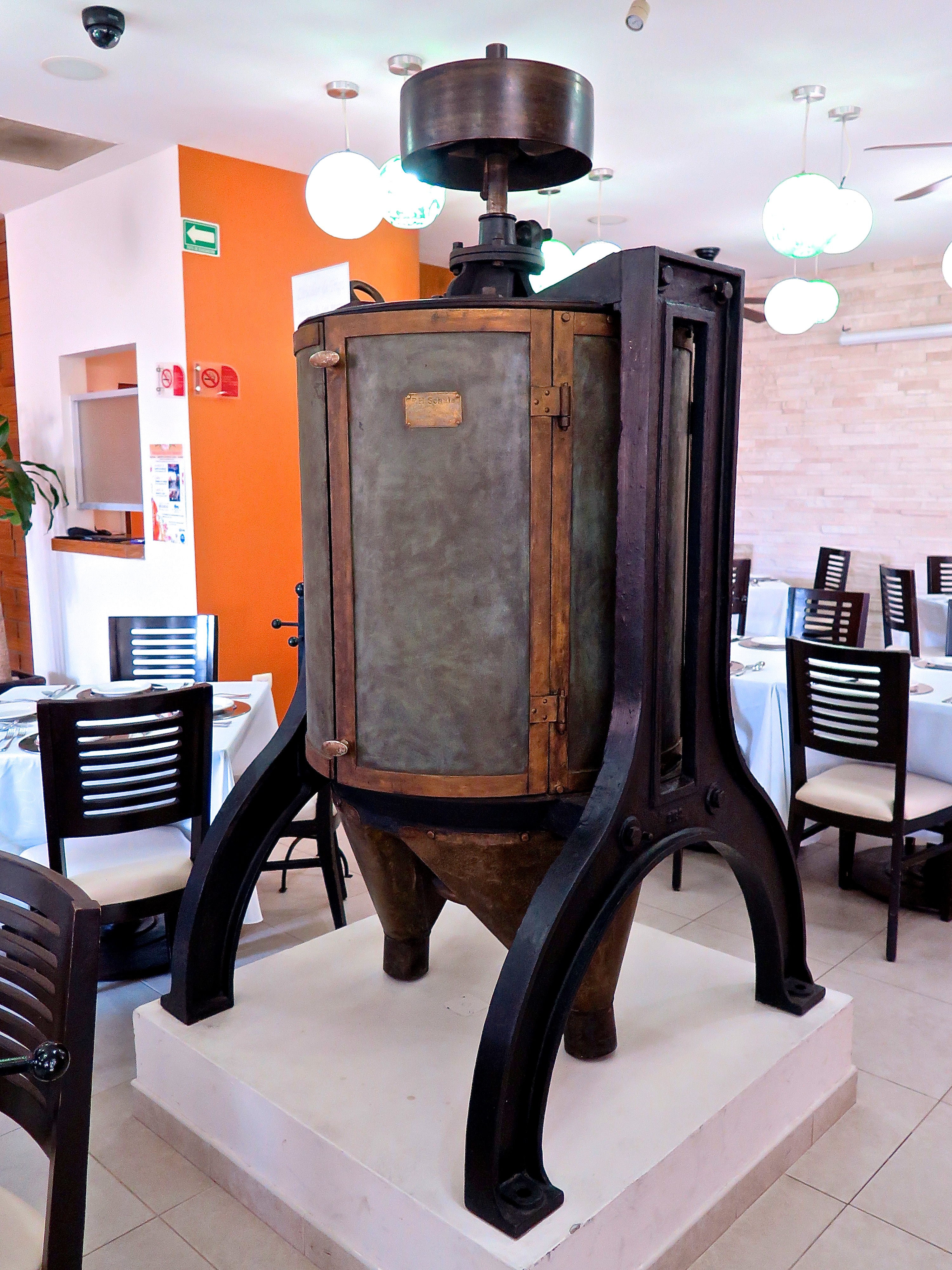
A grain washing machine from the brewery.

IMG_8764

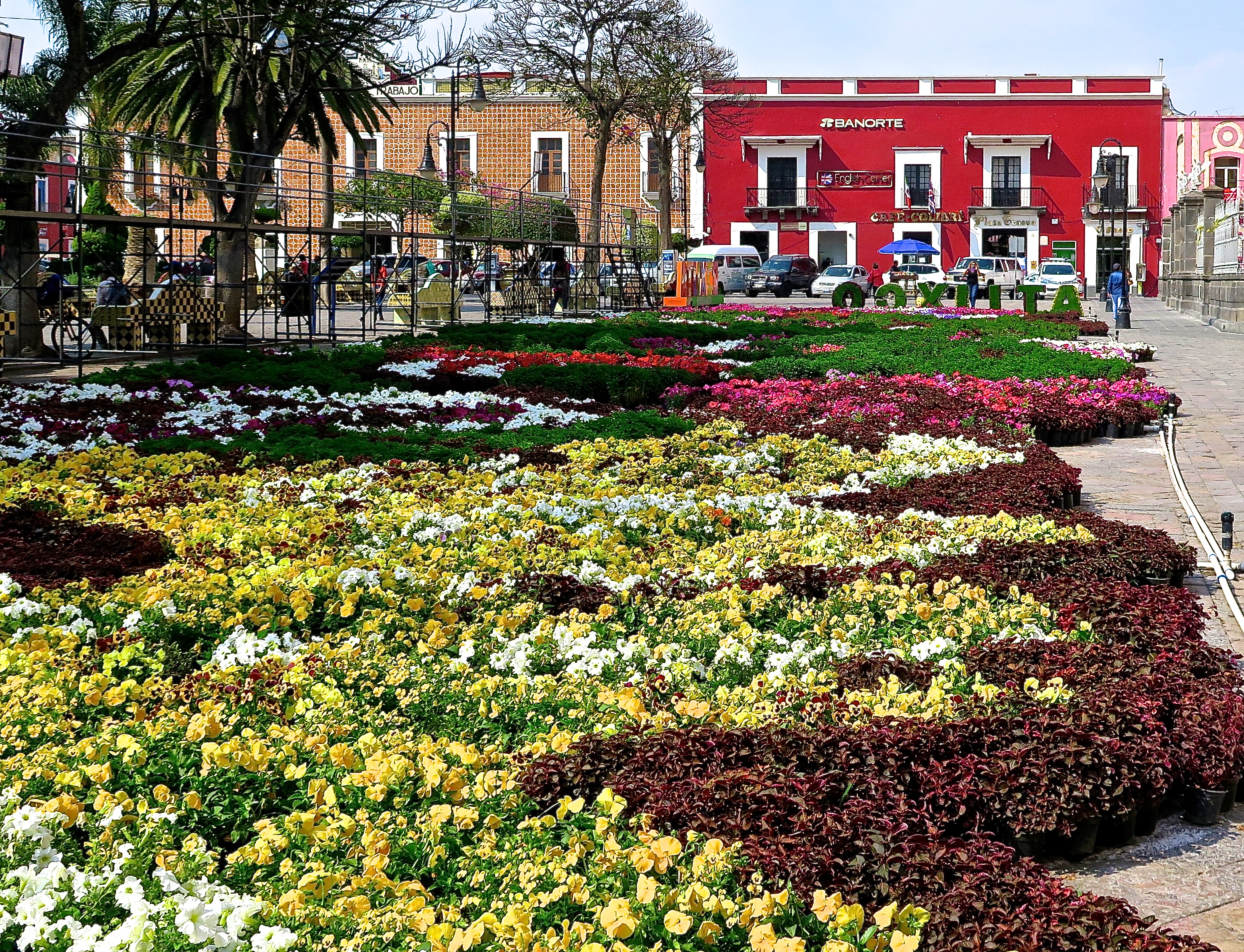
Flowers are everywhere in Atlixco Centro.

IMG_8771

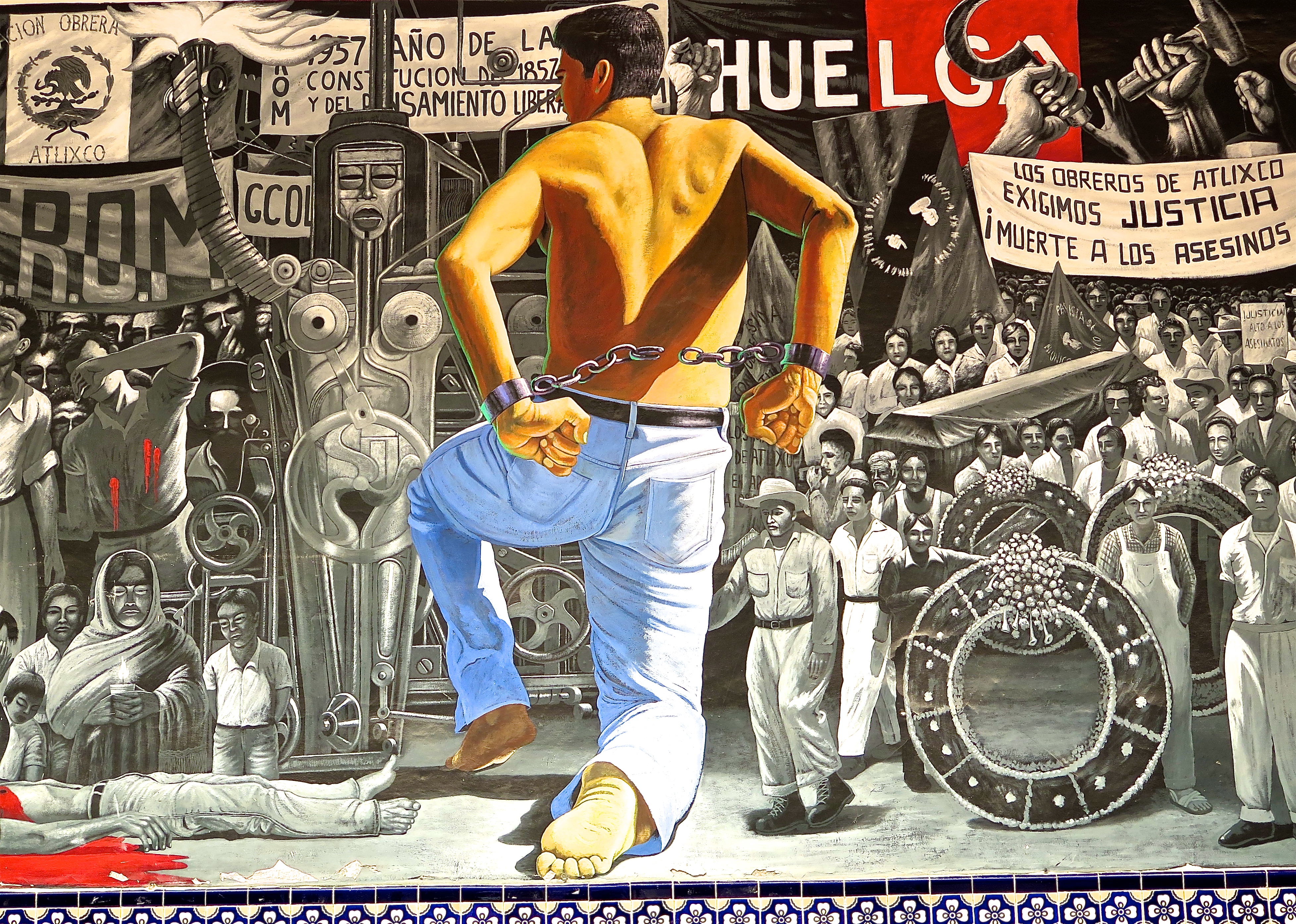
Worker breaking the chains of oppression, a recurring theme in the troubled history of Mexico.

IMG_8775

IMG_8777

IMG_8791

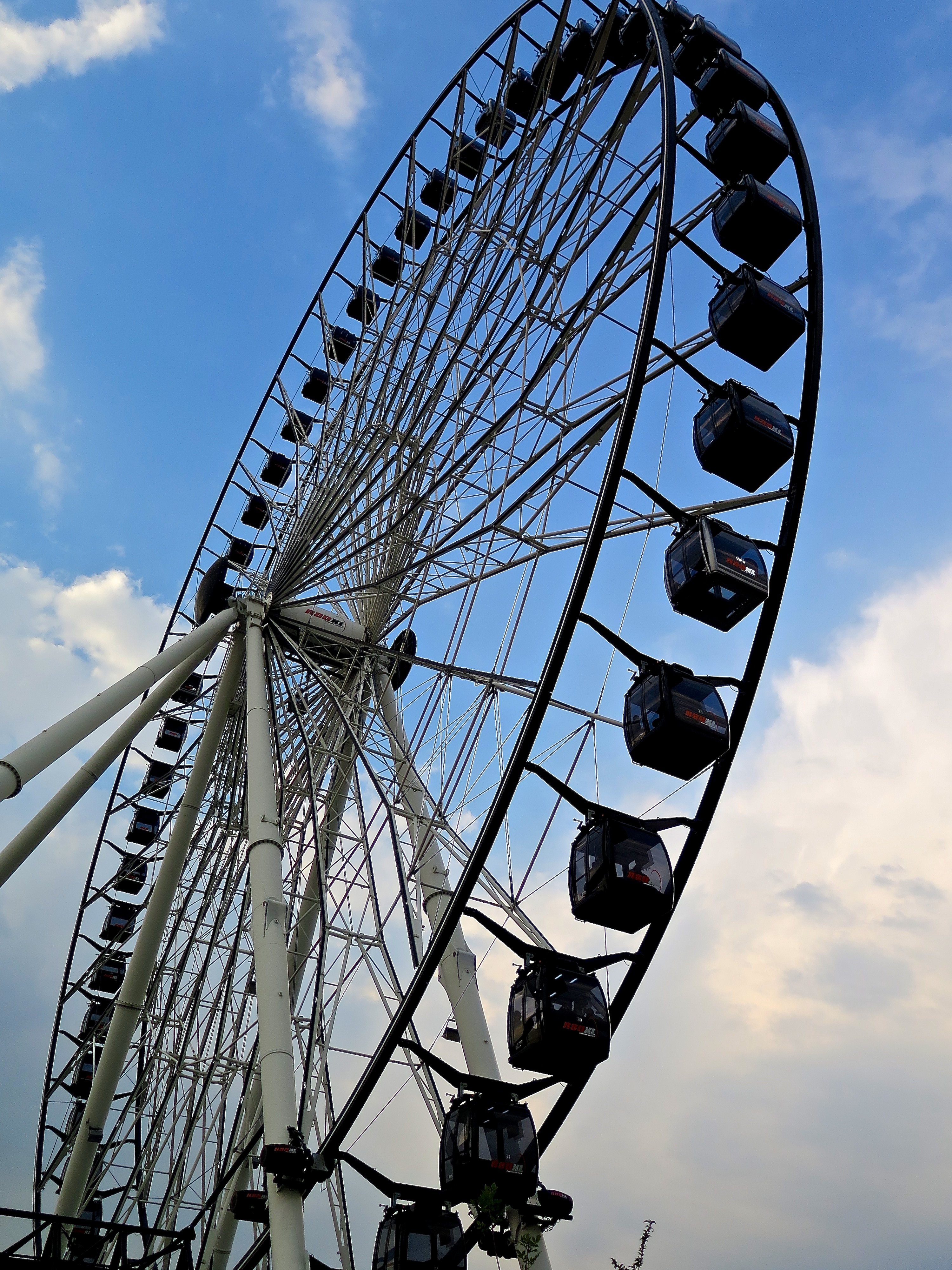
Somehow we understood that this Swiss made ferris wheel in Puebla is currently the largest in the world, which turned out not to be true. The tallest is High Roller in Las Vegas at 550 feet.

IMG_8786

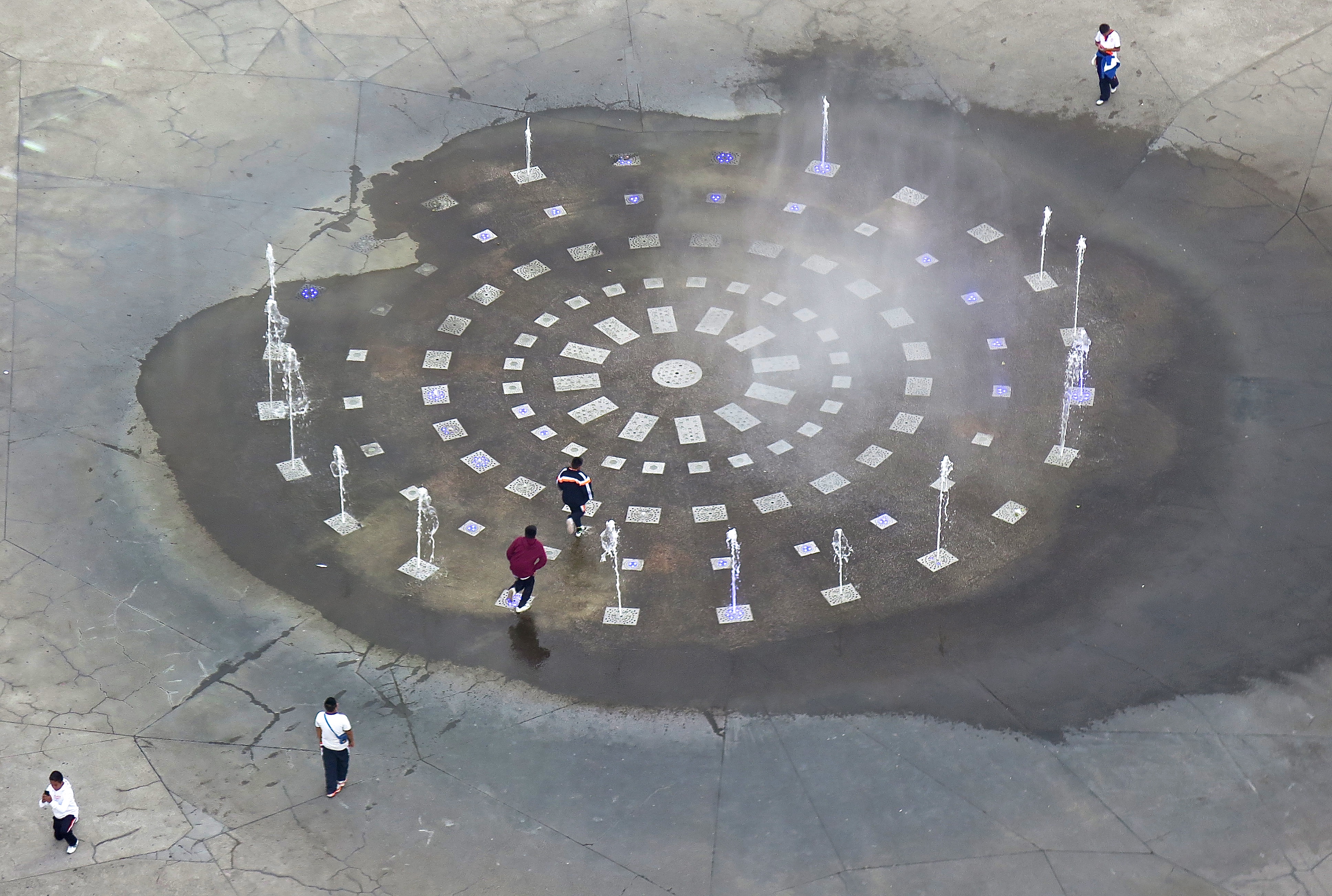
Young people trying to cross the intermittent spray of the fountain without getting wet.

IMG_8795

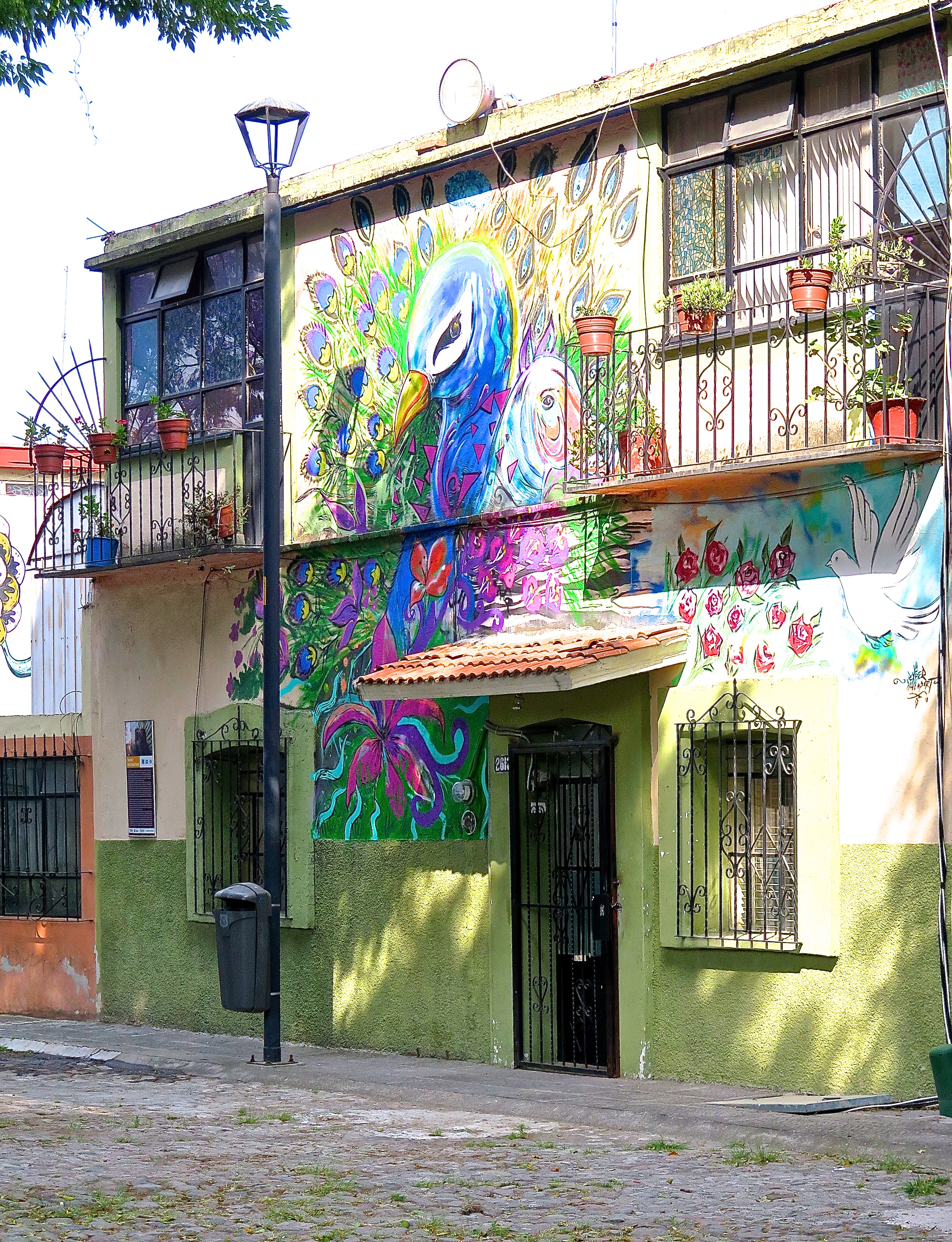
At one time a very poor and dangerous neighborhood, this barrio was transformed by artists who volunteered to paint murals of subjects that meant a great deal to the families within these houses, at no cost.

IMG_8797

IMG_8802

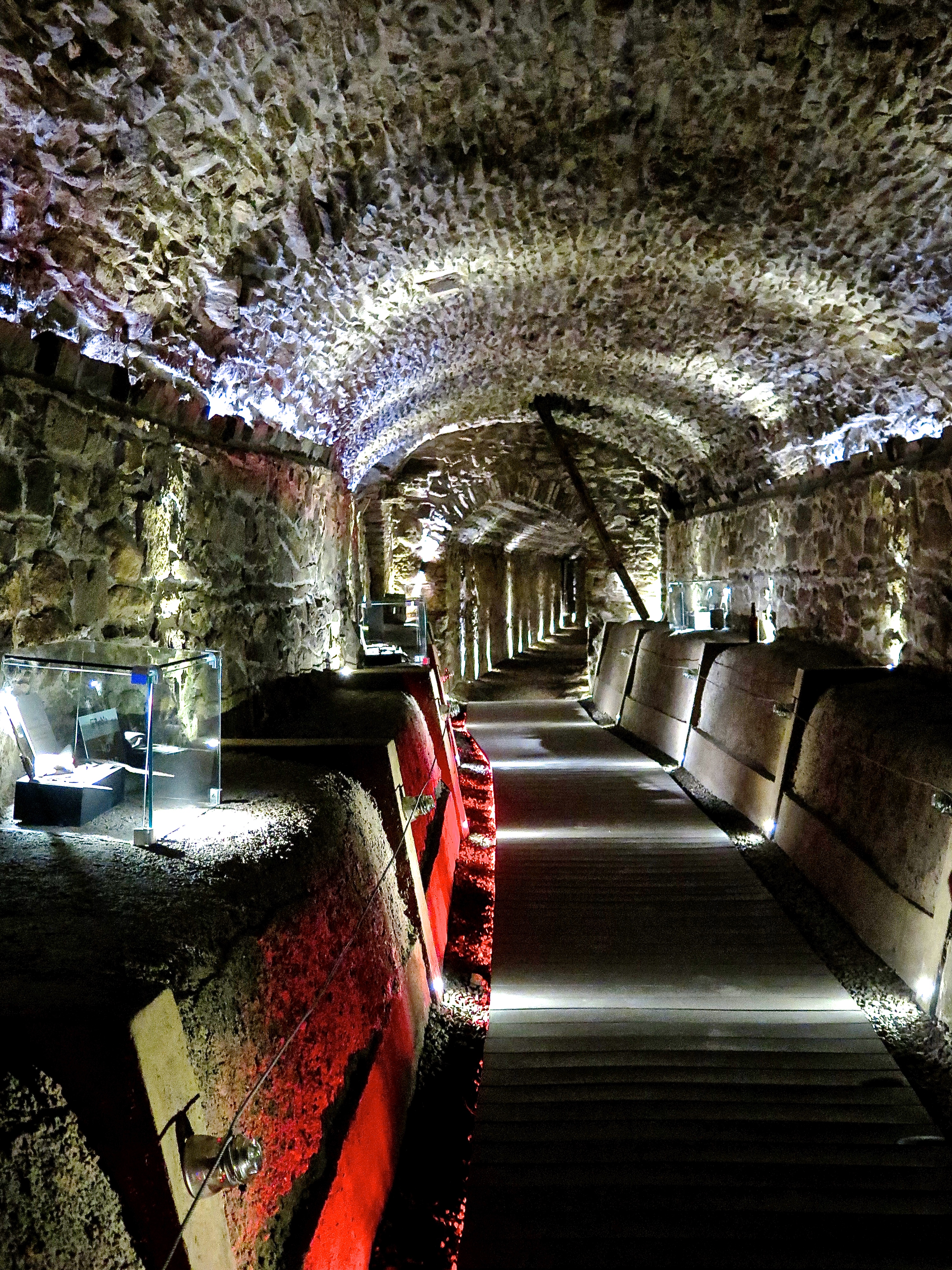
One of many tunnels that have recently been discovered under Puebla and rehabilitated. Artifacts, from weapons and tools to children’s toys, are displayed. Some of the tunnels are high enough to accommodate horses and riders.  

IMG_8816

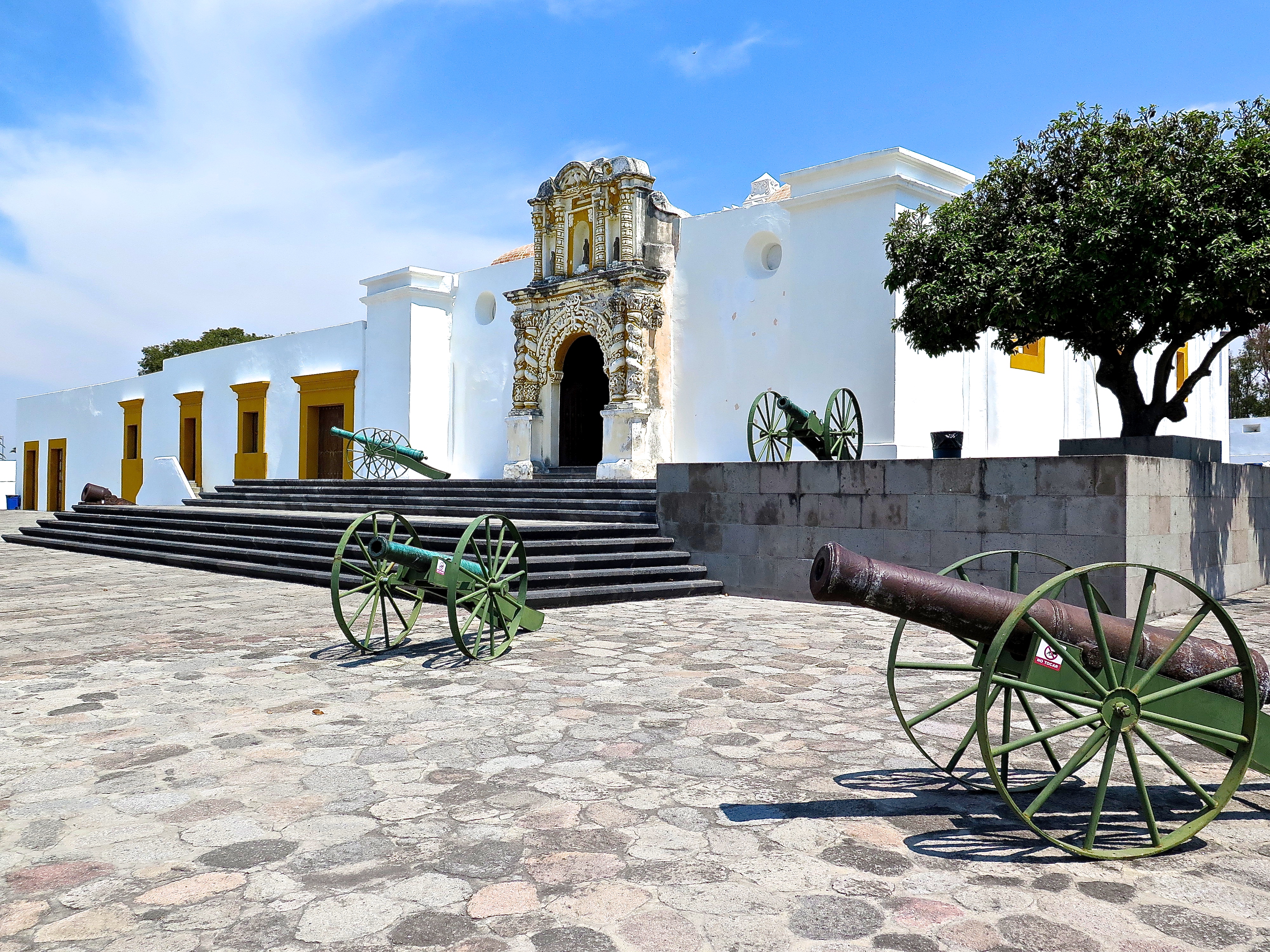
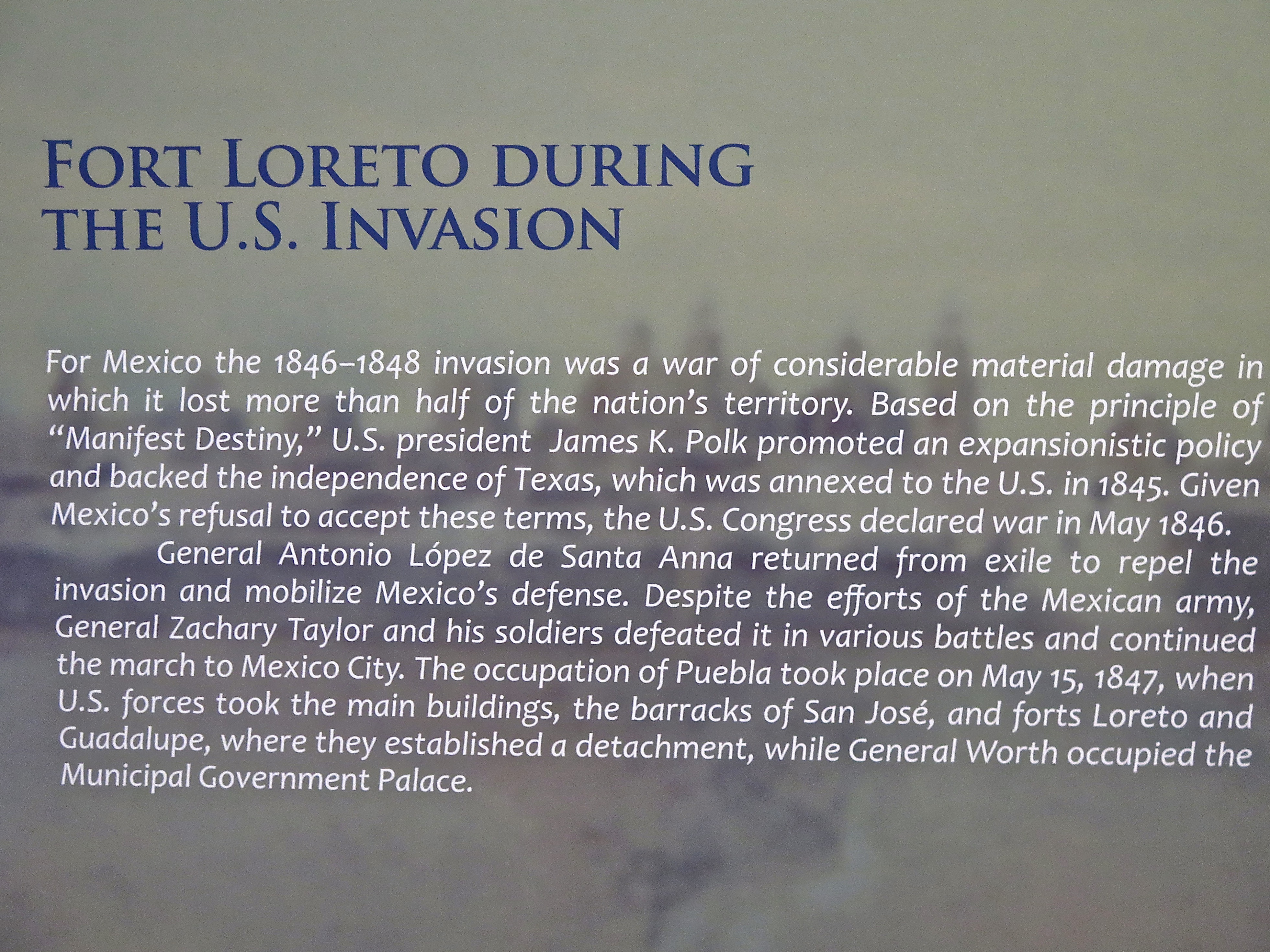
Fort Loreto, high above the city.

IMG_8819

IMG_8818

IMG_8820

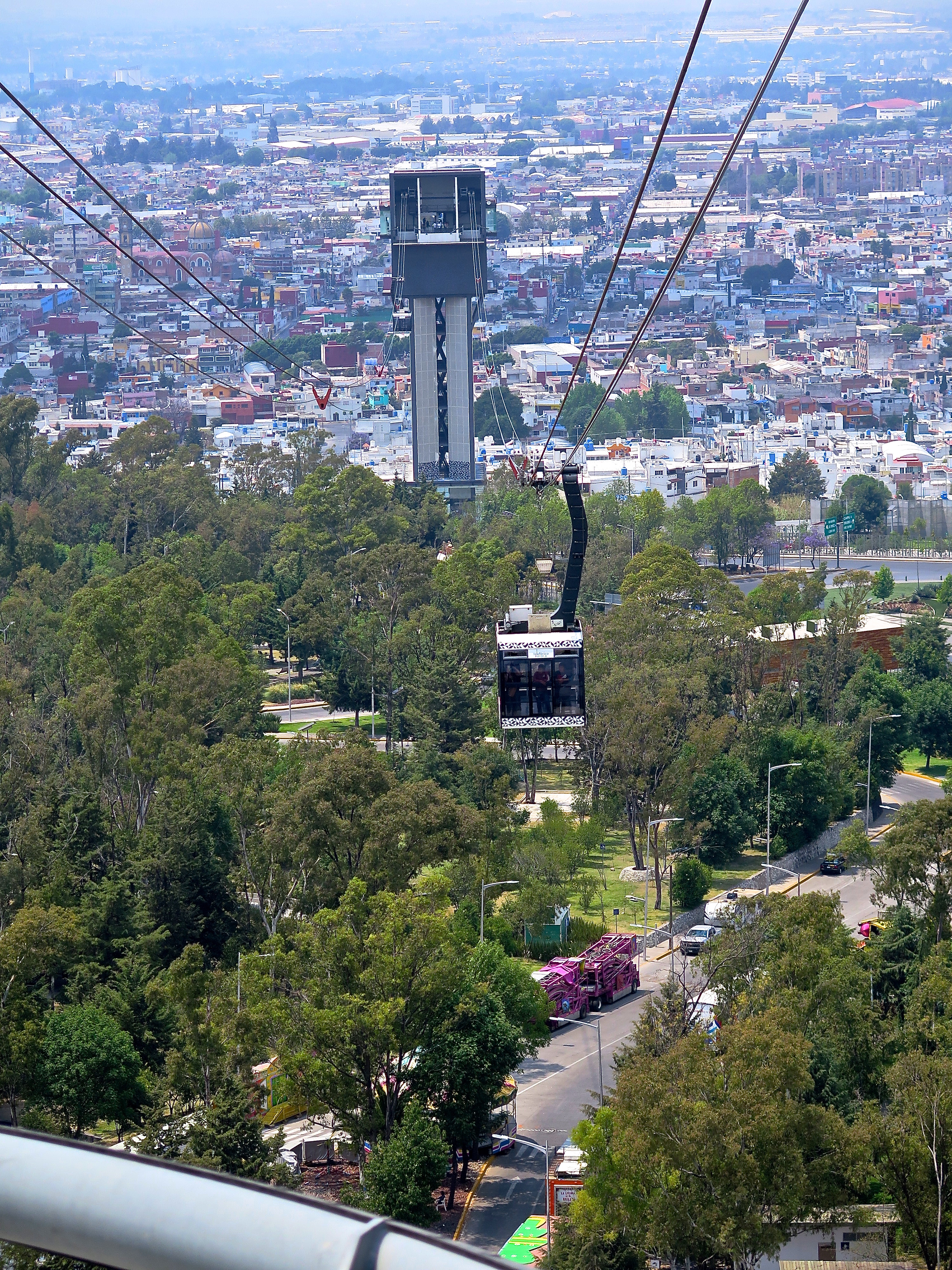
A hazview of the inactive Melinche volcano from the funicular.

IMG_8822

IMG_8825

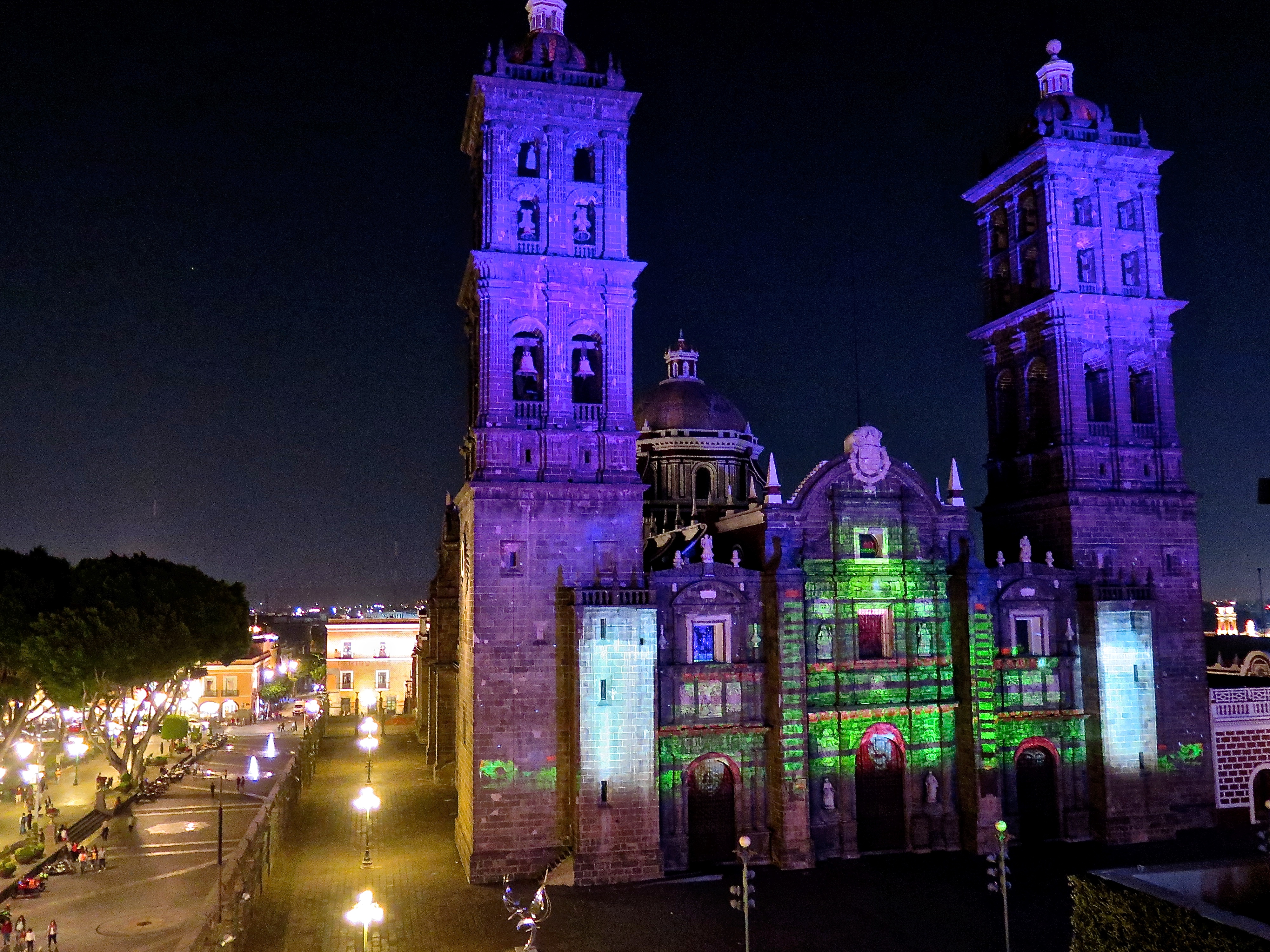
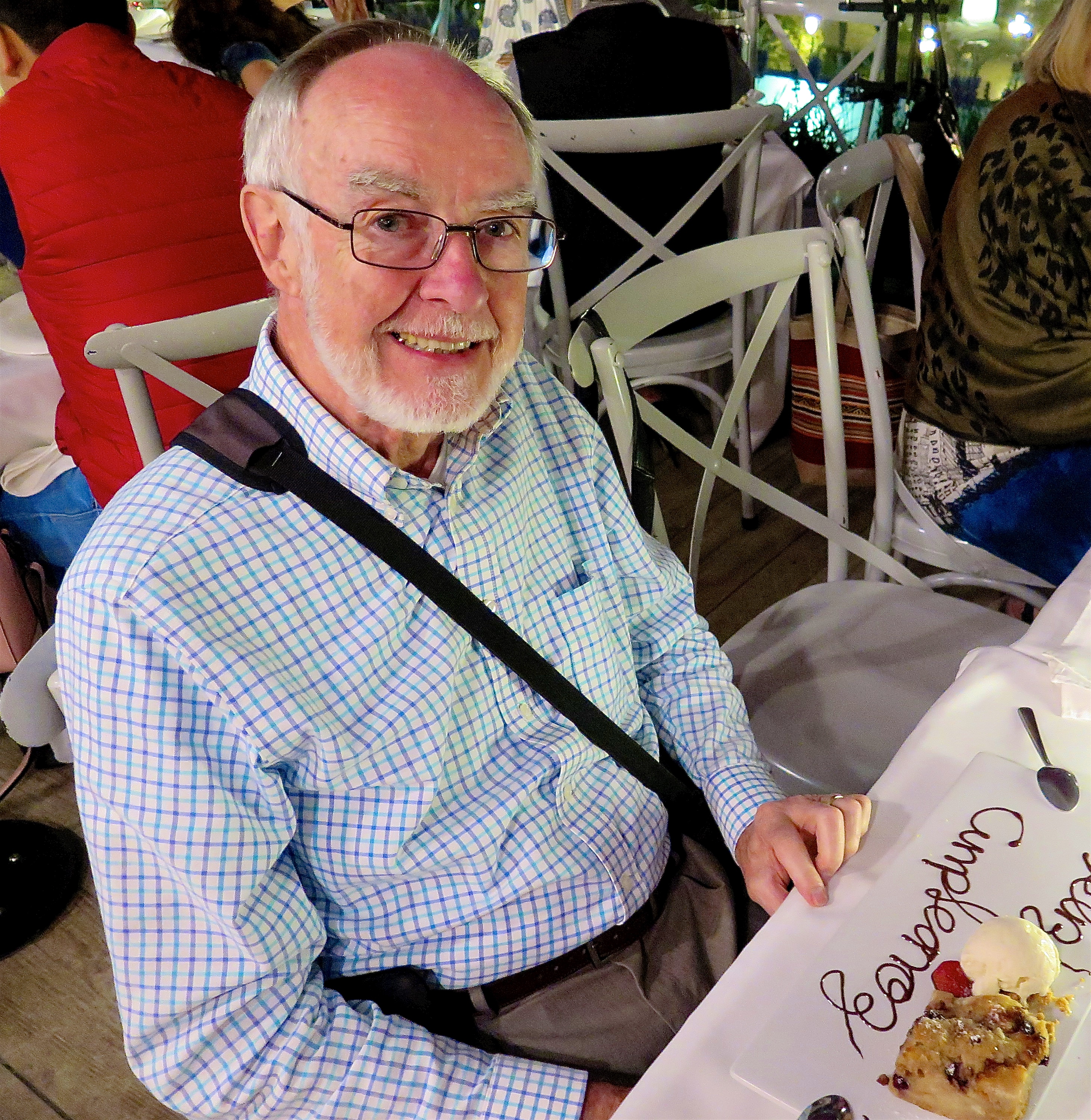
We watched a vivid light show on the front of the  cathedral from an excellent restaurant where we celebrated Allan’s 80th.

IMG_8838

IMG_8841

The magnificent  House of Puppets, built by a wealthy man in the 18th century. After the city fathers refused him a building permit for the location he wanted he built it there anyway. The dancing puppets on the facade bear the faces of those city fathers.

IMG_8853

IMG_8854

IMG_8849

IMG_8855

IMG_8860

IMG_8846

The most comfortable suspension money could buy.

IMG_8869

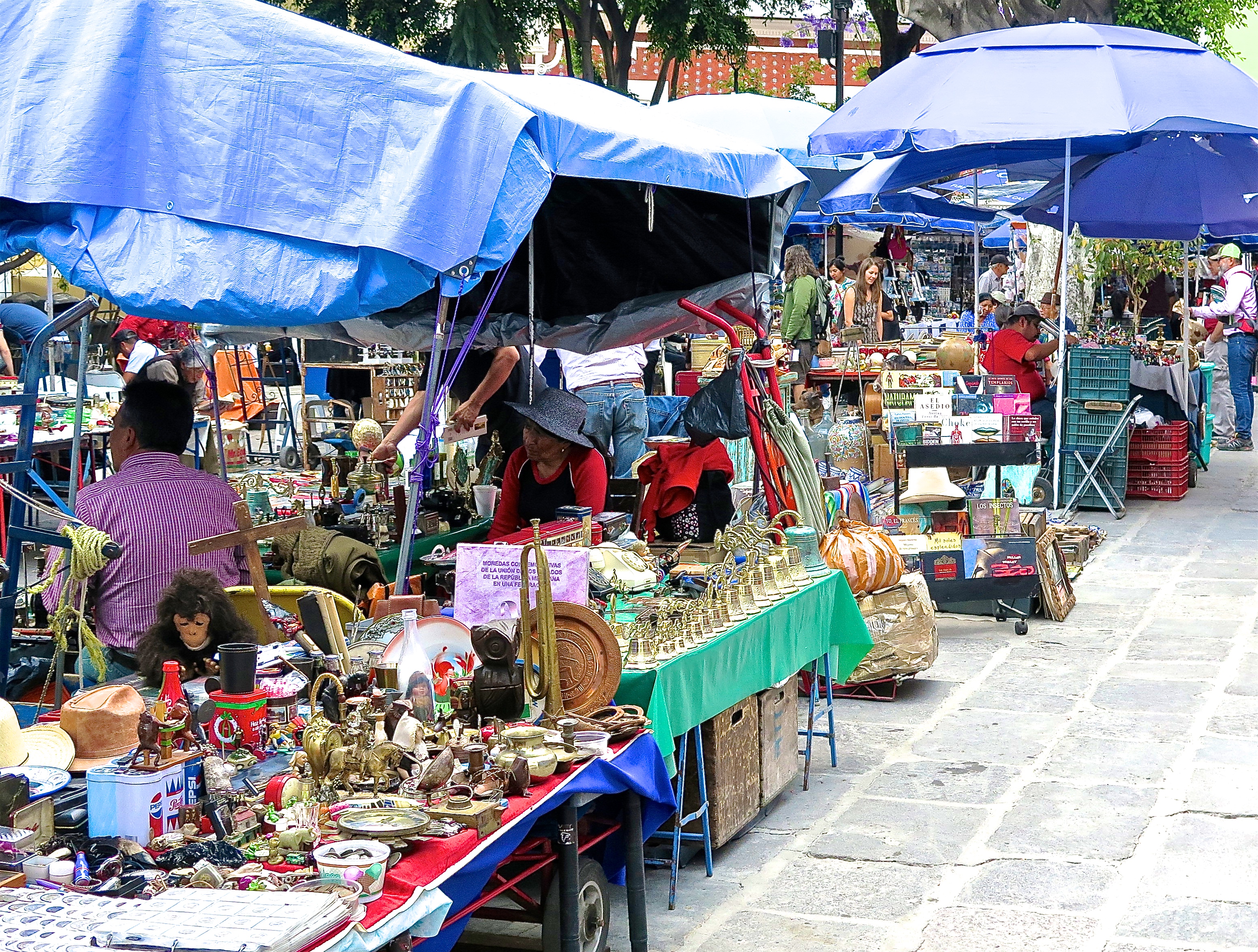
Strolling through a flea market.

IMG_8540

Tying a tiny shoe

IMG_8867

Anything & everything!

IMG_8534

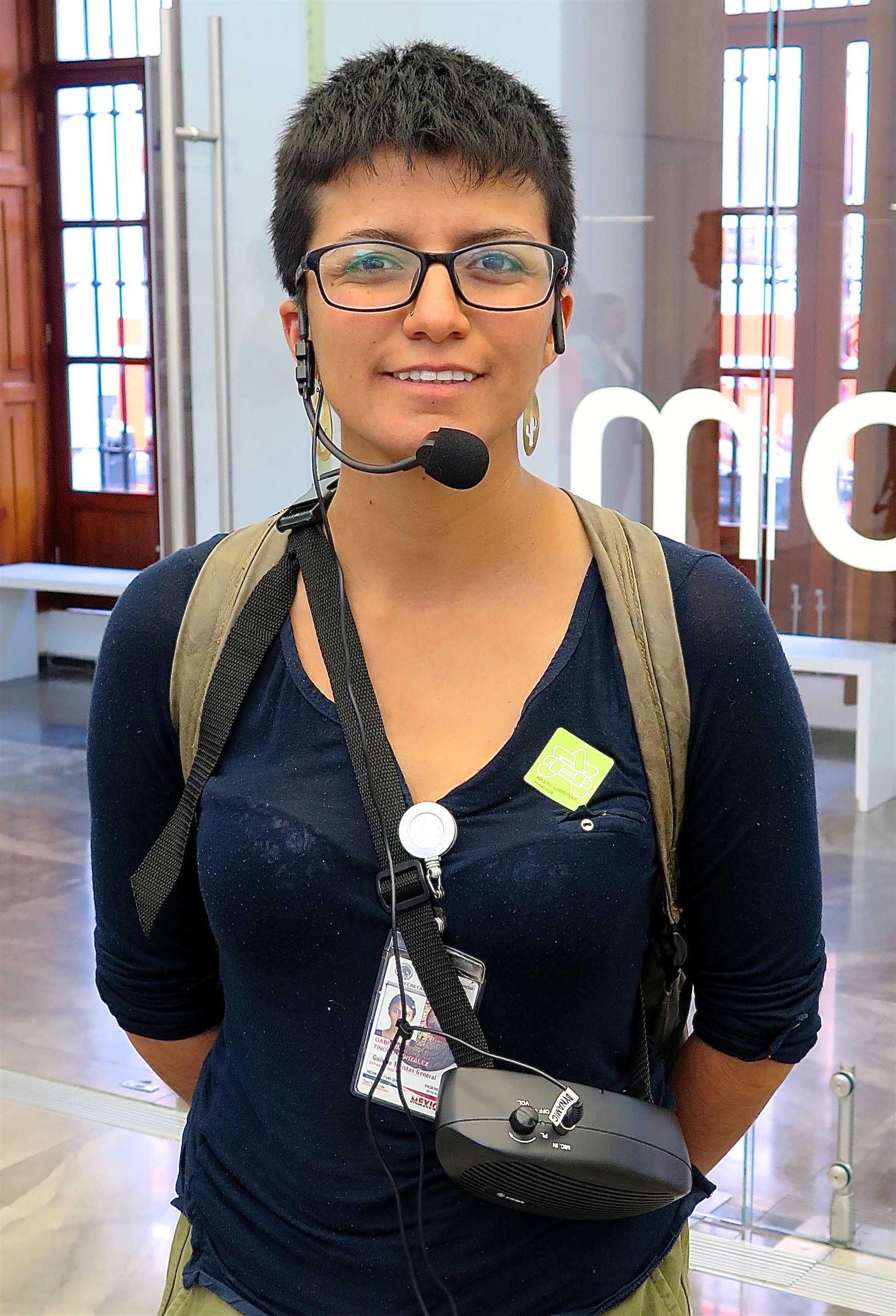
Our excellent guide, Gabriela: smart and well-informed, with great taste in restaurants.


Chiapas 2018

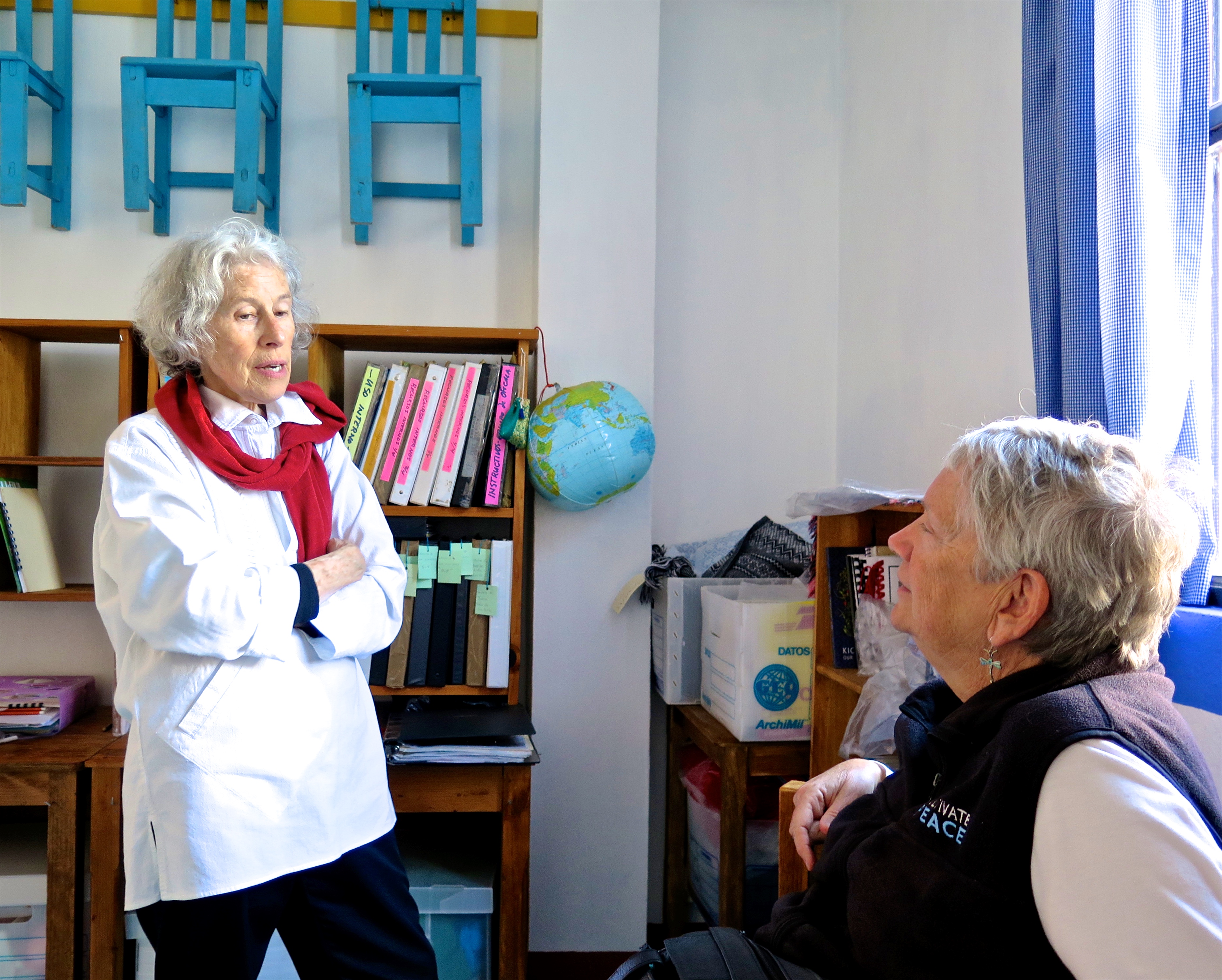
Oaxaca was fascinating but Chiapas, especially San Cristobal de las Casas, was even more intensely alive. Our visit was greatly enhanced by a previously arranged meeting with Carlota Duarte, American born photographer and nun in the Society of the Sacred Heart whose father came from the Yucatan peninsula and who founded The Chiapas Photography Project (CPP) in 1992 to give this and future generations of Maya a means of self-expression. Carlota’s sharing of her intimate knowledge of the Maya culture gave us insights and information that greatly enriched our visit.  More information about the inspiring work of the CPP at the end of this blog.
img_7971

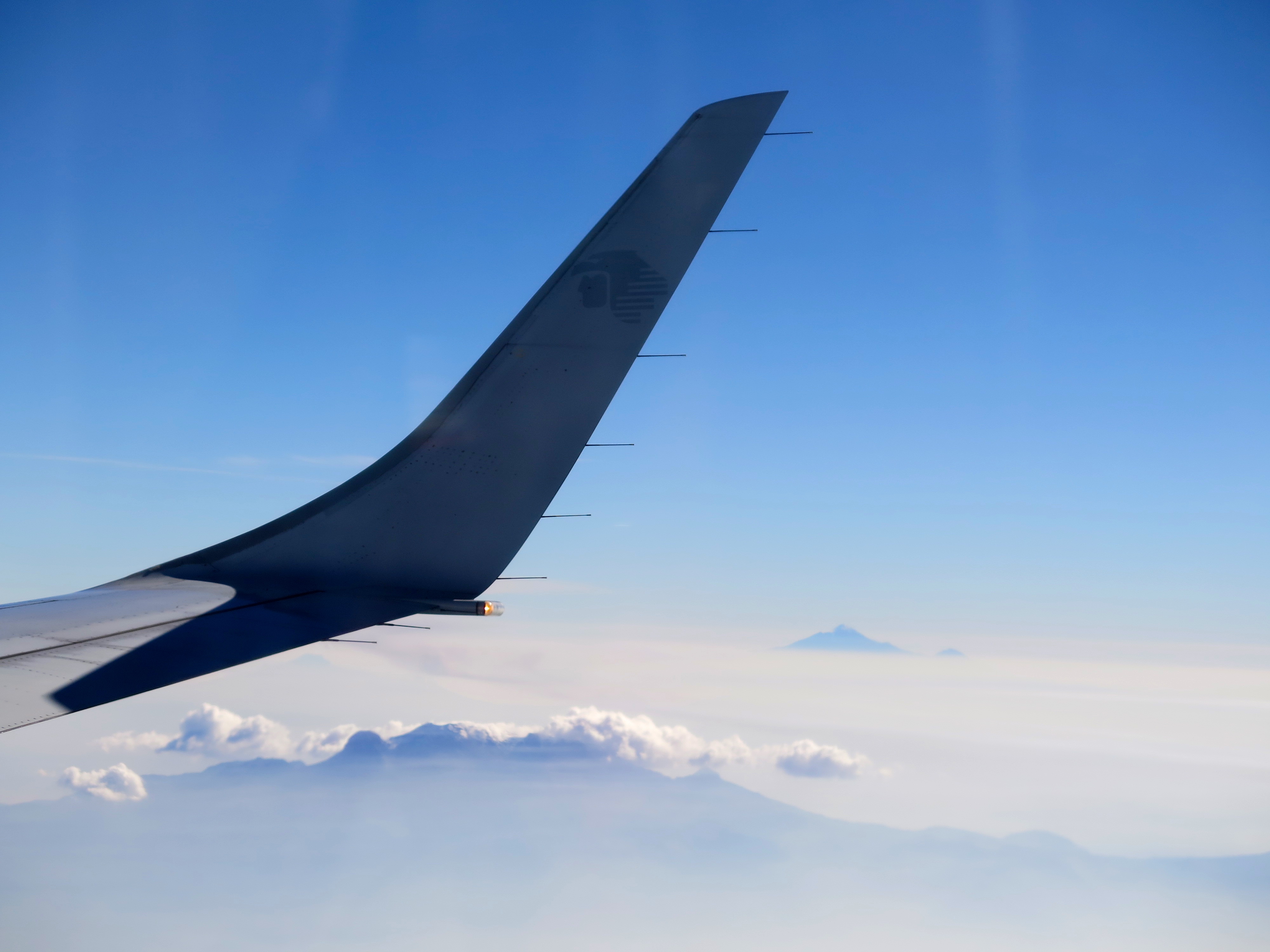
Flying to Chiapas which, at about 7200 feet, is about 2000 feet higher than where we live.
img_7972

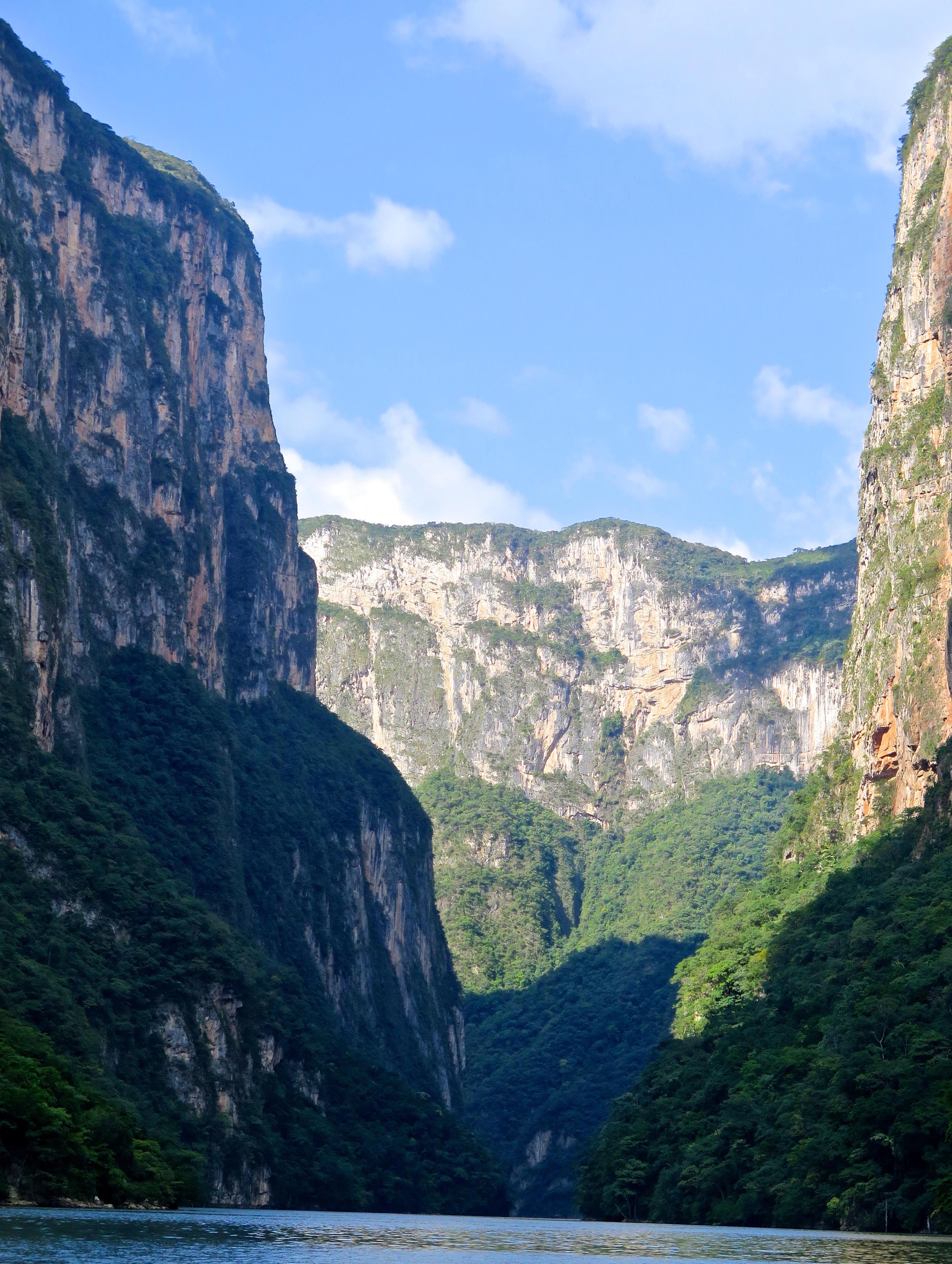
As soon as we landed the tour company took us to a high speed boat ride in the impressive Sumidero Canyon.
img_7974

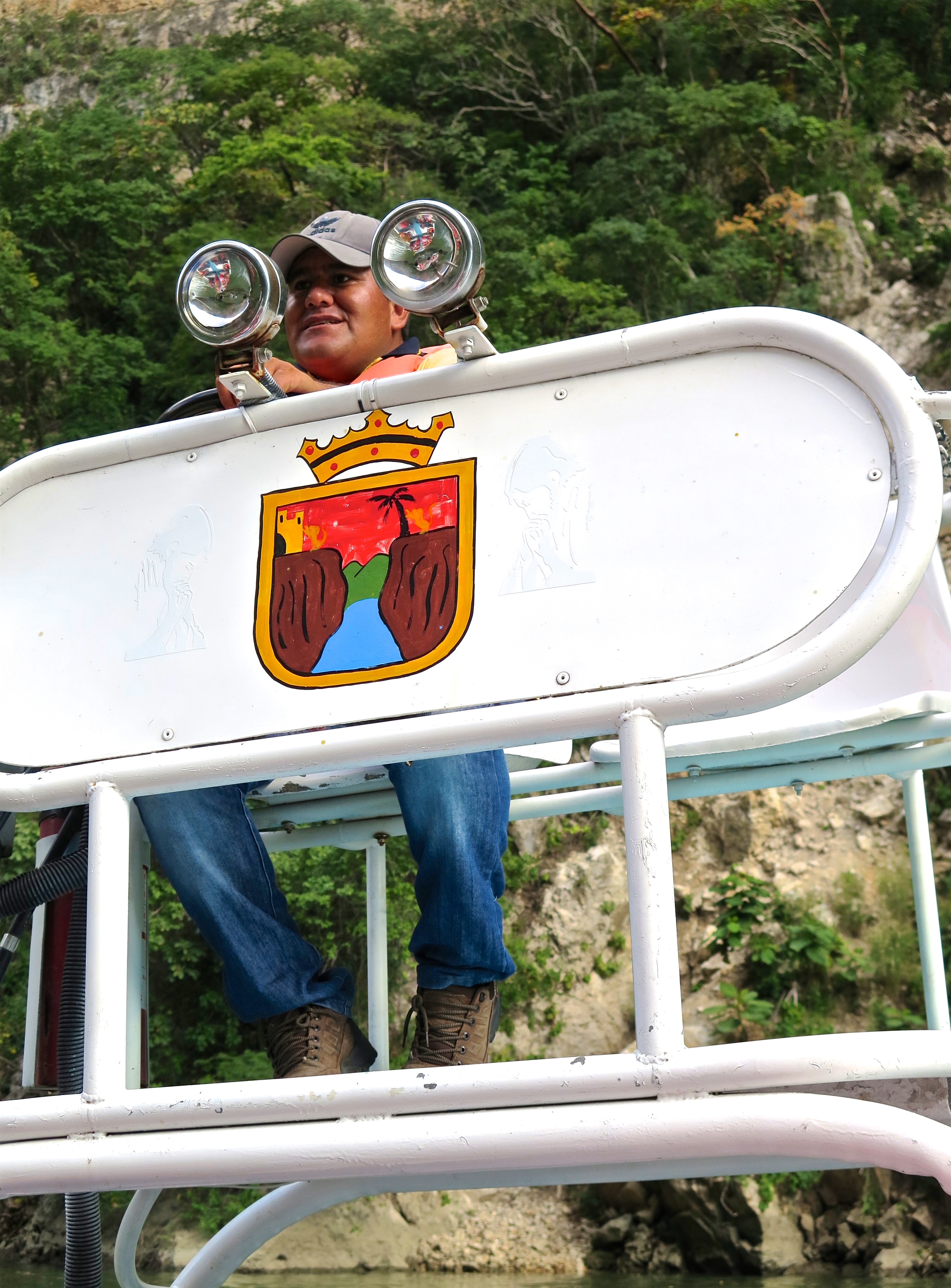
Our captain piloting his 300 horsepower craft.
img_7976

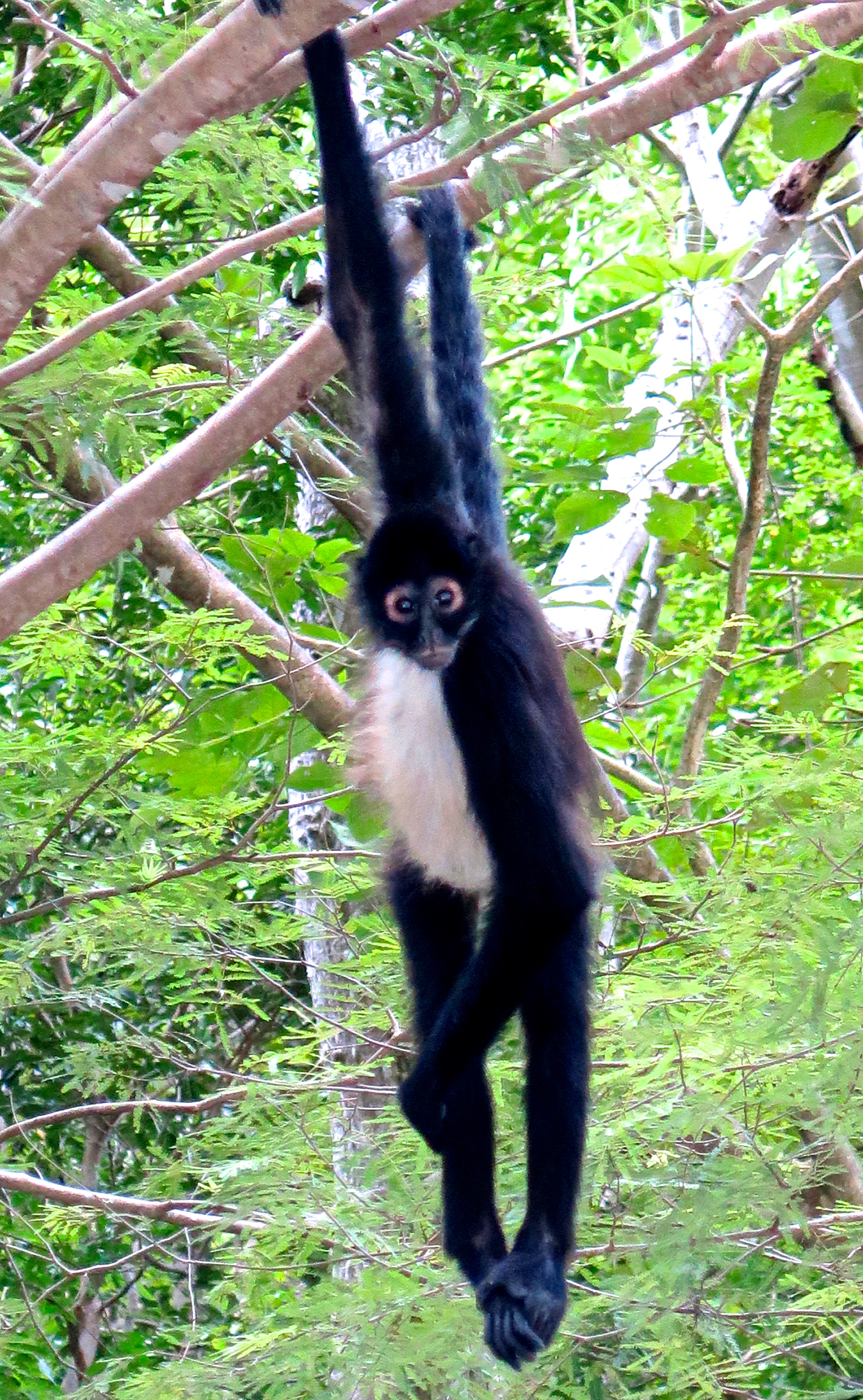
Sitings in the cliffs above included playful spider monkeys and…
img_7980

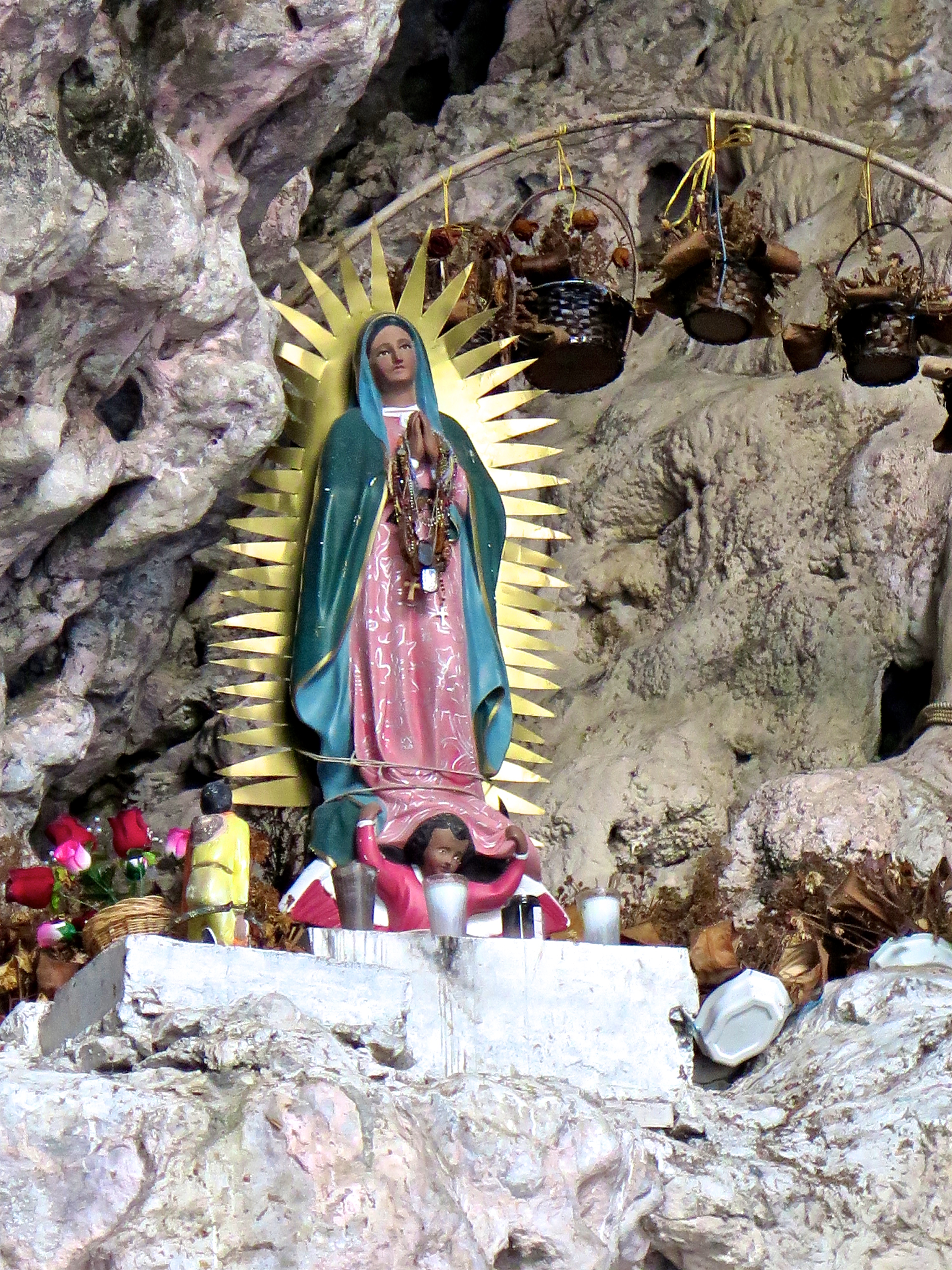
a shrine dedicated to the beloved Virgin of Guadalupe…
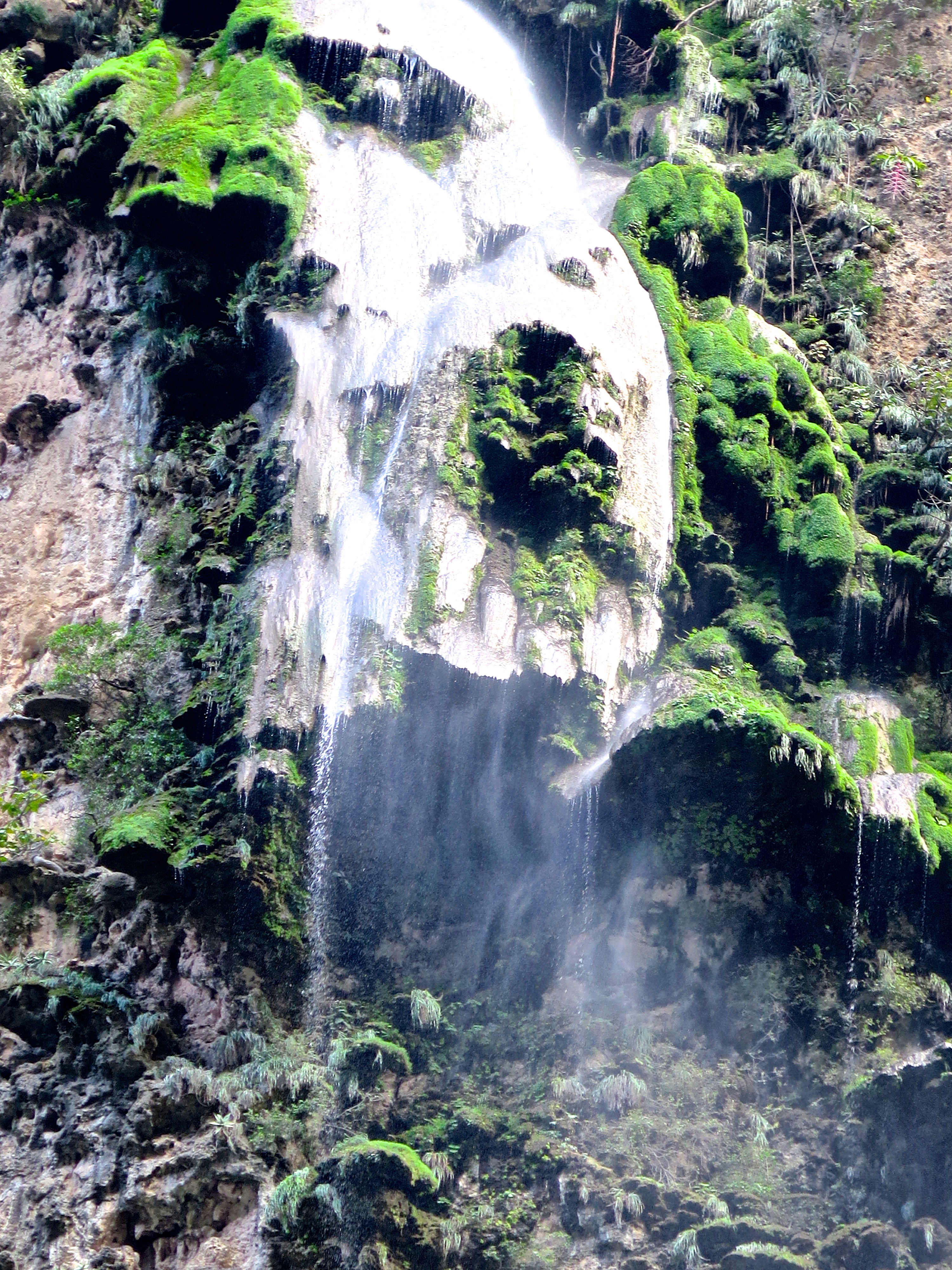
img_7984

and curious combinations of vegetation and minerals.
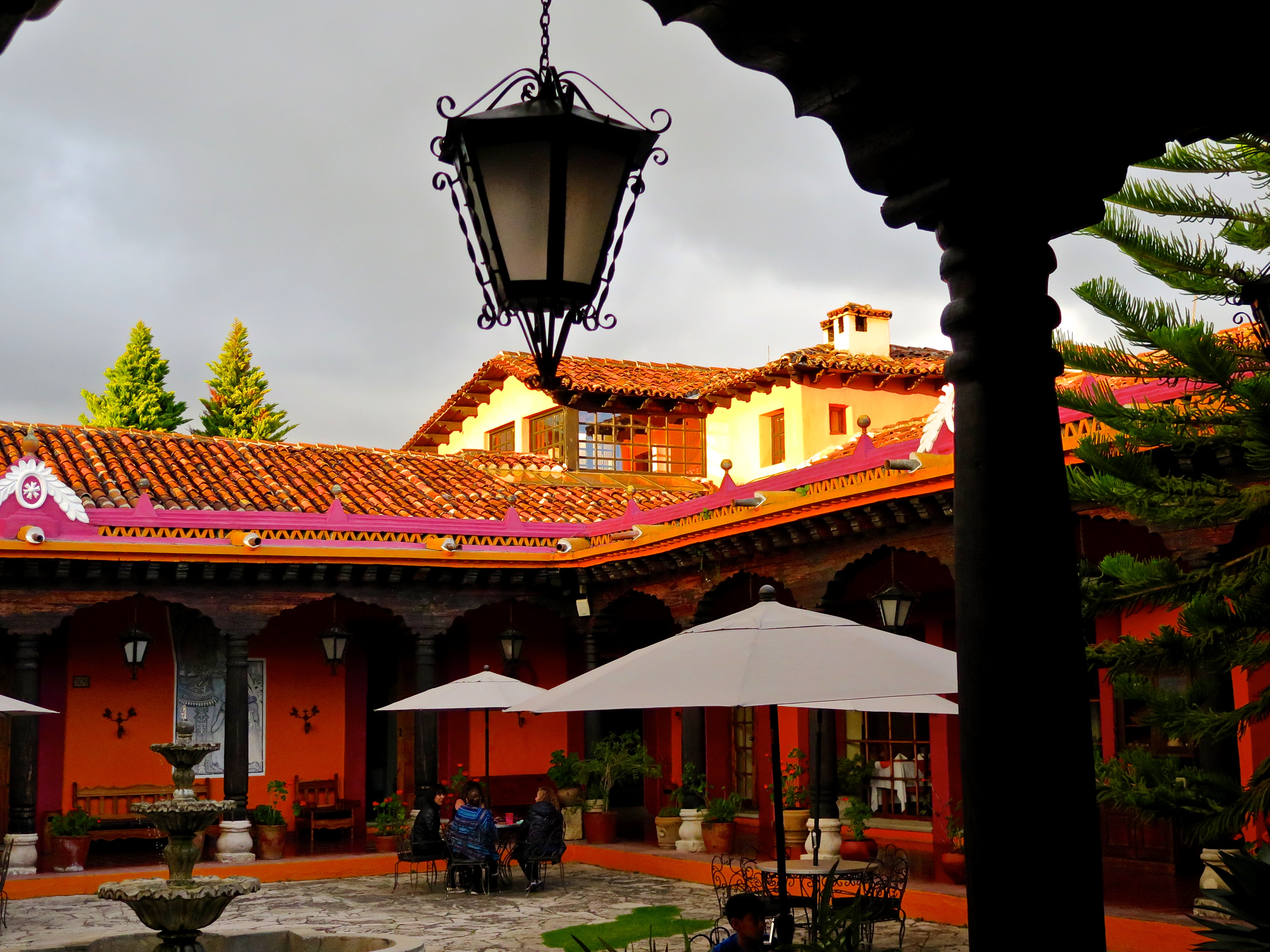
img_0001

Late afternoon at our hotel which was coveniently located near the cathedral & plaza.
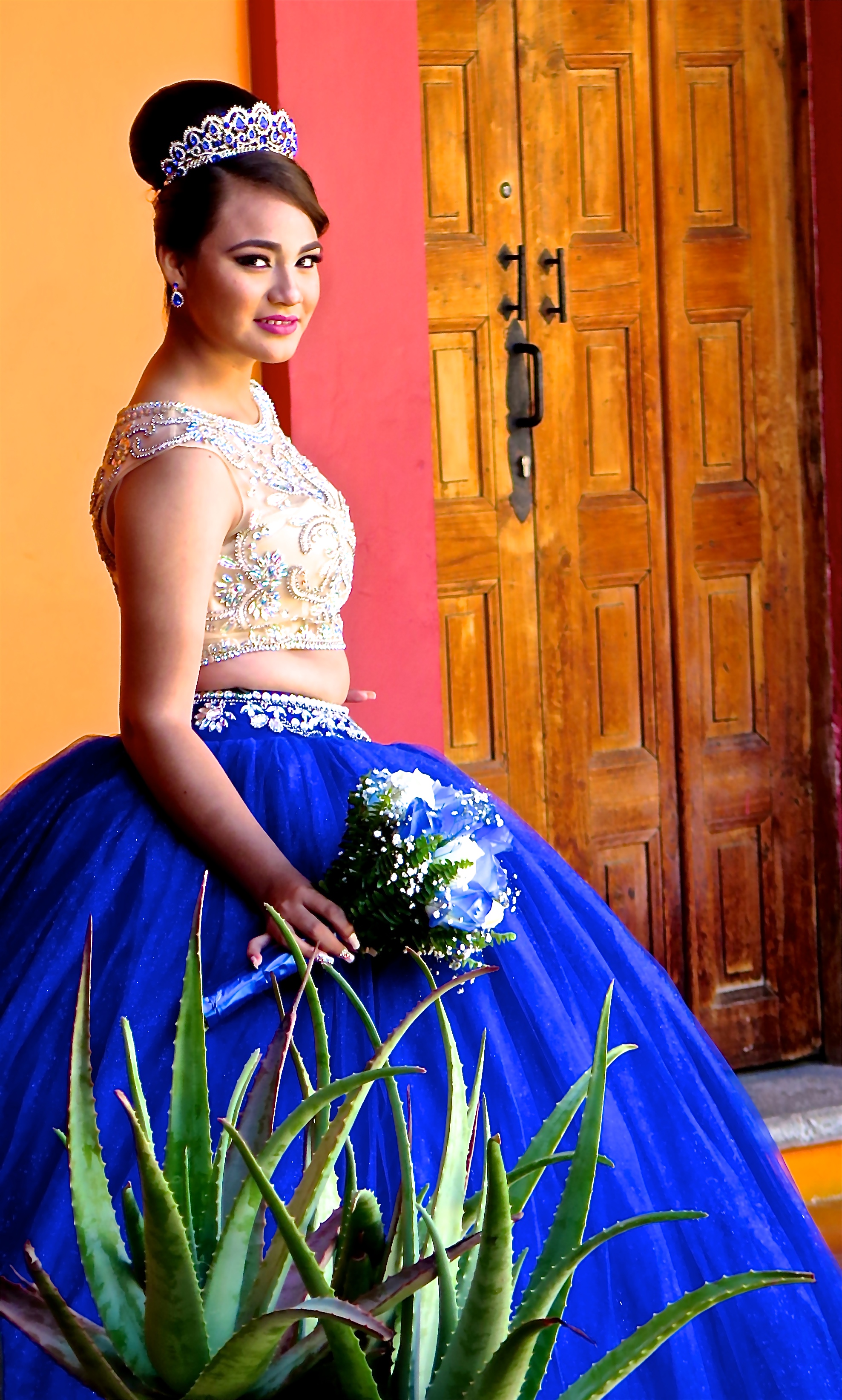
img_8002_2

This young woman was having photos taken for her 15th birthday celebration (quinsienera).
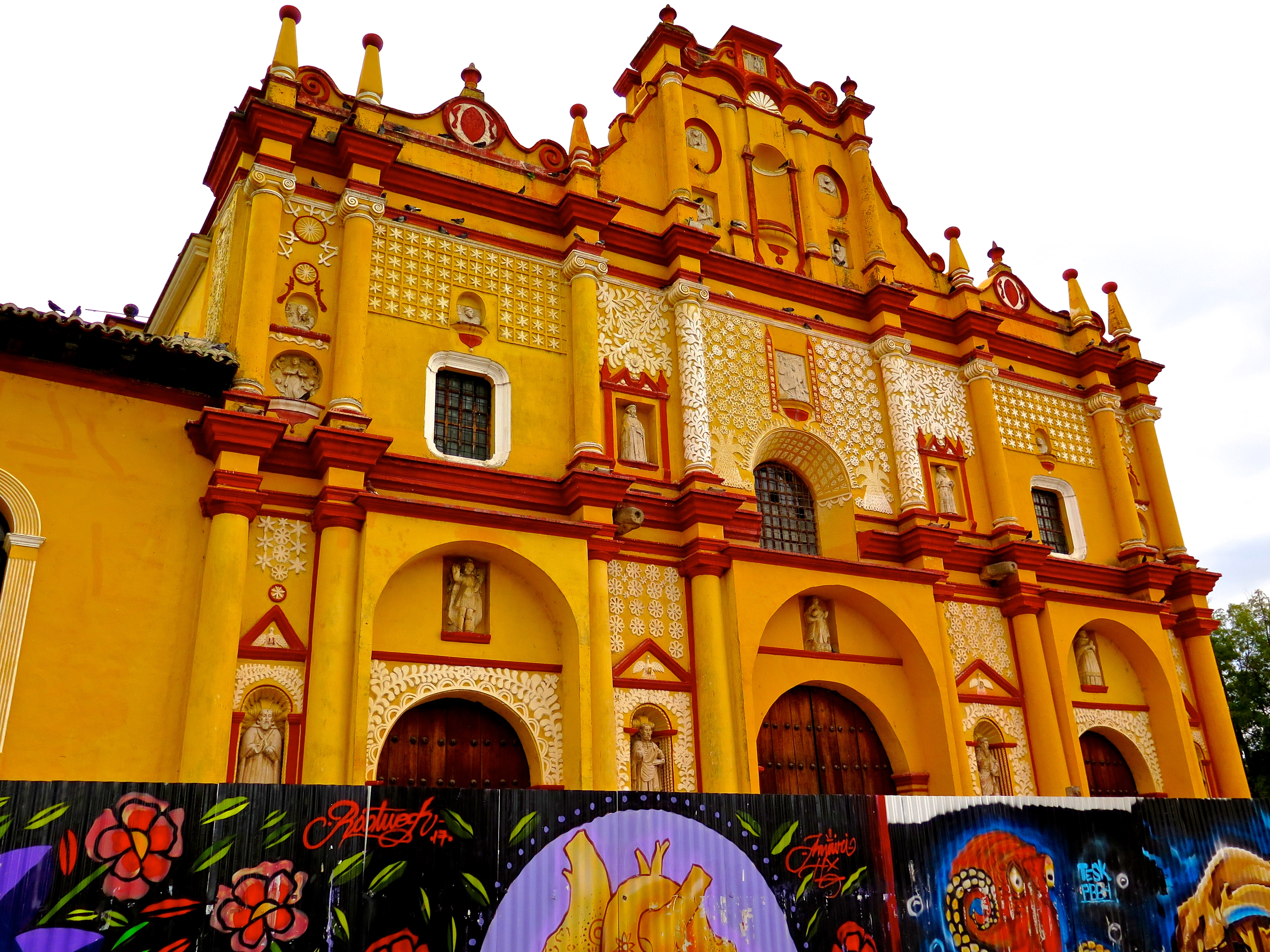
img_8014

The cathedral, badly damaged in the earthquake in 2017.
img_8008

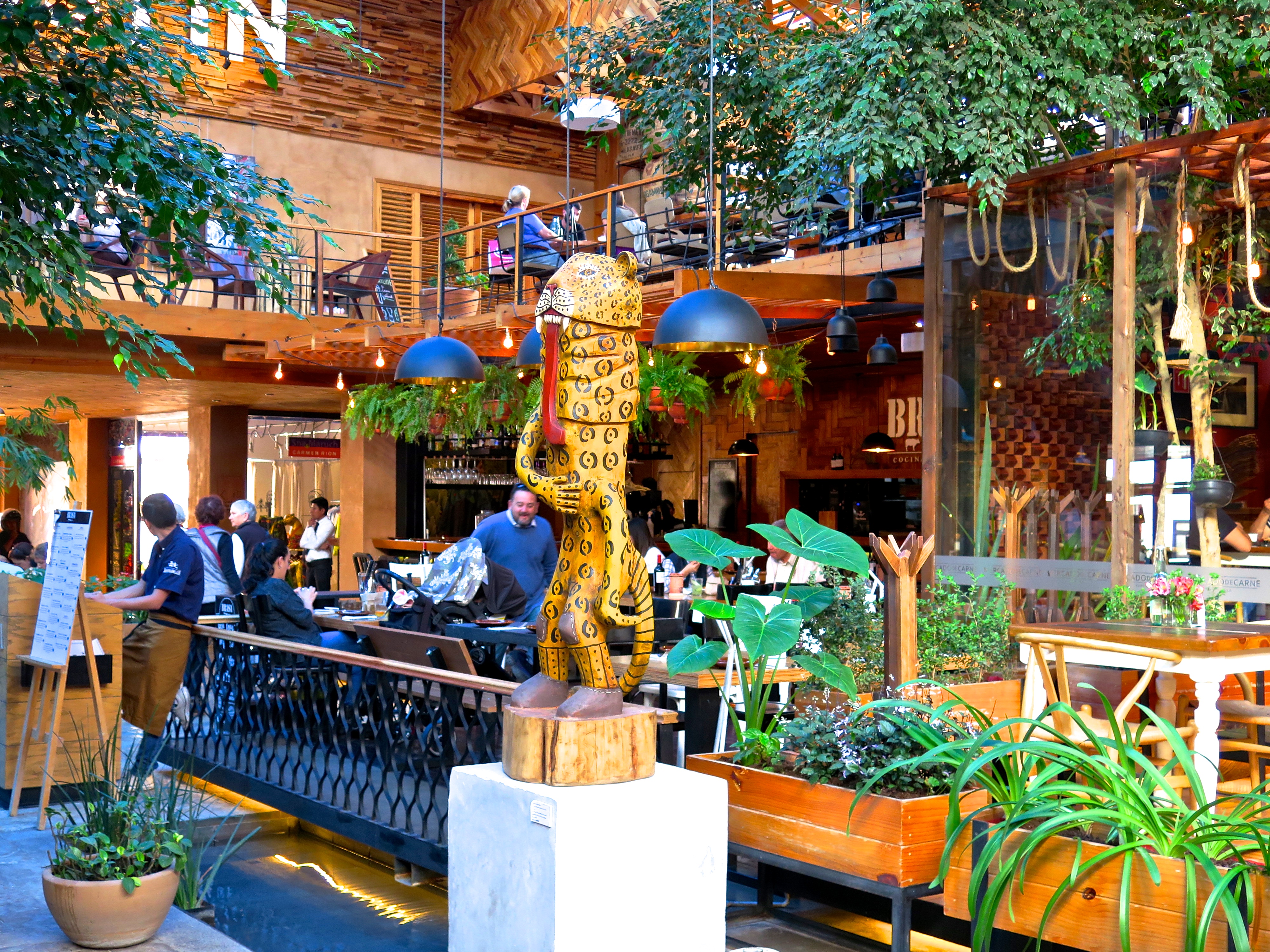
The San Agustin food court offers a variety of excellent venues for breakfast, lunch & dinner.
img_8021

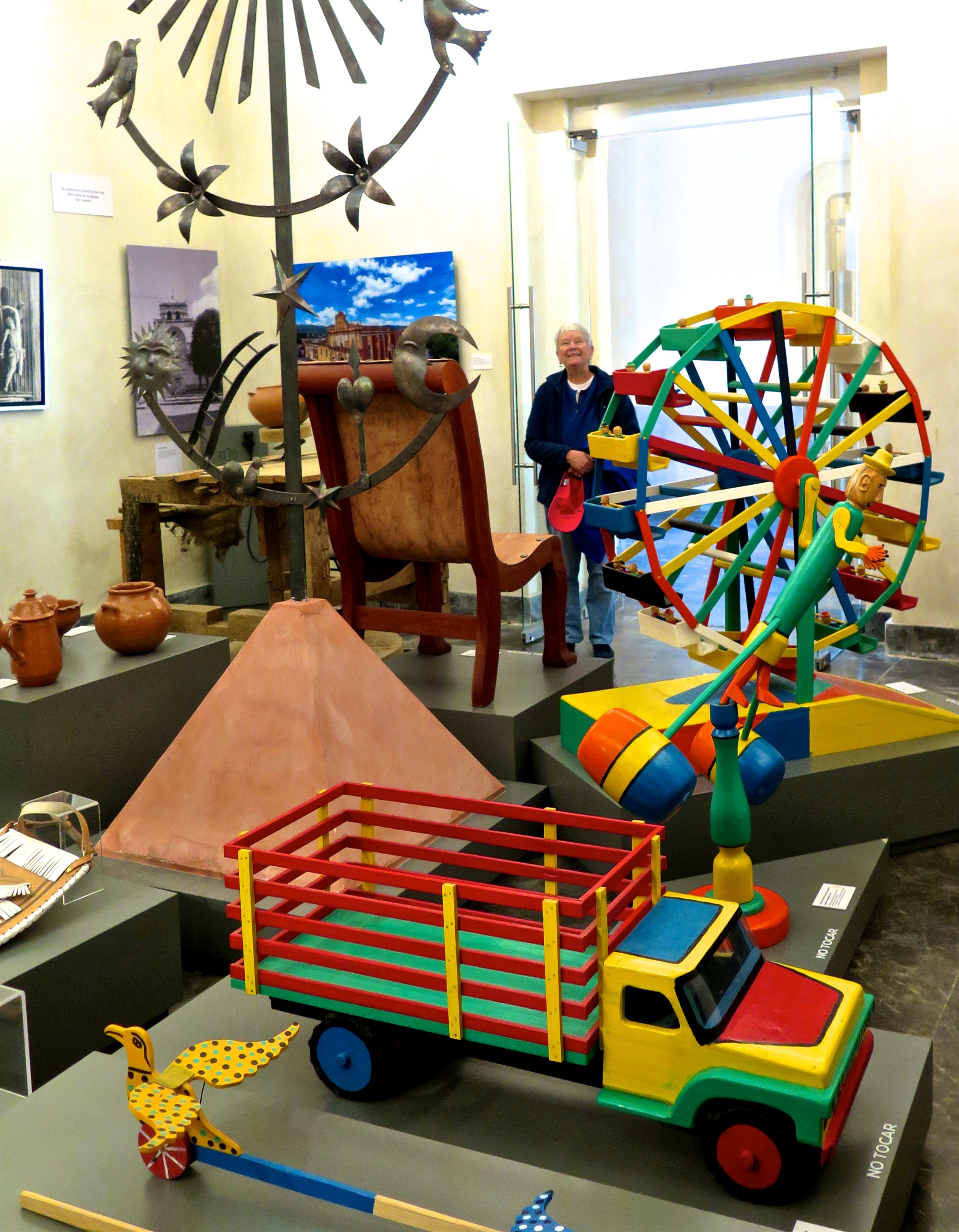
A museum collection of wonderful local artisanship…
img_8022

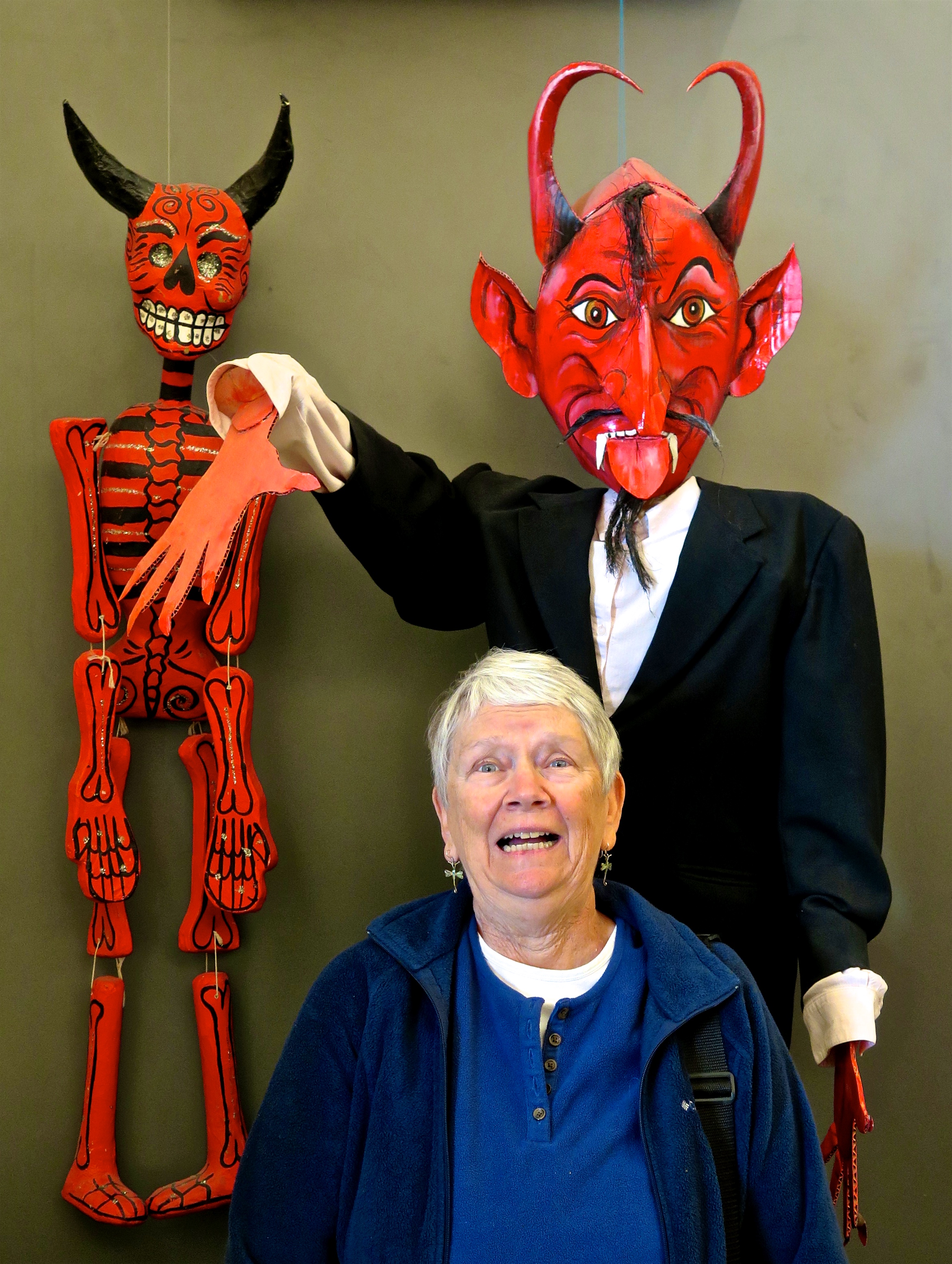
some of it threatening to take Barbara to the Underworld!
img_8024_2

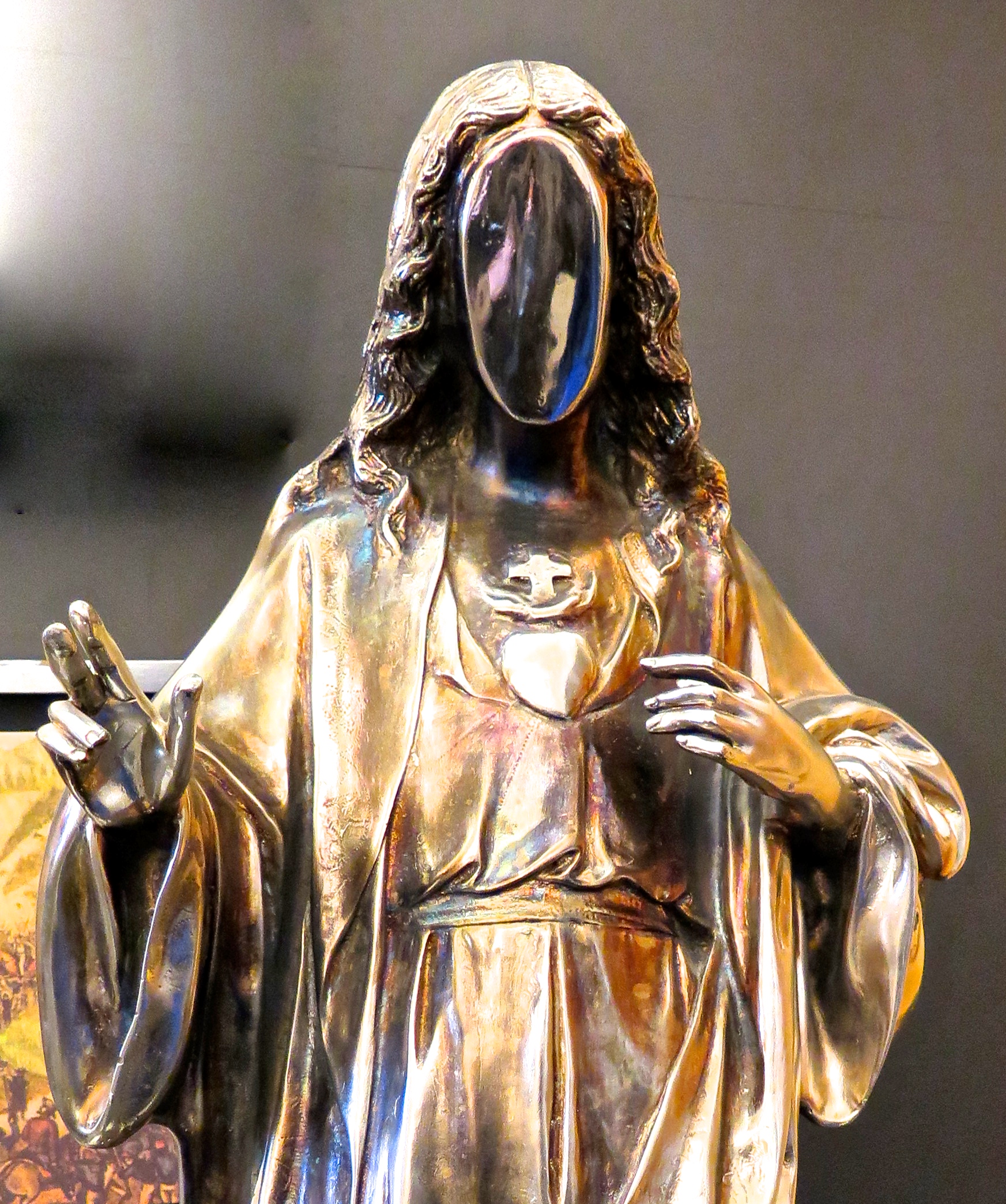
A thought-provoking depiction of Jesus in whose face you see your own.
img_8025

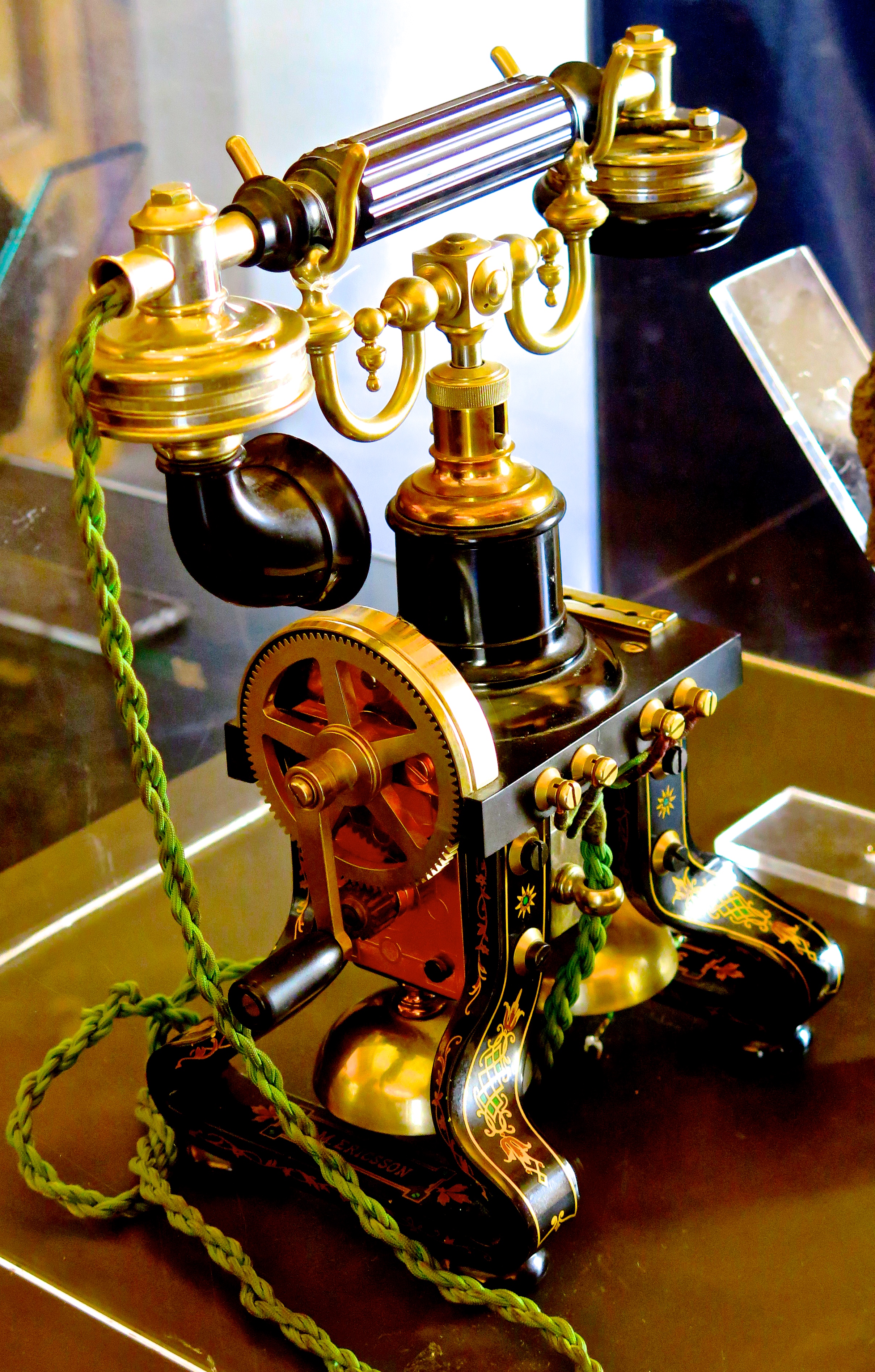
A very elegant version of the earlier Internet with a crank to supply current.
img_8030

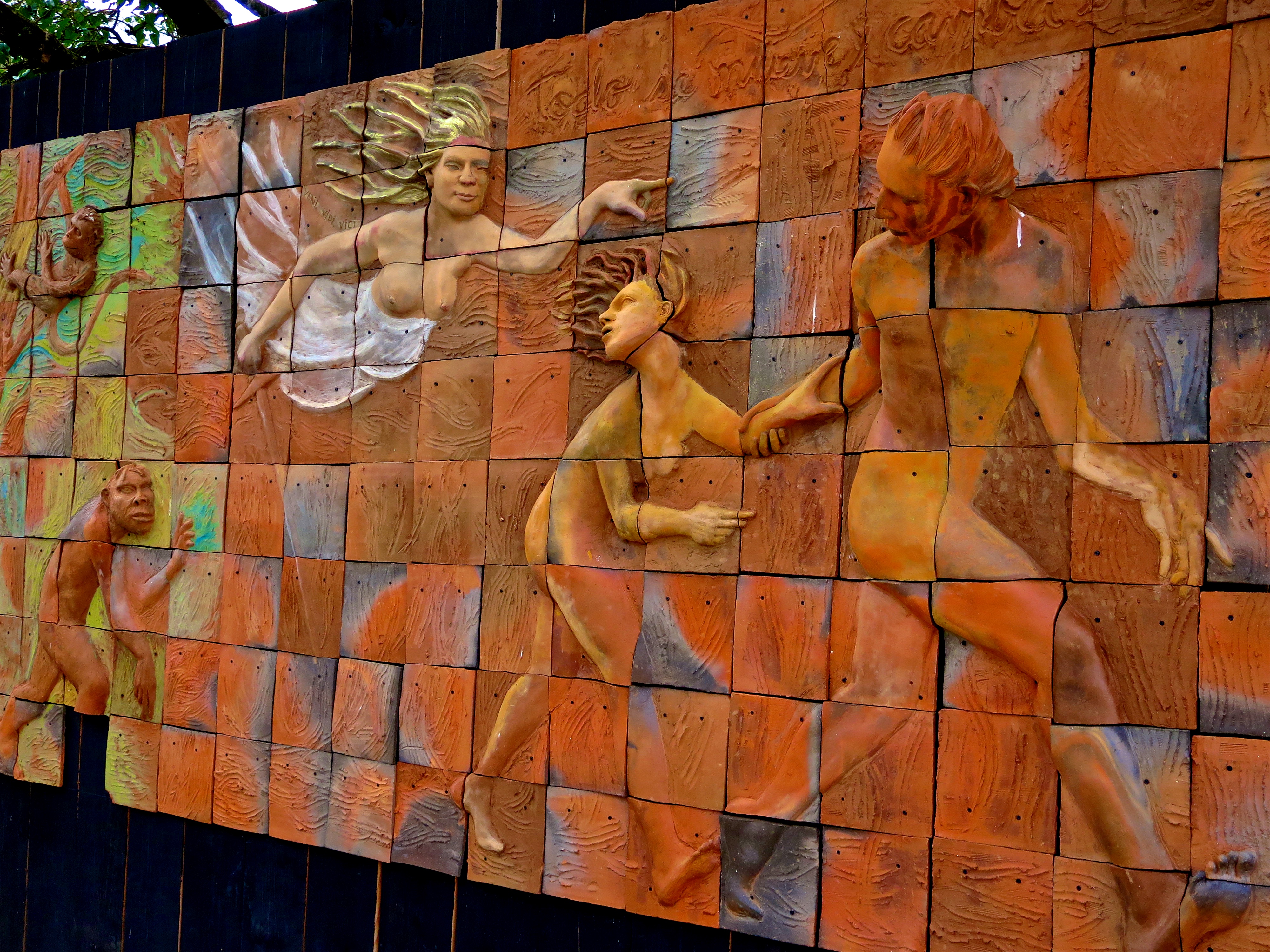
This striking ceramic mural in relief portrays the rise (hopefully) of humankind.
img_8173

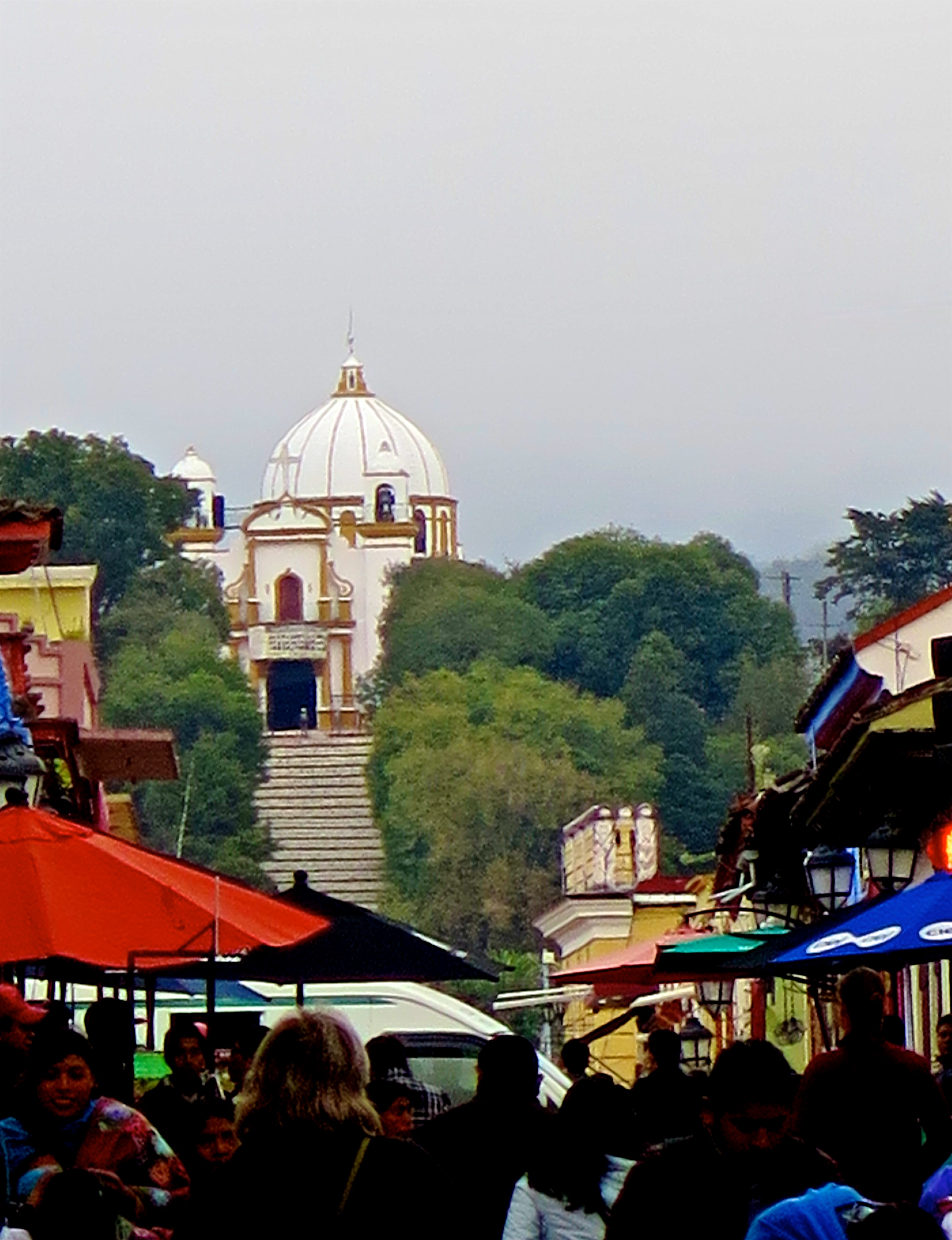
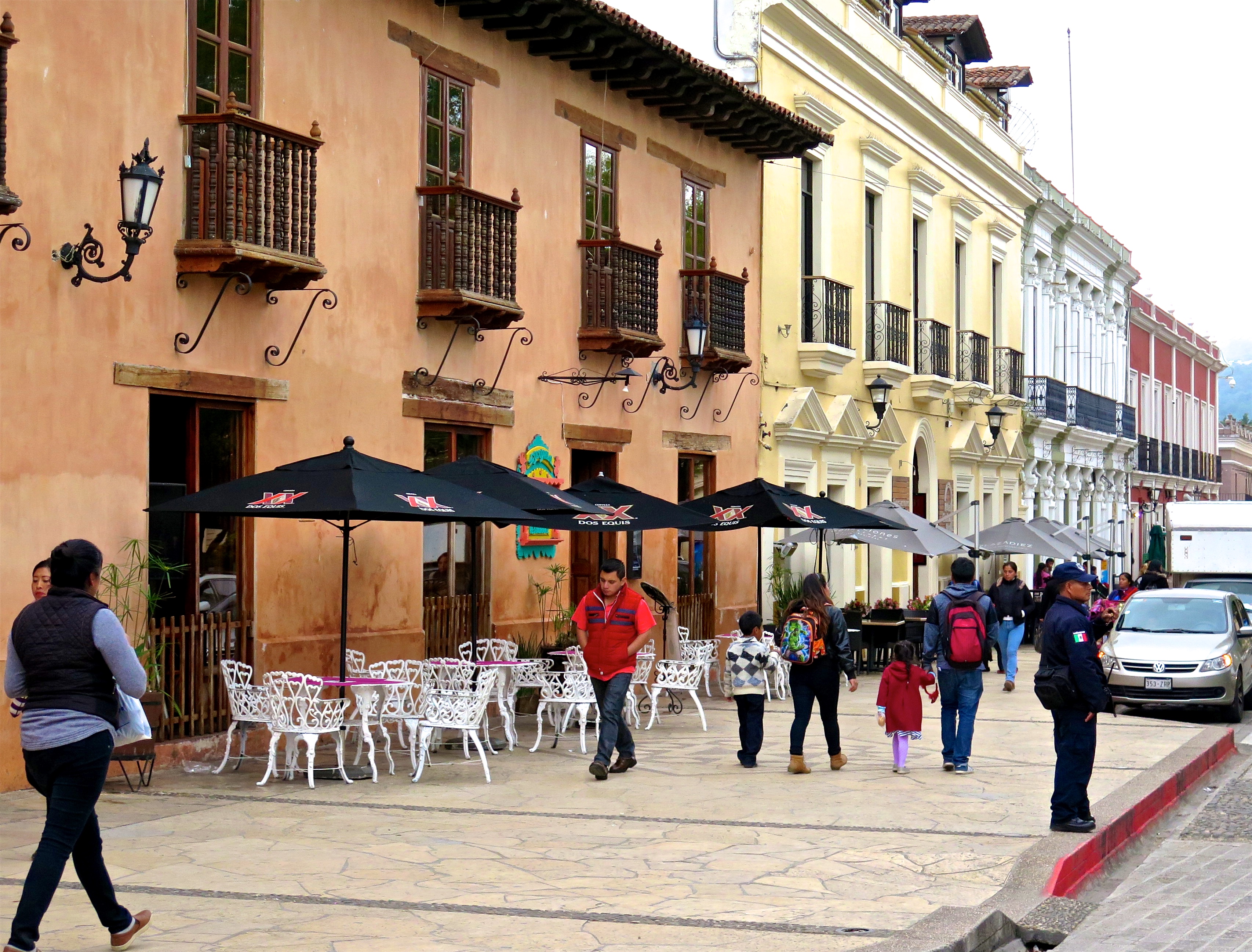
The center of San Cristobal is beautiful and bustling day and night.
img_8164

img_8033

Intricate carving on this ancient church which is surrounded by market stalls.
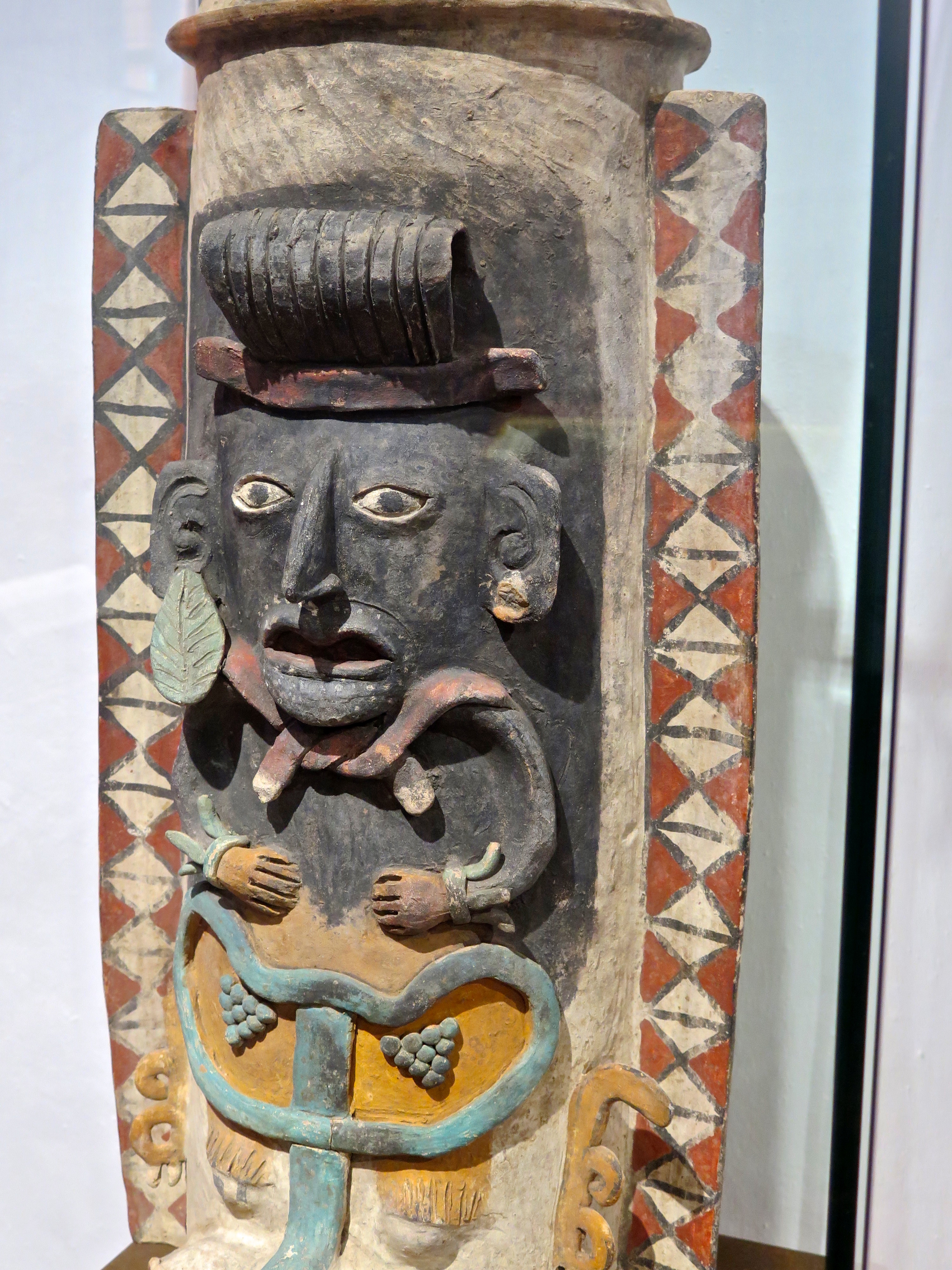
img_8036

We were confronted by mysterious and enigmatic symbolism at every turn. The following photos were taken in the Textile Museum which is one of the major attractions in San Cristobal.
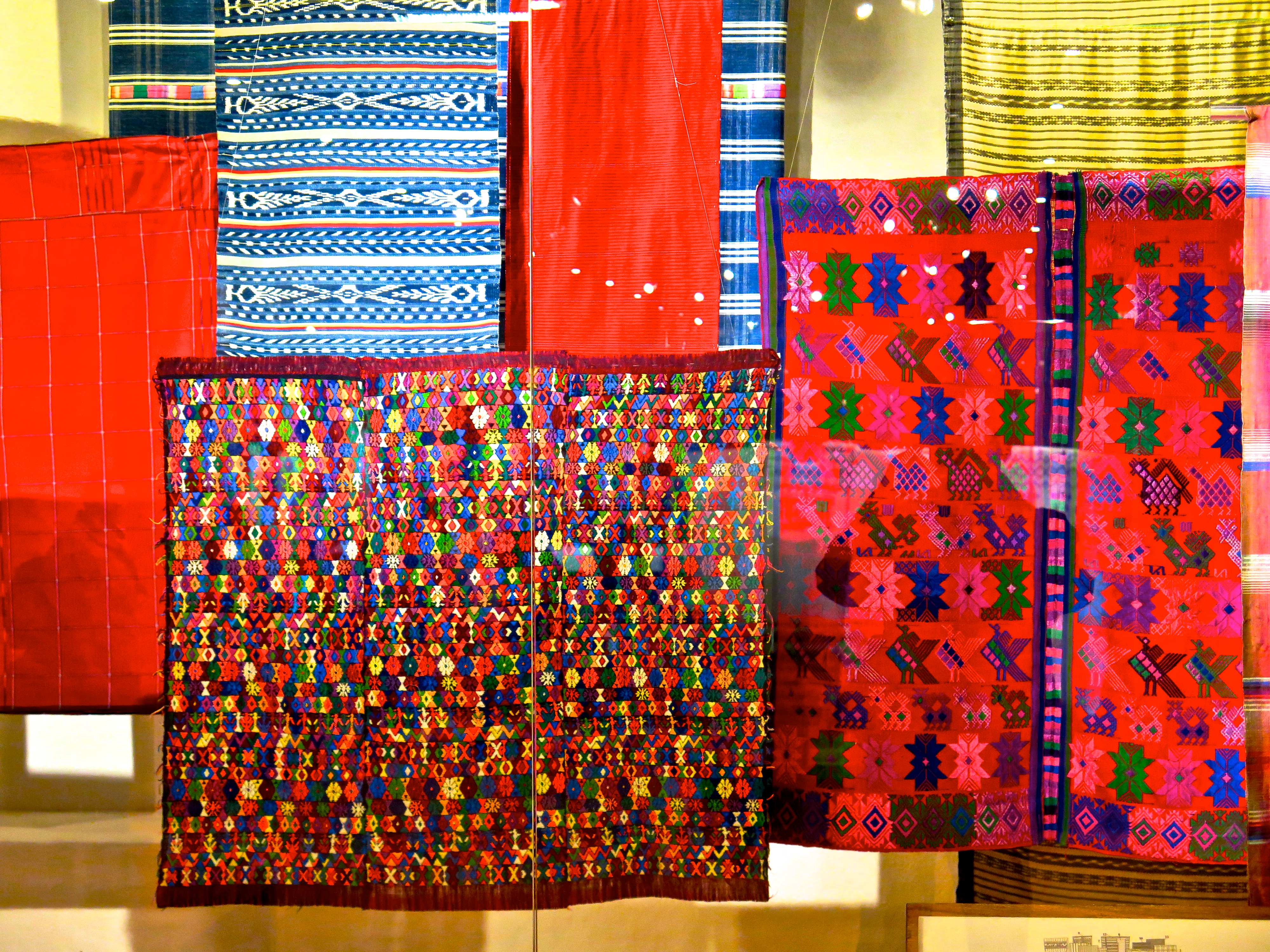
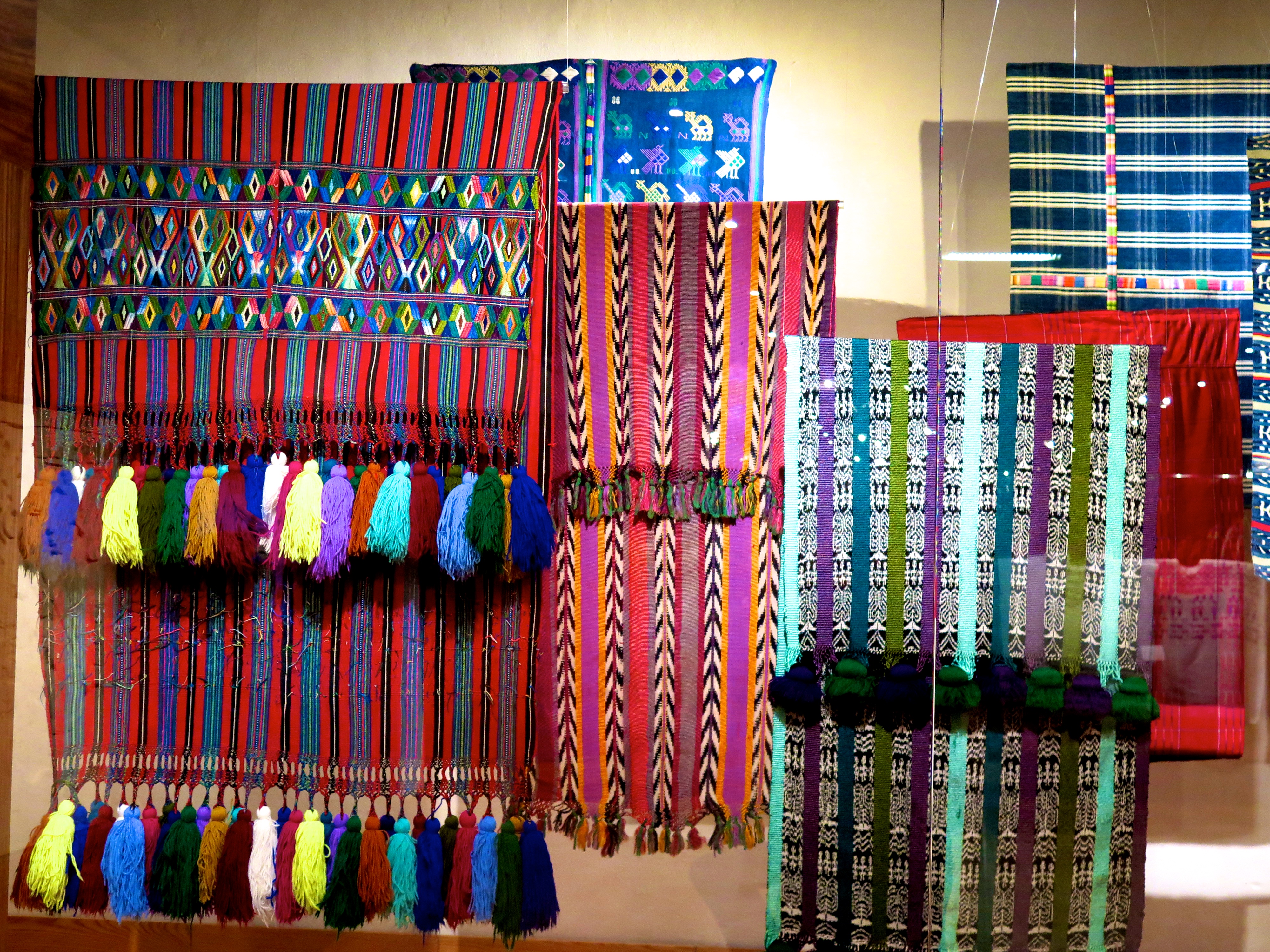
img_8047

img_8048img_8049img_8051img_8053img_8057

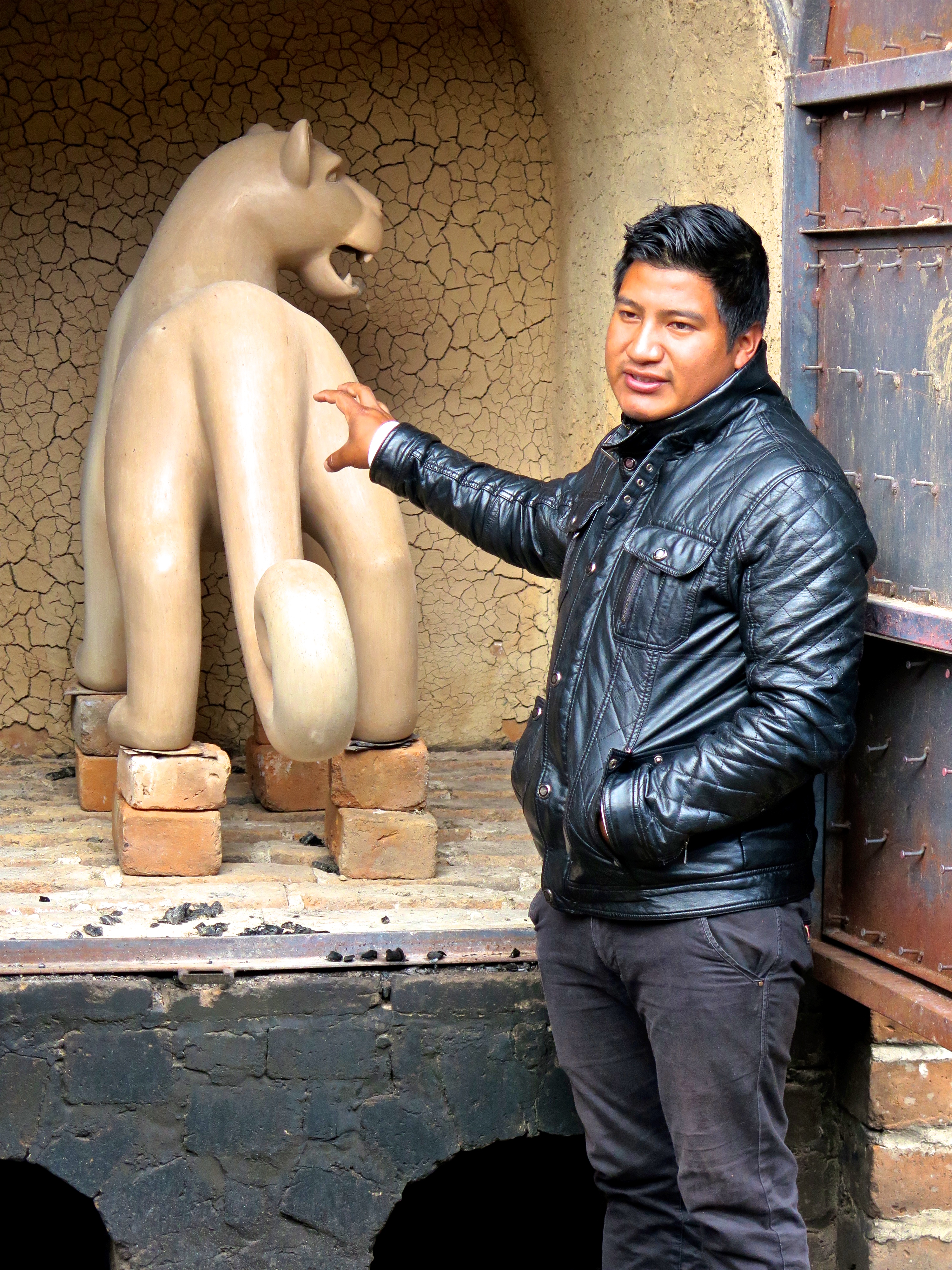
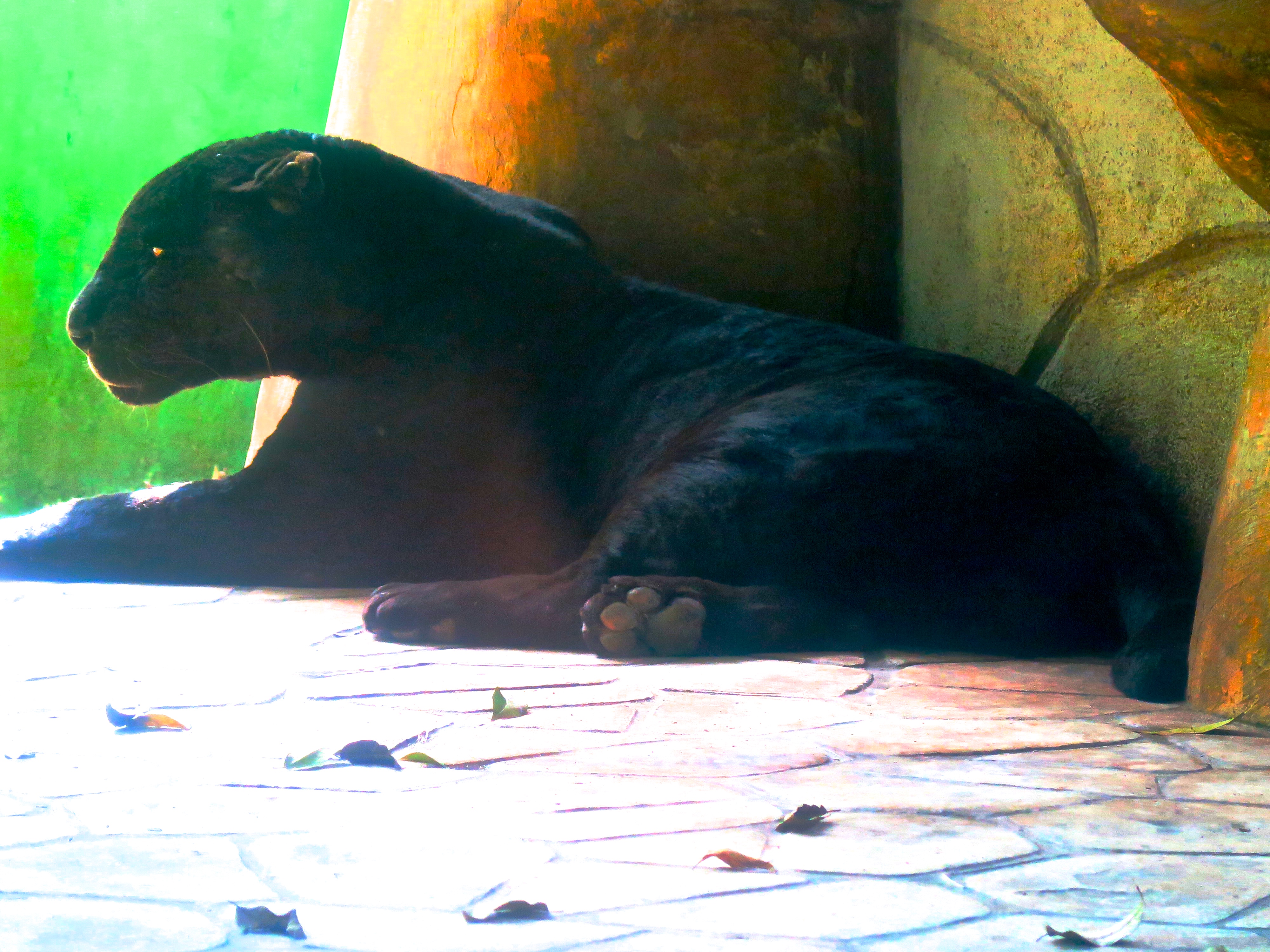
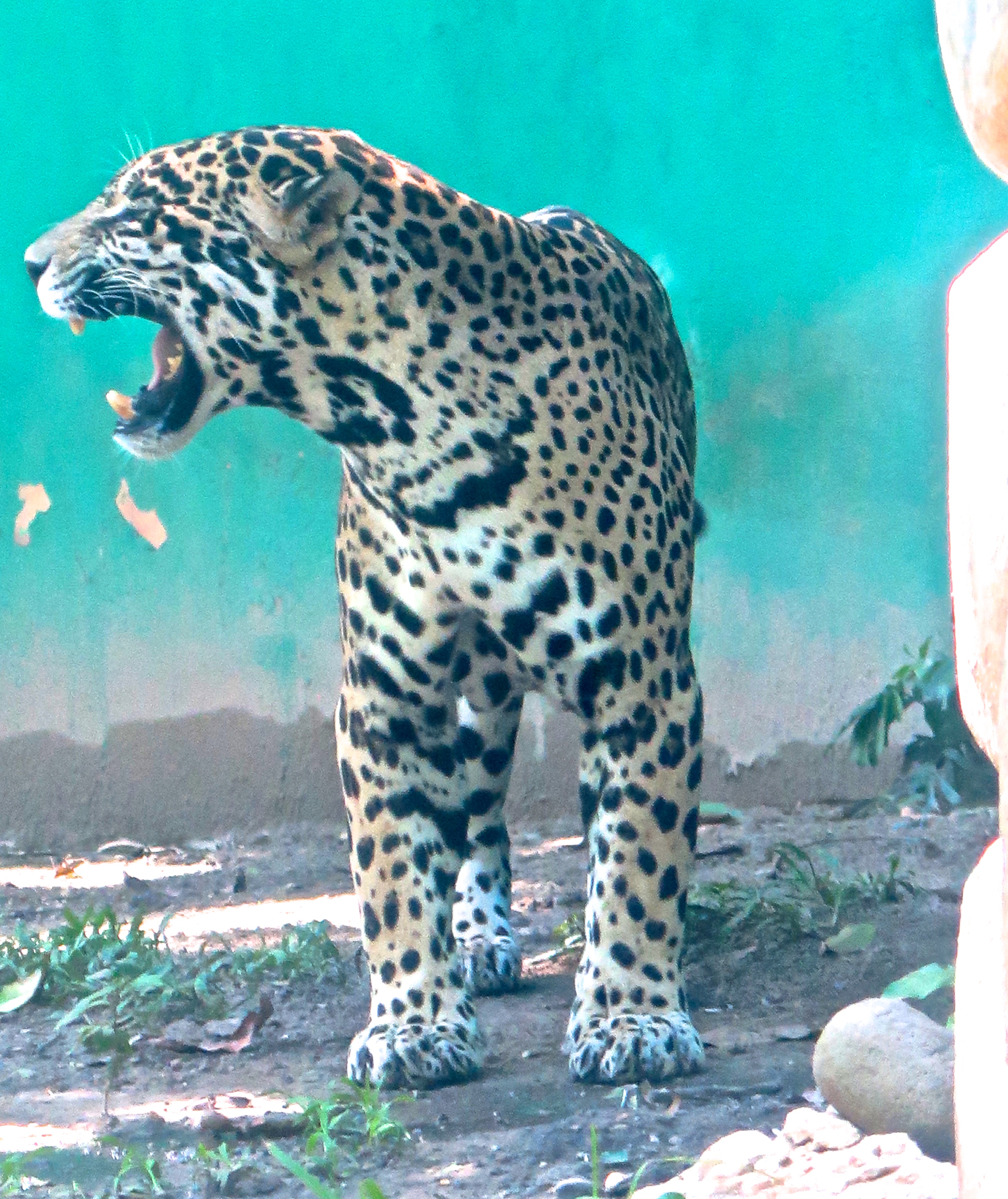
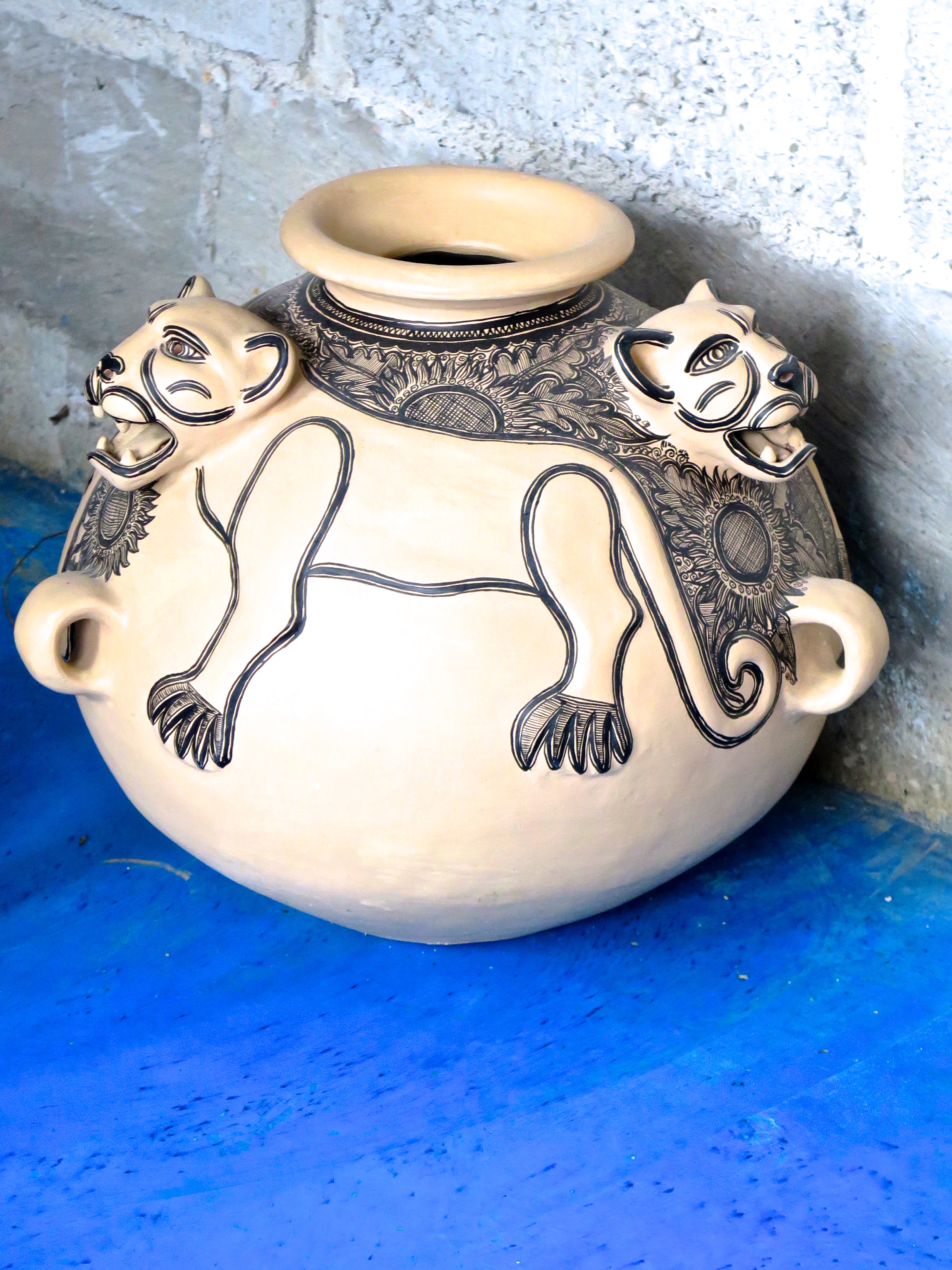
The Jaguar figures heavily in local legend and myth.
img_8063

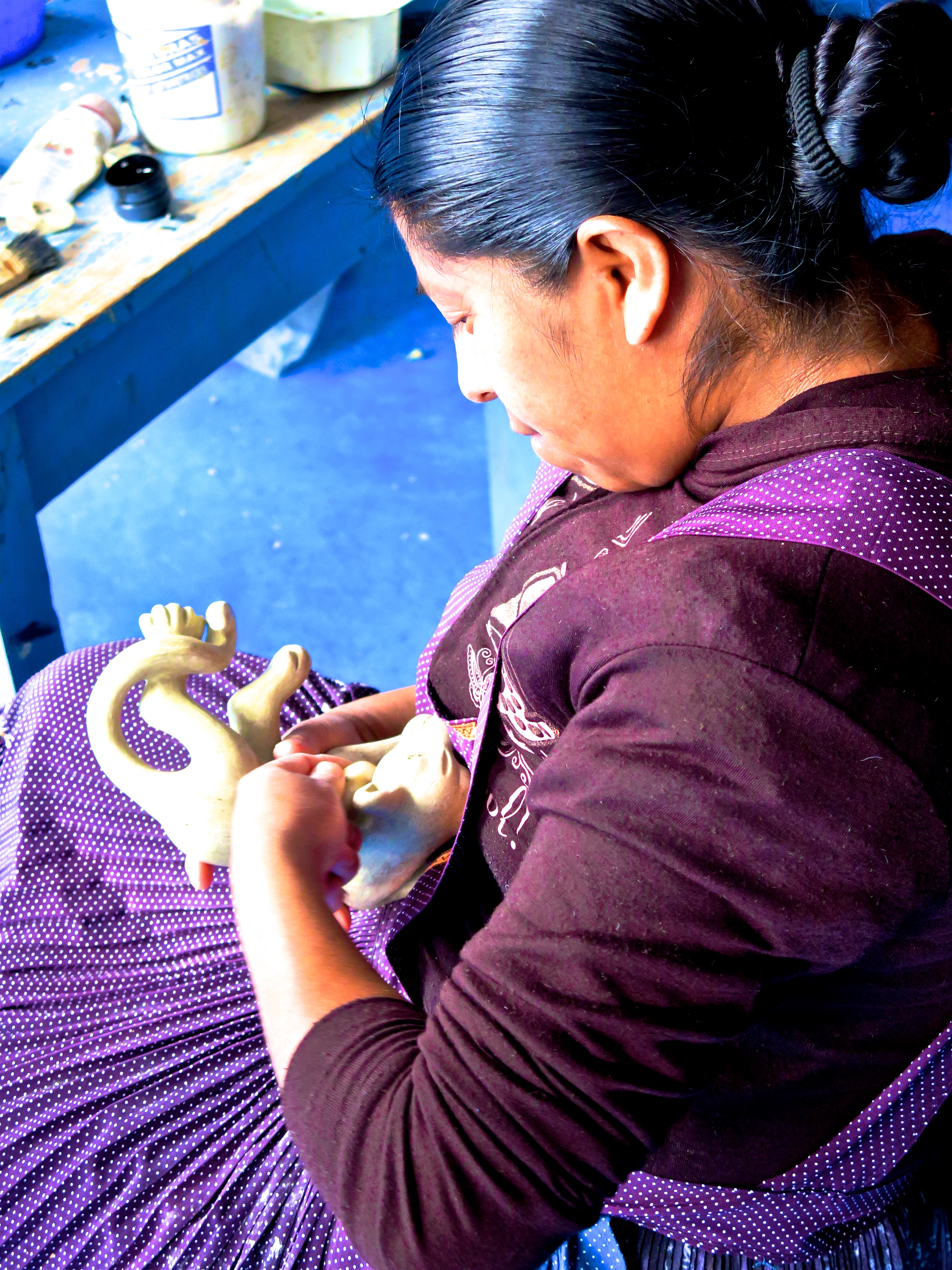
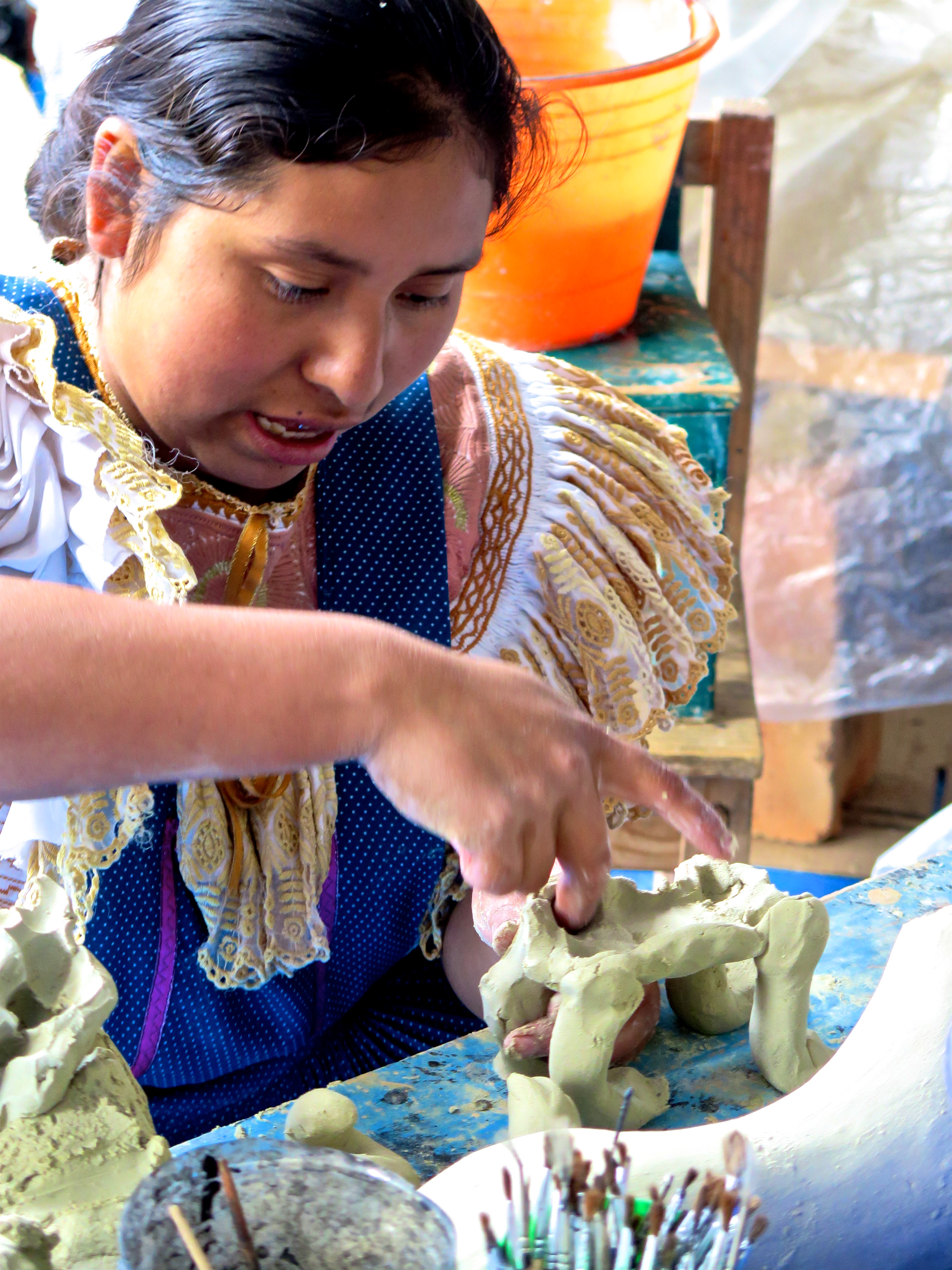
Polishing a ceramic piece in the studio of internationally collected artist Juana Gomez Ramirez whose work is very popular in our area. The indigenous community, Amatenango del Valle, is famous for excellent pottery made using prehispanic methods.
img_8070

img_8073_2

img_8083

img_8076

img_8078

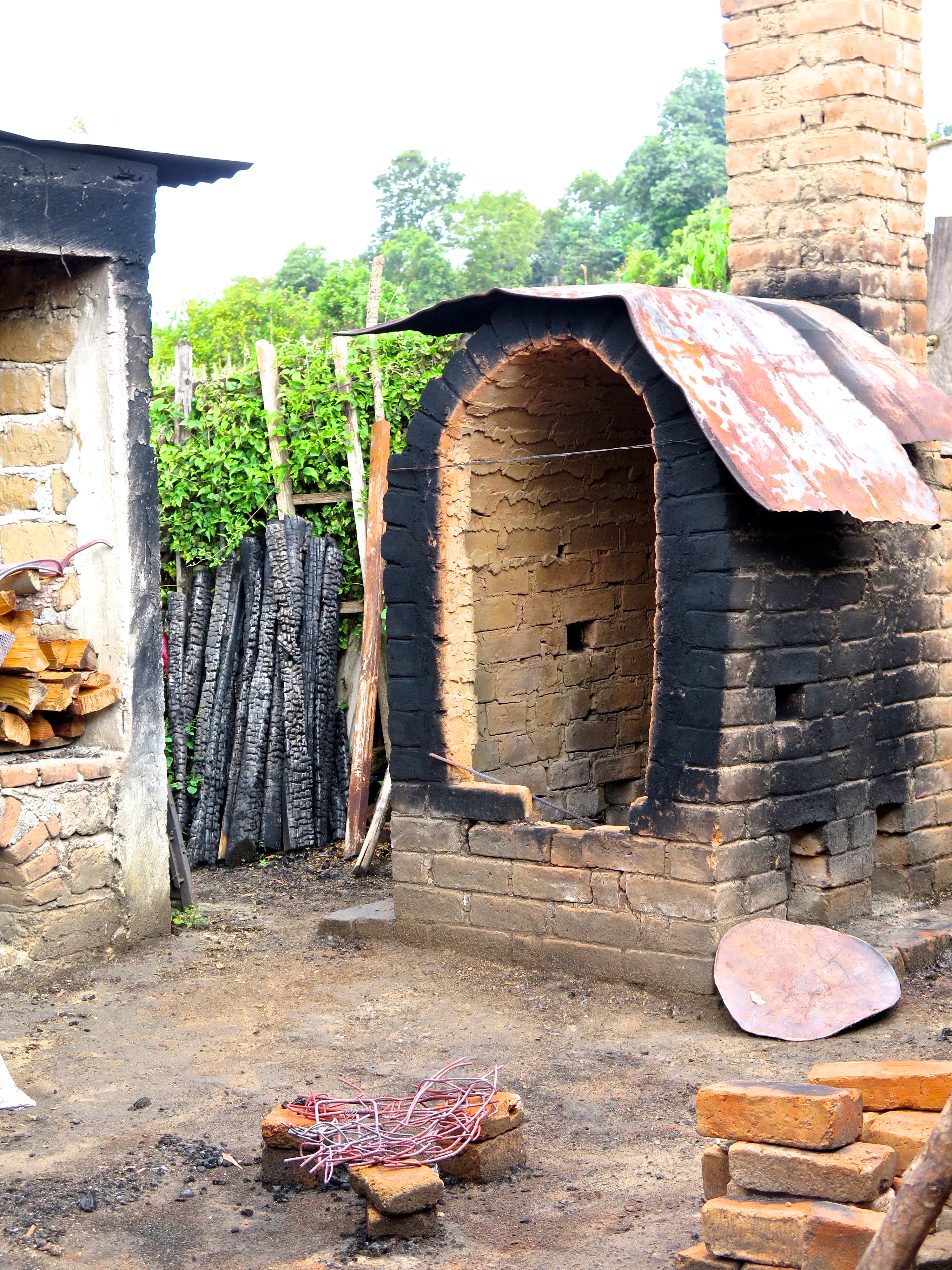
This worker is telling us that controlling temperature variations is very important, especially with large pieces, so they don’t explode duing firing. Not easy in wood-fired kilns.
img_8087

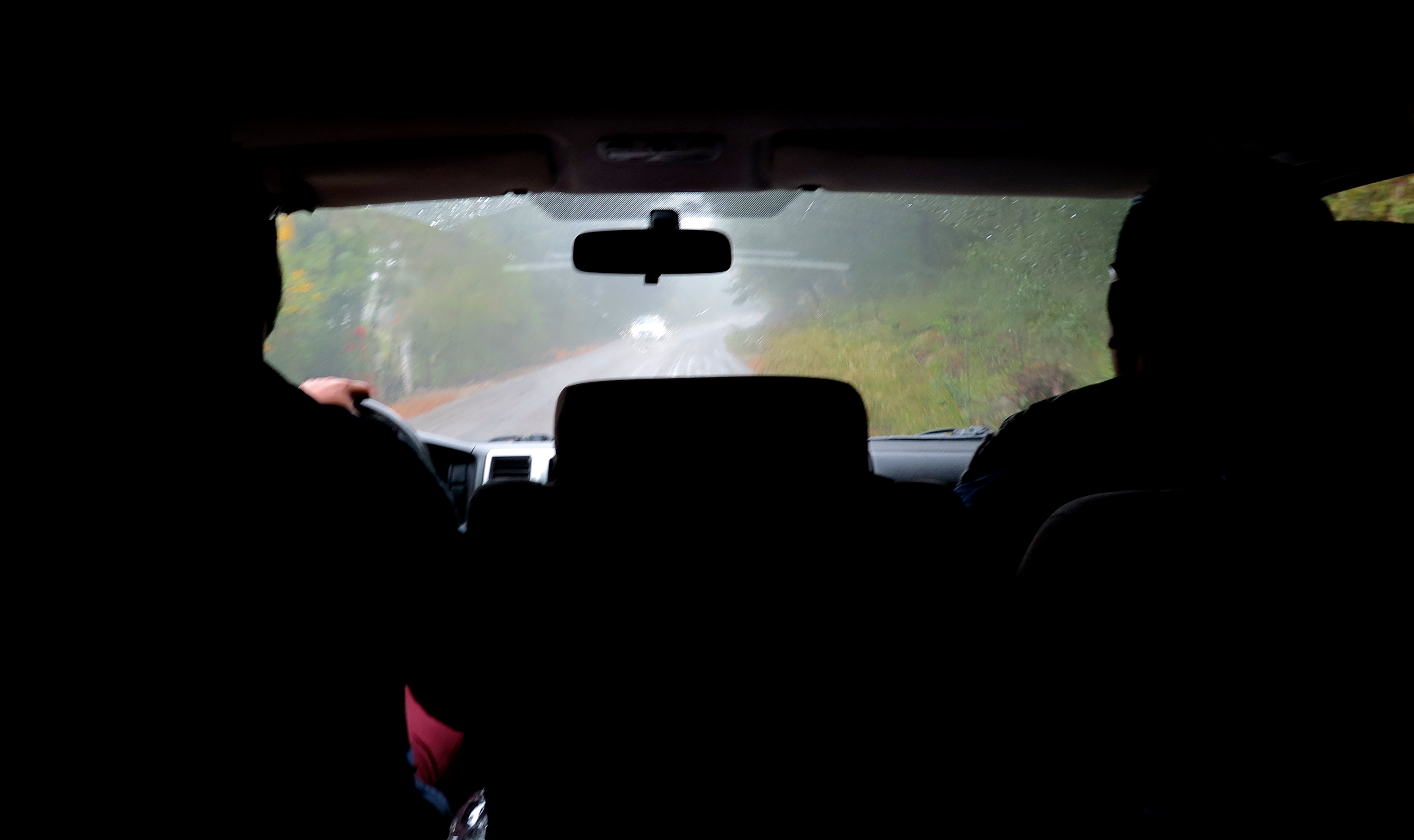
In the tour van speeding for 2 hours on very curvy roads toward some spectacular waterfalls on a foggy and rainy day. Fortunately, our excellent driver, Humberto, has made this trip many times and probably could qualify for Formula 1 racing.
img_8089

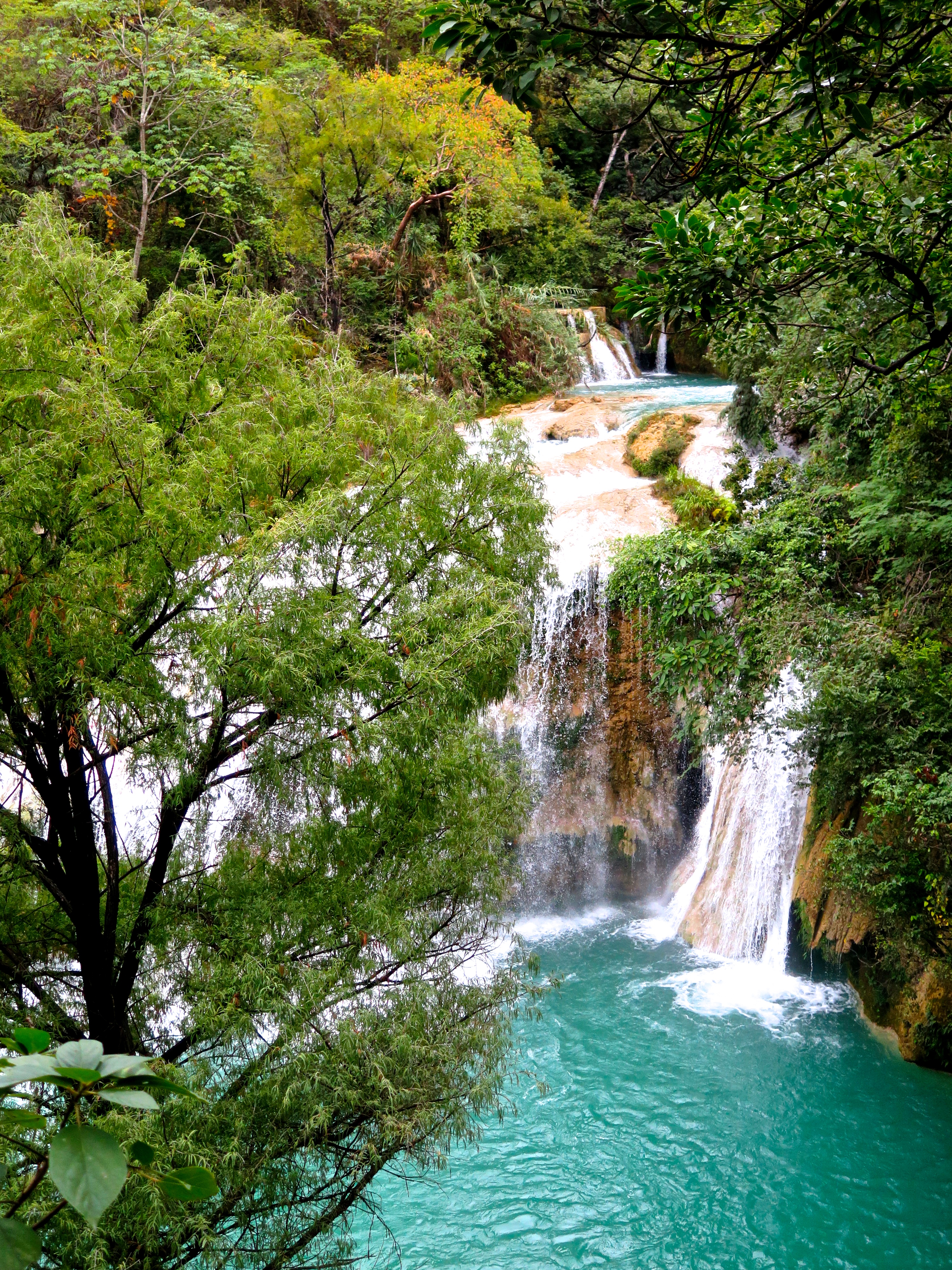
The lowest of 3 beautiful waterfalls at Cascadas El Chiflon where one could take a zipline from the 3rd level. We declined.
img_8100_2

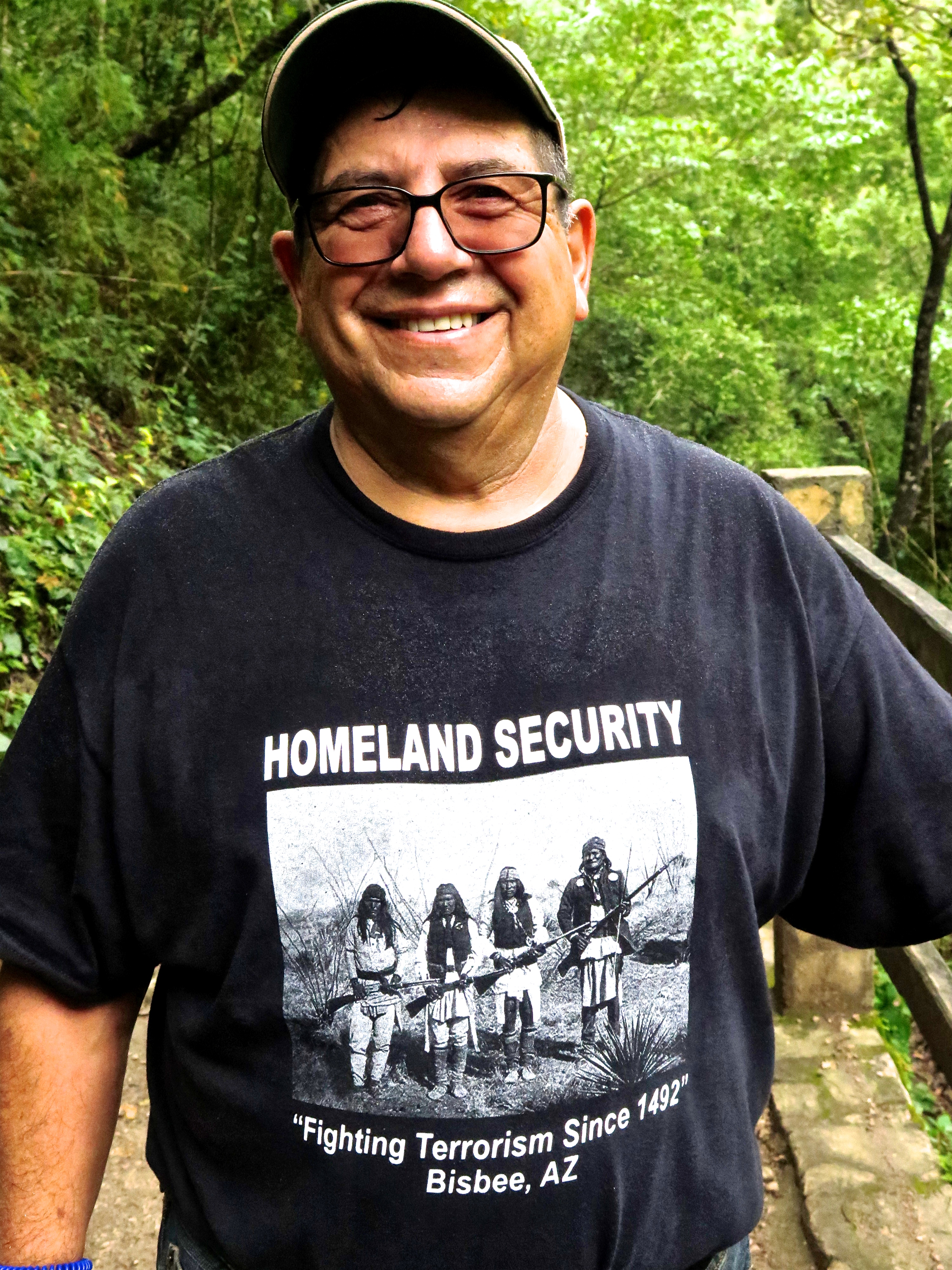
Our tour mate, Rudolfo, a Mexican who recently retired from a job in the U.S. His historically accurate T-shirt reads, “Fighting terrorism since 1492.”
img_8106

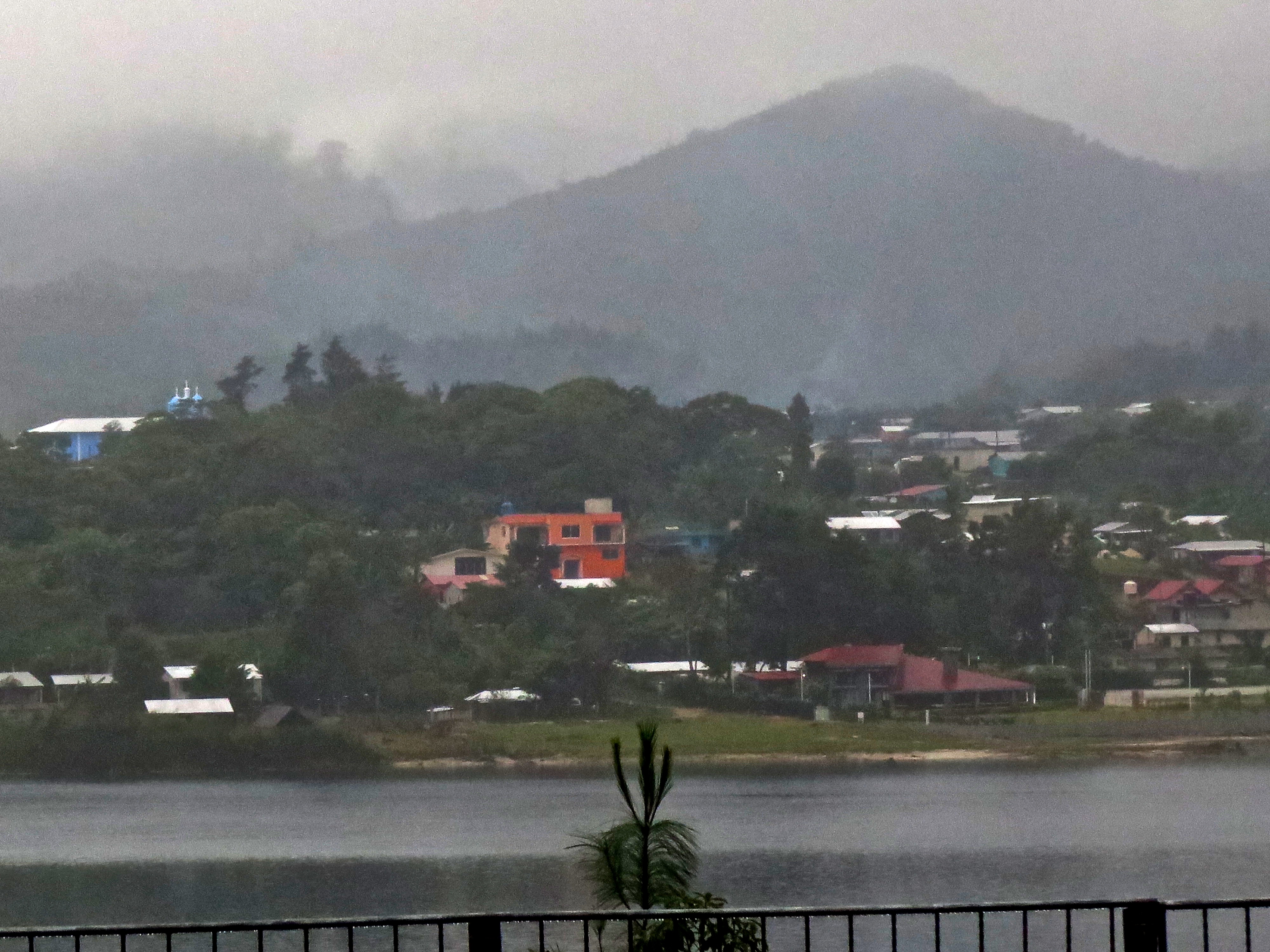
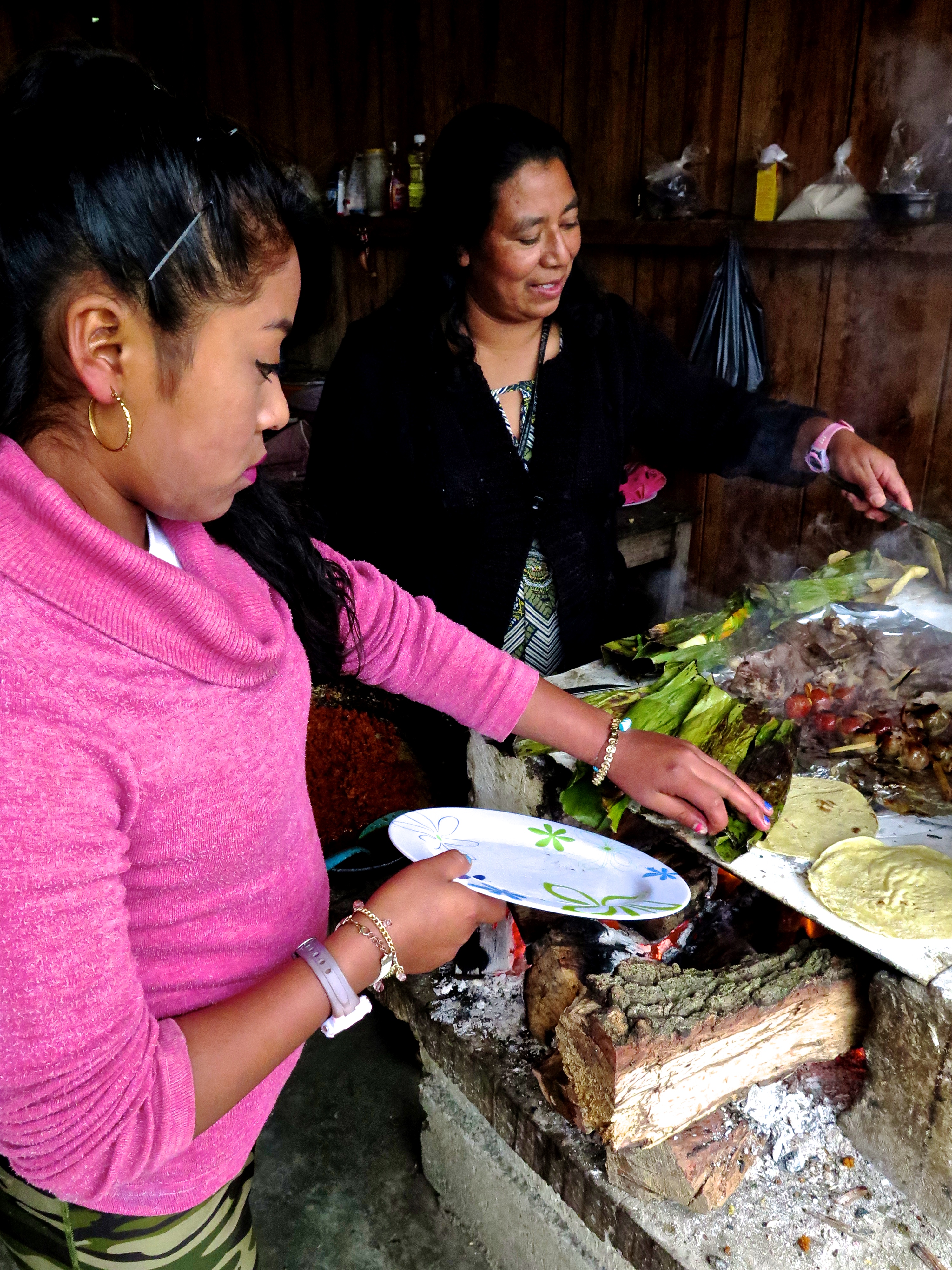
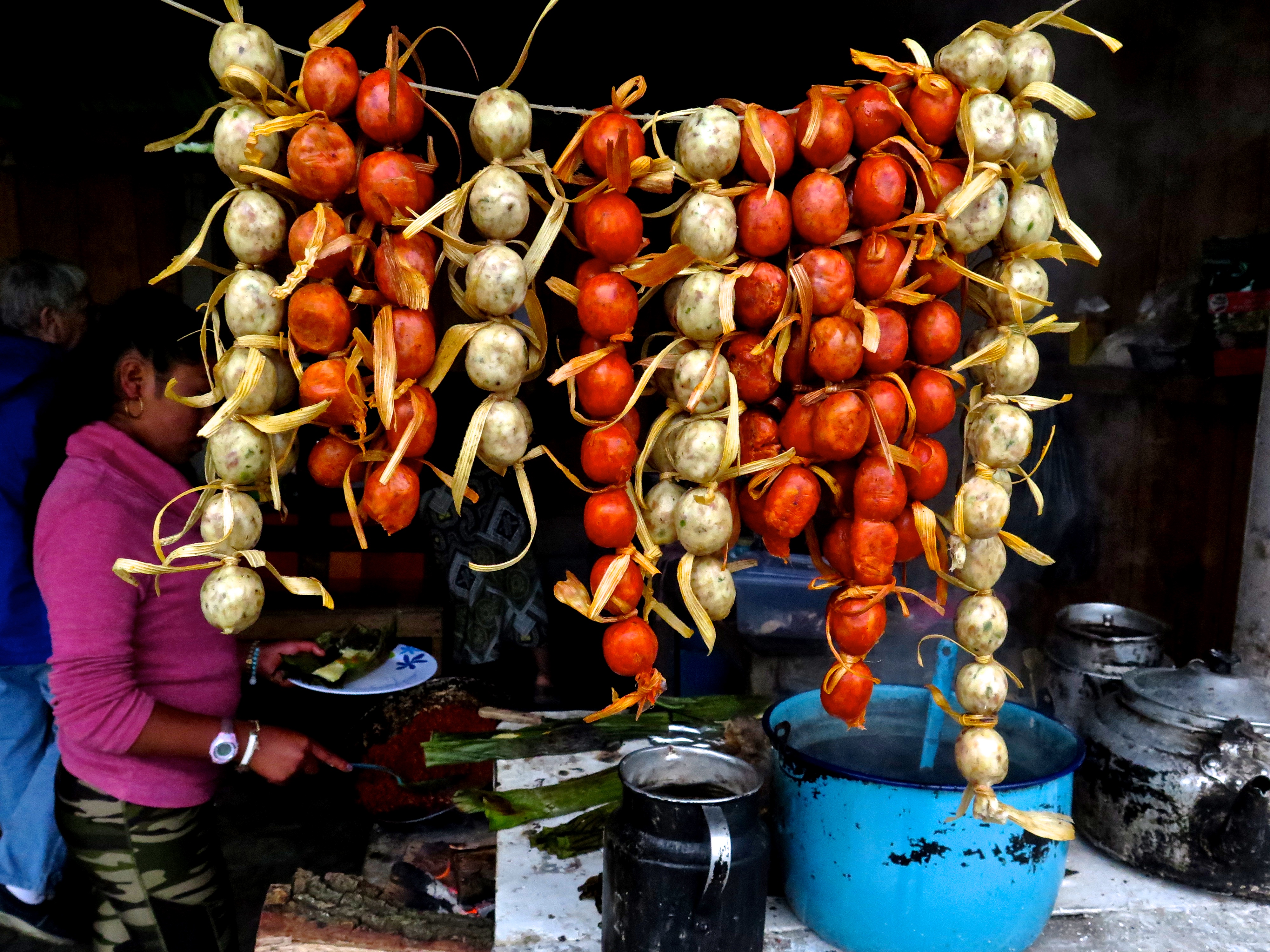
The last stop on that tour brought us to Lagunas de Montebello which boasts 59 beautiful lakes. The mountains are across the border with Guatamala. Unfortunately, it was cold and rainy so we ambled across the road to some very basic stalls that offered a variety of local foods and then made the very long journey back to our hotel.
img_8102

img_8103

These round, spicy sausages were particularly tasty.
img_8109

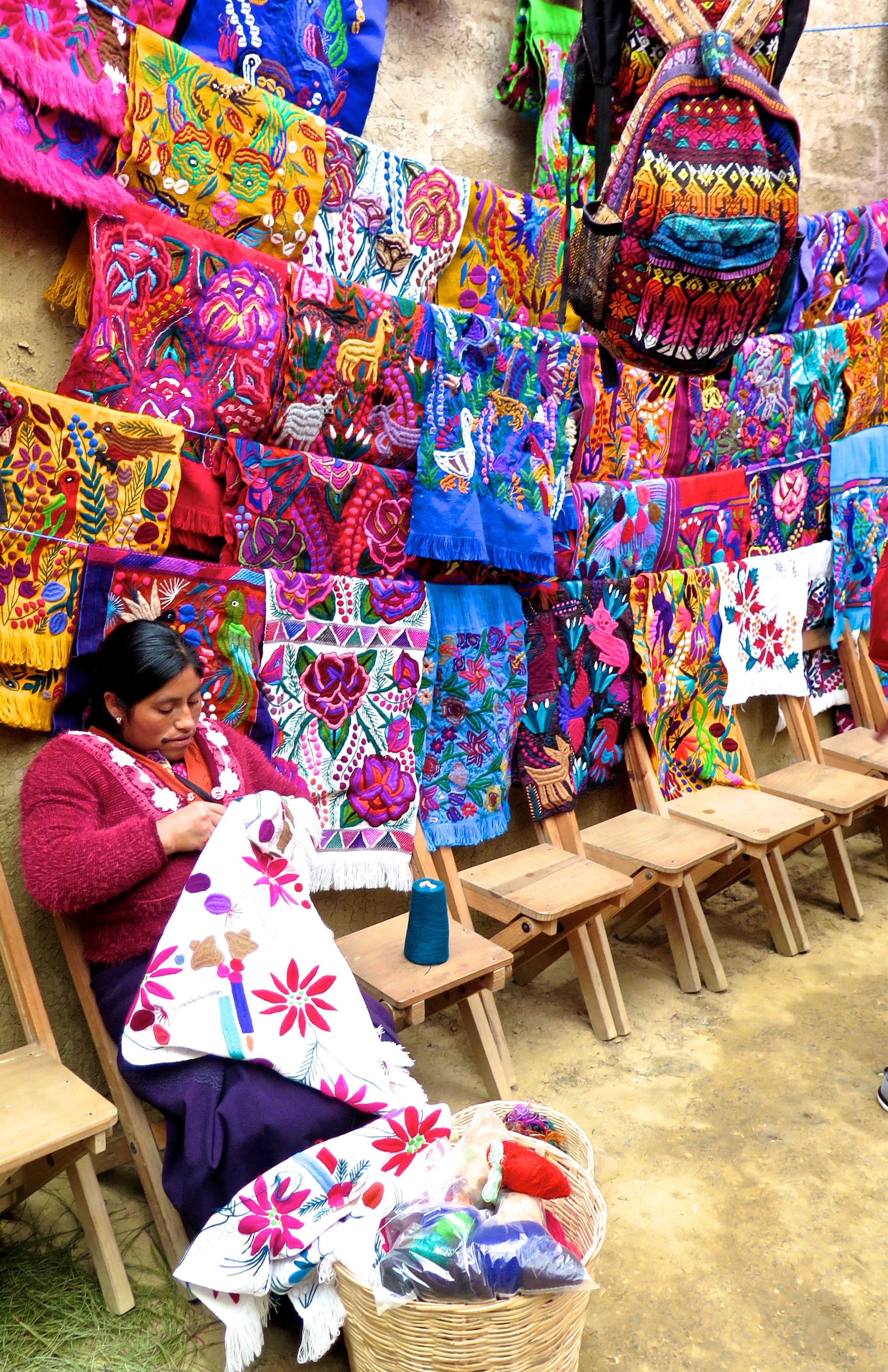
The next day we visited a weaving family in the town of Zincantan where waist looms are still in use. Our guide told us that 10 years ago there were 25 families in this weaving coopertative and now there are only four. The loss of traditional artisans of every kind is unfortunately happening all over Mexico and with them go the ancient techniques that produce so many amazingly beautiful products.

img_8115

This weaving technique requires a lot of strength and endurance and can be used for only 4 or 5 hours a day.
img_8140

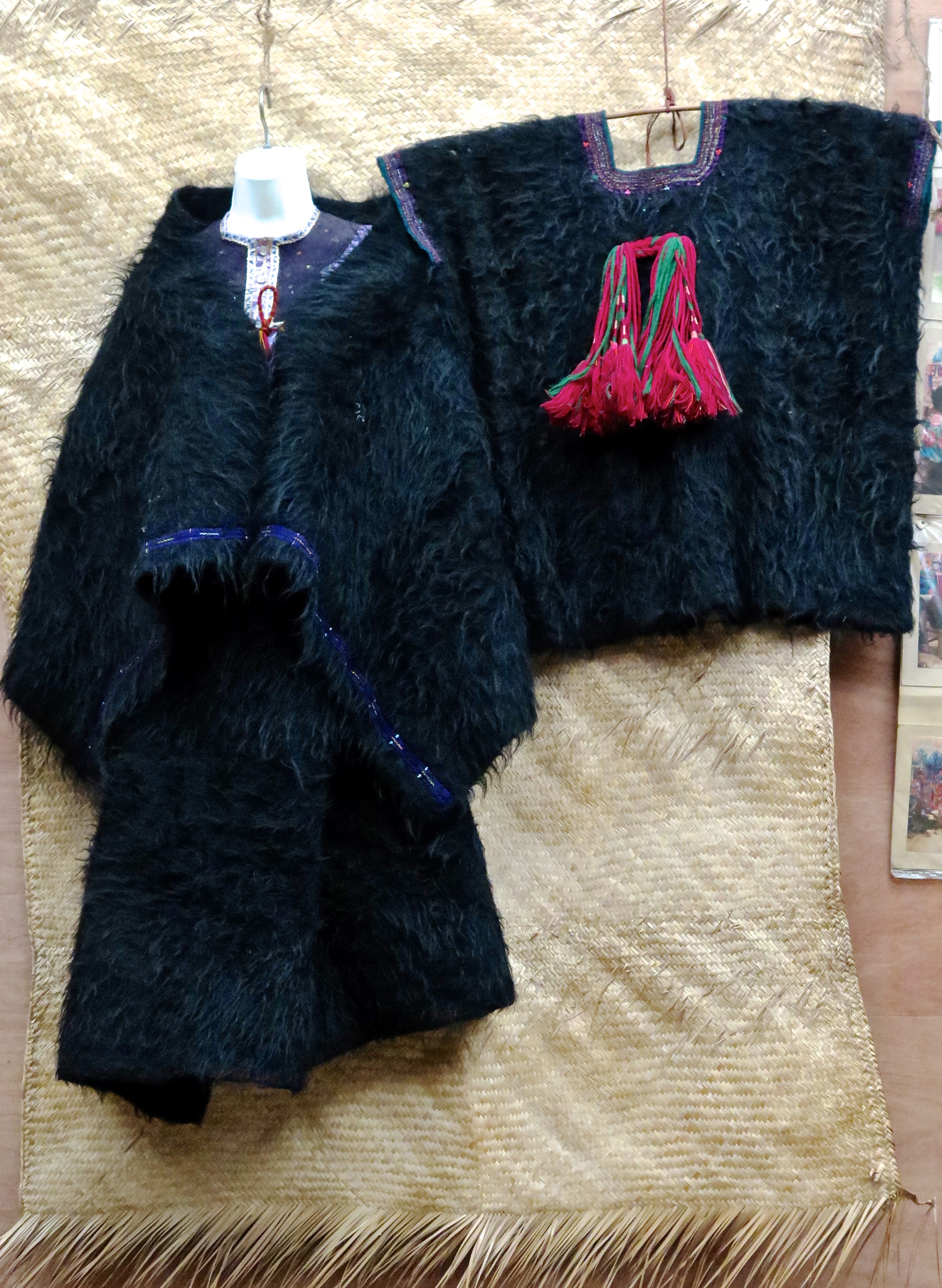
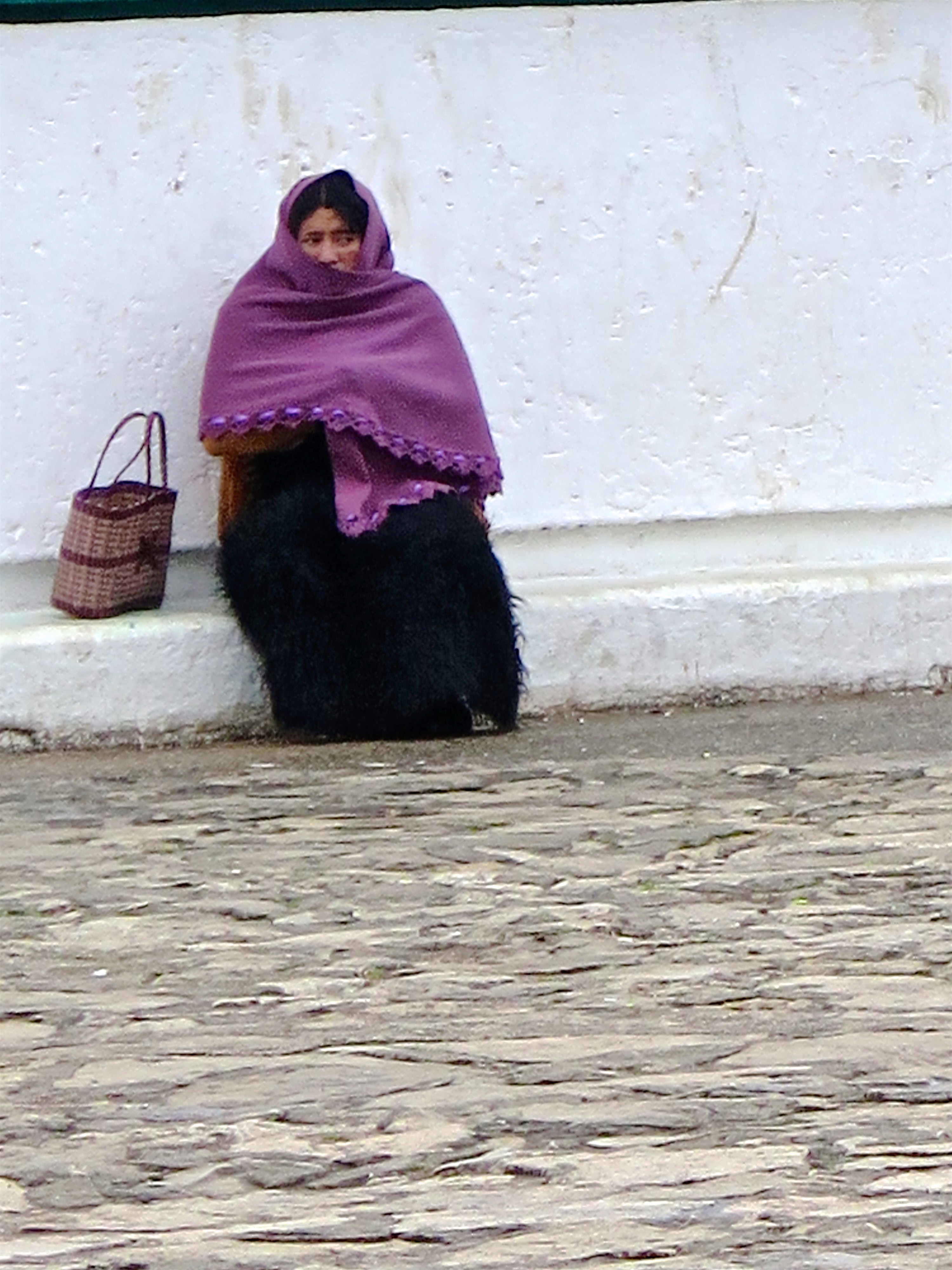
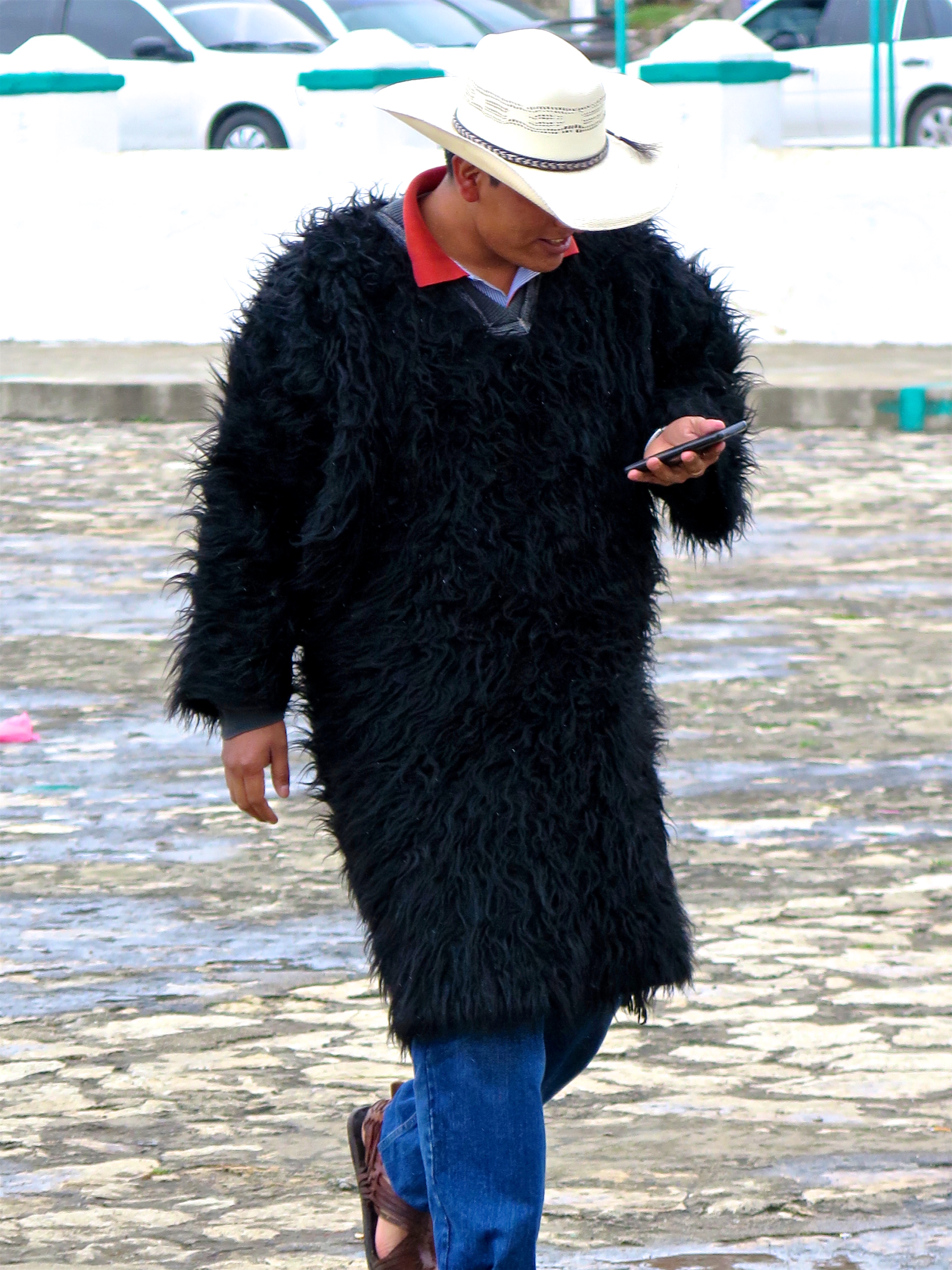
These heavy black wool garments are still worn by both men and women in the towns of  Zincantan and San Juan de Chamula, both of which  vigorously preserve their ancestral traditions, religious beliefs, and social organization in the face of powerful outside pressures for change.
img_8135

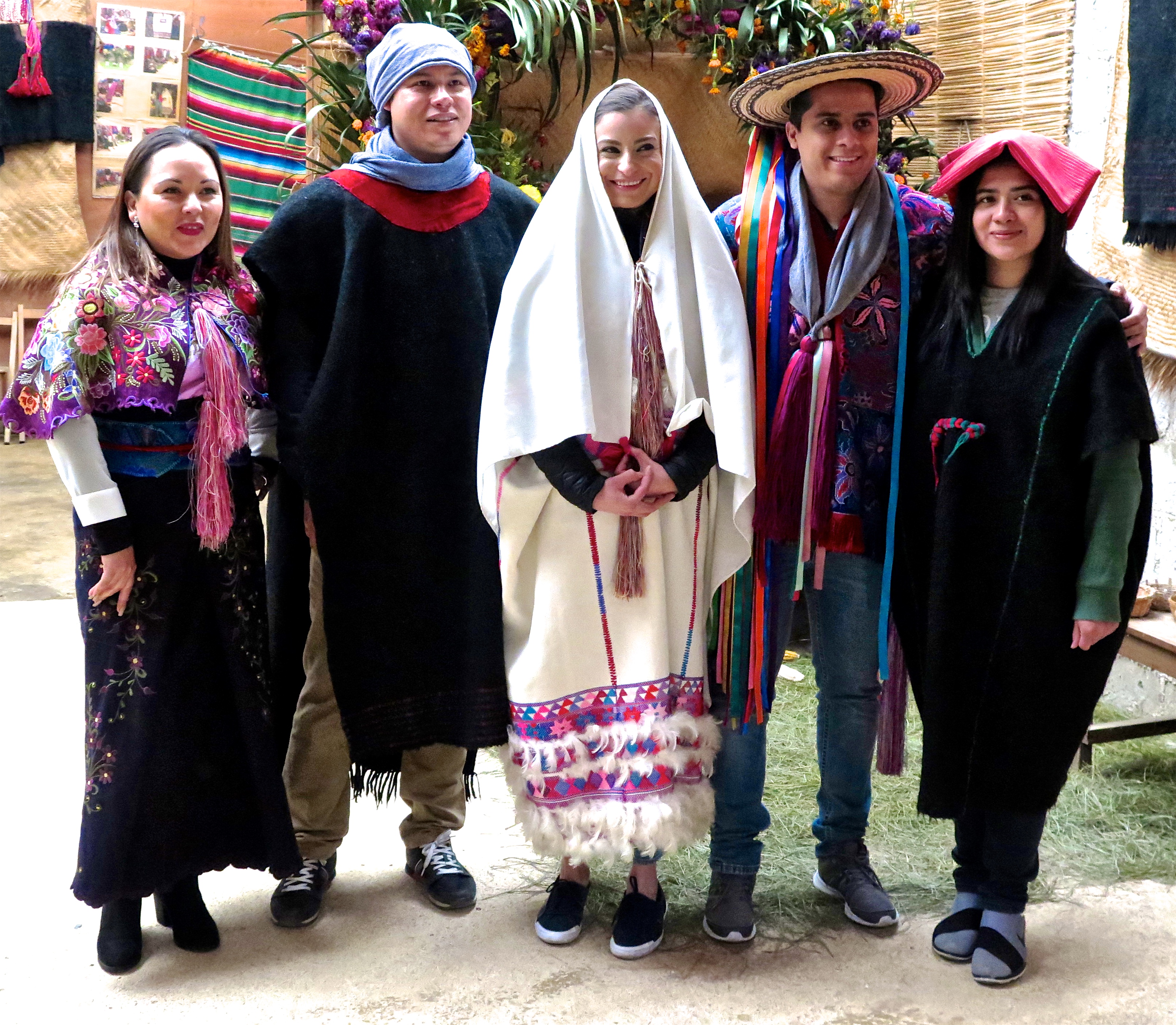
Our guilde dressed the young woman in the center and her fiance at her left, both from Mexico City, in traditional local wedding attire. The others were dressed as they would be in a traditional wedding.
img_8152_2

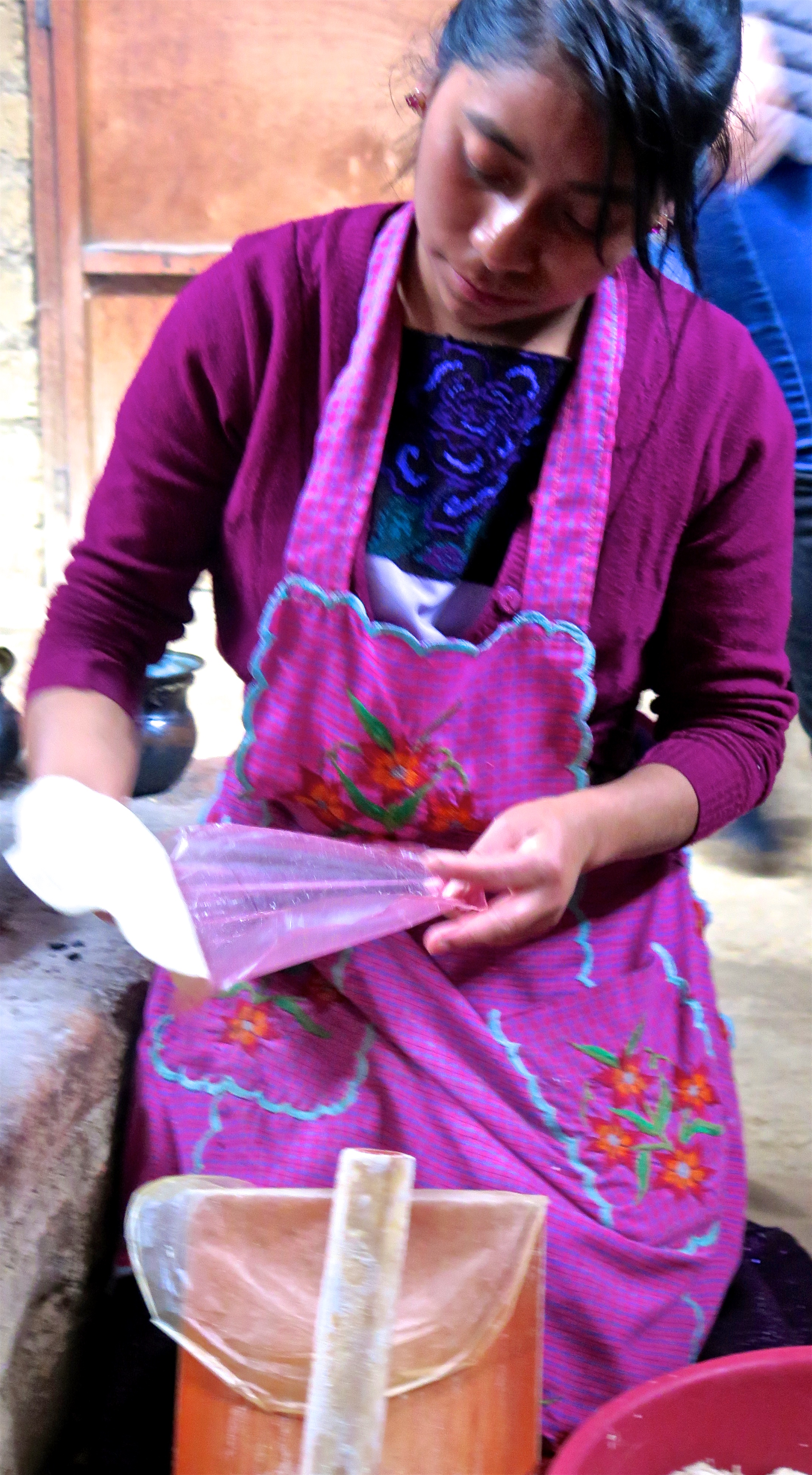
We enjoyed delicious handmade tortillas prepared over a wood fire and a local coffee drink.
img_8161_2

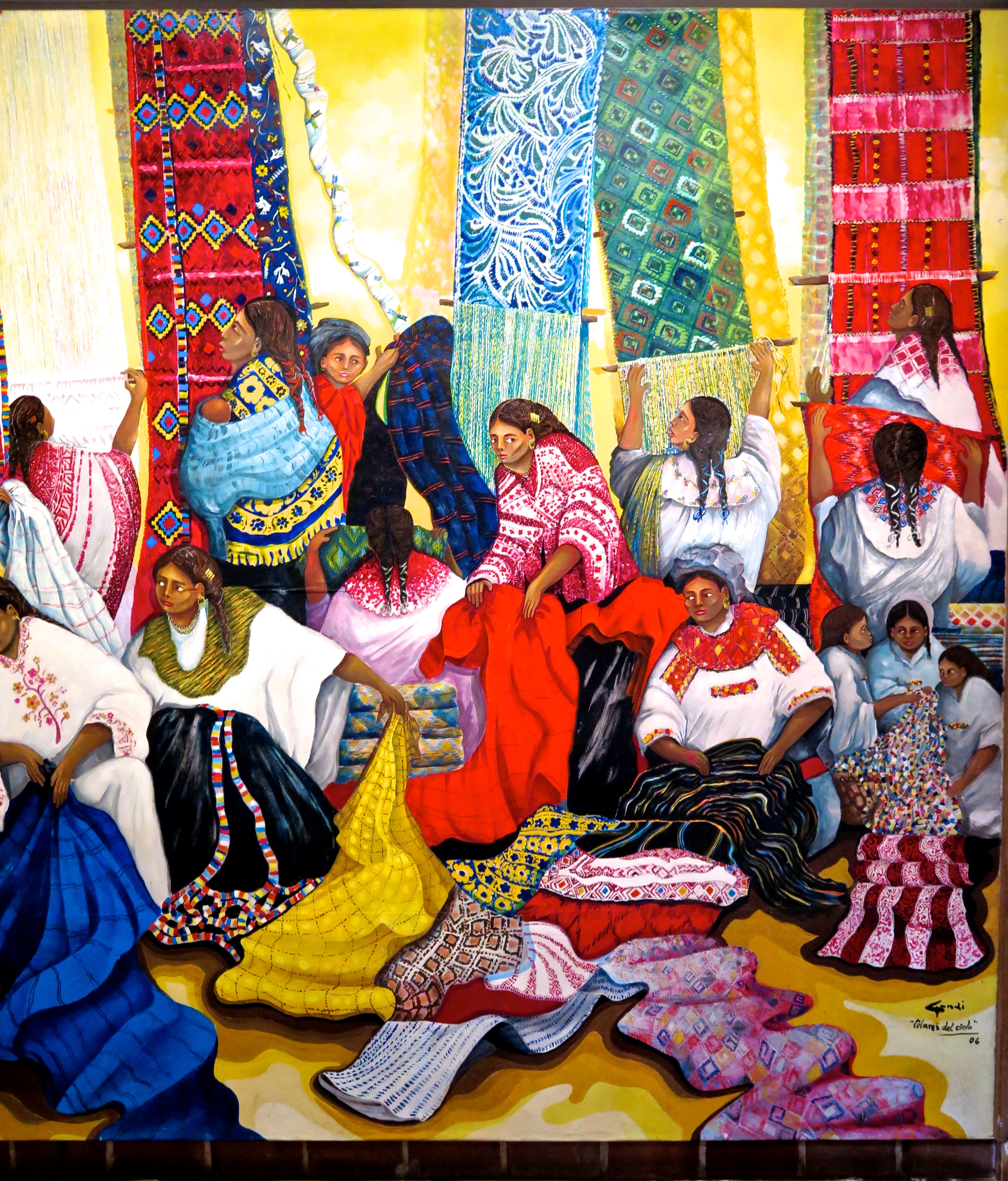
A painting celebrating the beauty and variety offered by local weavers.
img_8153

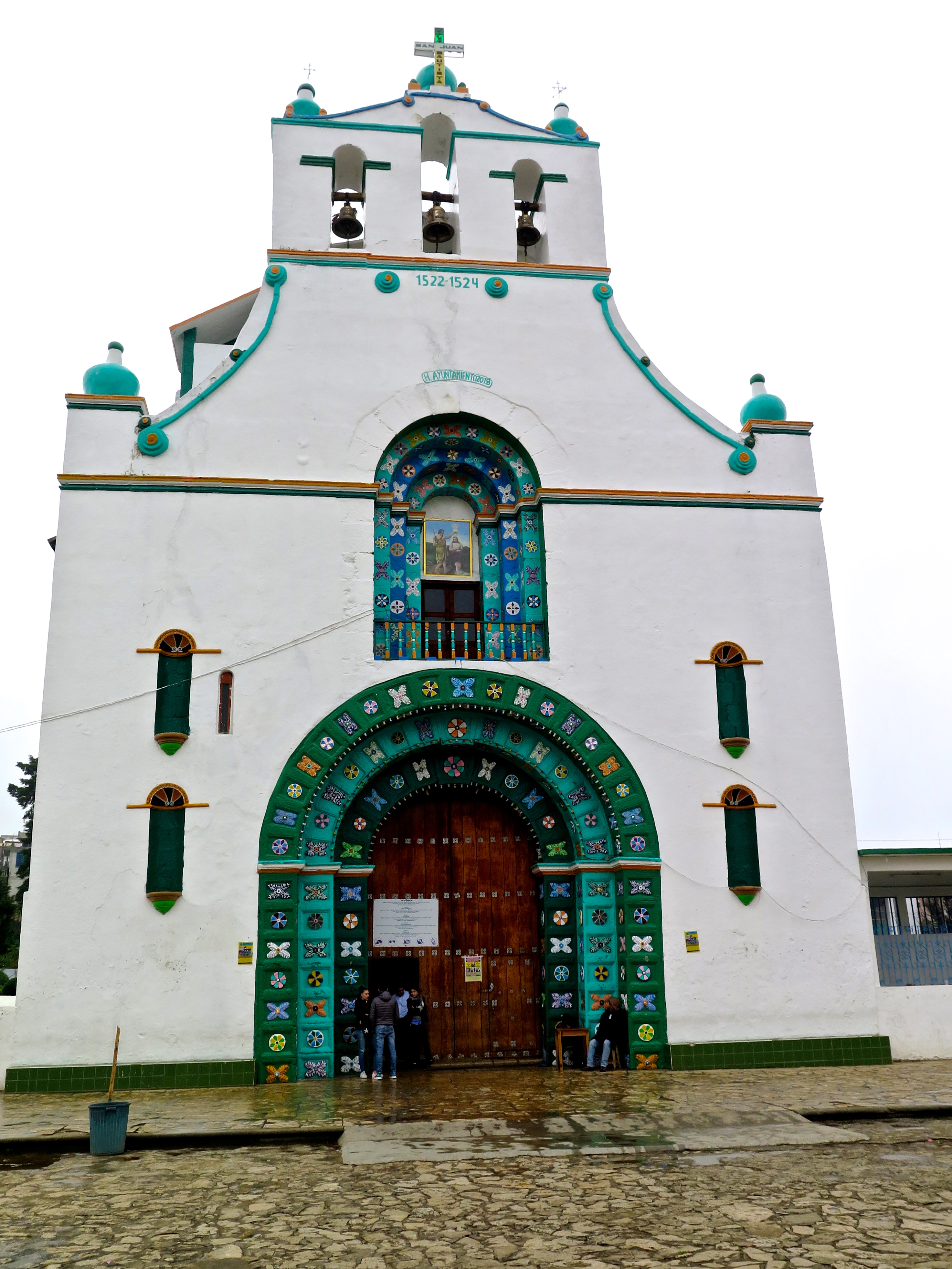
The church in Chamula where the Tzotzil ethnic group practices traditional rituals of healing prayer. No photos are allowed in the church, only outside. The healing rituals we witnessed varied greatly from typical Roman Catholic rites. There were no pews in the church and all rituals were carried out on the floor.
img_8156_2

Many of the people entering and leaving the church were dressed in traditional black wool outfits.
img_8157

Here we see the blending of the ancient with the contemporary.
img_8180

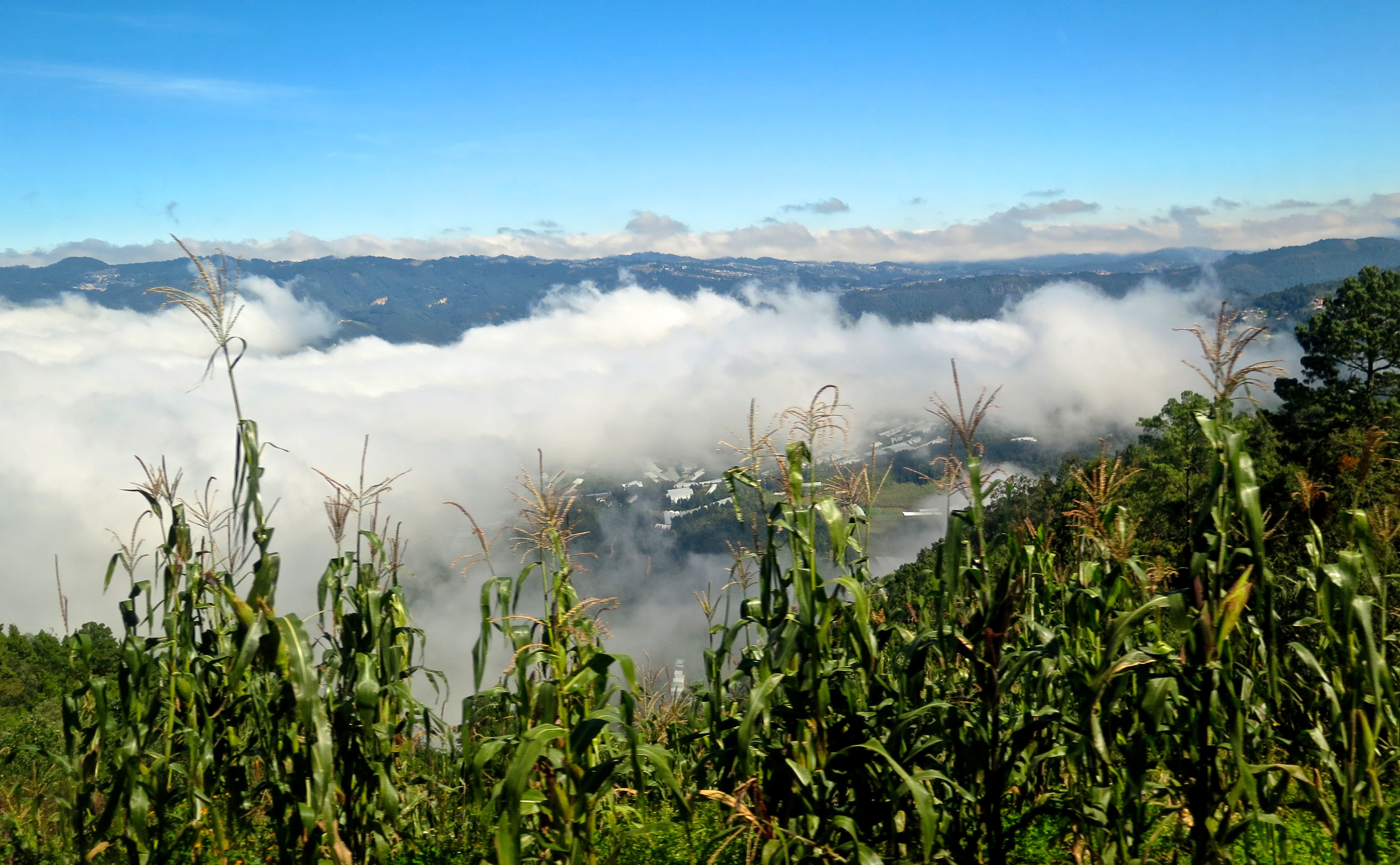
On the bus trip from San Cristobal to the archeological site, Palenque, we were often above the clouds that hovered over the valleys below.
img_8206

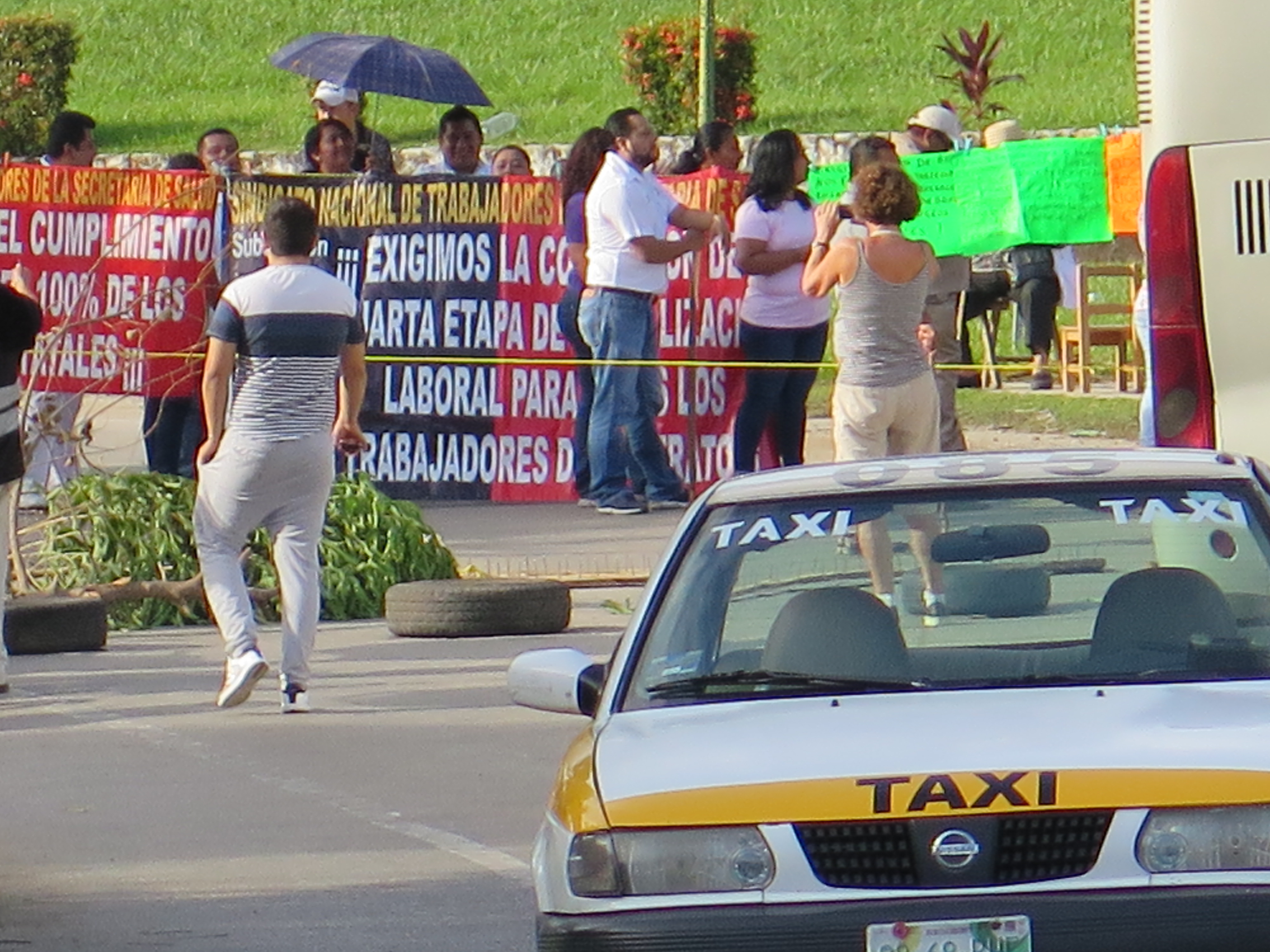
In order to meet our tour van the next morning, we had to pull our suitcases around this blockade of the road between our hotel and the archeological site that was created by doctors and nurses who had not been paid for months, an unfortunate but common occurence for teachers and other public employees in Mexico.

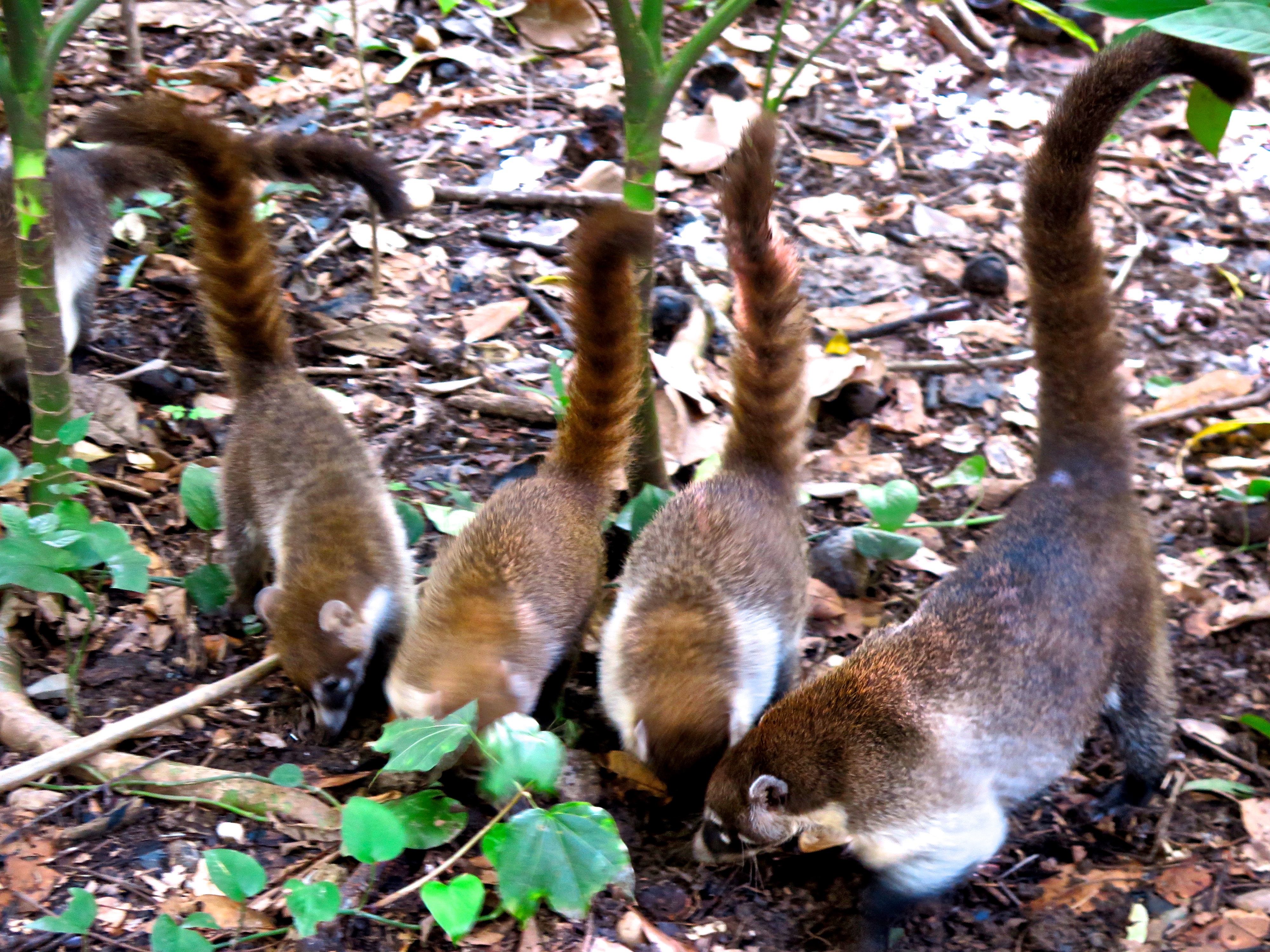
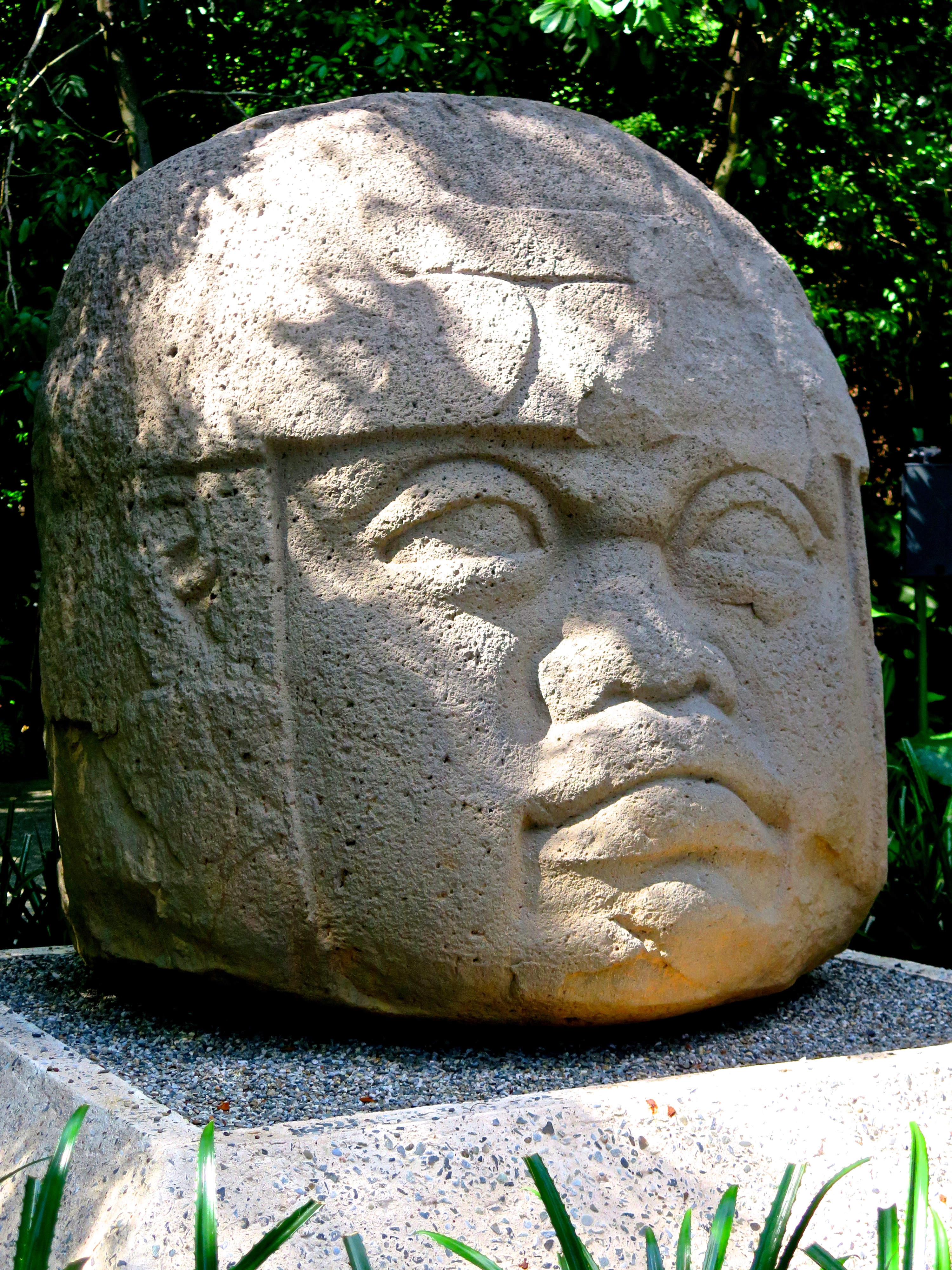
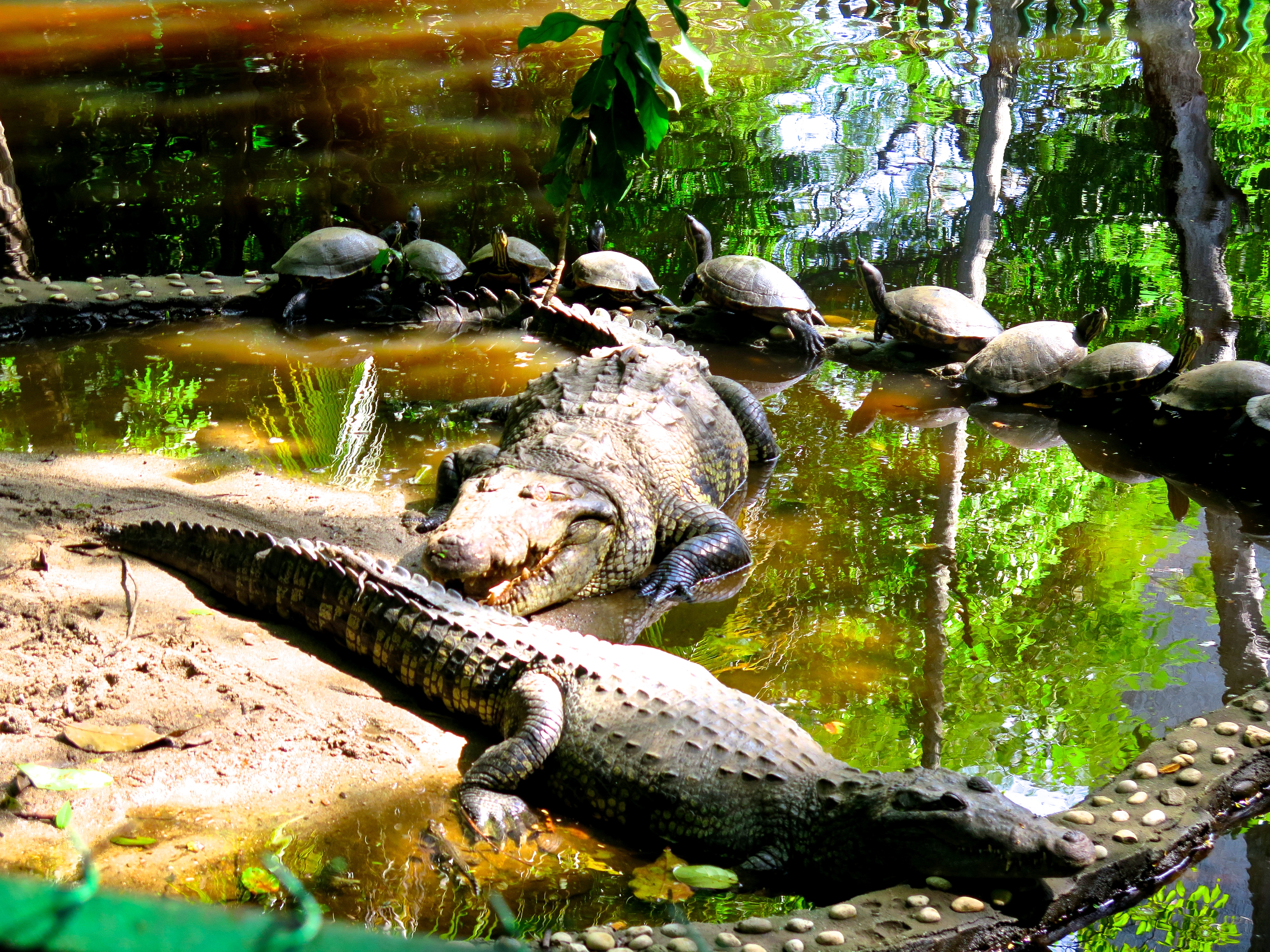
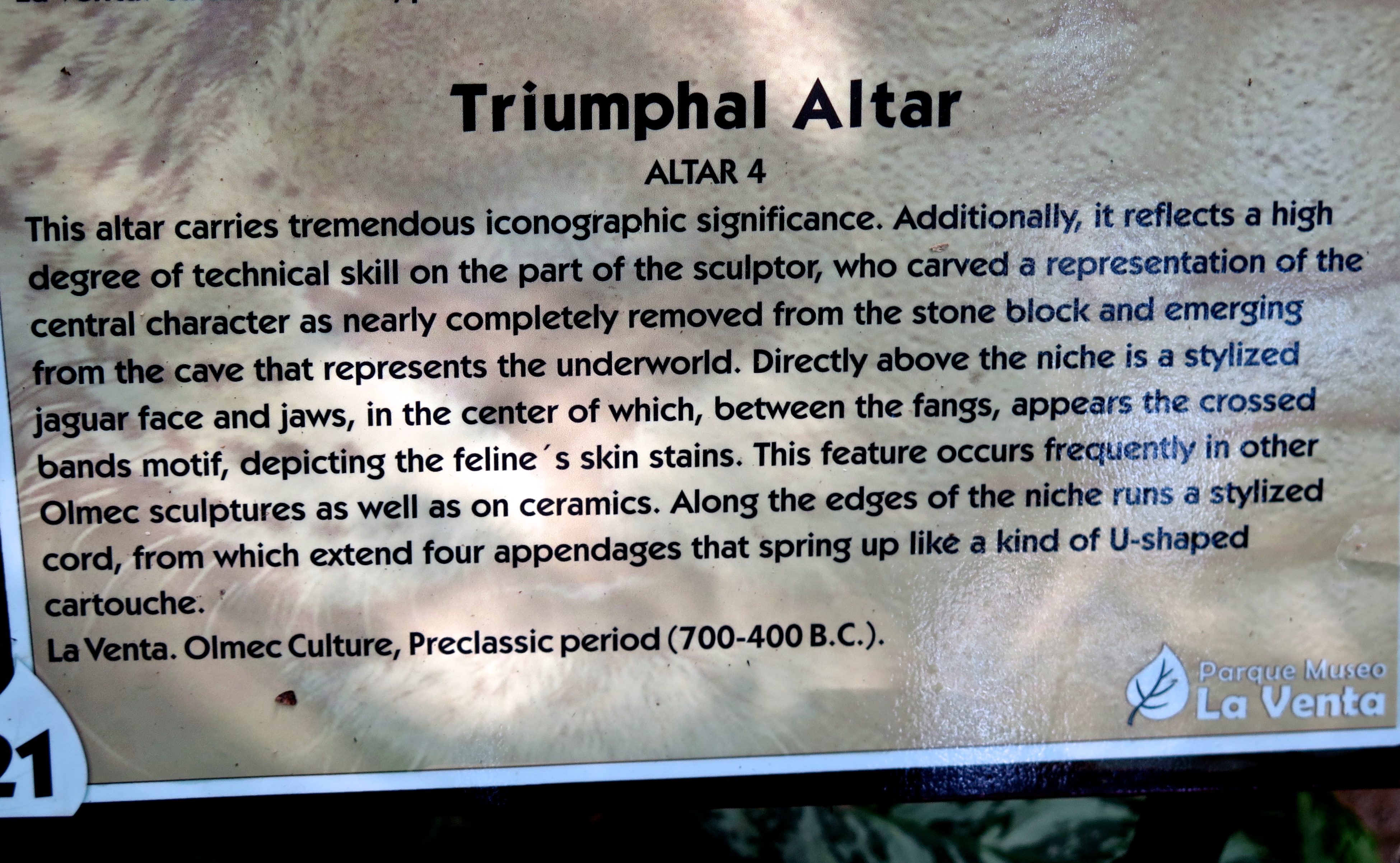
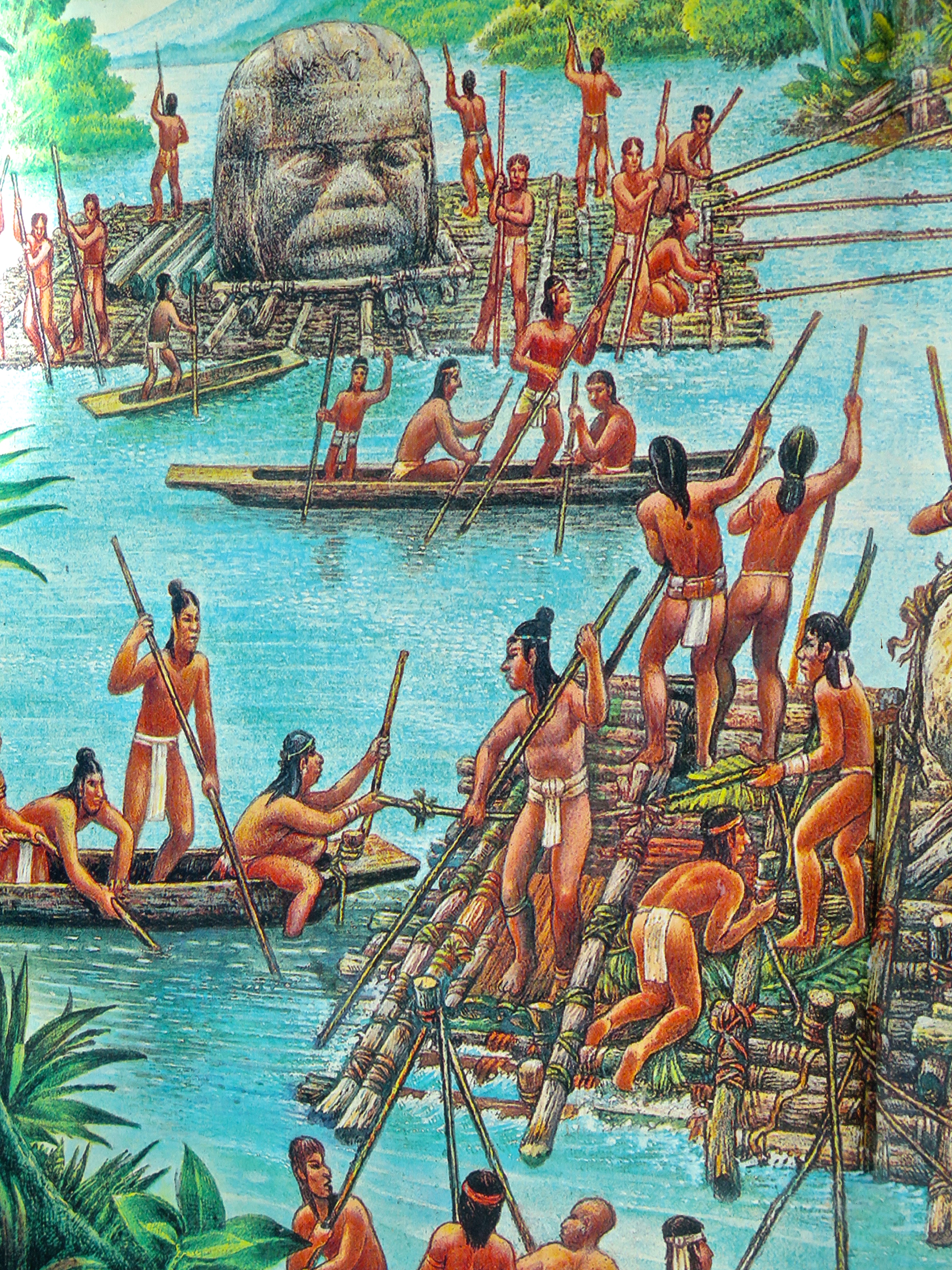
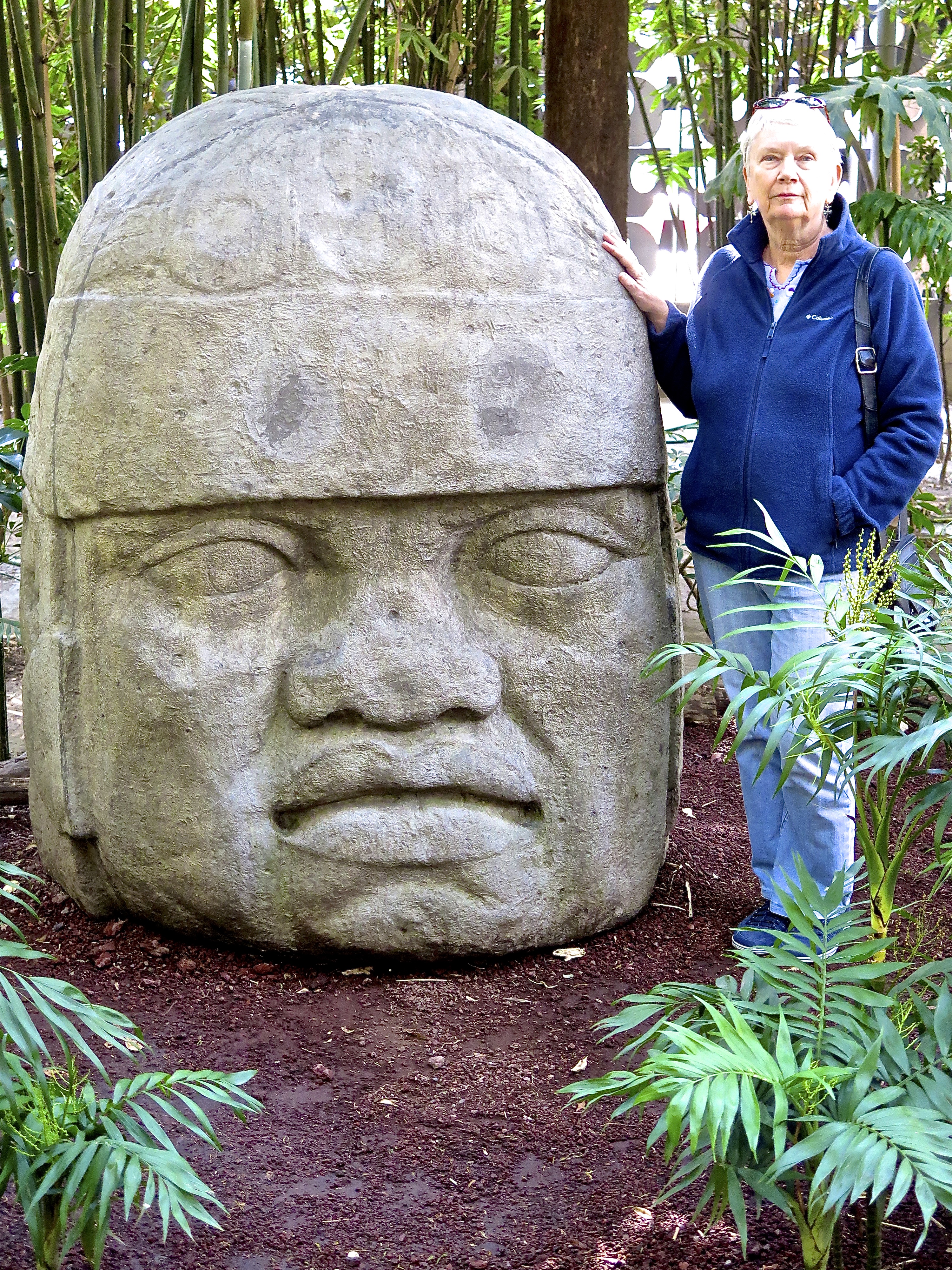
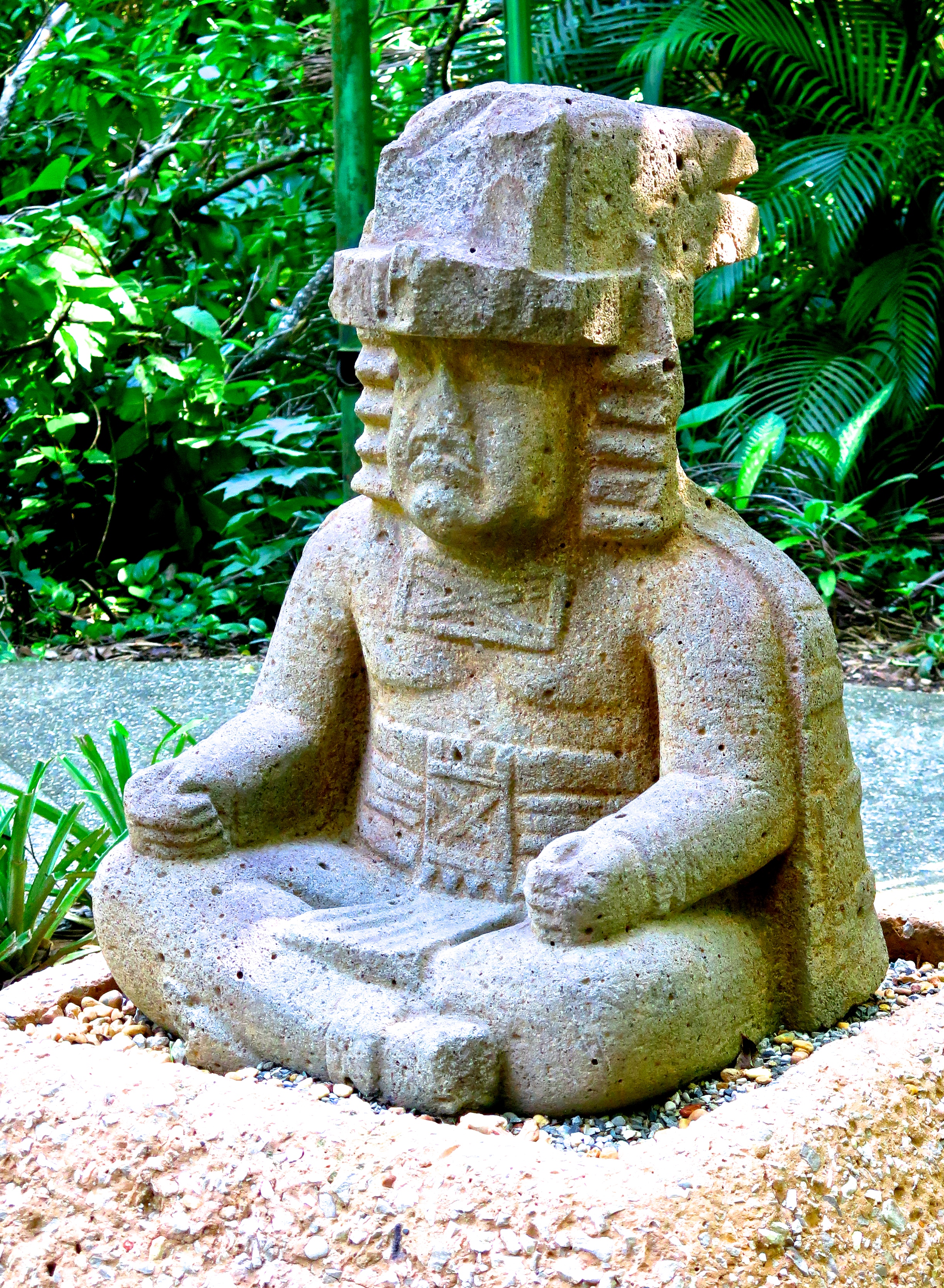
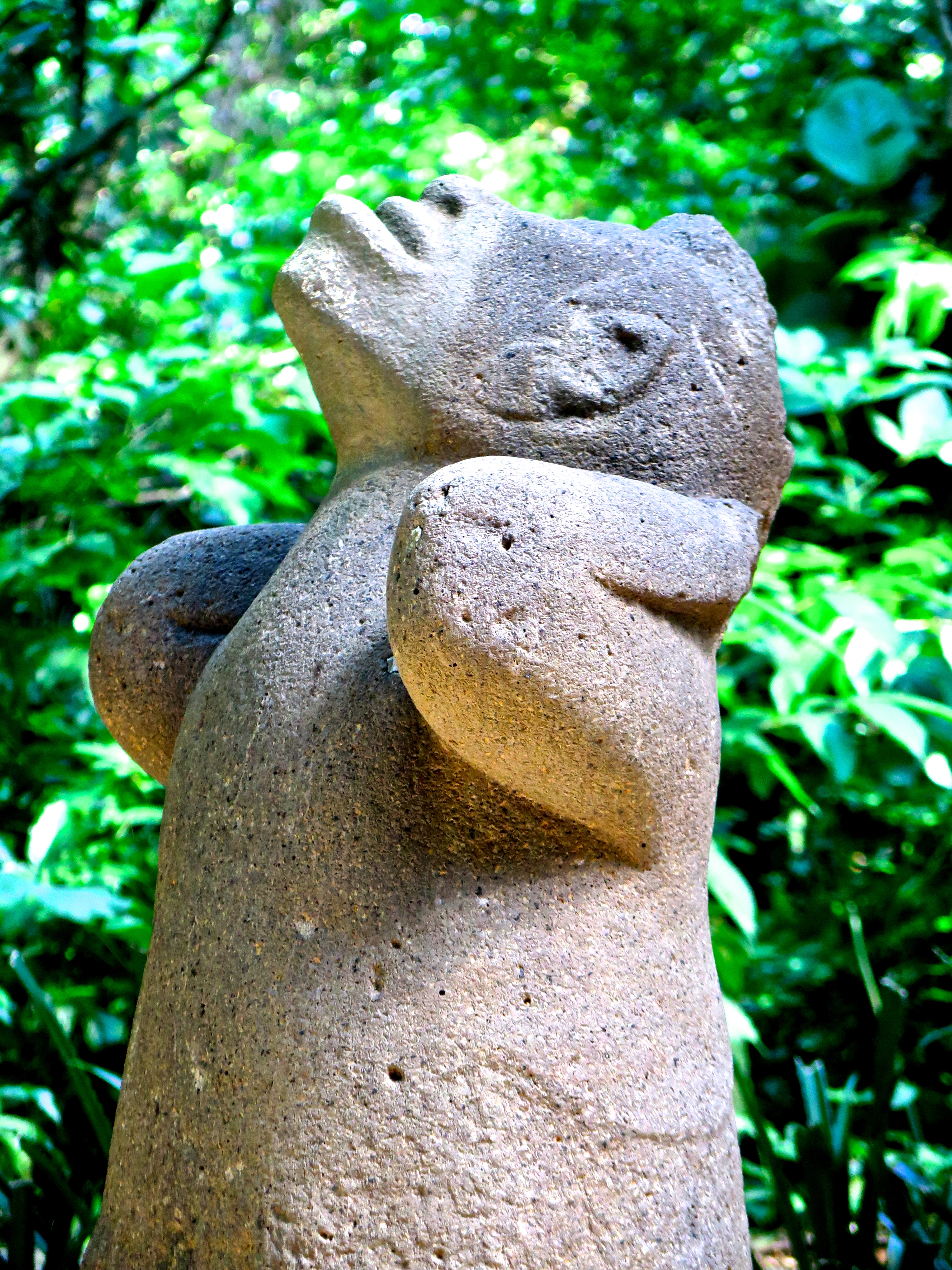
Unfortunately, for a number of reasons, we skipped the trip to Palenque but on the way to the airport in Villahermosa we were taken to an unusual outdoor museum, La Venta, that featured carvings from the Olmec civilization, perhaps the most ancient group in Mexico, and included a zoo with free ranging monkeys and ringtailed coatamundis.
img_8221img_8235img_8232

img_8228img_8251

img_8242

img_8236

Fortunately, the corcadiles were not on the loose.

img_8239

img_8240

img_8254

img_8005_2

Carlota Duarte explaining to Barbara how and why the Chiapas Photography Project was created and is maintained with donations, grants, and sales of fascinating photographs and photography books.

img_8003_2

These three women manage the day to day operations of the CPP that are described below. Like many indigenous people, they are not comfortable being photographed, especially by strangers.

The following information is taken from an excellent interview by Richard Pitnick for Black & White Photography Magazine published in June, 2007. By then, Barbara and I were actively searching for a place in Mexico for retirement so I kept the magazine for future reference. 

It was the desire to help indigenous Maya develop a deeper understanding and give voice to their own history, beliefs and values that prompted American born photographer Carlota Duarte to establish the Chiapas Photography Project (CPP) in 1992. Since then, the CPP has instructed over 250 indigenous Maya men and women from 10 different ethinic groups in camera use and, for some of the participants, darkroom technnique; has helped oversee the publication of seven books of photographs documenting diverse aspects of Maya society and culture; and organized numerous individual and group exhibitions in the United States, Europe and Mexico.”

Much more remarkable work has been done since 2007. For current information about how the CPP is helping to preserve the local Maya culture while recording the the impact of changes that are occuring daily, go to their website: https://chiapasphoto.org/artdev/artdev.html


Oaxaca 2018

Friends have been telling us for years that we must visit the states of Oaxaca & Chiapas in southern Mexico, especially to see the world famous artisans working in fabric and ceramics. The photos below show just a few of the highlights we enjoyed during our week in Oaxaca City with Barbara’s sister, Mannie and her husband, Kim, November 4-11.

IMG_7718

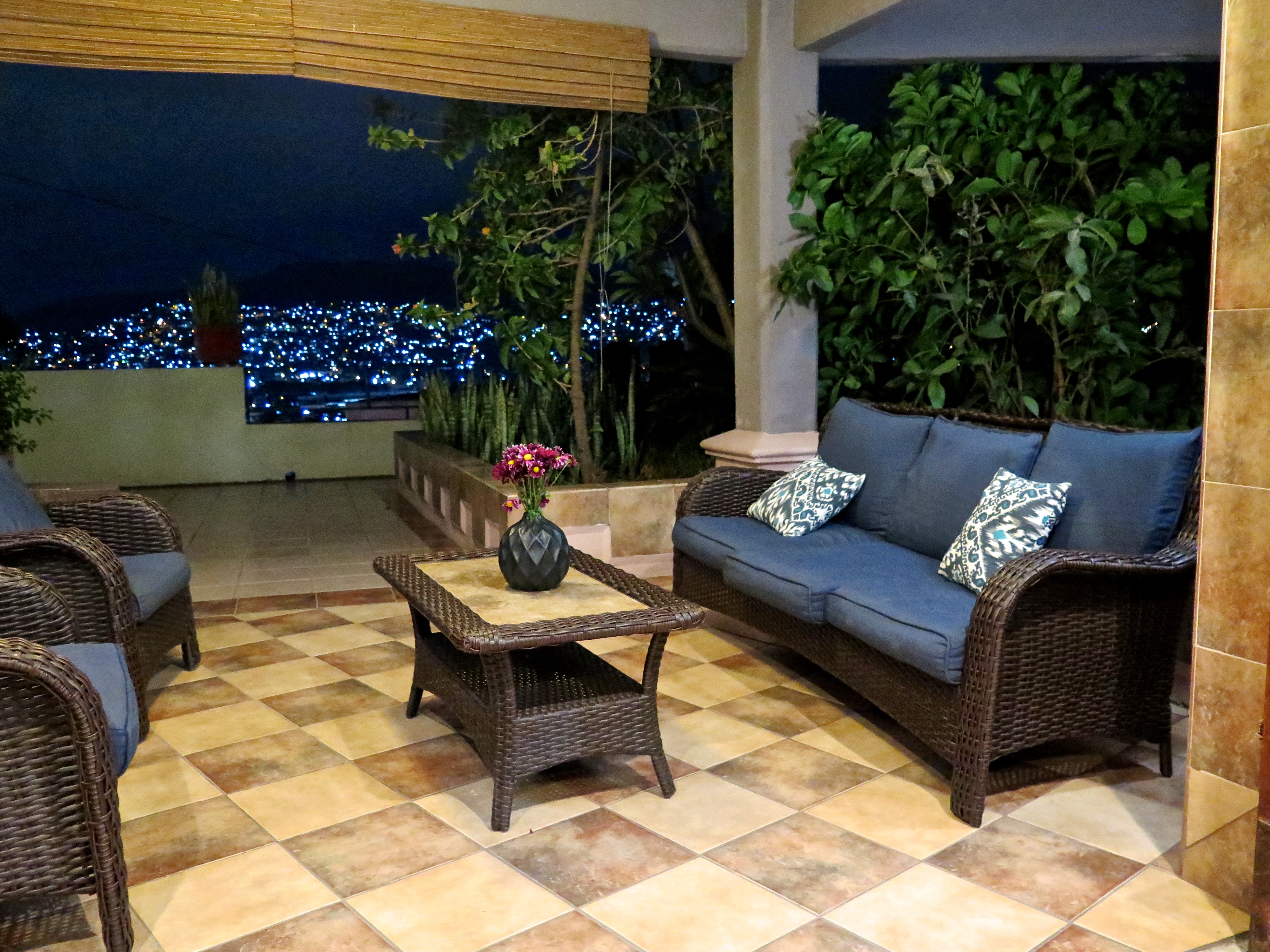
We rented this wonderful apartment overlooking Oaxaca City. 
IMG_7705

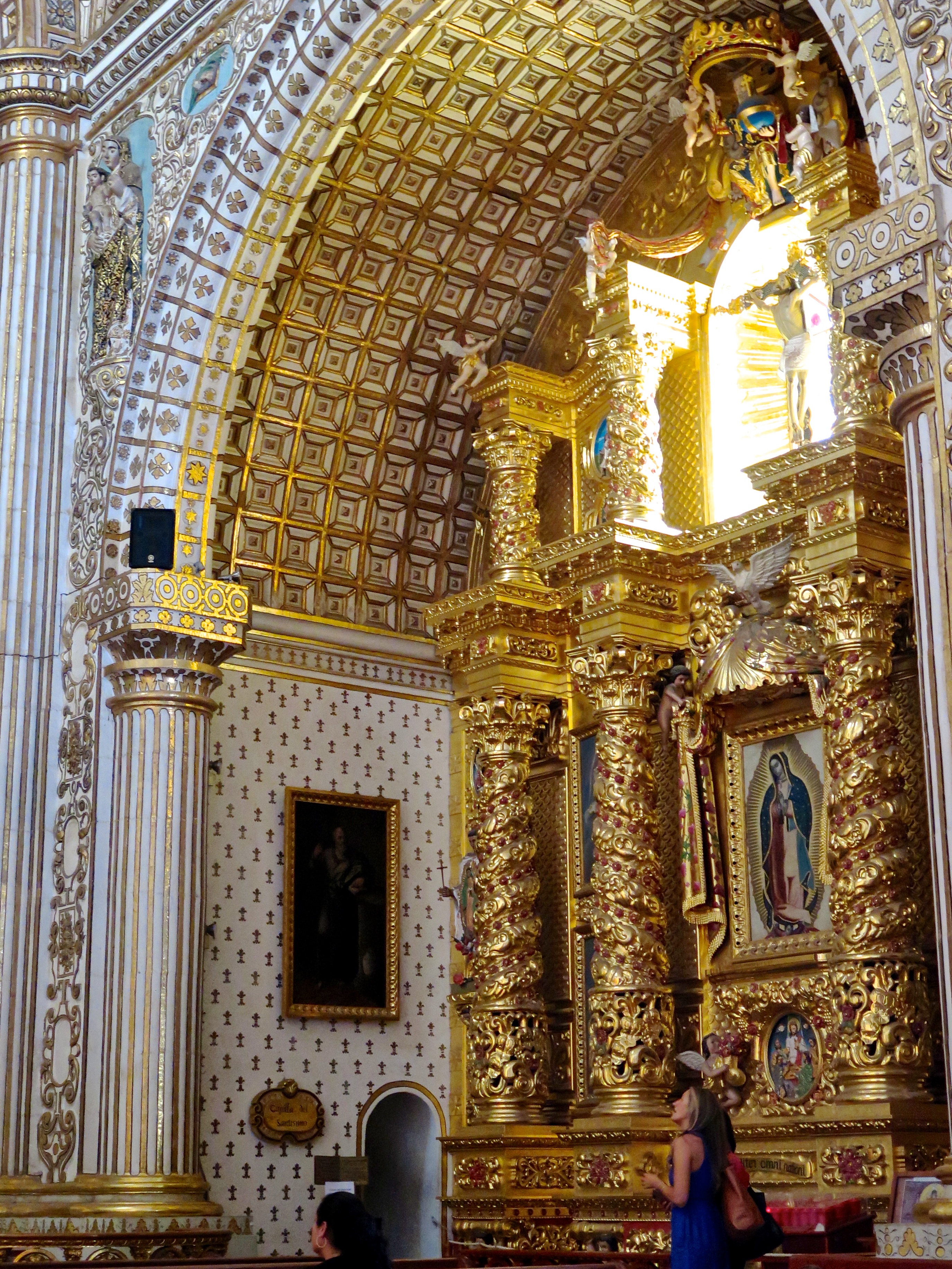
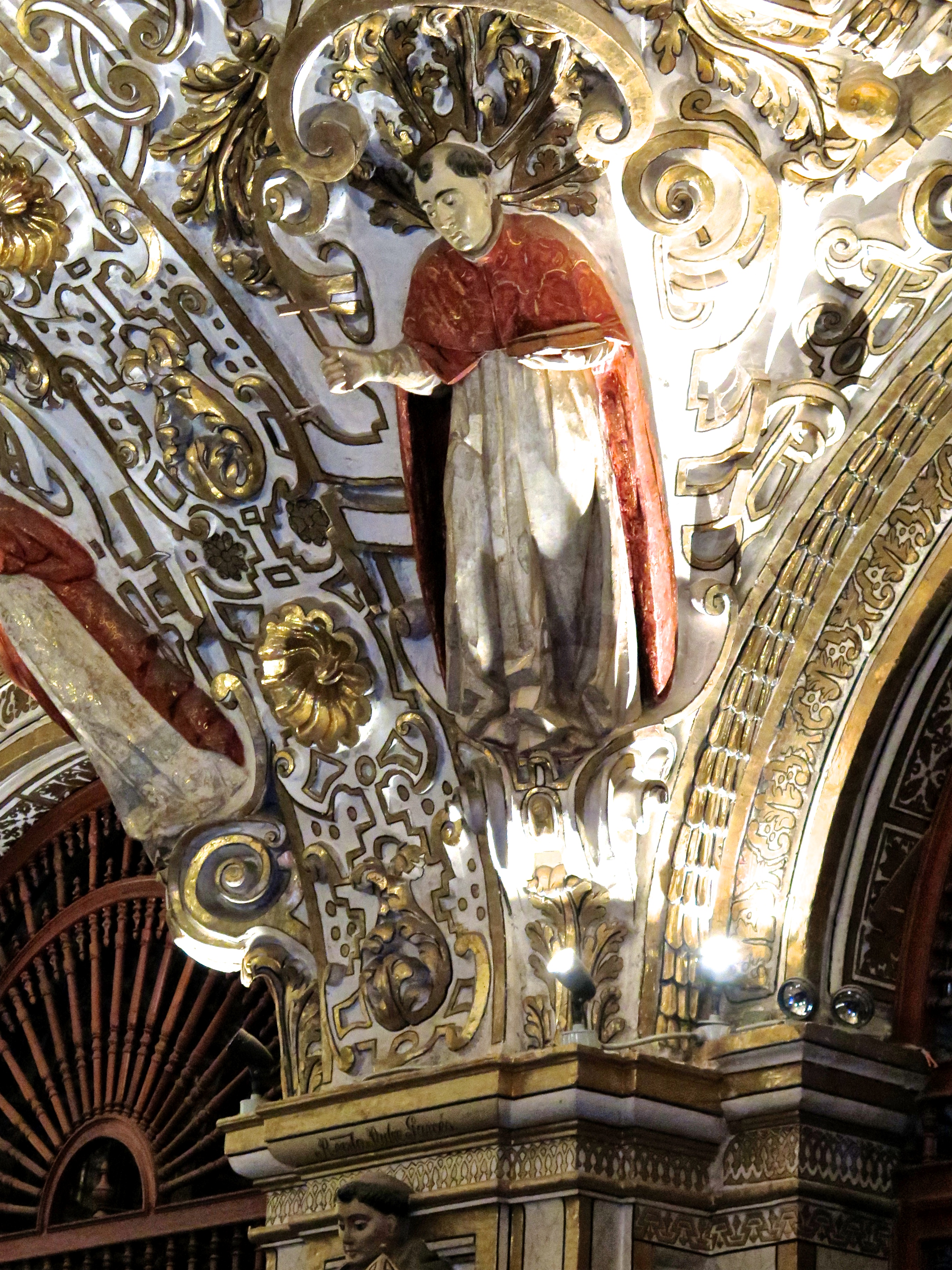
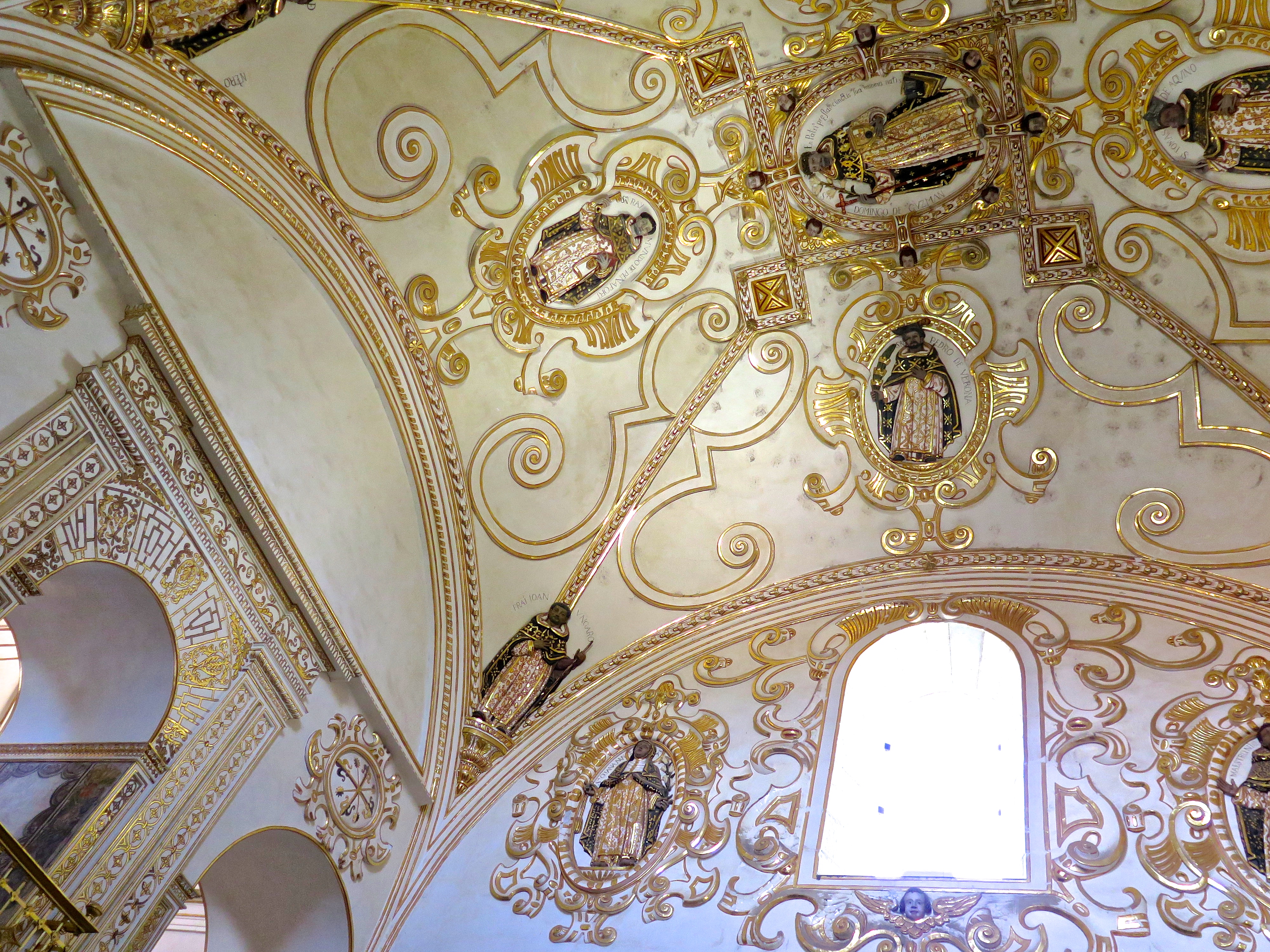
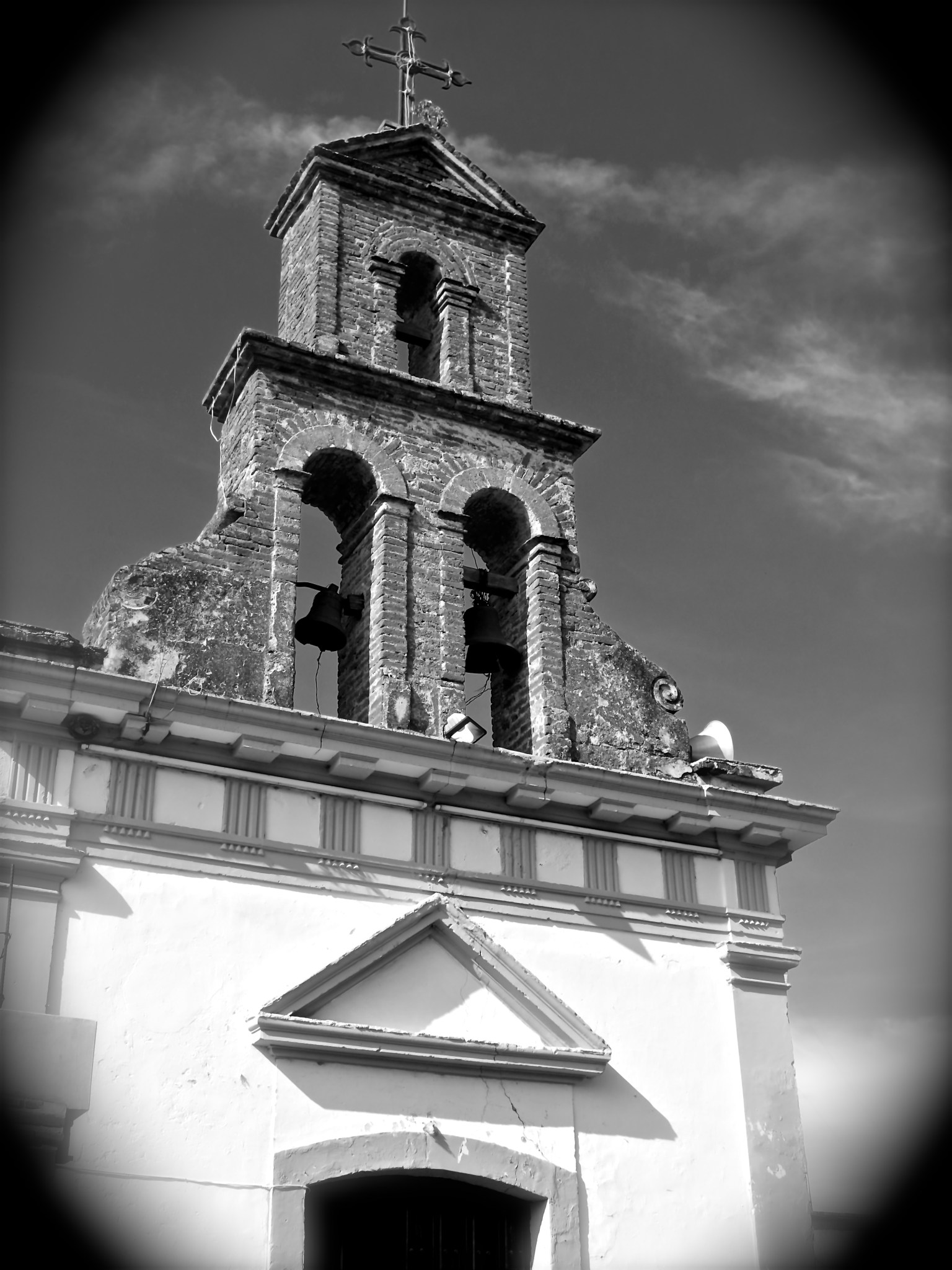
Santo Domingo is one of the most beautiful churches we have visited anywhere, including Europe.
IMG_7768

IMG_7708_2

Just outside the sanctuary the vibrant energy of the city of Oaxaca sweeps you along.

IMG_7710

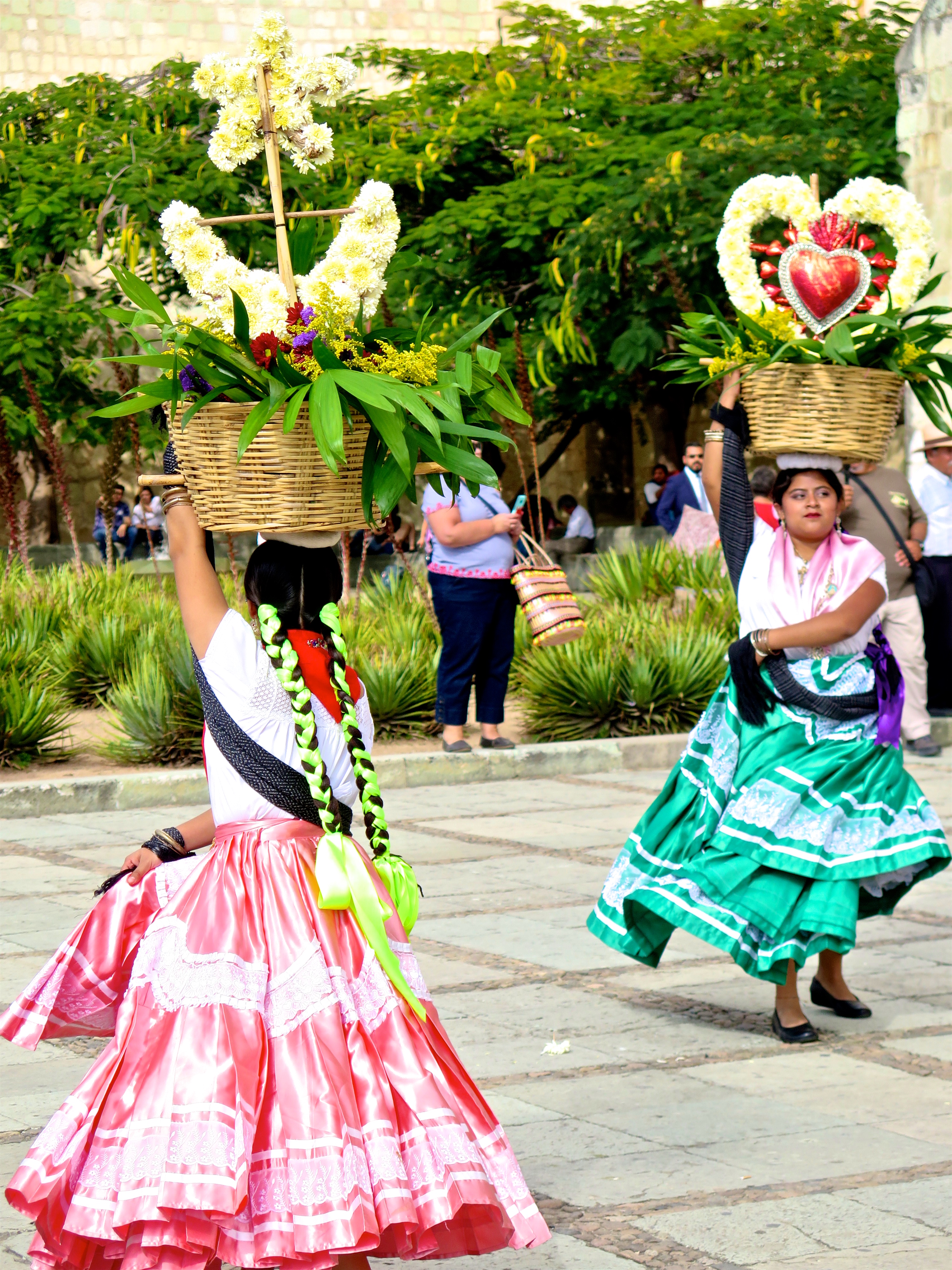
Mexicans easily blend ancient traditions with contemporary realities.

IMG_7938.JPG

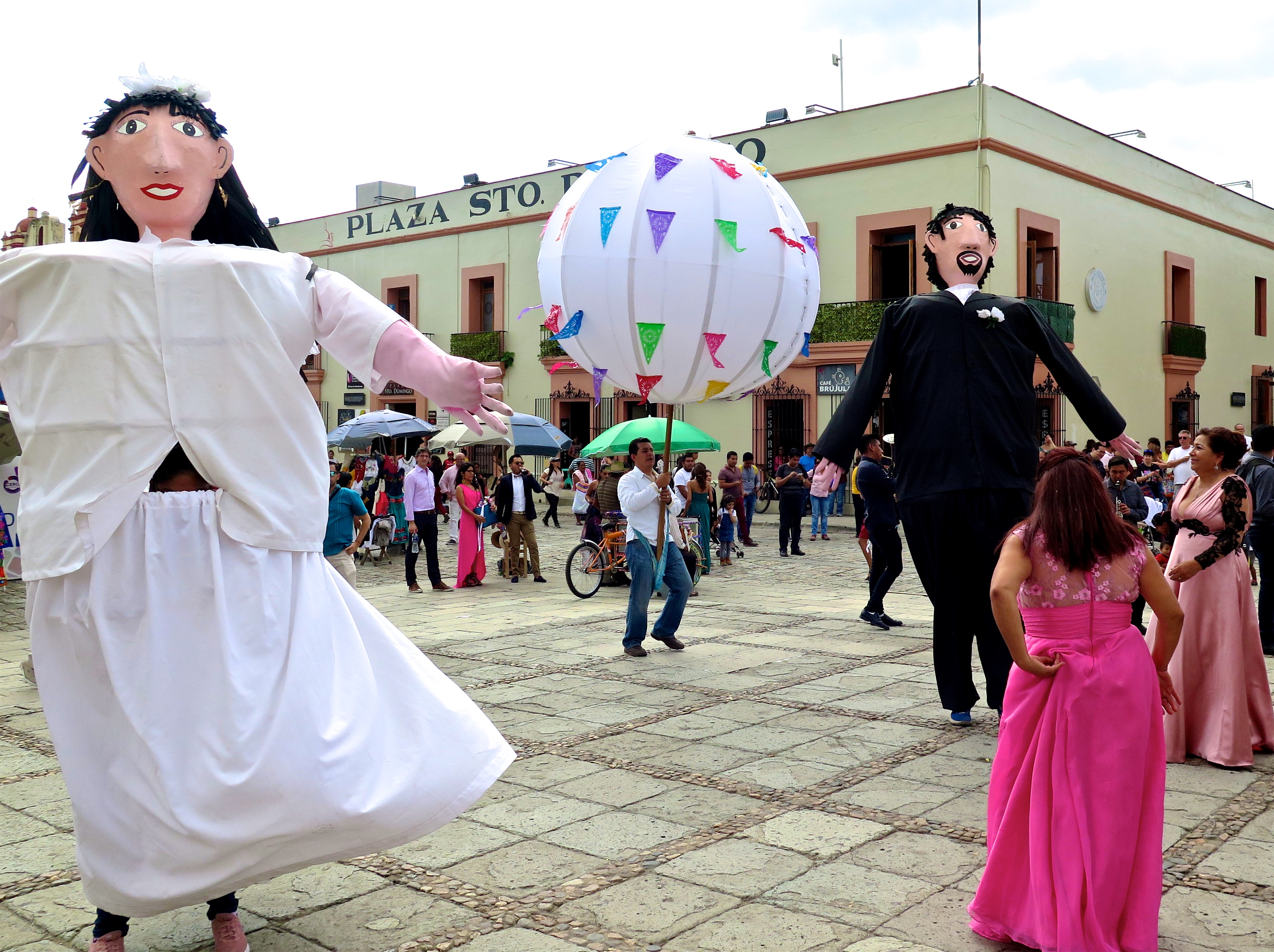
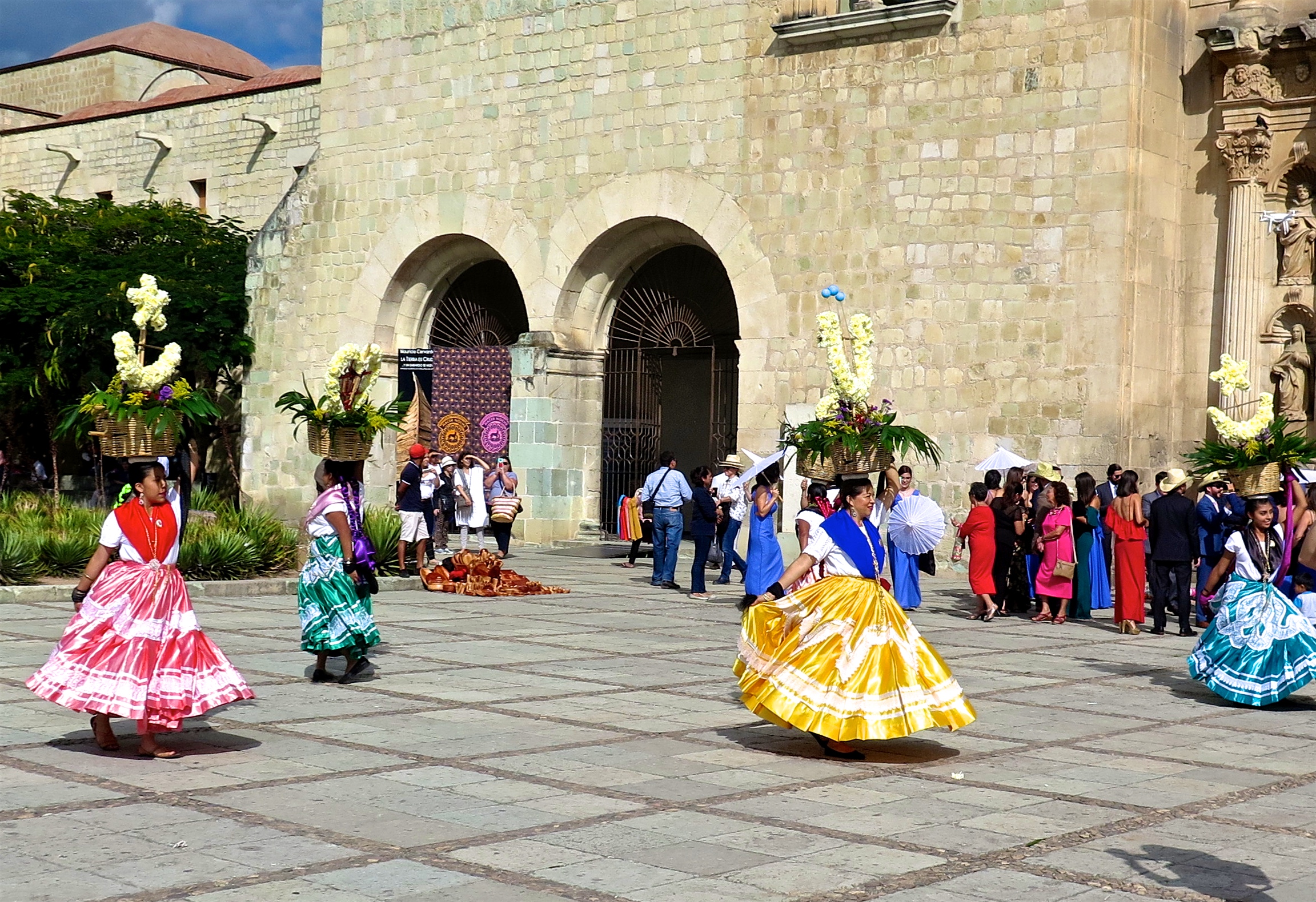
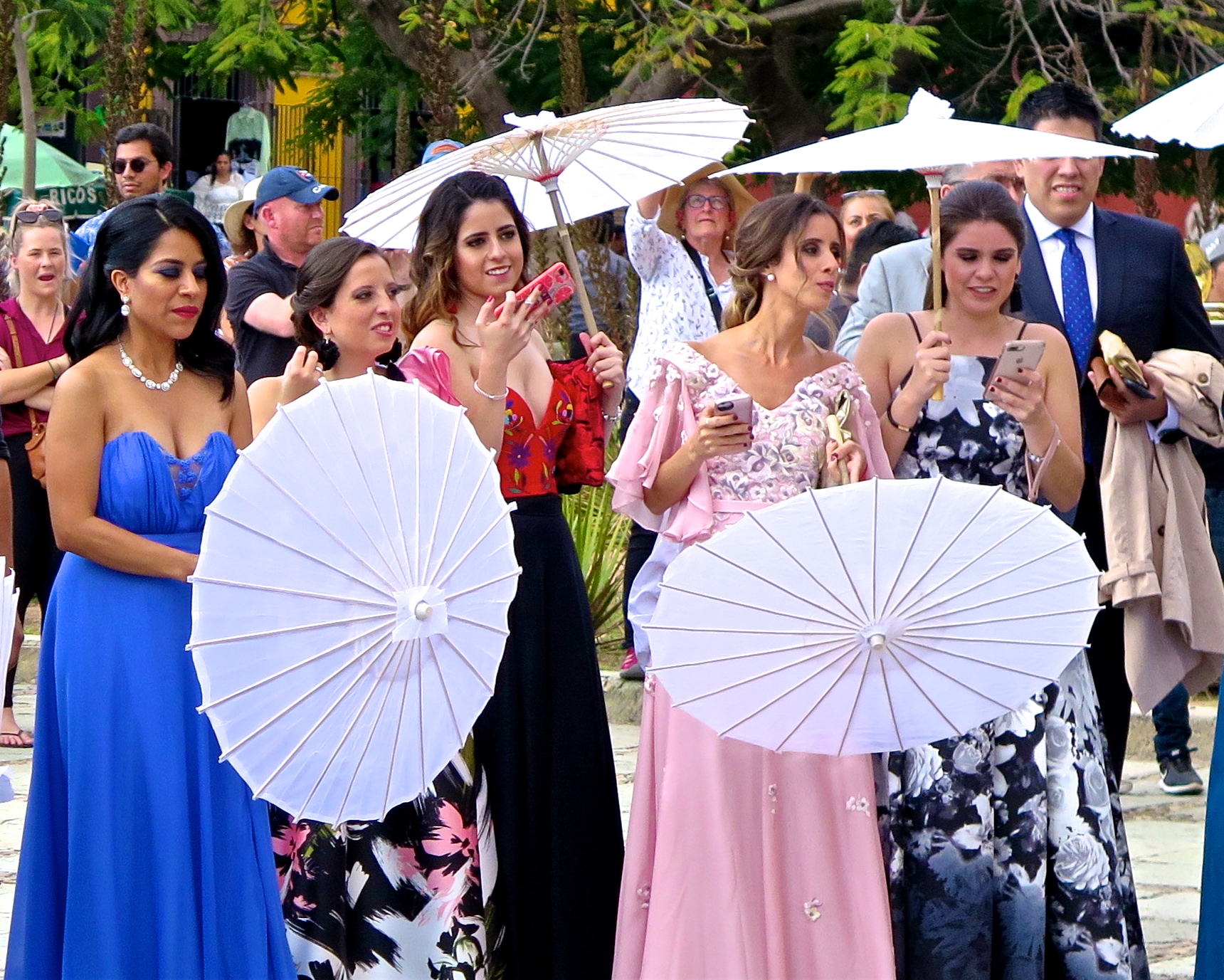
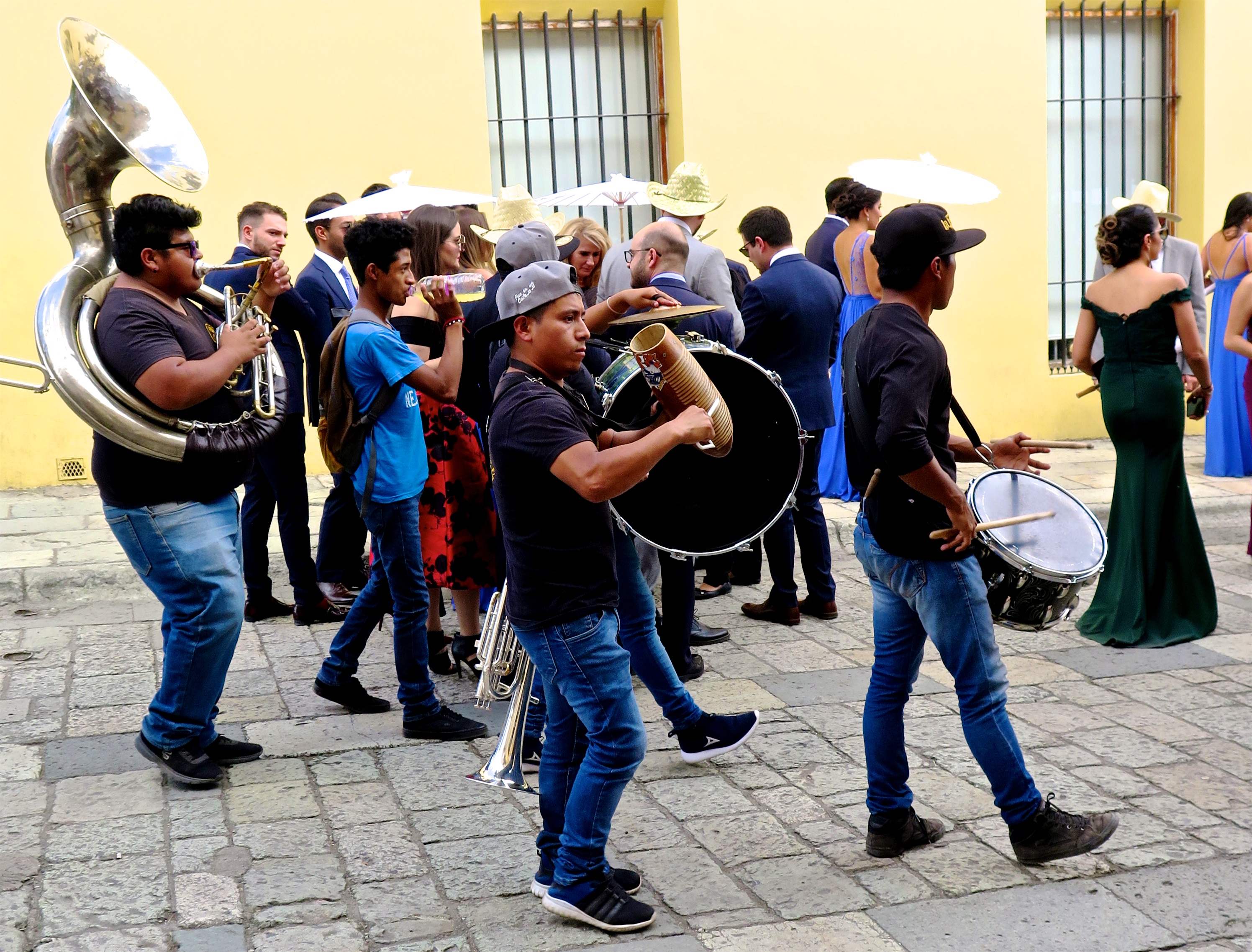
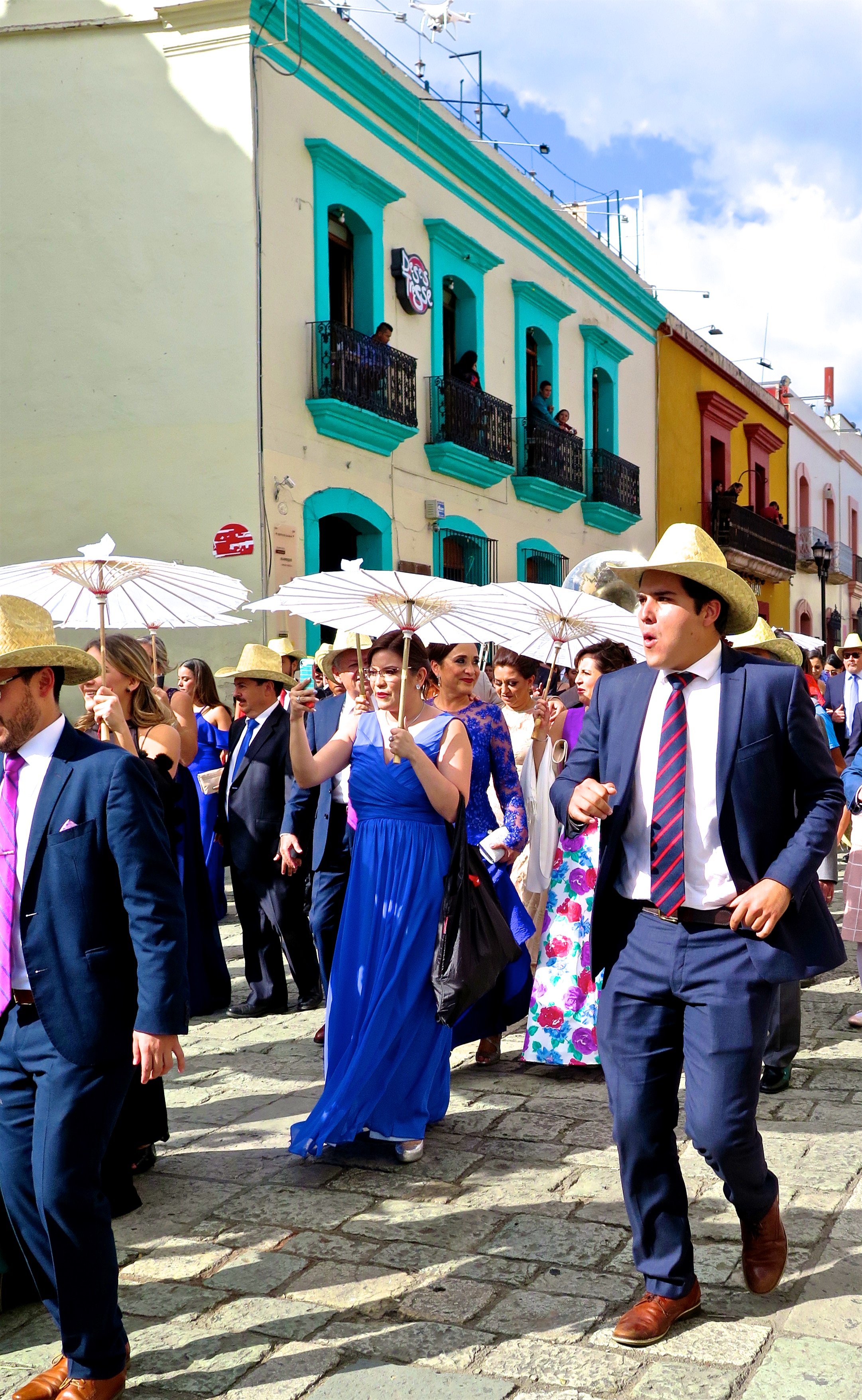
Suddenly we found ourselves in the midst of a posh wedding celebration.

IMG_7943IMG_7948.jpgIMG_7953

IMG_7961.jpg

IMG_7956

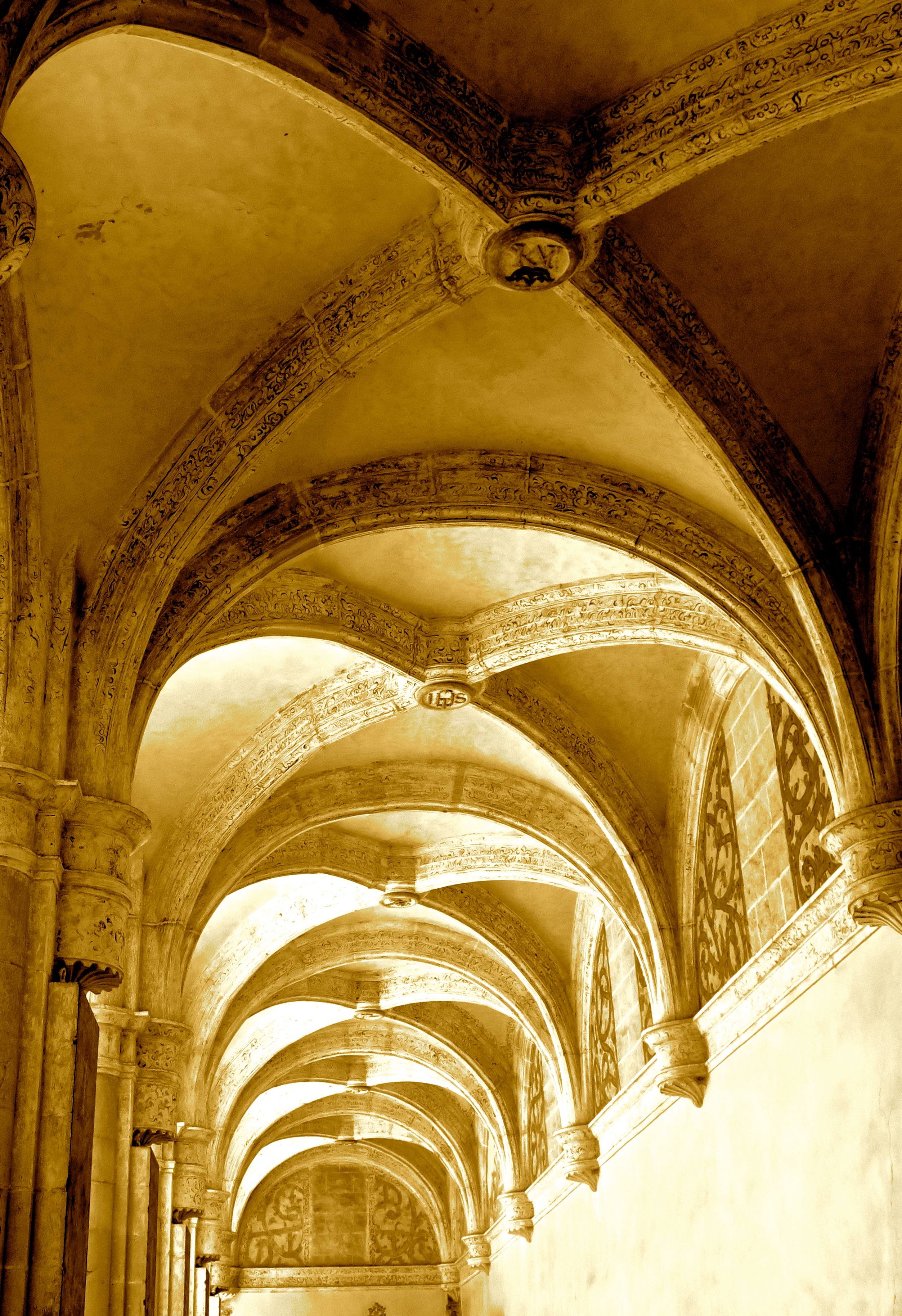
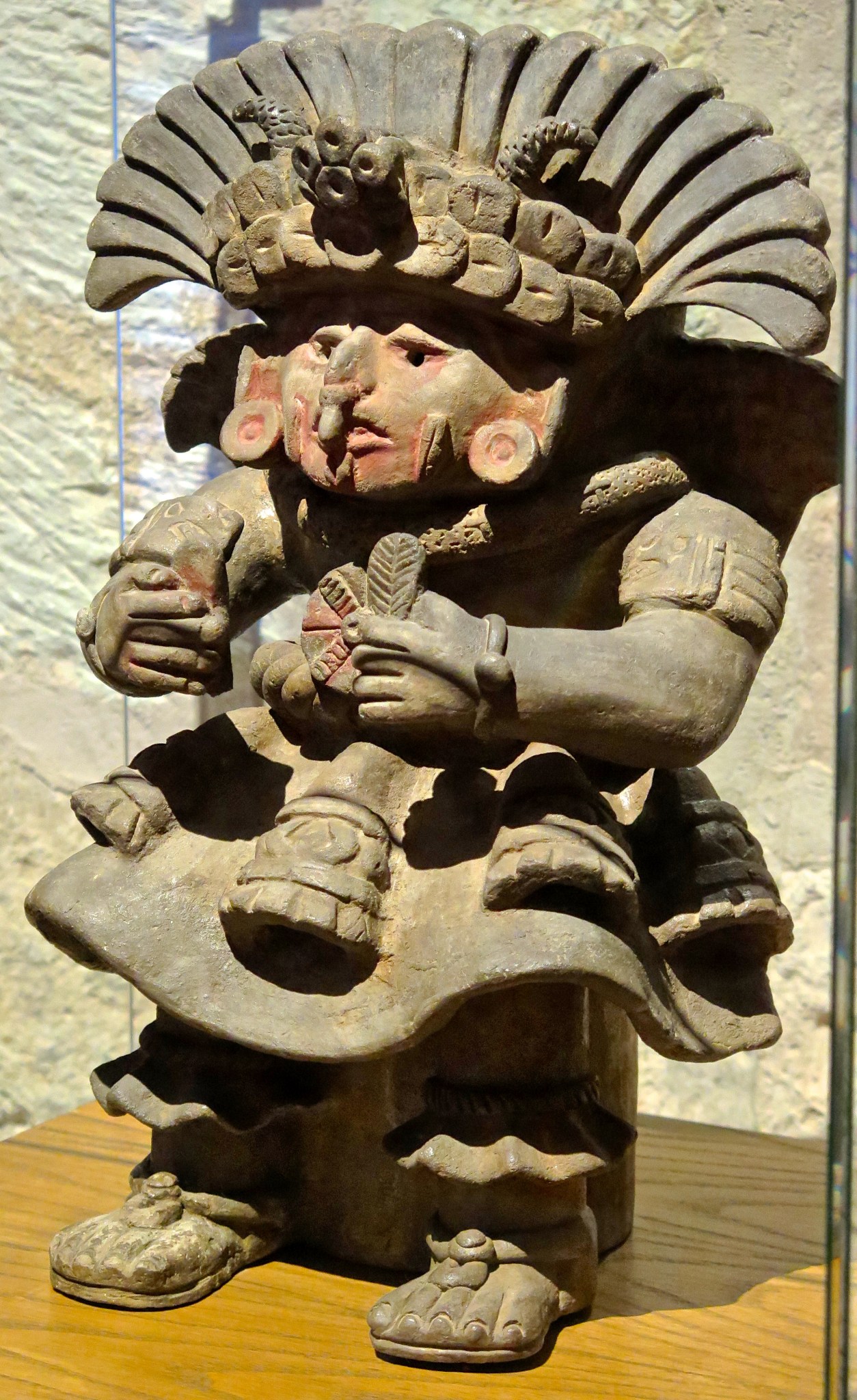
Attached to the church of Santo Domingo is a former convent converted into a cultural center with artifacts rivaling those of the famed Archeological Museum in Mexico City.

IMG_7778IMG_7785

IMG_7791IMG_7797

IMG_7781

The cultural center contains a large library of books, both written and illustrated by hand and/or printed, by monks after the conquest.

IMG_7803

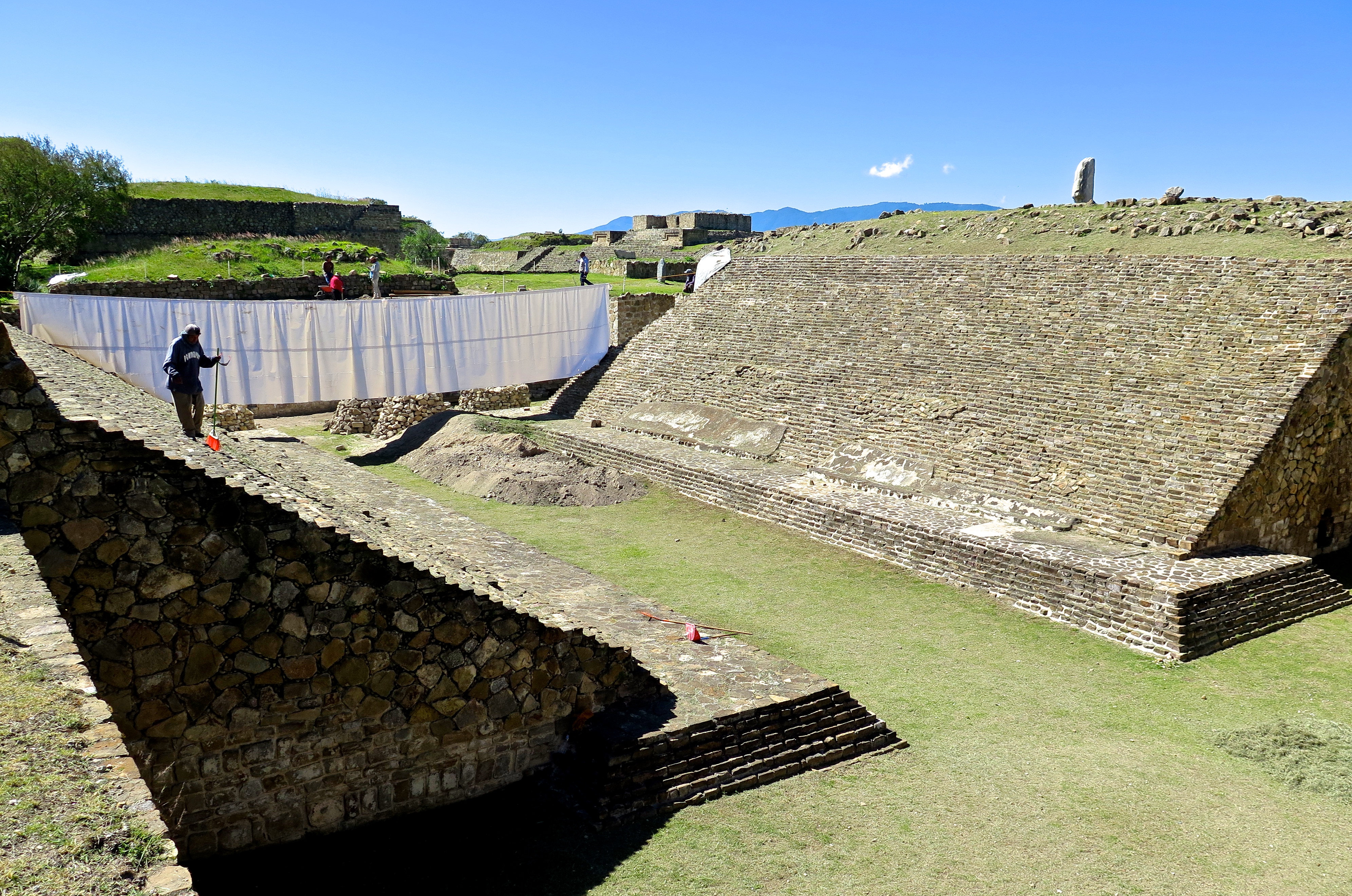
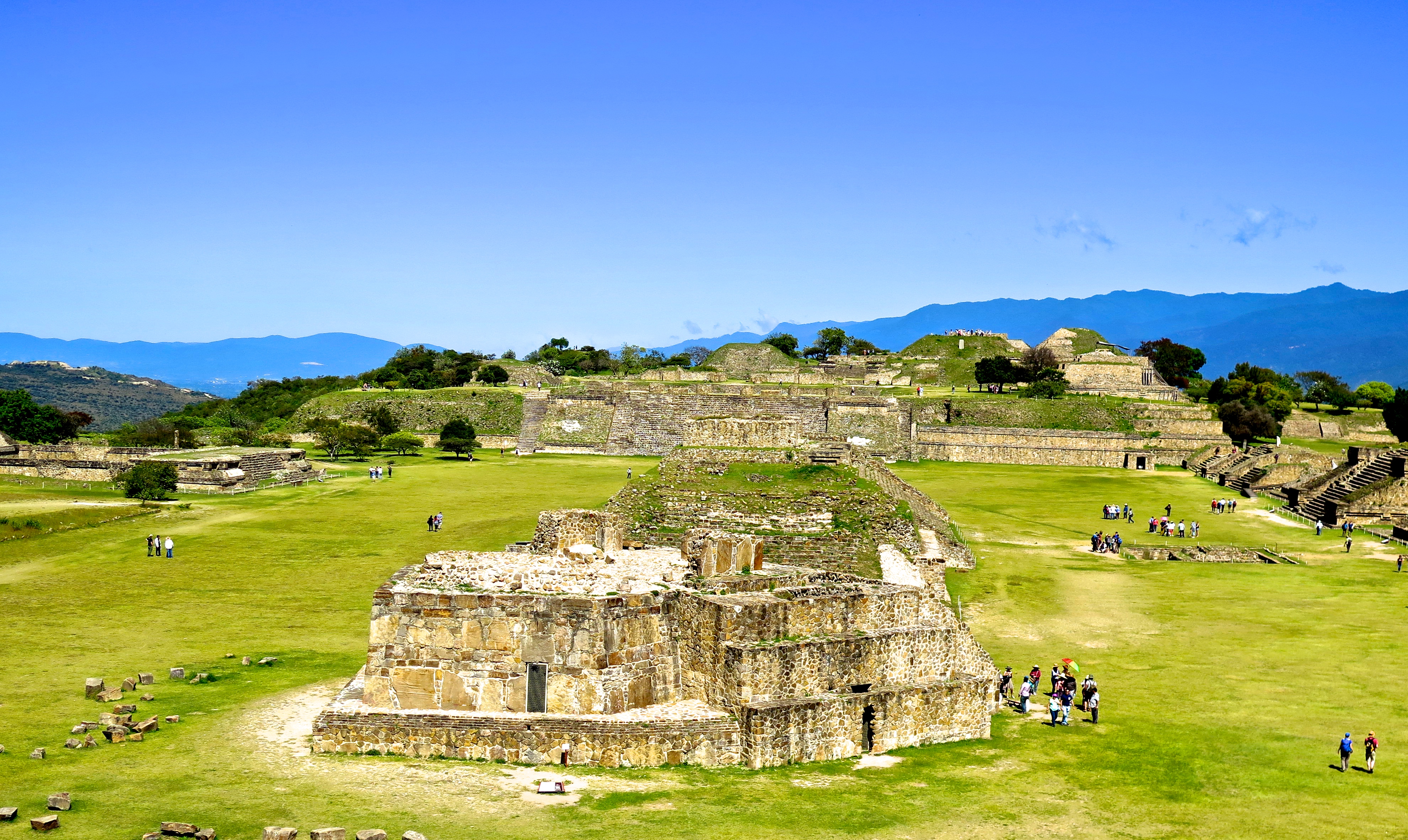
The ritual ball court at Monte Alban, the enormous Zapotec archeological site high above the city.

IMG_7819

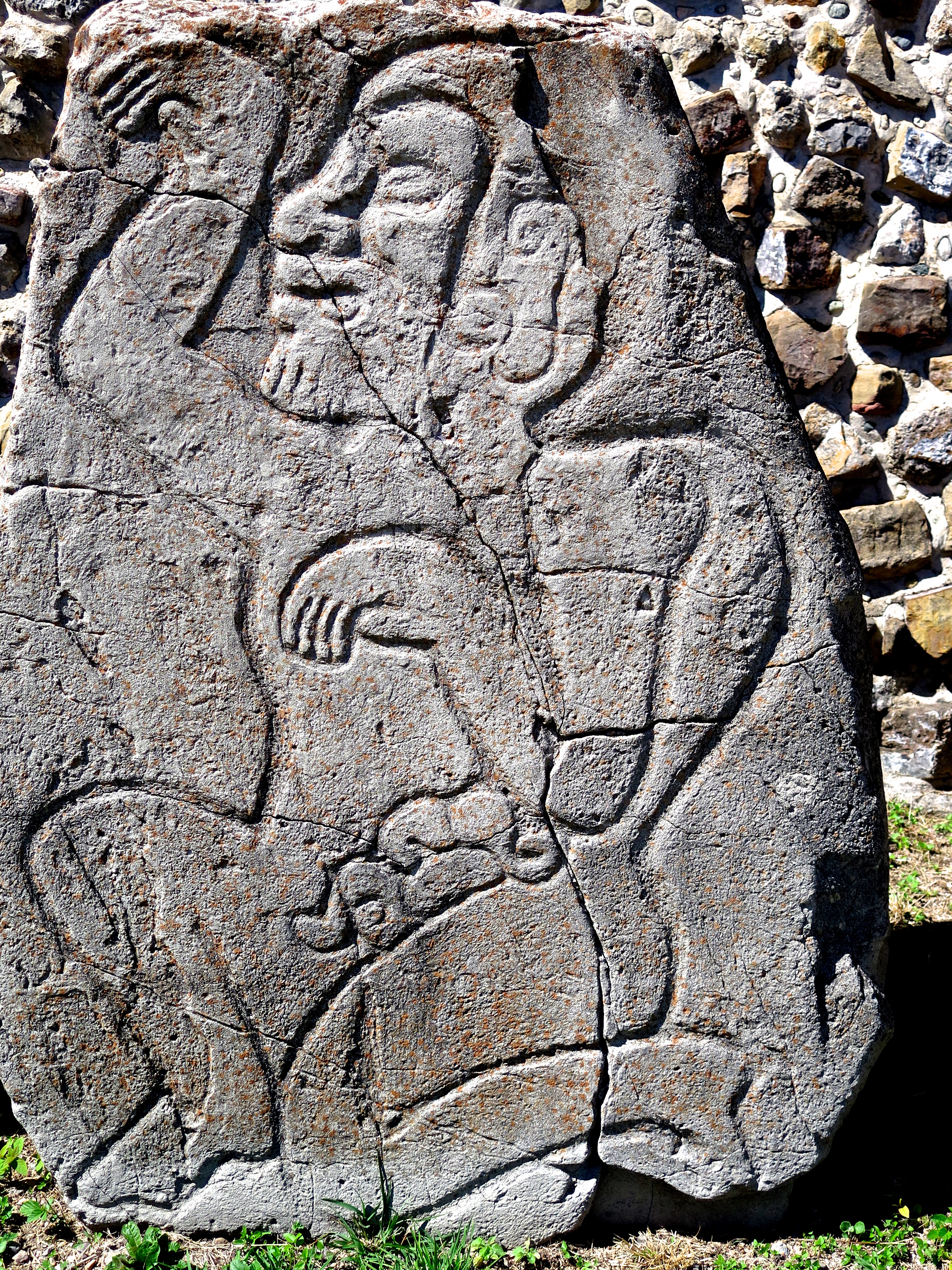
Many of the carvings include representations of human internal organs that seem to indicate a sophisticated knowledge of human anatomy.

IMG_7824

IMG_7825

Several football fields would fit in to this sacred site.

IMG_7830

IMG_7837

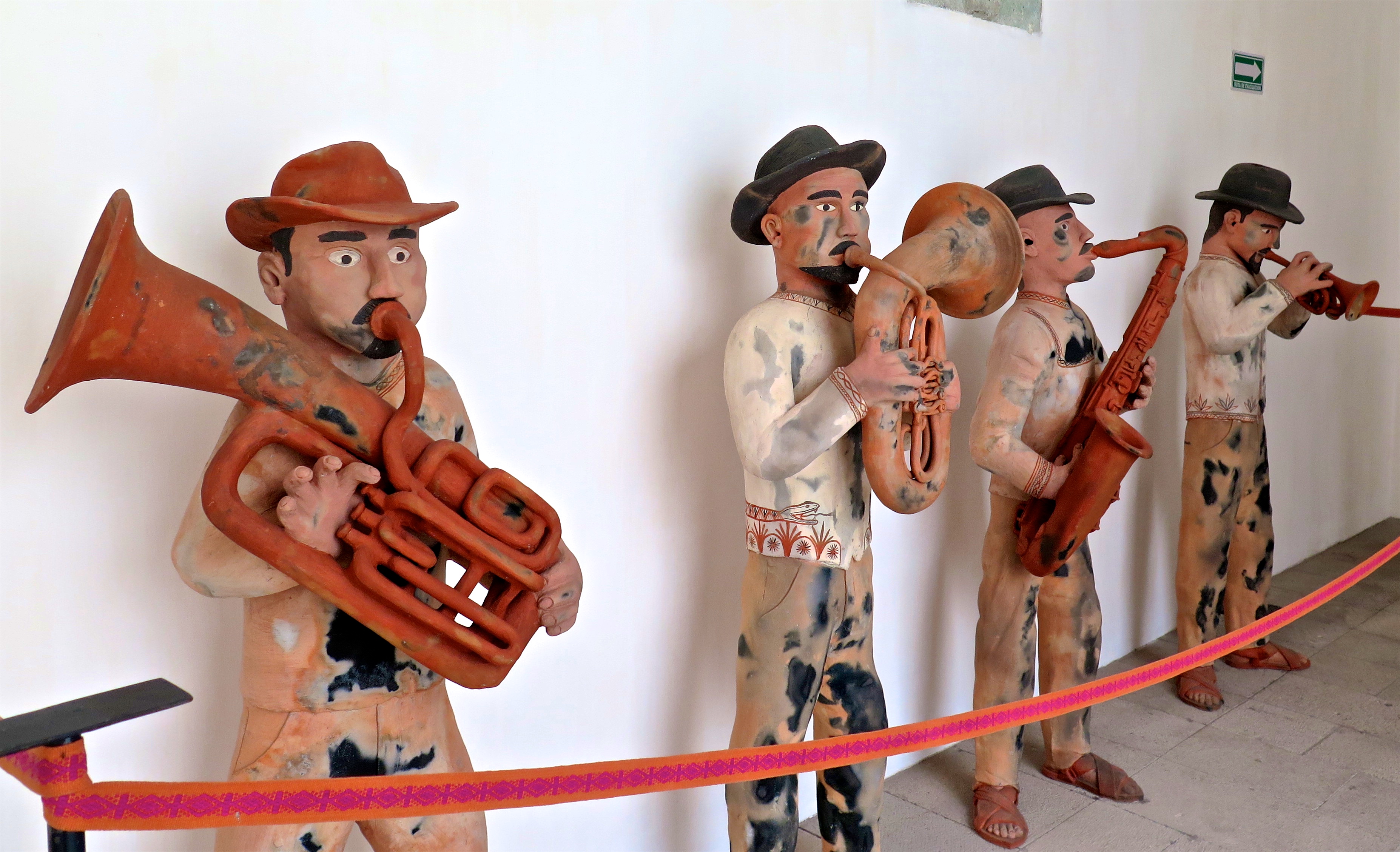
Back in the city we meandered through a varied collection of modern and historical crafts. Seems that two of the musicians failed to show up for this gig.

IMG_7843

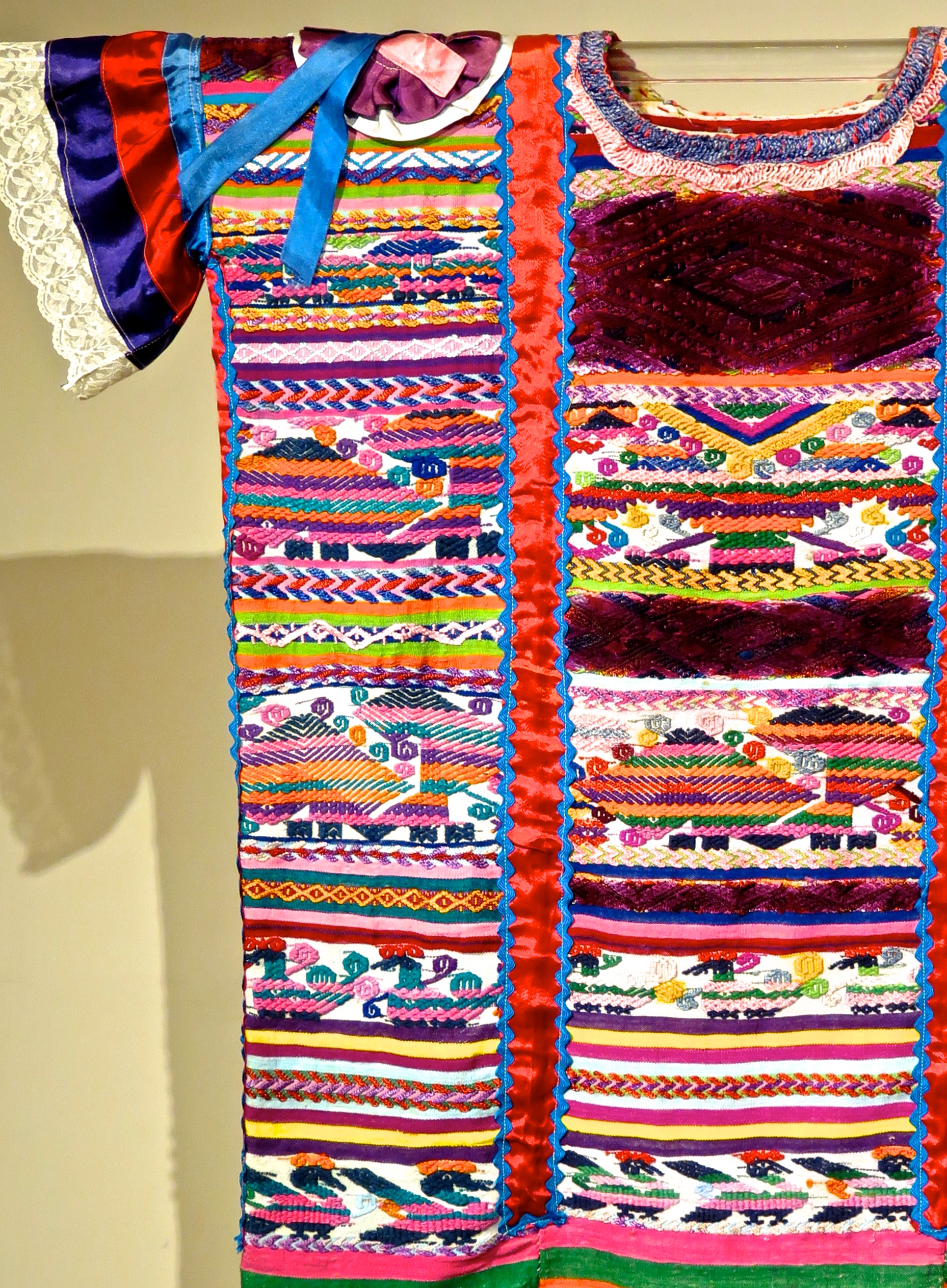
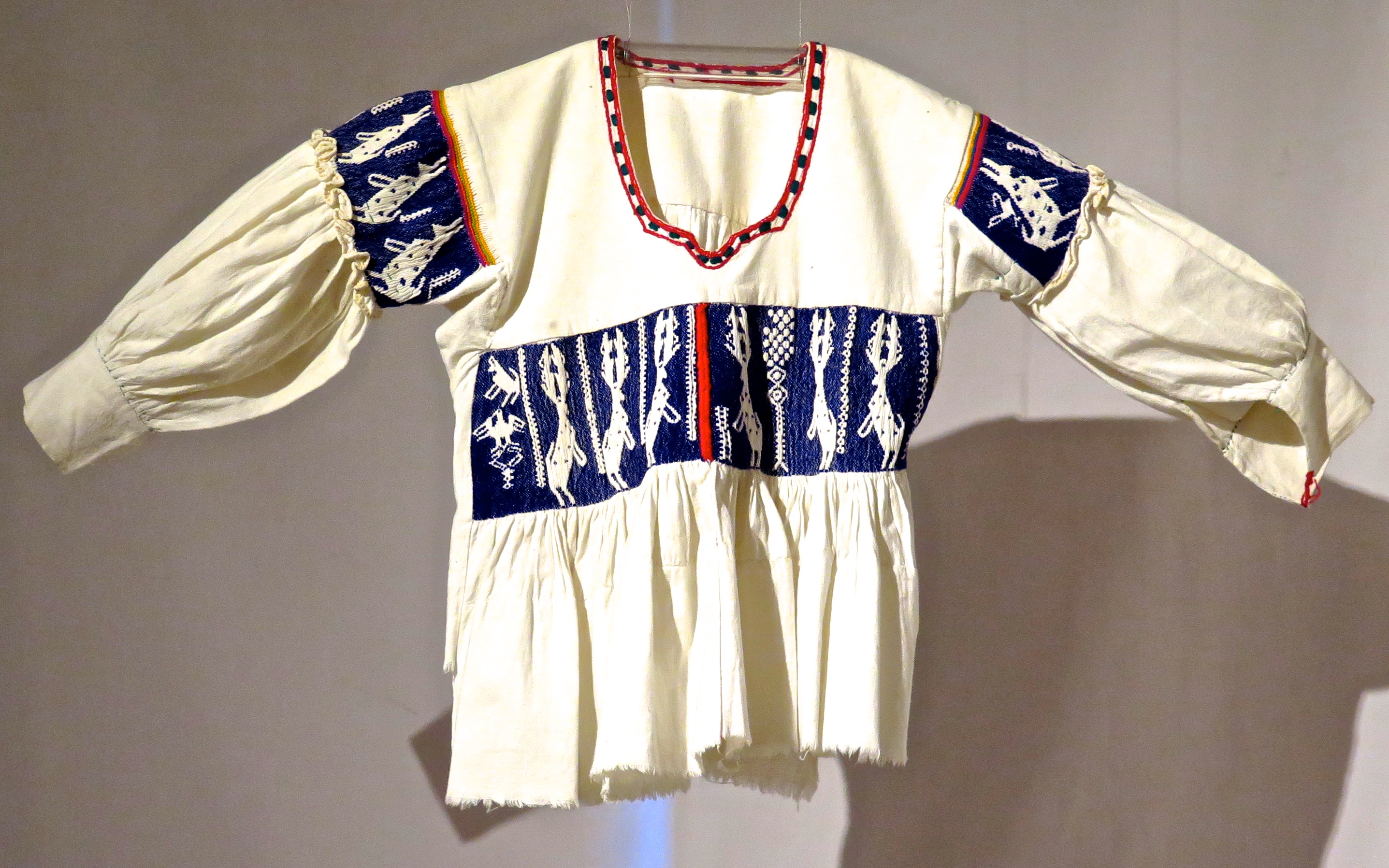
Traditional fabric arts are vibrantly alive in Oaxaca, as they are in many parts of Mexico, including our area.

IMG_7844

IMG_7849

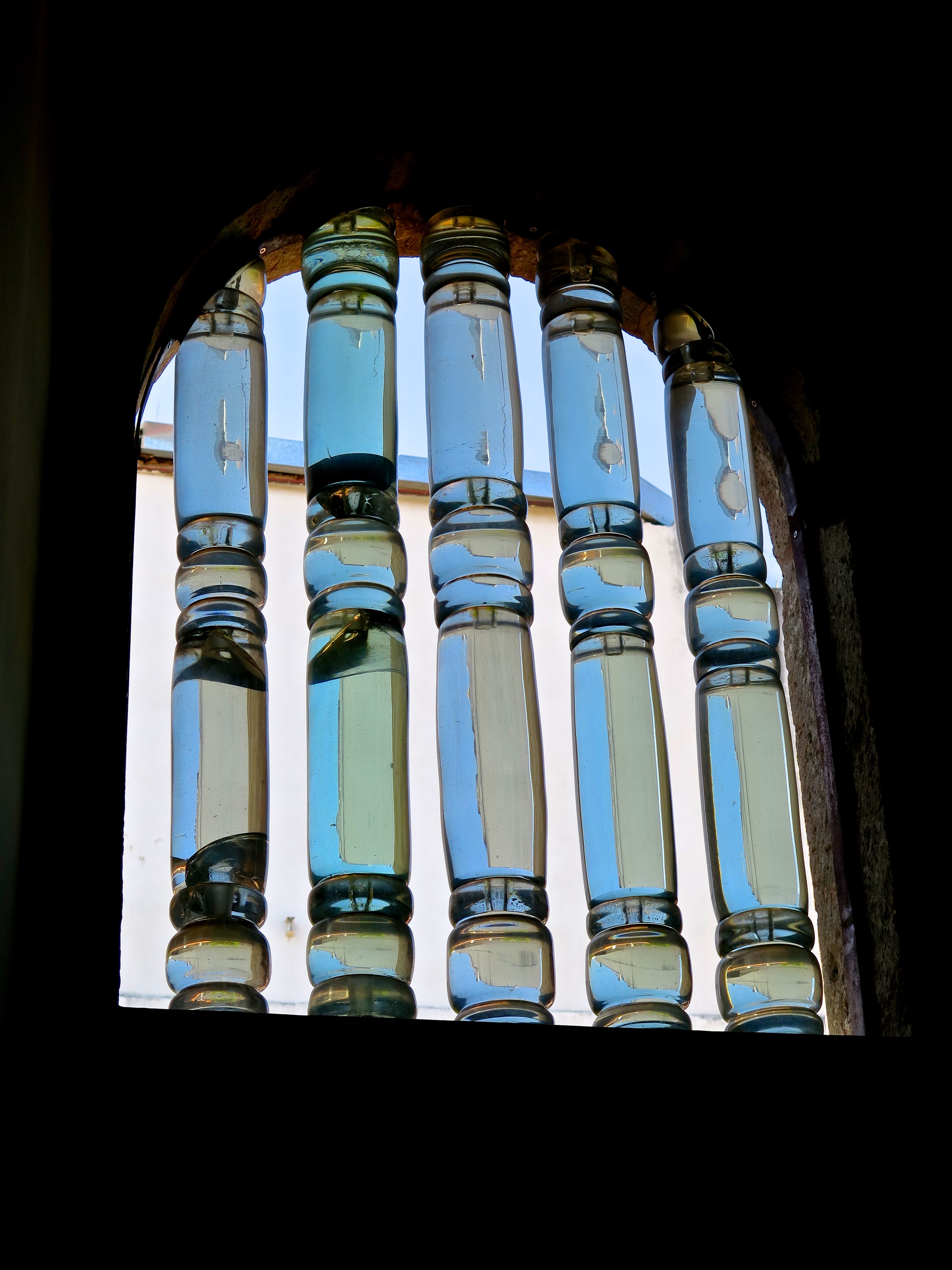
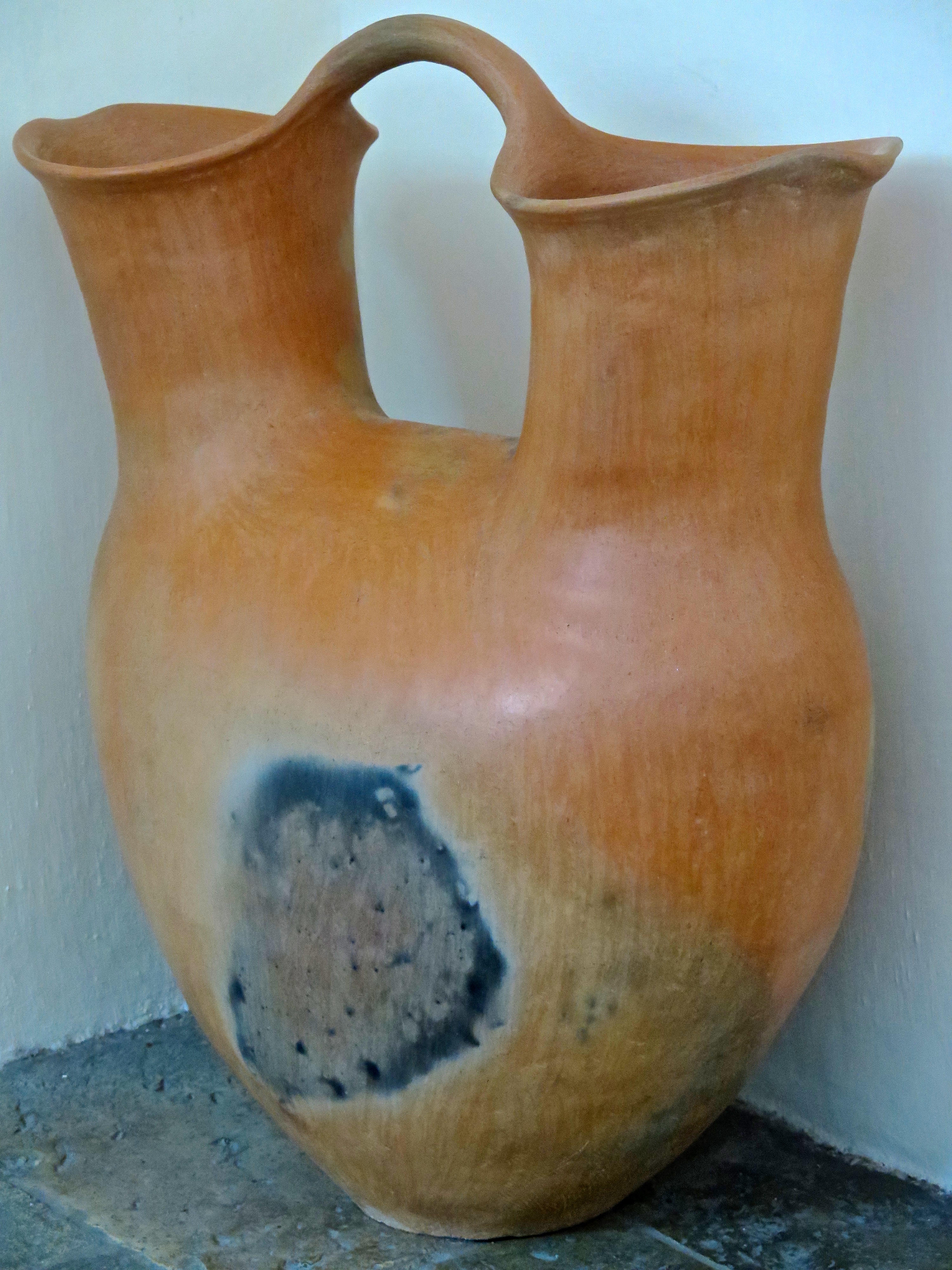
The bars in this window are made of glass the color of which changes throughout the day.  Beautiful works in glass  and clay are seen throughout Mexico.

IMG_7856

IMG_7853

IMG_7855

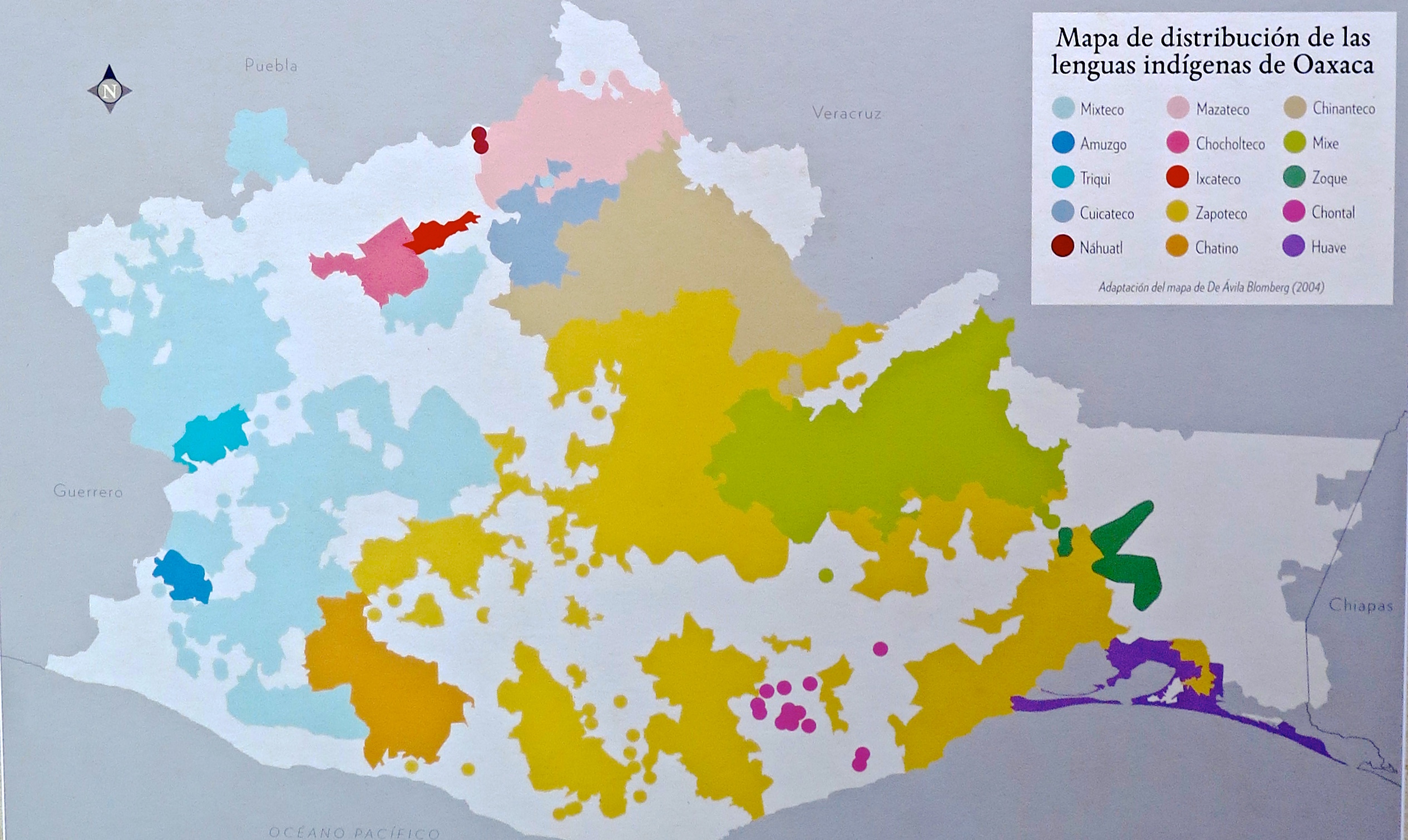
This map shows where 15 different indigenous languages are still spoken in the state of Oaxaca.

IMG_7905

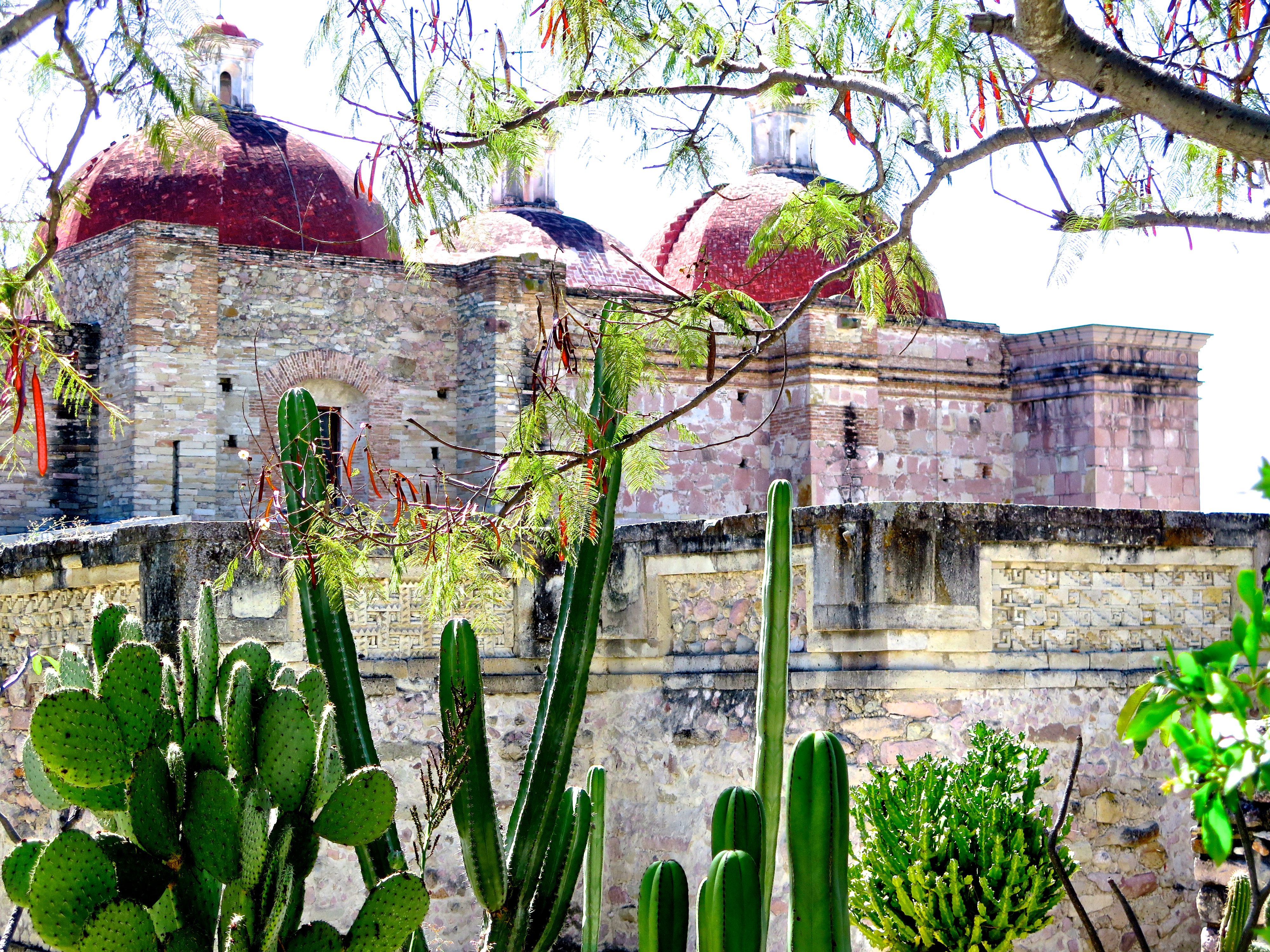
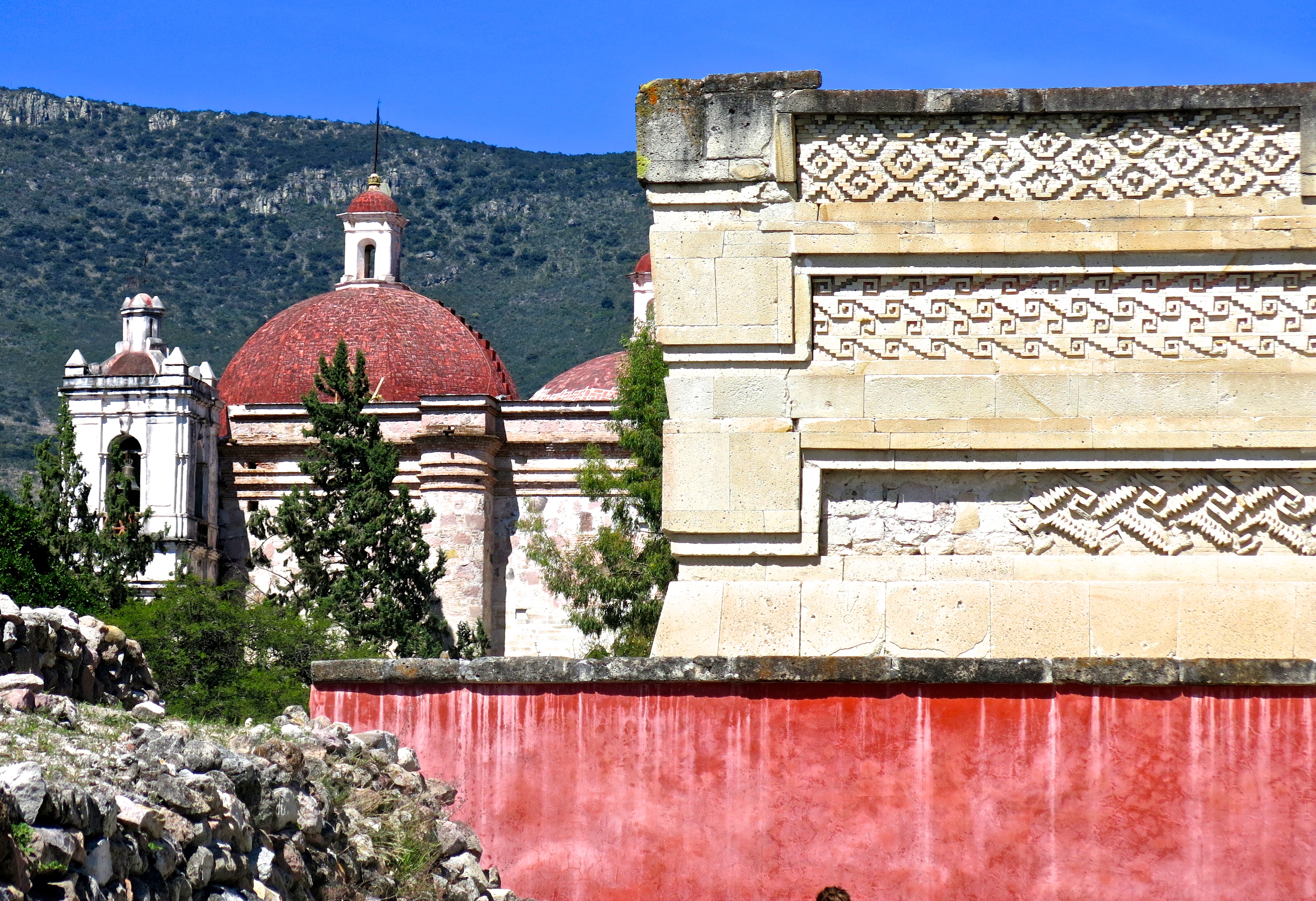
Mitla is an unusual example of the Spanish building a church next to ancient indigenous structures without destroying them.

IMG_7760 2IMG_7914

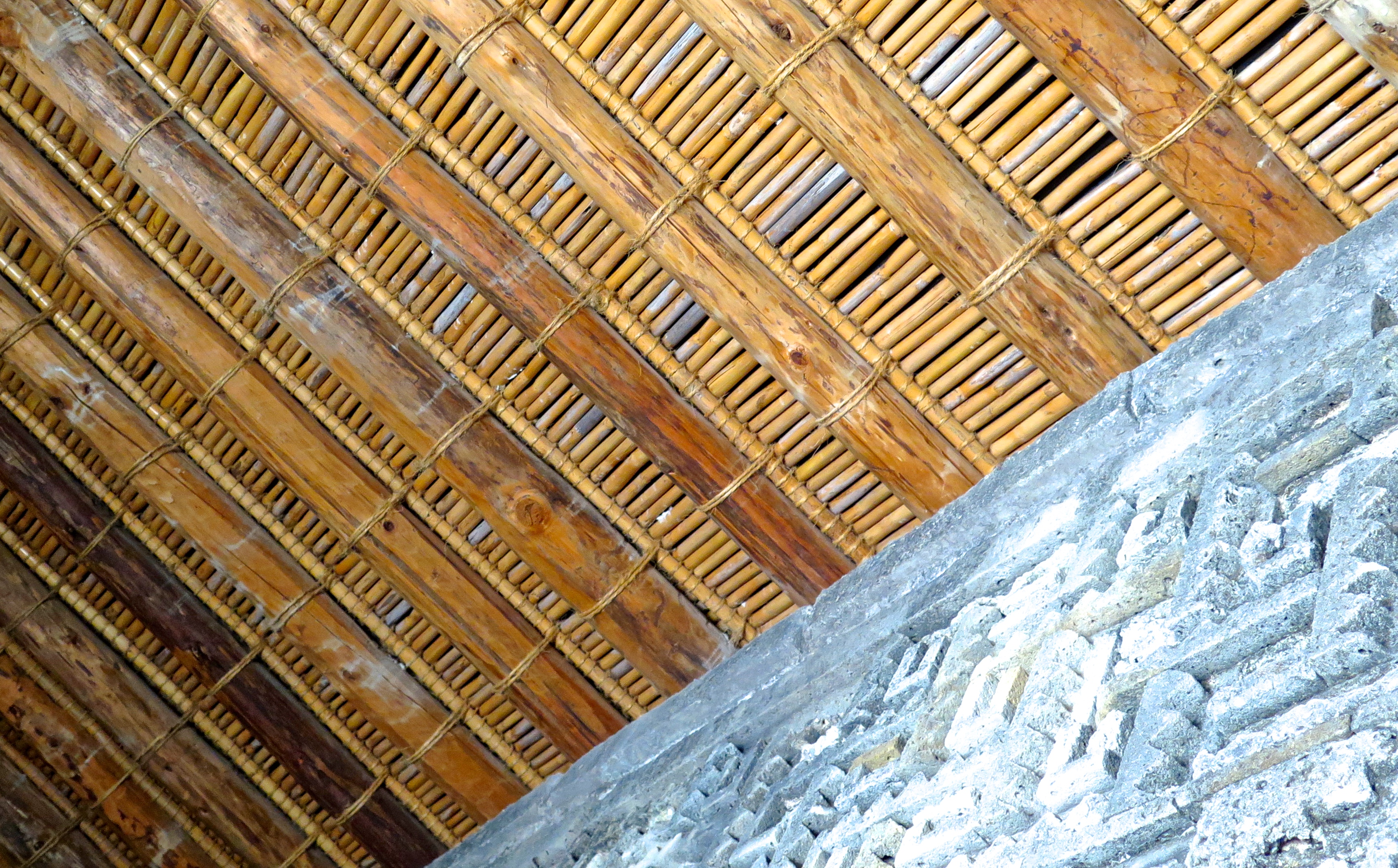
A local craftsman with knowledge of the ancient structure was able to re-create the     roof of this sanctuary.

IMG_7861

The huge plaza outside the main cathedral is bustling day and night.

IMG_7869

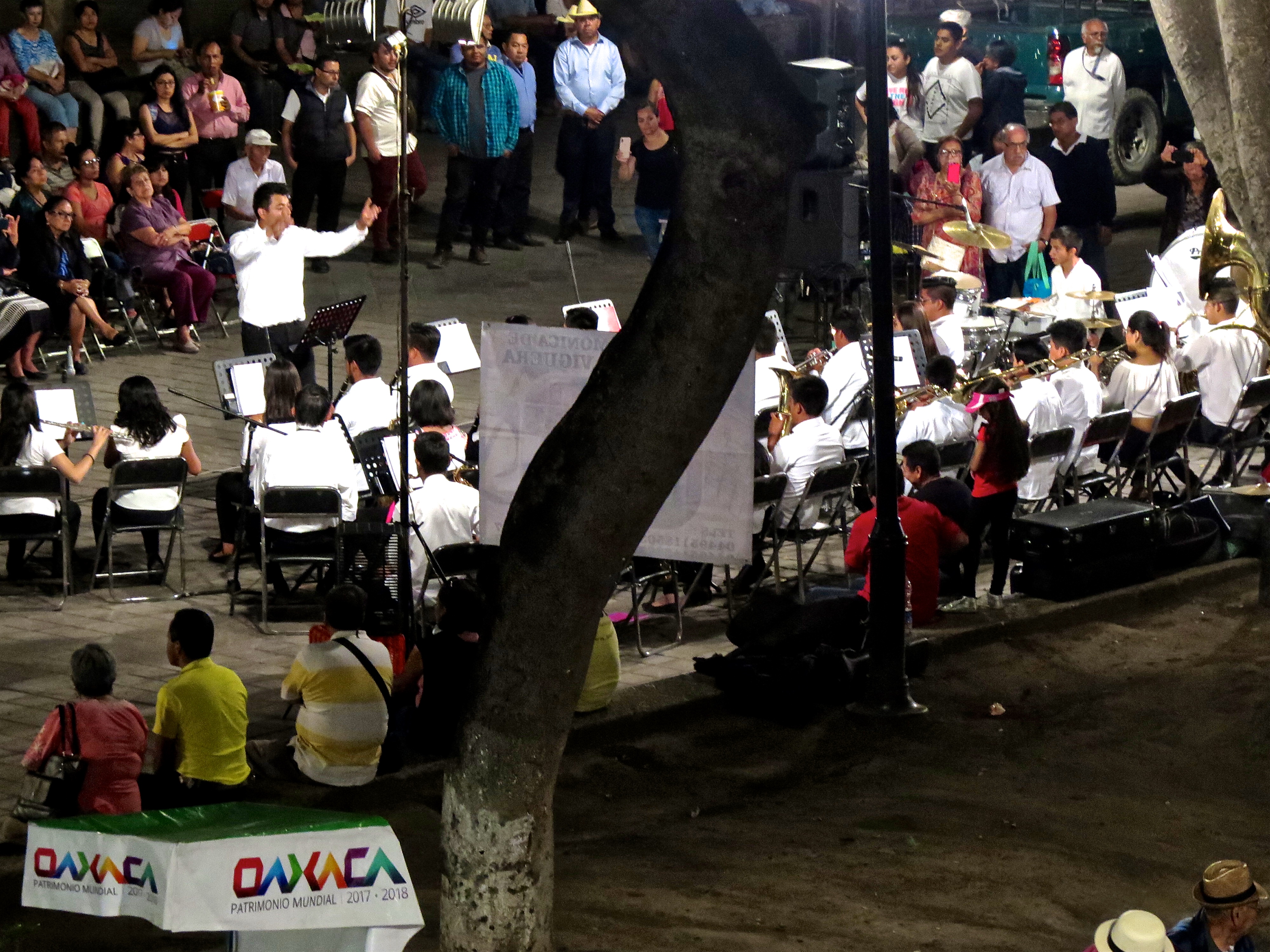
A view of the excellent youth orchestra that entertained us while we ate dinner in a restaurant above the plaza. Mexico abounds with all kinds of artistic talent.

IMG_7880

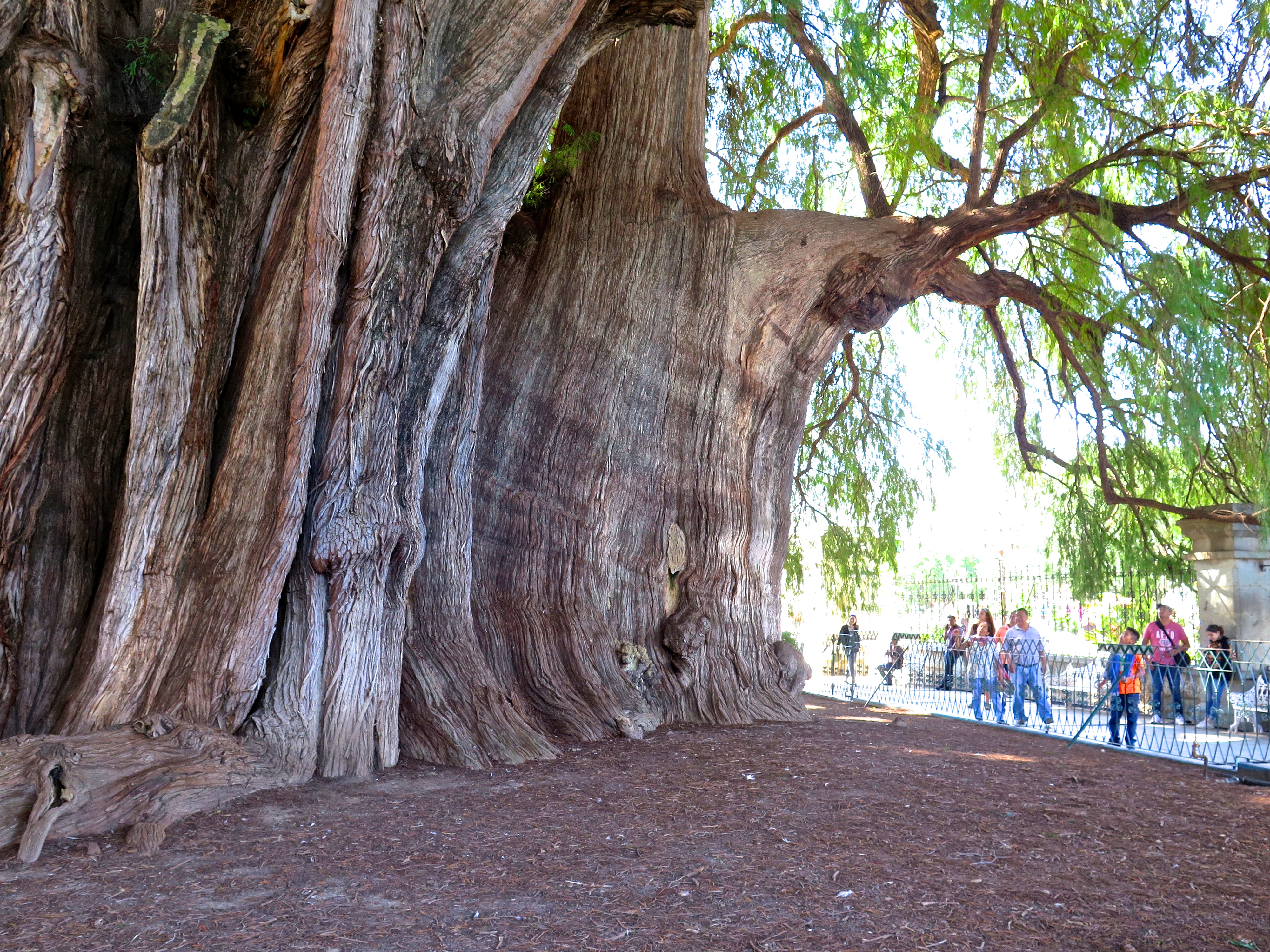
A church in the town of Tule that is famous for a 2,000 year old tree that is claimed to have the largest trunk in the world.
IMG_7879

IMG_7882

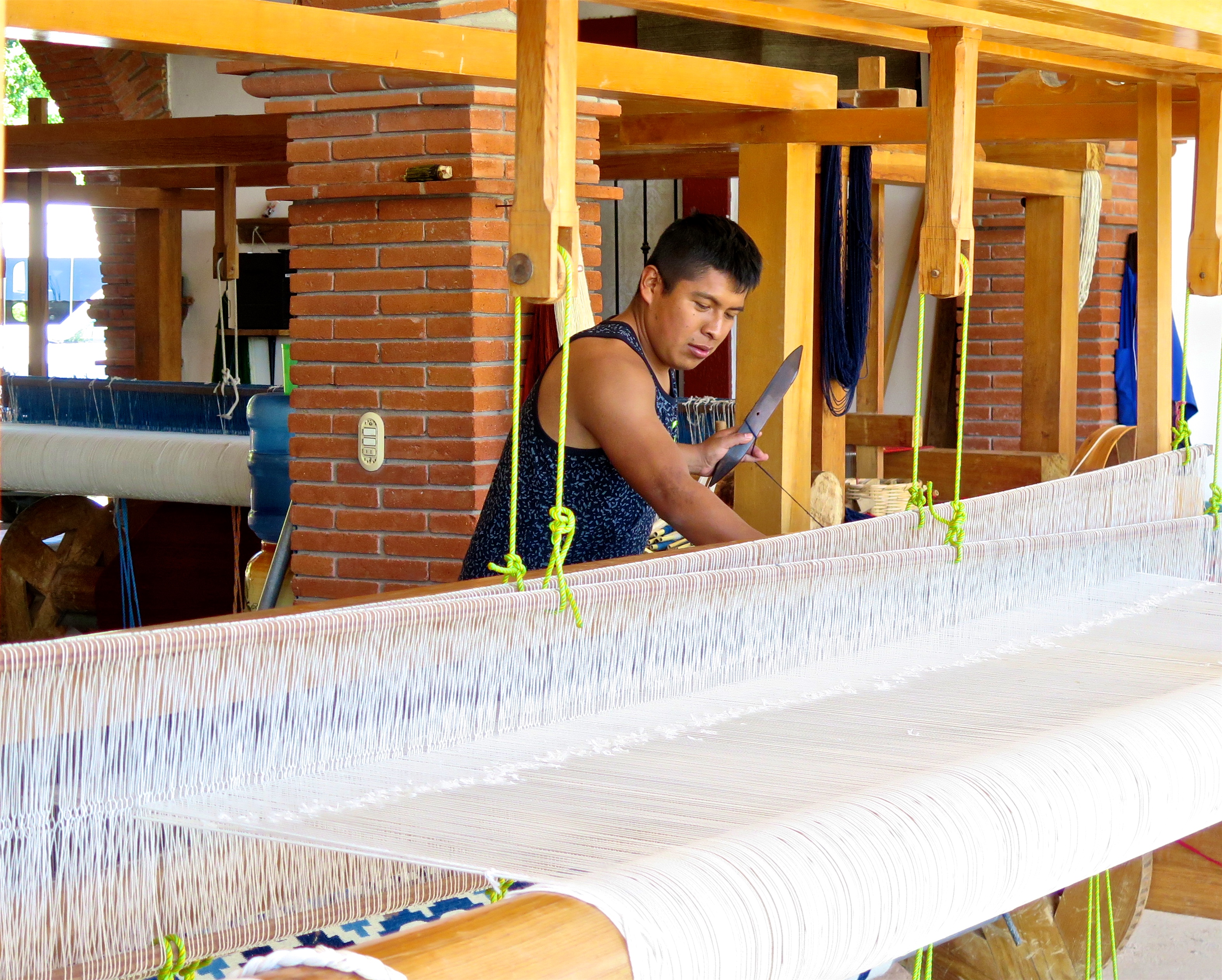
A weaver beginning a commissioned rug that will take 4.5 months to complete.
IMG_7883

Another member of the weaving family demonstrated the natural ingredients used to create dyes with vibrant colors.

IMG_7887

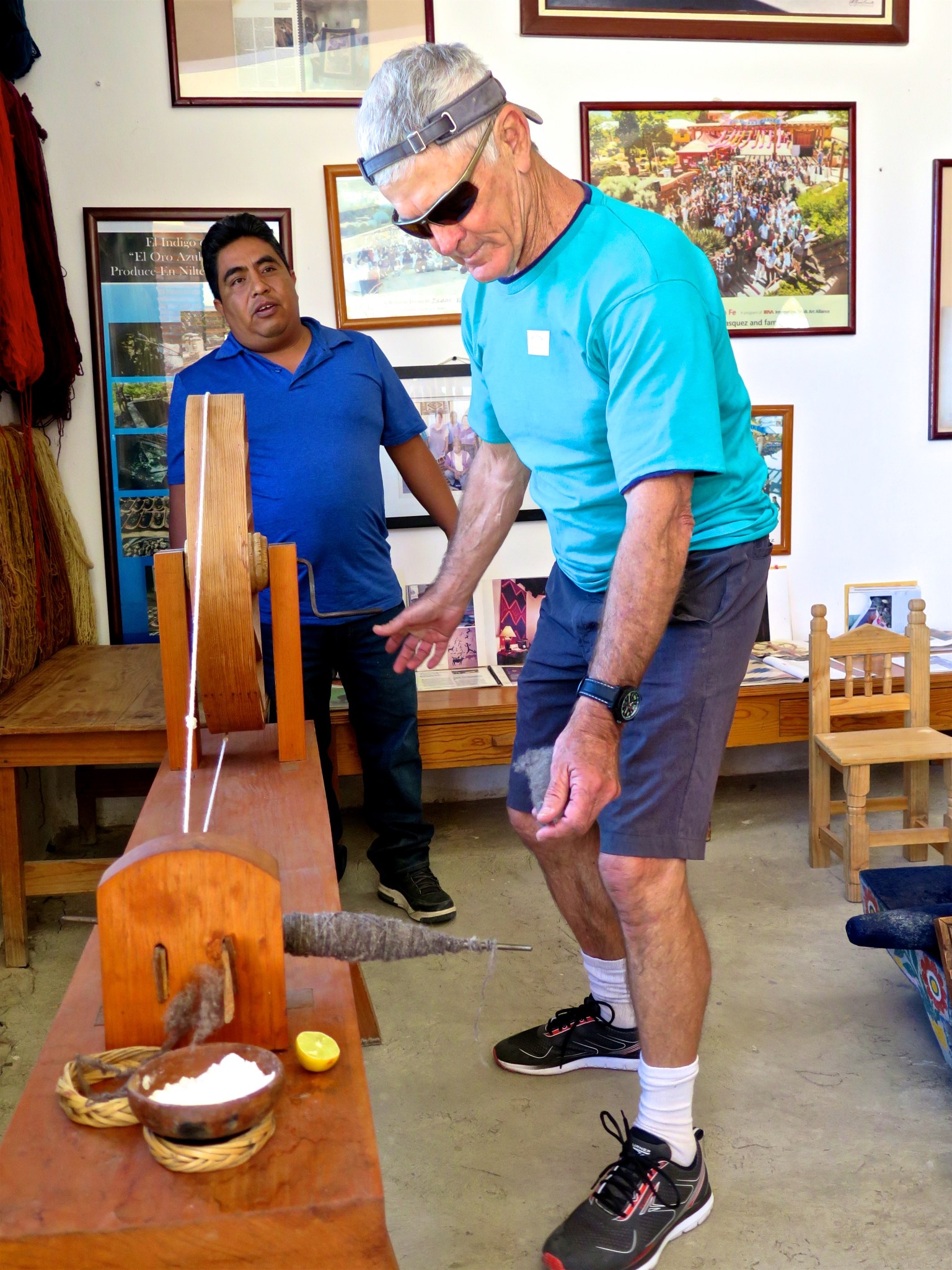
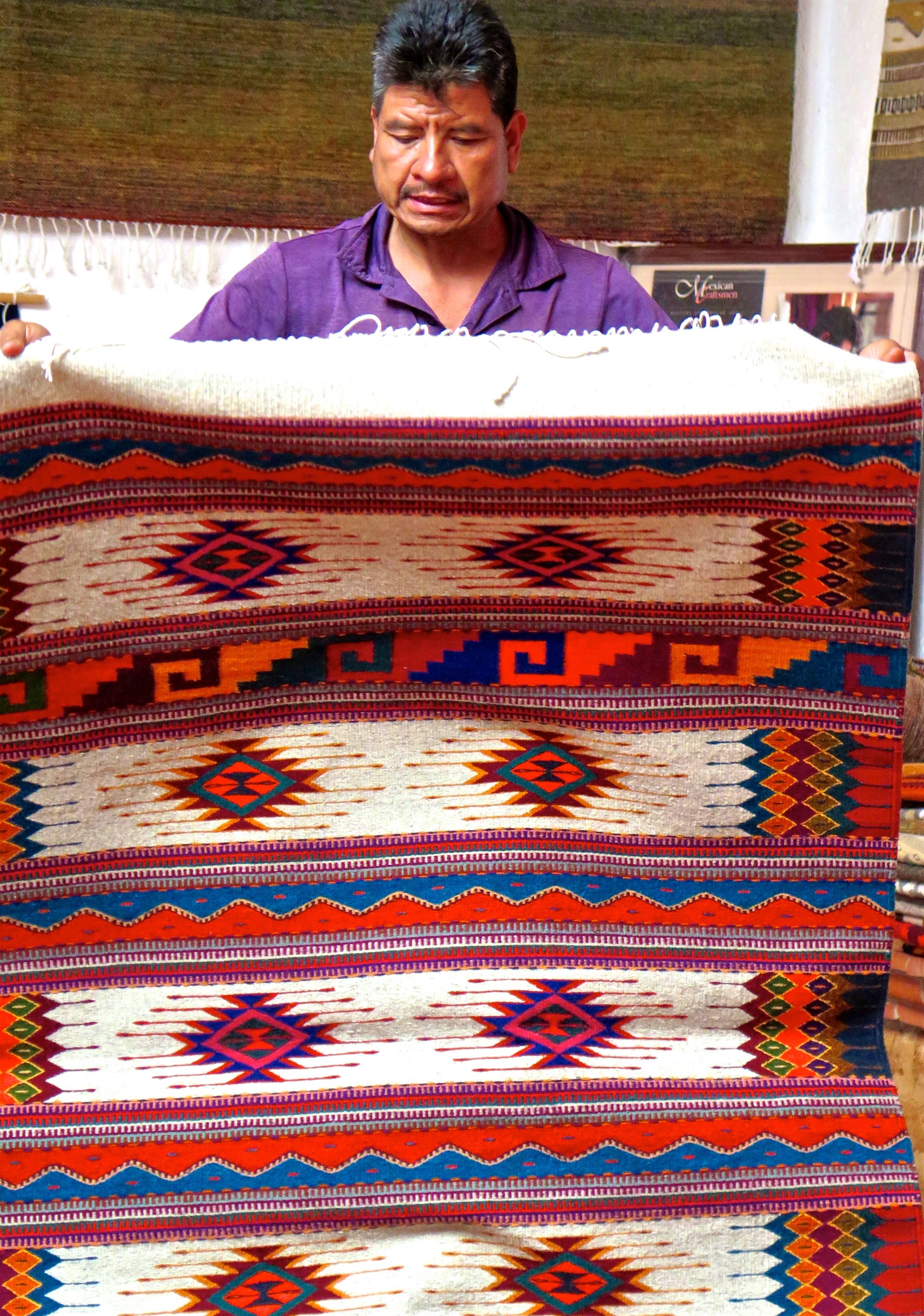
Kim learning to spin the thread that will be dyed and then woven into the gorgeous patterns below.

IMG_7900IMG_7903

IMG_7923

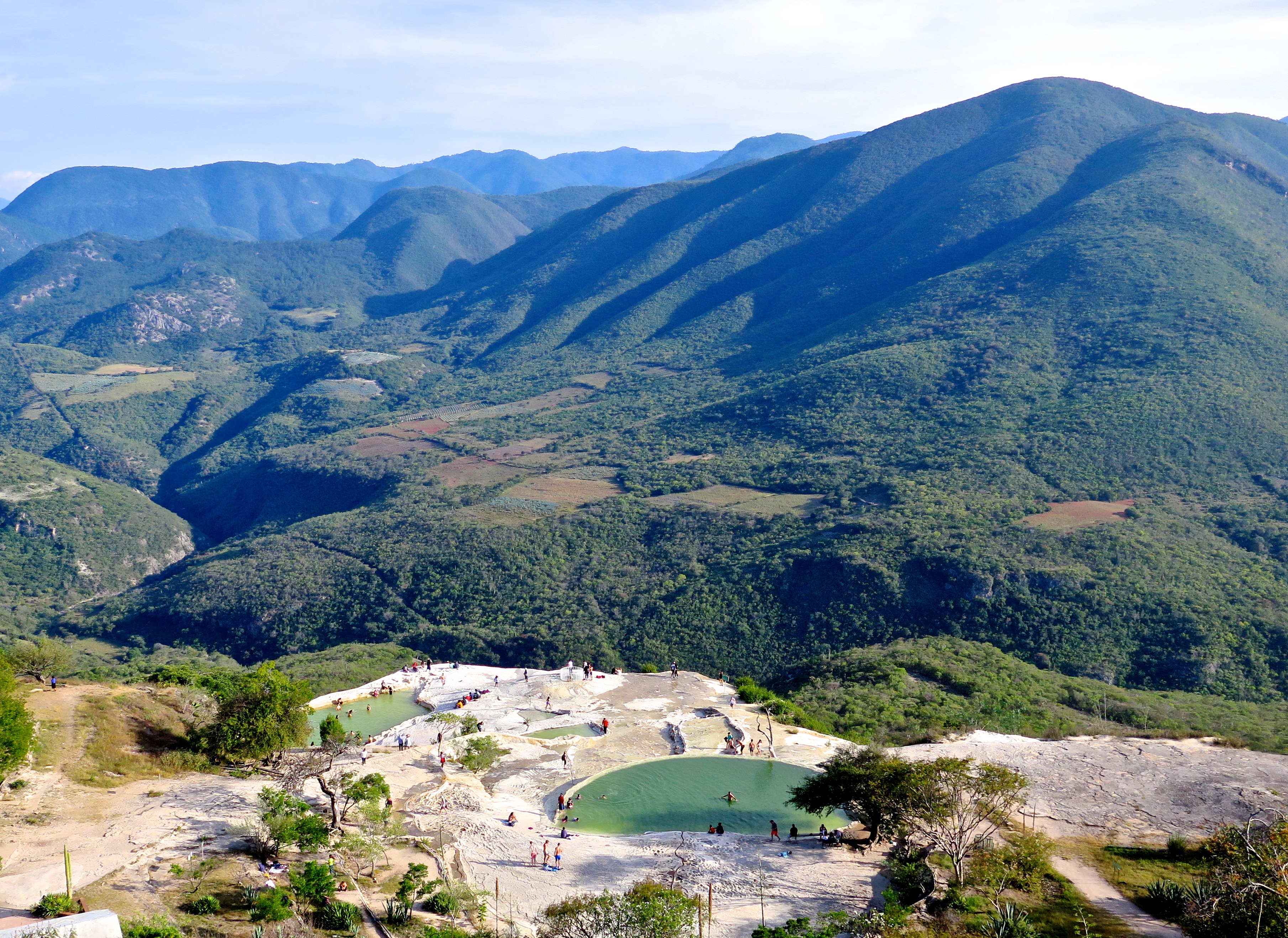
Hot spring-fed pools outside of Oaxaca City.

IMG_7929

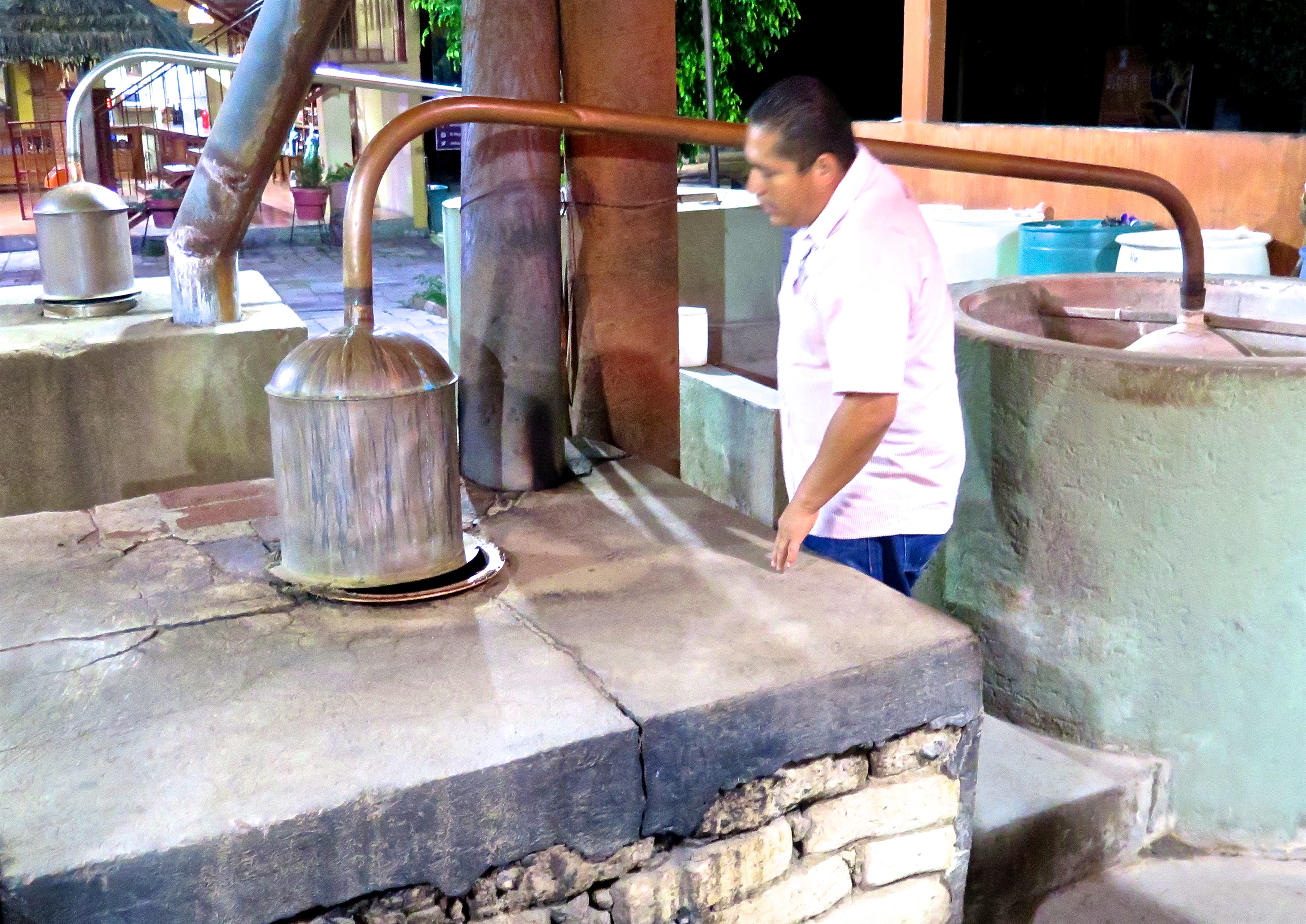
A small family distillery that turns agave plants into mezcal, a local version of tequila. As with the wines of France, the name tequila can be legally used only for the liquor that is distilled in certain parts of the state of Jalisco.

IMG_7756

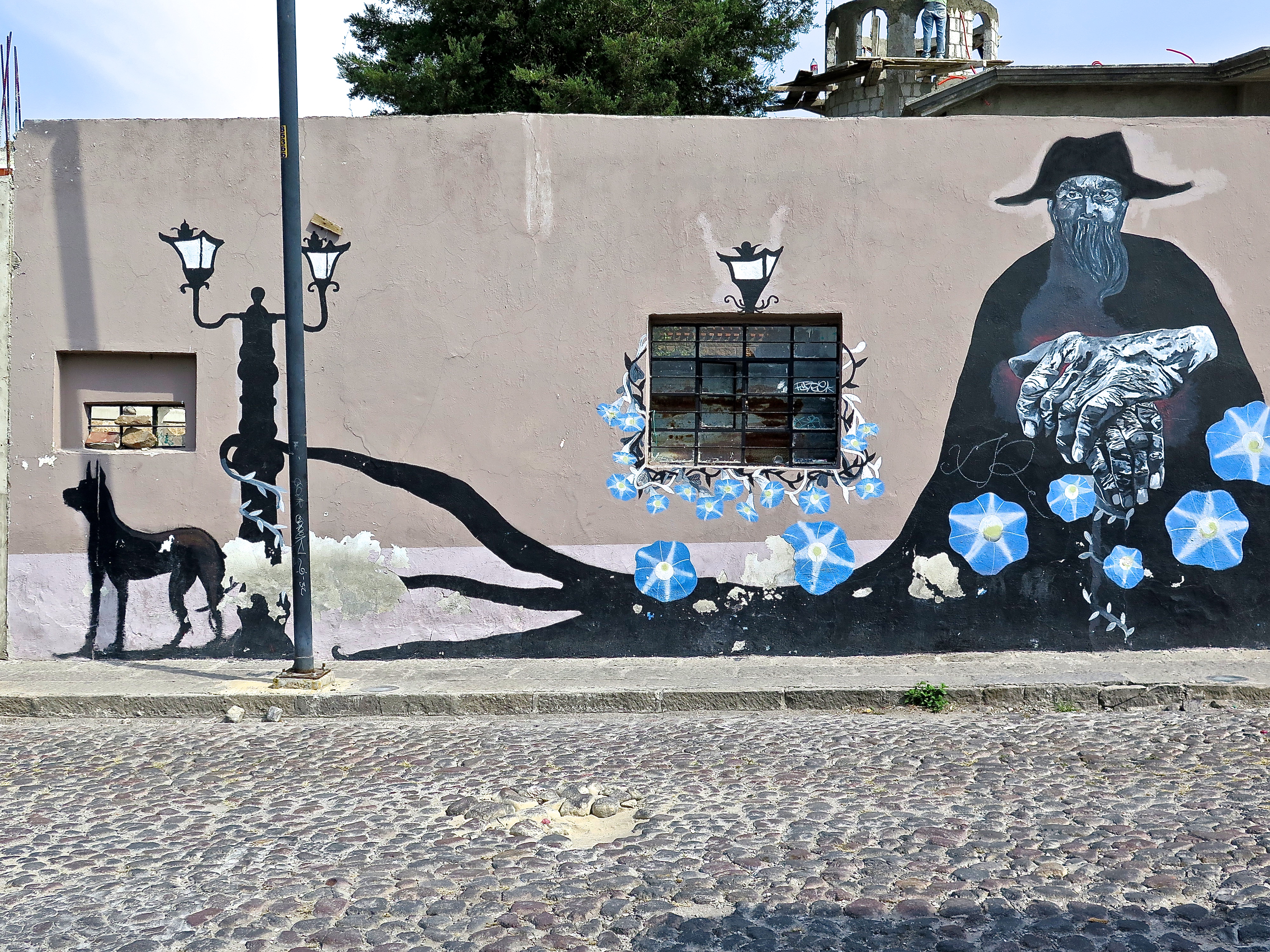
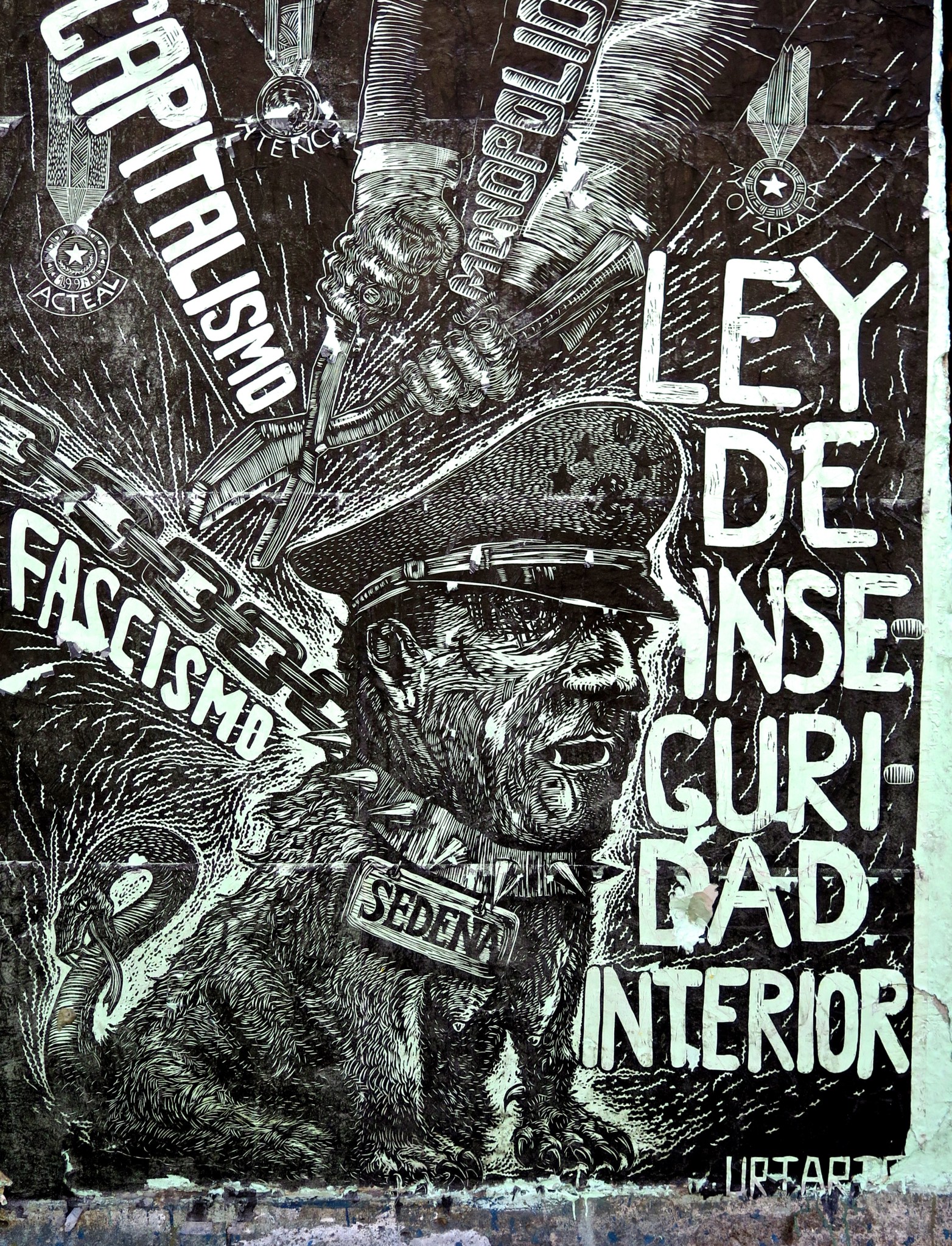
An exterior wall mural with signs of an unfinished revolution. 

IMG_7760

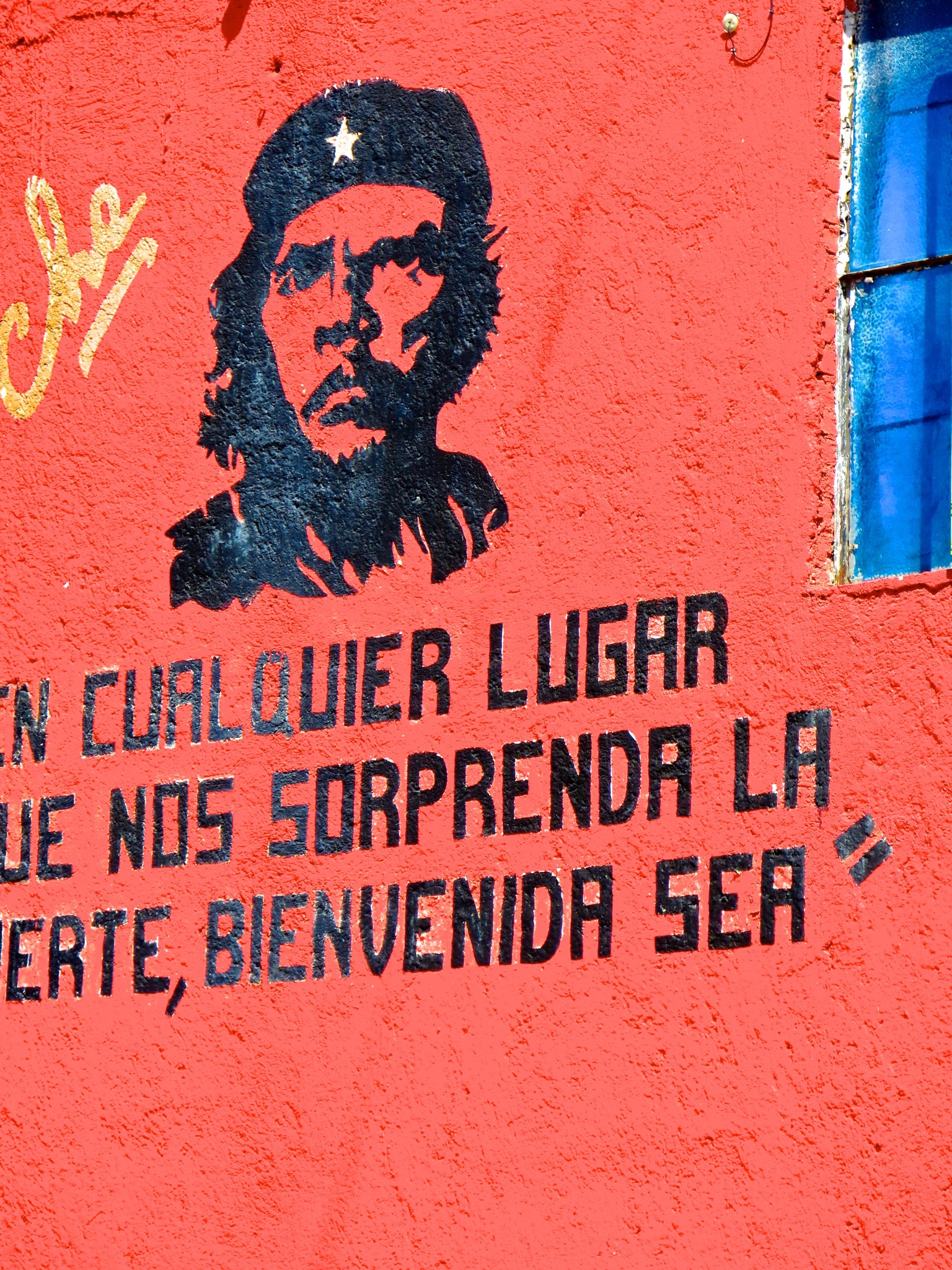
This image of Che was painted on the wall of the house next to our apartment.

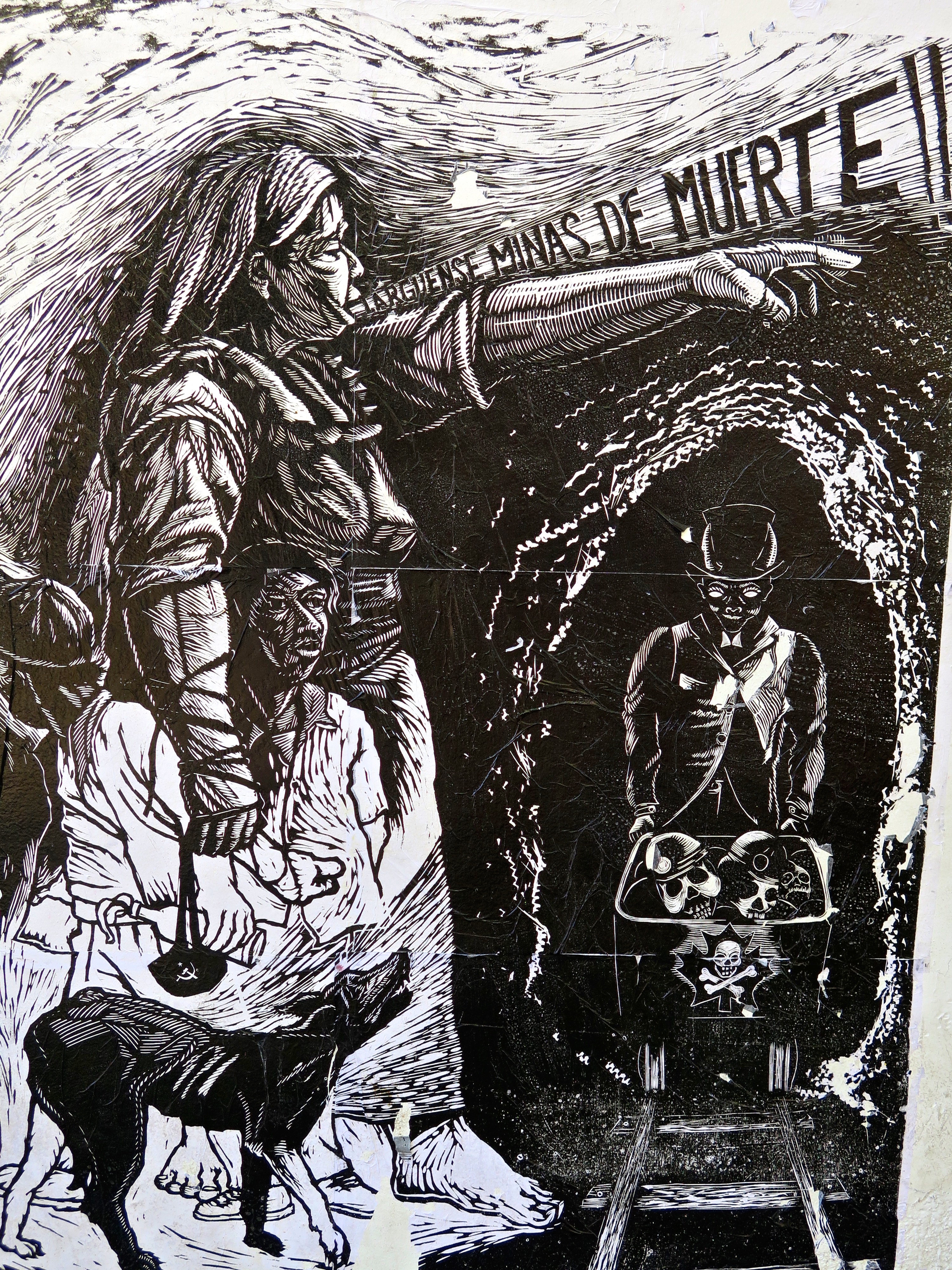
IMG_7766                                      This mural speaks of death in the mines.

IMG_7704

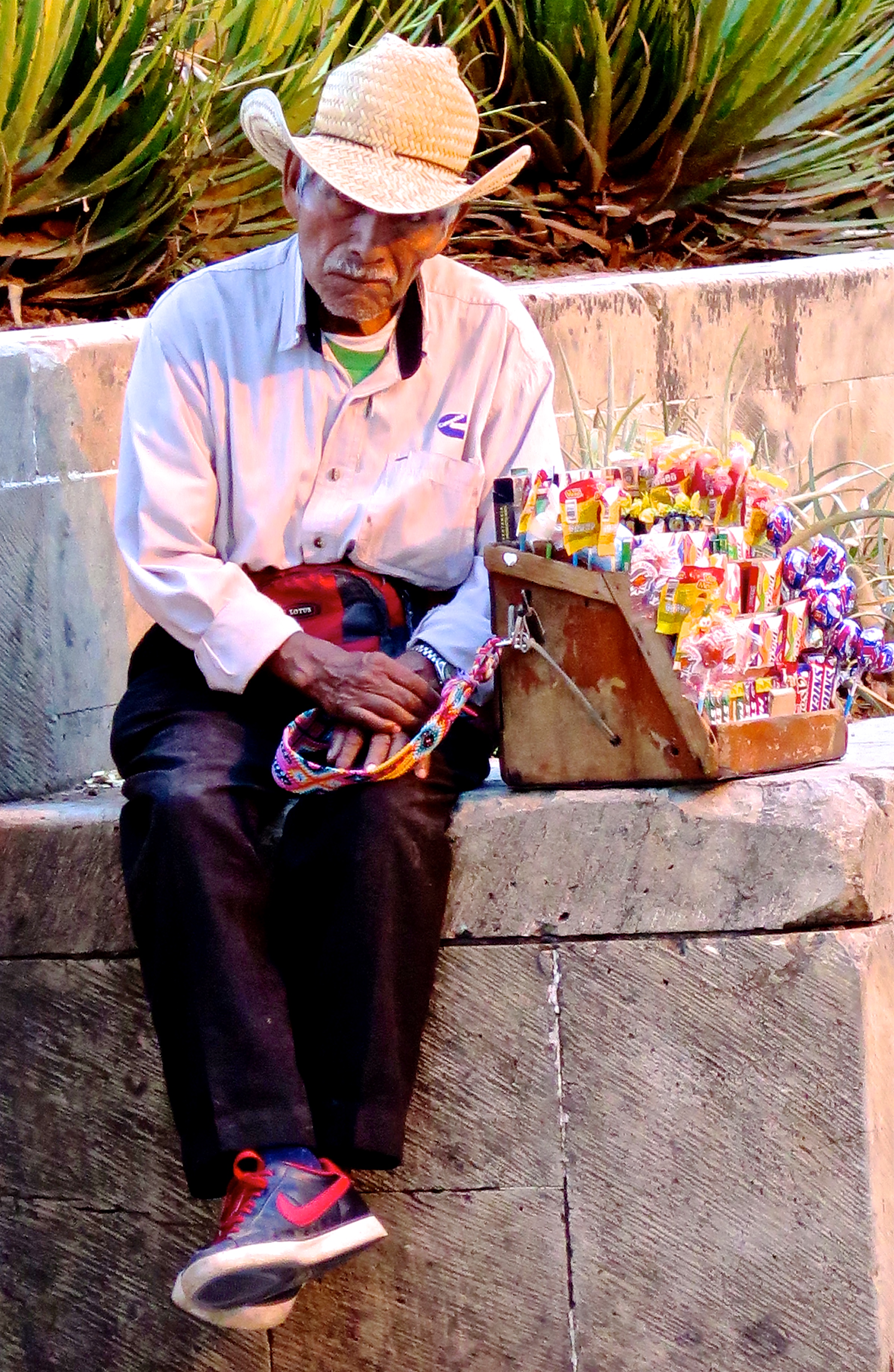
An elderly vendor patiently waits for customers in the plaza.

Christmas Holidays in Mexico City

We began our holiday celebration at a first-rate rendition of The Nutcracker (El Cascanueces) by the marvelous Jalisco State Ballet at the Degollado Theater in Guadalajara. Not long after we headed, by double decker luxury bus, to Mexico City with our friends Catherine & Allan Stephenson. Mexico City is enormous with population estimates of up to 25 million residents, the more affluent of which leave for the beaches between Christmas and the new year, making it much easier to move around. Out of more than 200 fotos Barbara and I selected the following to give some idea of the wealth of experiences that Mexico City offers, including more than 150 museums and countless restaurants and other attractions. We were on the go constantly for a week and barely scratched the surface of this exciting city. For those who would like to see and learn more about what we saw in Mexico City click on the link to Allan Stephenson’s blog. Allan is a very talented painter and photographer and gives excellent historical information.  travelnotes.allanstephenson.com

IMG_5775

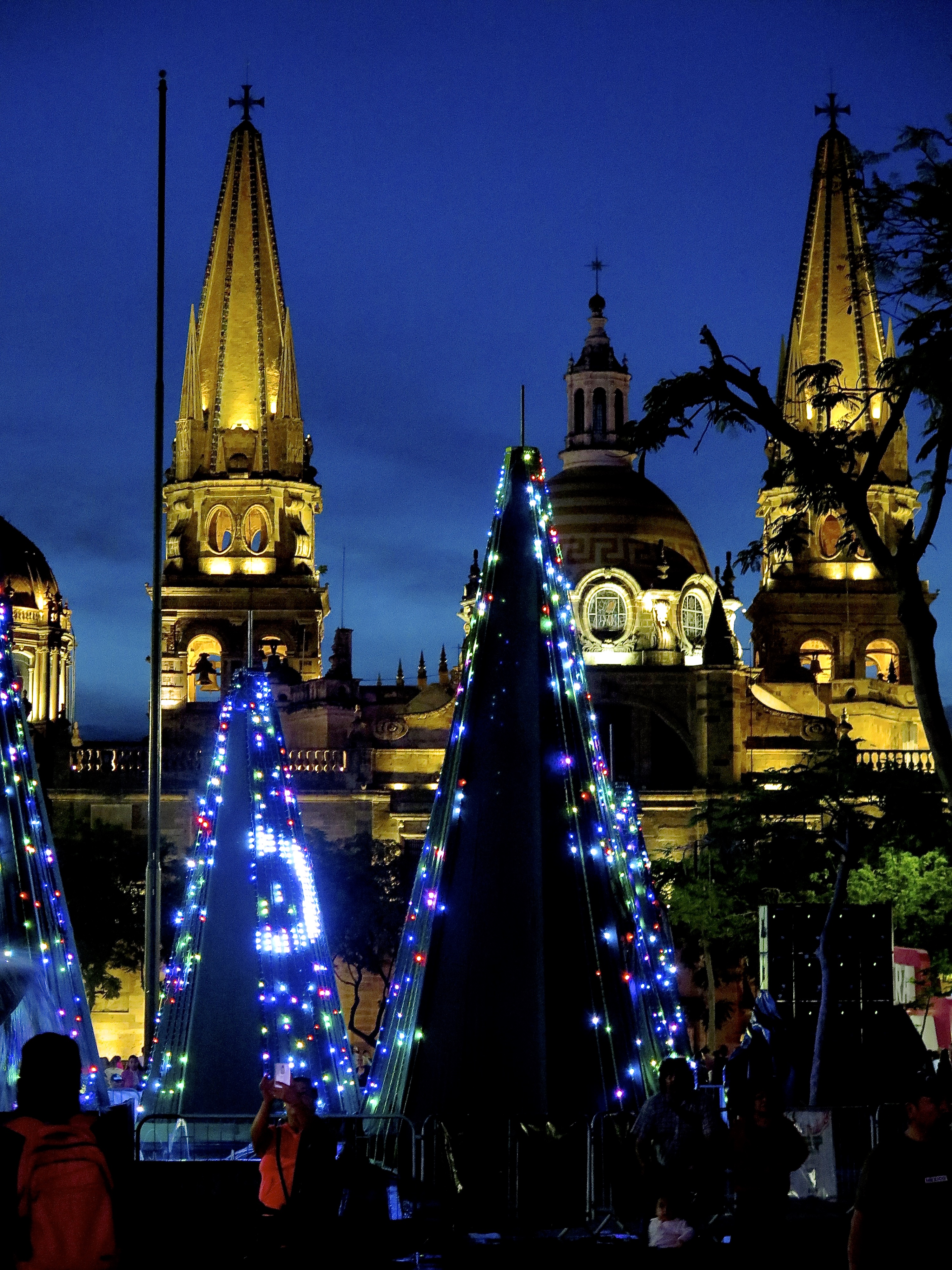
The Plaza de la Liberacion with the Guadalajara Cathedral in the background

IMG_5774

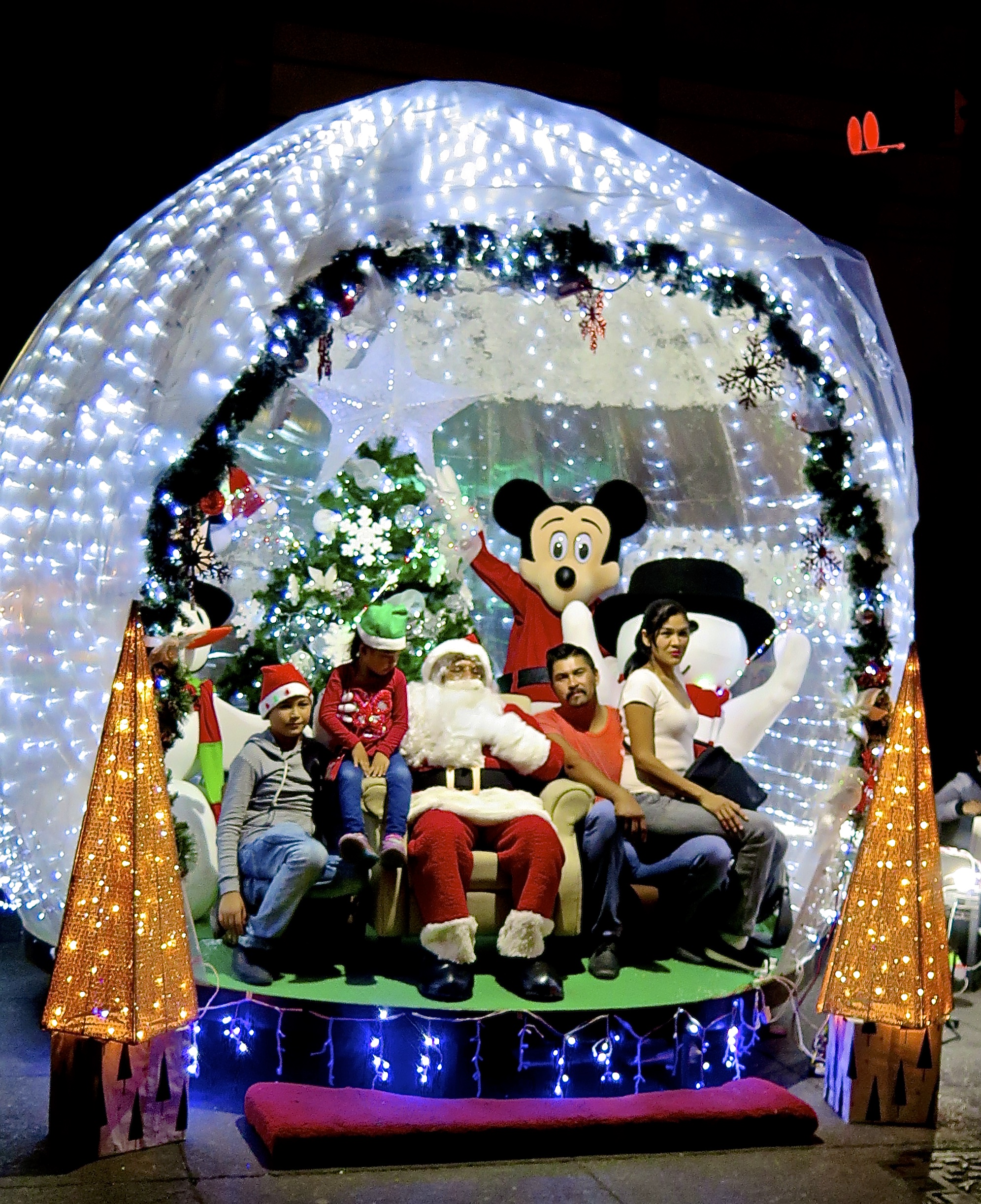
A family visiting Santa in his dazzling shrine outside the Degollado Theater, Guadalajara

IMG_5786

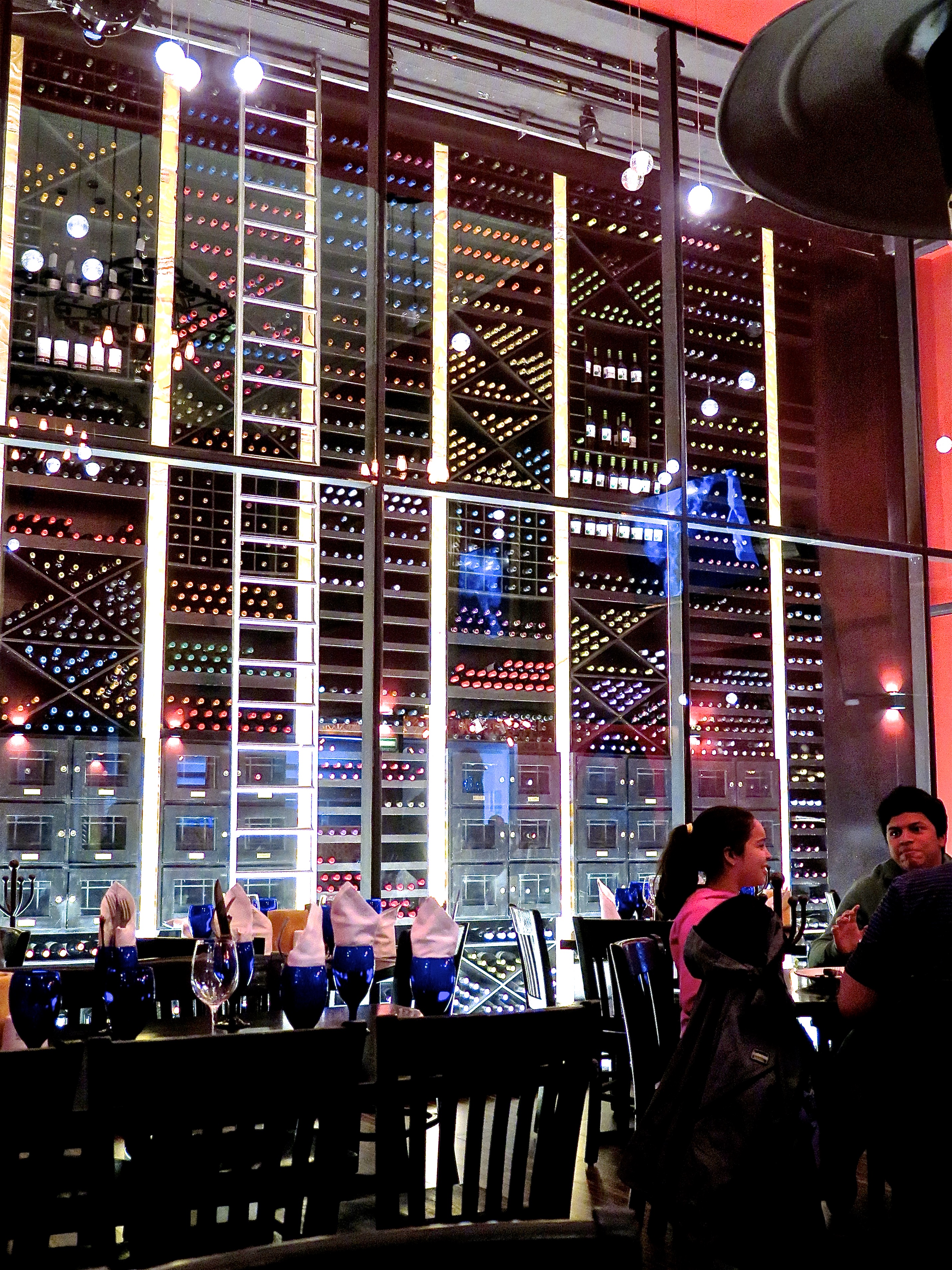
Our first meal in Mexico City was at this Brazilian restaurant that featured a hi-tech wine cellar
IMG_5796

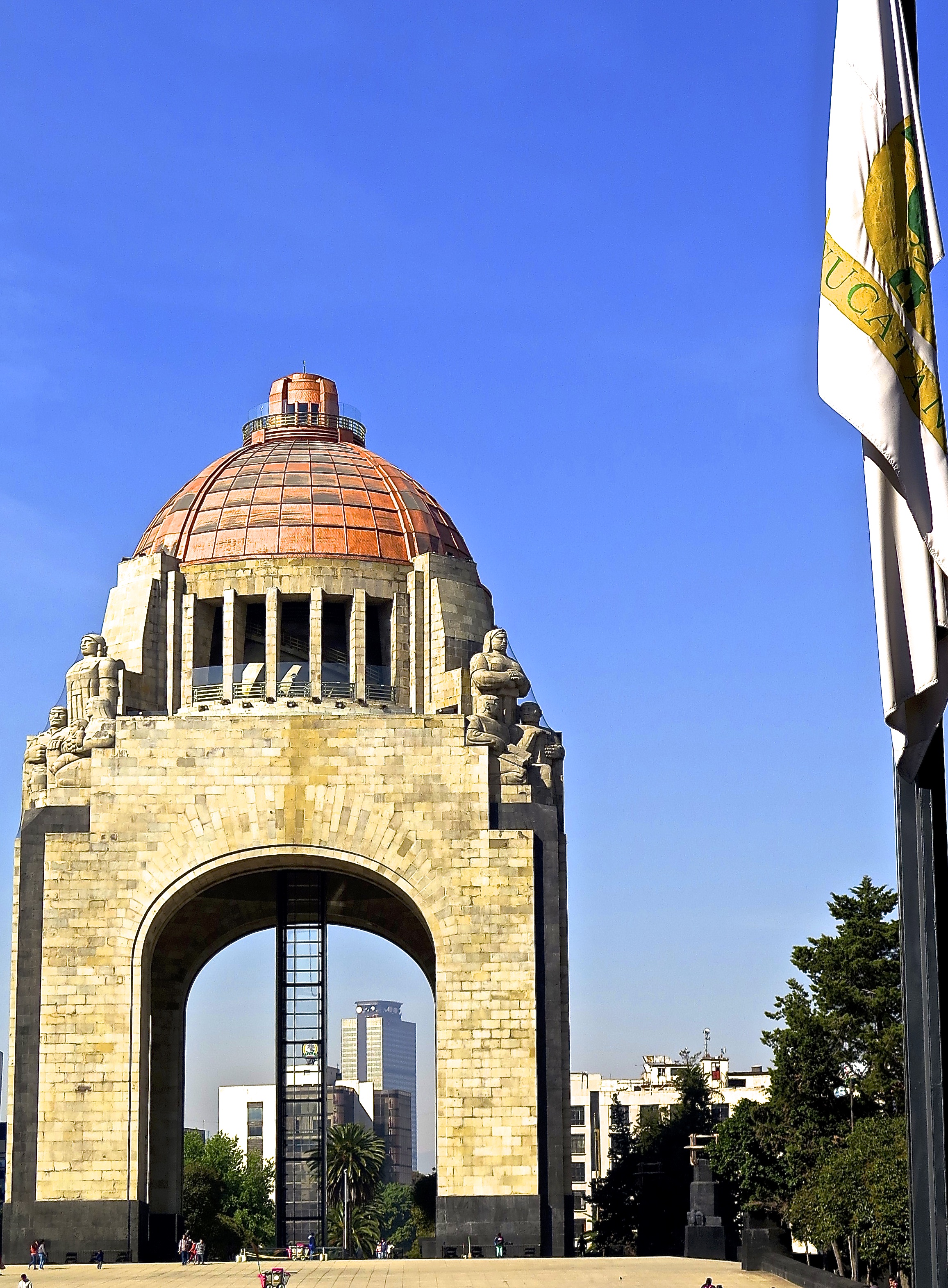
A monument to those who died in the Revolution

IMG_5801

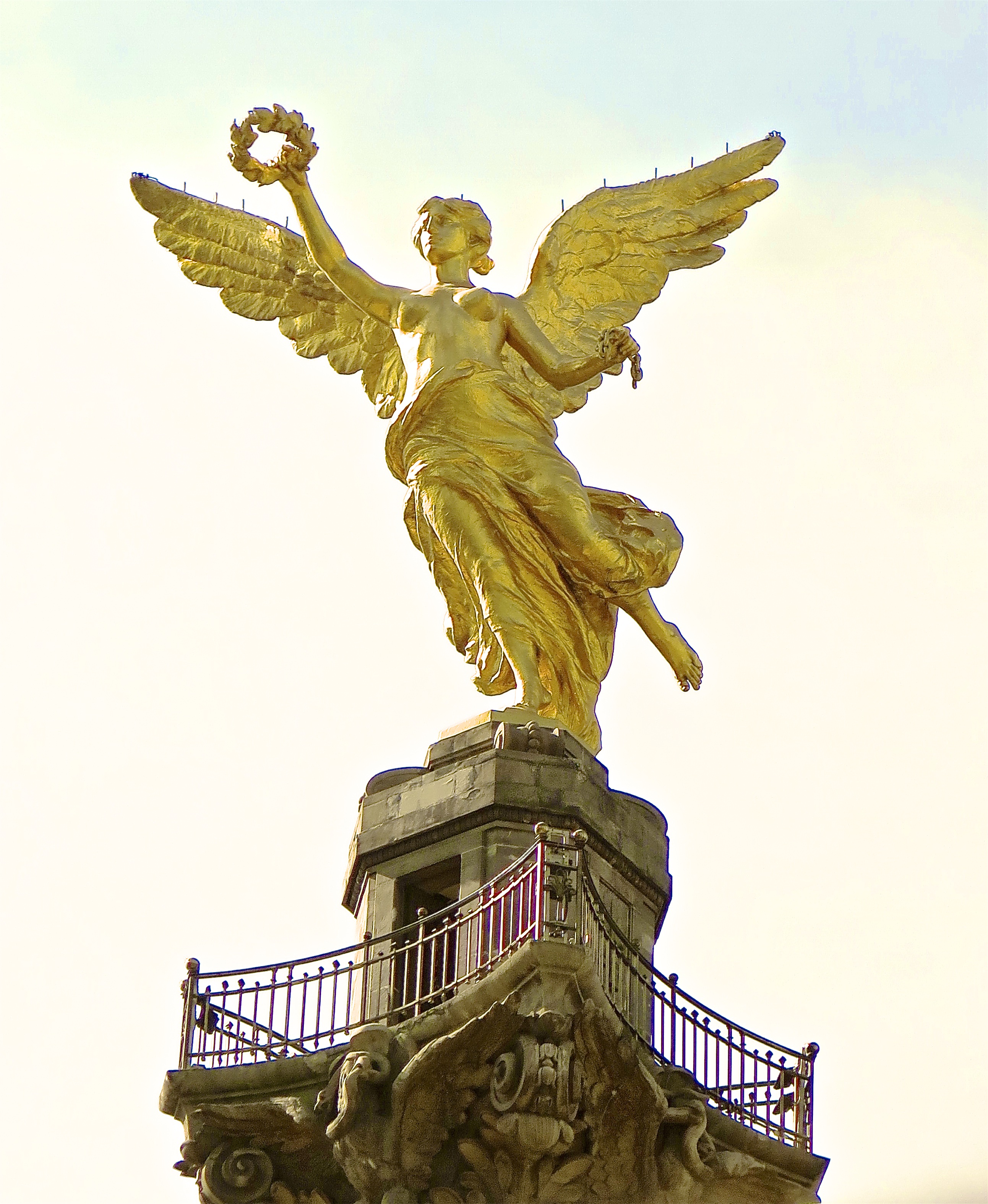
Located atop a stone column in the heart of Mexico City, the gold-plated bronze sculpture, El Ángel de la Independencia symbolizes freedom as well as the hopes and dreams of the Mexican people.

IMG_5810

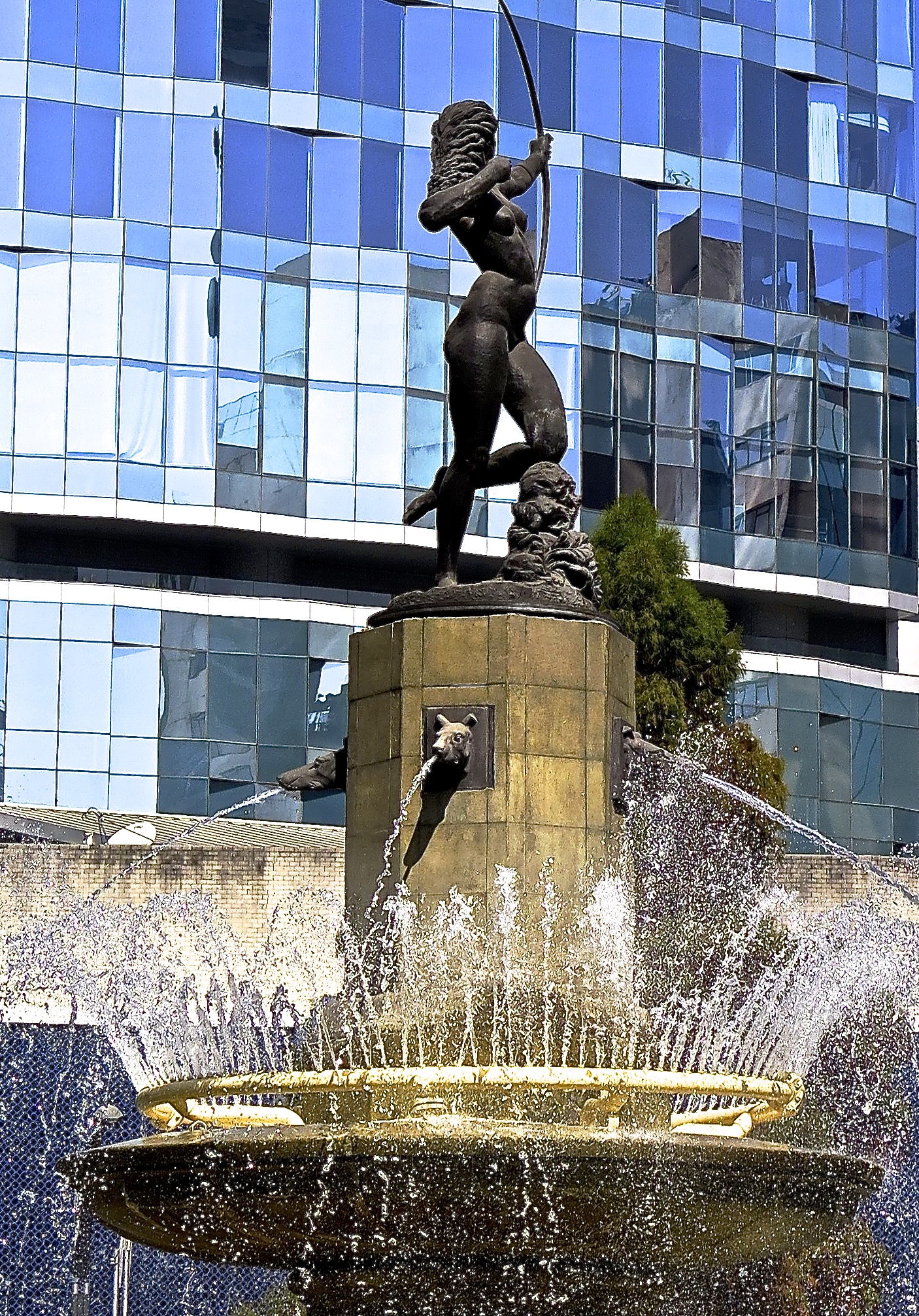
The Huntress Diana

IMG_5815

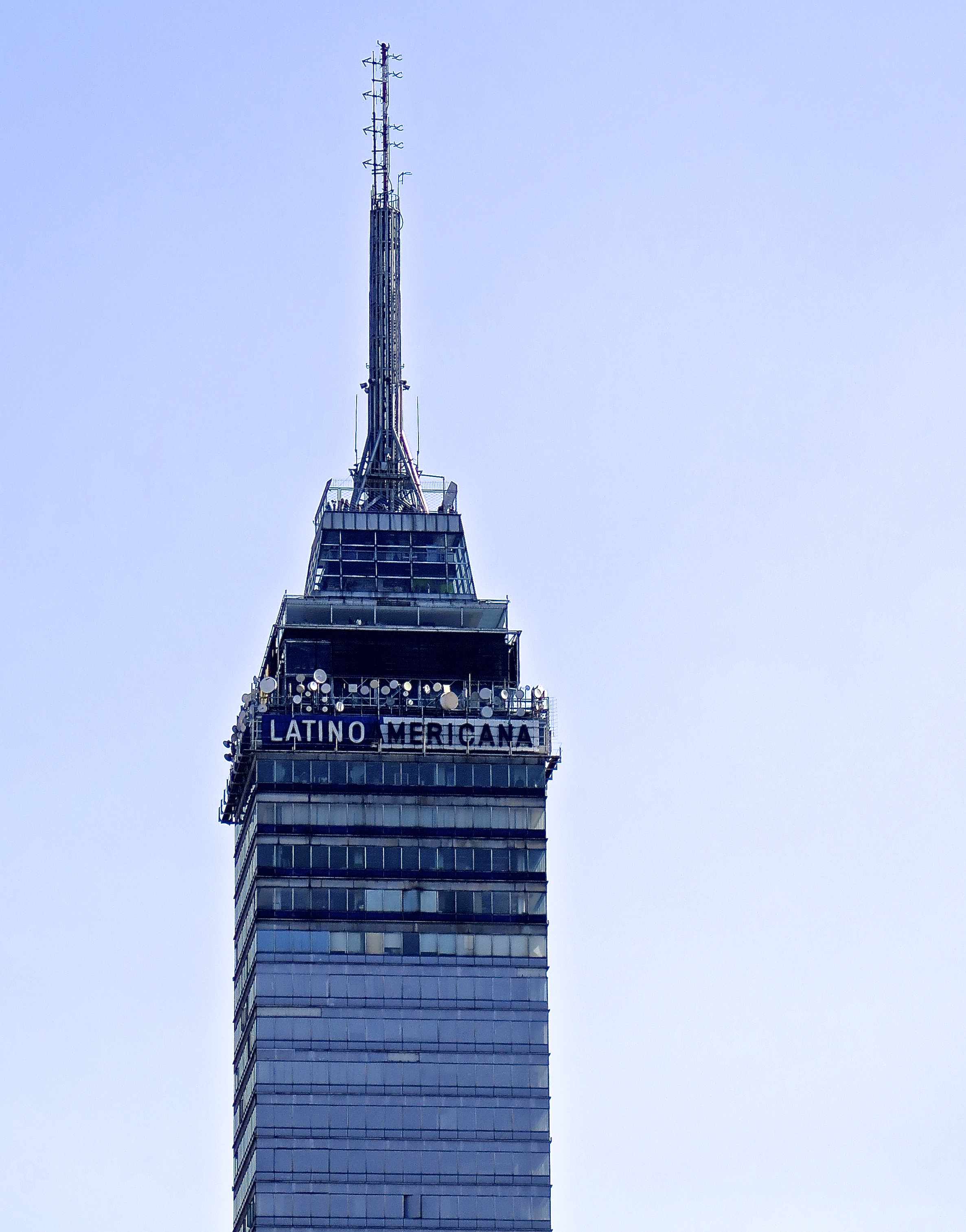
Torre Latinoamericana, widely recognized internationally as an engineering and architectural landmark since it was the world’s first major skyscraper successfully built on highly active seismic land. The skyscraper notably withstood the 8.1 magnitude 1985 Mexico City earthquake without damage,[2] whereas most structures in the downtown area were destroyed. (Wikipedia)
IMG_5812

IMG_5813

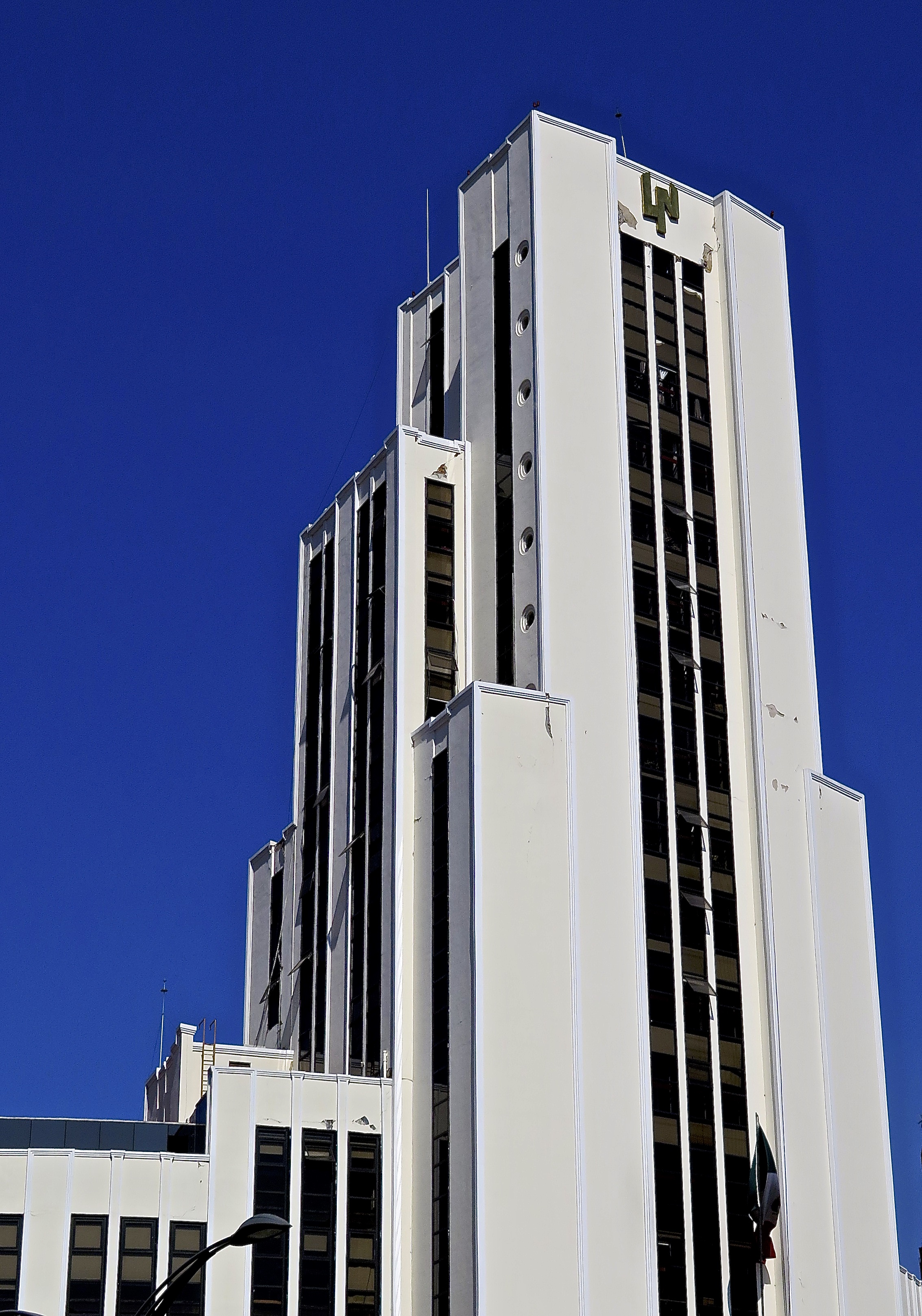
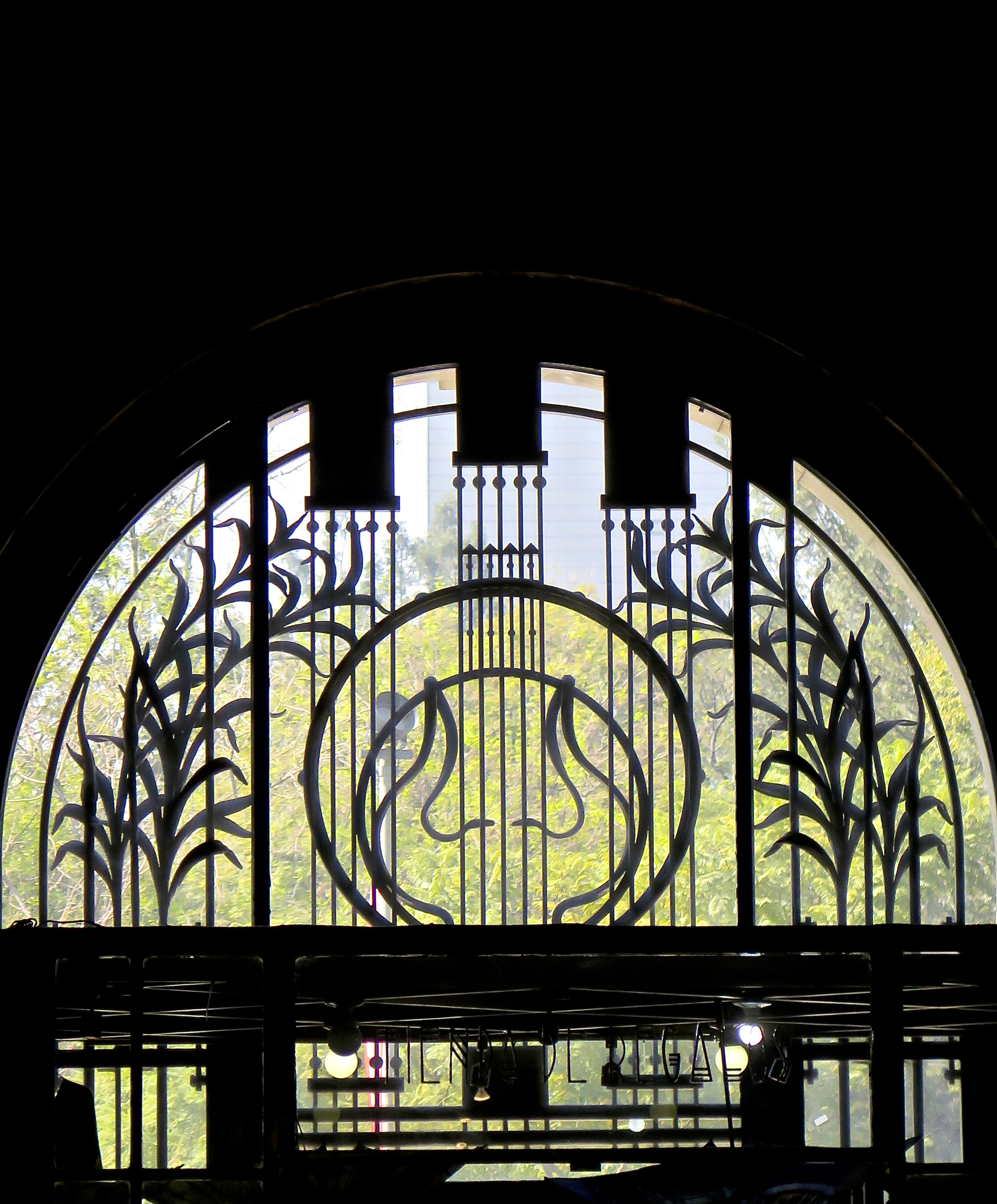
Contemporary Art Deco

IMG_5822

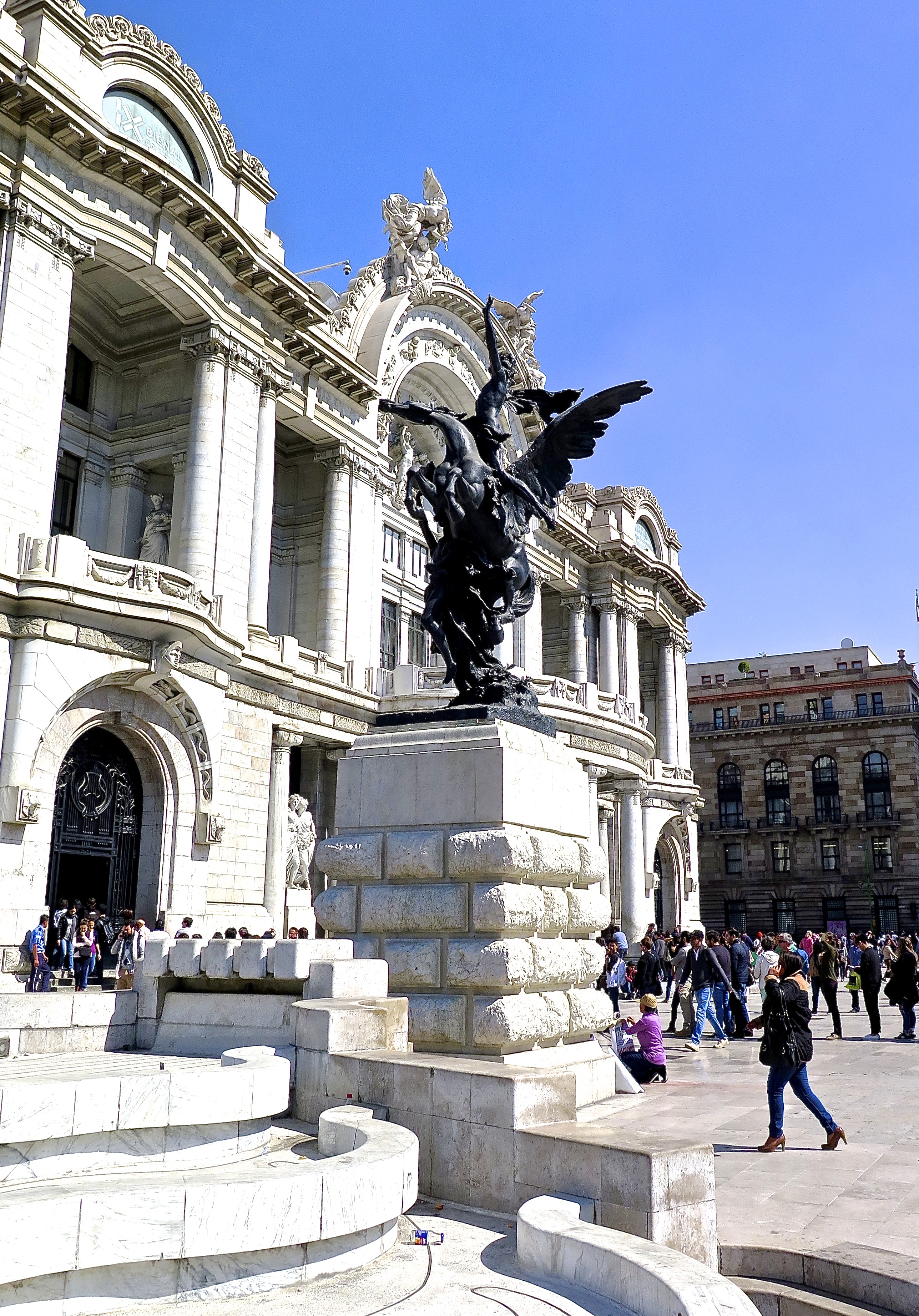
Museo Bellas Artes

IMG_5825

IMG_5827

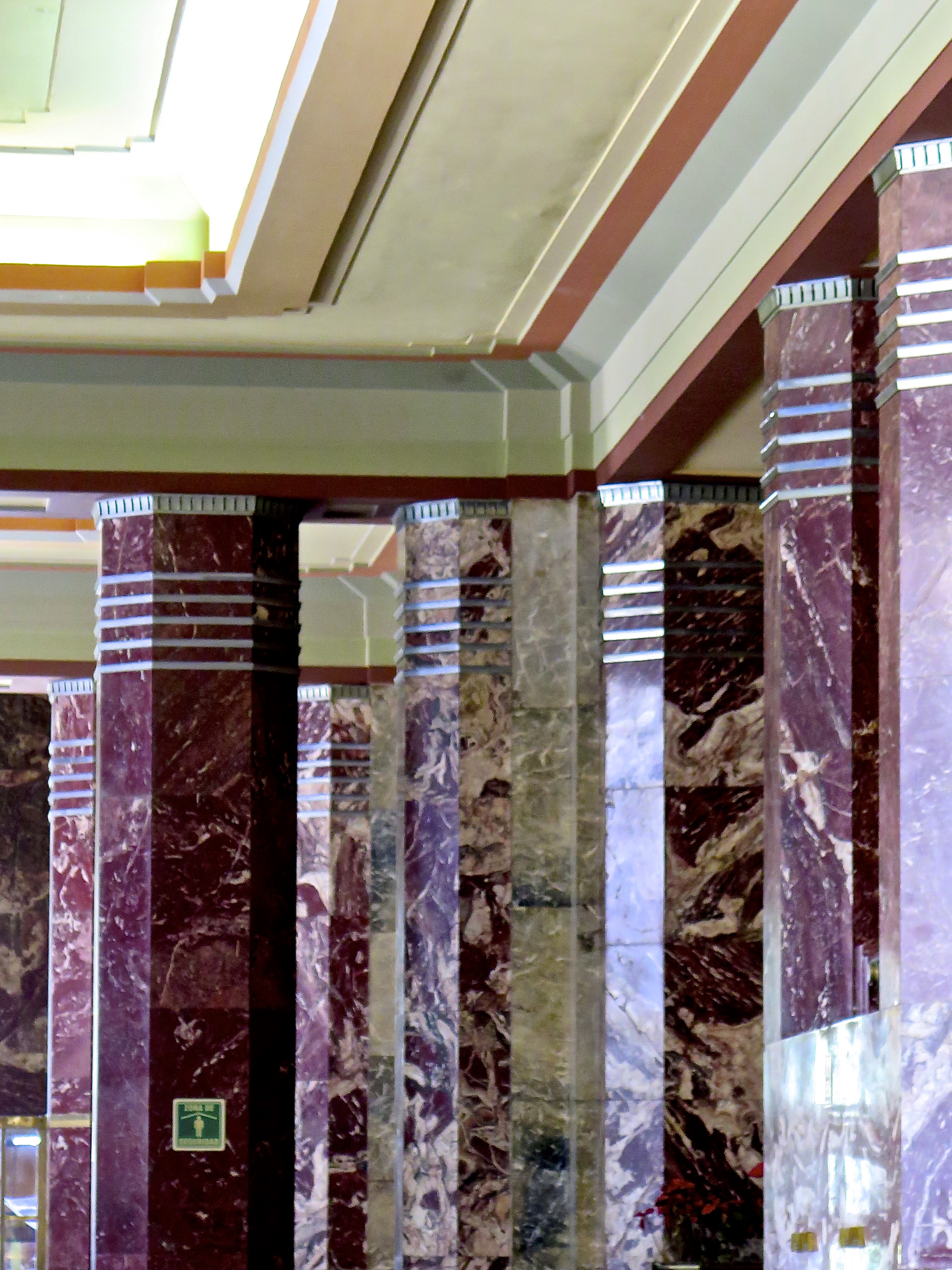
The definitely Art Deco interior of the museum was a real surprise

IMG_5846

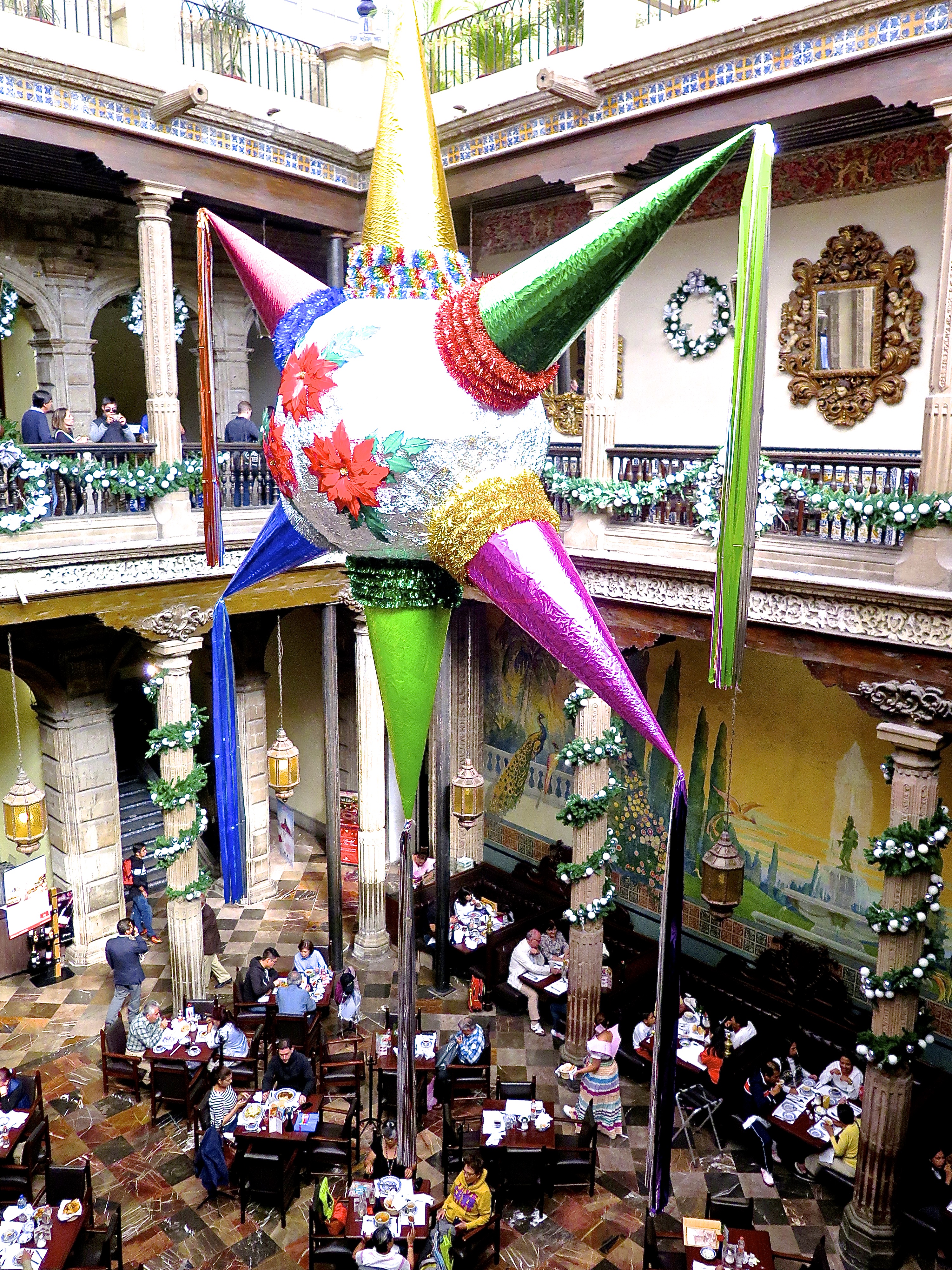
Sanborn’s Restaurant in the famous House of Tiles built in the 18th Century

IMG_5855

IMG_5859

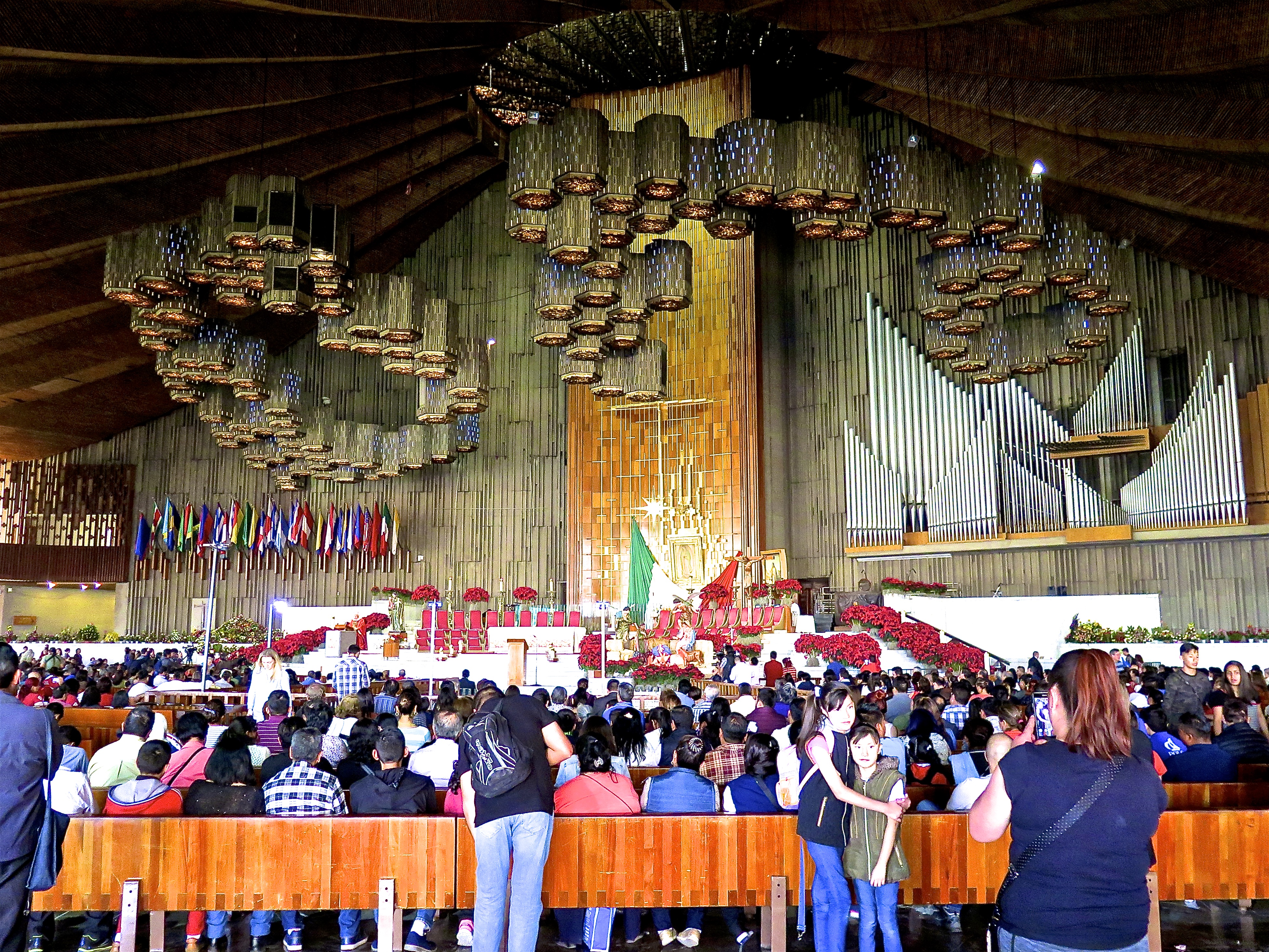
The enormous Basilica of the Virgin of Guadalupe

IMG_5859a

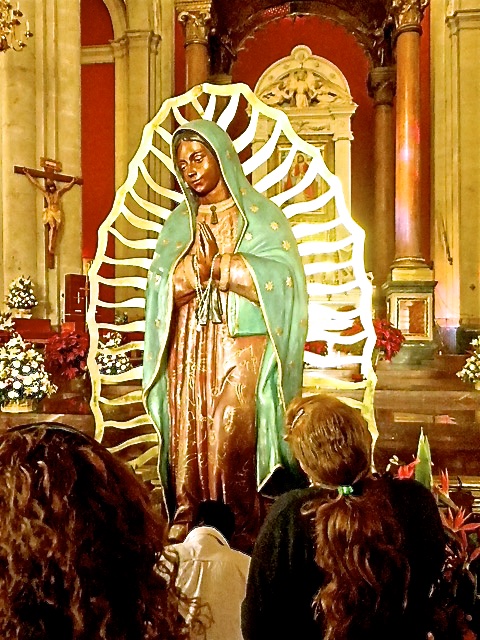
The Virgin of Guadalupe has an enormous following in Mexico

IMG_5867

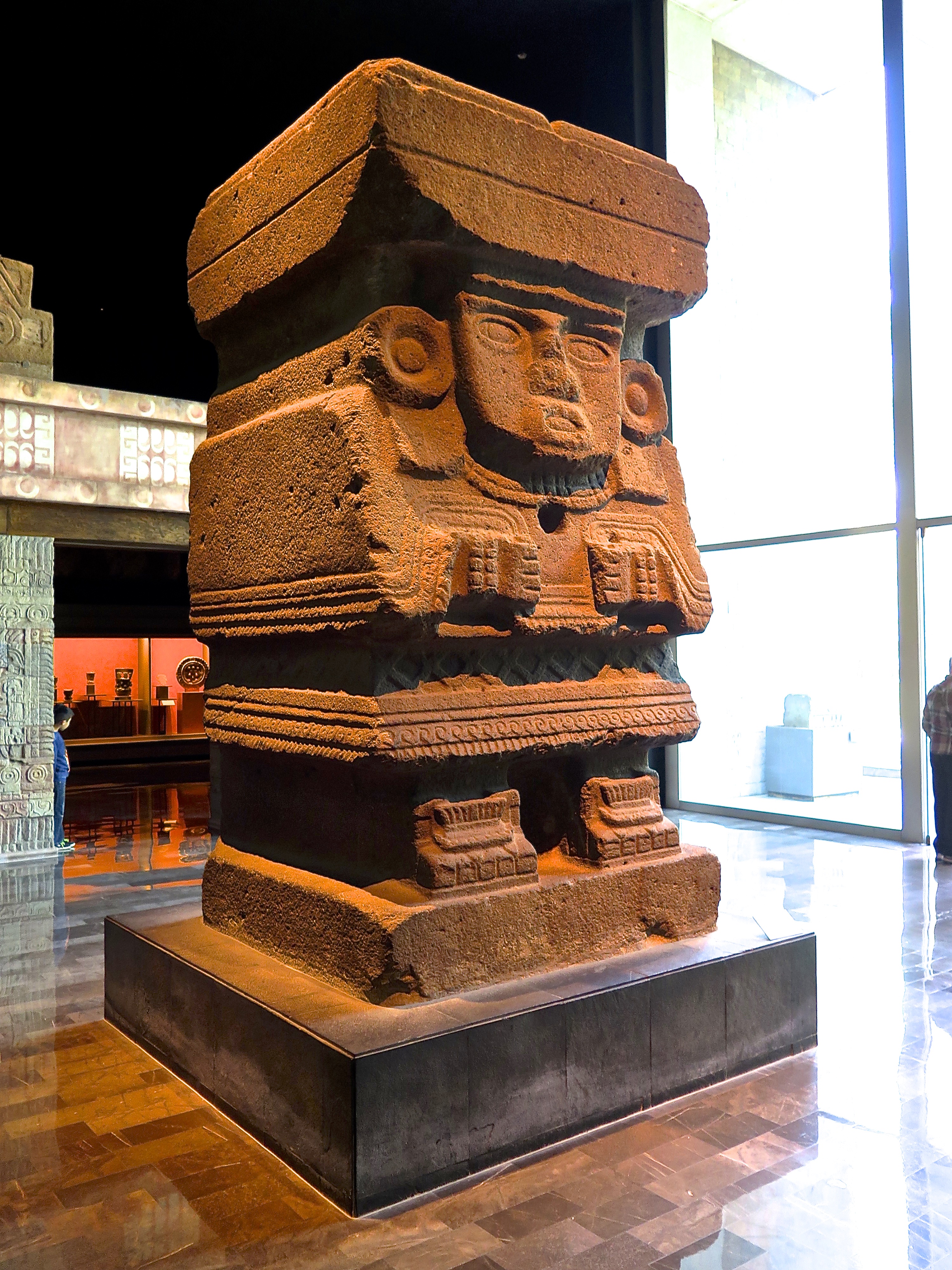
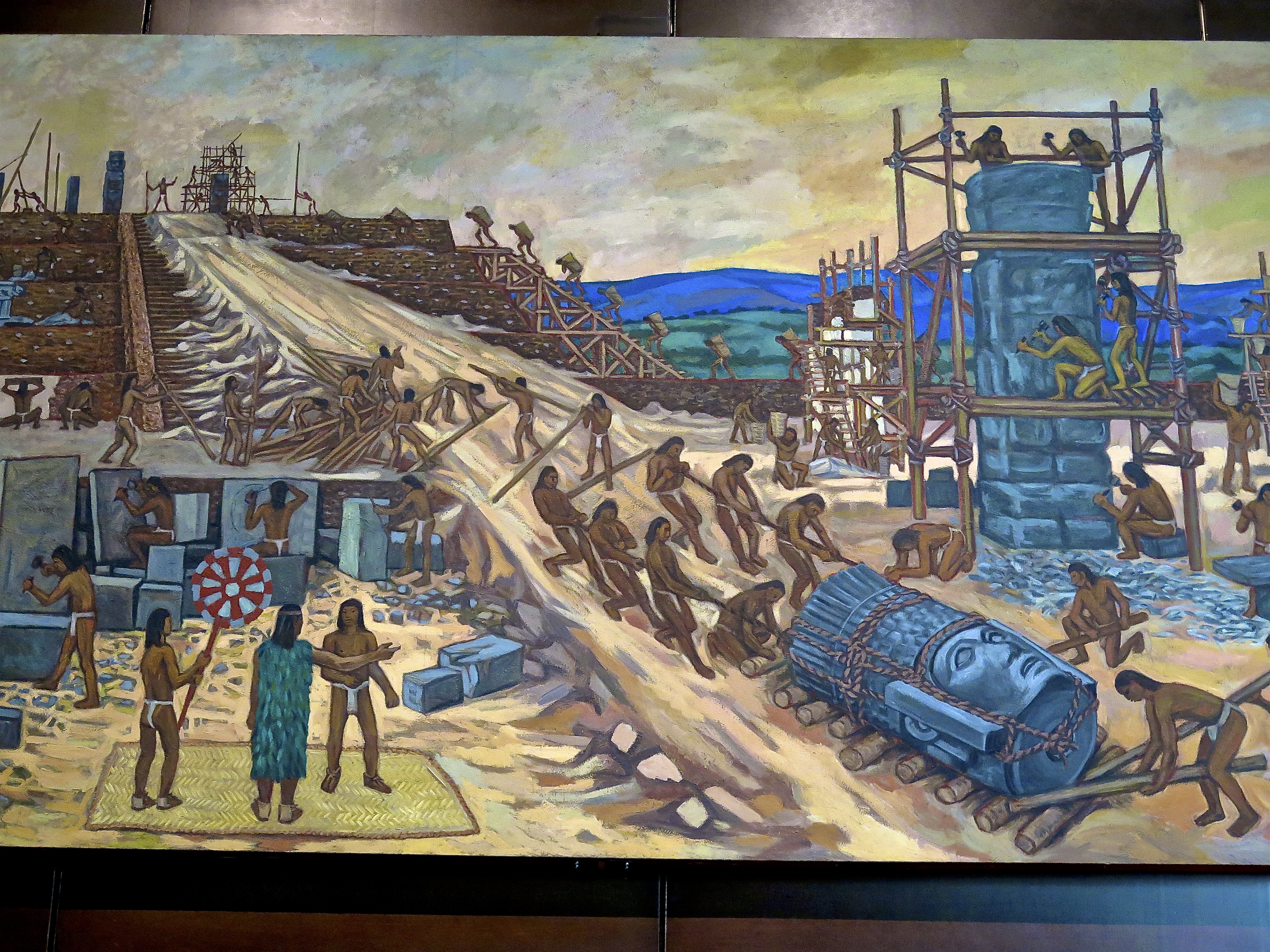
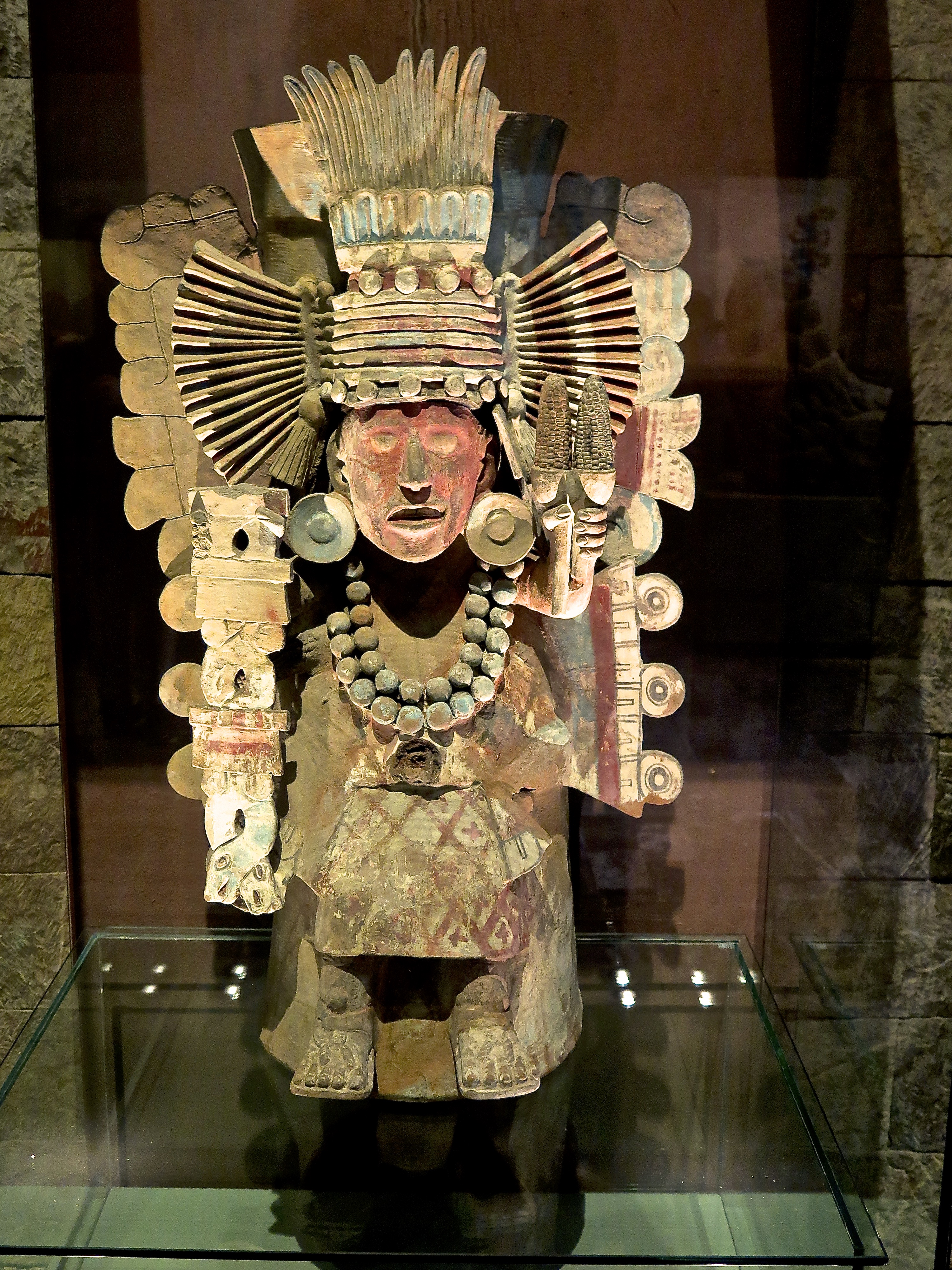
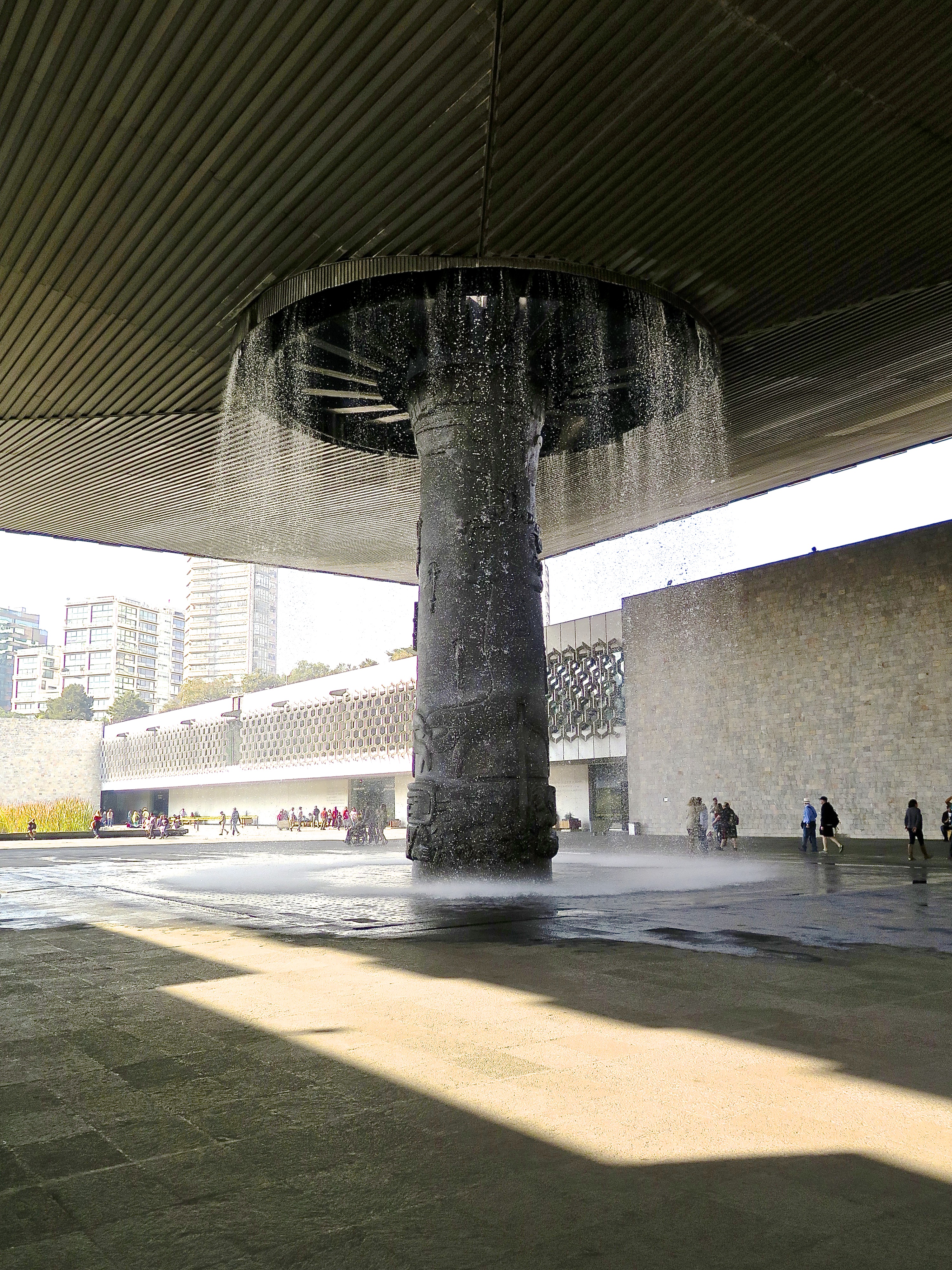
This and the following photos were taken at the amazing Anthropological Museum which displays an incredible number of antiquities from Mexico’s ancient past

IMG_5874IMG_5881IMG_5897

IMG_5919

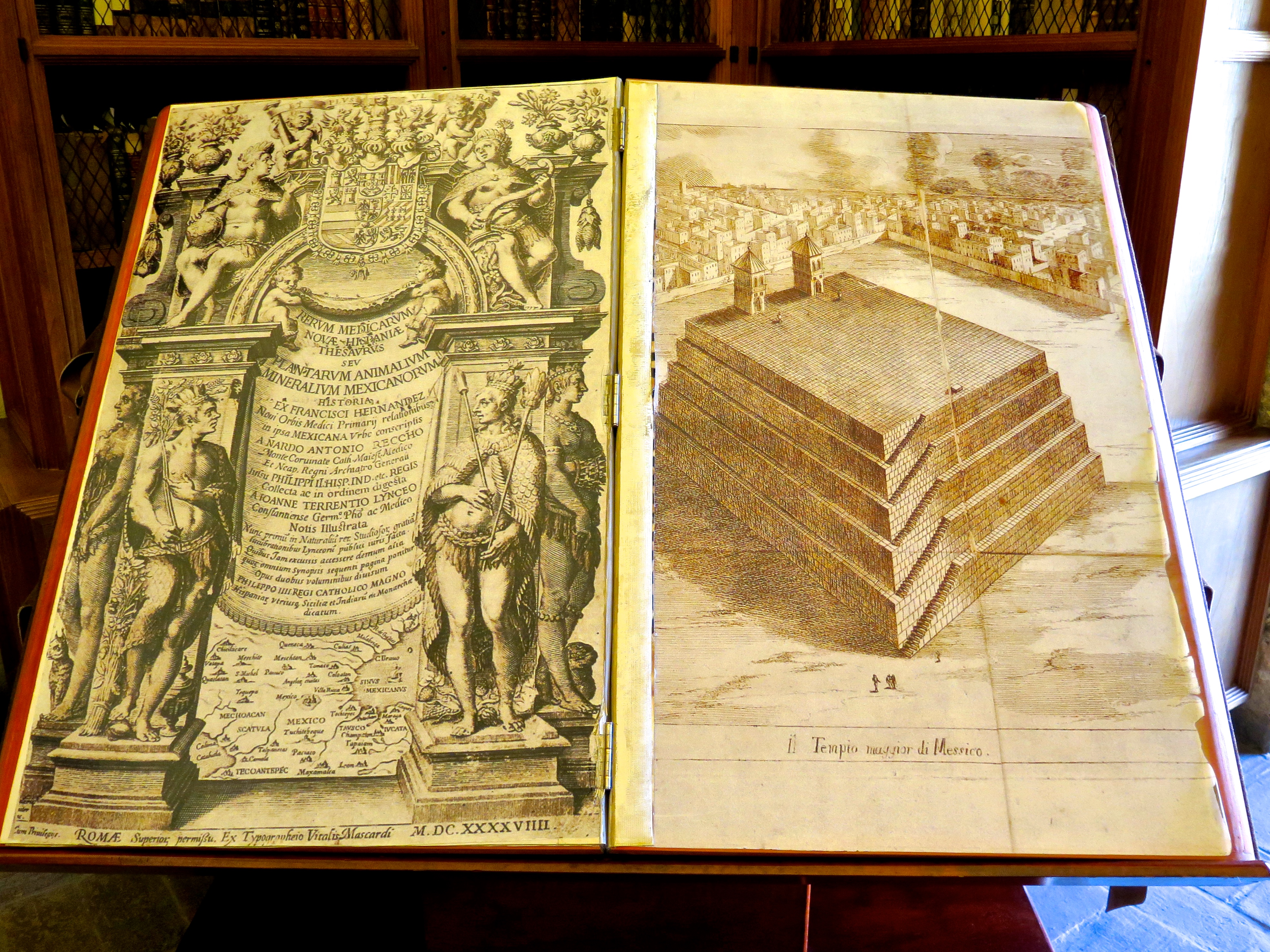
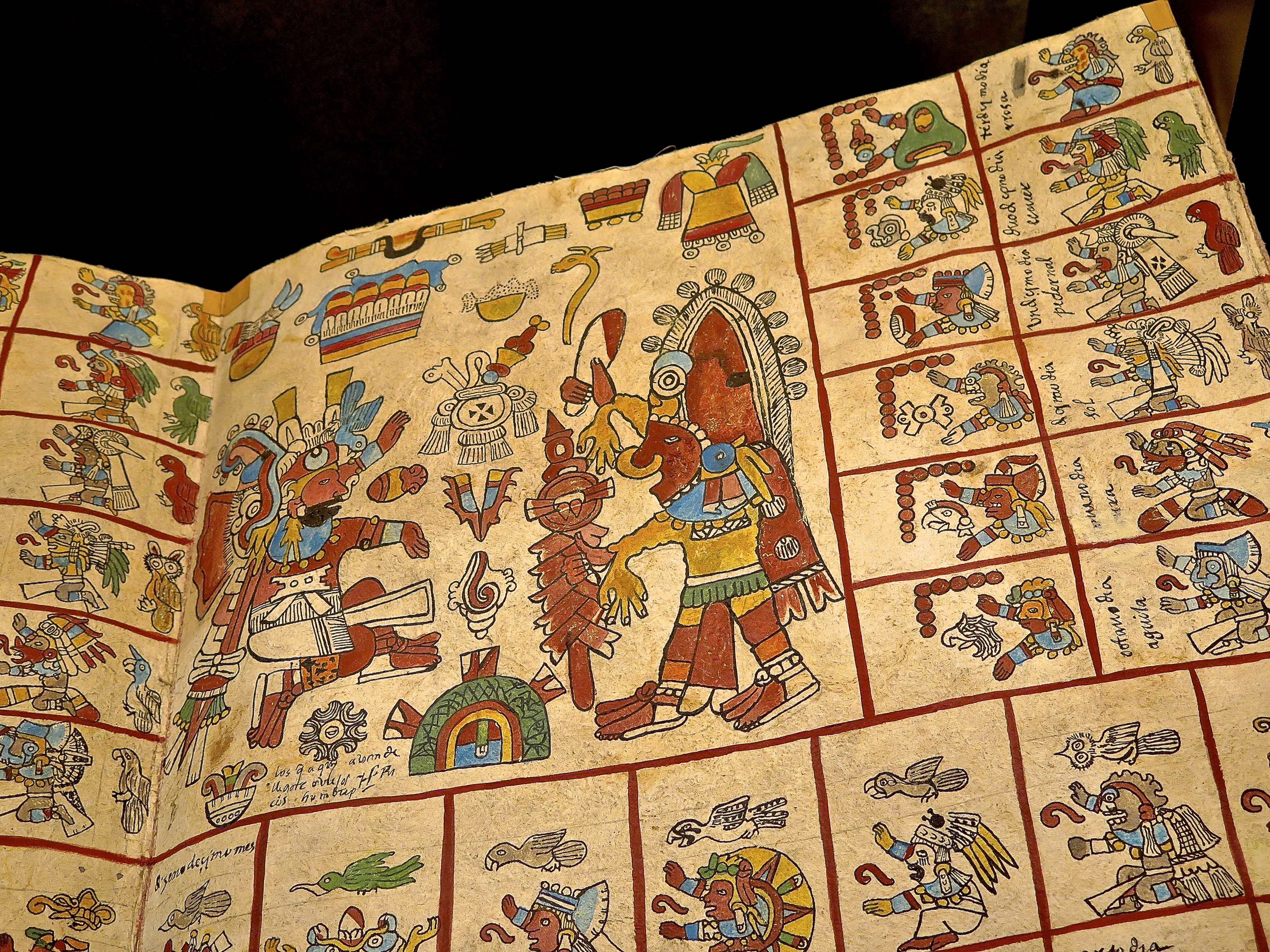
Pages from a book created by monks after the conquest 


IMG_5920

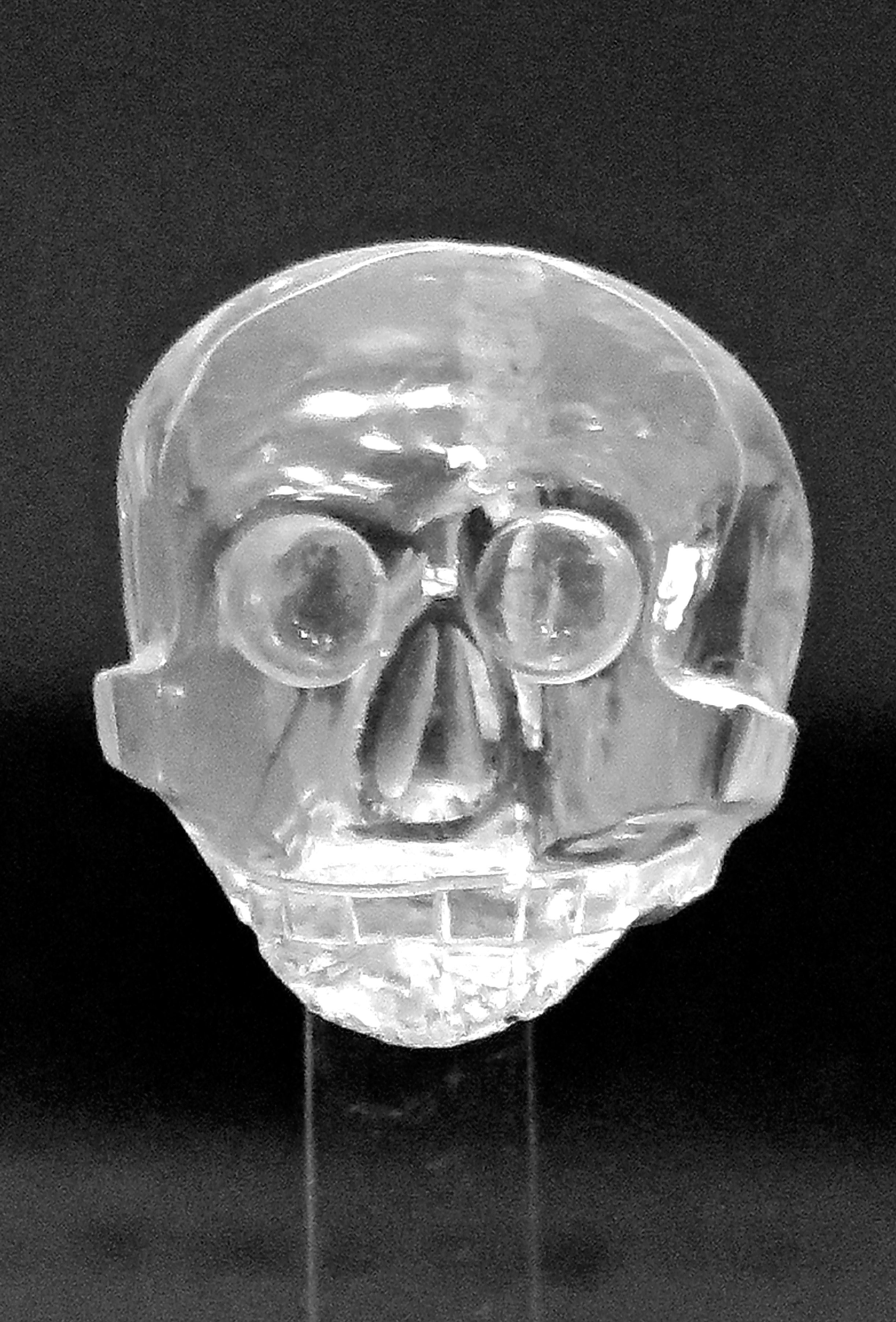
This precisely carved crystal scull is only a little more than 1 inch tall

IMG_5924

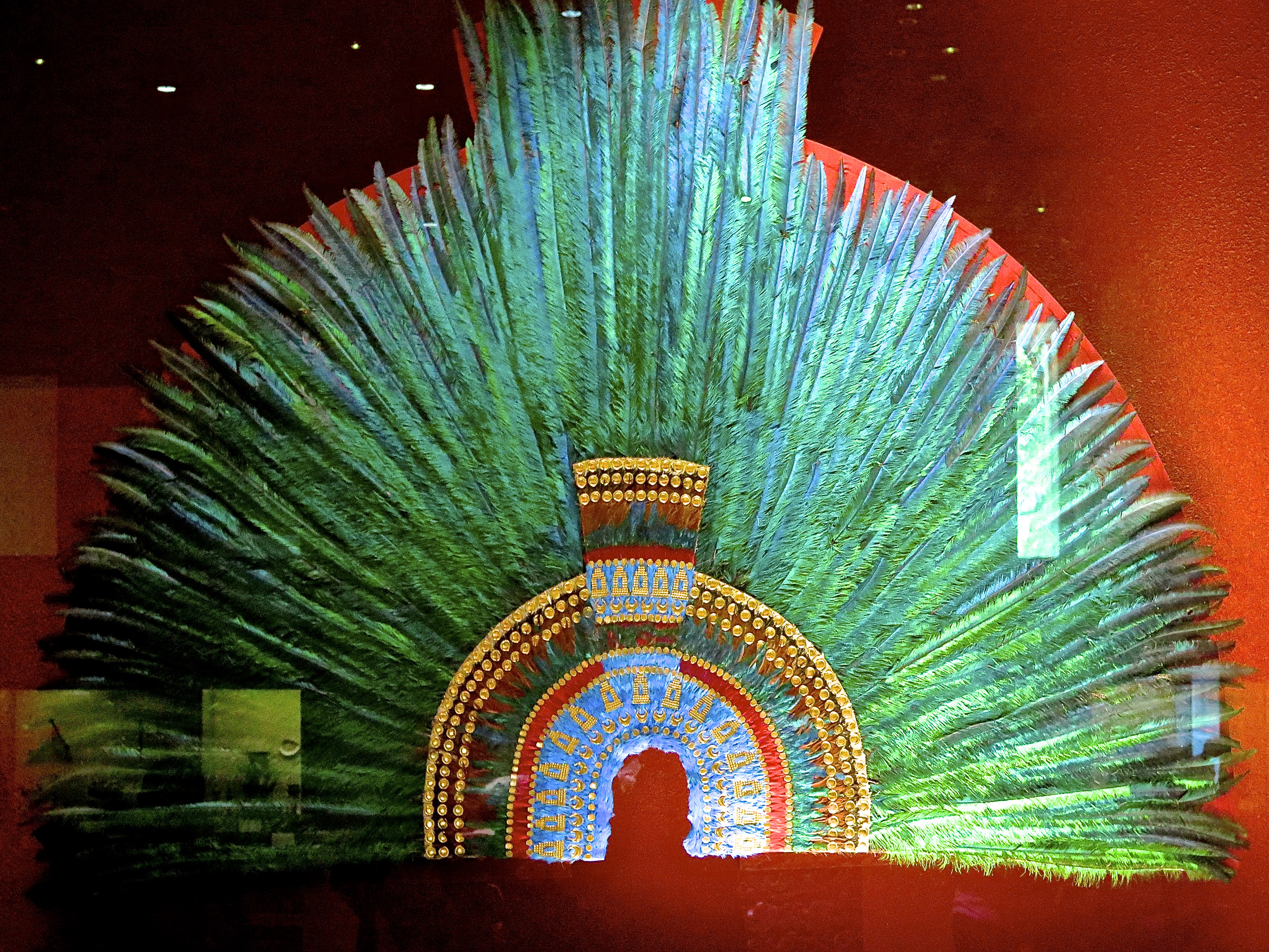
An enormous feathered head dress

IMG_5945

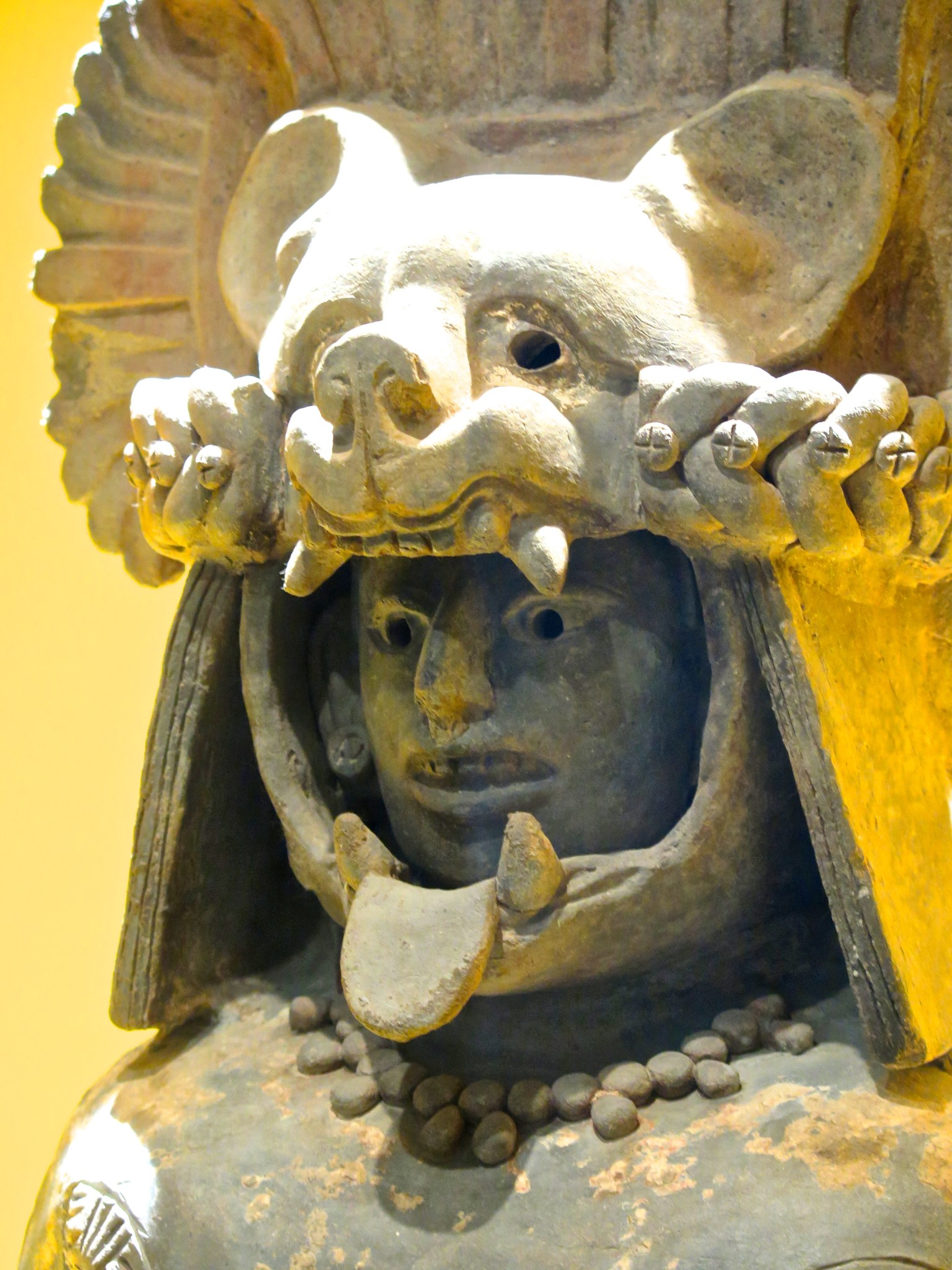
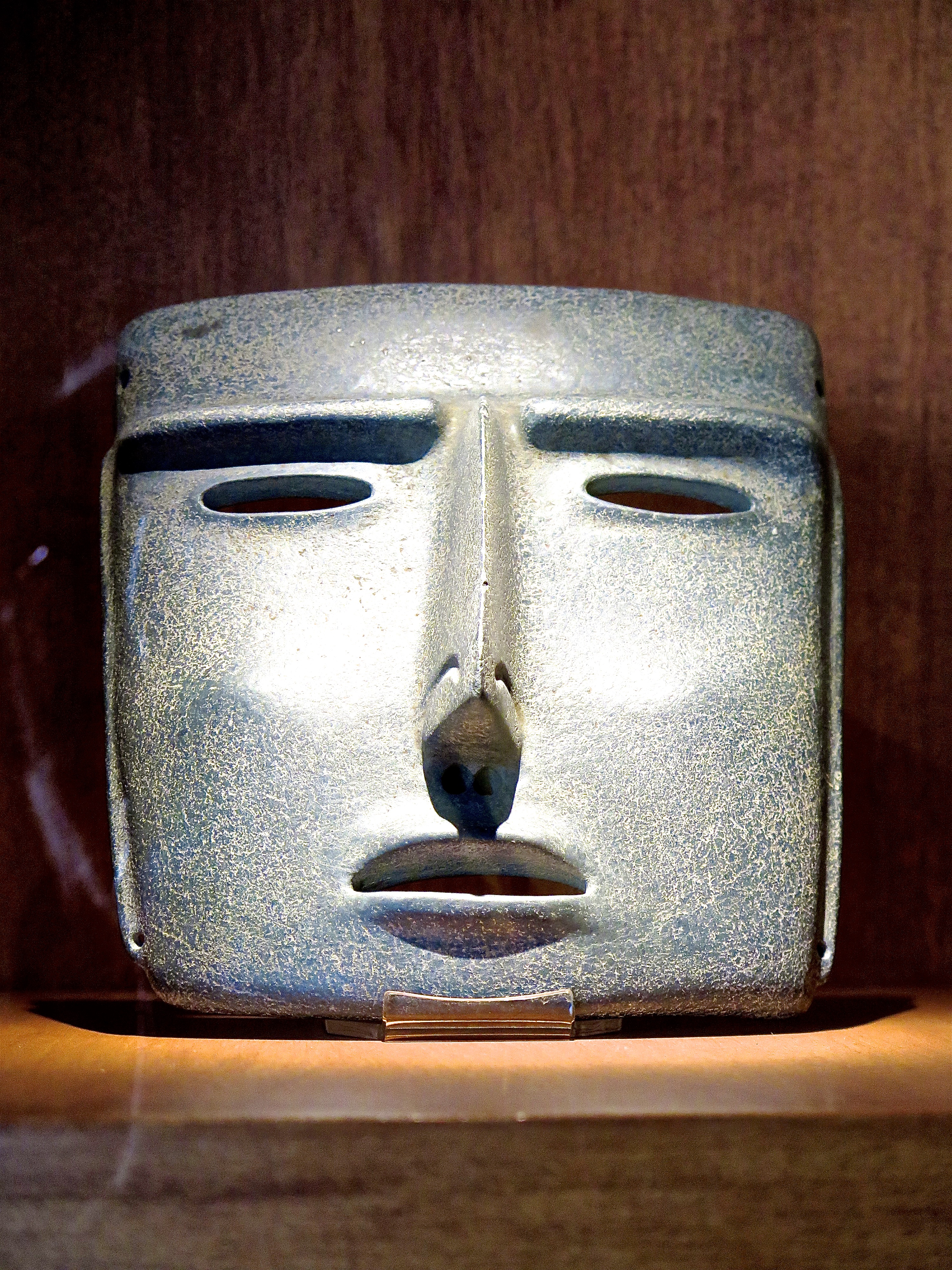
This abstract mask and the whimsical figures in the next photo didn’t seem to fit with the grotesqueries on display

IMG_5954

IMG_5943

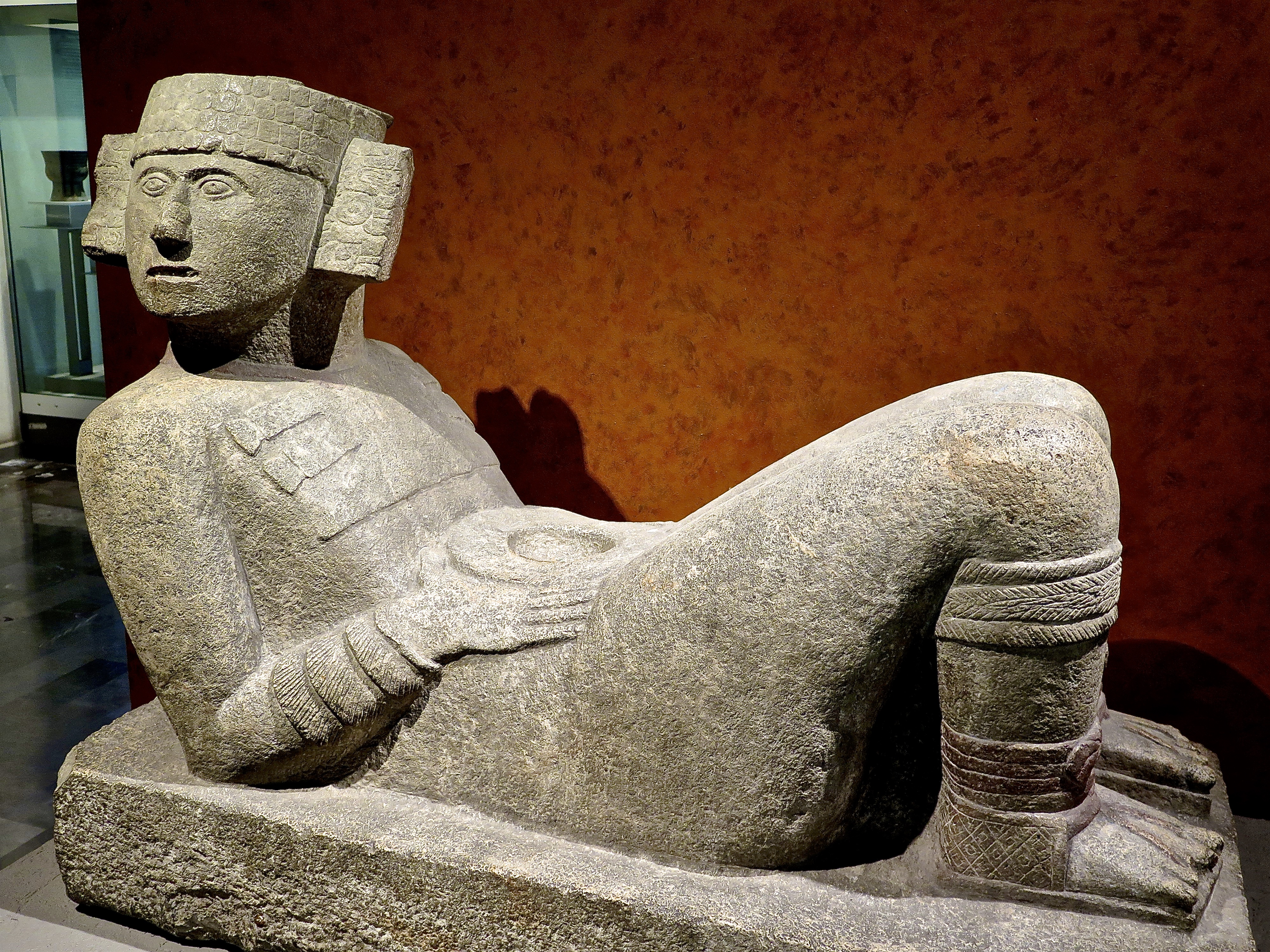
A chac mool holding a vessel where the hearts of sacrificed victims were placed

IMG_5956

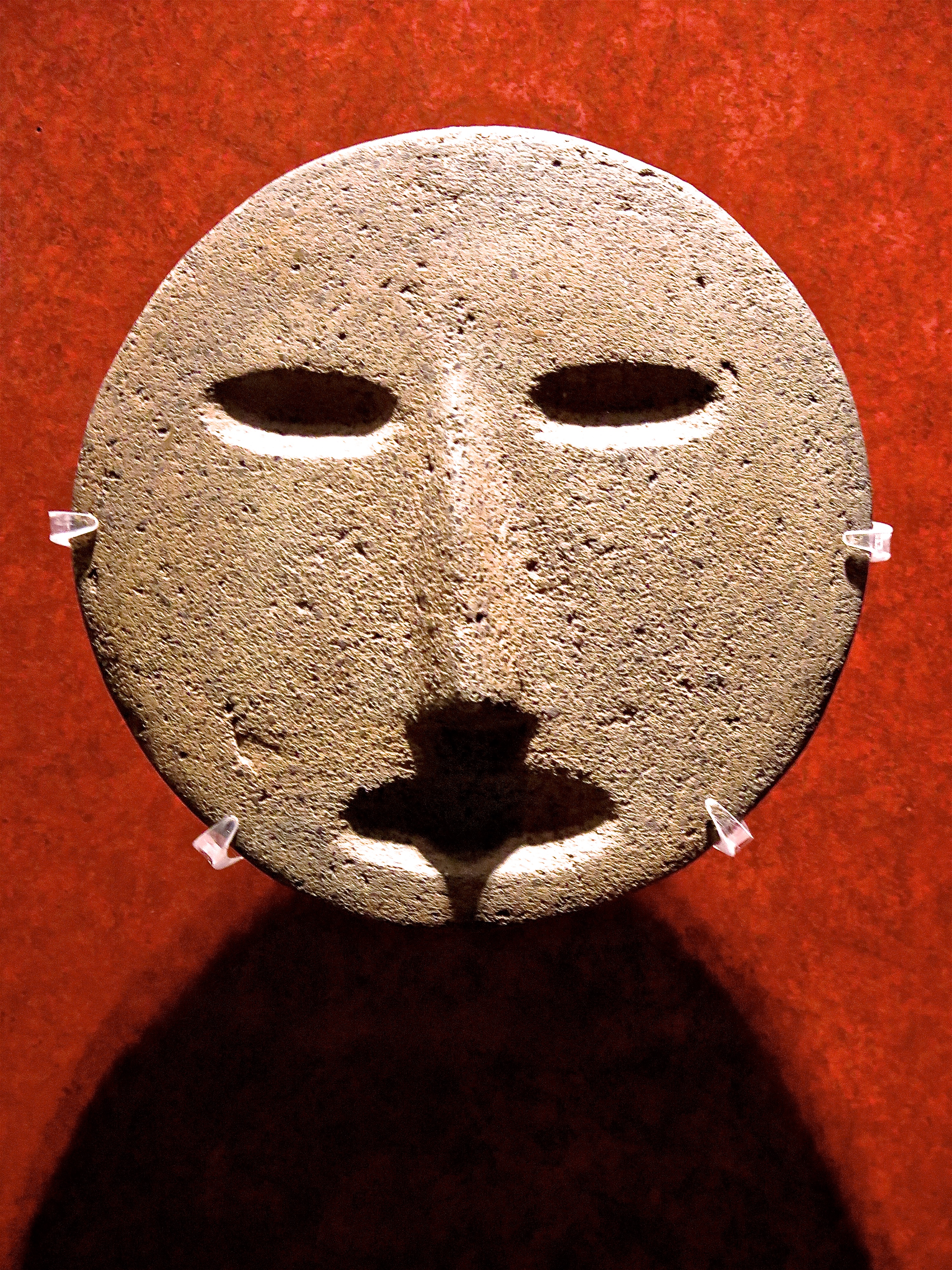
This mask and the head below seem to show an African influence unusual in pre-Hispanic art

IMG_5925

IMG_5960a

One of the many replicas in the garden of the museum

IMG_5961

The inner courtyard of the Anthropological Museum

IMG_5965

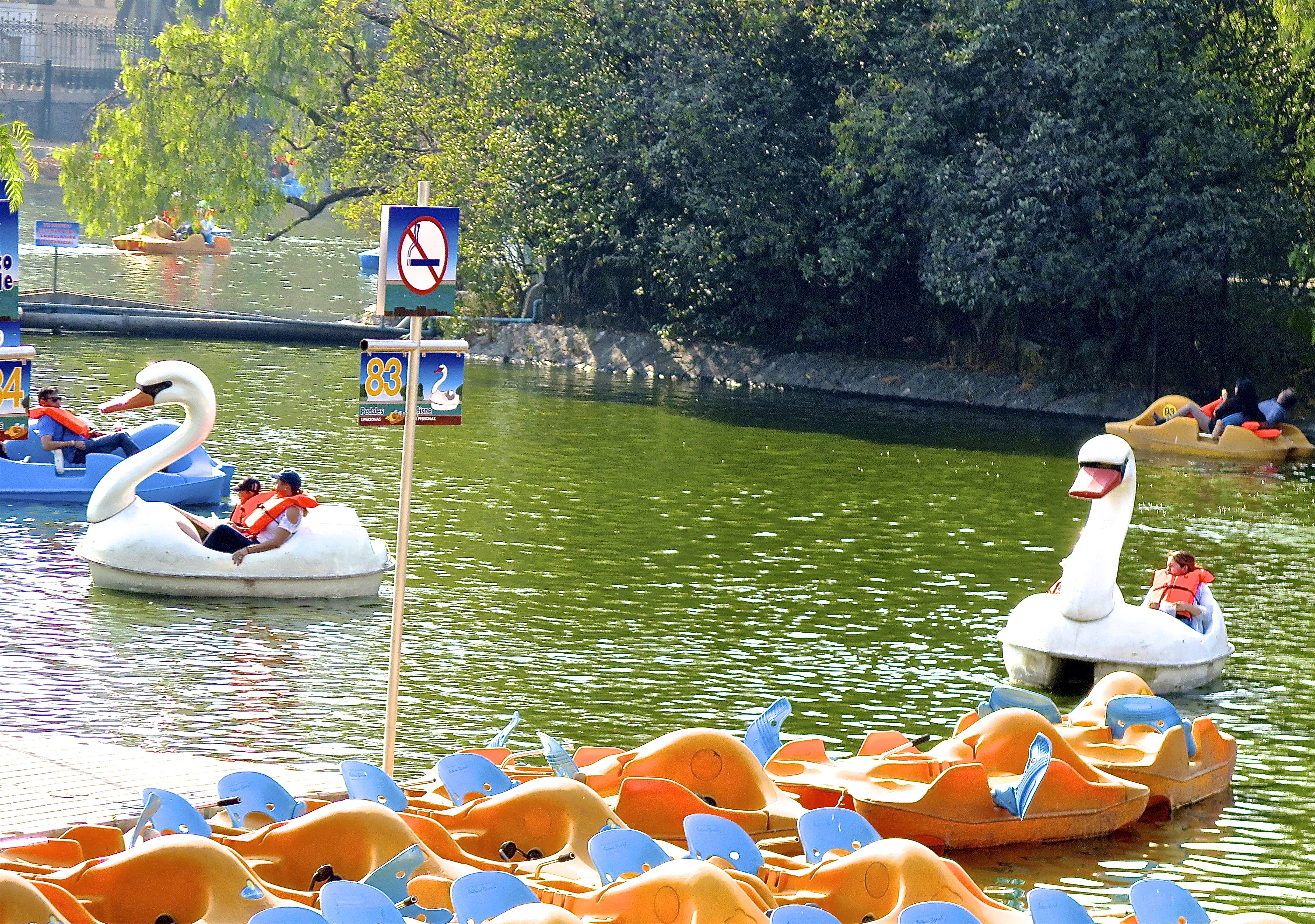
Kids in Chapultepec Park enjoying the Mexican version of the Swan Boats in Boston Garden

IMG_5975

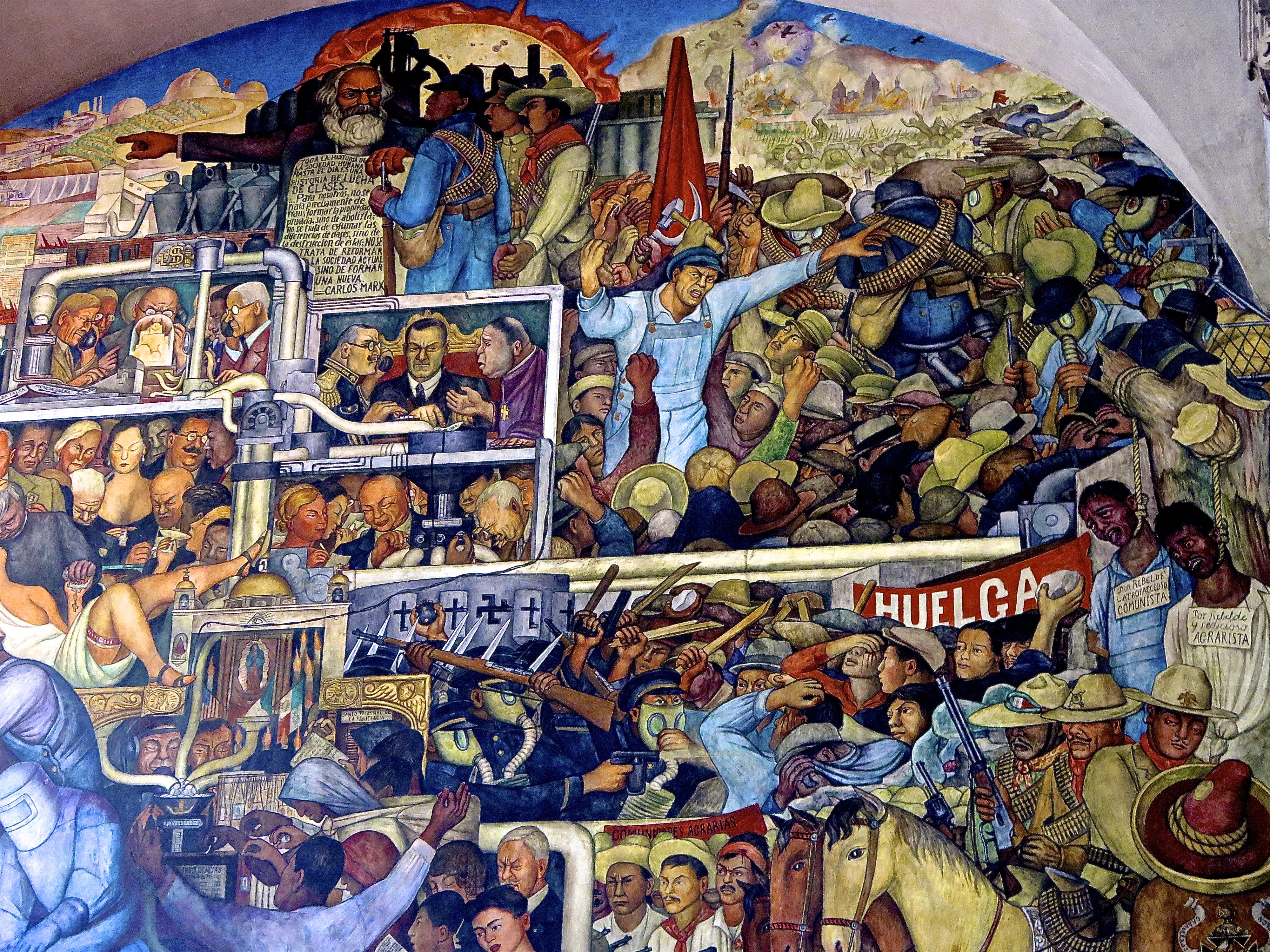
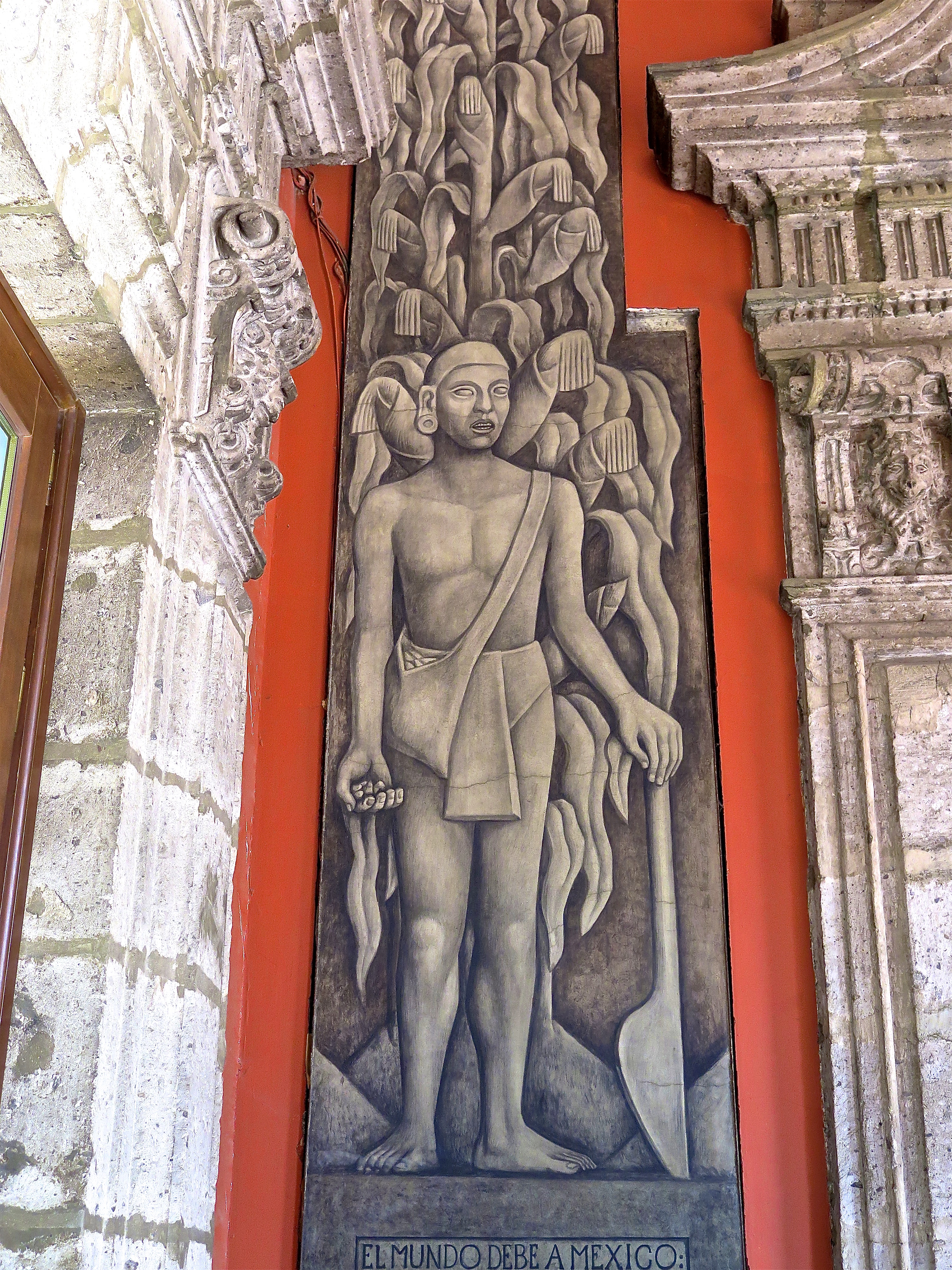
One of a series of Diego Rivera murals in the National Palace

IMG_5977IMG_5978

IMG_5984

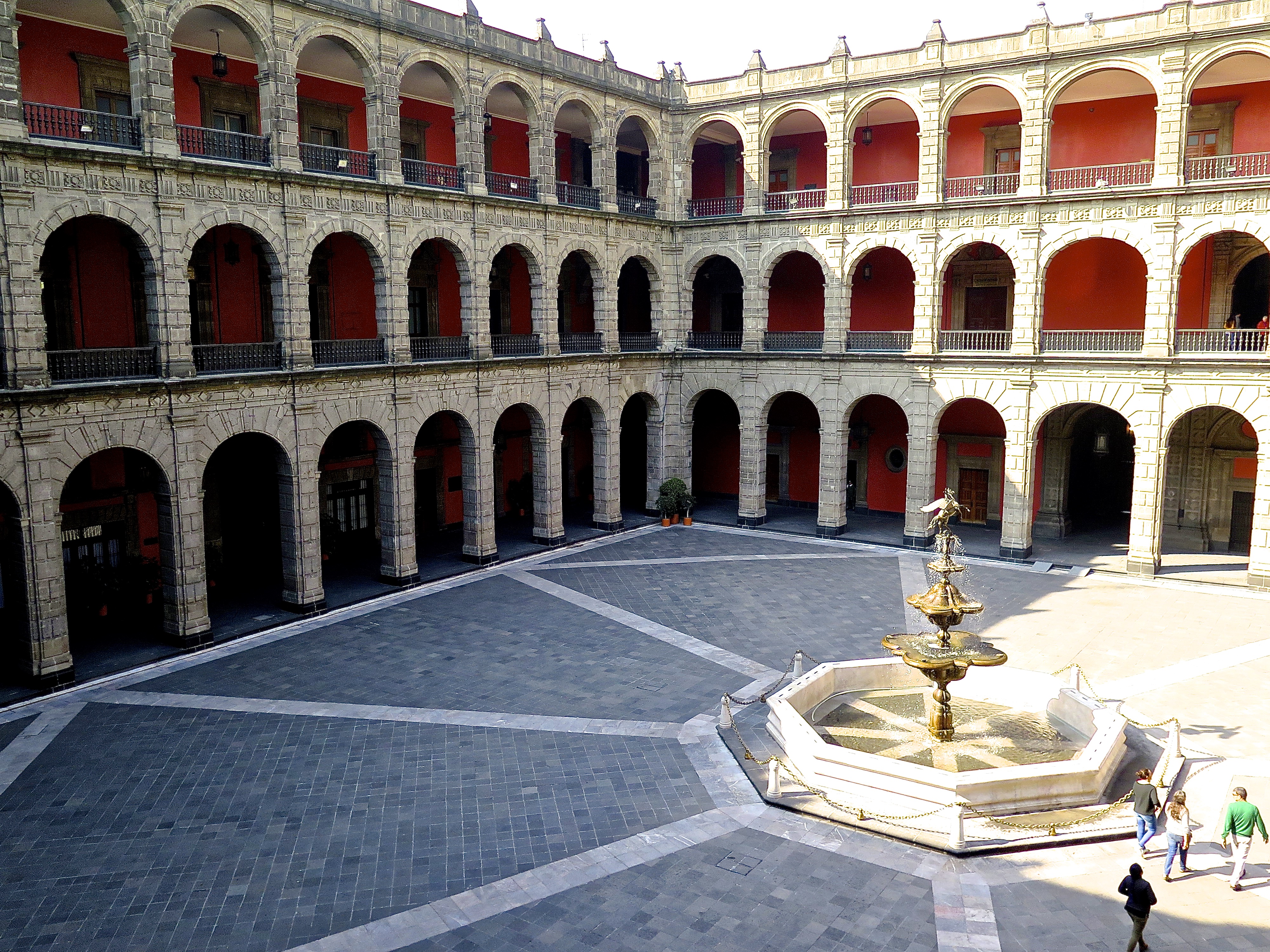
The courtyard of the National Palace

IMG_6010

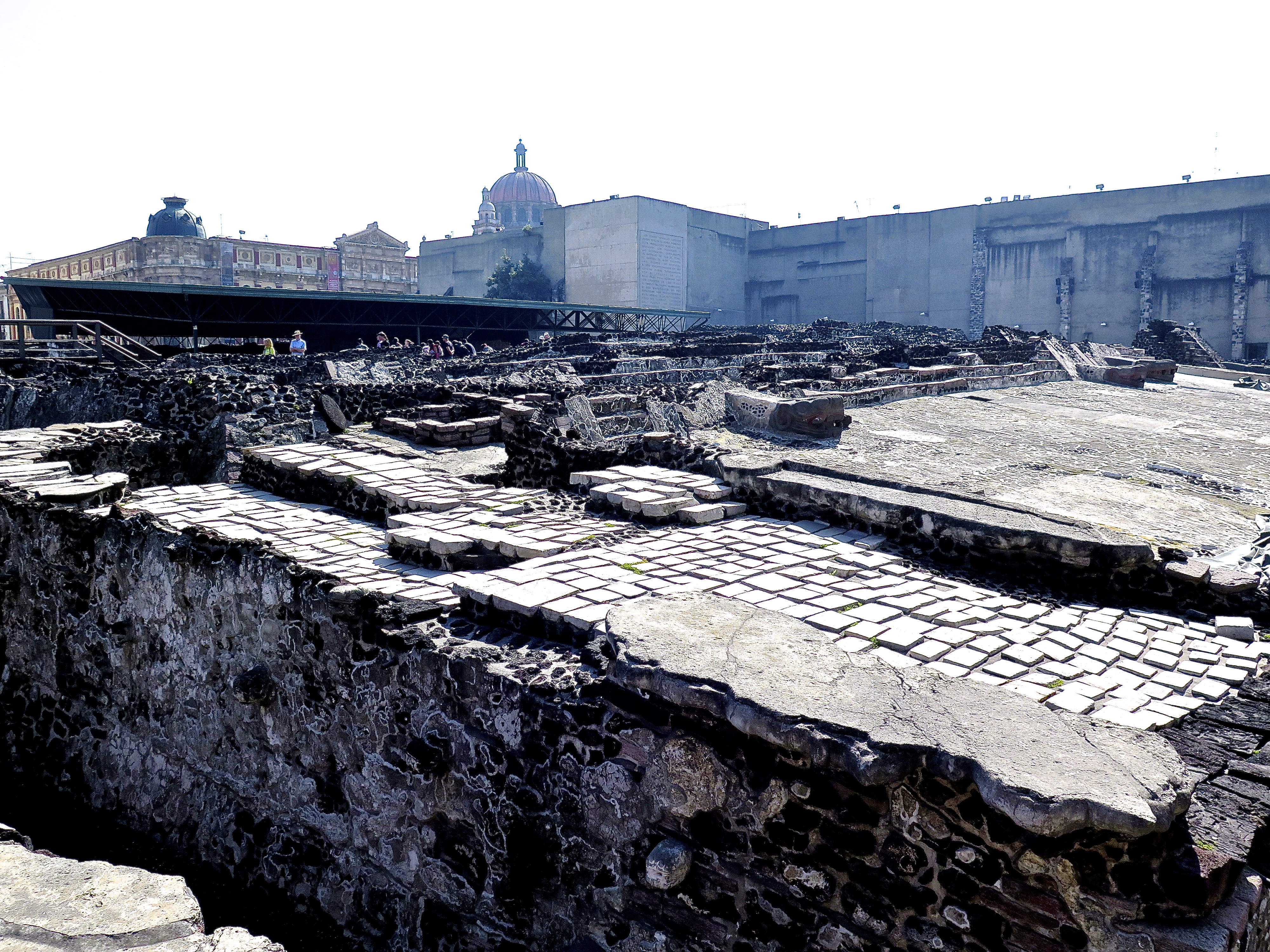
A view of the ruins of the ancient Templo Mayor looking toward the Metropolitan Cathedral

IMG_6011

IMG_6025

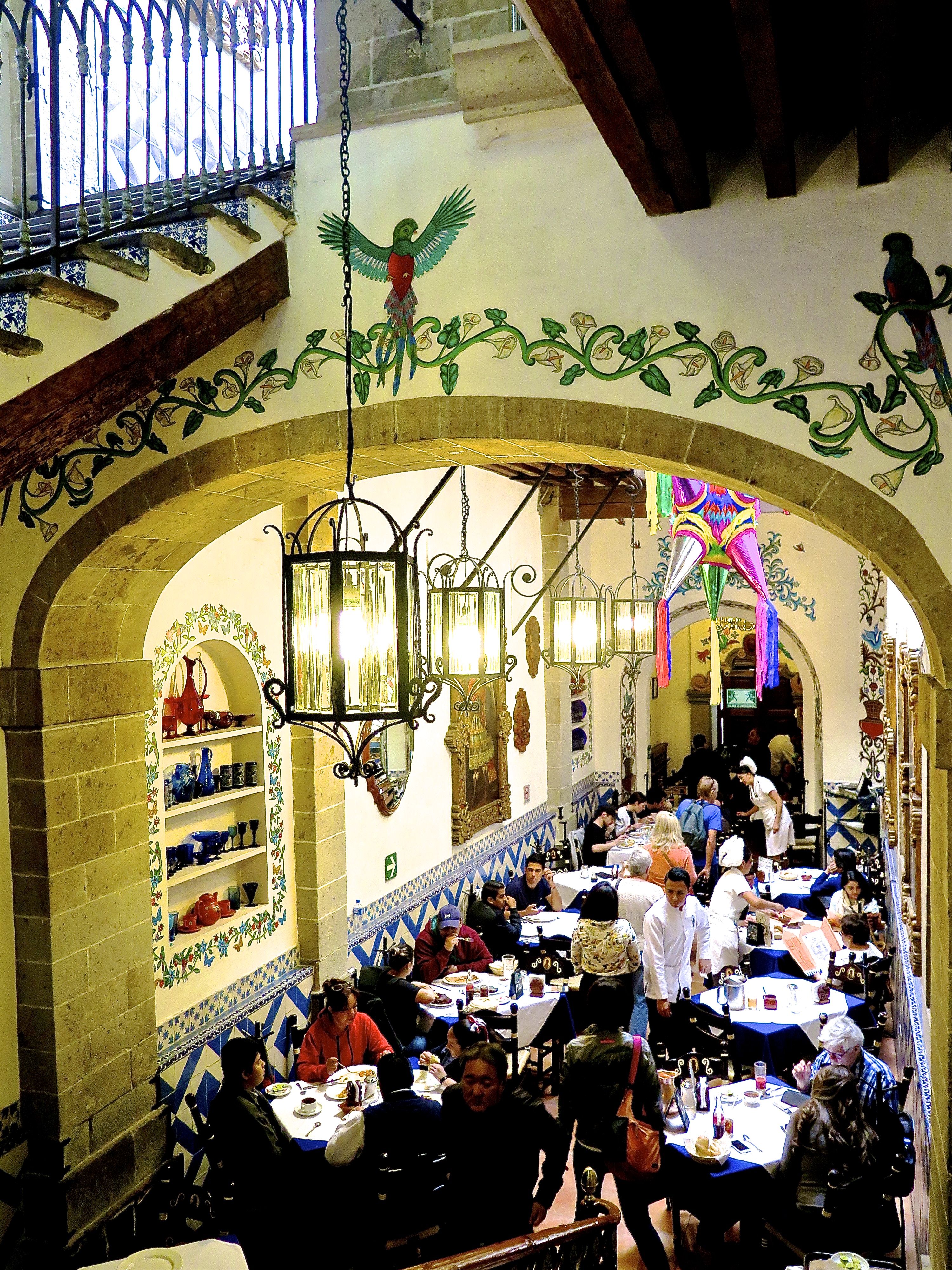
We had an excellent meal in the historic Tacuba Cafe

IMG_6032

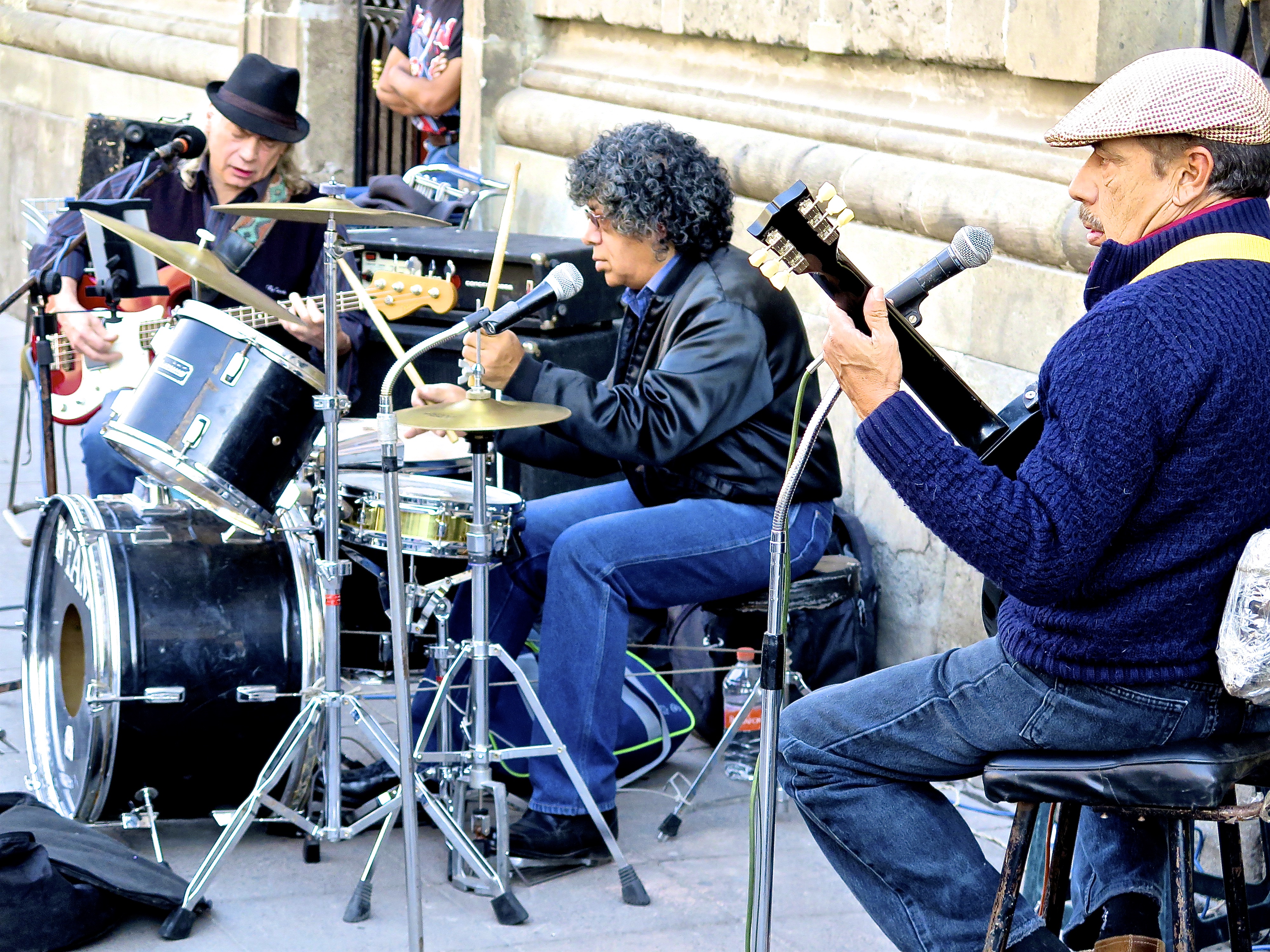
Street musicians playing faithful renditions of Credence Clearwater songs

IMG_6037

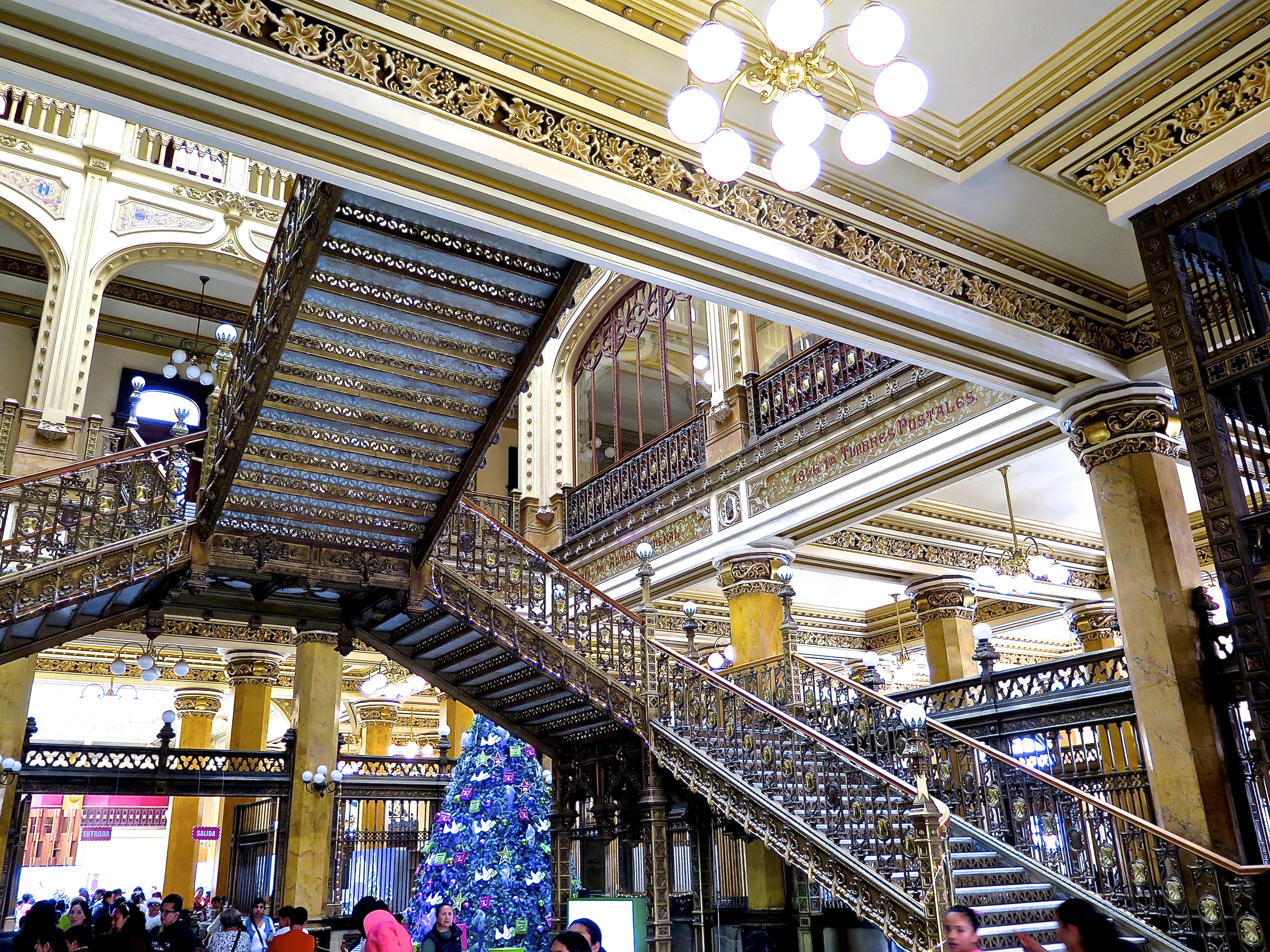
The main postoffice, Mexico City

IMG_6055

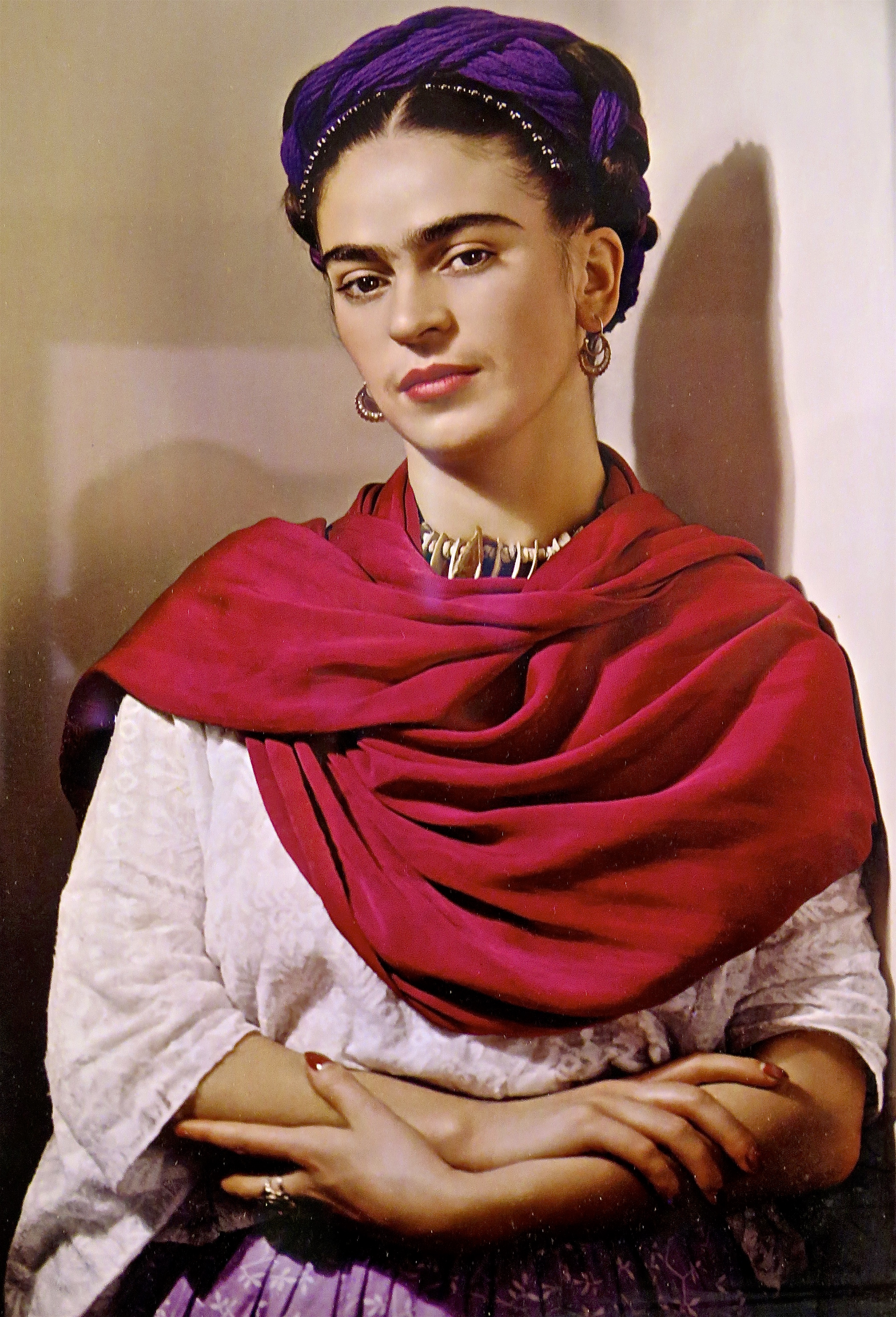
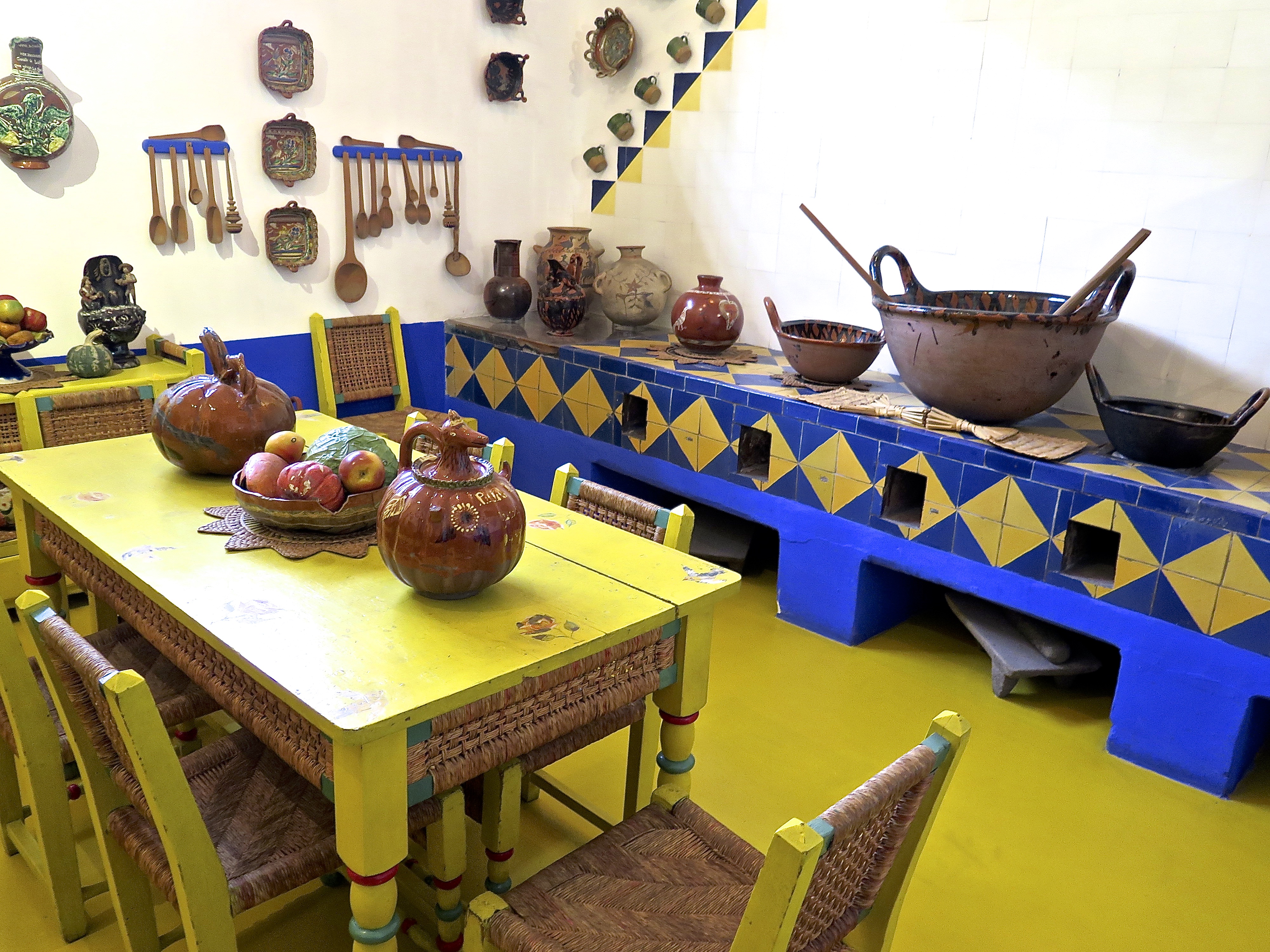
A portrait by Hungarian photographer, and sometime lover of Frida Kahlo, Nickolas Muray. Below is the dining area in the Blue House in Coyoacan where she was born.

IMG_6060

The dining area in the Blue House

IMG_6064

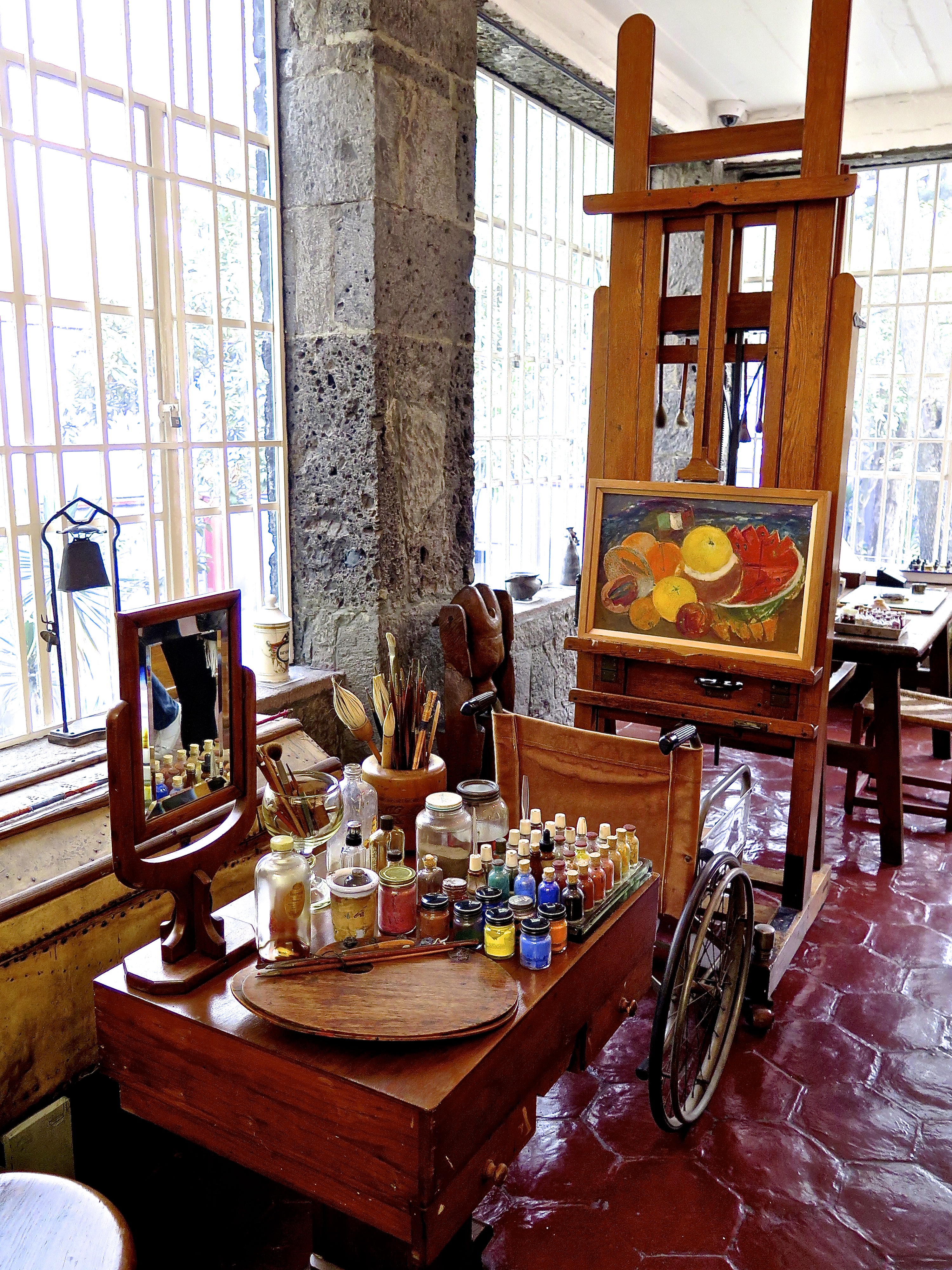
Frida’s Studio in the Blue House

IMG_6069

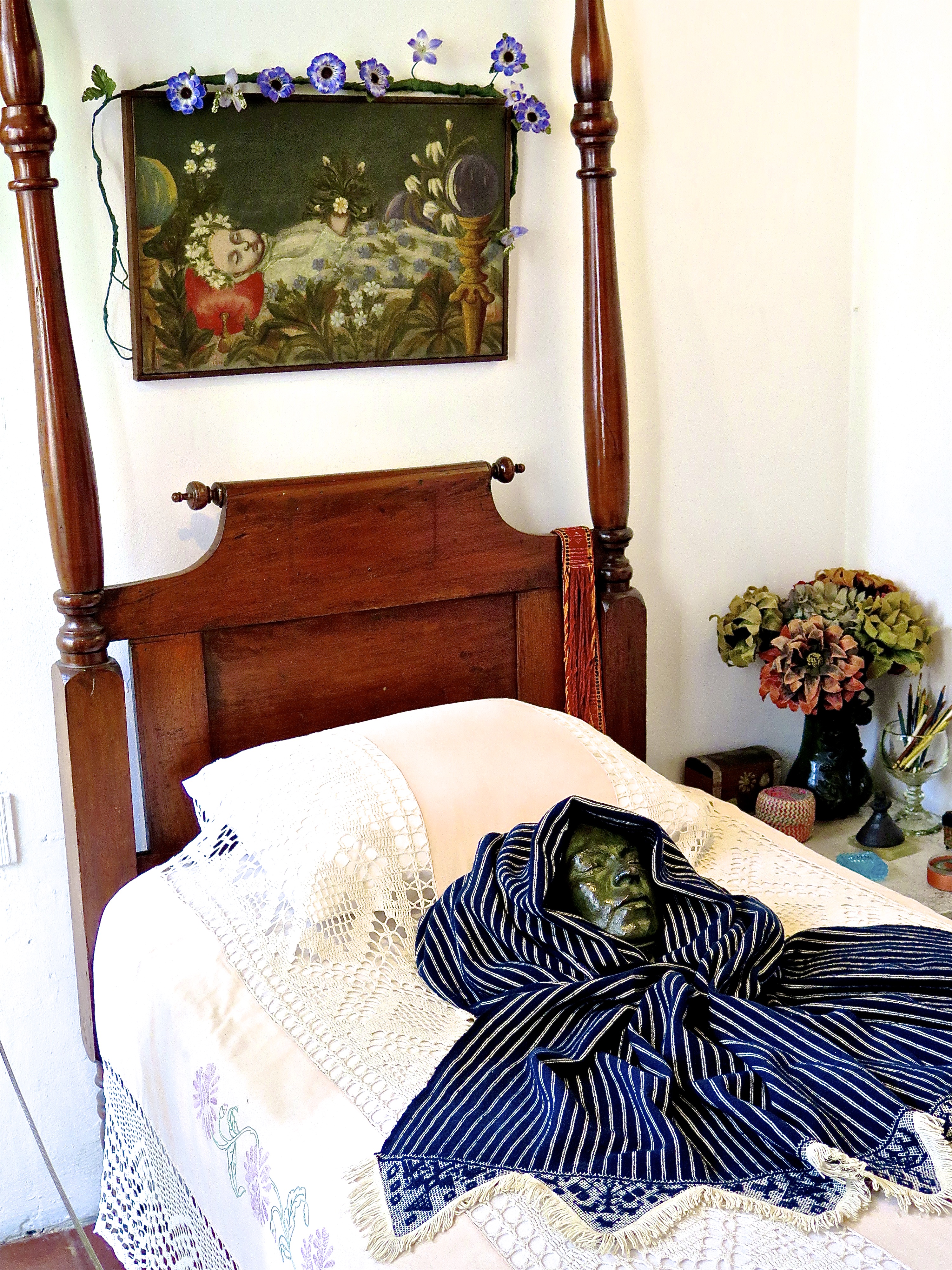
Frida’s death mask on the bed where she died

IMG_6085

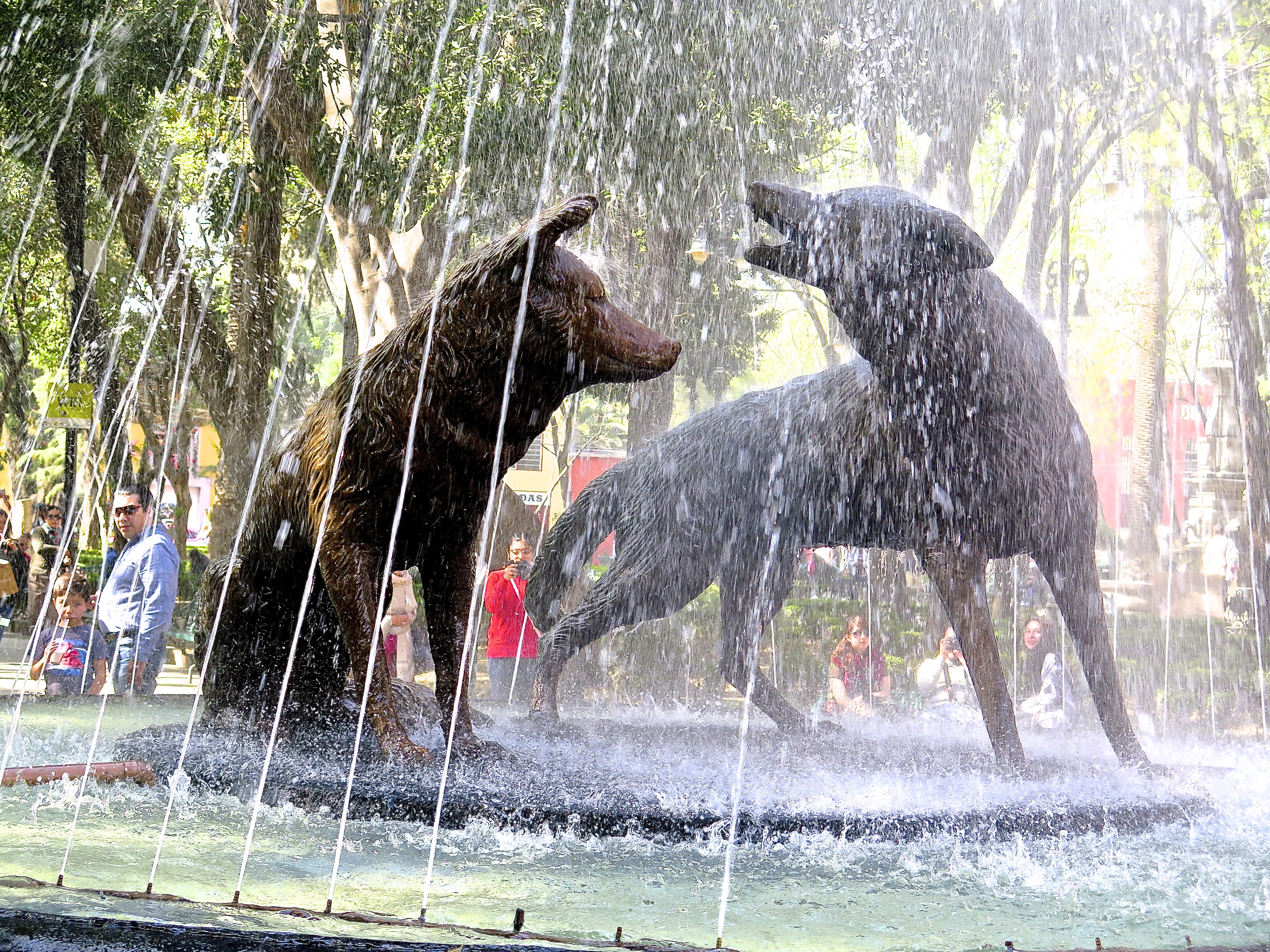
A very lifelike sculpture of coyotes in a plaza not far from the Blue House

IMG_6091

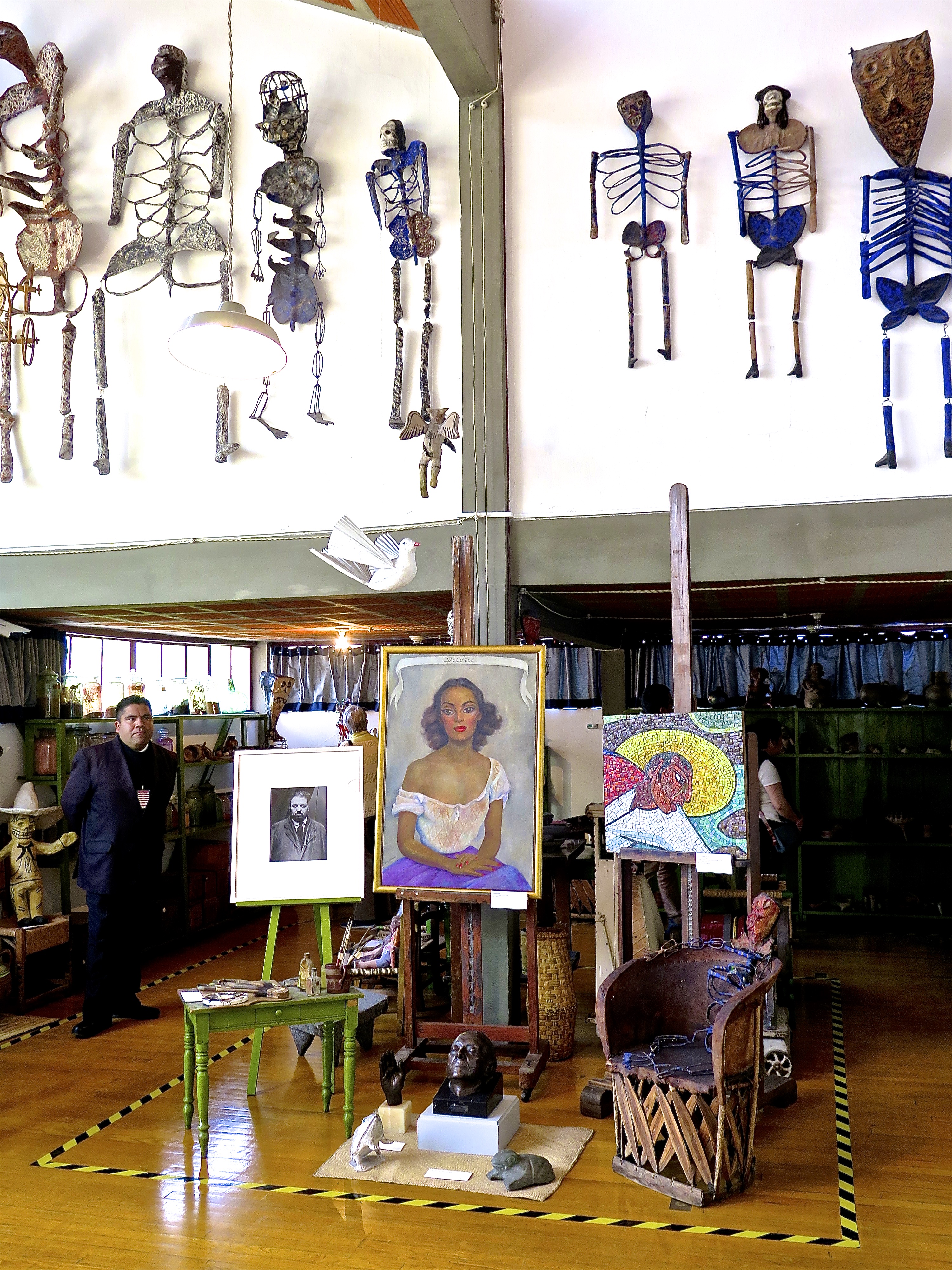
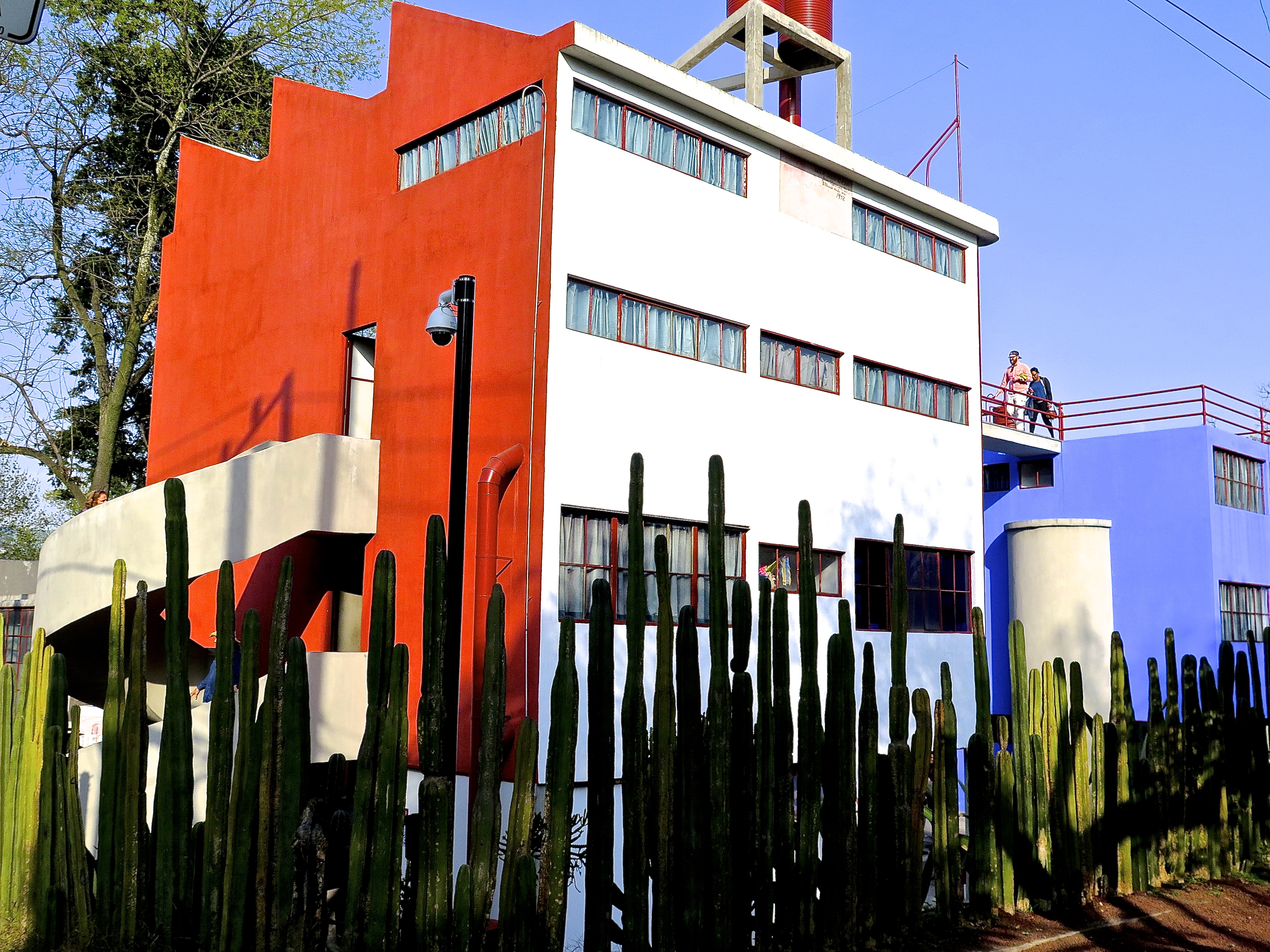
Diego Rivera’s studio in the double house he and Frida had built. The portrait is of the woman with whom he spent the last years of his life. Below, Frida’s studio in the blue building connected by a bridge was much smaller. 

IMG_6102

IMG_5805

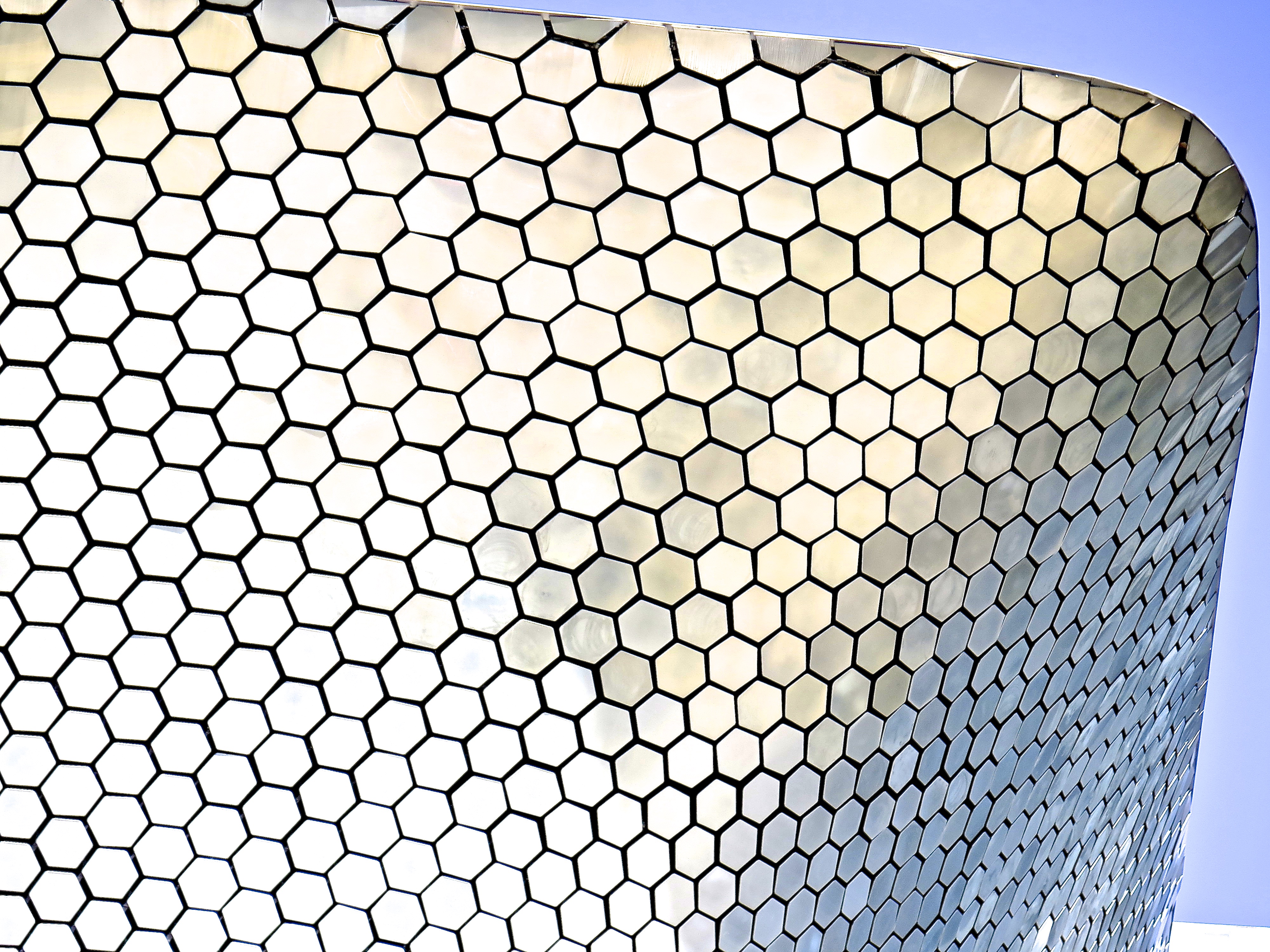
A closeup of Carlos Slim’s Museo Soumayo. The building is covered by 16,000 hexagonal aluminum tiles.[6][7] The aluminium used in the project was supplied by a company that is also owned by Carlos Slim. The building was designed by the Mexican architect Fernando Romero, who is married to a daughter of Carlos Slim. (Wikipedia) To Americans, this scenario may have ominous echoes.  
IMG_6108

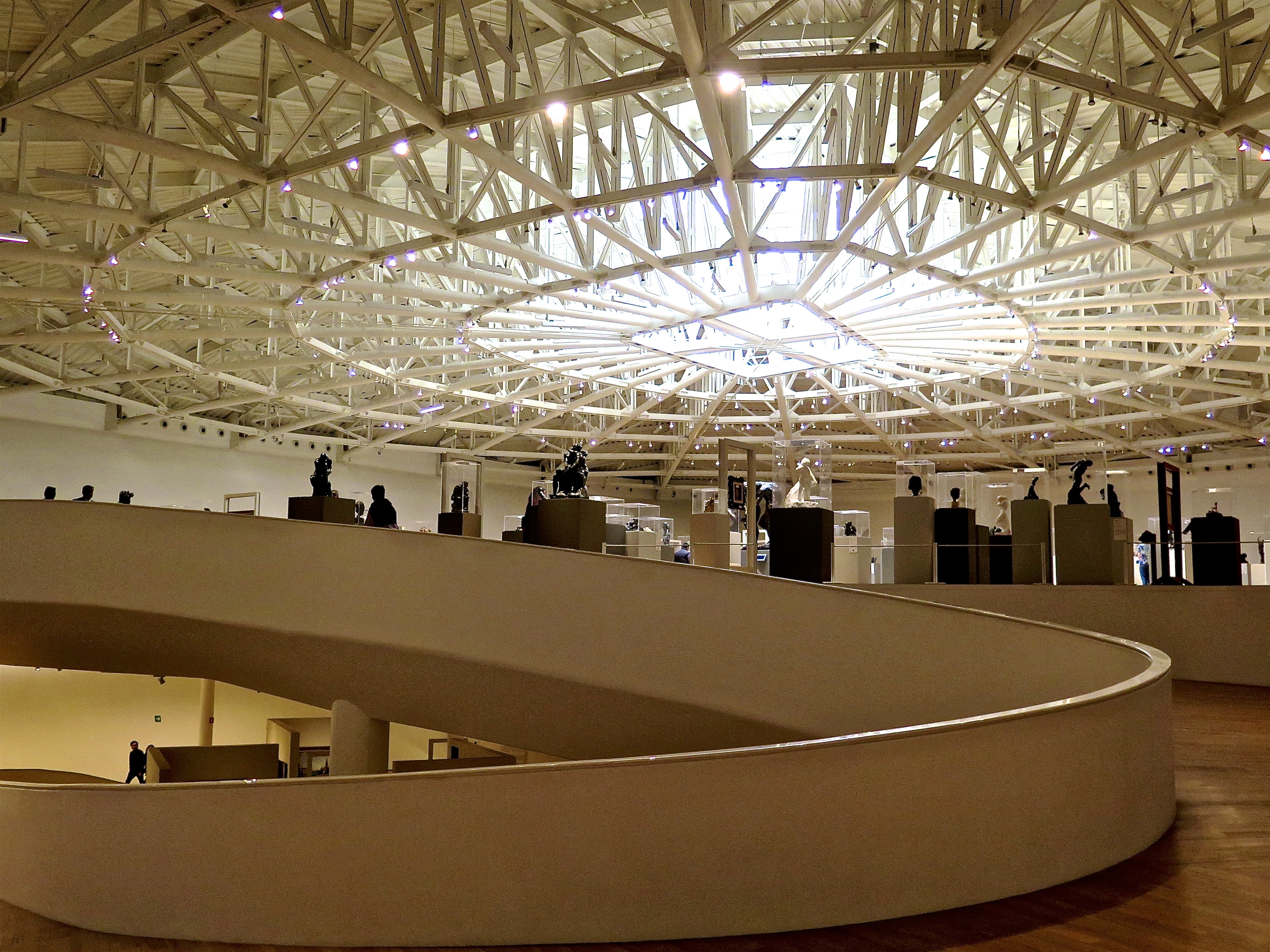
The ramp to the top floor of the Soumaya Museum that houses Slim’s huge collection of sculptures by by Rodin and Rodin contemporaries

IMG_6116

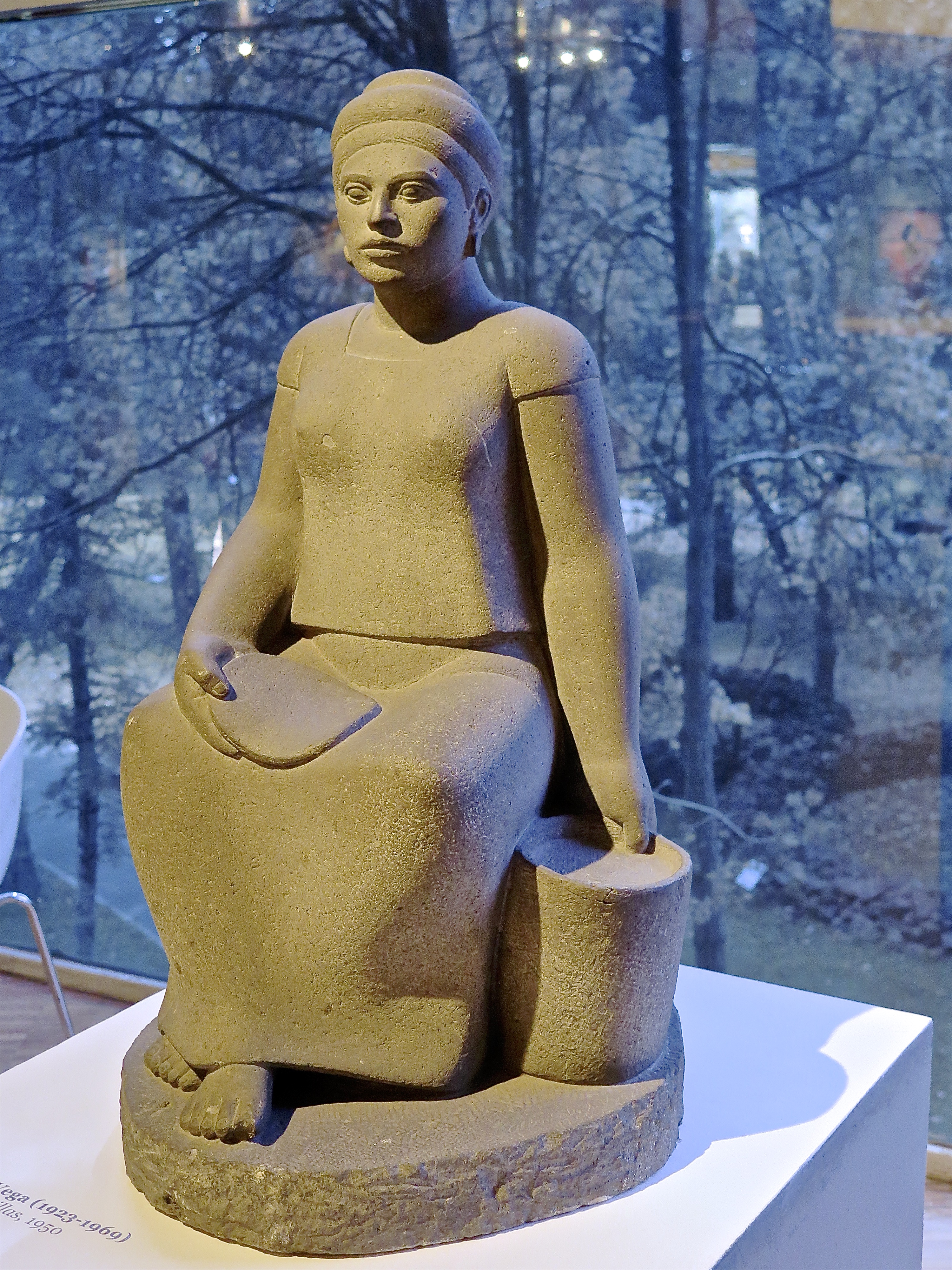
This beautiful stone piece caught both Barbara’s and my attention

IMG_6124

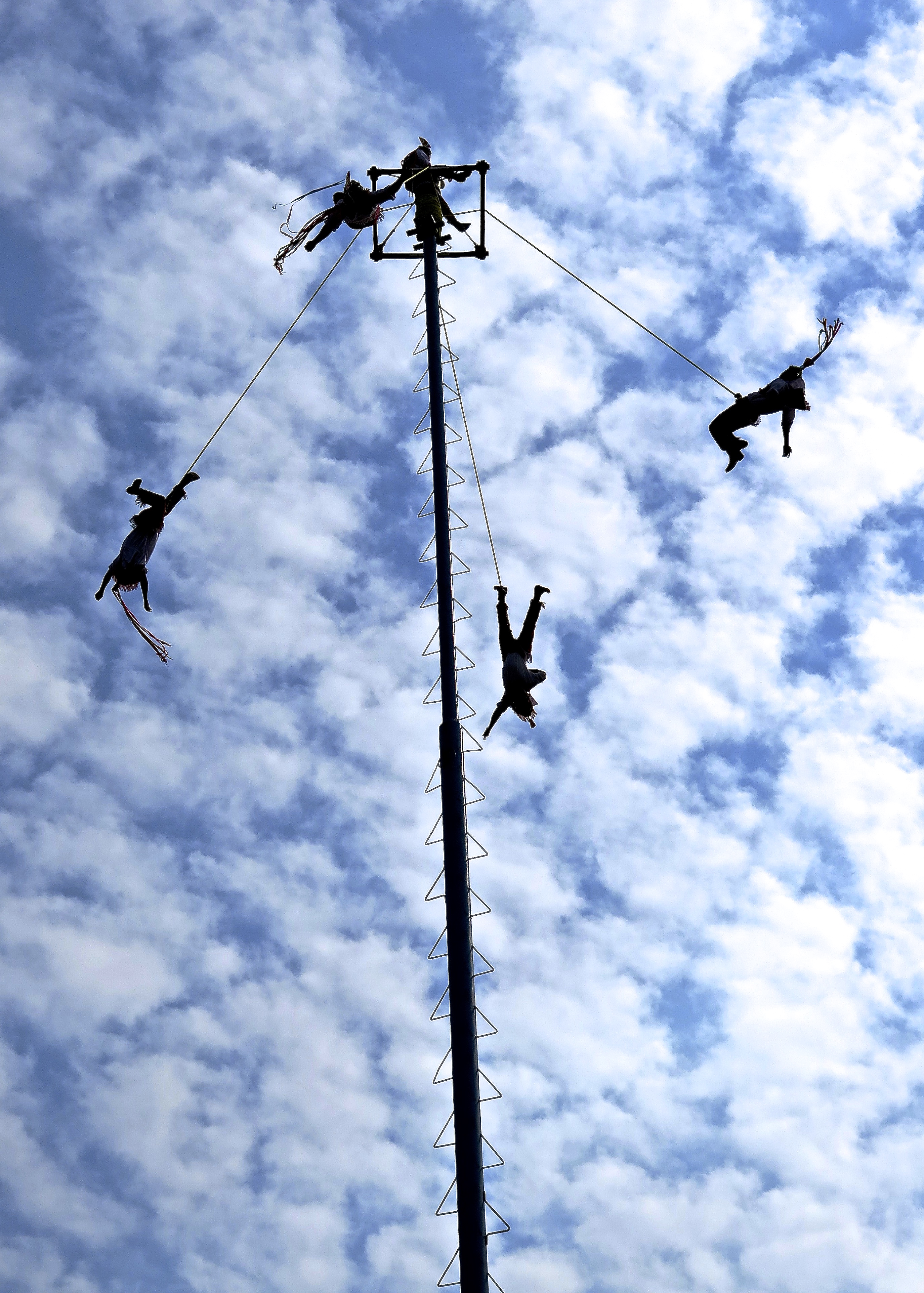
Arial acrobats from Chiapas, Mexico, slowly unwind and descend to the ground, Chapultepec Park

IMG_6133

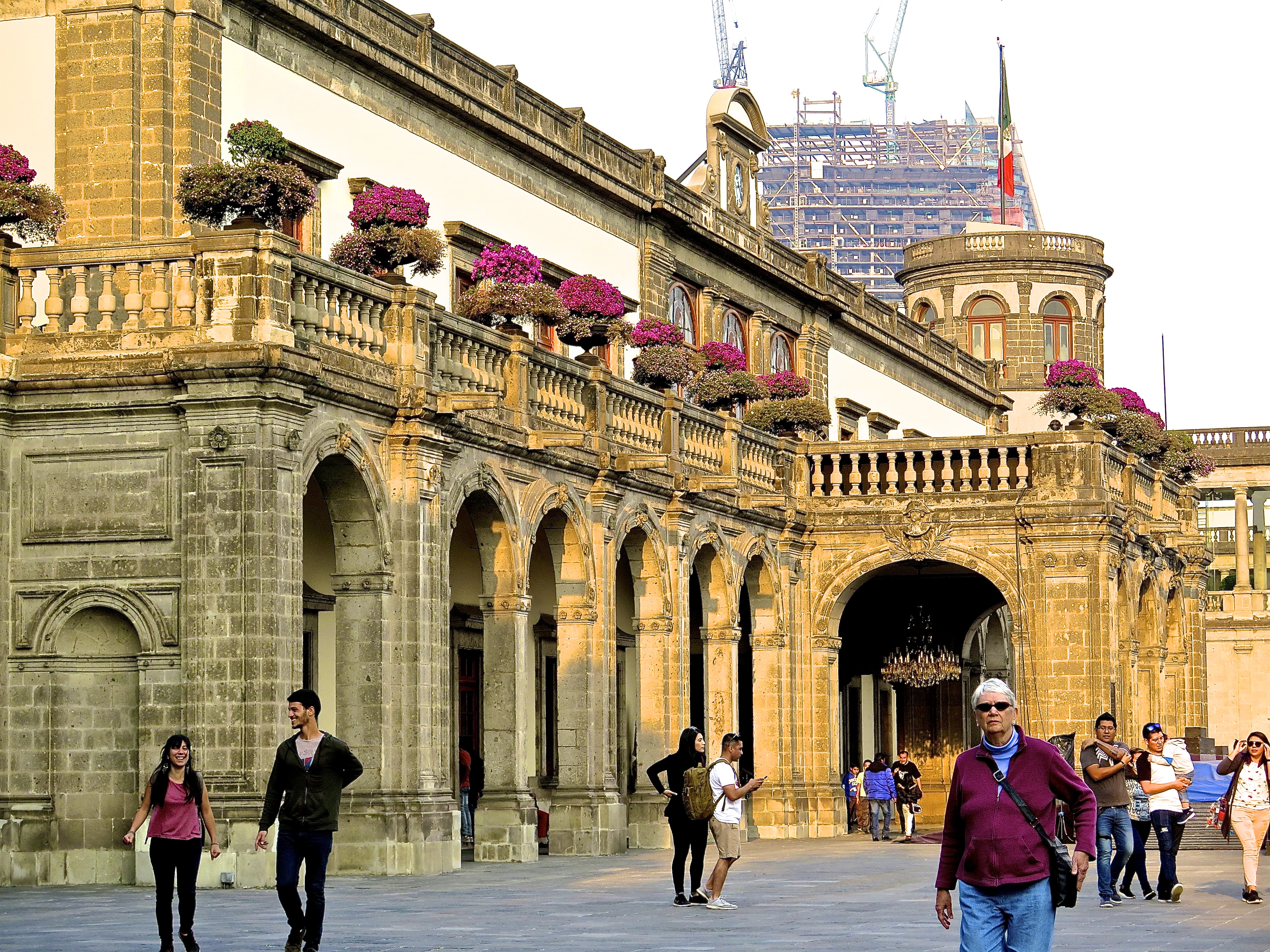
One of many powerful murals depicting Mexico’s difficult history in Chapultepec Castle (below)

IMG_6150

IMG_6157

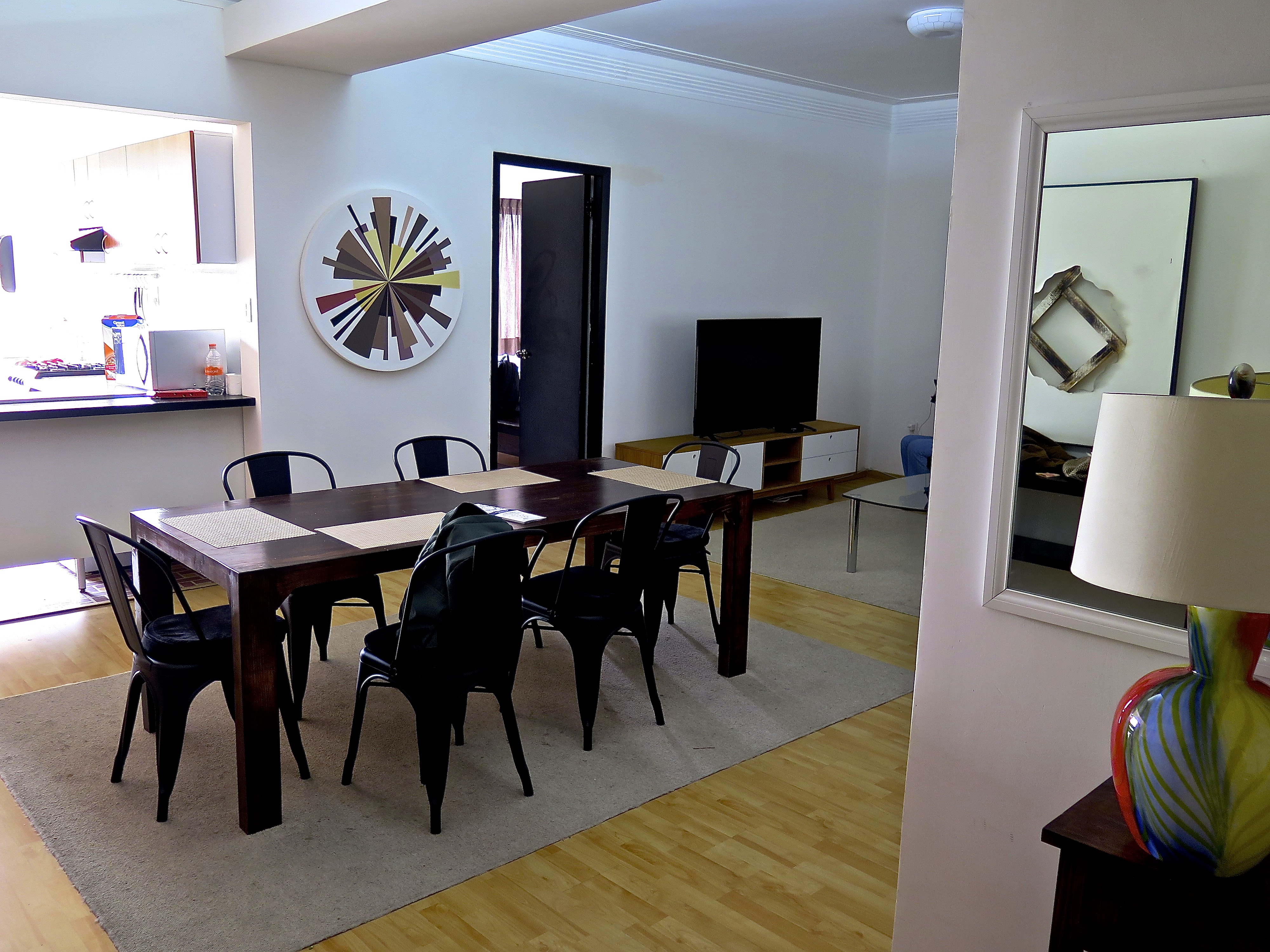
The very pleasant 3-bedroom apartment that Barbara secured for us in the posh Polanco neighborhood of Mexico City